The 15 Worst Law Schools in New York
New York has 15 law schools approved by the American Bar Association, from Buffalo to Long Island, and every one of them has to publish how its graduates did on the bar exam and how many of them found legal jobs. The results are far apart. At the top schools, about 96 in 100 first-time takers passed. At the bottom school, nearly four in ten did not.
This list ranks all 15 of New York’s ABA-approved law schools from worst to best by one public measure: how each school’s first-time bar passage rate for 2024 graduates compared with the average for the same states. The figures come from the American Bar Association’s Standard 509, bar passage and employment disclosures. For each school, the ABA compares its graduates’ first-time pass rate with the weighted average for graduates of all ABA-approved schools who took the exam in the same states, which for New York schools ranged from about 83% to 86%.
Eight of the 15 schools fell below that average, and they fill the first eight spots here, though the last few missed it by less than three points. The other seven beat it, and their entries say so plainly. New York’s Board of Law Examiners does not publish results school by school, but its July 2026 results give the bigger picture: 83% of the 3,377 graduates of New York law schools who took the exam for the first time passed, down 4 points from July 2025.
Each entry also gives the school’s 2025-26 tuition and fees, its fall 2025 entering class, first-year students who left, and how many of its class of 2025 graduates had full-time, long-term jobs that required passing the bar about 10 months after graduation, not counting jobs funded by the school. A pass rate is one measure, not a full picture of any school, and many graduates of every school here pass the bar and practice law.
1. Touro University Jacob D. Fuchsberg Law Center (Central Islip)
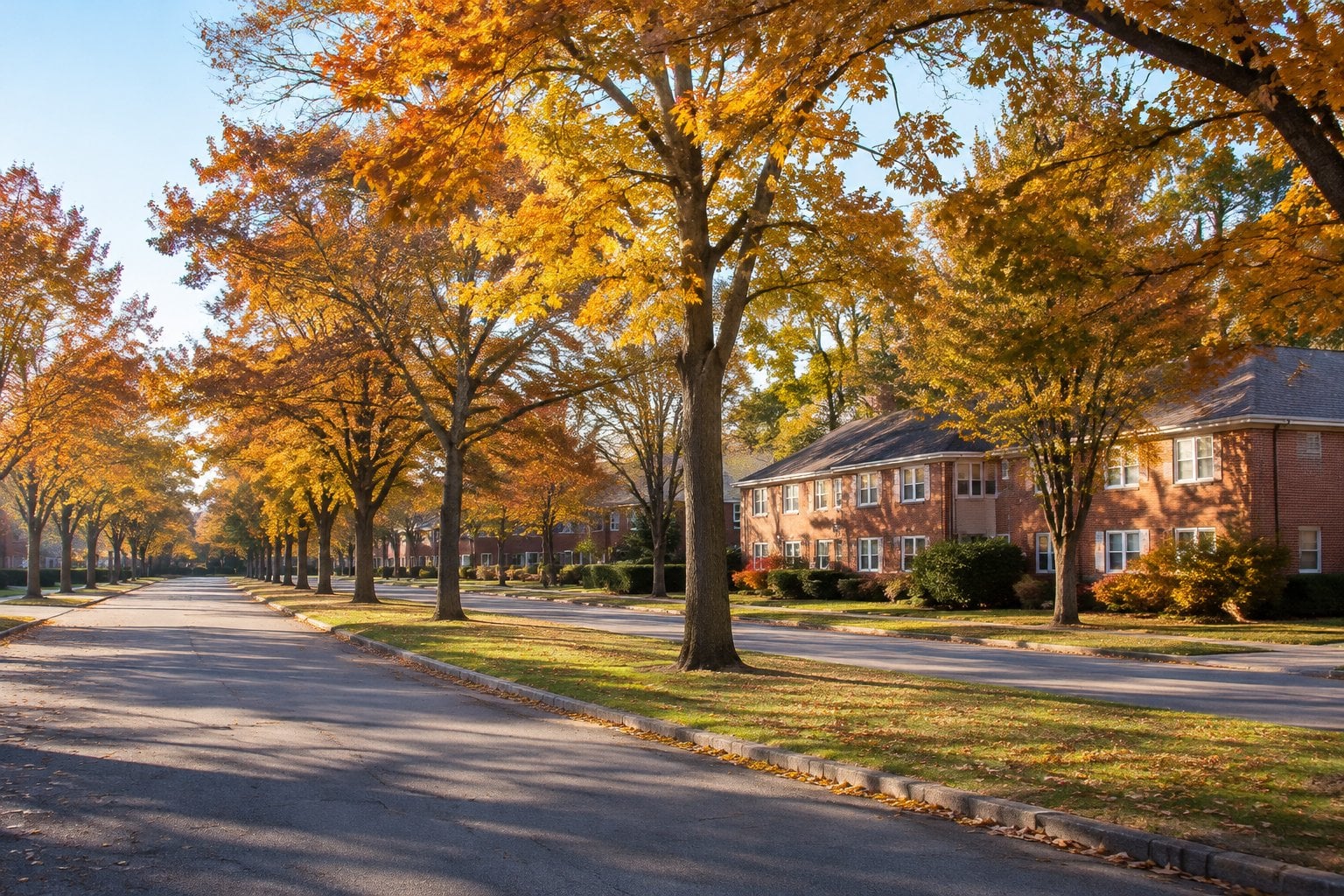
Touro’s law school in Central Islip, on Long Island, had the largest gap in New York and the second-largest of the 192 law schools the ABA ranked nationwide. Of its 154 first-time bar takers from 2024, 95 passed, a rate of 61.69%, the lowest raw pass rate in New York. The ABA average for the same states was 85.78%, which puts the school 24.09 percentage points below it.
That was better than a year earlier, when only 88 of its 159 first-time takers passed (55.35%), 26.72 points below the average.
The private school charges $61,000 in tuition plus $1,150 in fees for 2025-26, the same for residents and nonresidents. It is the easiest New York law school to get into: for fall 2025 it received 1,462 applications and made 667 offers, an acceptance rate of 45.62%. It enrolled 223 new students, 153 full-time and 70 part-time, with a median LSAT score of 153 and a median undergraduate GPA of 3.35, both the lowest in New York.
Sixteen first-year students left for academic reasons, and three more left for other reasons. Of its 145 graduates in the class of 2025, 109 (75.2%) had full-time, long-term jobs that required bar passage, and 11 were unemployed and looking for work.
2. CUNY School of Law (Long Island City)
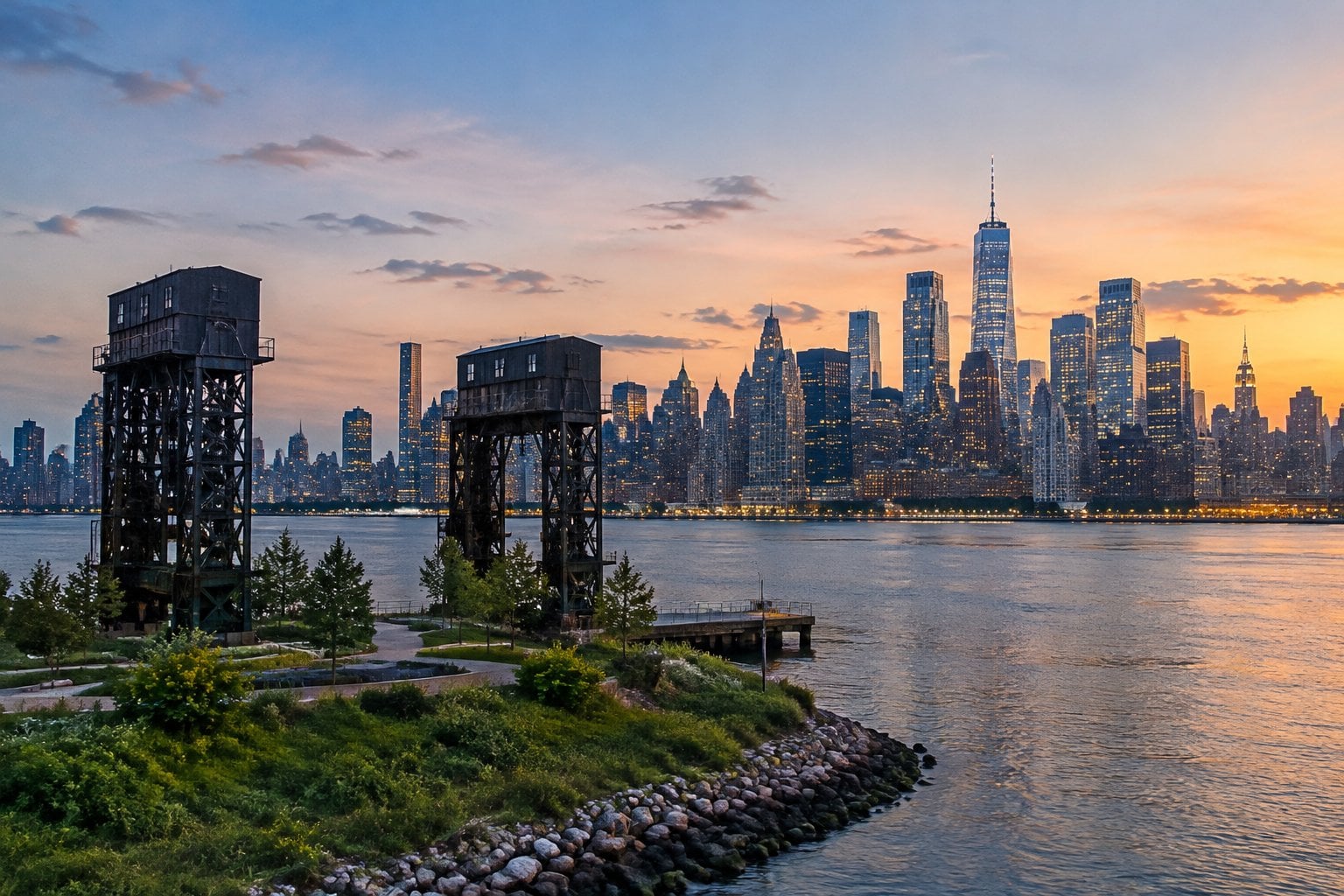
The City University of New York’s law school, in Long Island City, Queens, had the seventh-largest gap of the 192 schools ranked nationwide. Of its 201 first-time bar takers from 2024, 132 passed, a rate of 65.67%. The ABA average for the same states was 86.00%, a gap of 20.33 percentage points.
It is improving. A year earlier, only 114 of its 204 first-time takers passed (55.88%), so its rate rose by almost 10 points in one year.
CUNY is by far the least expensive law school in New York. The public school charges New York residents $15,450 in tuition plus $563 in fees for 2025-26, and nonresidents $25,640 plus fees. Part-time students pay $14,540. For fall 2025 it received 2,300 applications and made 659 offers, an acceptance rate of 28.65%. It enrolled 219 new students, 161 full-time and 58 part-time, with a median LSAT of 155 and GPA of 3.54.
Two first-year students left for academic reasons, and three more left for other reasons. Of its 192 graduates in the class of 2025, 141 (73.4%) had full-time, long-term jobs that required bar passage, and 20 were unemployed and looking for work. Total J.D. enrollment was 695.
3. Elisabeth Haub School of Law at Pace University (White Plains)
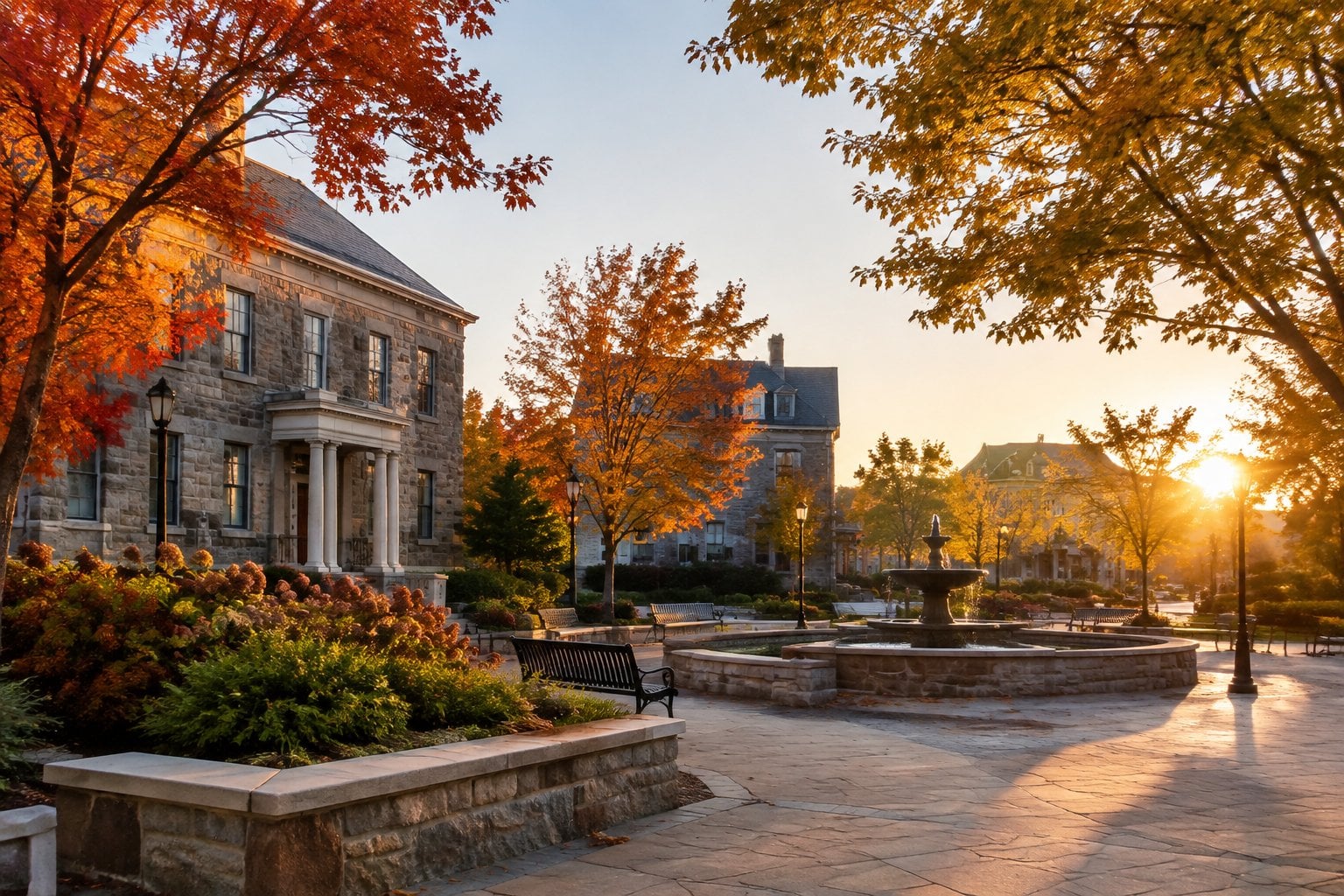
Pace University’s law school in White Plains, in Westchester County, had the 12th-largest gap of the 192 schools ranked nationwide. Of its 248 first-time bar takers from 2024, 170 passed, a rate of 68.55%. The ABA average for the same states was 84.39%, a gap of 15.84 percentage points.
Its results have been steady but low. A year earlier, 157 of its 241 first-time takers passed (65.15%), a gap of 15.44 points, almost the same as this year.
The private school charges $56,648 in tuition plus $1,108 in fees for 2025-26, the lowest full-time tuition of any private law school in New York, and $42,508 for part-time students. For fall 2025 it received 2,293 applications and made 1,012 offers, an acceptance rate of 44.13%. It enrolled 324 new students, including 77 part-time, the most part-time students of any New York school, with a median LSAT of 154 and GPA of 3.54.
Sixteen first-year students left for academic reasons, and three more left for other reasons. Of its 261 graduates in the class of 2025, 211 (80.8%) had full-time, long-term jobs that required bar passage, and 13 were unemployed and looking for work. Total J.D. enrollment was 873.
4. Albany Law School (Albany)
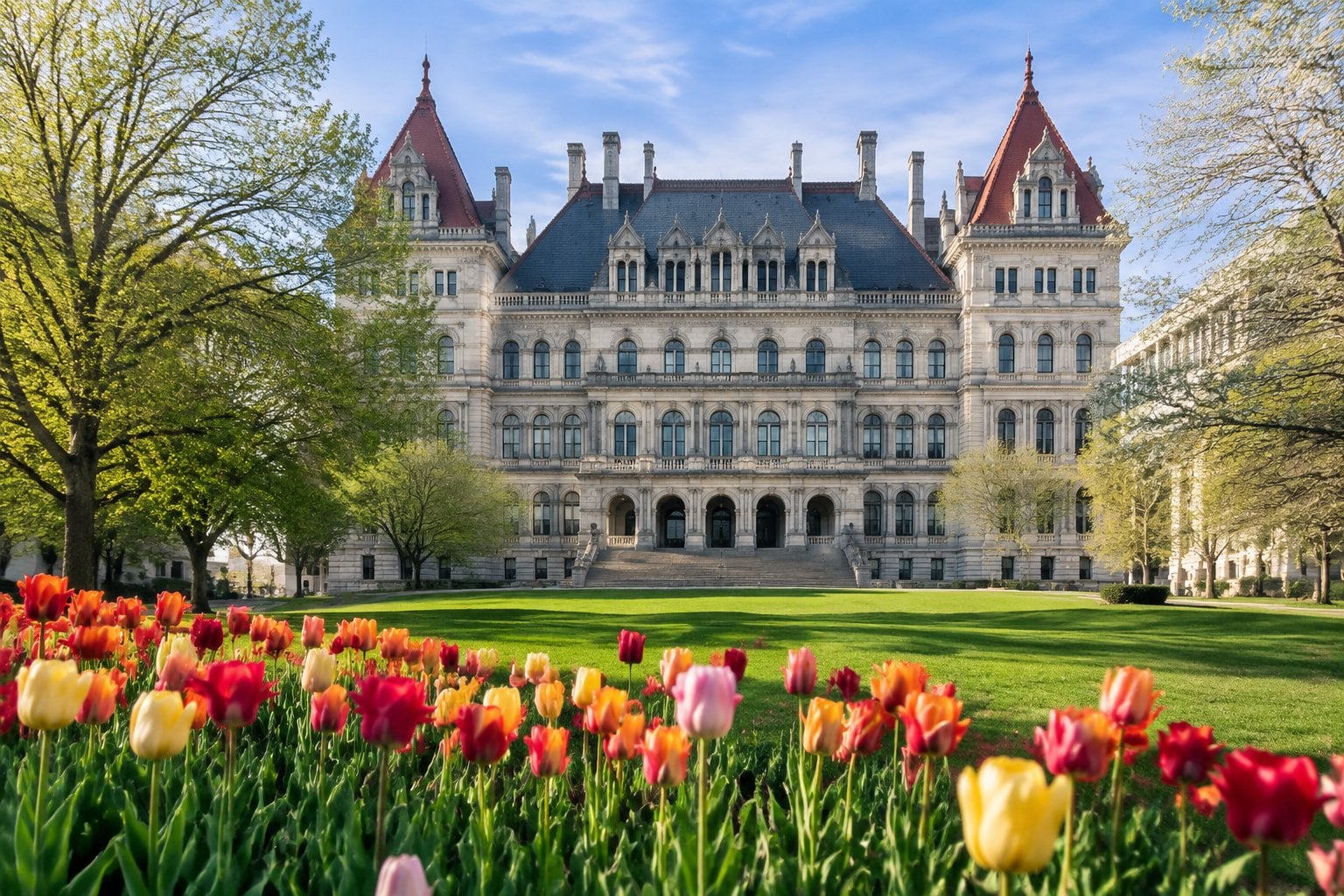
Albany Law School, founded in 1851 in the state capital, had the biggest drop of any New York school. Of its 206 first-time bar takers from 2024, 153 passed, a rate of 74.27%. The ABA average for the same states was 85.75%, a gap of 11.48 percentage points, the 23rd-largest of 192 schools nationwide.
A year earlier it was close to average: 128 of its 156 first-time takers passed (82.05%), just 0.12 of a point below. So its gap grew by more than 11 points in one year, while it sent 50 more first-time takers to the exam.
The private school charges $63,994 in tuition for 2025-26 and just $240 in fees, the lowest fees in New York. Part-time students pay $57,594. For fall 2025 it received 2,638 applications and made 988 offers, an acceptance rate of 37.45%. It enrolled 237 new students, all but four full-time, with a median LSAT of 158 and GPA of 3.54.
Five first-year students left for academic reasons, and seven more left for other reasons. Of its 191 graduates in the class of 2025, 169 (88.5%) had full-time, long-term jobs that required bar passage, and 9 were unemployed and looking for work. Total J.D. enrollment was 615.
5. Maurice A. Deane School of Law at Hofstra University (Hempstead)
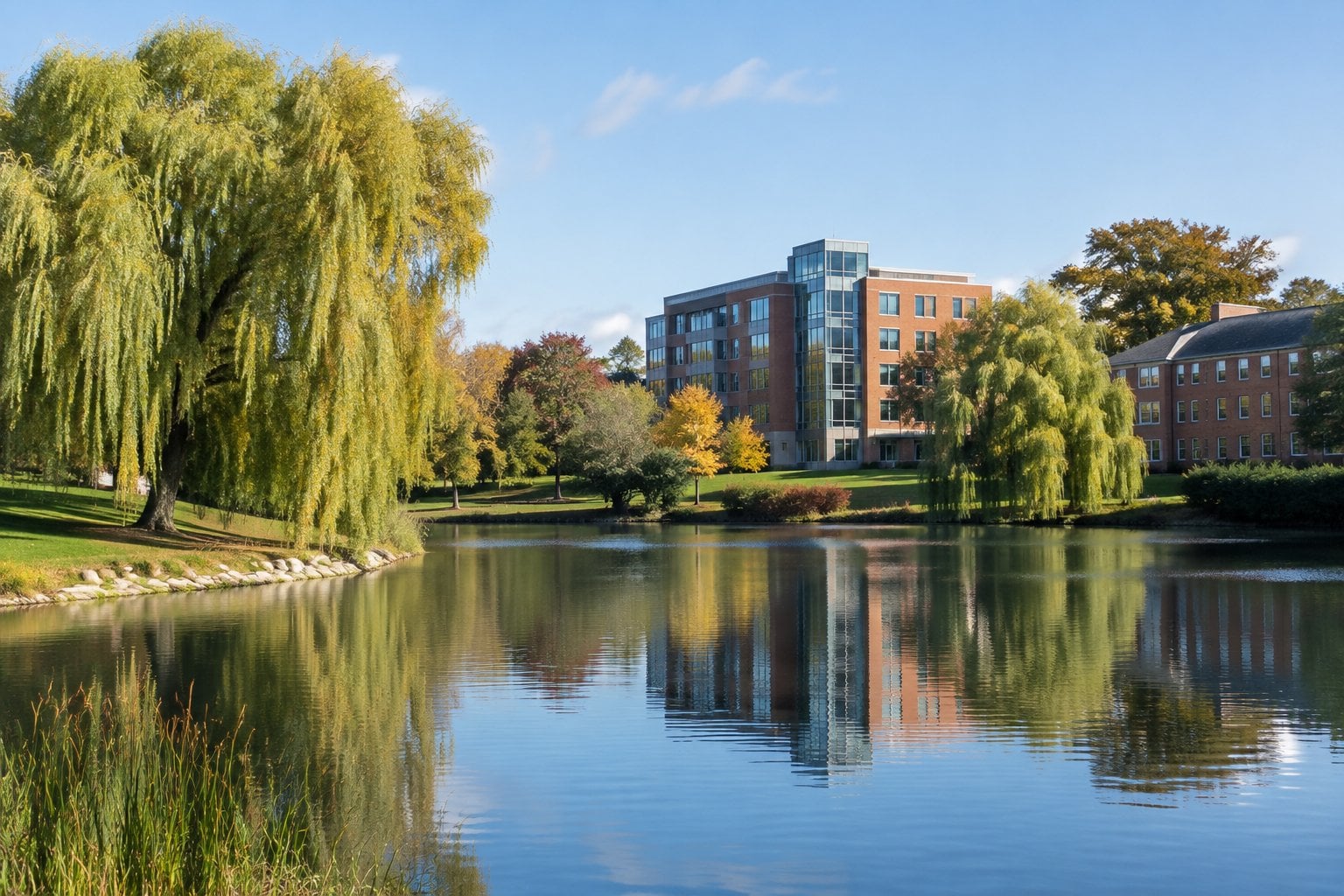
Hofstra’s law school in Hempstead, on Long Island, opened in 1970. Of its 275 first-time bar takers from 2024, 217 passed, a rate of 78.91%. The ABA average for the same states was 85.69%, a gap of 6.78 percentage points.
That was close to its result a year earlier, when 200 of its 262 first-time takers passed (76.34%), a gap of 6.08 points. The raw rate went up a little, but so did the average it is measured against.
The private school charges $73,344 in tuition plus $1,516 in fees for 2025-26, and $55,006 for part-time students. For fall 2025 it received 2,448 applications and made 993 offers, an acceptance rate of 40.56%. It enrolled 263 new students, 256 full-time and 7 part-time, with a median LSAT of 157 and GPA of 3.65.
Few students left in their first year: two for academic reasons and three for other reasons. Its job results were stronger than its bar results. Of its 263 graduates in the class of 2025, 227 (86.3%) had full-time, long-term jobs that required bar passage, and 12 were unemployed and looking for work. Total J.D. enrollment was 800.
6. New York Law School (Manhattan)
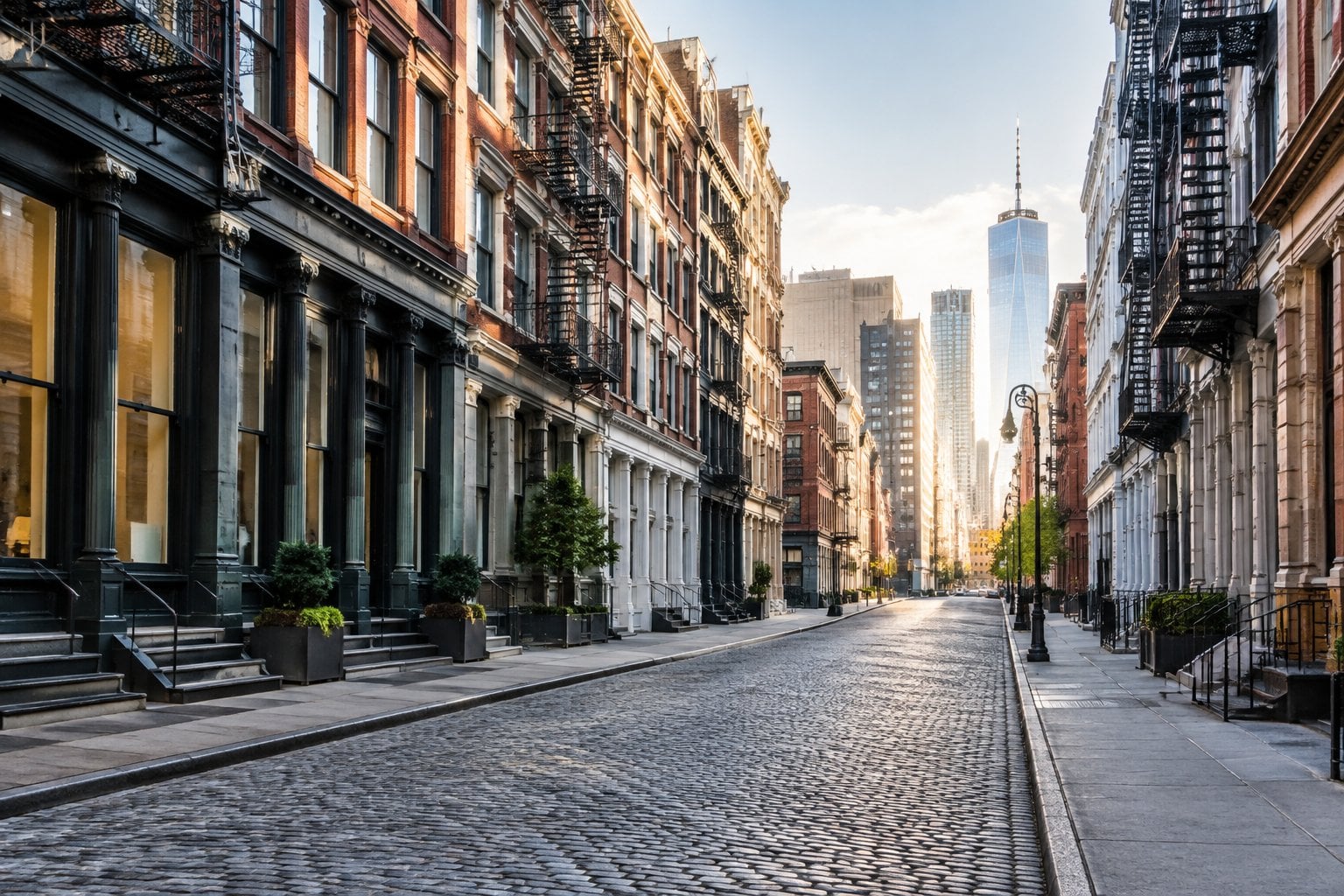
New York Law School, in Manhattan’s Tribeca neighborhood, made the biggest improvement of any New York school. Of its 337 first-time bar takers from 2024, 276 passed, a rate of 81.90%. The ABA average for the same states was 84.68%, a gap of 2.78 percentage points.
A year earlier, only 210 of its 297 first-time takers passed (70.71%), a gap of 10.90 points. Its raw pass rate rose by more than 11 points, the largest jump in the state, and it moved much closer to the average.
The private school charges $71,052 in tuition plus $2,472 in fees for 2025-26, and $54,710 for part-time students. For fall 2025 it received 4,114 applications and made 1,632 offers, an acceptance rate of 39.67%. It enrolled 409 new students, 356 full-time and 53 part-time, with a median LSAT of 157 and GPA of 3.63.
Twenty-four first-year students left for academic reasons, the most of any New York school, and nine more left for other reasons. Of its 313 graduates in the class of 2025, 233 (74.4%) had full-time, long-term jobs that required bar passage, not counting one school-funded job, and 20 were unemployed and looking for work. Total J.D. enrollment was 1,107.
7. Brooklyn Law School (Brooklyn)
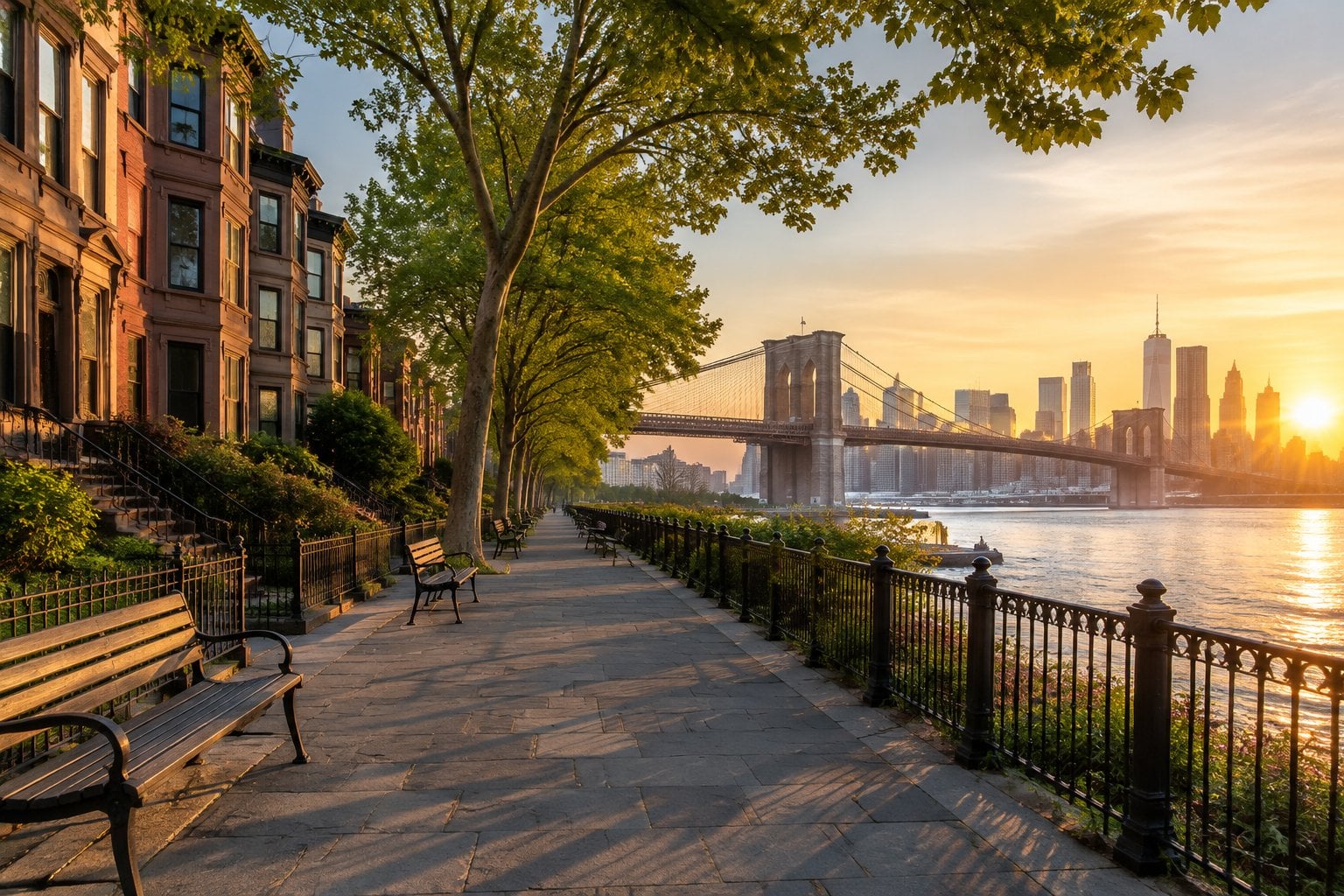
Brooklyn Law School finished just under its state average. Of its 393 first-time bar takers from 2024, 332 passed, a rate of 84.48%. The ABA average for the same states was 85.73%, a gap of only 1.25 percentage points.
That was an improvement. A year earlier, 294 of its 373 first-time takers passed (78.82%), a gap of 3.60 points.
The private school charges $75,496 in tuition plus $1,450 in fees for 2025-26, the same for residents and nonresidents. It is one of the largest law schools in New York, with 1,126 J.D. students. For fall 2025 it received 4,600 applications and made 2,024 offers, the most of any New York school, an acceptance rate of 44.00%. It enrolled 414 new students, 380 full-time and 34 part-time, with a median LSAT of 161 and GPA of 3.59.
Seventeen first-year students left for academic reasons, and eight more left for other reasons. Of its 356 graduates in the class of 2025, 301 (84.6%) had full-time, long-term jobs that required bar passage. Twenty-two were unemployed and looking for work, the most of any New York school.
8. University at Buffalo School of Law (Buffalo)
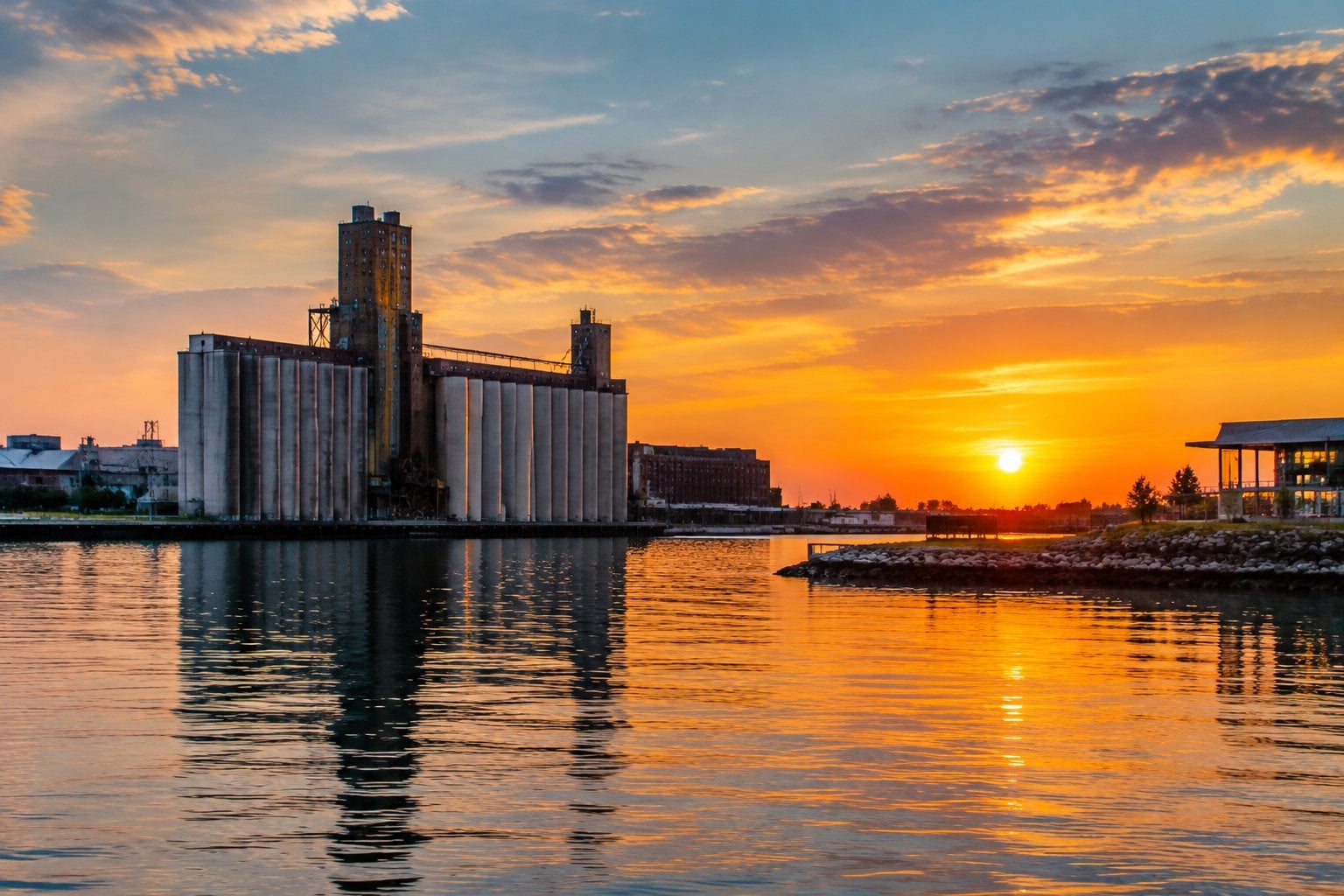
The University at Buffalo’s law school is the only law school in the State University of New York system, and it finished about level with its state average. Of its 154 first-time bar takers from 2024, 132 passed, a rate of 85.71%. The ABA average for the same states was 86.24%, a gap of just 0.53 of a percentage point, the smallest of any school that fell below.
A year earlier, 124 of its 153 first-time takers passed (81.05%), a gap of 1.08 points, so it moved closer.
The public school charges New York residents $26,430 in tuition for 2025-26 and nonresidents $32,100, plus $3,320 in fees. It is the smallest law school in New York, with 430 J.D. students. For fall 2025 it received 977 applications, the fewest in the state, and made 414 offers, an acceptance rate of 42.37%. All 167 new students enrolled full-time, with a median LSAT of 157 and GPA of 3.71.
Twelve first-year students left for academic reasons, 8% of the class and the highest share in New York, and three more left for other reasons. Of its 137 graduates in the class of 2025, 124 (90.5%) had full-time, long-term jobs that required bar passage, not counting one school-funded job, and 6 were unemployed and looking for work.
9. Syracuse University College of Law (Syracuse)
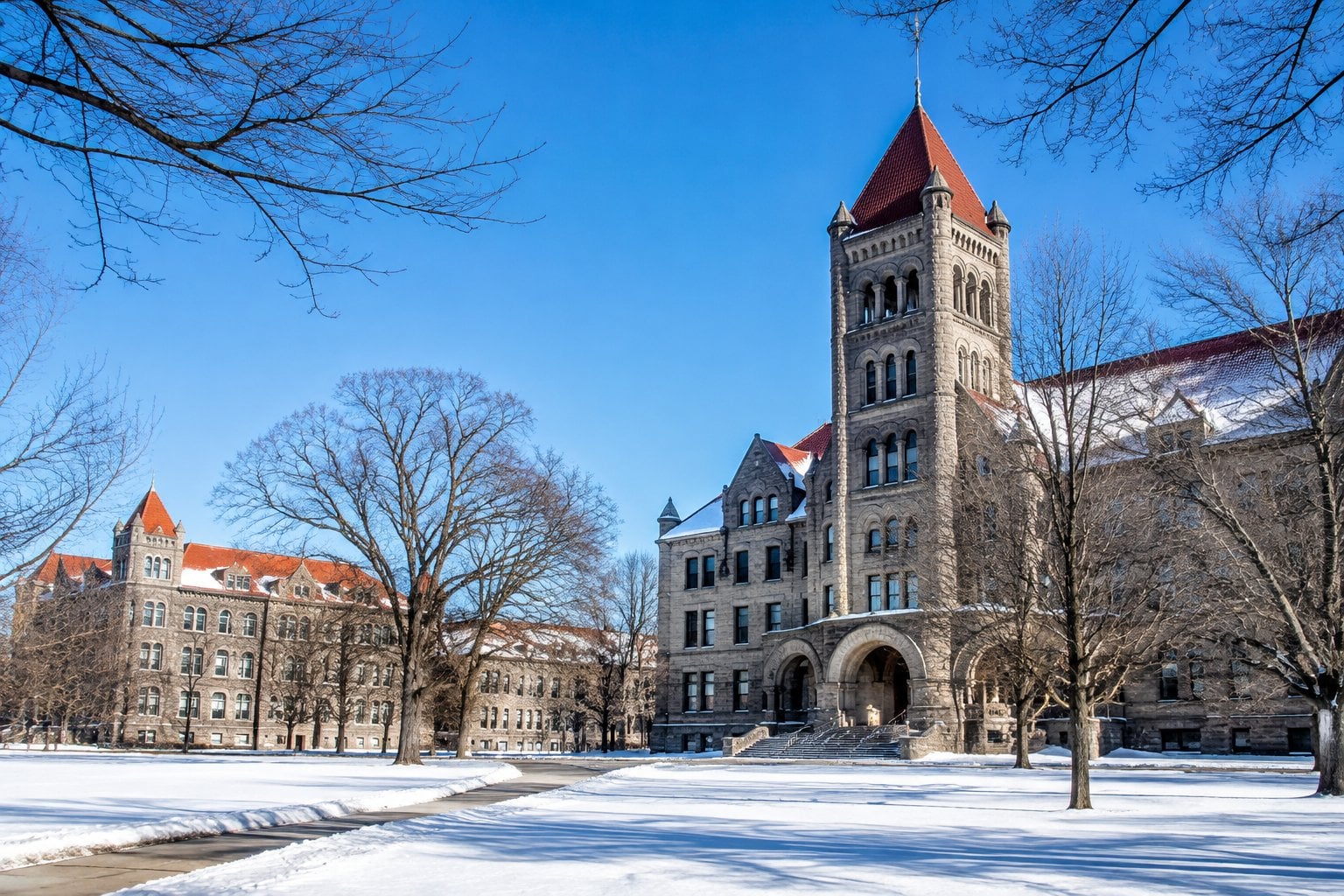
Syracuse is the first school on this list that beat its average, if only barely. Of its 193 first-time bar takers from 2024, 160 passed, a rate of 82.90%. That raw rate is lower than Brooklyn’s or Buffalo’s, but its graduates took the exam in a mix of states with a lower average, 82.61%, so it finished 0.29 of a point above it.
It improved a lot. A year earlier, 135 of its 181 first-time takers passed (74.59%), a gap of 5.61 points below average.
The private school charges $64,650 in tuition plus $2,290 in fees for 2025-26. For fall 2025 it received 2,752 applications and made 952 offers, an acceptance rate of 34.59%. All 271 new students enrolled full-time, with a median LSAT of 158 and GPA of 3.60.
Eleven first-year students left for academic reasons, and 21 more left for other reasons, the most of any New York school. Its job results were the weakest in the state: of its 208 graduates in the class of 2025, 148 (71.2%) had full-time, long-term jobs that required bar passage. Five were unemployed and looking for work. Total J.D. enrollment was 750.
10. St. John’s University School of Law (Queens)
St. John’s University’s law school in Queens beat its state average. Of its 261 first-time bar takers from 2024, 229 passed, a rate of 87.74%. The ABA average for the same states was 86.11%, so it finished 1.63 percentage points above it.
It has been consistent. A year earlier, 216 of its 248 first-time takers passed (87.10%), when it beat the average by 4.51 points. Its rate held steady while the average rose.
The private school charges $75,170 in tuition plus $1,572 in fees for 2025-26, and $56,380 for part-time students. For fall 2025 it received 4,417 applications and made 1,018 offers, an acceptance rate of 23.05%. It enrolled 241 new students, all but three full-time, with a median LSAT of 164 and GPA of 3.81.
No first-year students left St. John’s in the ABA’s latest count, for academic or other reasons. It and Cornell are the only New York schools with no first-year departures at all. Of its 249 graduates in the class of 2025, 225 (90.4%) had full-time, long-term jobs that required bar passage, and 10 were unemployed and looking for work. Total J.D. enrollment was 758.
11. Benjamin N. Cardozo School of Law, Yeshiva University (Manhattan)
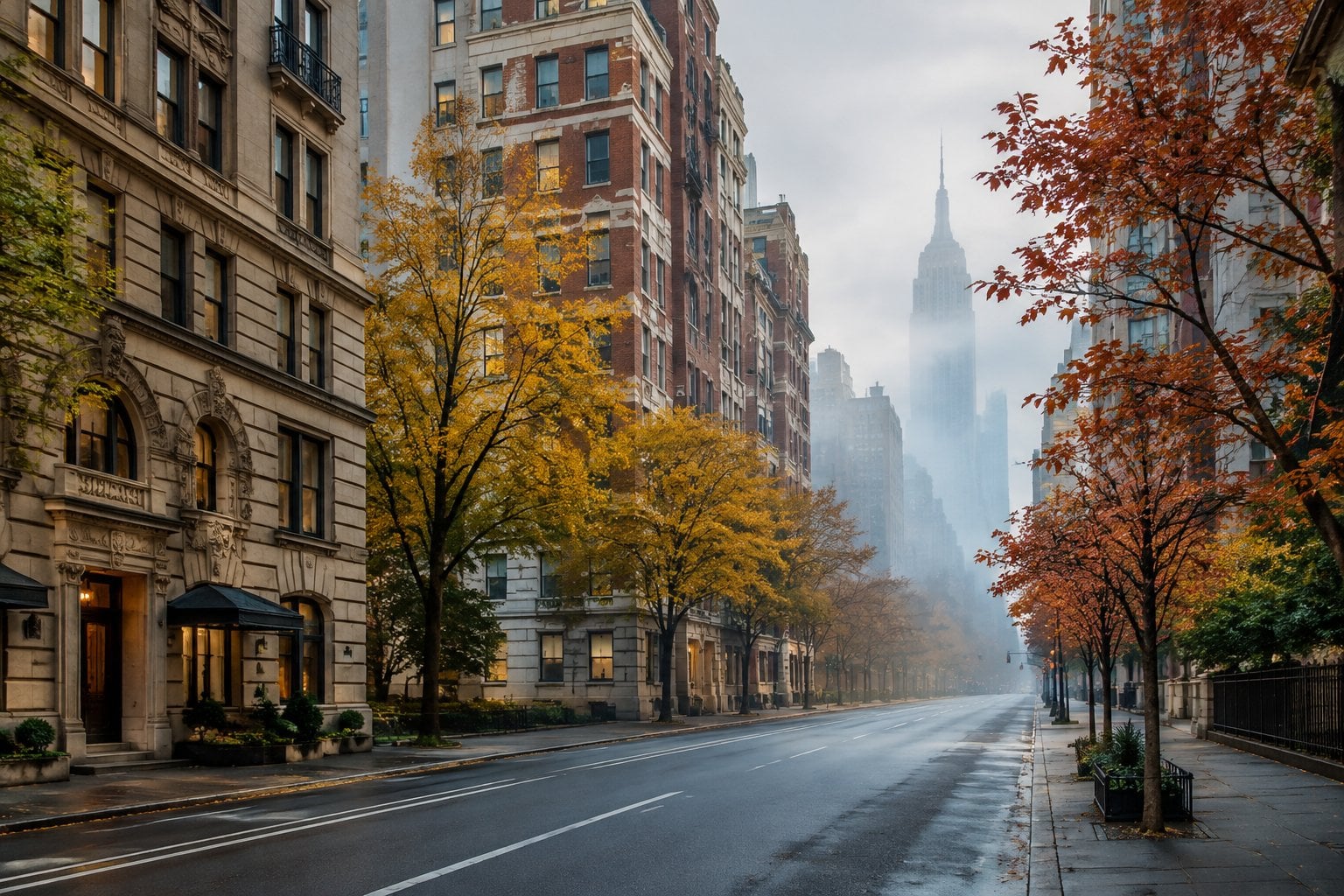
Cardozo, Yeshiva University’s law school on Fifth Avenue in Manhattan, finished comfortably above its state average. Of its 321 first-time bar takers from 2024, 284 passed, a rate of 88.47%. The ABA average for the same states was 85.16%, putting it 3.31 percentage points above.
That was better than a year earlier, when 265 of its 316 first-time takers passed (83.86%), 1.57 points above average.
The private school charges $74,438 in tuition plus $2,020 in fees for 2025-26. For fall 2025 it received 3,833 applications and made 1,133 offers, an acceptance rate of 29.56%. All 326 new students enrolled full-time, with a median LSAT of 165 and GPA of 3.78.
No first-year students left for academic reasons, and three left for other reasons. Of its 303 graduates in the class of 2025, 266 (87.8%) had full-time, long-term jobs that required bar passage, not counting four school-funded jobs, and 10 were unemployed and looking for work. Total J.D. enrollment was 946.
12. Fordham University School of Law (Manhattan)
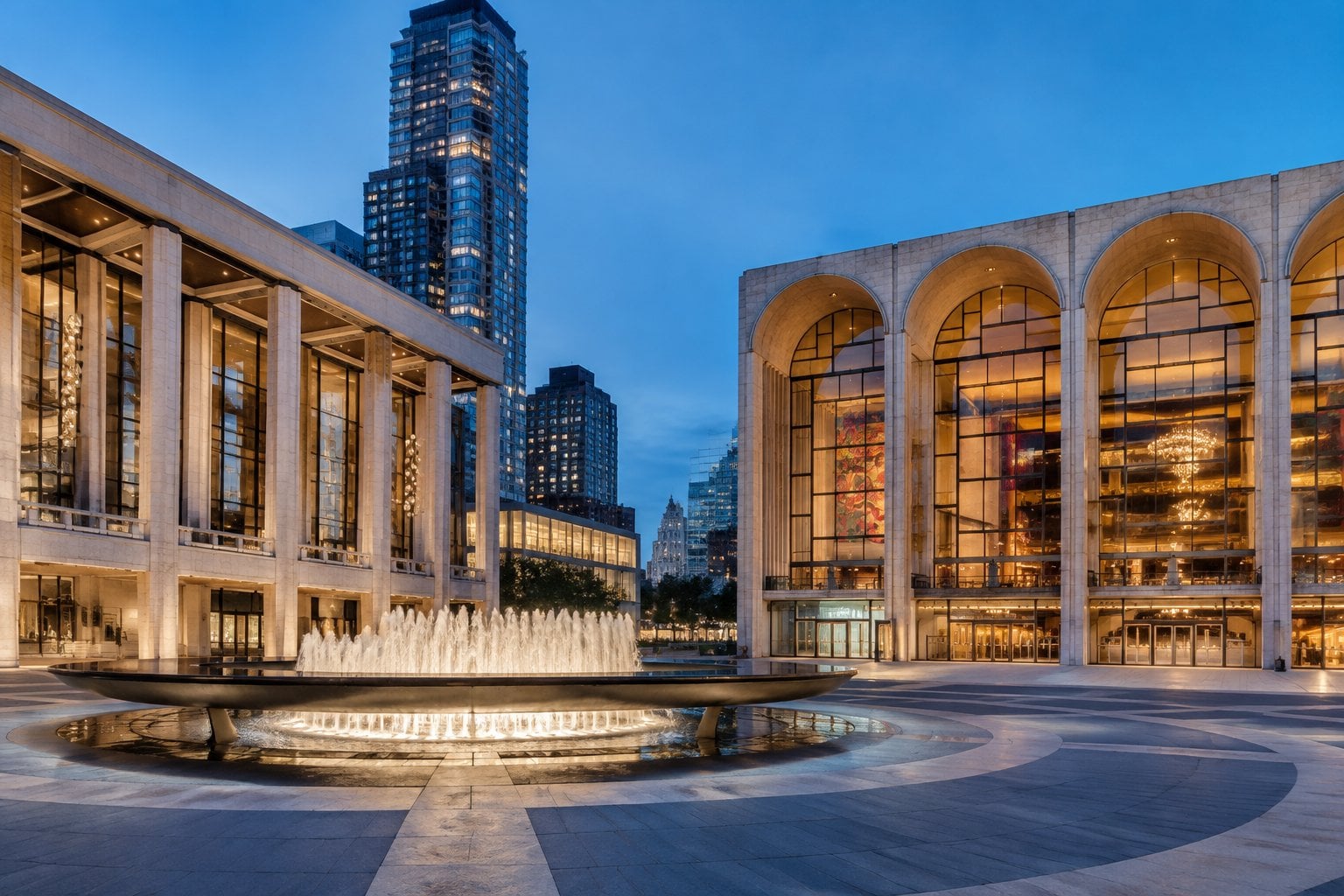
Fordham’s law school, next to Lincoln Center in Manhattan, finished well above its state average. Of its 456 first-time bar takers from 2024, 424 passed, a rate of 92.98%. The ABA average for the same states was 85.77%, putting it 7.21 percentage points above. A year earlier, 359 of its 409 first-time takers passed (87.78%).
The private school charges $78,078 in tuition plus $1,170 in fees for 2025-26, and $58,560 for part-time students. It is also one of the hardest New York schools to get into: for fall 2025 it received 8,811 applications and made 1,429 offers, an acceptance rate of 16.22%. It enrolled 444 new students, 374 full-time and 70 part-time, with a median LSAT of 168 and GPA of 3.79.
No first-year students left for academic reasons, and two left for other reasons. Of its 420 graduates in the class of 2025, 359 (85.5%) had full-time, long-term jobs that required bar passage, and 20 were unemployed and looking for work. That job rate was lower than at several schools that finished below it on the bar measure. Total J.D. enrollment was 1,352.
13. Columbia Law School (Manhattan)
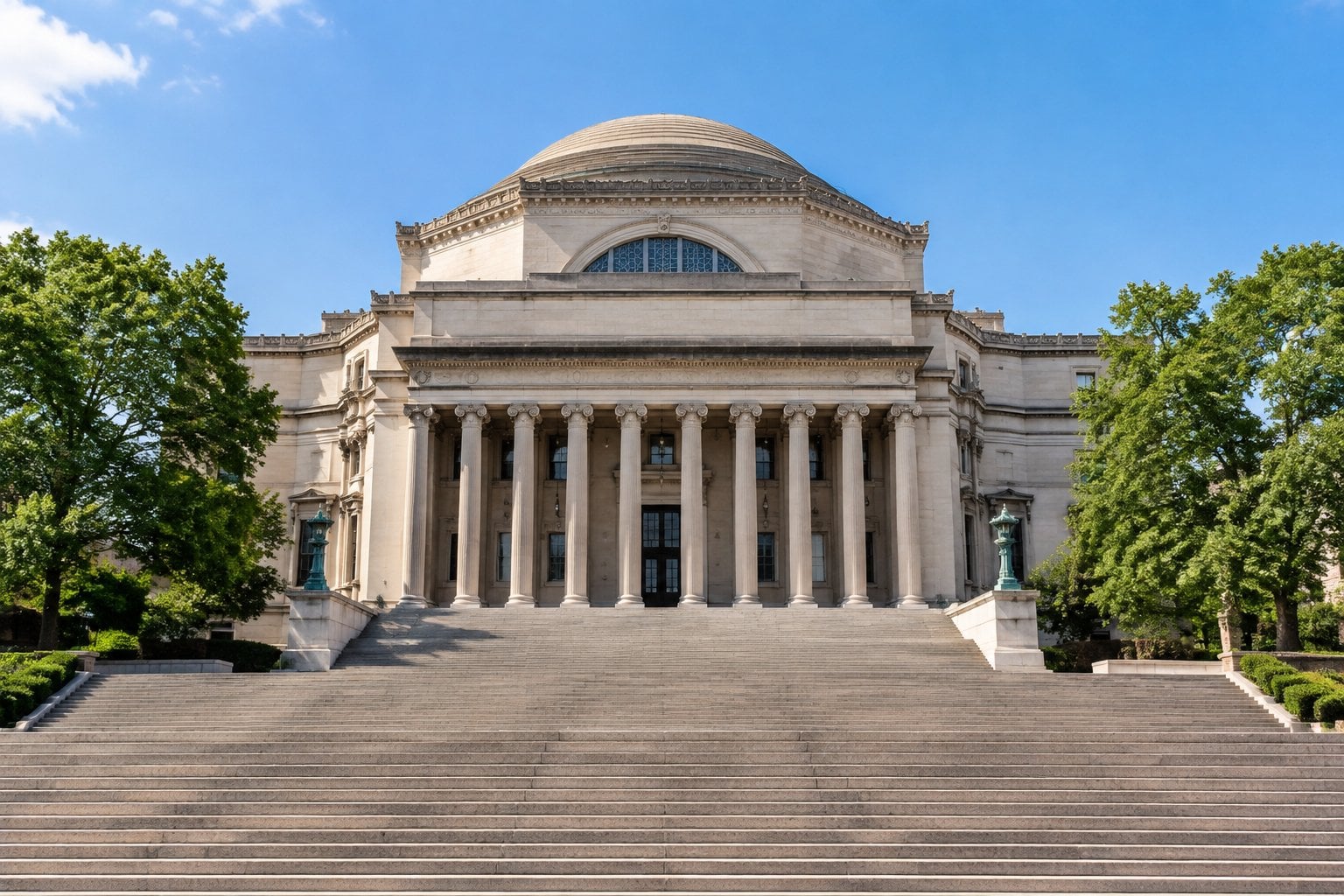
Columbia Law School in Manhattan had one of the best bar results in the country. Of its 506 first-time bar takers from 2024, 485 passed, a rate of 95.85%. The ABA average for the same states was 84.98%, putting it 10.87 percentage points above, 35th-best of the 192 schools ranked nationwide. A year earlier, 400 of its 419 first-time takers passed (95.47%).
Columbia is the most expensive law school in New York. The private school charges $85,368 in tuition plus $3,022 in fees for 2025-26, or $88,390 a year. It is also the hardest to get into: for fall 2025 it received 9,463 applications and made 1,120 offers, an acceptance rate of 11.84%, the lowest in the state. All 444 new students enrolled full-time, with a median LSAT of 173, tied with Cornell for the highest in New York, and a median GPA of 3.92.
No first-year students left for academic reasons, and four left for other reasons. Of its 458 graduates in the class of 2025, 434 (94.8%) had full-time, long-term jobs that required bar passage, not counting eight school-funded jobs, and only 6 were unemployed and looking for work. Total J.D. enrollment was 1,377.
14. Cornell Law School (Ithaca)
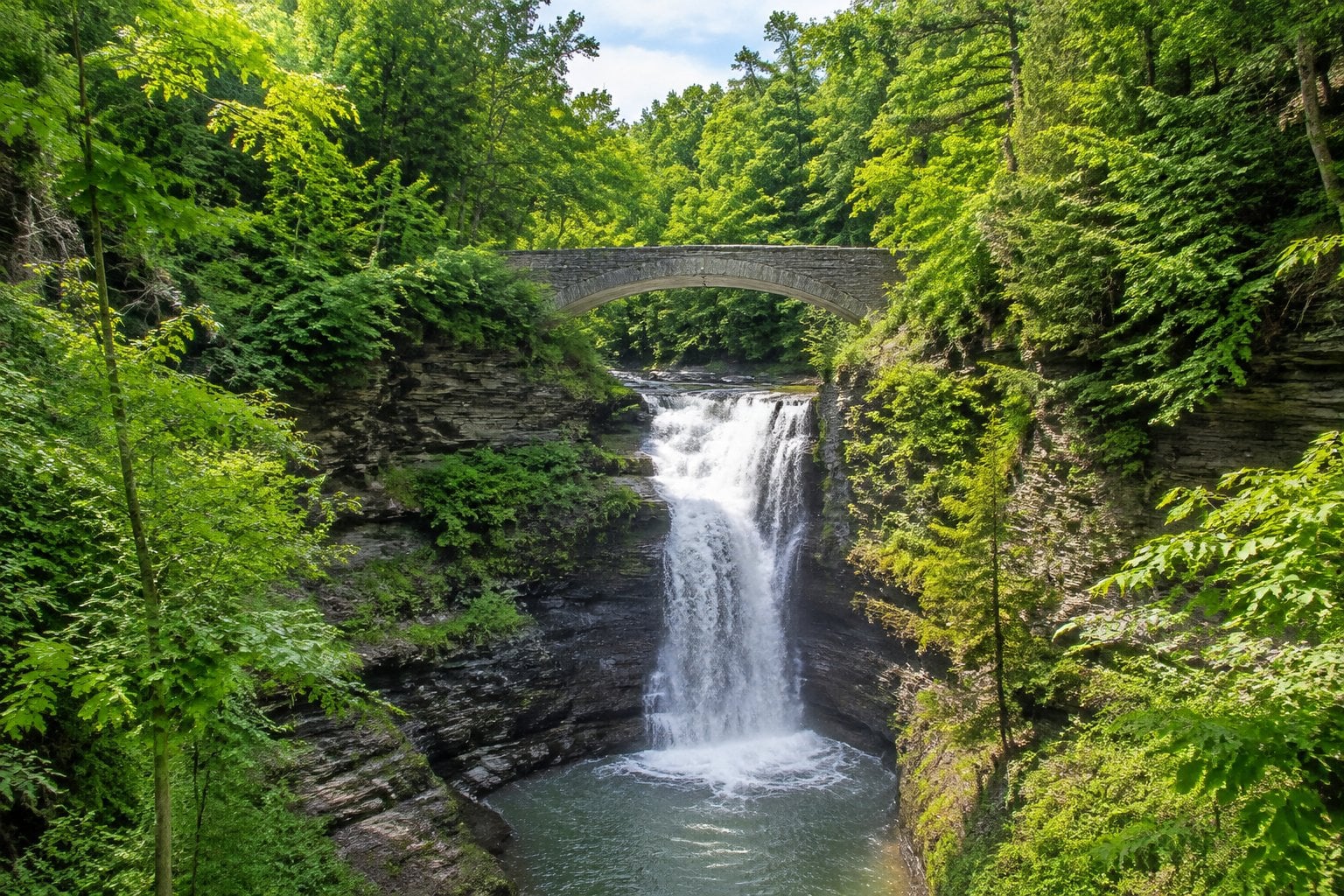
Cornell Law School in Ithaca, in the Finger Lakes region, finished just behind NYU. Of its 195 first-time bar takers from 2024, 188 passed, a rate of 96.41%. The ABA average for the same states was 84.73%, putting it 11.68 percentage points above, 27th-best of the 192 schools ranked nationwide. A year earlier, 166 of its 175 first-time takers passed (94.86%).
It also had the best job results in New York. Of its 197 graduates in the class of 2025, 190 (96.4%) had full-time, long-term jobs that required bar passage, not counting six school-funded jobs, and none were unemployed and looking for work.
The private school charges $84,722 in tuition plus $690 in fees for 2025-26. For fall 2025 it received 4,608 applications and made 838 offers, an acceptance rate of 18.19%. All 217 new students enrolled full-time, with a median LSAT of 173 and GPA of 3.92.
No first-year students left Cornell in the ABA’s latest count, for academic or other reasons. Total J.D. enrollment was 611.
15. New York University School of Law (Manhattan)
NYU’s law school in Manhattan had the best bar result in New York by the ABA’s measure, edging out Cornell by just 0.02 of a point. Of its 519 first-time bar takers from 2024, the most in New York, 502 passed, a rate of 96.72%, the highest raw pass rate in the state. The ABA average for the same states was 85.02%, putting it 11.70 percentage points above, 26th-best of the 192 schools ranked nationwide. A year earlier, 423 of its 438 first-time takers passed (96.58%).
The private school charges $83,952 in tuition plus $3,262 in fees for 2025-26. It is the most popular and the largest school in the state: for fall 2025 it received 10,546 applications and made 1,412 offers, an acceptance rate of 13.39%. All 452 new students enrolled full-time, the largest entering class in New York, with a median LSAT of 172 and GPA of 3.92. Total J.D. enrollment was 1,405.
No first-year students left for academic reasons, and four left for other reasons. Of its 417 graduates in the class of 2025, 387 (92.8%) had full-time, long-term jobs that required bar passage, not counting 22 school-funded jobs, and 3 were unemployed and looking for work.
What the Numbers Show
New York’s results split into two groups. The bottom three, Touro, CUNY and Pace, finished between 15 and 24 points below their average, and all three are among the 12 lowest of the 192 schools the ABA ranked nationwide. The next five, from Albany to Buffalo, were below average by smaller amounts, and Brooklyn and Buffalo missed it by less than 1.3 points. The seven schools above them all beat the average.
Price does not track results. CUNY is the cheapest school in the state by far and one of the lowest-ranked here, but Buffalo, the other public school, is the second-cheapest and finished level with its average. Among private schools, Pace charges the least and ranks third from the bottom, while Columbia charges the most and ranks near the top.
Bar results and job results don’t always match. Syracuse beat its bar average but had the lowest job rate in New York, while Hofstra and Albany placed more than 85% of their graduates in bar-required jobs despite finishing below their bar averages.
For the wider picture, see our lists of the 30 worst law schools in the U.S., the 30 best law schools in the U.S., the 30 best law schools in the Northeast, the 30 hardest law schools to get into and the 18 worst law schools in California.
This article is general information, not legal advice or a recommendation for or against any school. Figures are from the ABA’s 2024 and 2025 Standard 509, bar passage and employment reports and the New York State Board of Law Examiners’ July 2026 results, and may change in later reports.