The 30 Best Law Schools in the U.S.

Every ABA-accredited law school has to publish how its graduates did on the bar exam, the test that stands between a law degree and a law license. Those reports make it possible to compare schools on one result that matters to nearly every law student: how many graduates passed on their first try.
This list ranks the 30 best law schools in America by that measure, adjusted for difficulty: how far each school’s first-time bar passage rate rose above the average for the same states. The figures are for 2024 graduates and come from the American Bar Association’s Standard 509 and bar passage disclosures, released in the ABA’s 2025 report.
For each school, the ABA compares its graduates’ first-time pass rate with the ABA weighted average for graduates of all accredited schools in the states where they took the exam. That matters, because pass rates differ a lot from state to state. A school in Florida, where the average for 2024 graduates was in the low-to-mid 70s, can rank above a school in New York, where it was about 85%. Only schools with at least 30 first-time takers were ranked.
The other numbers in each entry come from the same ABA report: the fall 2025 entering class (applications, offers, median LSAT score and undergraduate GPA), 2025-26 tuition and fees, and living-cost estimates. This is the mirror image of our list of the 30 worst law schools in America, which used the same measure. Bar passage is one measure, not a full picture of any school.
1. Belmont University College of Law (Nashville, Tennessee)

Belmont, a private university in Nashville, had the largest margin in the country. Of its 120 first-time bar takers, 114 passed, a rate of 95%. The ABA weighted average for the same states was 77.95%, which put Belmont 17.05 percentage points above the average.
That margin was more than a point ahead of the next school, the University of Chicago. Belmont’s newest students have lower entering test scores than most schools on this list: its fall 2025 class had a median LSAT score of 161 and a median undergraduate GPA of 3.84.
Belmont received 1,337 applications and made 503 offers, an acceptance rate of 37.62%, one of the highest on this list. It enrolled 136 full-time students and has no part-time program.
Full-time tuition is $55,500 a year for 2025-26, plus $2,205 in fees, and the school estimates living costs off campus at $32,026. Total J.D. enrollment was 372.
2. University of Chicago Law School (Chicago, Illinois)
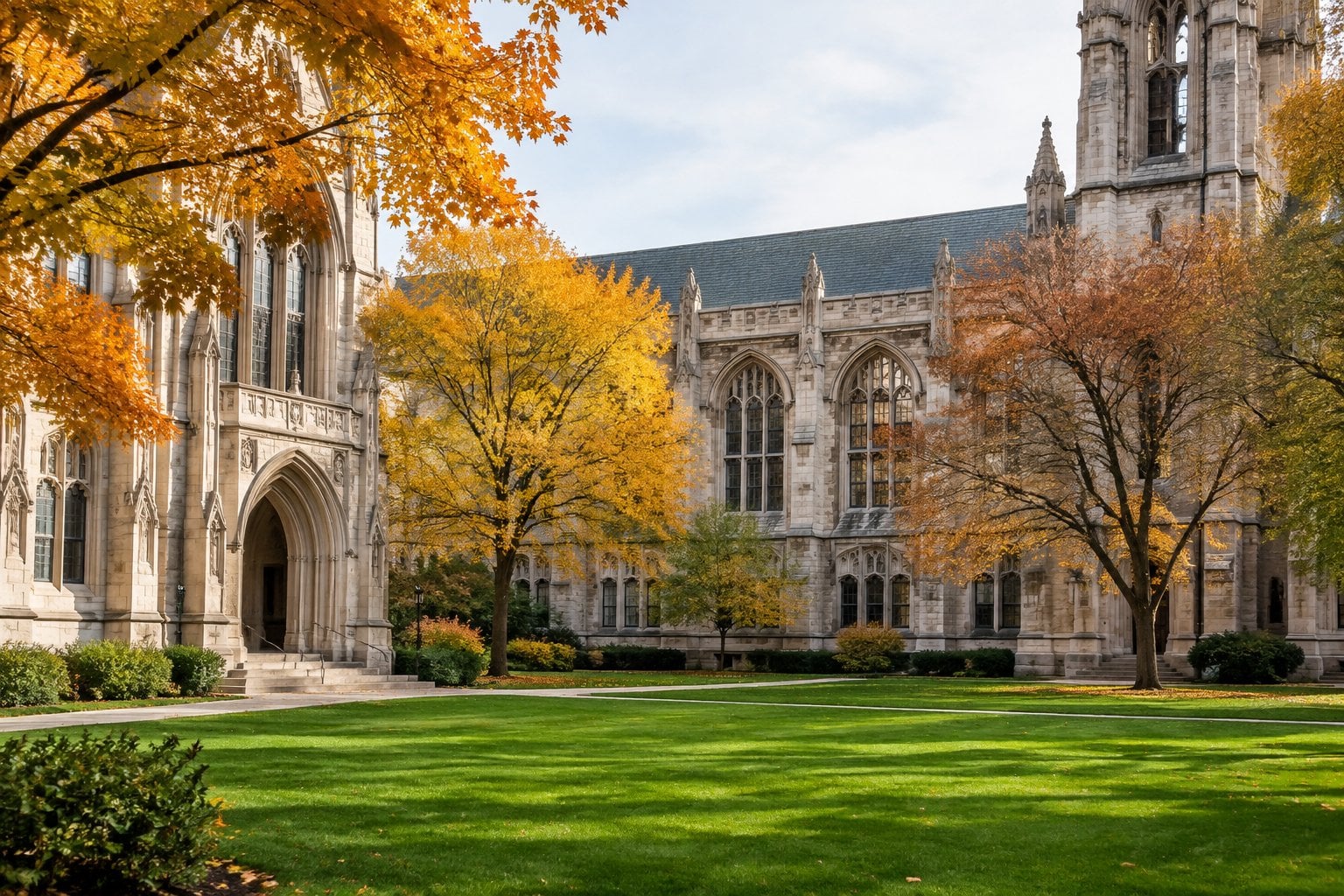
The University of Chicago ranked second. Of its 194 first-time takers, 189 passed, a rate of 97.42%. The ABA weighted average for the same states was 81.49%, putting Chicago 15.93 points above the average.
Getting in is hard. For fall 2025, Chicago received 6,581 applications and made 641 offers, an acceptance rate of 9.74%. The entering class of 203 had a median LSAT score of 174, with the middle half of the class between 171 and 176, and a median GPA of 3.97.
Chicago is also one of the most expensive schools on this list. Tuition for 2025-26 is $83,316, plus $1,590 in fees, and the school estimates living costs at $35,418 a year.
The ABA report shows no first-year students leaving for academic reasons and one leaving for other reasons. Total J.D. enrollment was 615, all full-time.
3. Florida International University College of Law (Miami, Florida)
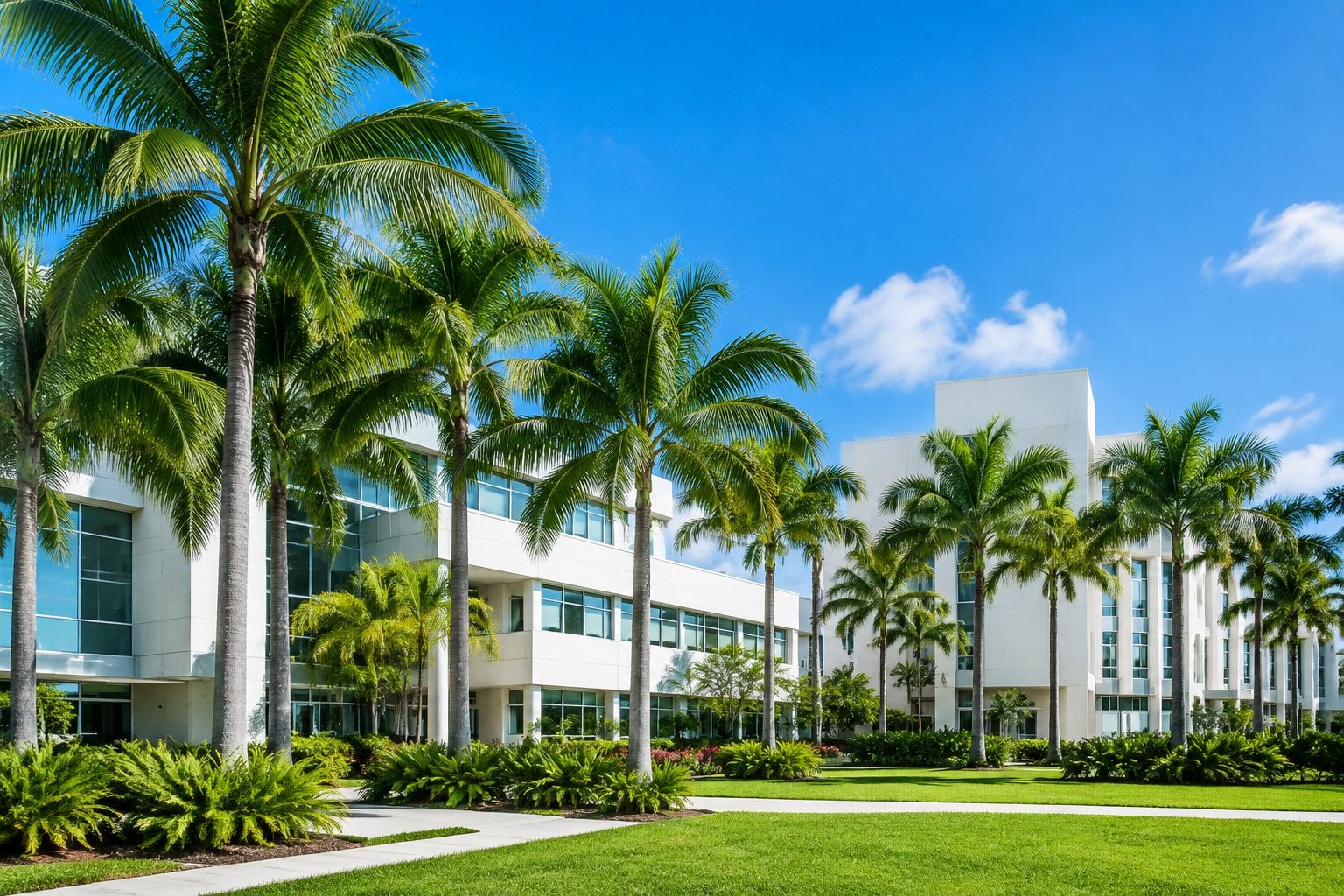
FIU, a public university in Miami, ranked third, and it is the highest-ranked school on this list with a part-time program. Of its 163 first-time takers, 144 passed, a rate of 88.34%. That raw rate is lower than most schools here, but the ABA weighted average for the same states was only 72.91%, the lowest benchmark on this list, so FIU finished 15.43 points above it.
FIU charges by the credit hour: $691 per credit for Florida residents and $1,196 for nonresidents, plus $399 in annual fees. It estimates living costs off campus at $33,176 a year.
For fall 2025, the school received 3,100 applications and made 582 offers, an acceptance rate of 18.77%. It enrolled 175 new students, 143 full-time and 32 part-time. The median LSAT score was 161 and the median GPA was 3.80.
Total J.D. enrollment was 581, and no first-year students left for academic reasons.
4. UCLA School of Law (Los Angeles, California)
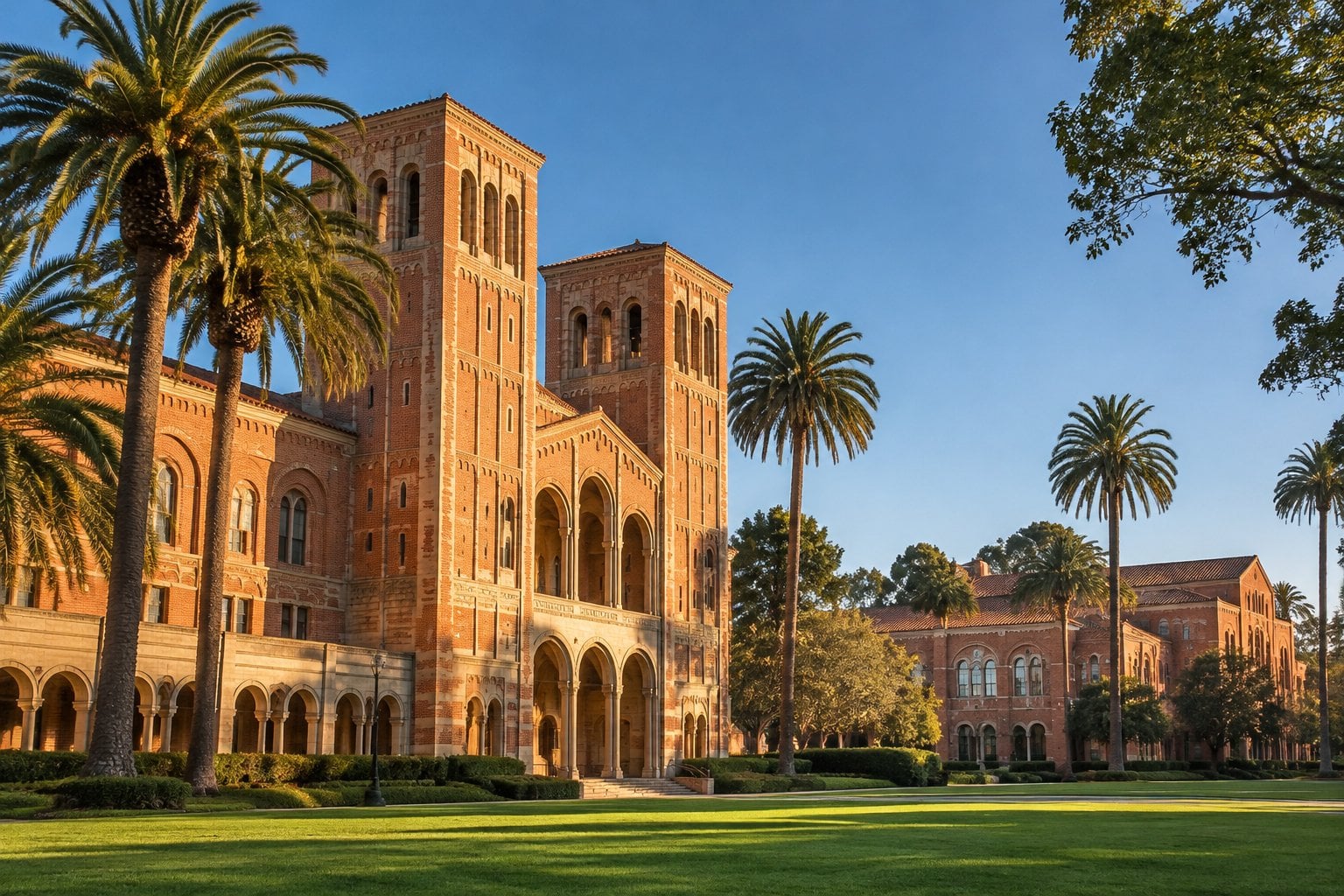
UCLA, the highest-ranked public school in California, placed fourth. Of its 364 first-time takers, 343 passed, a rate of 94.23%. The ABA weighted average for the same states was 78.85%, which put UCLA 15.38 points above it. California’s bar exam is known for low pass rates, which is why a rate in the mid-90s stands out so much there.
UCLA was one of the most popular schools in the country, with 8,623 applications for fall 2025. It made 1,039 offers, an acceptance rate of 12.05%, and enrolled 328 full-time students. The median LSAT score was 171 and the median GPA was 3.95.
Tuition for 2025-26 is $59,084 for California residents and $71,329 for nonresidents, plus $2,778 in fees. UCLA’s estimate for living costs is $40,046 a year, one of the higher figures on this list.
Total J.D. enrollment was 1,020.
5. USC Gould School of Law (Los Angeles, California)
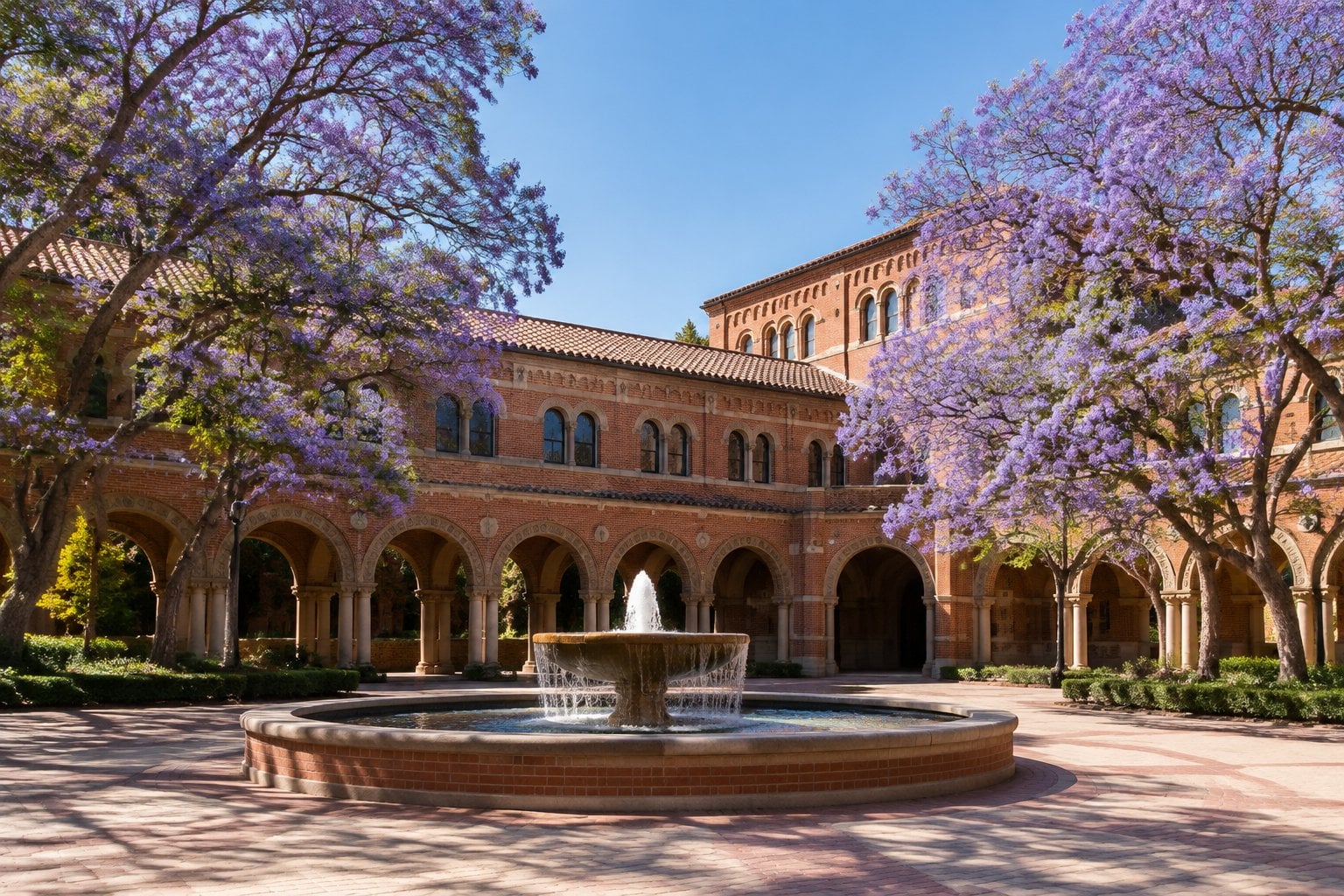
USC, the private university across town from UCLA, finished just behind it. Of its 217 first-time takers, 204 passed, a rate of 94.01%. The ABA weighted average for the same states was 78.74%, putting USC 15.27 points above it.
The two Los Angeles schools were separated by about a tenth of a point.
USC is one of the most expensive schools in the country. Tuition for 2025-26 is $84,034, plus $1,914 in fees, a total of $85,948 a year. The school estimates living costs at $32,298.
For fall 2025, USC received 7,204 applications and made 805 offers, an acceptance rate of 11.17%. It enrolled 228 full-time students with a median LSAT score of 169 and a median GPA of 3.91.
The ABA report shows no first-year students leaving for academic reasons. Total J.D. enrollment was 650.
6. University of Michigan Law School (Ann Arbor, Michigan)
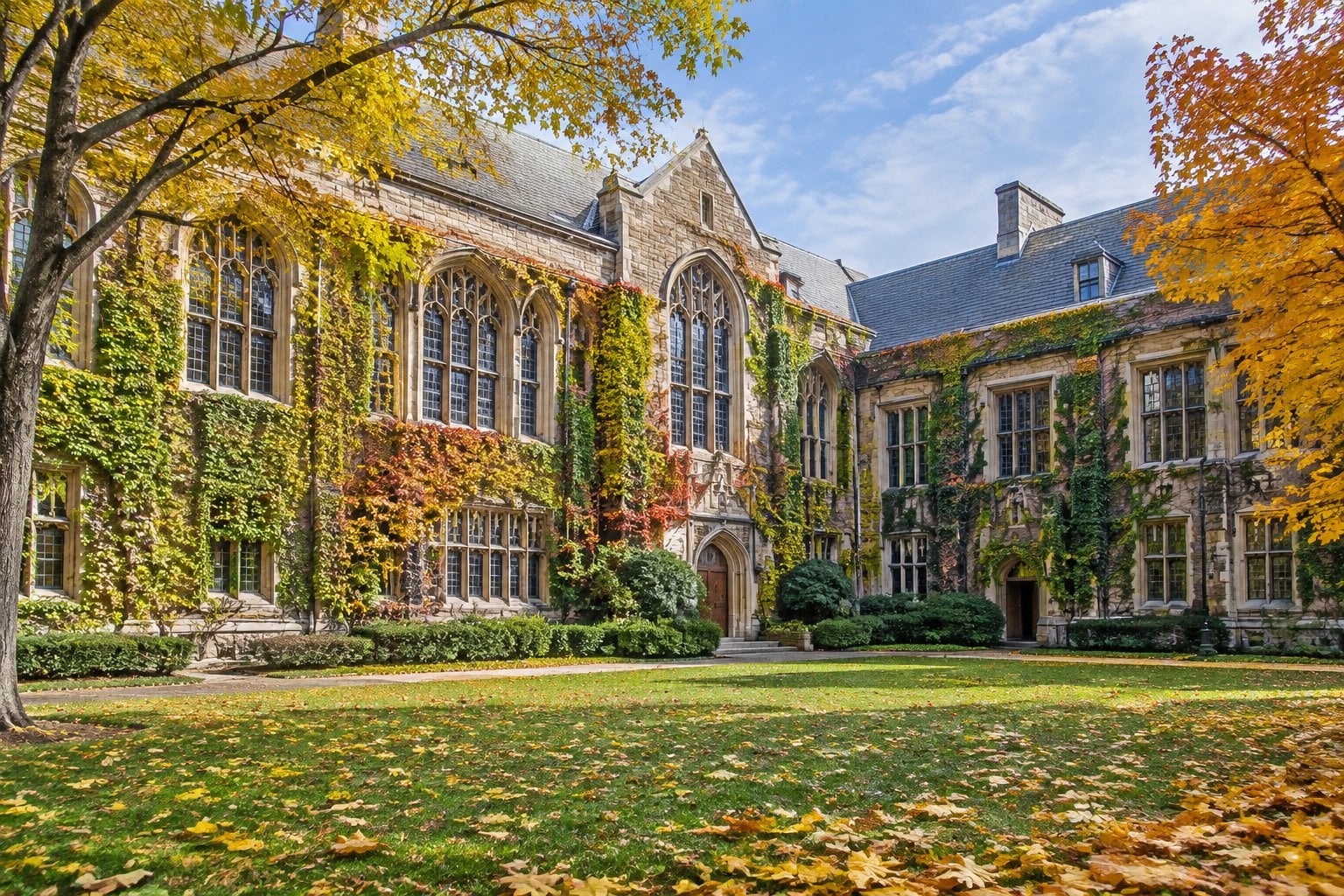
Michigan ranked sixth. Of its 316 first-time takers, 302 passed, a rate of 95.57%. The ABA weighted average for the same states was 80.44%, which put Michigan 15.13 points above it.
Michigan is a public university, but its law school charges close to private-school prices. Tuition for 2025-26 is $76,108 for Michigan residents and $79,108 for nonresidents, plus $572 in fees, the highest resident tuition among the public schools on this list. Its living-cost estimate is $26,886 a year.
Admission is highly competitive. For fall 2025, Michigan received 8,982 applications and made 770 offers, an acceptance rate of 8.57%. It enrolled 343 full-time students, with a median LSAT score of 171 and a median GPA of 3.88.
No first-year students left for academic reasons, according to the ABA report. Total J.D. enrollment was 991.
7. Stanford Law School (Stanford, California)
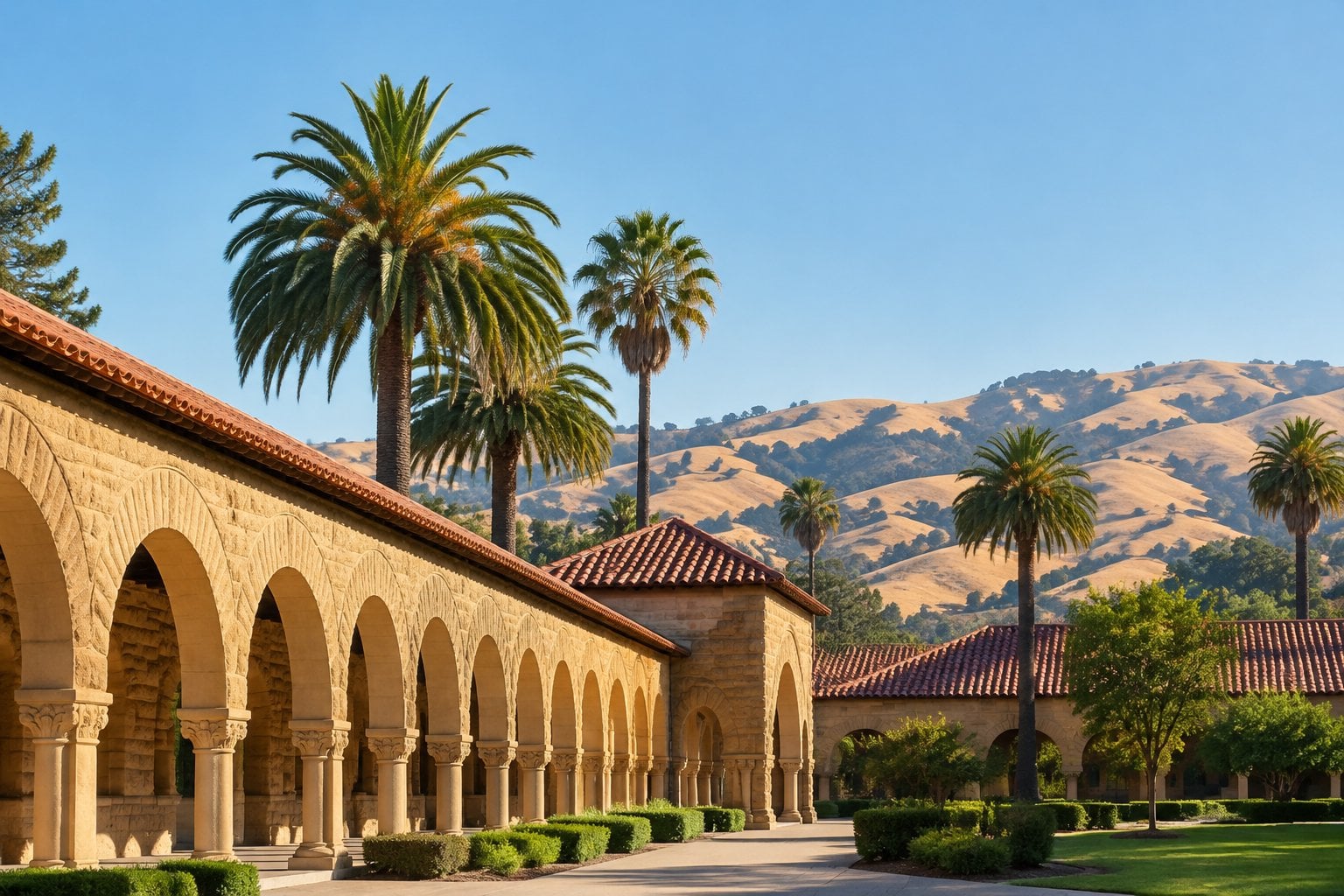
Stanford placed seventh. Of its 200 first-time takers, 193 passed, a rate of 96.5%. The ABA weighted average for the same states was 81.4%, putting Stanford 15.1 points above it.
Stanford had the second-lowest acceptance rate on this list. For fall 2025, it received 5,526 applications and made only 337 offers, an acceptance rate of 6.1%. It enrolled 193 students, with a median LSAT score of 173 and a median GPA of 3.96.
Tuition for 2025-26 is $77,454, plus $2,253 in fees. Stanford’s living-cost estimate is $51,102 a year, the highest on this list.
Stanford is one of the smaller schools here, with a total J.D. enrollment of 570. The ABA report shows no first-year students leaving for academic reasons.
8. Texas A&M University School of Law (Fort Worth, Texas)

Texas A&M’s law school is in downtown Fort Worth, more than 150 miles from the university’s main campus in College Station. Of its 174 first-time takers, 167 passed, a rate of 95.98%. The ABA weighted average for the same states was 81.39%, which put the school 14.59 points above it.
Texas A&M’s entering class had the highest median undergraduate GPA on this list: 4.00. Its median LSAT score was 169.
For fall 2025, the school received 5,240 applications and made 634 offers, an acceptance rate of 12.1%. It enrolled 128 full-time students, one of the smallest entering classes on this list.
Tuition for 2025-26 is $32,634 for Texas residents and $48,522 for nonresidents, with no separate fees listed. The school estimates living costs at $29,696 a year. Total J.D. enrollment was 396.
9. Duke University School of Law (Durham, North Carolina)
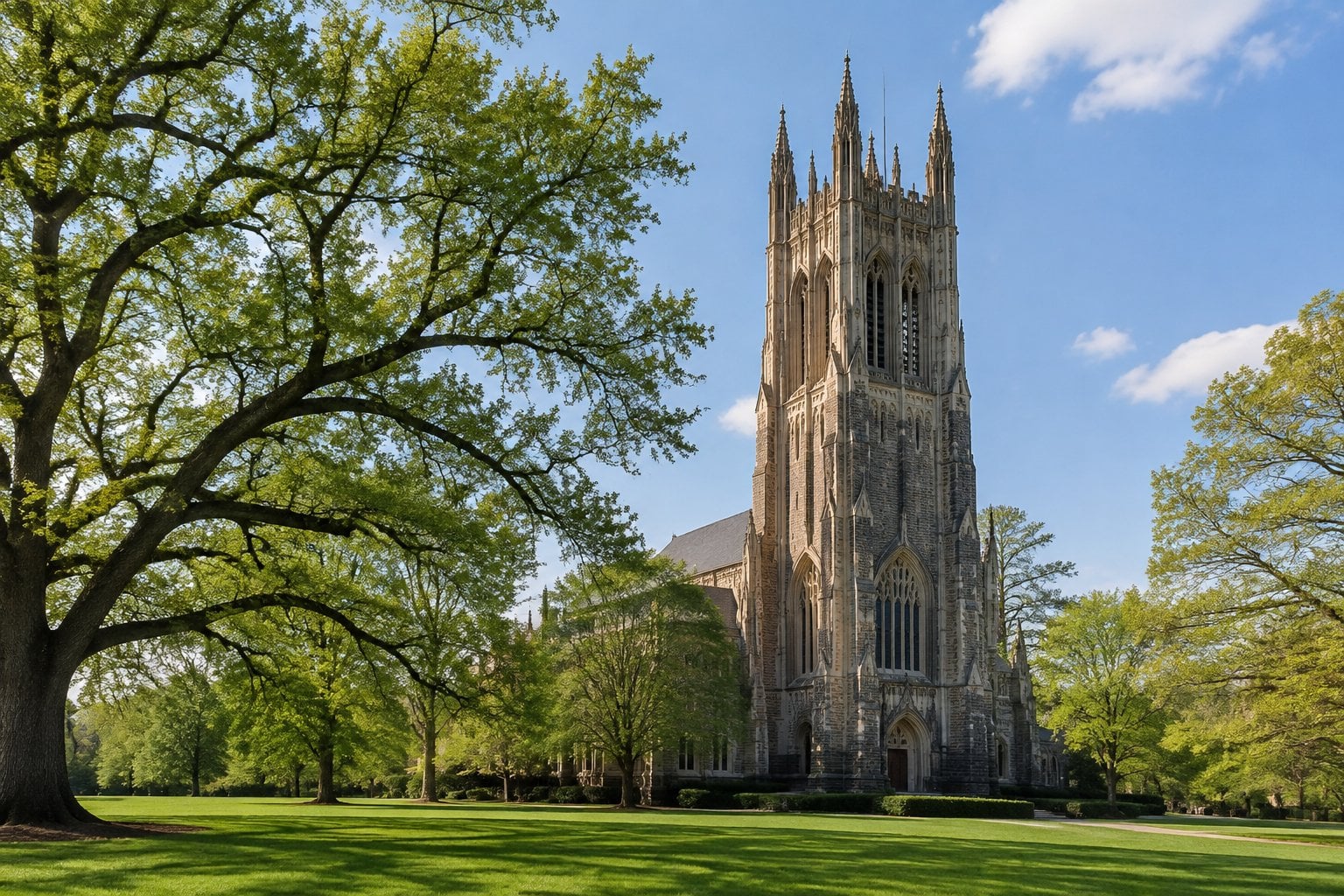
Duke ranked ninth. Of its 278 first-time takers, 271 passed, a rate of 97.48%, the second-highest raw pass rate on this list. The ABA weighted average for the same states was 82.94%, putting Duke 14.54 points above it.
For fall 2025, Duke received 6,240 applications and made 804 offers, an acceptance rate of 12.88%. It enrolled 227 full-time students with a median LSAT score of 171 and a median GPA of 3.91.
Tuition for 2025-26 is $80,100, plus $1,729 in fees. Duke’s living-cost estimate is $26,116 a year, lower than most of the other private schools on this list.
The ABA report shows no first-year students leaving for academic reasons and three leaving for other reasons. Total J.D. enrollment was 723.
Duke is one of two schools on this list in North Carolina. The other, the University of North Carolina, is about ten miles away in Chapel Hill.
10. University of Illinois College of Law (Champaign, Illinois)
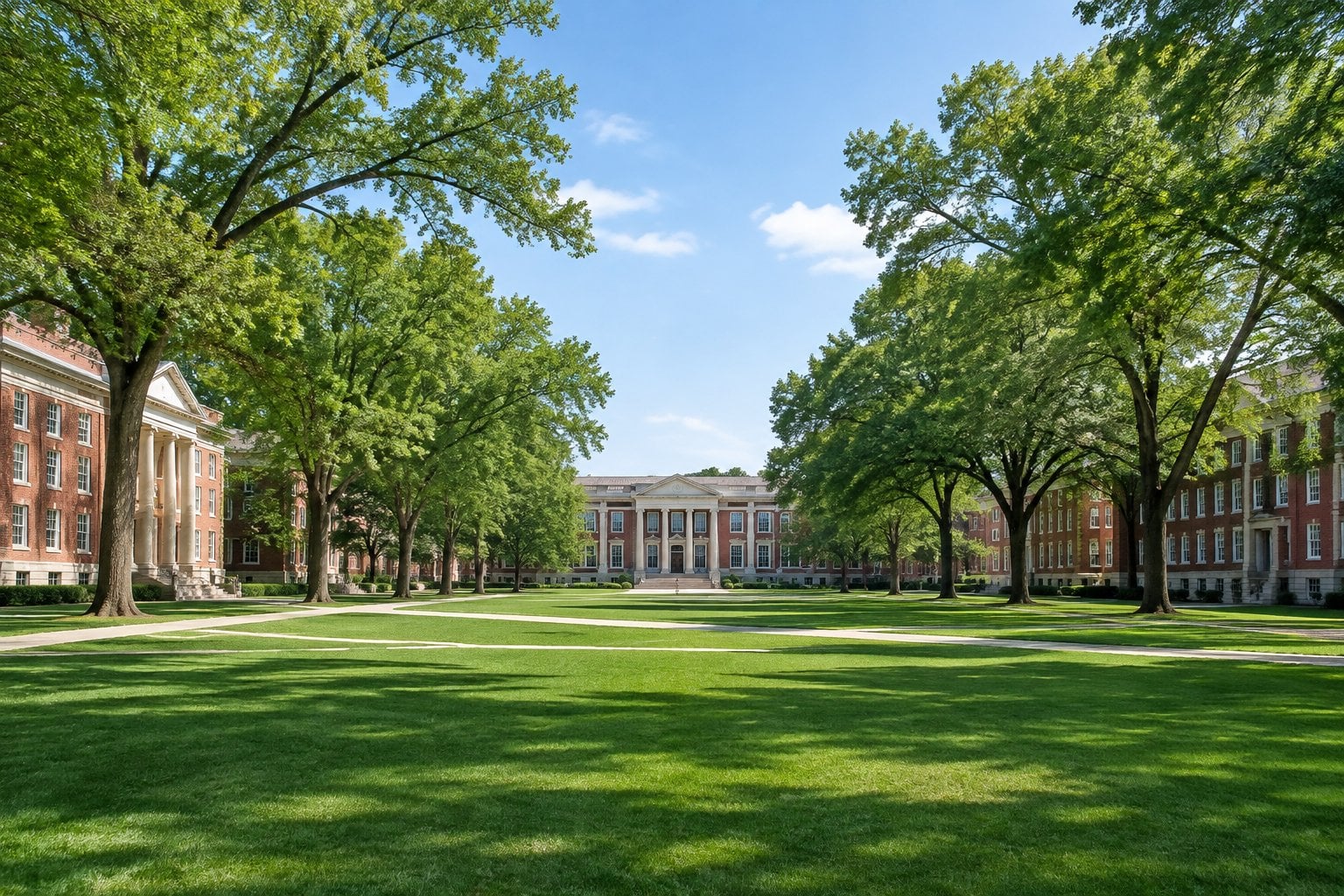
Illinois rounds out the top ten. Of its 202 first-time takers, 189 passed, a rate of 93.56%. The ABA weighted average for the same states was 79.05%, which put Illinois 14.51 points above it.
Illinois is easier to get into than most schools at the top of this list. For fall 2025, it received 2,153 applications and made 709 offers, an acceptance rate of 32.93%. It enrolled 188 full-time students, with a median LSAT score of 166 and a median GPA of 3.81.
It is also much less expensive than most of the top ten. Tuition for 2025-26 is $36,500 for Illinois residents and $46,500 for nonresidents, plus $3,404 in fees. Its living-cost estimate is $20,620 a year, one of the lowest on this list.
No first-year students left for academic reasons. Total J.D. enrollment was 500.
11. Harvard Law School (Cambridge, Massachusetts)
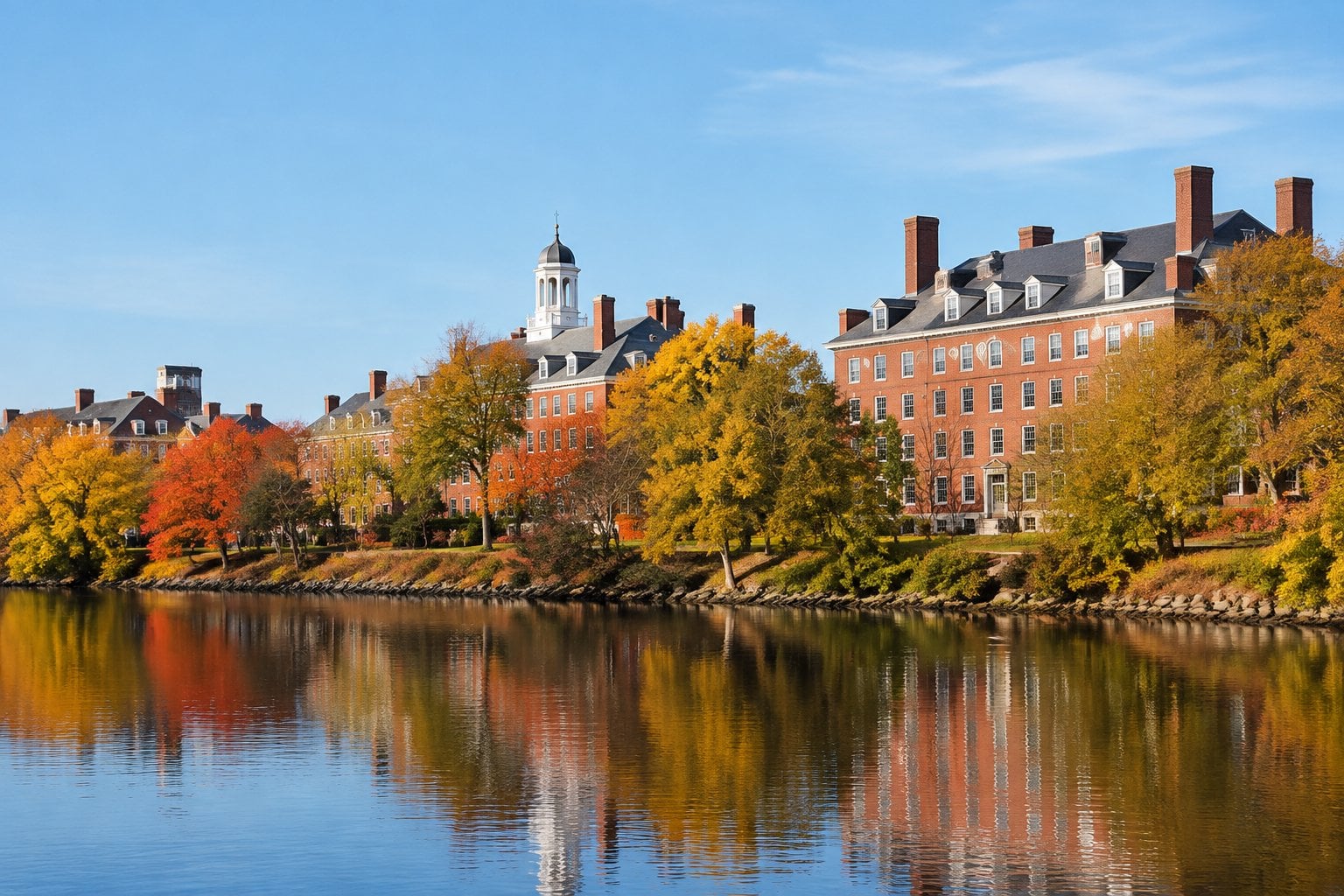
Harvard had the highest raw pass rate on this list. Of its 608 first-time takers, the most of any school here, 595 passed, a rate of 97.86%. For the states where Harvard’s graduates tested, the ABA weighted average was 83.44%, which put it 14.42 points above the average and 11th in this ranking.
Harvard is by far the largest school on this list. It enrolled 579 new full-time students in fall 2025, and its total J.D. enrollment was 1,784.
It received 8,872 applications and made 816 offers, an acceptance rate of 9.2%. The median LSAT score was 174 and the median GPA was 3.96.
Tuition for 2025-26 is $80,760, plus $1,592 in fees, and Harvard estimates living costs at $38,690 a year. The ABA report shows no first-year students leaving for academic reasons.
12. University of Texas School of Law (Austin, Texas)
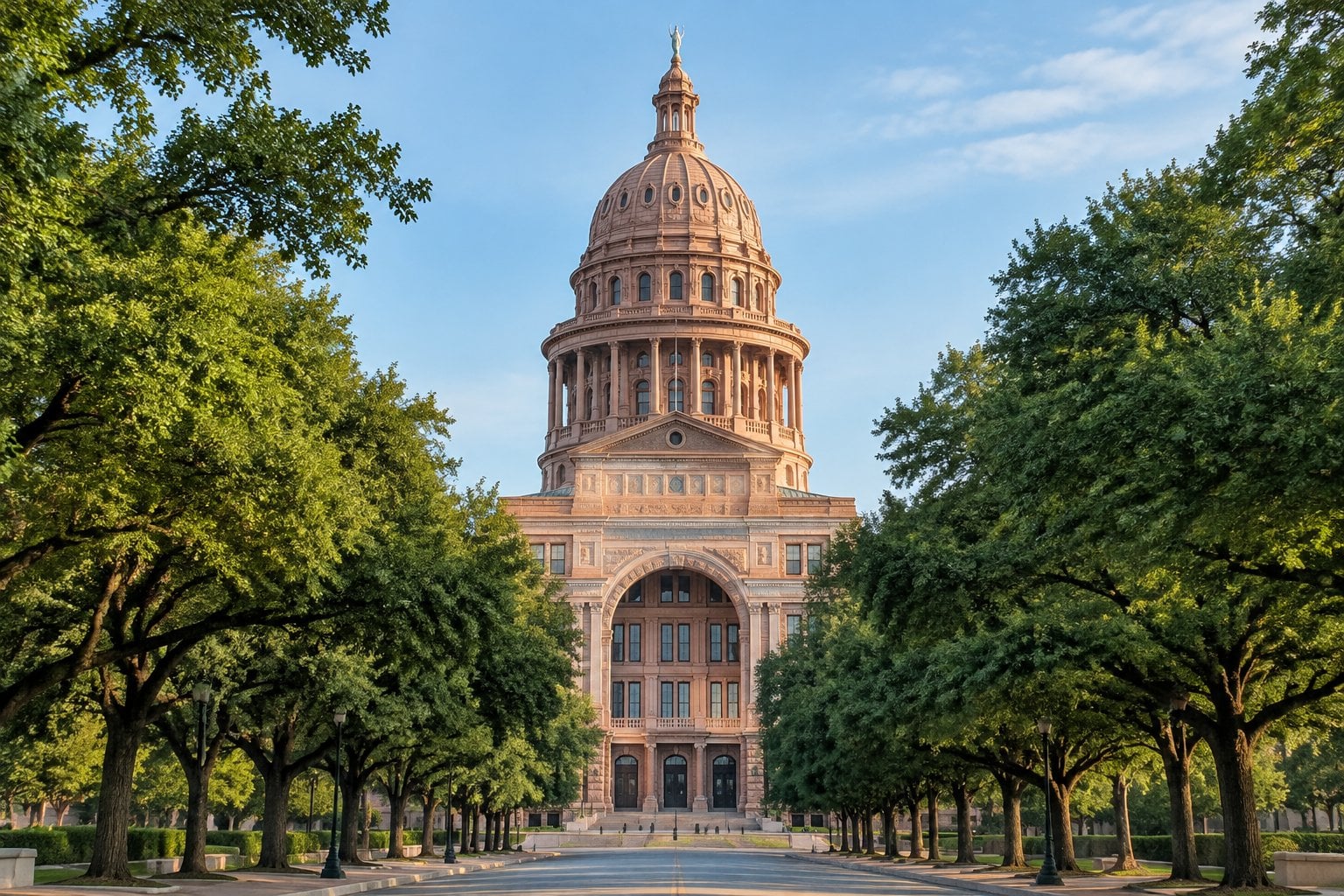
The University of Texas at Austin ranked 12th. Of its 411 first-time takers, 394 passed, a rate of 95.86%. The ABA weighted average for the same states was 81.57%, putting UT 14.29 points above it.
UT is one of the larger schools on this list. For fall 2025, it received 6,297 applications, made 881 offers (an acceptance rate of 13.99%) and enrolled 373 full-time students. The median LSAT score was 172 and the median GPA was 3.89.
Tuition for 2025-26 is $38,236 for Texas residents and $56,822 for nonresidents, with no separate fees listed. The school estimates living costs at $25,398 a year.
UT is one of three Texas schools on this list, along with Texas A&M and Baylor. The ABA report shows no first-year students leaving for academic reasons, and total J.D. enrollment was 928.
13. Florida State University College of Law (Tallahassee, Florida)
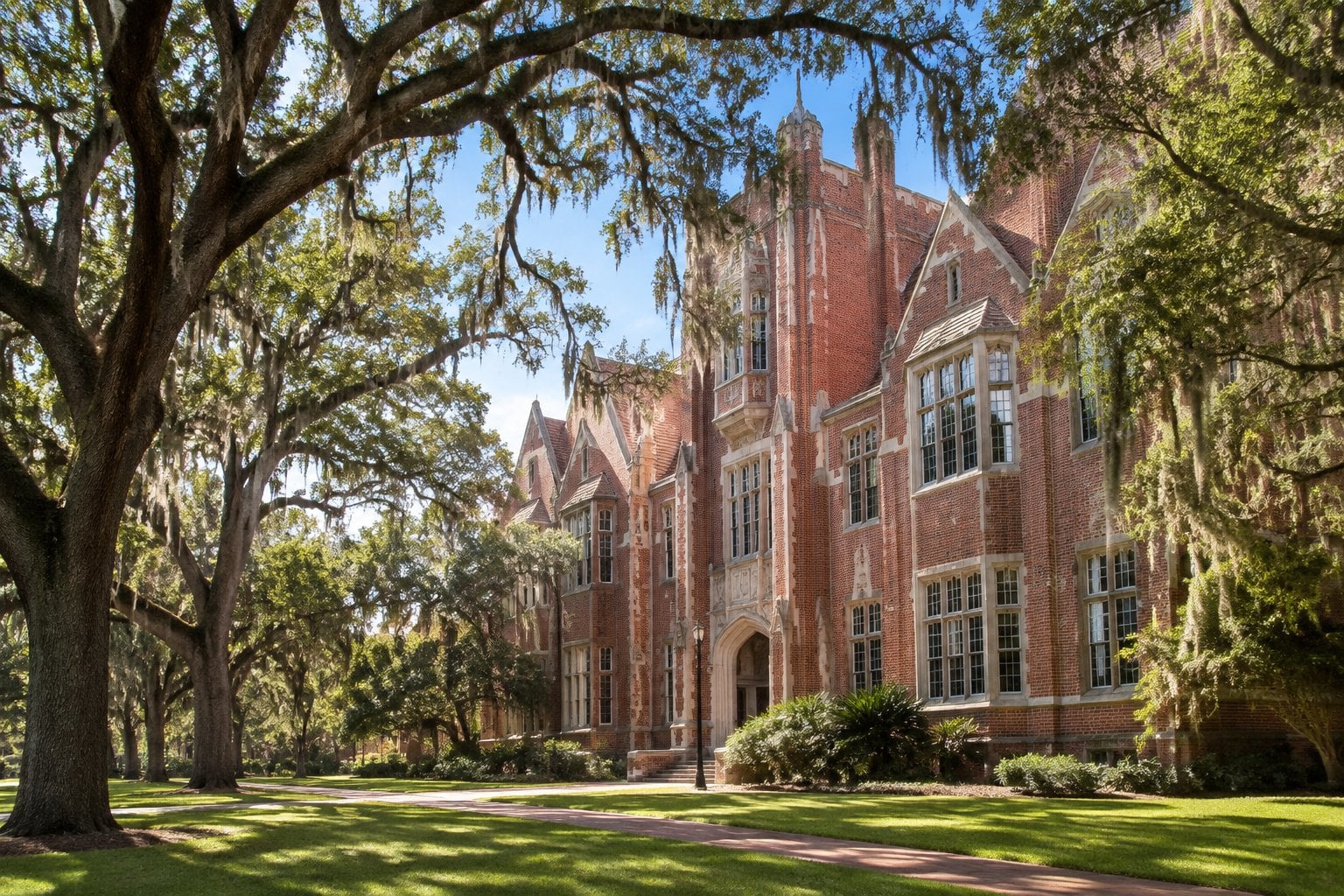
Florida State ranked 13th. Of its 180 first-time takers, 157 passed, a rate of 87.22%. The ABA weighted average for the same states was 73.35%, which put FSU 13.87 points above it. Like FIU, it ranks this high because Florida’s average pass rate was low.
FSU charges by the credit hour: $688 per credit for Florida residents and $1,422 for nonresidents, plus $3,600 in annual fees. Its living-cost estimate is $23,180 a year.
For fall 2025, FSU received 2,711 applications and made 433 offers, an acceptance rate of 15.97%. It enrolled 153 full-time students. The median LSAT score was 166, and the median GPA of 3.93 was one of the highest on this list.
Total J.D. enrollment was 455. One first-year student left for academic reasons and one for other reasons, according to the ABA report.
14. University of Pennsylvania Carey Law School (Philadelphia, Pennsylvania)
Penn ranked 14th. Of its 303 first-time takers, 293 passed, a rate of 96.7%. The ABA weighted average for the same states was 82.93%, putting Penn 13.77 points above it.
For fall 2025, Penn received 8,074 applications and made 650 offers, an acceptance rate of 8.05%, the third-lowest on this list. It enrolled 265 full-time students, with a median LSAT score of 173 and a median GPA of 3.95.
Tuition for 2025-26 is $78,348. Penn also lists $6,144 in annual fees, the highest fees on this list, for a total of $84,492. Its living-cost estimate is $31,640 a year.
The ABA report shows no first-year students leaving Penn for academic or other reasons, one of only three schools on this list with no first-year attrition at all. Total J.D. enrollment was 764.
15. Baylor University Law School (Waco, Texas)

Baylor, a private university in Waco, ranked 15th. Of its 197 first-time takers, 187 passed, a rate of 94.92%. The ABA weighted average for the same states was 81.44%, which put Baylor 13.48 points above it.
Baylor charges by the credit hour: $1,606 per credit, the same for every student, plus $95 in annual fees. It estimates living costs off campus at $25,023 a year.
For fall 2025, Baylor received 3,658 applications and made 753 offers, an acceptance rate of 20.59%. It enrolled 165 full-time students. The median LSAT score was 164 and the median GPA was 3.77.
Baylor’s law school is one of the smaller ones on this list, with a total J.D. enrollment of 439. Two first-year students left for academic reasons, according to the ABA report.
16. Vanderbilt University Law School (Nashville, Tennessee)
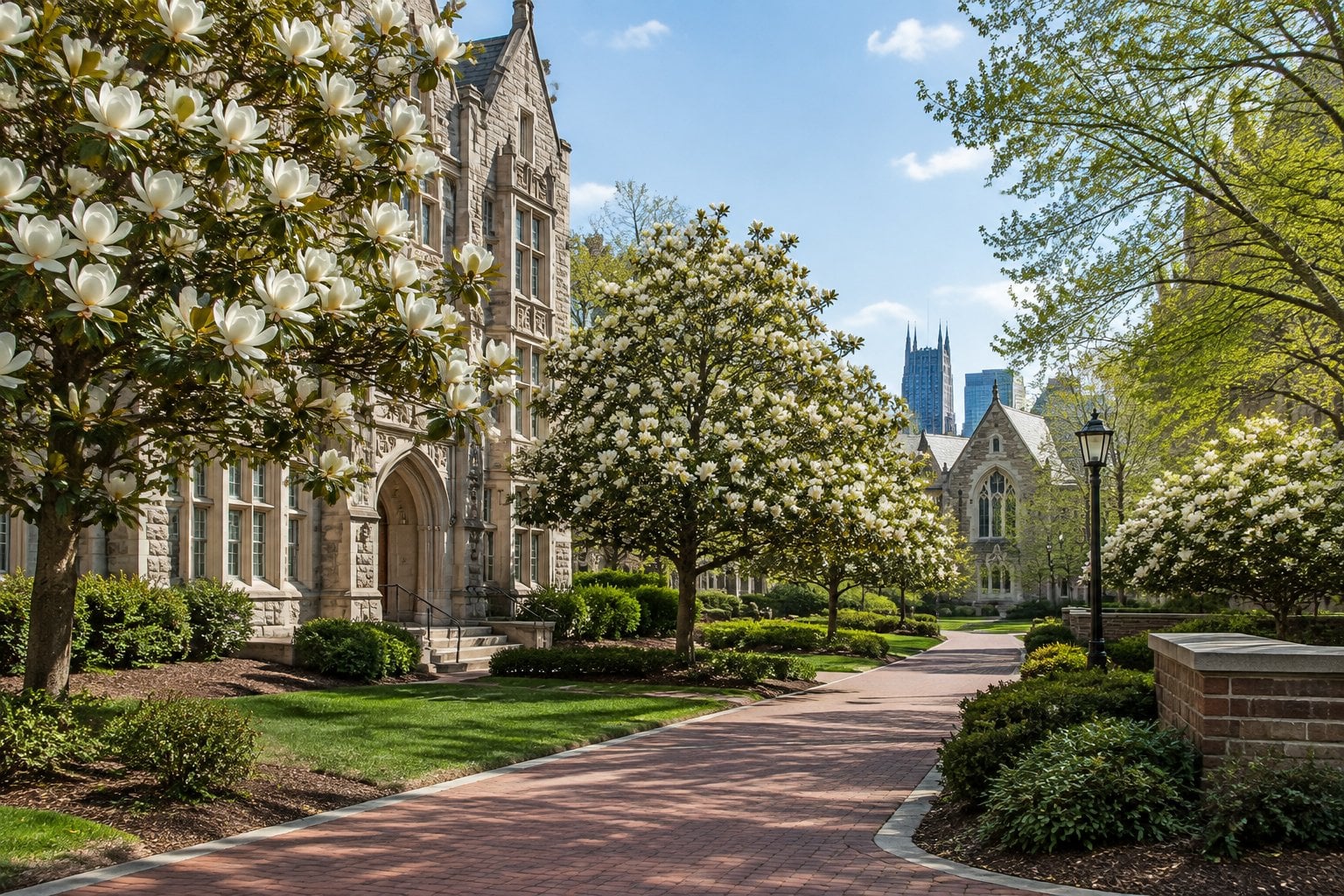
Vanderbilt is the second Nashville school on this list. Of its 164 first-time takers, 155 passed, a rate of 94.51%. The ABA weighted average for the same states was 81.05%, putting Vanderbilt 13.46 points above it.
Vanderbilt finished just one hundredth of a point ahead of the University of Tennessee, the closest gap between any two schools on this list.
For fall 2025, the school received 6,124 applications and made 812 offers, an acceptance rate of 13.26%. It enrolled 172 full-time students, with a median LSAT score of 170 and a median GPA of 3.91.
Tuition for 2025-26 is $76,440, plus $2,359 in fees. Vanderbilt estimates living costs at $34,934 a year.
The ABA report shows no first-year students leaving for academic reasons and three leaving for other reasons. Total J.D. enrollment was 525.
17. University of Tennessee College of Law (Knoxville, Tennessee)

Tennessee is the third school from the state on this list, one of four states with three schools here. Of its 124 first-time takers, 114 passed, a rate of 91.94%. The ABA weighted average for the same states was 78.49%, which put Tennessee 13.45 points above it.
Among schools here that charge a yearly price, Tennessee has the lowest tuition for in-state students: $16,696 for 2025-26, plus $3,866 in fees. Nonresidents pay $35,140, plus $4,182 in fees. Living costs are estimated at $26,216 a year.
For fall 2025, the school received 2,176 applications and made 539 offers, an acceptance rate of 24.77%. It enrolled 140 full-time students with a median LSAT score of 164 and a median GPA of 3.89.
Total J.D. enrollment was 419. The ABA report shows one first-year student leaving for academic reasons.
18. University of Florida Levin College of Law (Gainesville, Florida)
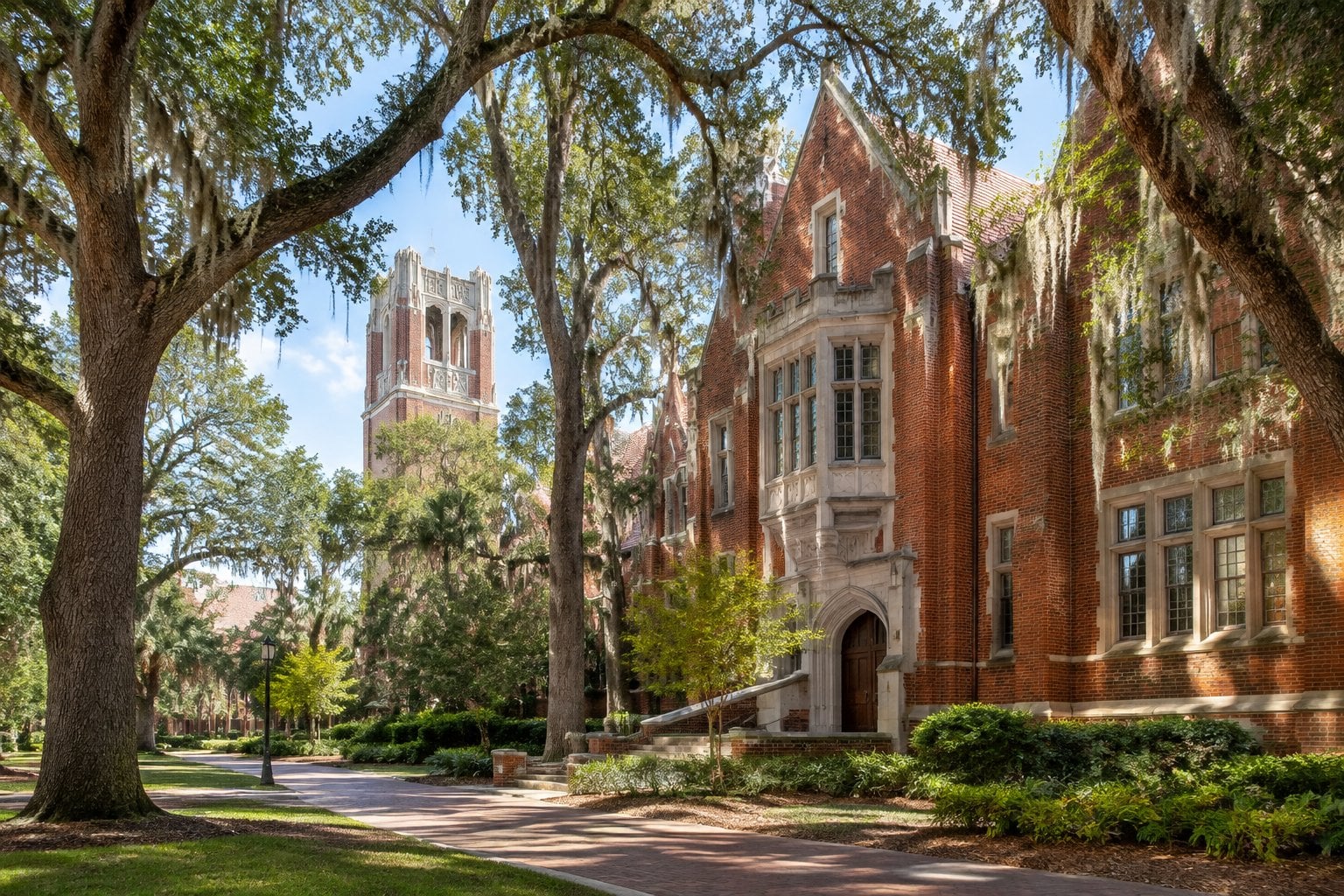
The University of Florida is the third Florida school on this list. Of its 262 first-time takers, 232 passed, a rate of 88.55%. The ABA weighted average for the same states was 75.2%, putting UF 13.35 points above it.
For fall 2025, UF received 3,887 applications and made 642 offers, an acceptance rate of 16.52%. It enrolled 229 full-time students, with a median LSAT score of 169 and a median GPA of 3.91, the highest median LSAT score of the three Florida schools here.
UF is one of the least expensive schools on this list for state residents. Tuition for 2025-26 is $19,139 for Florida residents, plus $2,665 in fees, and $36,148 for nonresidents, plus $3,514 in fees. Its living-cost estimate is $26,646 a year.
Total J.D. enrollment was 658. The ABA report shows no first-year students leaving for academic reasons.
19. Wayne State University Law School (Detroit, Michigan)
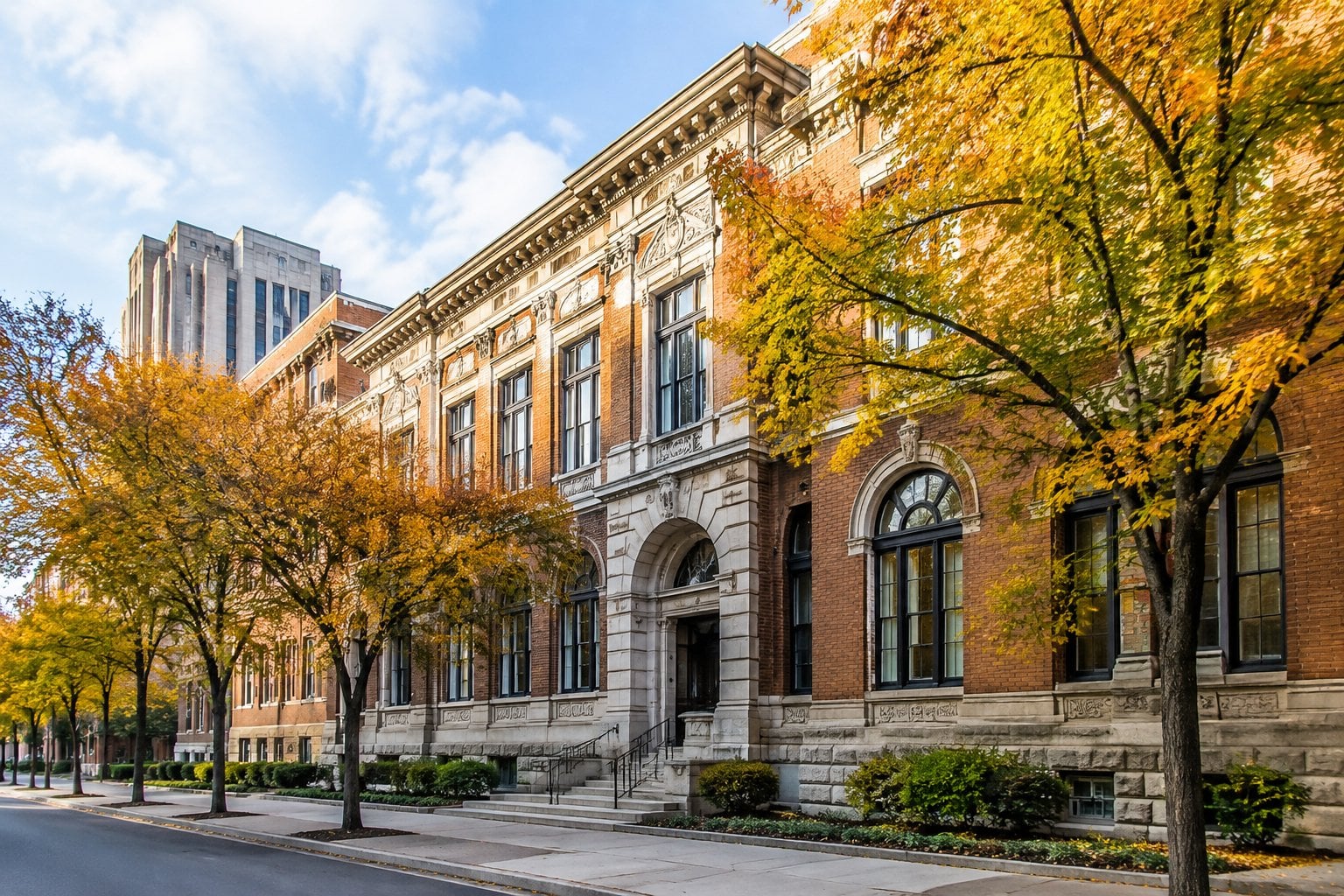
Wayne State, a public university in Detroit’s Midtown, ranked 19th. Of its 129 first-time takers, 111 passed, a rate of 86.05%, the lowest raw pass rate on this list. But the ABA weighted average for the same states was 72.93%, so Wayne State finished 13.12 points above it.
It is one of three schools on this list that enrolled part-time students in fall 2025: 120 full-time and 9 part-time, out of 1,290 applications and 320 offers. Its acceptance rate was 24.81%. The median LSAT score was 164 and the median GPA was 3.89.
Tuition for 2025-26 is $38,861 for Michigan residents and $42,632 for nonresidents, plus $3,733 in fees. The school estimates living costs at $25,132 a year.
Wayne State is one of two Michigan schools on this list, along with the University of Michigan. Total J.D. enrollment was 394.
20. Yale Law School (New Haven, Connecticut)
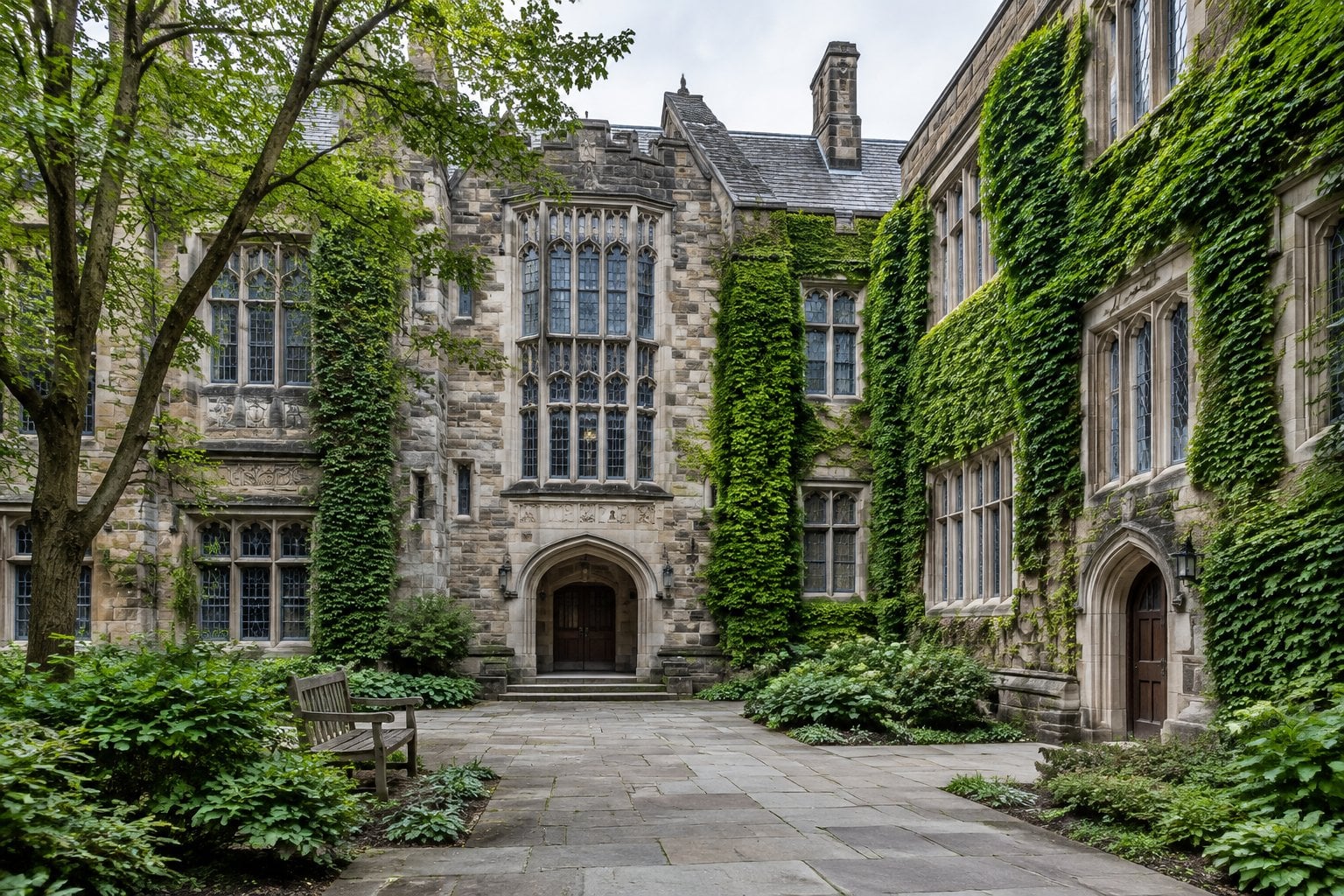
Yale had the lowest acceptance rate on this list and in the ABA’s 2025 data overall. For fall 2025, it received 5,562 applications and made only 226 offers, an acceptance rate of 4.06%. It enrolled 204 students with a median LSAT score of 174 and a median GPA of 3.96.
On the bar exam, 193 of its 200 first-time takers passed, a rate of 96.5%. The ABA weighted average for the same states was 83.57%, among the highest benchmarks on this list, so Yale finished 12.93 points above it.
Tuition for 2025-26 is $76,636, plus $2,325 in fees. Yale estimates living costs at $28,202 a year.
The ABA report shows no first-year students leaving for academic or other reasons. Total J.D. enrollment was 626.
21. University of North Carolina School of Law (Chapel Hill, North Carolina)
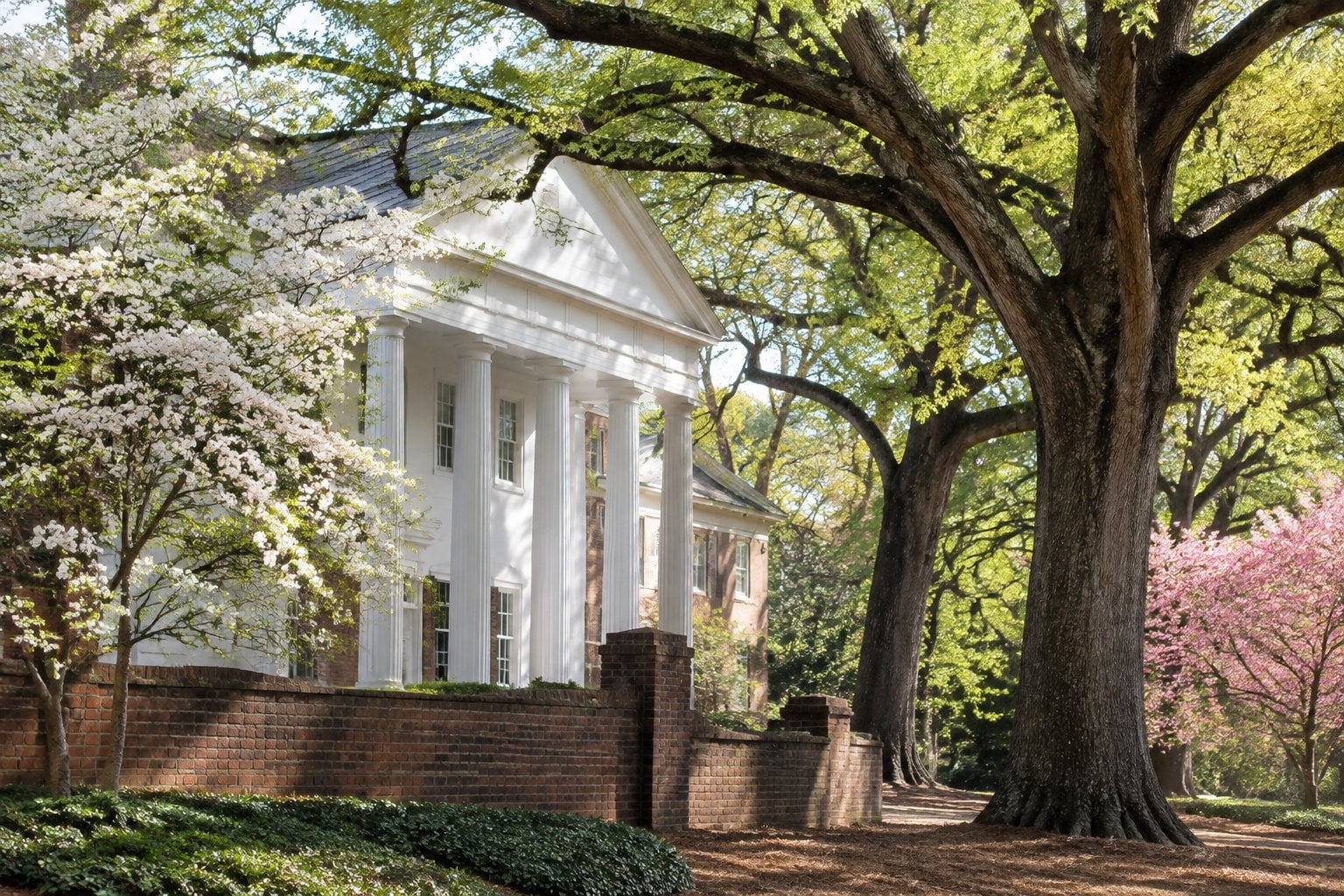
UNC ranked 21st. Of its 207 first-time takers, 191 passed, a rate of 92.27%. The ABA weighted average for the same states was 79.6%, which put UNC 12.67 points above it.
UNC is selective for a public school. For fall 2025, it received 3,459 applications and made 387 offers, an acceptance rate of 11.19%. It enrolled 181 full-time students with a median LSAT score of 168 and a median GPA of 3.89.
Tuition for 2025-26 is $28,082 for North Carolina residents and $51,320 for nonresidents, plus $3,480 in fees. Living costs are estimated at $25,678 a year.
Total J.D. enrollment was 543. The ABA report shows one first-year student leaving for academic reasons and one for other reasons.
22. Arizona State University Sandra Day O’Connor College of Law (Phoenix, Arizona)
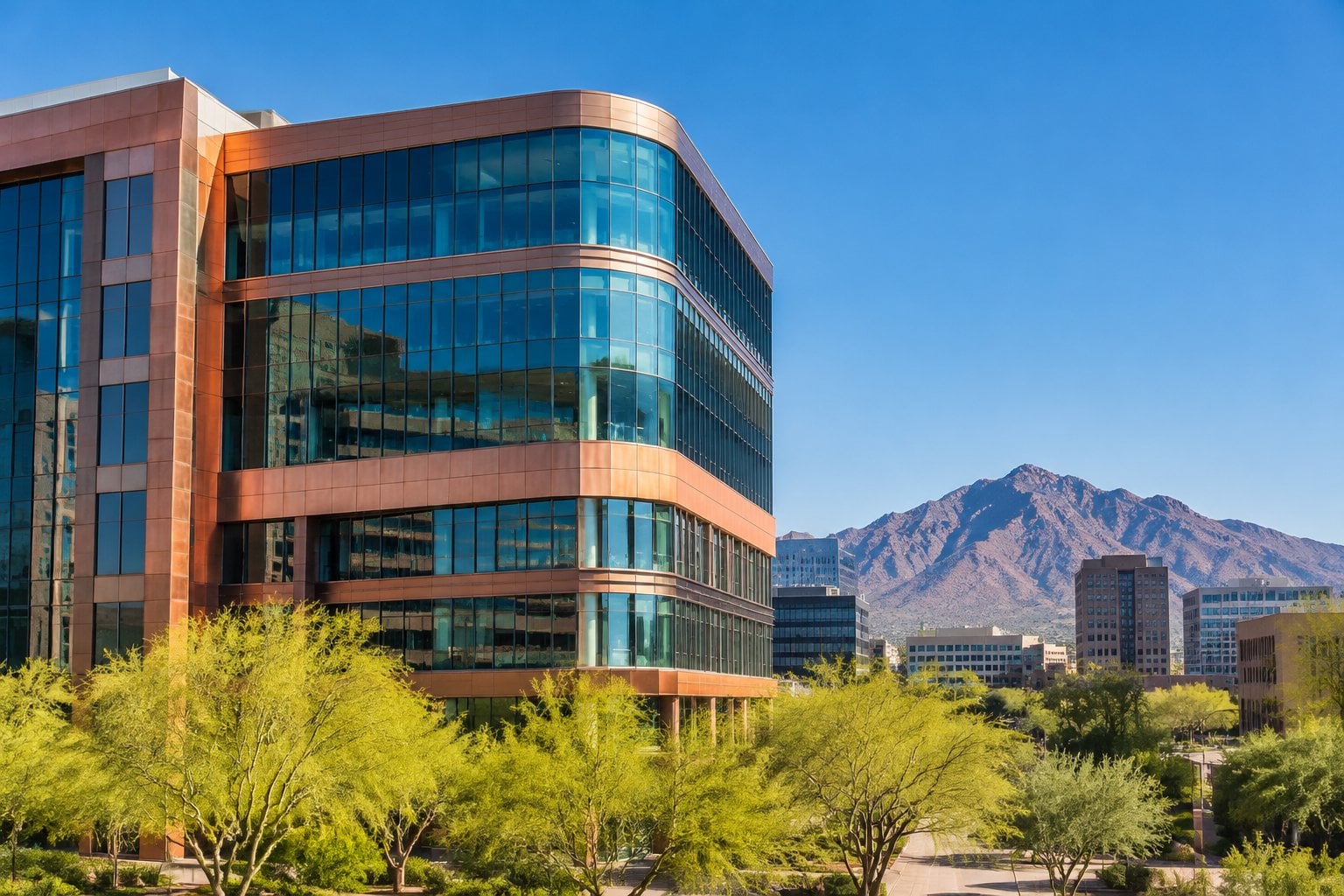
ASU’s law school is in downtown Phoenix. Of its 289 first-time takers, 253 passed, a rate of 87.54%. The ABA weighted average for the same states was 75.03%, putting ASU 12.51 points above it.
ASU made more offers than all but four schools on this list. For fall 2025, it received 4,610 applications and made 912 offers, an acceptance rate of 19.78%. It enrolled 266 full-time students, with a median LSAT score of 165 and a median GPA of 3.91.
Tuition for 2025-26 is $28,390 for Arizona residents and $52,099 for nonresidents, plus $1,443 in fees. The school estimates living costs at $33,090 a year.
Total J.D. enrollment was 744. The ABA report shows no first-year students leaving for academic reasons and three leaving for other reasons.
23. Notre Dame Law School (Notre Dame, Indiana)
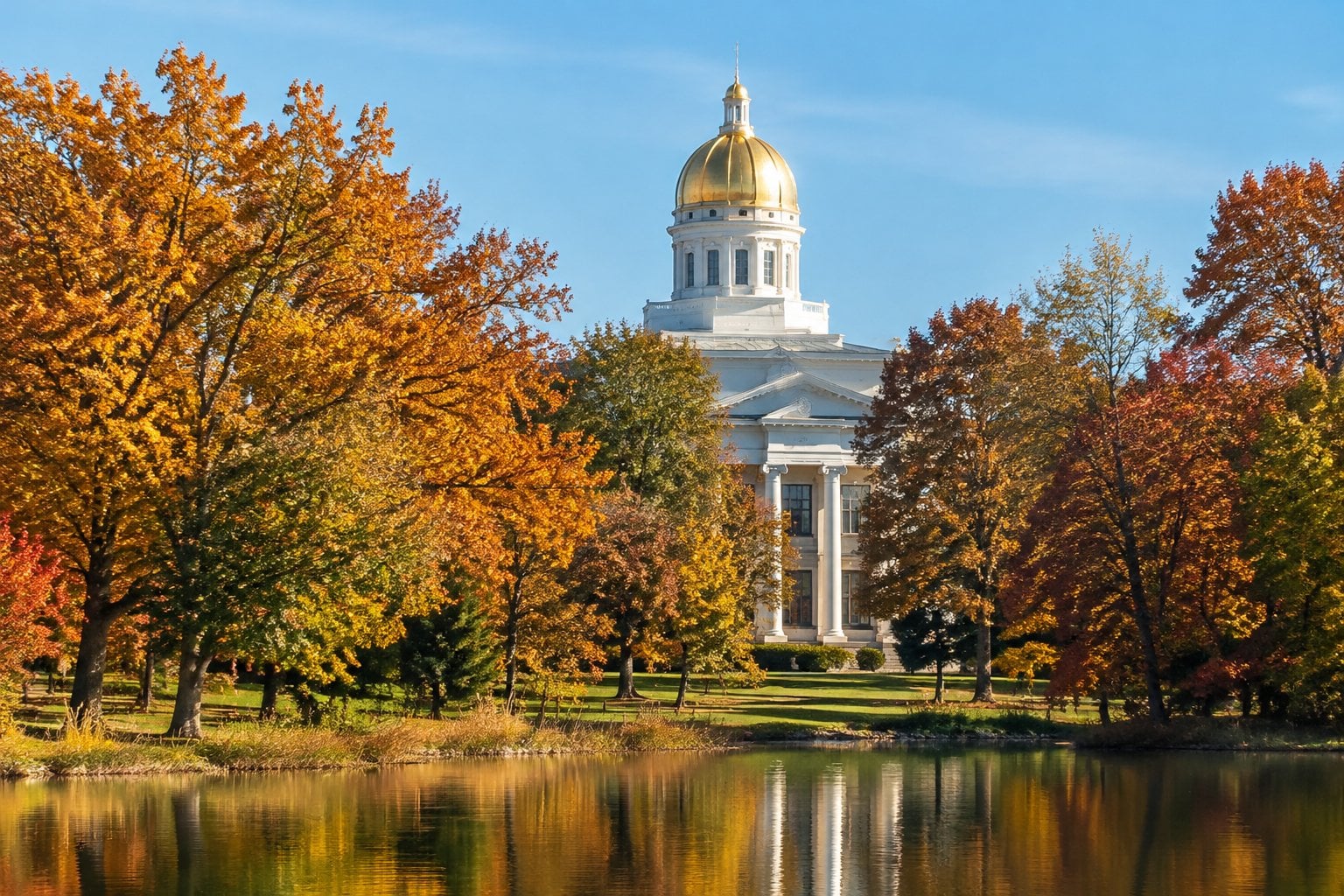
Notre Dame ranked 23rd. Of its 191 first-time takers, 176 passed, a rate of 92.15%. The ABA weighted average for the same states was 79.83%, which put Notre Dame 12.32 points above it.
For fall 2025, Notre Dame received 3,579 applications and made 575 offers, an acceptance rate of 16.07%. It enrolled 185 full-time students with a median LSAT score of 170 and a median GPA of 3.89.
Tuition for 2025-26 is $73,430, and the school lists only $520 in fees, one of the lowest fee amounts on this list. Notre Dame estimates living costs at $25,990 a year, one of the lowest figures among the private schools on this list.
Total J.D. enrollment was 572. The ABA report shows one first-year student leaving for academic reasons and none for other reasons.
24. Washington University School of Law (St. Louis, Missouri)
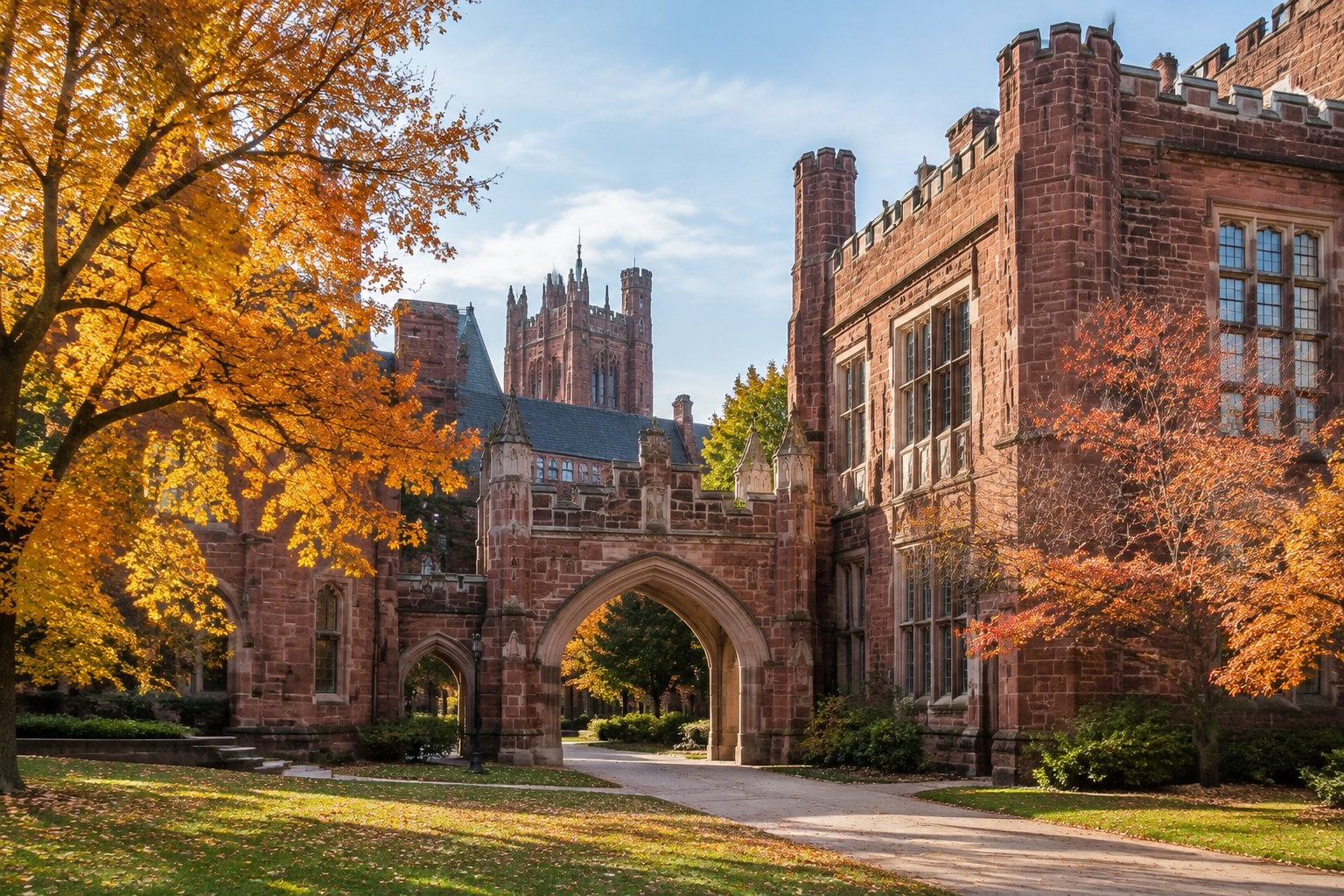
WashU had the highest median LSAT score on this list. Its fall 2025 entering class had a median of 175, with the top quarter at 176 or above. The median GPA was 3.96.
On the bar exam, 262 of its 280 first-time takers passed, a rate of 93.57%. The ABA weighted average for the same states was 81.37%, putting WashU 12.2 points above it.
WashU received 5,616 applications for fall 2025 and made 1,065 offers, the second-highest number of offers on this list, for an acceptance rate of 18.96%. It enrolled 261 full-time students.
Tuition for 2025-26 is $72,792, plus $892 in fees, and the school estimates living costs at $28,603 a year. Total J.D. enrollment was 787. The ABA report shows two first-year students leaving for academic reasons.
25. University of Virginia School of Law (Charlottesville, Virginia)
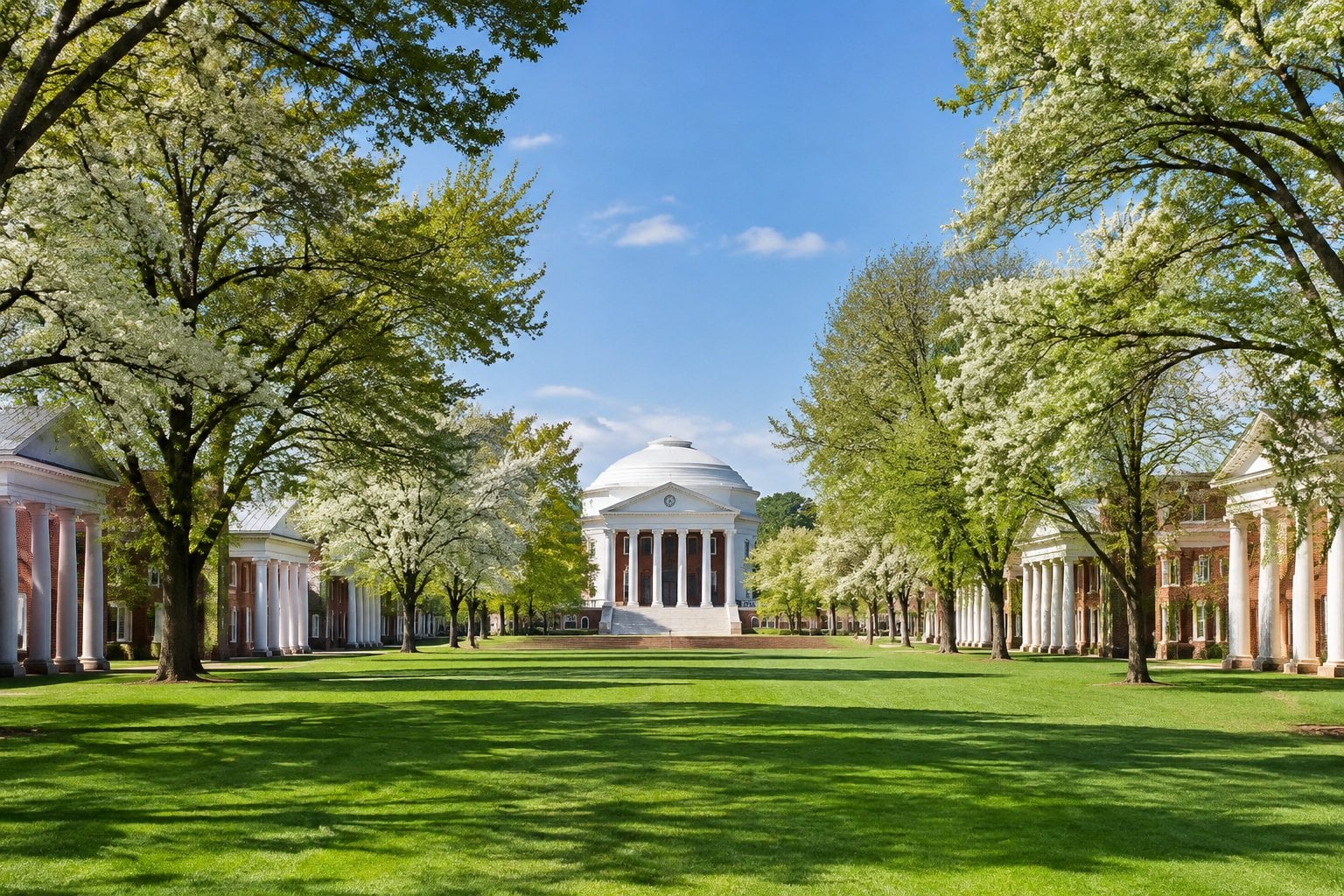
UVA ranked 25th. Of its 299 first-time takers, 284 passed, a rate of 94.98%. The ABA weighted average for the same states was 82.83%, which put UVA 12.15 points above it.
UVA’s entering class had a median GPA of 3.99, and the top quarter of the class had a GPA of 4.04 or above, the highest 75th-percentile GPA on this list. The median LSAT score was 173. For fall 2025, it received 6,734 applications and made 685 offers, an acceptance rate of 10.17%, and enrolled 309 full-time students.
Like Michigan, UVA is a public university with private-school prices at its law school. Tuition for 2025-26 is $74,078 for Virginia residents, plus $3,822 in fees, and $76,396 for nonresidents, plus $4,504 in fees. Its living-cost estimate is $28,770 a year.
Total J.D. enrollment was 919.
26. New York University School of Law (New York, New York)
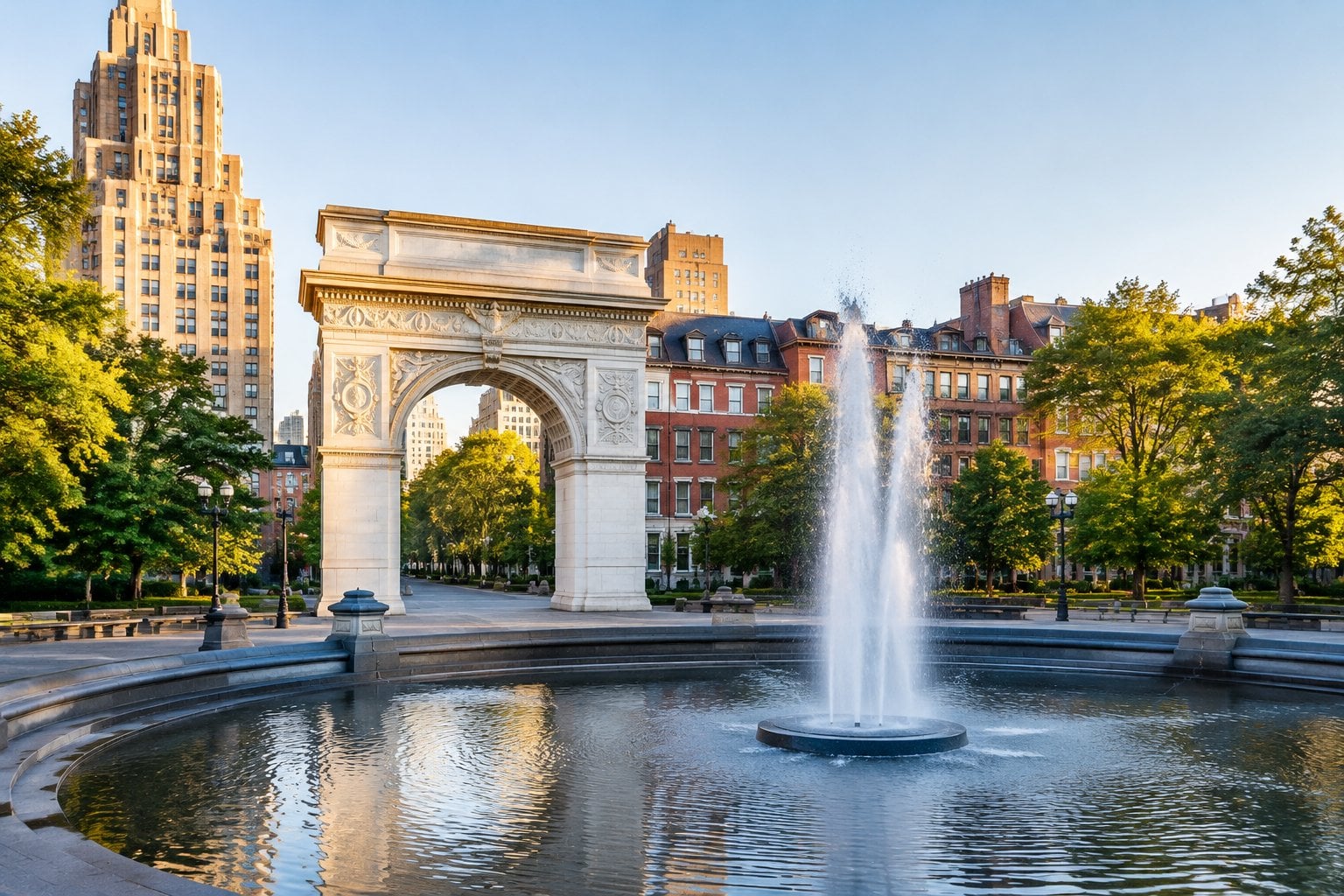
NYU drew more applications than any other school on this list: 10,546 for fall 2025. It made 1,412 offers, also the most, for an acceptance rate of 13.39%, and enrolled 452 full-time students with a median LSAT score of 172 and a median GPA of 3.92.
On the bar exam, 502 of its 519 first-time takers passed, a rate of 96.72%. Its graduates mostly took the New York exam, and the ABA weighted average for the same states was 85.02%, the highest benchmark on this list. That high bar left NYU 11.7 points above the average.
NYU is also the most expensive school on this list when fees are counted: $83,952 in tuition for 2025-26 plus $3,262 in fees, a total of $87,214. It estimates living costs at $36,094 a year.
Total J.D. enrollment was 1,405, second only to Harvard on this list.
27. Cornell Law School (Ithaca, New York)

Cornell, in upstate New York, ranked 27th. Of its 195 first-time takers, 188 passed, a rate of 96.41%. The ABA weighted average for the same states was 84.73%, the second-highest benchmark on this list, which put Cornell 11.68 points above it.
Cornell has the highest tuition alone on this list: $84,722 for 2025-26. Its fees are $690, for a total of $85,412 a year. The school estimates living costs at $32,952.
For fall 2025, Cornell received 4,608 applications and made 838 offers, an acceptance rate of 18.19%. It enrolled 217 full-time students, with a median LSAT score of 173 and a median GPA of 3.92.
The ABA report shows no first-year students leaving for academic or other reasons. Total J.D. enrollment was 611.
28. The Ohio State University Moritz College of Law (Columbus, Ohio)
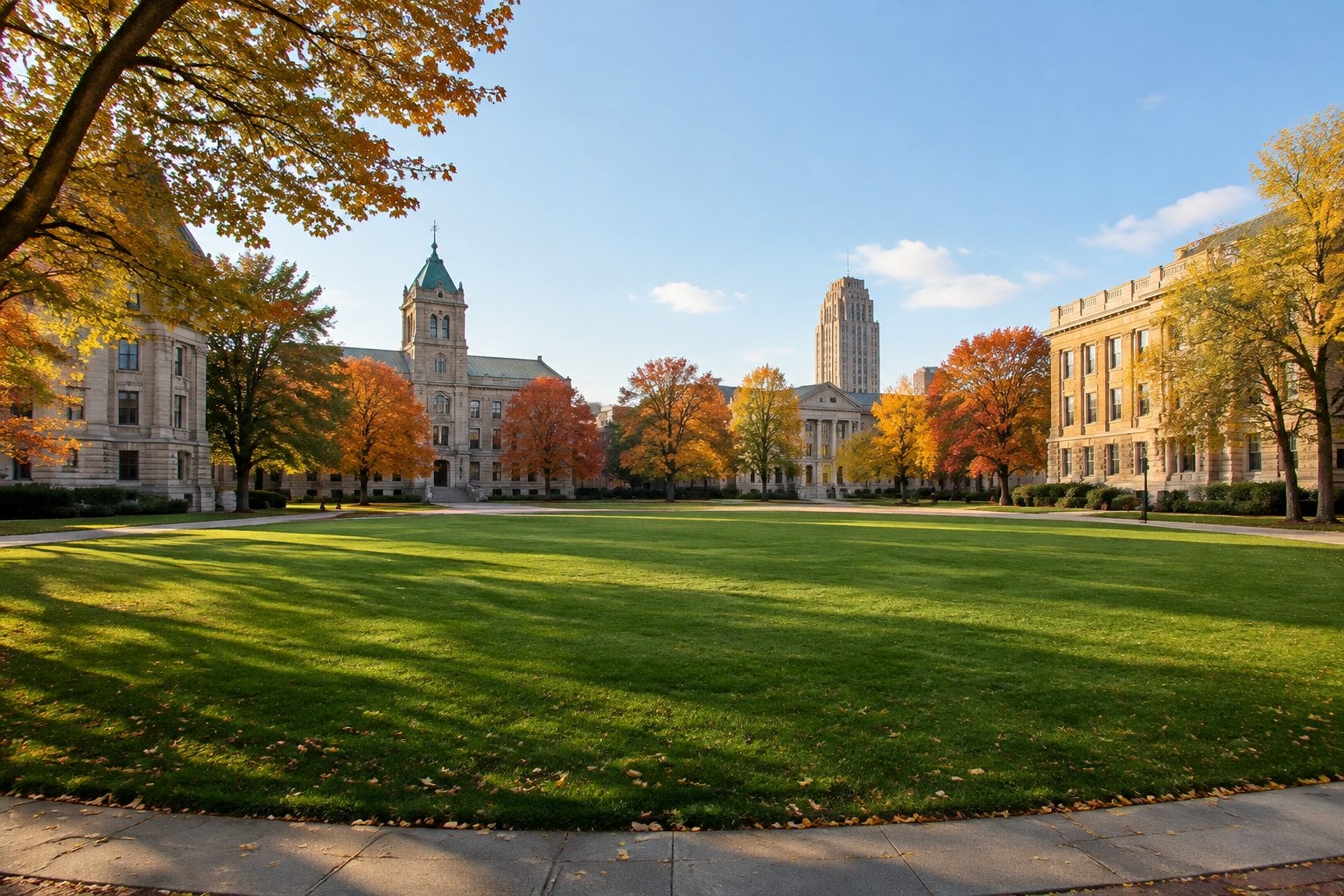
Ohio State ranked 28th. Of its 174 first-time takers, 160 passed, a rate of 91.95%. The ABA weighted average for the same states was 80.32%, putting Ohio State 11.63 points above it.
For fall 2025, Ohio State received 2,291 applications and made 564 offers, an acceptance rate of 24.62%. It enrolled 159 full-time students with a median LSAT score of 168 and a median GPA of 3.91.
Tuition for 2025-26 is $35,650 for Ohio residents and $50,902 for nonresidents, plus $1,613 in fees. The school estimates living costs at $23,692 a year, one of the lower figures on this list.
Ohio State is the only Ohio school on this list. Total J.D. enrollment was 486, and the ABA report shows no first-year students leaving for academic reasons and three leaving for other reasons.
29. University of Kansas School of Law (Lawrence, Kansas)
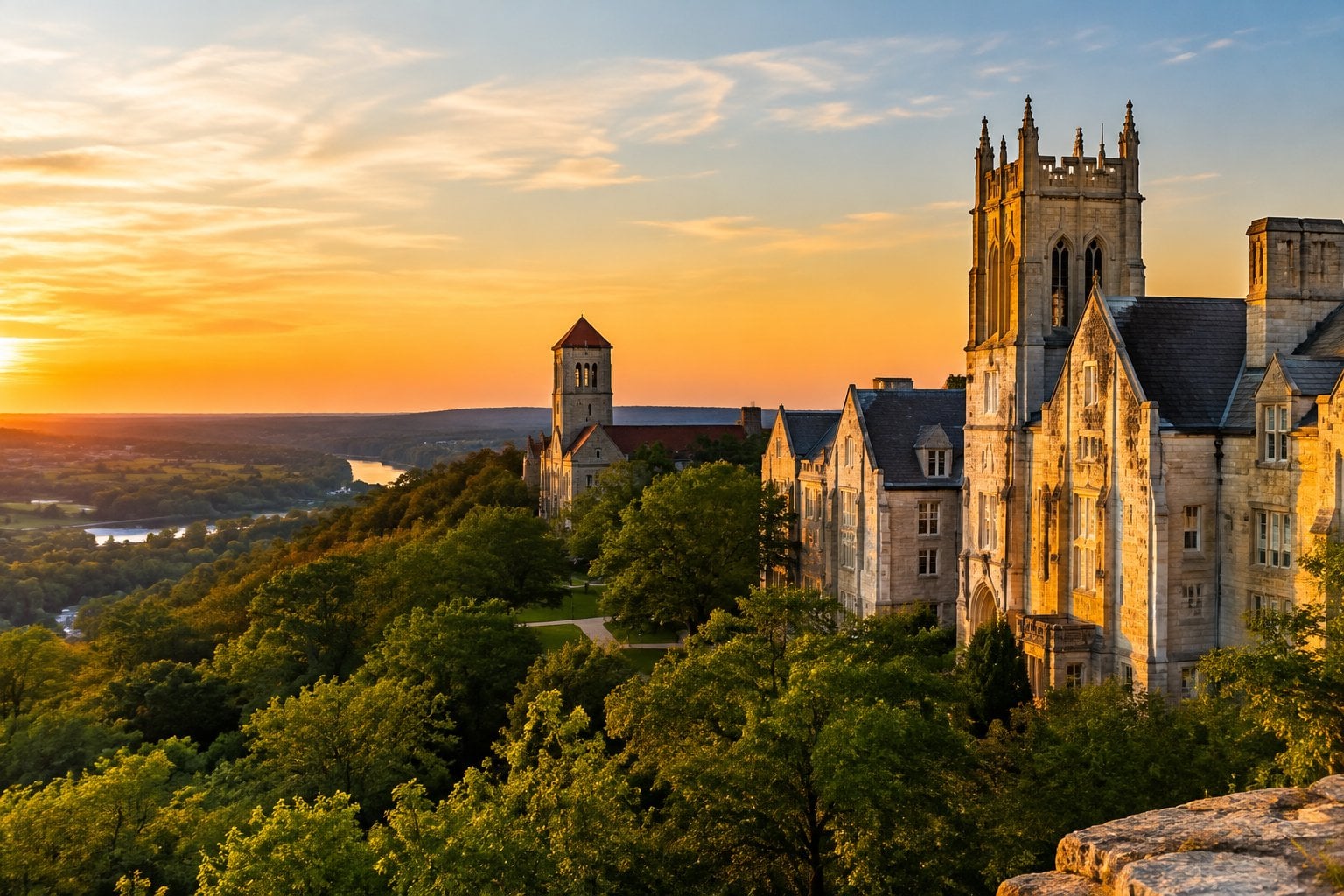
Kansas ranked 29th. Of its 115 first-time takers, the fewest of any school here, 106 passed, a rate of 92.17%. The ABA weighted average for the same states was 80.59%, which put Kansas 11.58 points above it.
Kansas had the highest acceptance rate on this list. For fall 2025, it received 1,172 applications, the fewest here, and made 458 offers, an acceptance rate of 39.08%. It enrolled 122 full-time students, the smallest entering class on this list. The median LSAT score was 162 and the median GPA was 3.85.
Kansas charges by the credit hour: $857 per credit for Kansas residents and $1,094 for nonresidents, plus $1,155 in annual fees. Its living-cost estimate of $20,238 a year is the lowest on this list.
Total J.D. enrollment was 356, also the smallest here.
30. Seton Hall University School of Law (Newark, New Jersey)
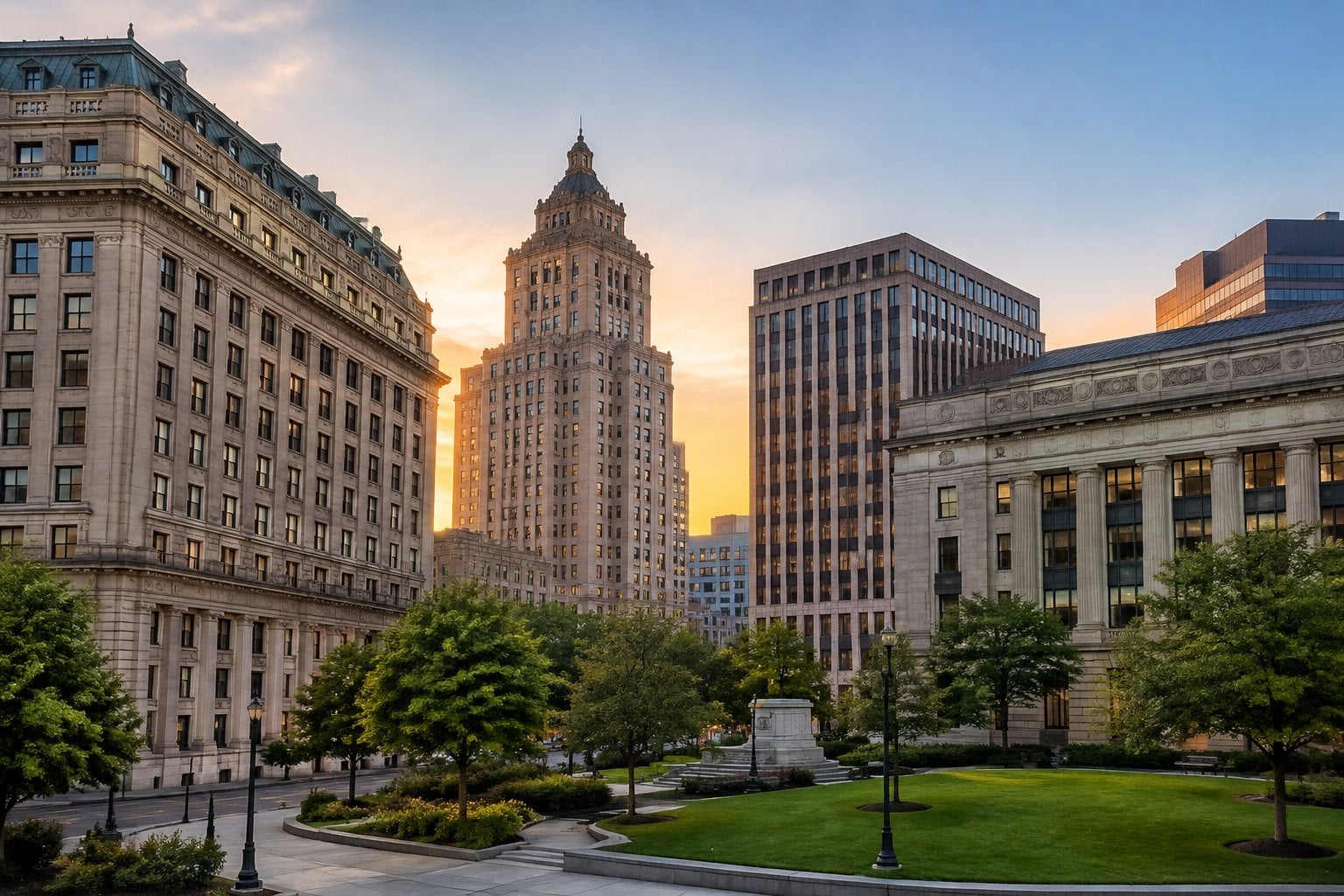
Seton Hall, a private Catholic university whose law school is in downtown Newark, completes the list. Of its 305 first-time takers, 266 passed, a rate of 87.21%. The ABA weighted average for the same states was 75.69%, putting Seton Hall 11.52 points above it.
Seton Hall’s entering class had the lowest median GPA on this list, 3.71, and a median LSAT score of 161. For fall 2025, it received 2,714 applications and made 930 offers, an acceptance rate of 34.27%. It enrolled 302 new students, 266 full-time and 36 part-time.
Tuition for 2025-26 is $69,660, plus $1,890 in fees, and the school estimates living costs at $28,548 a year.
The ABA report shows 14 first-year students, about 5%, leaving for academic reasons, the most on this list. Total J.D. enrollment was 822.
The next school in the ABA data, the University of California, Berkeley, was 11.25 points above its average and just missed the list.
What the Numbers Show
The list is split evenly: 15 public schools and 15 private ones. Texas, California, Florida and Tennessee have three schools each, and two of the public schools, Tennessee and Florida, charge state residents less than $20,000 a year in tuition, so a strong bar passage record does not always come with a high price.
Entering credentials don’t tell the whole story either. Belmont, FIU and Seton Hall had median LSAT scores of 161, the lowest on this list, and Belmont still finished first. Harvard had the highest raw pass rate, 97.86%, but placed 11th because the average in the states where its graduates tested was also high. Florida schools did the opposite: their raw rates were in the high 80s, but Florida’s low average lifted three of them into the top 20.
For more on law school costs and results, see our lists of the 30 most expensive law schools in the U.S. and the 30 worst law schools in America. Each school’s full report is on the ABA’s required disclosures site, and the National Conference of Bar Examiners publishes pass rates by state.
This article is general information, not legal advice or a recommendation for or against any school. Figures are from the ABA’s 2025 Standard 509 and bar passage reports and may change in later reports.