
The 30 Worst Law Schools in the U.S.

Passing the bar exam is the last big test between a law degree and a law license. Every ABA-accredited law school has to publish how its graduates did on that test, and the results vary widely. At some schools, more than nine in ten first-time takers pass. At others, close to half do not.
This list ranks the 30 worst law schools in America by one public measure: how far each school’s first-time bar passage rate fell below the average for the same states. The figures are for 2024 graduates and come from the American Bar Association’s Standard 509 and bar passage disclosures, released in the ABA’s 2025 report.
For each school, the ABA compares its graduates’ first-time pass rate with the ABA weighted average for graduates of all accredited schools in the states where they took the exam. Comparing against the same states keeps the ranking fair, because some states have much harder exams than others. That is also why schools in Puerto Rico, where pass rates are low across the board, are not on this list. Only schools with at least 30 first-time takers were ranked.
The other numbers in each entry come from the same ABA report: the fall 2025 entering class (applications, offers, median LSAT score and undergraduate GPA), 2025-26 tuition and fees, and the share of first-year students who left for academic reasons. A low bar passage rate is one measure, not a full picture of any school, and many graduates of these schools pass the exam and practice law.
1. Widener University Commonwealth Law School (Harrisburg, Pennsylvania)

Widener’s Commonwealth Law School in Harrisburg had the largest gap in the country. Of its 100 first-time bar takers, 54 passed, a rate of 54.00%. The ABA weighted average for the same states was 80.07%, which puts Widener Commonwealth 26.07 percentage points below the average.
The school charges by the credit hour: $1,875 per credit for full-time students, plus $650 in annual fees, according to its 2025-26 figures. It estimates living costs off campus at $32,862 a year.
For fall 2025, the school received 909 applications and made 549 offers, an acceptance rate of 60.4%. It enrolled 159 new students, 125 full-time and 34 part-time. The entering class had a median LSAT score of 150 and a median undergraduate GPA of 3.33.
The ABA report also shows the highest first-year academic attrition among the top five schools on this list: 29 first-year students, about 17%, left for academic reasons. Total J.D. enrollment was 411.
2. Touro University Law Center (Central Islip, New York)
Touro’s law school on Long Island ranked second. Of its 154 first-time takers, 95 passed, a rate of 61.69%. That is not the lowest raw rate on this list, but New York graduates of ABA schools passed at a weighted average of 85.78%, so Touro landed 24.09 points below the average for the states where its graduates tested.
Full-time tuition and fees come to $62,150 a year for 2025-26 ($61,000 in tuition plus $1,150 in fees). Touro’s estimate for living off campus is $52,602 a year, one of the highest living-cost estimates on this list, reflecting the cost of living in the New York area.
For fall 2025, Touro received 1,462 applications and made 667 offers, an acceptance rate of 45.62%. It enrolled 223 new students, 153 full-time and 70 part-time. The median LSAT score was 153 and the median GPA was 3.35.
Sixteen first-year students, about 7%, left for academic reasons, according to the ABA report. Total J.D. enrollment was 604.
3. North Carolina Central University School of Law (Durham, North Carolina)
North Carolina Central University’s law school in Durham is the first public school on the list. Of its 143 first-time bar takers, 80 passed, a rate of 55.94%. The ABA average for the same states was 79.92%, a gap of 23.98 percentage points.
As a public school, it charges far less than most schools in this ranking. North Carolina residents pay $19,190 a year in full-time tuition and fees for 2025-26 ($13,444 in tuition plus $5,746 in fees). Nonresidents pay $41,862. The school estimates living costs off campus at $28,292.
The school received 1,303 applications for fall 2025 and made 509 offers, an acceptance rate of 39.06%. It enrolled 133 new students, 110 full-time and 23 part-time, with a median LSAT score of 151 and a median GPA of 3.31.
Twenty first-year students, about 15%, left for academic reasons, and six more left for other reasons. Total J.D. enrollment was 361.
4. Cooley Law School (Lansing, Michigan, and Tampa Bay, Florida)
Cooley Law School had the lowest raw first-time pass rate of any school on this list. Of its 130 first-time takers, 67 passed, a rate of 51.54%. Its graduates tested in states where the ABA weighted average was 74.12%, a gap of 22.58 points, which places Cooley fourth.
Cooley’s main campus is in Lansing, Michigan, and it also has a campus in the Tampa Bay area of Florida. It charges by the credit: $1,580 per credit hour for full-time students in 2025-26, plus $640 in annual fees. Its living cost estimate off campus is $29,972.
Cooley received 1,323 applications for fall 2025 and made 700 offers, an acceptance rate of 52.91%. It enrolled 237 new students, 147 full-time and 90 part-time. The median LSAT score was 147, tied with Southern University and above only Appalachian on this list, and the median undergraduate GPA was 3.09, the lowest on the list.
Eighteen first-year students, about 9%, left for academic reasons. Total J.D. enrollment was 476.
5. Northern Illinois University College of Law (DeKalb, Illinois)
Northern Illinois University’s law school in DeKalb, about an hour west of Chicago, ranked fifth. Of its 91 first-time bar takers, 52 passed, a rate of 57.14%. The ABA weighted average for the same states was 78.65%, a gap of 21.51 points.
Northern Illinois charges the same tuition to residents and nonresidents: $23,667 a year for full-time students in 2025-26, plus $400 in fees, for a total of $24,067. That makes it one of the least expensive schools in this ranking. The school estimates living costs off campus at $22,742.
For fall 2025, it received 951 applications and made 421 offers, an acceptance rate of 44.27%. All 134 new students enrolled full-time. The median LSAT score was 150 and the median undergraduate GPA was 3.41.
Eight first-year students, about 7%, left for academic reasons, and none left for other reasons, according to the ABA report. Total J.D. enrollment was 352, making it one of the smaller schools on the list.
6. University of Massachusetts Dartmouth School of Law (Dartmouth, Massachusetts)

The University of Massachusetts School of Law at Dartmouth is the state’s only public law school. Of its 108 first-time bar takers, 63 passed, a rate of 58.33%. The ABA average for the same states was 78.83%, which left the school 20.50 percentage points below.
Massachusetts residents pay $33,456 a year in full-time tuition and fees for 2025-26 ($31,766 in tuition plus $1,690 in fees). Nonresidents pay $43,255. The school’s estimate for living off campus is $34,626 a year.
For fall 2025, the school received 1,311 applications and made 684 offers, an acceptance rate of 52.17%. It enrolled 141 new students, 120 full-time and 21 part-time. The median LSAT score was 152 and the median undergraduate GPA was 3.36.
Sixteen first-year students, about 10%, left for academic reasons, and three left for other reasons. Total J.D. enrollment was 389. The school sits on the South Coast of Massachusetts, near the cities of New Bedford and Fall River.
7. City University of New York School of Law (Long Island City, New York)
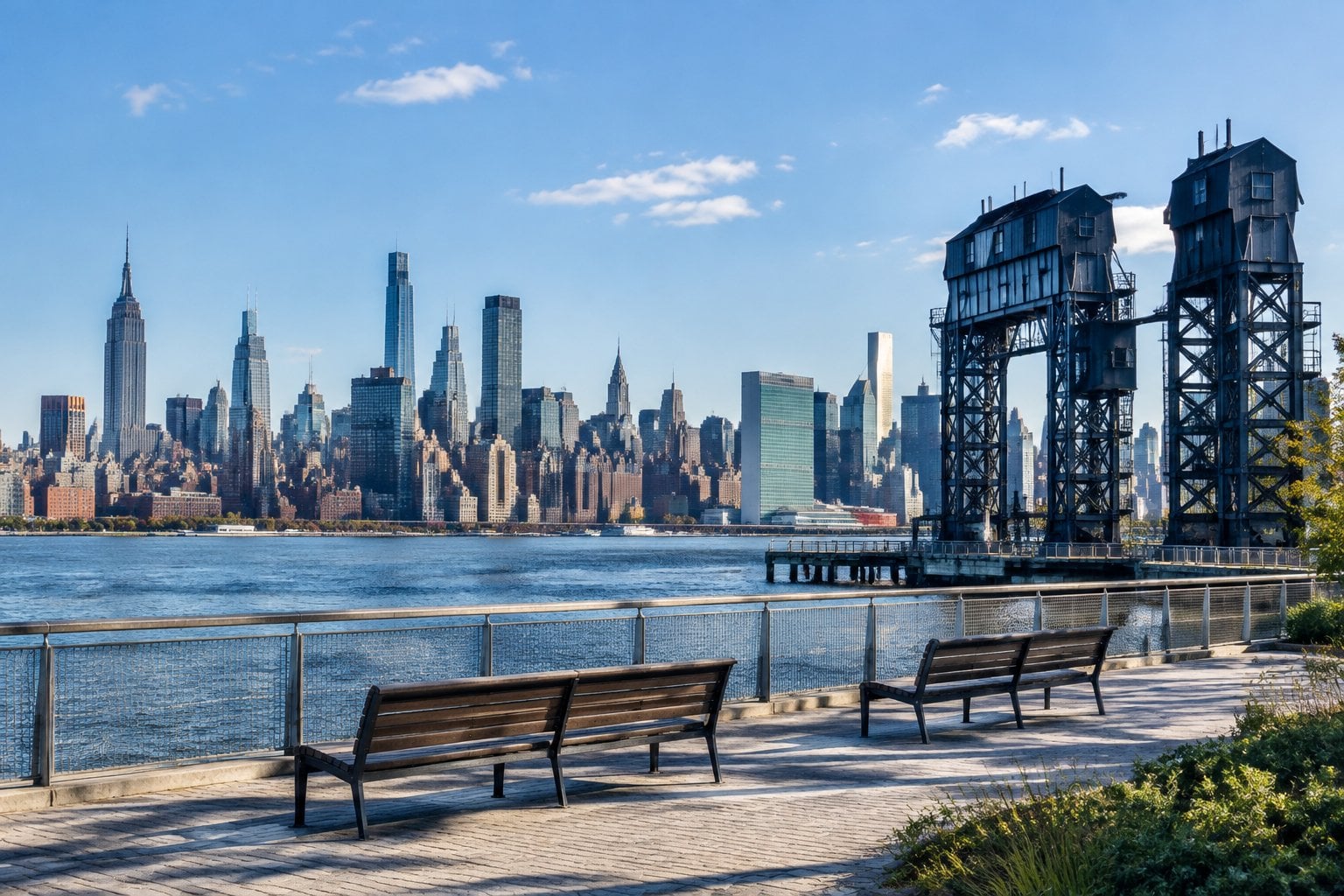
CUNY School of Law in Queens is a case where the gap matters more than the raw number. Of its 201 first-time bar takers, 132 passed, a rate of 65.67%. That rate is higher than most schools on this list, but New York’s ABA weighted average was 86.00%, the highest benchmark of any school in this ranking, leaving CUNY 20.33 points below.
CUNY is also among the least expensive law schools in the country. New York residents pay $16,013 a year in full-time tuition and fees for 2025-26 ($15,450 plus $563 in fees), and nonresidents pay $26,203. The school estimates living costs off campus at $30,805.
It is also one of the more selective schools on this list. For fall 2025, CUNY received 2,300 applications and made 659 offers, an acceptance rate of 28.65%. It enrolled 219 new students, 161 full-time and 58 part-time, with a median LSAT score of 155 and a median GPA of 3.54.
Only two first-year students, about 1%, left for academic reasons. Total J.D. enrollment was 695.
8. Southern Illinois University School of Law (Carbondale, Illinois)
Southern Illinois University’s law school in Carbondale is the second Illinois public school in the top ten. Of its 79 first-time bar takers, 47 passed, a rate of 59.49%. The ABA weighted average for the same states was 79.22%, a gap of 19.73 points.
Southern Illinois has the lowest per-credit tuition on this list: $547 per credit hour for 2025-26, the same for residents and nonresidents, plus $5,678 in annual fees. It also has the lowest living cost estimate of any school here except Mitchell Hamline, at $18,608 a year off campus.
For fall 2025, the school received 724 applications and made 407 offers, an acceptance rate of 56.22%. All 133 new students enrolled full-time. The median LSAT score was 149, with the middle half of the class between 146 and 155, and the median undergraduate GPA was 3.38.
Seven first-year students, about 7%, left for academic reasons, and six more, about 6%, left for other reasons. Total J.D. enrollment was 313, one of the smallest on this list.
9. Roger Williams University School of Law (Bristol, Rhode Island)
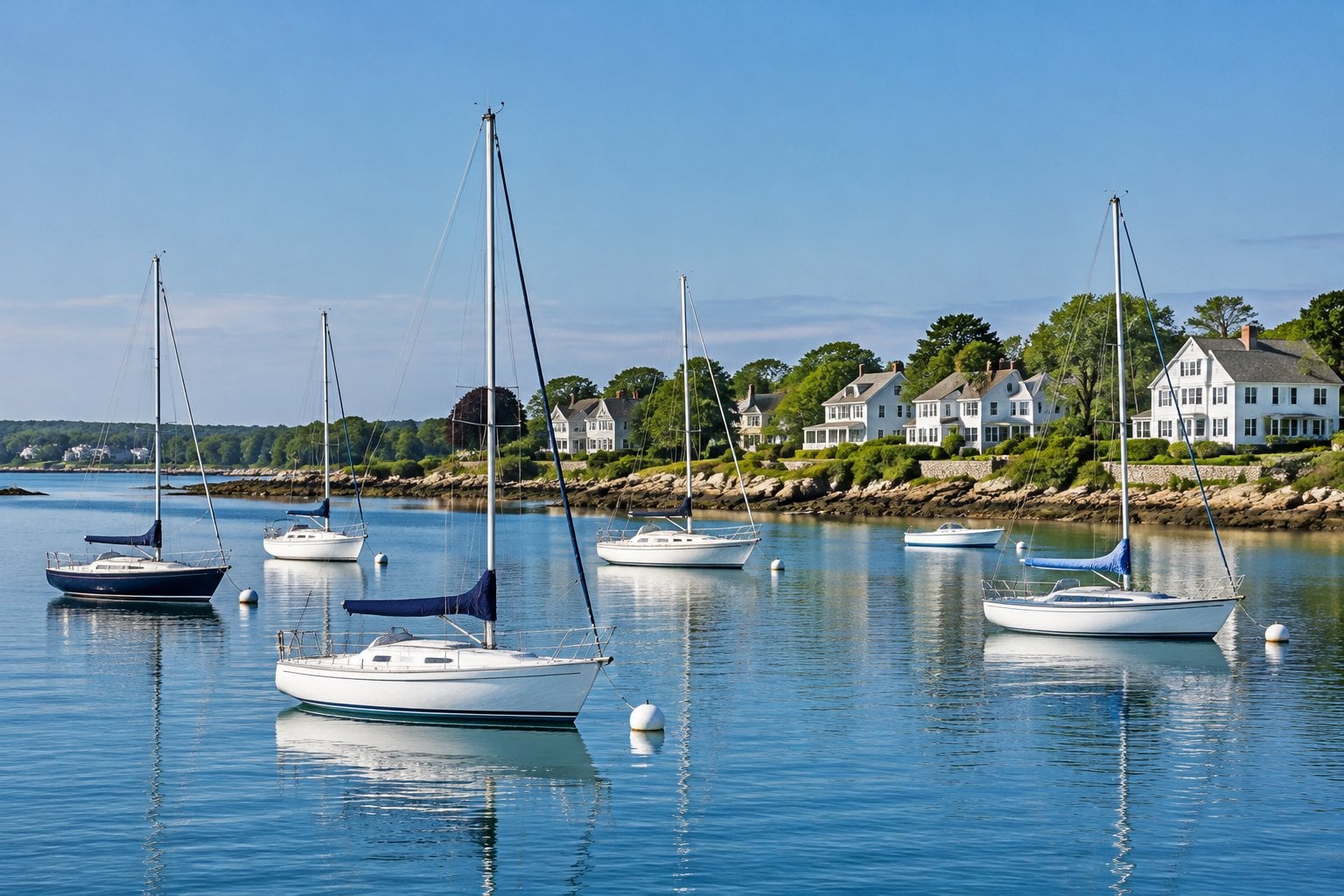
Roger Williams University School of Law is the only law school in Rhode Island. Of its 177 first-time bar takers, 101 passed, a rate of 57.06%. The ABA average for the same states was 76.37%, putting the school 19.31 points below.
Full-time tuition is $47,400 a year for 2025-26, plus $1,690 in fees, for a total of $49,090. The school estimates living costs off campus at $25,616 a year.
Roger Williams had one of the highest acceptance rates on this list for fall 2025. It received 1,003 applications and made 615 offers, an acceptance rate of 61.32%. All 189 new students enrolled full-time. The median LSAT score was 150 and the median undergraduate GPA was 3.43.
First-year attrition was low: four students, about 2%, left for academic reasons and two left for other reasons. Total J.D. enrollment was 486. The school’s campus sits on the shore of Mount Hope Bay in Bristol, a small town between Providence and Newport.
10. University of Illinois Chicago School of Law (Chicago, Illinois)
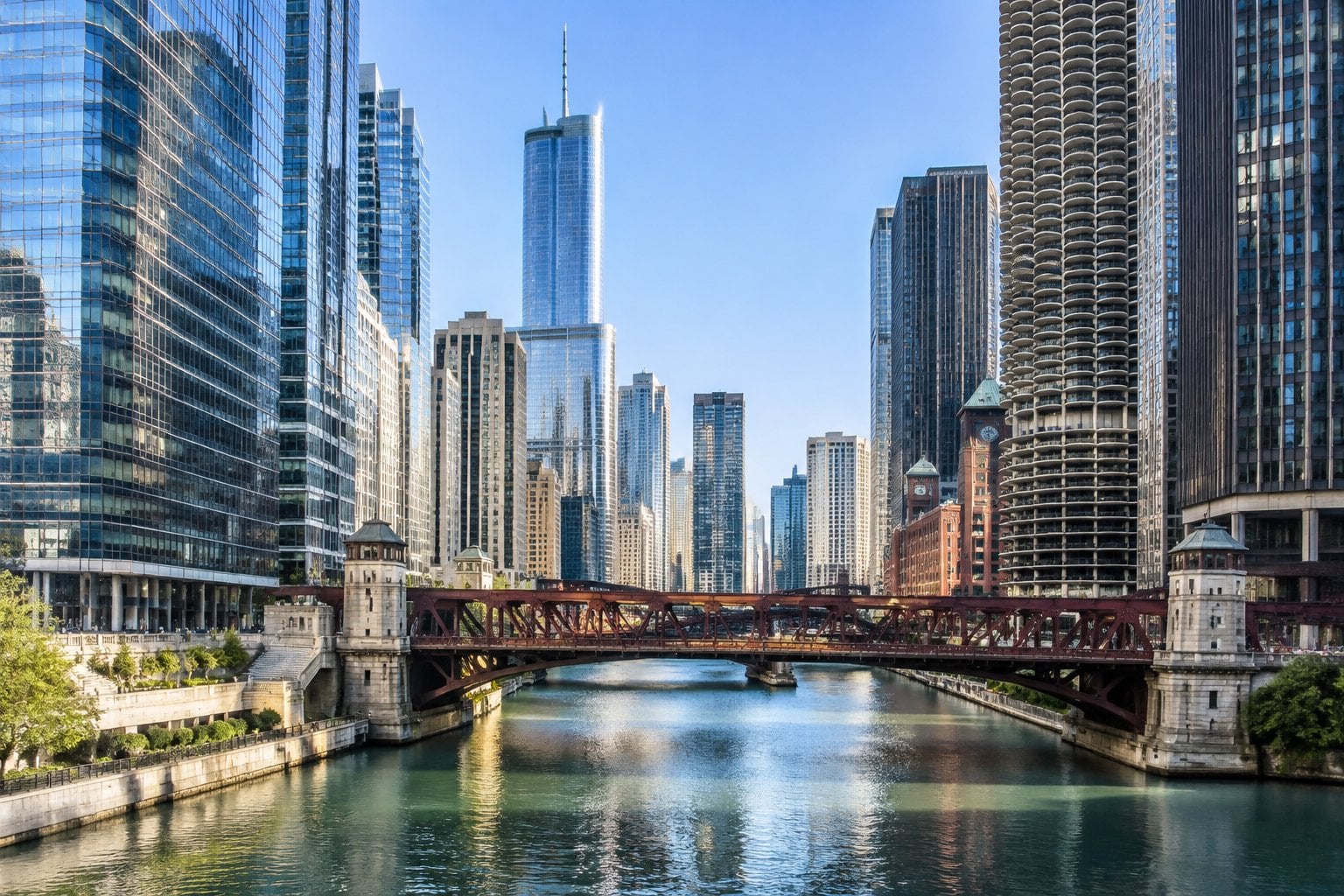
The University of Illinois Chicago School of Law, the former John Marshall Law School, is the largest school in the top ten. It had 296 first-time bar takers in this report, and 178 passed, a rate of 60.14%. The ABA weighted average for the same states was 78.83%, a gap of 18.69 points.
UIC charges by the credit hour: $1,248 per credit for Illinois residents and $1,560 for nonresidents in 2025-26, plus $4,640 in annual fees. Its estimate for living off campus is $24,976.
For fall 2025, UIC received 2,488 applications and made 1,308 offers, an acceptance rate of 52.57%. It enrolled 379 new students, 302 full-time and 77 part-time. The median LSAT score was 153 and the median undergraduate GPA was 3.40.
Eighteen first-year students, about 4%, left for academic reasons. With total J.D. enrollment of 1,015, UIC is one of three schools on this list with more than 1,000 law students.
11. Mississippi Christian University School of Law (Jackson, Mississippi)
This downtown Jackson law school was long known as Mississippi College School of Law. Its parent school took the name Mississippi Christian University in 2026, and the ABA’s 2025 report lists it under the new name. Of its 123 first-time bar takers, 78 passed, a rate of 63.41%. The ABA average for the same states was 79.66%, a gap of 16.25 points.
Full-time tuition is $37,980 a year for 2025-26, plus $1,662 in fees, for a total of $39,642. The school estimates living costs off campus at $26,100.
For fall 2025, it received 806 applications and made 482 offers, an acceptance rate of 59.8%. All 179 new students enrolled full-time. The median LSAT score was 152 and the median undergraduate GPA was 3.37.
The ABA report shows 15 first-year students, about 11%, left for academic reasons, and nine more, about 6%, left for other reasons. Total J.D. enrollment was 401.
12. Pace University Elisabeth Haub School of Law (White Plains, New York)
Pace’s law school in White Plains, north of New York City, had a raw pass rate of 68.55%, with 170 of its 248 first-time takers passing. But New York-area benchmarks are high: the ABA average for the same states was 84.39%, leaving Pace 15.84 points below.
Full-time tuition and fees total $57,756 a year for 2025-26 ($56,648 in tuition plus $1,108 in fees). Part-time students pay $42,508 a year in tuition. The school estimates living costs off campus at $33,422.
For fall 2025, Pace received 2,293 applications and made 1,012 offers, an acceptance rate of 44.13%. It enrolled 324 new students, 247 full-time and 77 part-time. The median LSAT score was 154 and the median undergraduate GPA was 3.54, among the higher medians on this list.
Sixteen first-year students, about 5%, left for academic reasons. Total J.D. enrollment was 873. Pace is the third New York school in the top 12, a sign of how high the state’s bar passage benchmark is.
13. St. Mary’s University School of Law (San Antonio, Texas)

St. Mary’s University School of Law in San Antonio is the only Texas school in this ranking. Of its 243 first-time bar takers, 160 passed, a rate of 65.84%. The ABA weighted average for the same states was 81.51%, a gap of 15.67 points.
Full-time tuition is $44,910 a year for 2025-26, plus $1,400 in fees, for a total of $46,310. Part-time tuition is $29,862. The school’s estimate for living off campus is $23,878.
St. Mary’s was one of the most selective schools on this list by acceptance rate. For fall 2025 it received 2,906 applications and made 755 offers, an acceptance rate of 25.98%, the lowest in this top 30. It enrolled 282 new students, 254 full-time and 28 part-time, with a median LSAT score of 153 and a median GPA of 3.49.
The ABA report shows 39 first-year students, about 12%, left for academic reasons, the second-highest number on this list. Total J.D. enrollment was 800.
14. Southern University Law Center (Baton Rouge, Louisiana)
Southern University Law Center in Baton Rouge reported 214 graduates in 2024, and 121 first-time bar takers in this report. Of those takers, 73 passed, a rate of 60.33%. The ABA average for the same states was 75.91%, a gap of 15.58 points.
It is one of the least expensive schools here. Louisiana residents pay $11,338 in full-time tuition plus $7,494 in fees, a total of $18,832 for 2025-26. Nonresidents pay the same tuition with $22,994 in fees, a total of $34,332. The school estimates living costs off campus at $32,262.
For fall 2025, Southern received 1,153 applications and made 652 offers, an acceptance rate of 56.55%. It enrolled 300 new students, 239 full-time and 61 part-time. The median LSAT score was 147, with the middle half between 145 and 150, and the median GPA was 3.15.
Thirty first-year students, about 10%, left for academic reasons. Total J.D. enrollment was 809.
15. University of the District of Columbia David A. Clarke School of Law (Washington, D.C.)
The University of the District of Columbia’s law school is the public law school of the nation’s capital. Of its 61 first-time takers, 40 passed, a rate of 65.57%. The ABA weighted average for the same states was 80.64%, a gap of 15.07 points.
It charges District residents $13,438 a year in full-time tuition and fees for 2025-26 ($12,438 plus $1,000 in fees). Nonresidents pay $25,874. Its living cost estimate off campus is $34,035.
UDC was fairly selective for fall 2025. It received 749 applications and made 277 offers, an acceptance rate of 36.98%. It enrolled 83 new students, 51 full-time and 32 part-time, the smallest entering class in this top 30. The median LSAT score was 151 and the median undergraduate GPA was 3.28.
Four first-year students, about 5%, left for academic reasons, and three more left for other reasons. Total J.D. enrollment was 236.
16. Lincoln Memorial University Duncan School of Law (Knoxville, Tennessee)
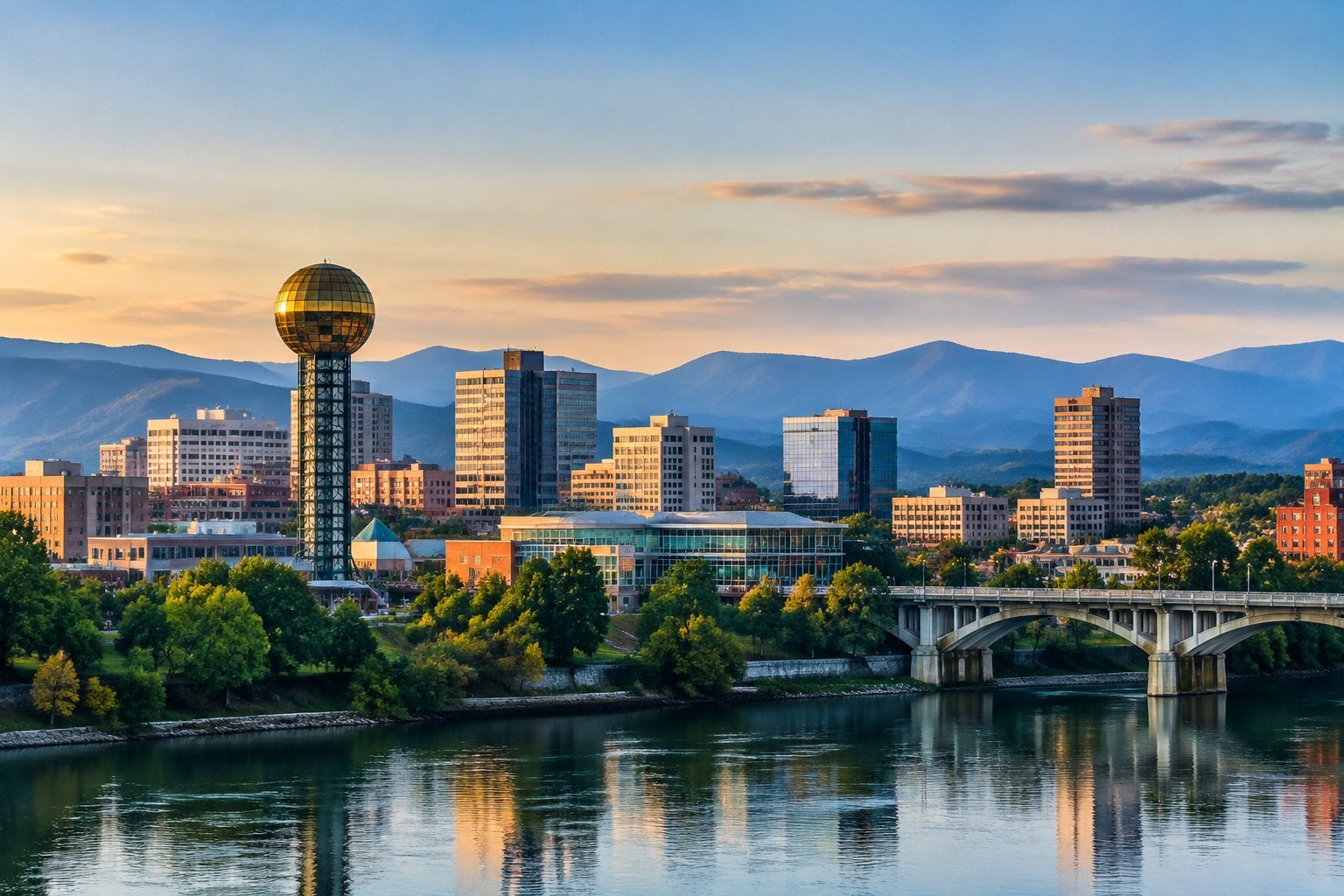
Lincoln Memorial University’s Duncan School of Law is based in downtown Knoxville, in the city’s historic Old City Hall building. Of its 102 first-time bar takers, 65 passed, a rate of 63.73%. The ABA average for the same states was 78.36%, a gap of 14.63 points.
The school charges by the credit hour: $1,490 per credit for 2025-26, plus $4,161 in annual fees. It estimates living costs off campus at $28,325 a year.
For fall 2025, it received 828 applications and made 432 offers, an acceptance rate of 52.17%. It enrolled 163 new students, 109 full-time and 54 part-time. The median LSAT score was 153 and the median undergraduate GPA was 3.44.
The ABA report shows 19 first-year students, about 13%, left for academic reasons, one of the higher rates on this list, and three more left for other reasons. Total J.D. enrollment was 429. The school was founded in 2009 and earned full ABA accreditation in 2019.
17. California Western School of Law (San Diego, California)
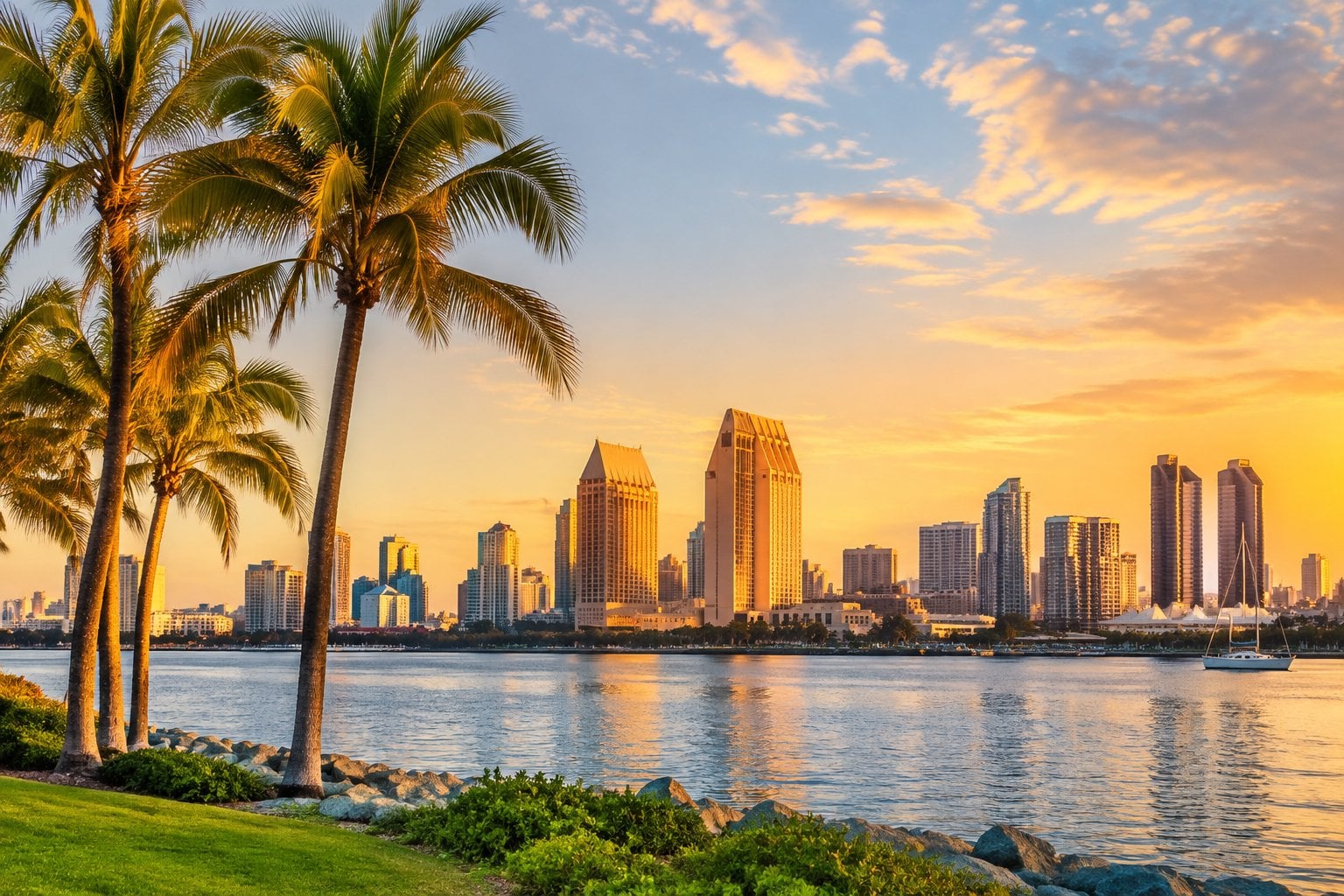
California Western School of Law in downtown San Diego has the highest yearly price of any school in this ranking that lists one (several schools charge by the credit instead). Full-time tuition and fees come to $64,870 for 2025-26 ($64,720 in tuition plus $150 in fees), and part-time tuition is $48,440. The school’s estimate for living off campus is $34,342.
On the bar exam, 134 of its 213 first-time takers passed, a rate of 62.91%. The ABA weighted average for the same states was 77.53%, a gap of 14.62 points, just behind Lincoln Memorial.
For fall 2025, California Western received 2,144 applications and made 1,006 offers, an acceptance rate of 46.92%. It enrolled 242 new students, 206 full-time and 36 part-time. The median LSAT score was 155 and the median undergraduate GPA was 3.50.
First-year attrition was low: 10 students, about 4%, left for academic reasons, and one left for other reasons. Total J.D. enrollment was 669.
18. Western State College of Law at Westcliff University (Orange County, California)
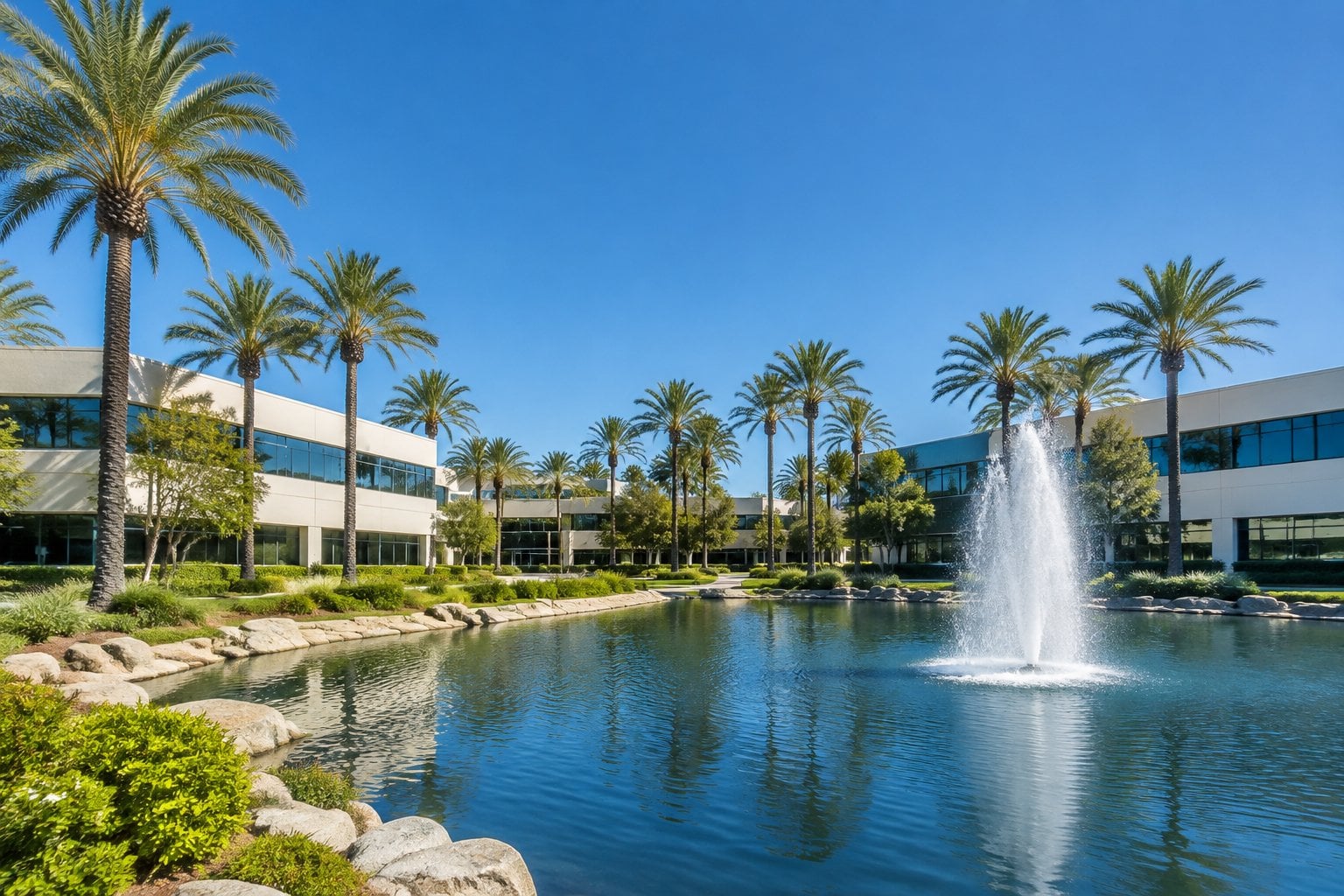
Western State College of Law in Orange County is owned by Westcliff University, a for-profit private university. Of its 77 first-time bar takers, 49 passed, a rate of 63.64%. The ABA average for the same states was 77.78%, a gap of 14.14 points.
Full-time tuition and fees total $55,648 a year for 2025-26 ($54,840 in tuition plus $808 in fees). Part-time tuition is $36,640. The school estimates living costs off campus at $32,140.
For fall 2025, Western State received 916 applications and made 400 offers, an acceptance rate of 43.67%. It enrolled 117 new students, 96 full-time and 21 part-time. The median LSAT score was 152 and the median undergraduate GPA was 3.36.
The ABA report shows 12 first-year students, about 8%, left for academic reasons, and eight more, about 6%, left for other reasons. Total J.D. enrollment was 355. Western State is one of three California schools in this ranking, with Southwestern in Los Angeles and California Western in San Diego.
19. Appalachian School of Law (Grundy, Virginia)
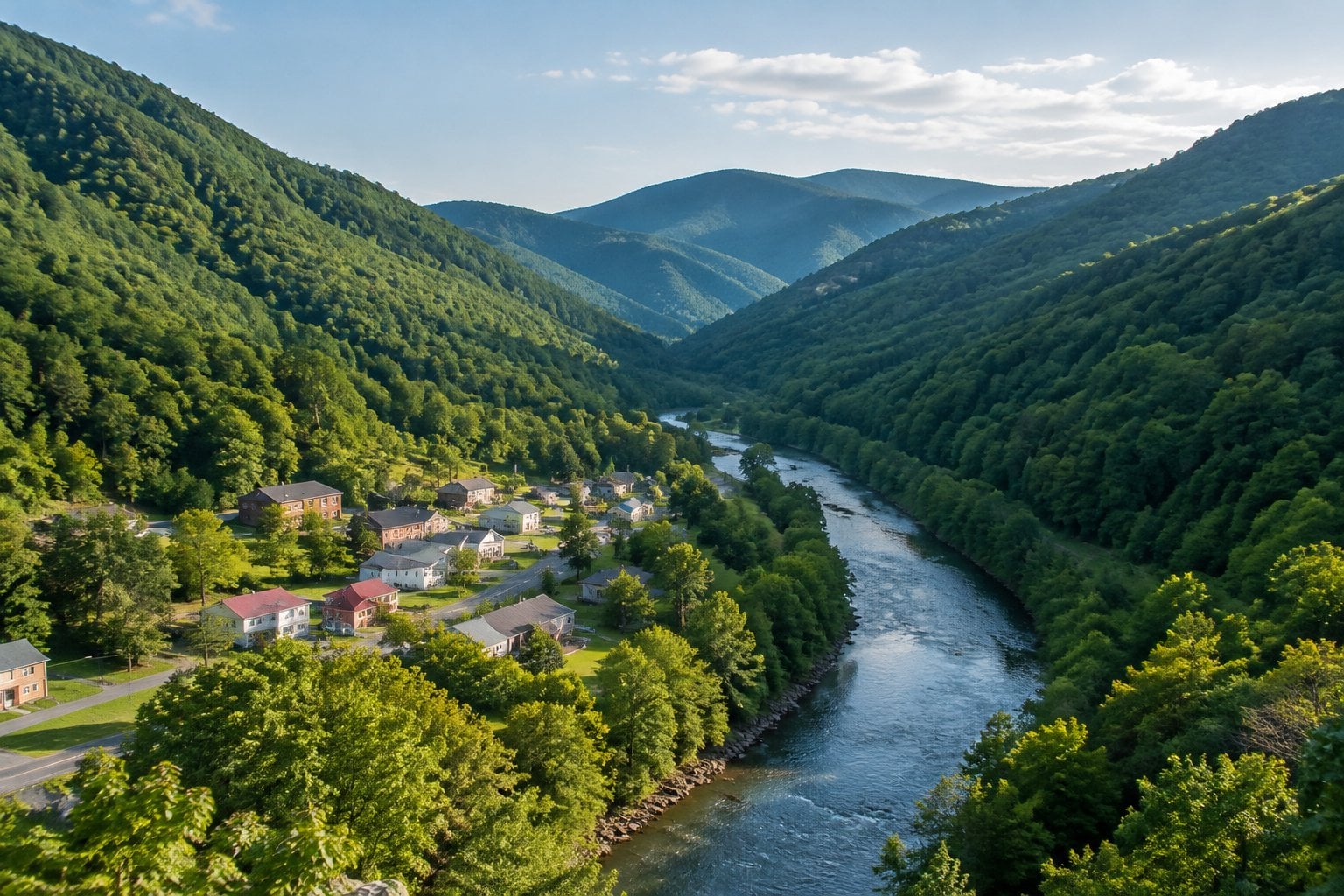
Appalachian School of Law in the small mountain town of Grundy, in far southwest Virginia, is the smallest school on this list by graduates. It reported 39 graduates in 2024 and 38 first-time bar takers, of whom 24 passed, a rate of 63.16%. The ABA average for the same states was 77.16%, a gap of 14.00 points.
Full-time tuition is $41,000 a year for 2025-26, with no separate fees listed. Its living cost estimate off campus is $41,800 a year, unusually high for a rural area.
For fall 2025, the school received 732 applications and made 446 offers, an acceptance rate of 60.93%. All 92 new students enrolled full-time. The median LSAT score was 146, the lowest median on this list, and the median undergraduate GPA was 3.20.
Eight first-year students, about 11%, left for academic reasons. Total J.D. enrollment was 182, the smallest of the 30 schools.
20. Southwestern Law School (Los Angeles, California)

Southwestern Law School in Los Angeles had the largest entering class in this ranking. Of its 288 first-time bar takers, 187 passed, a rate of 64.93%. The ABA weighted average for the same states was 77.76%, a gap of 12.83 points.
Full-time tuition is $63,160 a year for 2025-26, with no separate fees listed, and part-time tuition is $42,124. The school’s estimate for living off campus is $38,033.
Southwestern drew more applicants than any school on this list. For fall 2025 it received 3,584 applications and made 1,307 offers, an acceptance rate of 36.47%. It enrolled 459 new students, 383 full-time and 76 part-time. The median LSAT score was 157, one of the highest on the list, and the median undergraduate GPA was 3.51.
The ABA report shows 51 first-year students, about 12%, left for academic reasons, the highest number on this list. Total J.D. enrollment was 1,108.
21. Atlanta’s John Marshall Law School (Atlanta, Georgia)
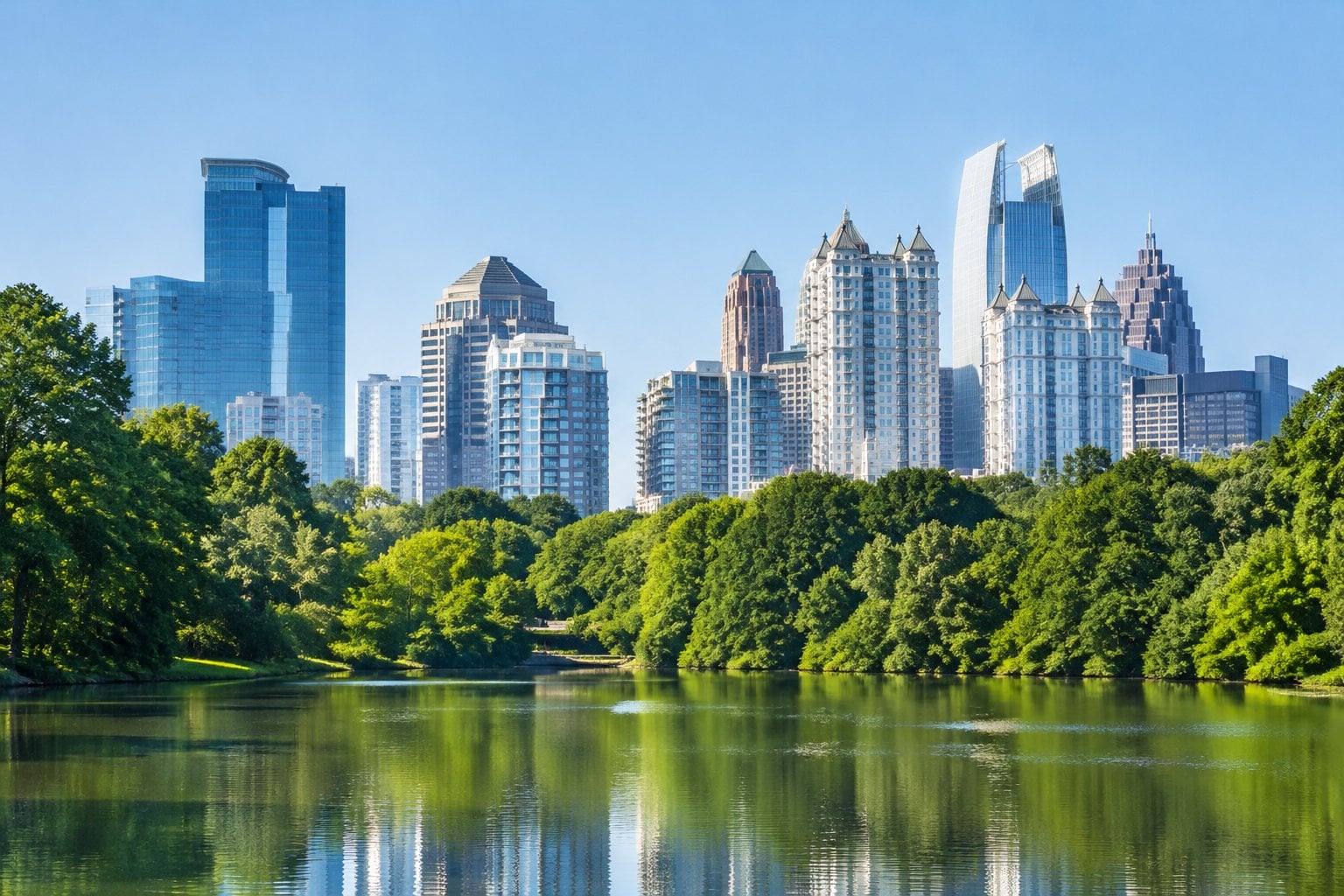
Atlanta’s John Marshall Law School is the only Georgia school in this ranking. Of its 76 first-time bar takers, 52 passed, a rate of 68.42%. The ABA weighted average for the same states was 80.24%, a gap of 11.82 points.
Full-time tuition and fees total $53,586 a year for 2025-26 ($52,536 in tuition plus $1,050 in fees), and part-time tuition is $31,794. The school estimates living costs off campus at $35,426.
The school was fairly selective by acceptance rate. For fall 2025 it received 1,274 applications and made 416 offers, an acceptance rate of 32.65%. It enrolled 138 new students, 93 full-time and 45 part-time. The median LSAT score was 152 and the median undergraduate GPA was 3.13, the second-lowest on this list.
The school had the highest first-year academic attrition rate in this ranking: 27 first-year students, about 20%, left for academic reasons, according to the ABA report. Total J.D. enrollment was 379.
22. Vermont Law and Graduate School (South Royalton, Vermont)
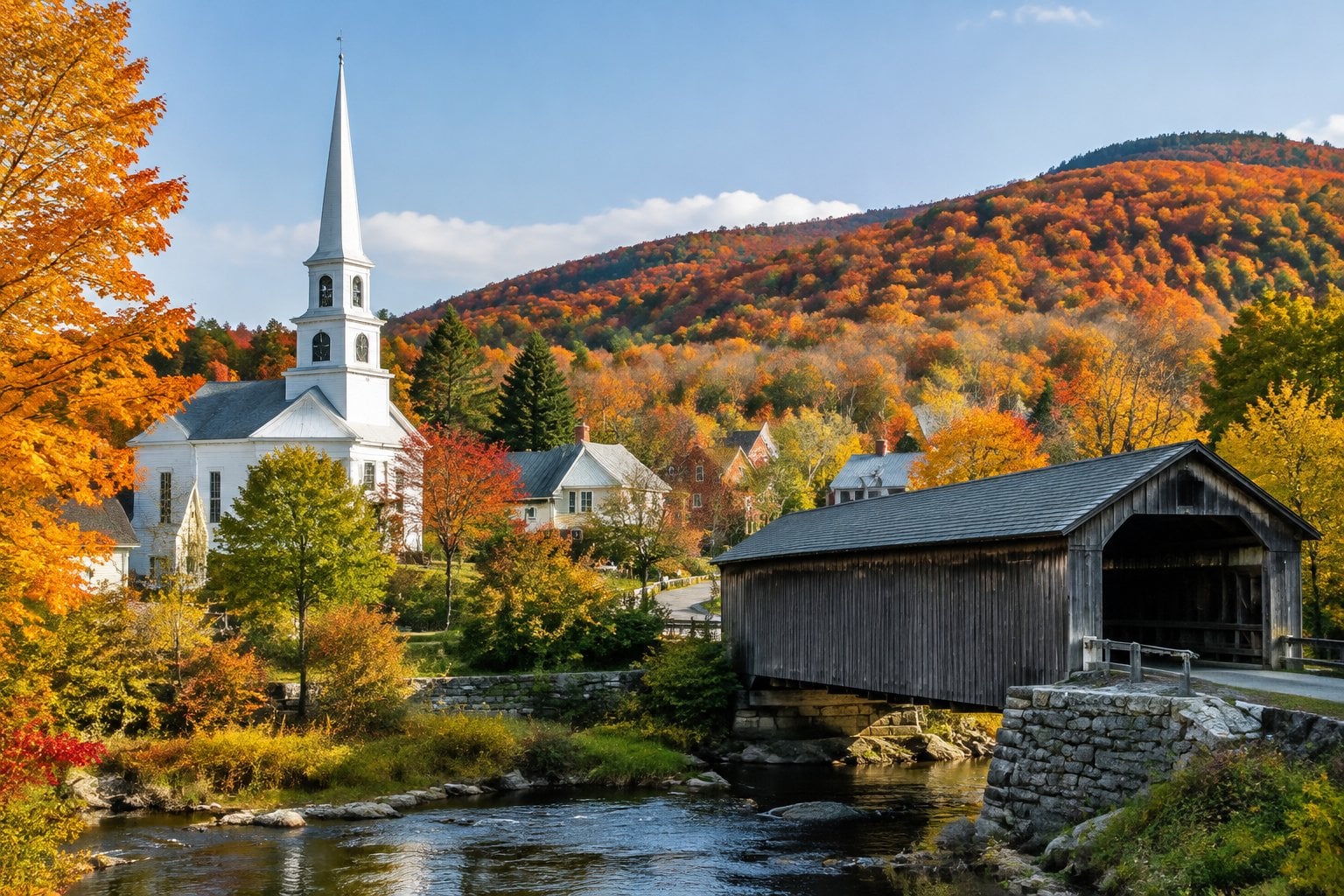
Vermont’s only law school, listed by the ABA as Vermont Law School, sits in the village of South Royalton. Of its 134 first-time bar takers, 87 passed, a rate of 64.93%. The ABA average for the same states was 76.45%, a gap of 11.52 points.
Full-time tuition and fees come to $56,457 a year for 2025-26 ($55,382 in tuition plus $1,075 in fees), and part-time tuition is $41,538. The school estimates living costs off campus at $23,952.
Vermont is one of two schools on this list, with Mitchell Hamline, where part-time students outnumbered full-time students in the entering class. For fall 2025 it enrolled 290 new students, 132 full-time and 158 part-time. It received 1,553 applications and made 909 offers, an acceptance rate of 58.53%. The median LSAT score was 152 and the median undergraduate GPA was 3.25.
Nine first-year students, about 4%, left for academic reasons, and none left for other reasons. Total J.D. enrollment was 704.
23. Albany Law School (Albany, New York)
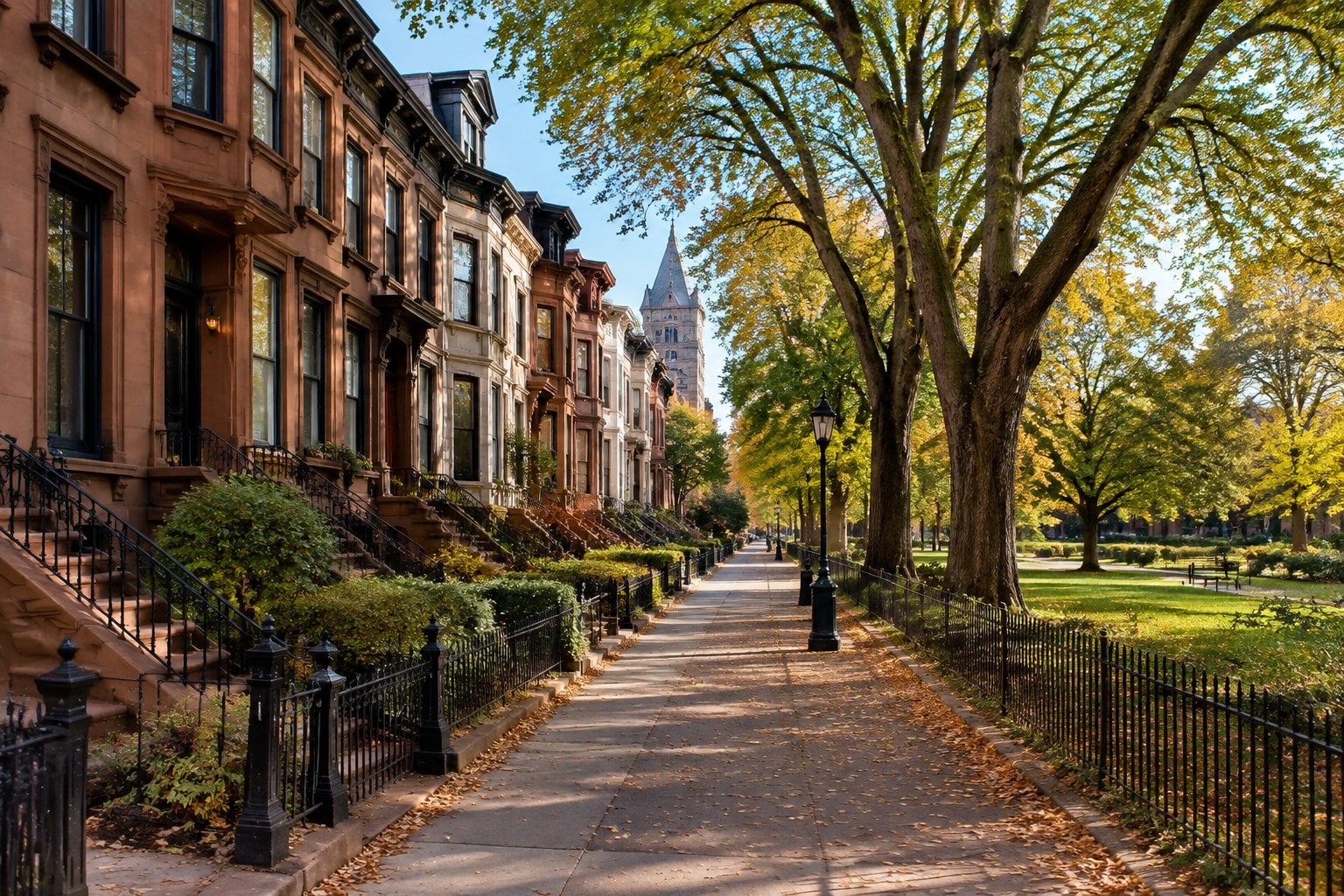
Albany Law School, in New York’s capital, has the second-highest raw pass rate in this top 30, after St. Thomas. Of its 206 first-time bar takers, 153 passed, a rate of 74.27%. But the ABA weighted average for the same states was 85.75%, so Albany landed 11.48 points below, the fourth New York school on the list.
Albany is also one of the more expensive schools here. Full-time tuition and fees total $64,234 a year for 2025-26 ($63,994 in tuition plus $240 in fees), and part-time tuition is $57,594. The school’s estimate for living off campus is $21,844, lower than most.
For fall 2025, Albany received 2,638 applications and made 988 offers, an acceptance rate of 37.45%. It enrolled 237 new students, nearly all full-time, with a median LSAT score of 158, among the highest in this ranking, and a median undergraduate GPA of 3.54.
Five first-year students, about 2%, left for academic reasons, and seven left for other reasons. Total J.D. enrollment was 615.
24. Ohio Northern University Pettit College of Law (Ada, Ohio)
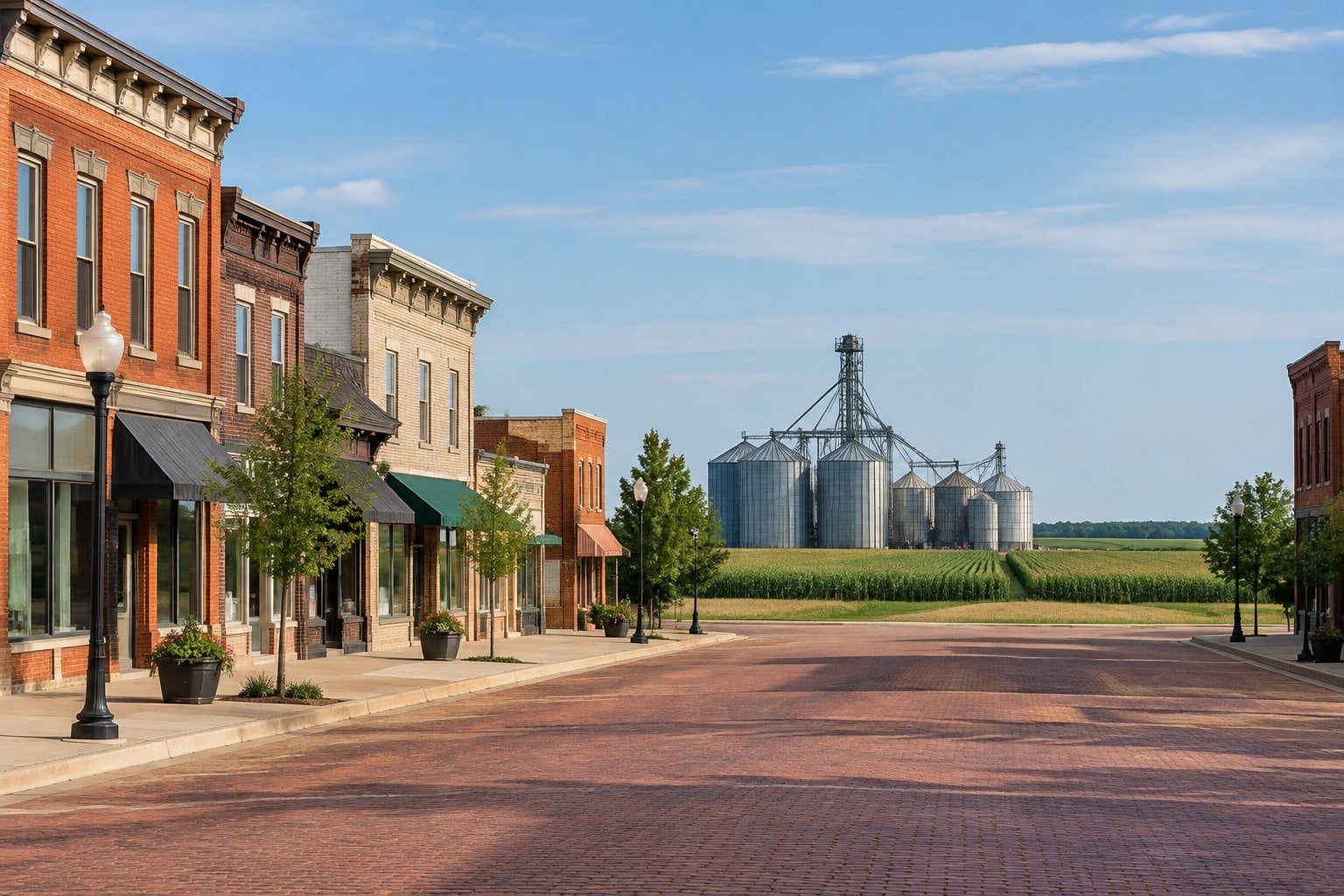
Ohio Northern University’s law school is in the small village of Ada in northwest Ohio. Of its 57 first-time bar takers, 39 passed, a rate of 68.42%. The ABA average for the same states was 79.73%, a gap of 11.31 points.
Full-time tuition is $33,900 a year for 2025-26, with no separate fees listed, one of the lower prices among the private schools in this ranking. The school estimates living costs off campus at $22,022.
Ohio Northern was among the more selective schools on this list. For fall 2025 it received 1,355 applications and made 433 offers, an acceptance rate of 31.96%. It enrolled 129 new students, 85 full-time and 44 part-time. The median LSAT score was 149 and the median undergraduate GPA was 3.34.
Seven first-year students, about 6%, left for academic reasons. Eleven more, about 9%, left for other reasons, the highest rate of non-academic first-year attrition on this list. Total J.D. enrollment was 319.
25. Mitchell Hamline School of Law (St. Paul, Minnesota)
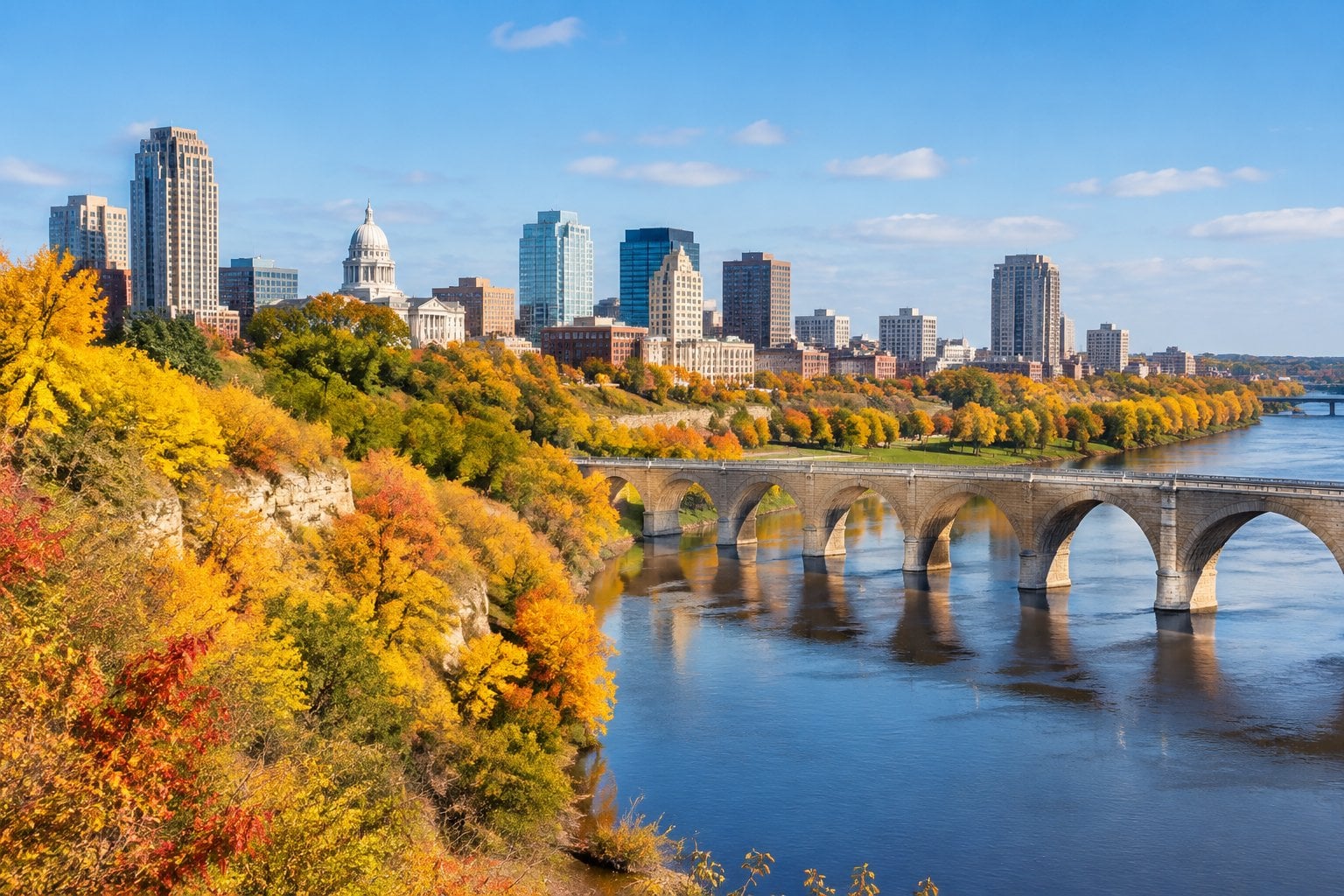
Mitchell Hamline School of Law in St. Paul had more first-time bar takers than any other school on this list: 379, of whom 269 passed, a rate of 70.98%. The ABA weighted average for the same states was 81.61%, a gap of 10.63 points.
Full-time tuition and fees total $56,300 a year for 2025-26 ($55,300 in tuition plus $1,000 in fees), and part-time tuition is $39,930. Its living cost estimate off campus, $16,848, is the lowest in this ranking.
Mitchell Hamline is built heavily around part-time study. Of its 364 new students in fall 2025, 227 enrolled part-time and 137 full-time. The school received 1,603 applications and made 824 offers, an acceptance rate of 51.4%. The median LSAT score was 154 and the median undergraduate GPA was 3.29.
Five first-year students, about 1%, left for academic reasons, and 18, about 5%, left for other reasons. Total J.D. enrollment was 1,144, the largest of any school here.
26. Widener University Delaware Law School (Wilmington, Delaware)
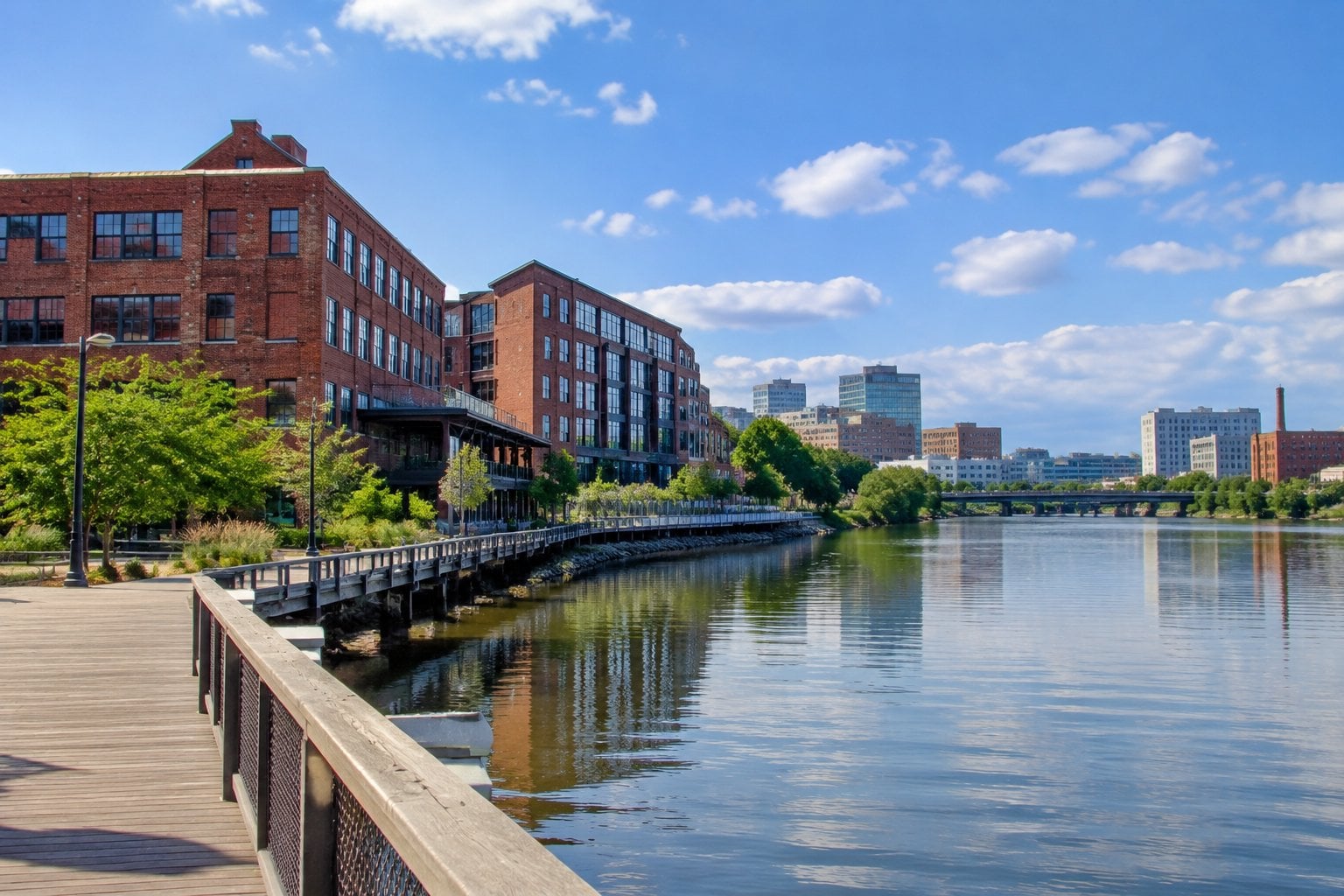
Widener’s Delaware campus in Wilmington is the second Widener law school on this list. Of its 181 first-time bar takers, 120 passed, a rate of 66.30%. The ABA weighted average for the same states was 76.55%, a gap of 10.25 points, far smaller than the 26.07-point gap at its sister school in Harrisburg.
Like the Harrisburg campus, Delaware Law School charges by the credit hour: $1,950 per credit for 2025-26, plus $650 in annual fees. It estimates living costs off campus at $25,720.
For fall 2025, the school received 1,317 applications and made 786 offers, an acceptance rate of 59.68%. It enrolled 277 new students, 232 full-time and 45 part-time. The median LSAT score was 152 and the median undergraduate GPA was 3.33.
Eleven first-year students, about 4%, left for academic reasons, and five left for other reasons. Total J.D. enrollment was 807.
27. Creighton University School of Law (Omaha, Nebraska)
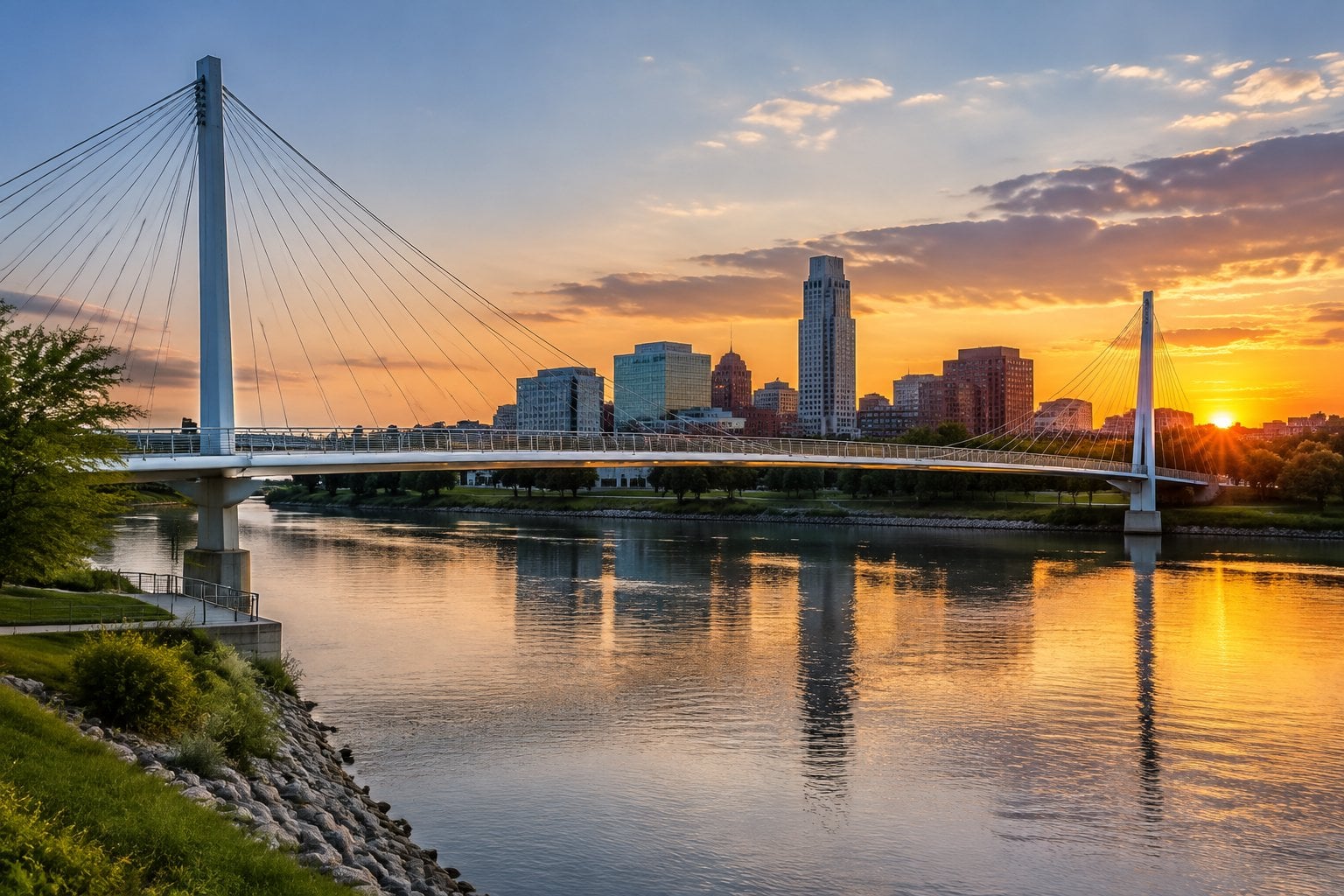
Creighton University School of Law in Omaha is the only Nebraska school in this ranking. Of its 146 first-time bar takers, 106 passed, a rate of 72.60%. The ABA average for the same states was 82.74%, a gap of 10.14 points.
Creighton charges by the credit hour: $1,542 per credit for 2025-26, plus $2,086 in annual fees. It estimates living costs off campus at $23,400 a year.
Creighton had one of the highest acceptance rates in this ranking. For fall 2025 it received 815 applications and made 526 offers, an acceptance rate of 64.54%. All 162 new students enrolled full-time. The median LSAT score was 153 and the median undergraduate GPA was 3.51.
First-year academic attrition was the lowest on this list: one student, about 1%, left for academic reasons, and four more left for other reasons. Total J.D. enrollment was 427. Creighton shows that a school can lose very few first-year students and still trail its state’s bar passage average.
28. University of Idaho College of Law (Moscow and Boise, Idaho)

The University of Idaho College of Law teaches in two cities, the college town of Moscow and the state capital, Boise. Of its 117 first-time bar takers, 80 passed, a rate of 68.38%. The ABA weighted average for the same states was 78.38%, a gap of exactly 10.00 points.
Idaho residents pay $27,516 a year in full-time tuition for 2025-26, and nonresidents pay $46,752, with no separate fees listed. The school’s estimate for living off campus is $20,136.
Idaho had the highest acceptance rate in this top 30. For fall 2025 it received 740 applications and made 494 offers, an acceptance rate of 66.76%. All 197 new students enrolled full-time. The median LSAT score was 153 and the median undergraduate GPA was 3.54.
Five first-year students, about 3%, left for academic reasons, and four left for other reasons. Total J.D. enrollment was 502.
29. University of St. Thomas School of Law (Minneapolis, Minnesota)
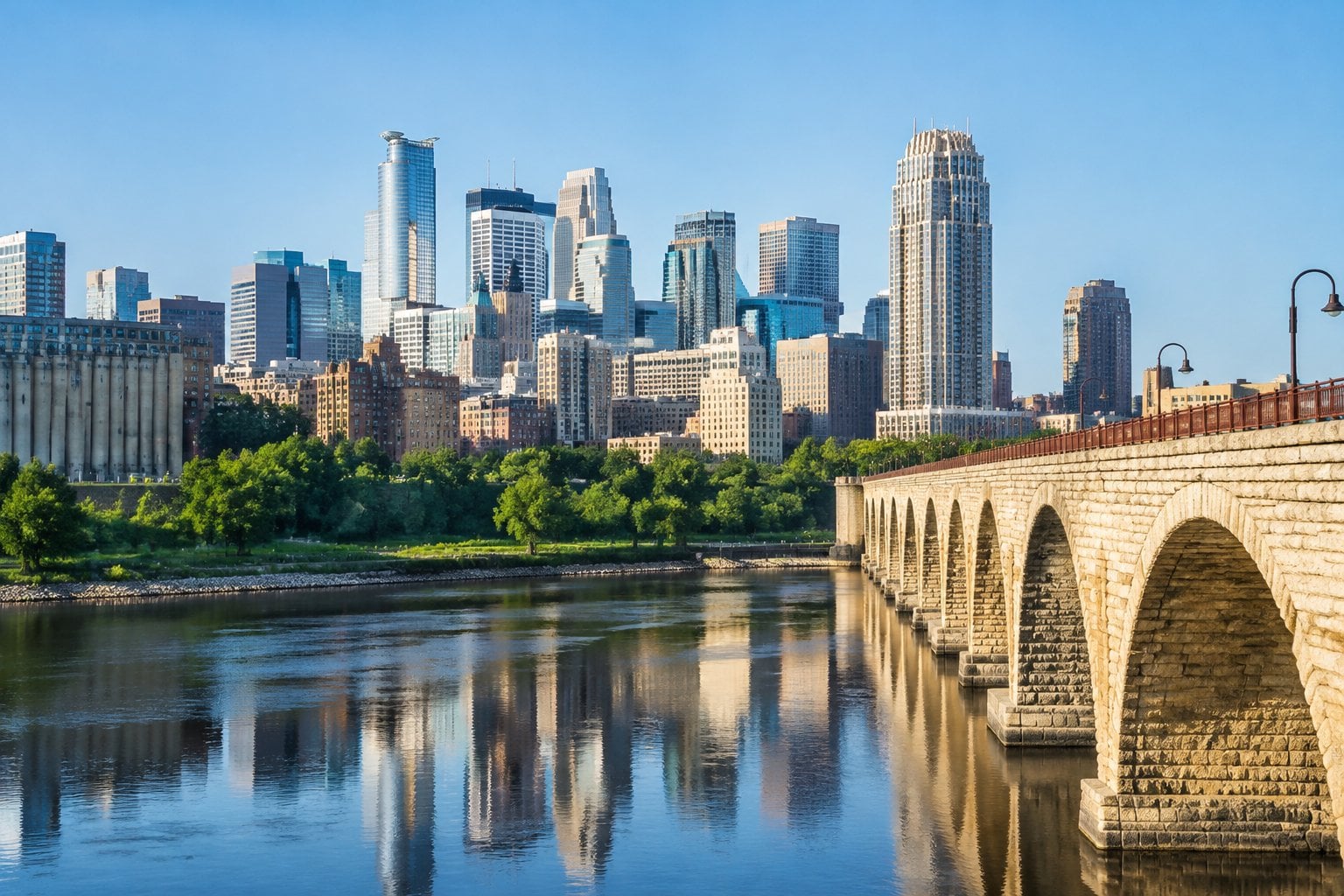
The University of St. Thomas School of Law in downtown Minneapolis has the strongest entering-class numbers on this list. Its fall 2025 class had a median LSAT score of 159 and a median undergraduate GPA of 3.72, both the highest in this ranking.
On the bar exam, 124 of its 166 first-time takers passed, a rate of 74.70%. The ABA weighted average for the same states was 84.41%, leaving St. Thomas 9.71 points below. It is the second Twin Cities school on the list, after Mitchell Hamline.
Full-time tuition and fees total $51,632 a year for 2025-26 ($50,998 in tuition plus $634 in fees). The school estimates living costs off campus at $27,408.
For fall 2025, St. Thomas received 847 applications and made 488 offers, an acceptance rate of 57.62%. All 166 new students enrolled full-time. Three first-year students, about 2%, left for academic reasons, and none left for other reasons. Total J.D. enrollment was 486.
30. Faulkner University Thomas Goode Jones School of Law (Montgomery, Alabama)
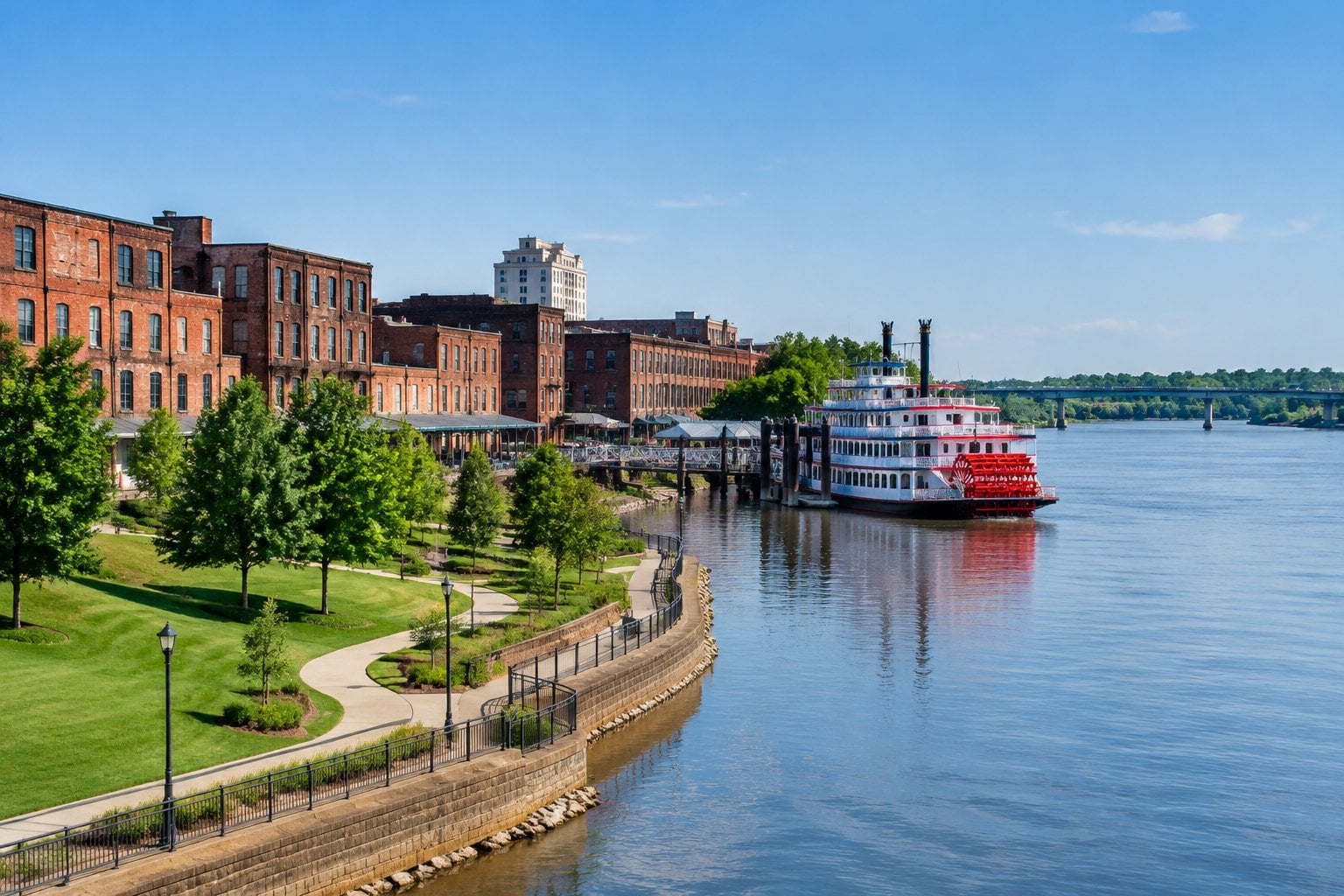
Faulkner University’s Jones School of Law in Montgomery, Alabama’s capital, rounds out the list. Of its 70 first-time bar takers, 50 passed, a rate of 71.43%. The ABA weighted average for the same states was 80.60%, a gap of 9.17 points.
Full-time tuition and fees total $40,400 a year for 2025-26 ($39,900 in tuition plus $500 in fees). The school estimates living costs off campus at $32,600 a year.
For fall 2025, Faulkner received 620 applications, the fewest of any school on this list, and made 334 offers, an acceptance rate of 53.87%. All 167 new students enrolled full-time. The median LSAT score was 150 and the median undergraduate GPA was 3.33.
Four first-year students, about 3%, left for academic reasons, and one left for other reasons. Total J.D. enrollment was 411.
The next school in the ABA data, North Texas at Dallas, was 8.95 points below its average and just missed the list.
What the Numbers Show
New York and California account for seven of the 30 schools on this list: four in New York, where the ABA benchmark is above 84%, and three in California. Illinois has three schools in the top ten, all public. Nine of the 30 schools are public universities, and several of them charge residents less than $25,000 a year, so a low bar passage rate does not always come with a high price.
Entering credentials don’t tell the whole story either. Cooley and Southern had median LSAT scores of 147, while St. Thomas and Albany had medians of 159 and 158, and all four still trailed their state averages.
For more on law school costs, see our list of the 30 most expensive law schools in the U.S. and our regional ranking of the worst law schools in New England. Each school’s full report is on the ABA’s required disclosures site, and the National Conference of Bar Examiners publishes pass rates by state.
This article is general information, not legal advice or a recommendation for or against any school. Figures are from the ABA’s 2025 Standard 509 and bar passage reports and may change in later reports.


