The 30 Weirdest Lawsuits Ever Filed
Courts handle millions of lawsuits every year, and nearly all of them are routine disputes over contracts, accidents, debts and property. Every so often, though, a case comes along with facts so unusual that it gets remembered for decades: a fighter jet ordered from a soda ad, a monkey named as a plaintiff, a lawsuit against 40 barrels of syrup.
This list covers 30 real lawsuits, from an 1805 fight over a dead fox to food-label class actions that were still in court in 2025. Some of the strangest-sounding cases became important rulings that law students still study. Others were thrown out quickly.
Each entry names the case, the court, the year and how it ended. Many of these suits were dismissed or lost, and each entry says so plainly. The facts come from the court opinions and official records where they are available, and from court filings and major news reports for recent cases that settled.
1. The Man Who Tried to Claim a Fighter Jet From a Soda Ad (Leonard v. PepsiCo)
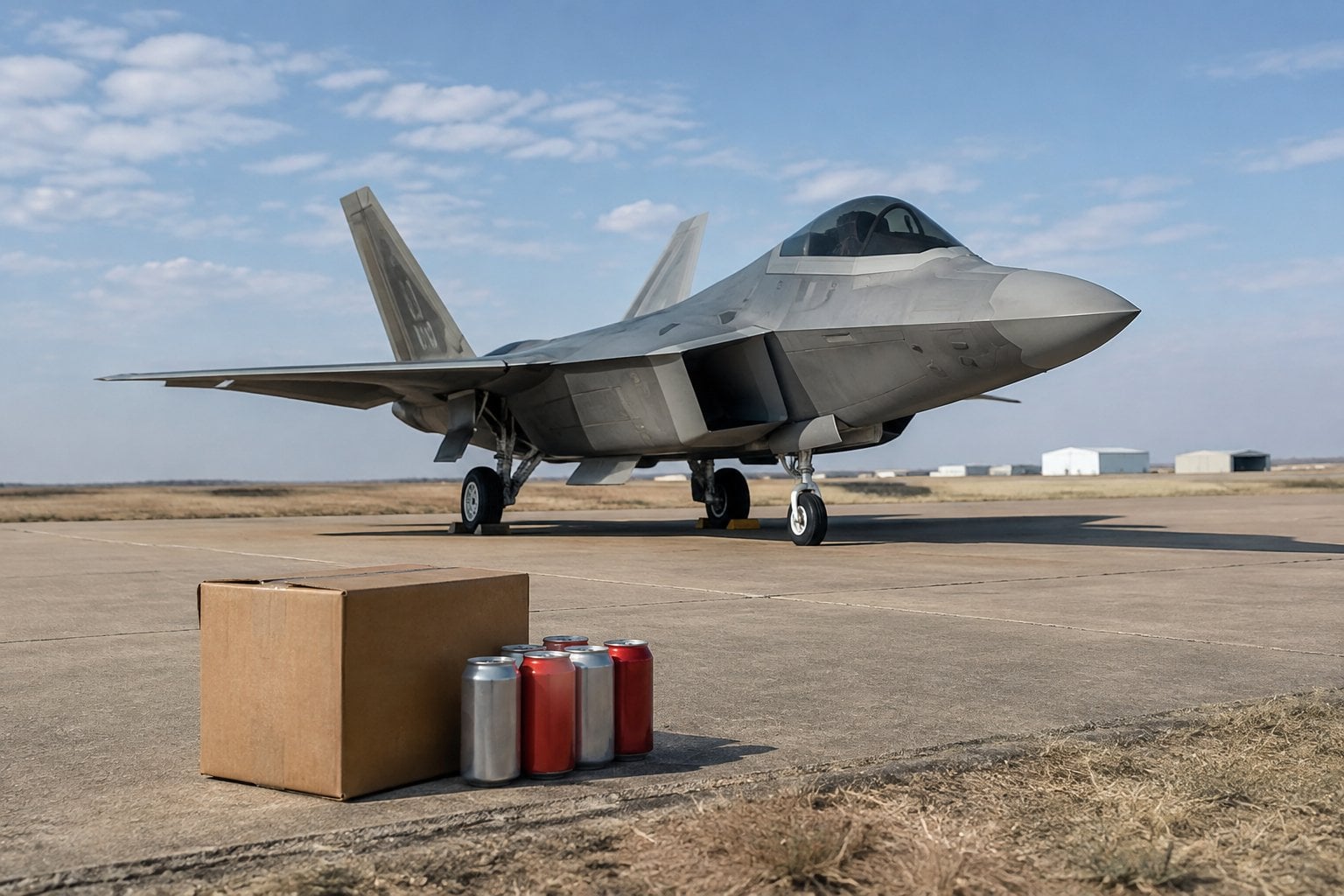
In the mid-1990s, PepsiCo ran a TV commercial for its Pepsi Stuff rewards program, in which customers collected points from drinks and traded them for merchandise. The ad ended with a Harrier military jet and the words “HARRIER FIGHTER 7,000,000 PEPSI POINTS.”
John Leonard decided to take the ad at its word. He raised about $700,000 from people he knew, and in March 1996 he sent Pepsi an order form, 15 original Pepsi Points and a check for $700,008.50 to cover the rest of the points. Pepsi refused to send a jet, and the dispute ended up in the U.S. District Court for the Southern District of New York.
In 1999, Judge Kimba Wood granted summary judgment to PepsiCo. She found that no reasonable person would see the commercial as a real offer to sell a military jet, writing that “an obvious joke, of course, would not give rise to a contract.” The Second Circuit Court of Appeals affirmed in 2000. Leonard lost.
2. The Monkey That Was Named as a Plaintiff Over Its Own Selfie (Naruto v. Slater)
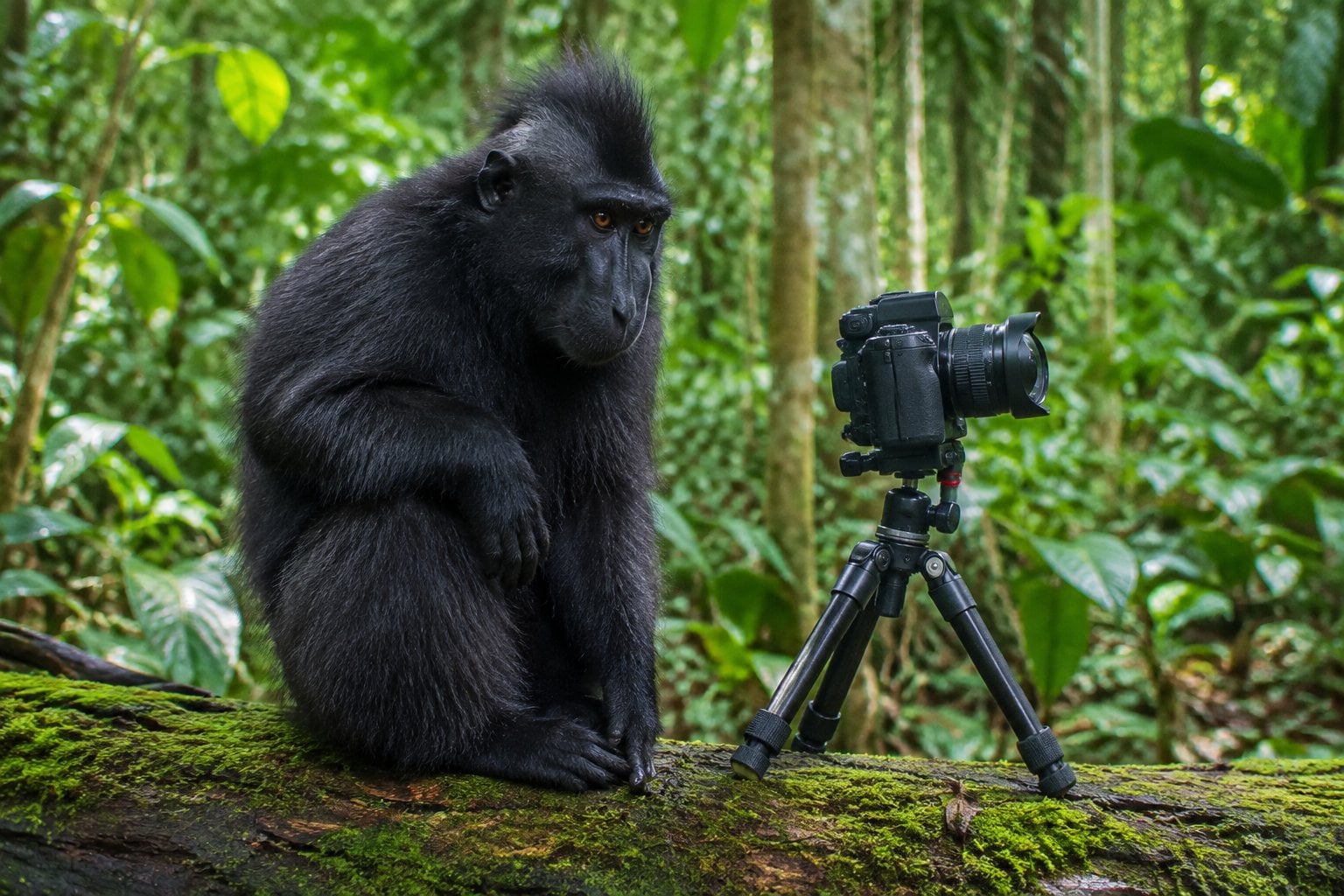
In 2011, wildlife photographer David Slater left his camera unattended on the island of Sulawesi, Indonesia. A crested macaque, later given the name Naruto, allegedly used it to take a series of selfies. Slater later published the photos in a book.
In 2015, the animal rights group PETA and a primatologist filed a copyright lawsuit in federal court in San Francisco as Naruto’s “next friends.” Their claim was that the monkey, not the photographer, owned the copyright to the pictures, because the monkey had pressed the shutter.
The district court dismissed the case. While PETA’s appeal was pending, PETA and Slater settled: Slater agreed to give 25% of future earnings from the photos to groups that protect crested macaques. The U.S. Court of Appeals for the Ninth Circuit refused to simply drop the appeal and ruled anyway on April 23, 2018. Animals are not “authors” who can sue under the Copyright Act, the court held, and Slater could recover his attorney fees for the appeal. The monkey’s side lost.
3. The $54 Million Lawsuit Over a Lost Pair of Pants (Pearson v. Chung)
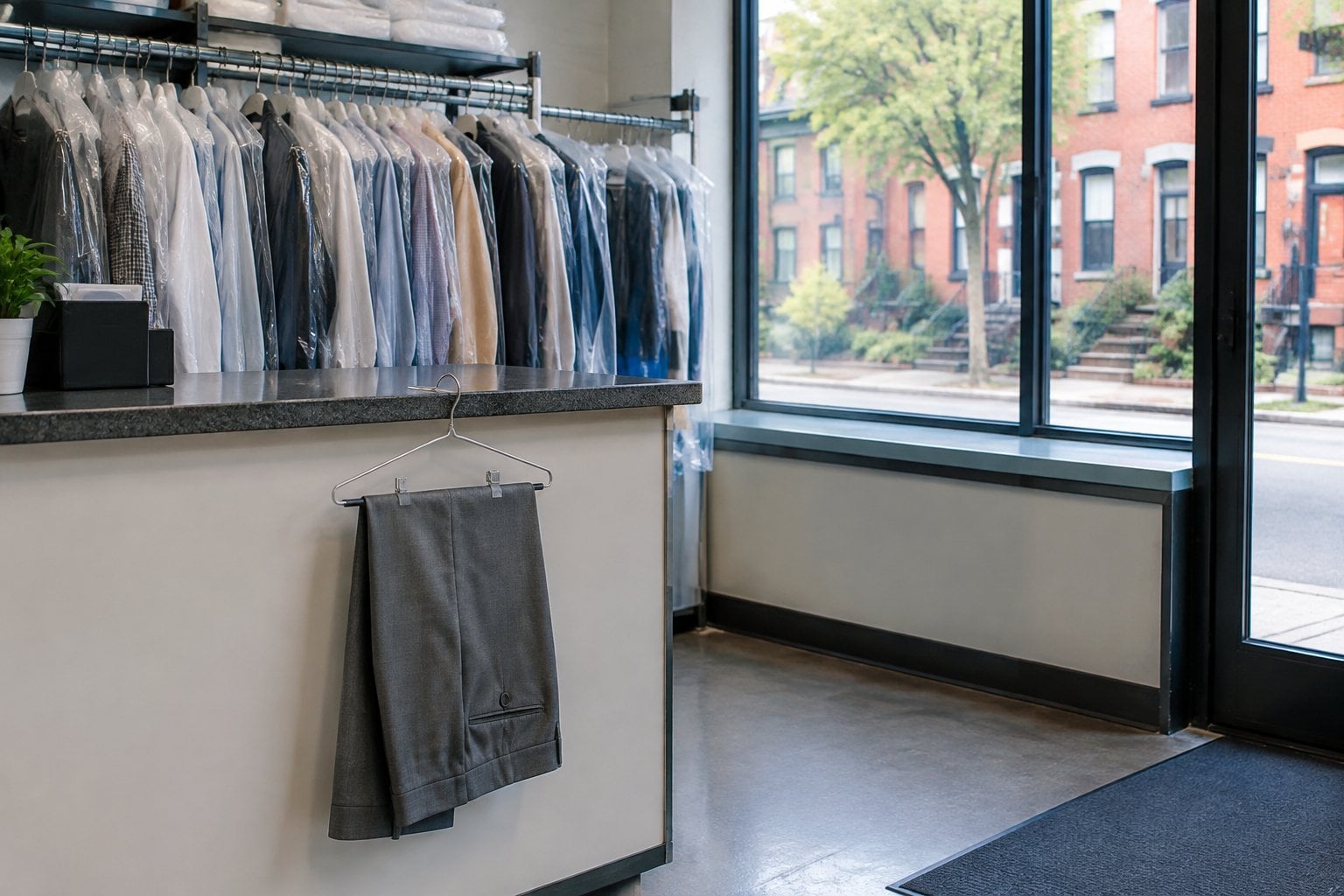
In May 2005, Roy Pearson took a pair of suit pants to Custom Cleaners, a small family-run dry cleaner in Washington, D.C., for alterations. He said the pants he got back were not his.
Pearson sued the owners in the Superior Court of the District of Columbia. He based his case on two signs in the shop, “Satisfaction Guaranteed” and “Same Day Service,” and argued under the city’s consumer protection law that those promises had been broken. News reports put his claim at $54 million. The D.C. Court of Appeals later noted that the trial judge had calculated the damages sought could have been as much as $67 million.
After a bench trial, Judge Judith Bartnoff ruled for the dry cleaners on every claim in June 2007. Pearson appealed, and the D.C. Court of Appeals affirmed on December 18, 2008, in an opinion published on the court’s website. Pearson lost at both levels.
4. The Court Case That Decided Whether X-Men Are Human (Toy Biz v. United States)
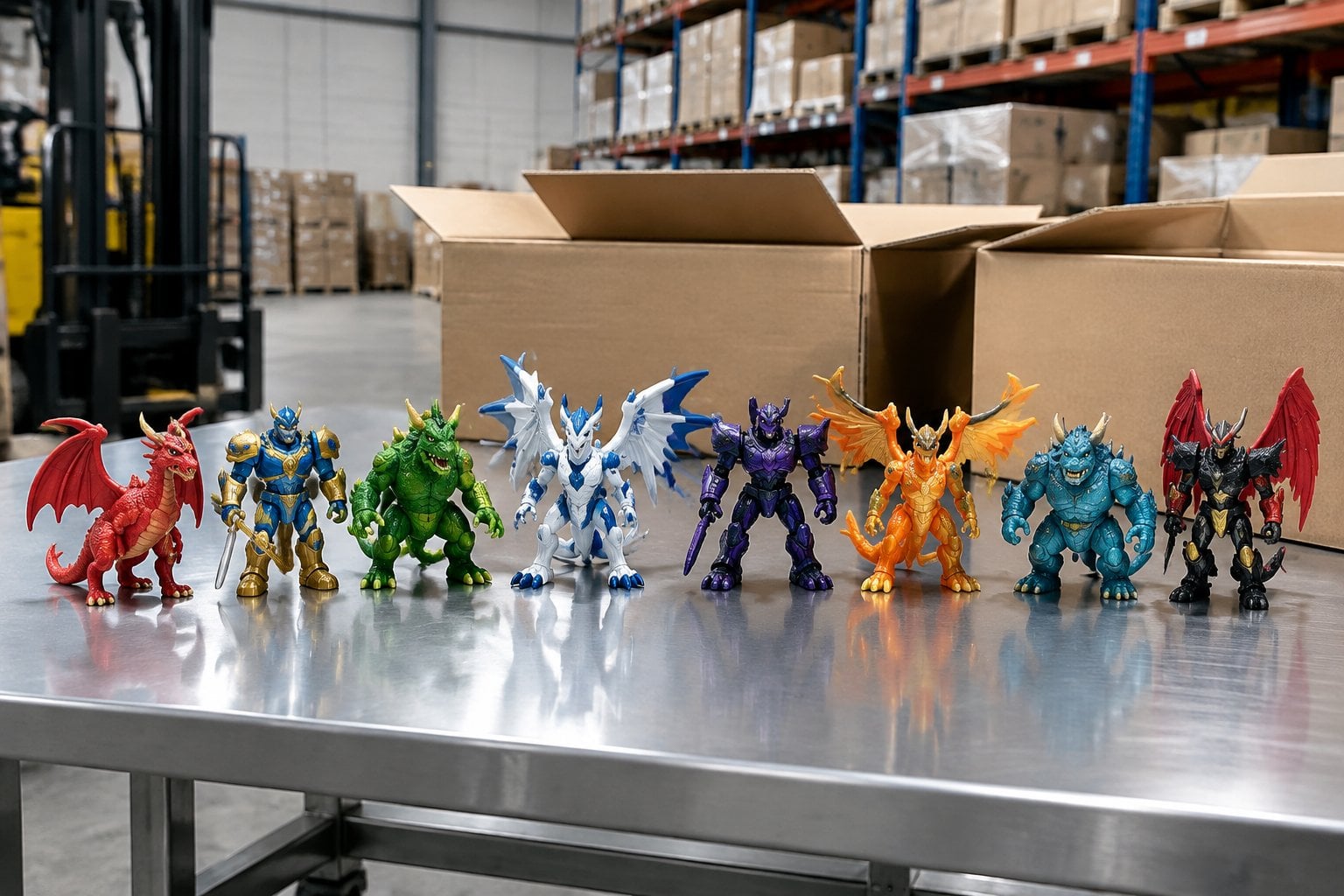
This case was about tariffs, and the answer turned on whether comic-book mutants count as people. Toy Biz imported Marvel action figures from China in 1994, including characters from the X-Men, Spider-Man and Fantastic Four lines.
U.S. Customs classified the figures as “dolls” representing human beings, which carried a 12% duty. Toy Biz argued they were “toys” representing non-human creatures, which carried a 6.8% duty. In its briefs, the company pointed to the tentacles, claws, wings and other non-human features many of the figures had.
The case went before the U.S. Court of International Trade, which issued several rulings before Judge Judith Barzilay’s final opinion on January 3, 2003. The court sided with Toy Biz on the main question: the action figures represented non-human creatures. Toy Biz won on the figures and on trading cards, and lost on one other item. The result was that Marvel’s superheroes were officially “not human” for tariff purposes, which meant a lower duty on most of the imports.
5. The Supreme Court Case That Ruled a Tomato Is a Vegetable (Nix v. Hedden)
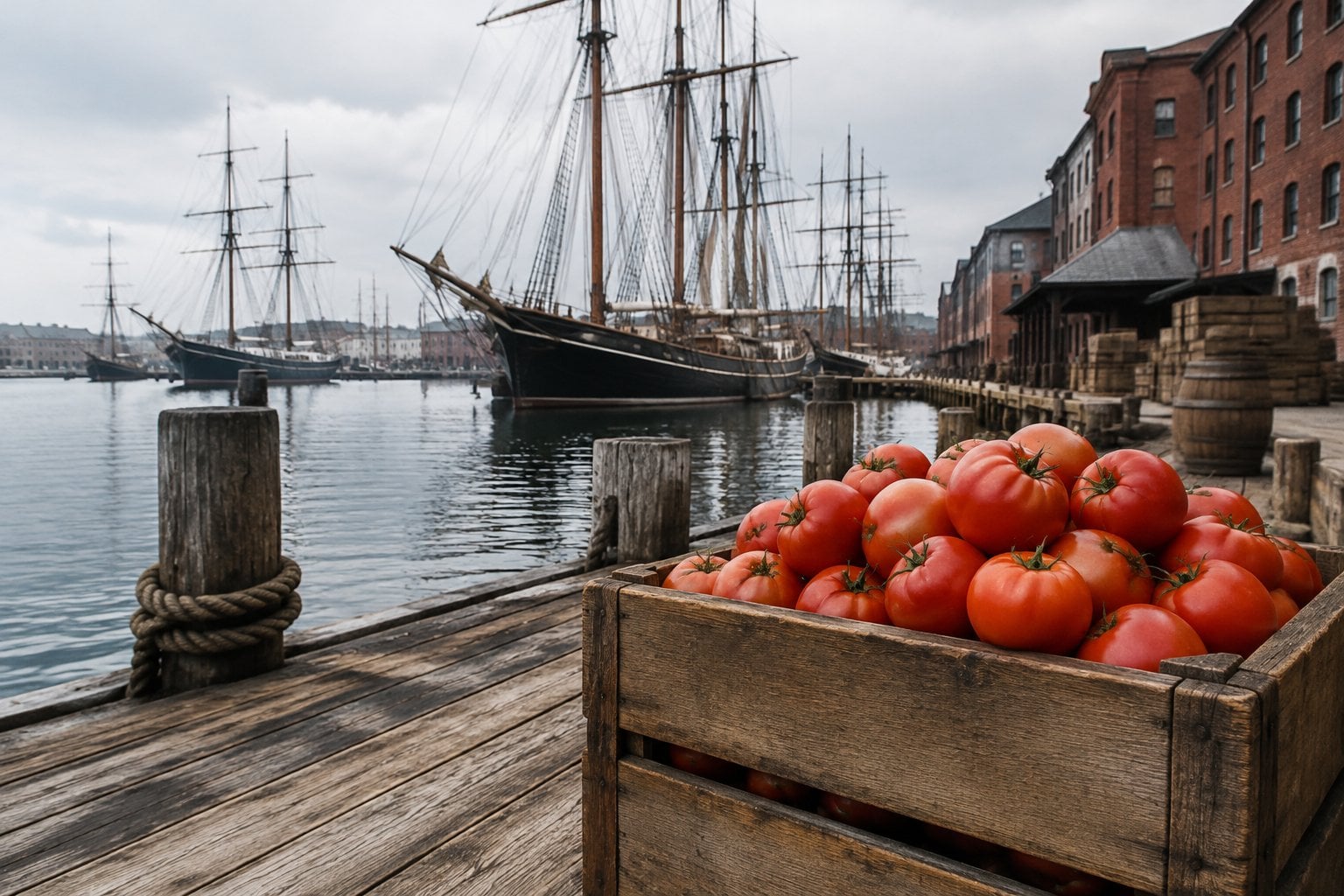
In spring 1886, the Nix family imported tomatoes from the West Indies into New York. The port collector, Edward Hedden, charged them the 10% duty that the Tariff Act of 1883 placed on vegetables. Fruits came in duty-free, so the importers sued in 1887 to get their money back, arguing that a tomato is botanically a fruit.
The case reached the U.S. Supreme Court, which decided it on May 10, 1893, in an opinion by Justice Horace Gray. The Court agreed that “botanically speaking, tomatoes are the fruit of a vine.” But it held that the tariff law used words the way ordinary people use them, not the way botanists do.
In the common language of the people, the opinion said, tomatoes are vegetables: they are usually served at dinner with the soup, fish or meat, and not, like most fruits, as dessert. The importers lost and paid the vegetable duty.
6. The Baseball Fan Hit in the Eye by a Mascot’s Hot Dog (Coomer v. Kansas City Royals)
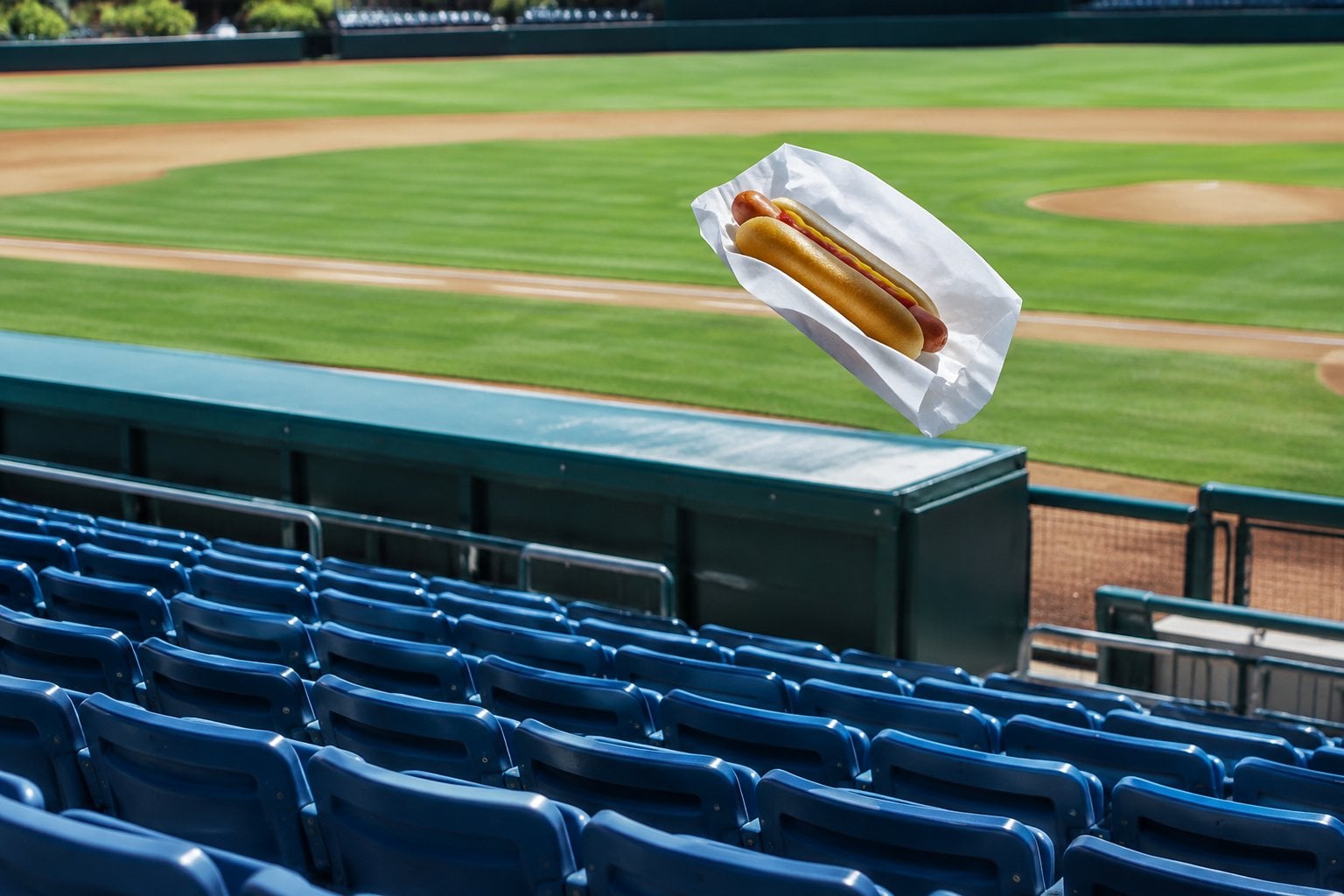
On September 8, 2009, John Coomer was sitting about six rows behind the visitors’ dugout at Kauffman Stadium in Kansas City. Between innings, the team mascot, Sluggerrr, threw hot dogs into the crowd during the “Hotdog Launch.” One hit Coomer in the left eye. He suffered a detached retina and needed surgery.
Coomer sued the Kansas City Royals in 2010. At the first trial, in 2011, the jury put all of the fault on Coomer, and he got nothing.
He appealed, and on June 24, 2014, the Missouri Supreme Court ruled that being hit by a mascot’s hot dog toss is not an inherent risk of watching a baseball game. It ordered a new trial. At the 2015 retrial, the jury found that neither the team nor Coomer was at fault. Coomer did not recover any damages.
7. The “Boneless” Chicken Wing That Had a Bone (Berkheimer v. REKM)
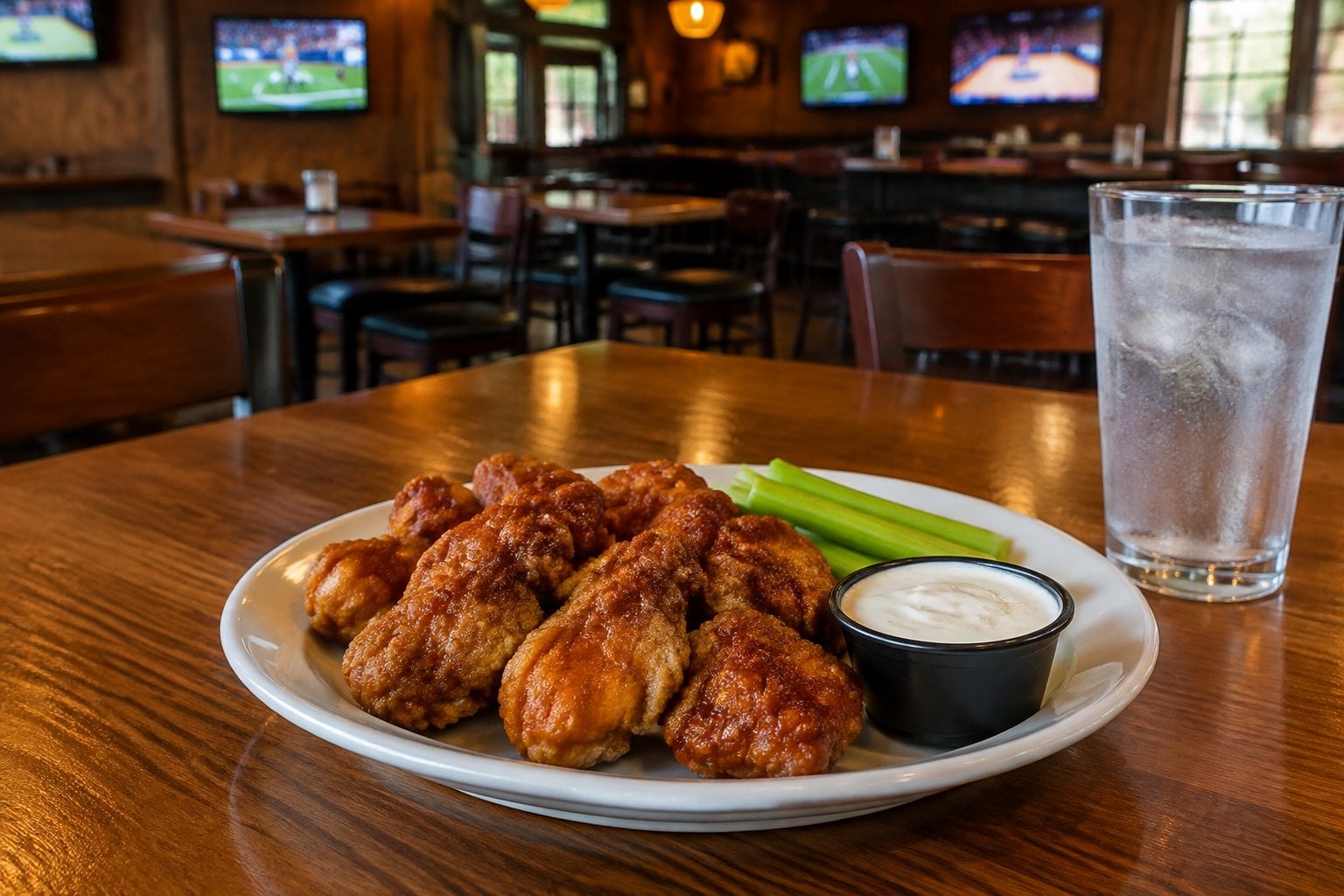
In 2016, Michael Berkheimer ordered “boneless wings” at a restaurant called Wings on Brookwood in Butler County, Ohio. A chicken bone about 1 3/8 inches long lodged in his throat. It tore his esophagus and caused an infection.
He sued the restaurant and its chicken suppliers in 2017. The trial court and the appeals court both ruled for the defendants, and the case went to the Ohio Supreme Court.
On July 25, 2024, the Ohio Supreme Court ruled 4-3 for the restaurant. The majority said the menu label “described a cooking style; it was not a guarantee,” and that a diner should reasonably expect that a bone could be in boneless chicken. Three justices dissented. The full opinion is on the court’s website. Berkheimer lost.
8. The Lawsuit Over a “Barren” Cow That Turned Out to Be Pregnant (Sherwood v. Walker)
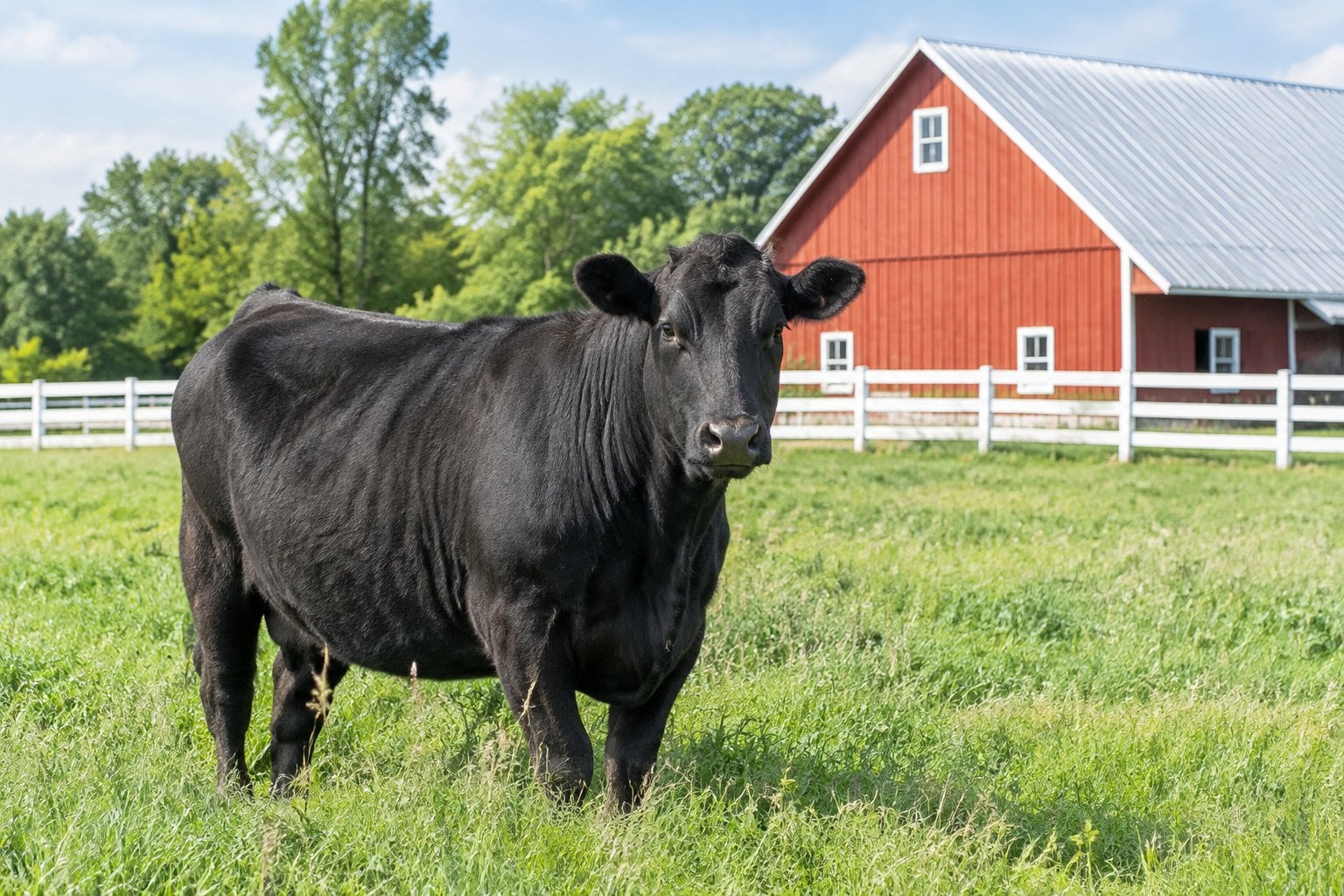
In May 1886, Theodore Sherwood, a banker from Plymouth, Michigan, agreed to buy a cow named Rose 2d of Aberlone from the Walker family. Both sides believed she could not have calves, so the price was set at 5 1/2 cents per pound of live weight, about $80.
Before the cow was delivered, the sellers found out she was pregnant. As a breeding cow, she was worth around $750 or more, and the Walkers refused to hand her over. Sherwood sued to get the cow and won in the lower court.
On July 7, 1887, the Michigan Supreme Court reversed. Both buyer and seller had been mistaken about the very nature of the animal, a barren cow versus a breeding cow, and that kind of shared mistake let the sellers cancel the sale. Rose 2d of Aberlone had her calf in October 1886. Sherwood lost.
9. The 1805 Lawsuit Over Who Owned a Dead Fox (Pierson v. Post)

Lodowick Post was hunting a fox with his hounds on a beach in what was then Queens County, Long Island. While he was chasing it, Jesse Pierson killed the fox and carried it off, right in front of him.
Post sued Pierson for the fox and won in a local justice’s court. Pierson appealed to the New York Supreme Court of Judicature, which decided the case in August 1805.
The court reversed. Simply chasing a wild animal does not make it yours, the majority held. A hunter has to kill it, wound it so badly that it cannot escape, or trap it. One judge dissented. Post, the hunter who did all the chasing, lost, and Pierson kept the fox. More than 200 years later, the case is still a standard part of first-year property law classes.
10. The Shopper Who Sued Because Crunch Berries Aren’t Real Berries (Sugawara v. PepsiCo)
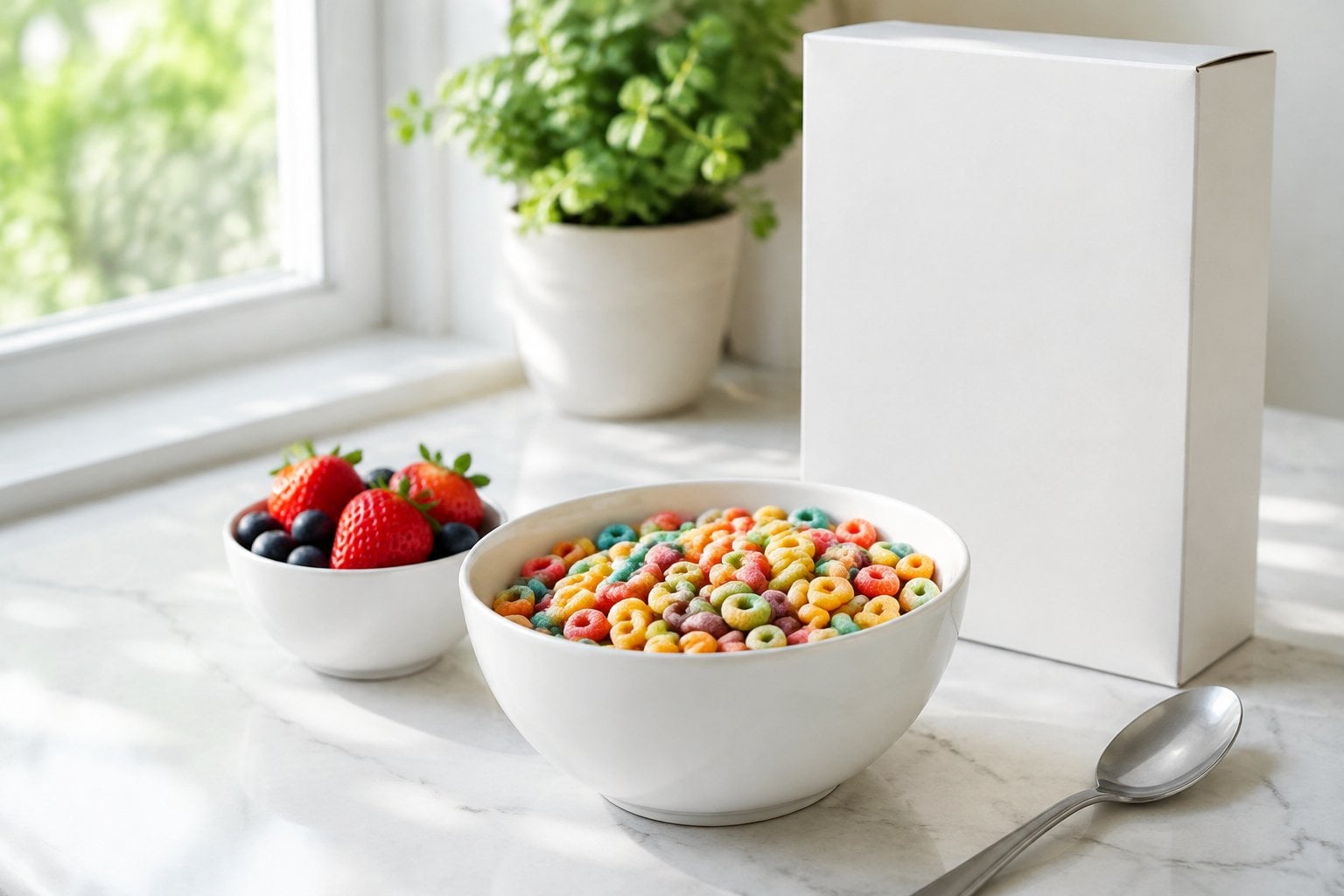
Janine Sugawara sued PepsiCo, whose company made Cap’n Crunch’s Crunch Berries cereal. She claimed the product’s name and the picture on the box led her to believe the cereal contained real fruit.
The case was heard in the U.S. District Court for the Eastern District of California. On May 21, 2009, Judge Morrison C. England Jr. dismissed it.
The court found that no reasonable consumer would believe the brightly colored cereal balls were real berries. Letting the claim go forward, the ruling said, would mean ignoring personal responsibility and common sense. The judge also refused to let her file an amended version of the complaint, so the case ended there. Her lawyers later filed a similar suit in federal court in Northern California under another plaintiff’s name. Sugawara’s own suit was dismissed.
11. The 11-Inch “Footlong” Sandwich Class Action (In re Subway Footlong Litigation)
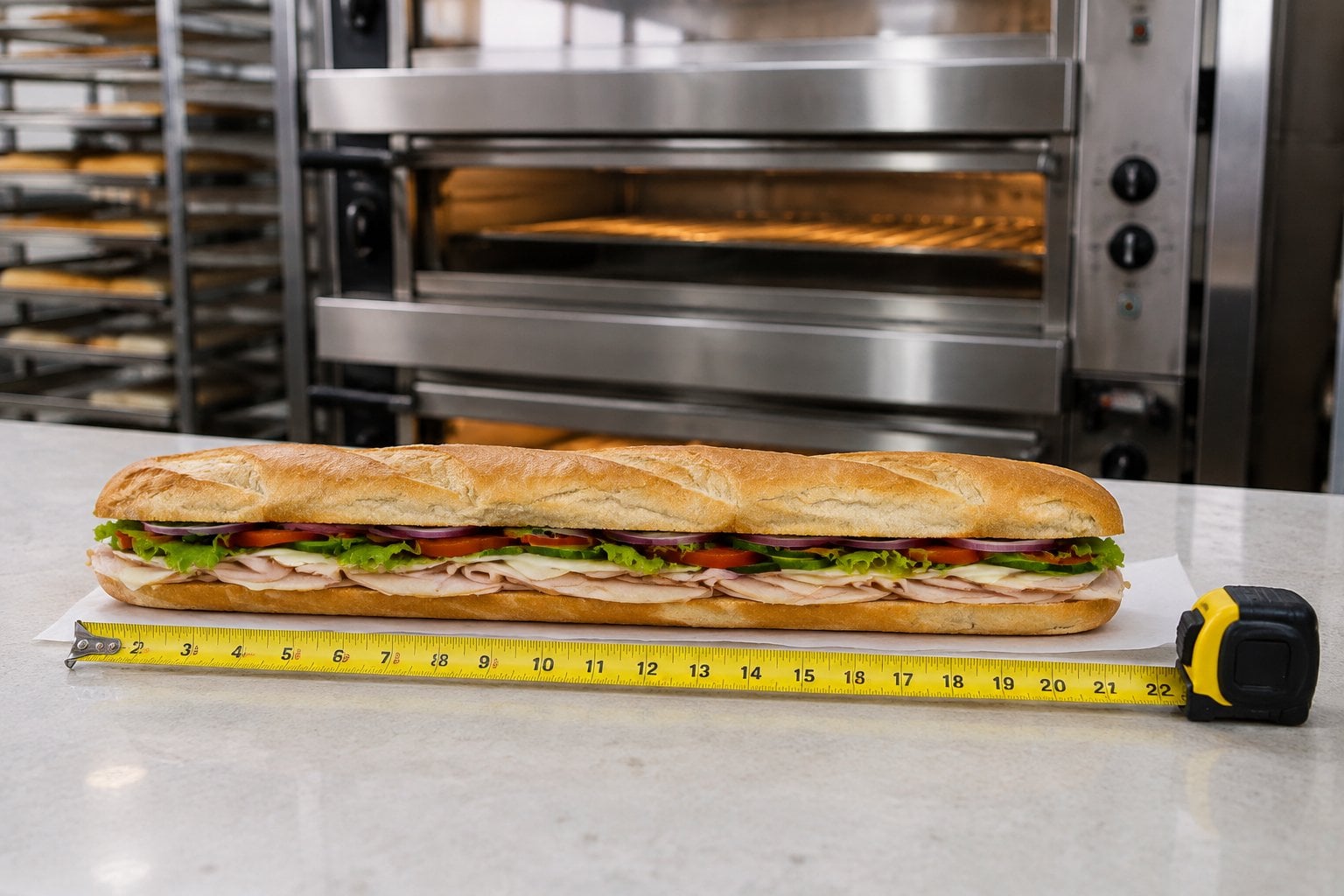
In January 2013, a customer posted a photo online of a Subway “footlong” sandwich next to a tape measure. It measured about 11 inches. Class-action lawsuits followed around the country, and they were combined in federal court in Wisconsin.
The lawyers reached a proposed settlement in which customers received no money. Subway agreed to adopt quality-control steps to make its bread more consistent, and the class lawyers would receive up to $525,000 in fees.
An objector appealed to the U.S. Court of Appeals for the Seventh Circuit. On August 25, 2017, the court threw out the settlement, saying that a class action that produces only worthless benefits for the class is “no better than a racket.” The settlement was rejected, and customers received nothing.
12. The Hot Coffee Case Most People Remember Wrong (Liebeck v. McDonald’s)
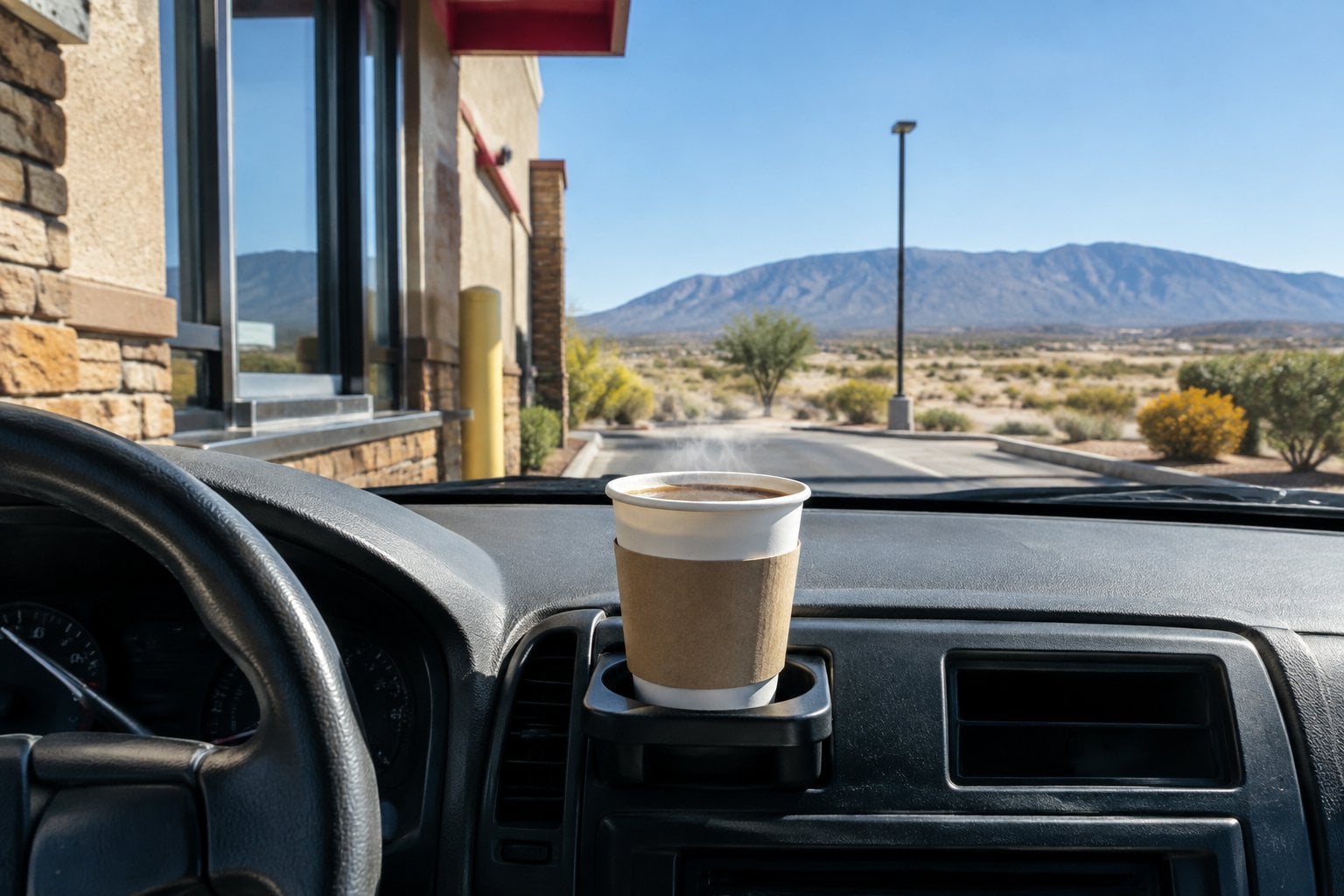
On February 27, 1992, Stella Liebeck, 79, was a passenger in a parked car at a McDonald’s drive-through in Albuquerque, New Mexico, when she spilled a cup of coffee in her lap. McDonald’s policy at the time was to serve coffee at about 180 to 190 degrees Fahrenheit. She suffered third-degree burns on about 6% of her body, spent eight days in the hospital and needed skin grafts.
She first asked McDonald’s for about $20,000 to cover her costs. The company offered $800. At the 1994 trial in New Mexico state court, evidence showed McDonald’s had received more than 700 burn complaints over about a decade.
The jury awarded $200,000 in compensatory damages, reduced to $160,000 because she was found 20% at fault, plus $2.7 million in punitive damages. The judge cut the punitive damages to $480,000. The two sides then settled privately for an amount that was not disclosed. Liebeck won at trial, and the case ended in a settlement.
13. The British Tax Case That Decided a Jaffa Cake Is a Cake (United Biscuits VAT Tribunal)
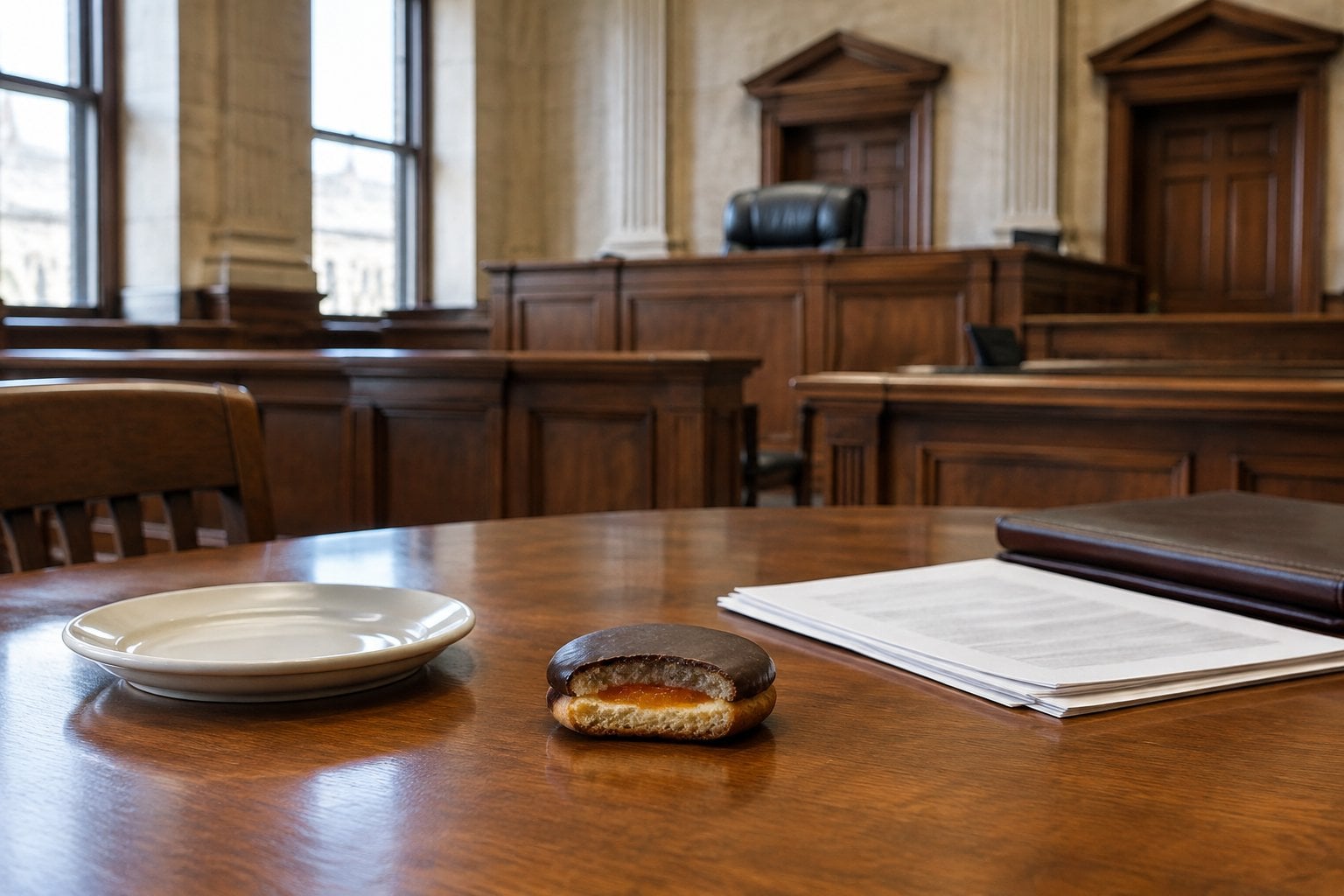
In the United Kingdom, cakes are zero-rated for VAT, the national sales tax, while chocolate-covered biscuits (cookies) are taxed at the standard rate. That made a small orange snack the subject of a 1991 tax case.
The tax authority argued that McVitie’s Jaffa Cakes, small sponge rounds with a layer of orange jelly and a chocolate top, were chocolate-covered biscuits. United Biscuits, the maker, argued they were cakes. For the hearing, it baked a giant Jaffa Cake to show that Jaffa Cakes go hard when they go stale, the way cakes do, while biscuits go soft.
The VAT Tribunal found that Jaffa Cakes had enough of the characteristics of cakes to be accepted as cakes, so they are zero-rated. The UK tax authority’s own VAT food manual still cites the decision. United Biscuits won.
14. The Court Fight Over Whether Pringles Are Potato Chips (Revenue and Customs v. Procter & Gamble)
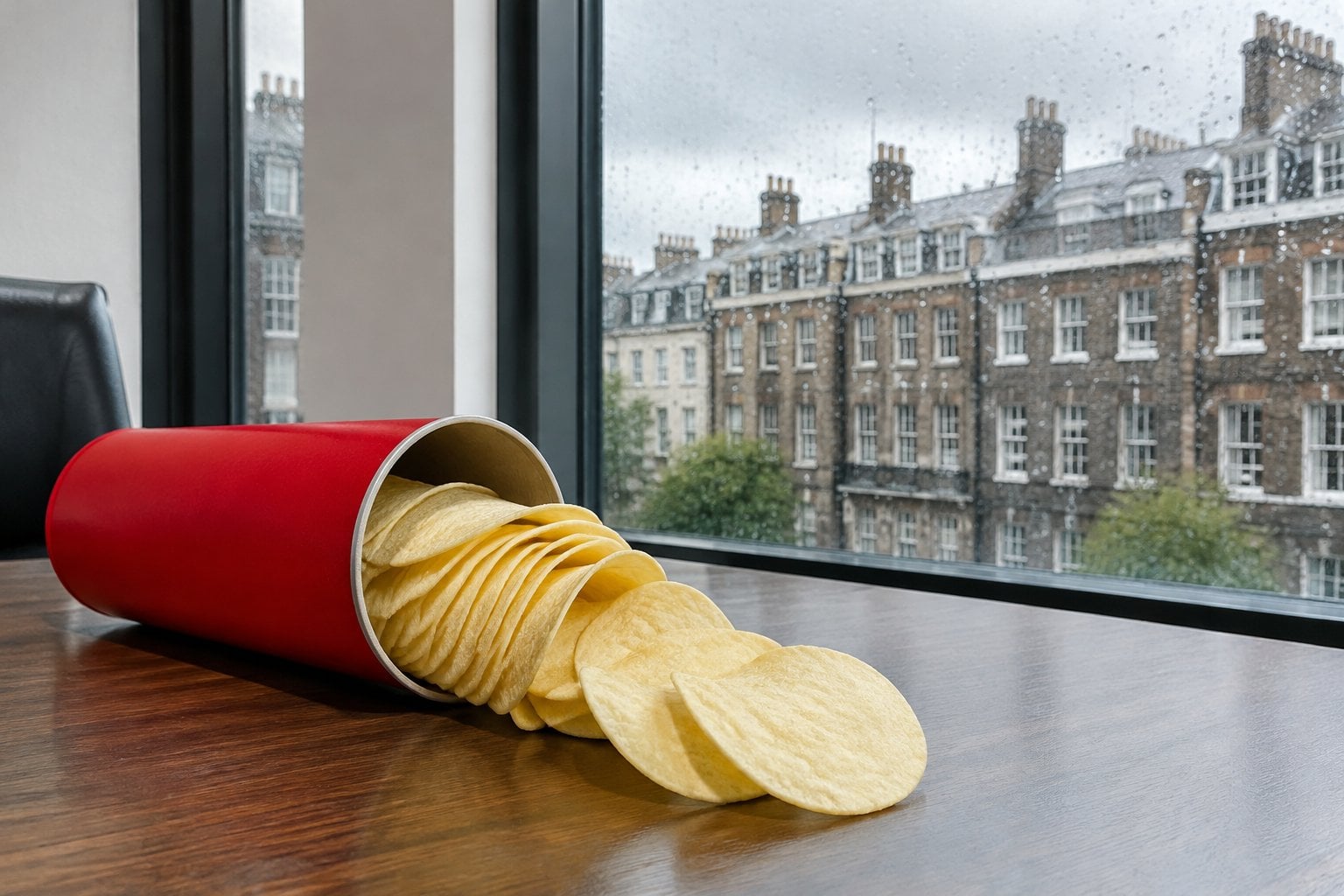
In the United Kingdom, most food has no VAT. Potato crisps (chips) are an exception, and so are products “similar to potato crisps and made from the potato.” Procter & Gamble, which made Pringles at the time, argued Pringles did not fit that description, because regular Pringles were only about 40% potato flour.
The case went back and forth. The VAT Tribunal ruled against Procter & Gamble. The High Court reversed in the company’s favor in 2008.
On May 20, 2009, the Court of Appeal of England and Wales reversed again. One of the judges called it a short practical question that called for a short practical answer, and the court held that Pringles are similar to potato crisps and made from the potato. The judgment is on the UK National Archives site. Procter & Gamble lost, and Pringles were taxed at the standard rate.
15. The Government’s Lawsuit Against 40 Barrels of Cola Syrup (United States v. Forty Barrels and Twenty Kegs of Coca-Cola)
In 1909, federal officials seized a shipment of Coca-Cola syrup, 40 barrels and 20 kegs, that was being sent from Atlanta to Chattanooga. They acted under the Pure Food and Drugs Act of 1906. Because the case was brought against the goods themselves, the barrels and kegs were the named defendant.
The government claimed the syrup was adulterated because of its added caffeine. It also claimed the product was misbranded, because the name suggested coca and cola while the syrup contained no coca and little, if any, cola.
At the 1911 trial, the judge directed a verdict for Coca-Cola, and the appeals court affirmed. On May 22, 1916, the U.S. Supreme Court reversed in an opinion by Justice Charles Evans Hughes, ruling that the government’s claims should go to a jury, and sent the case back for a new trial. The government won at the Supreme Court.
16. The Coney Island Ride Called “The Flopper” (Murphy v. Steeplechase Amusement Co.)
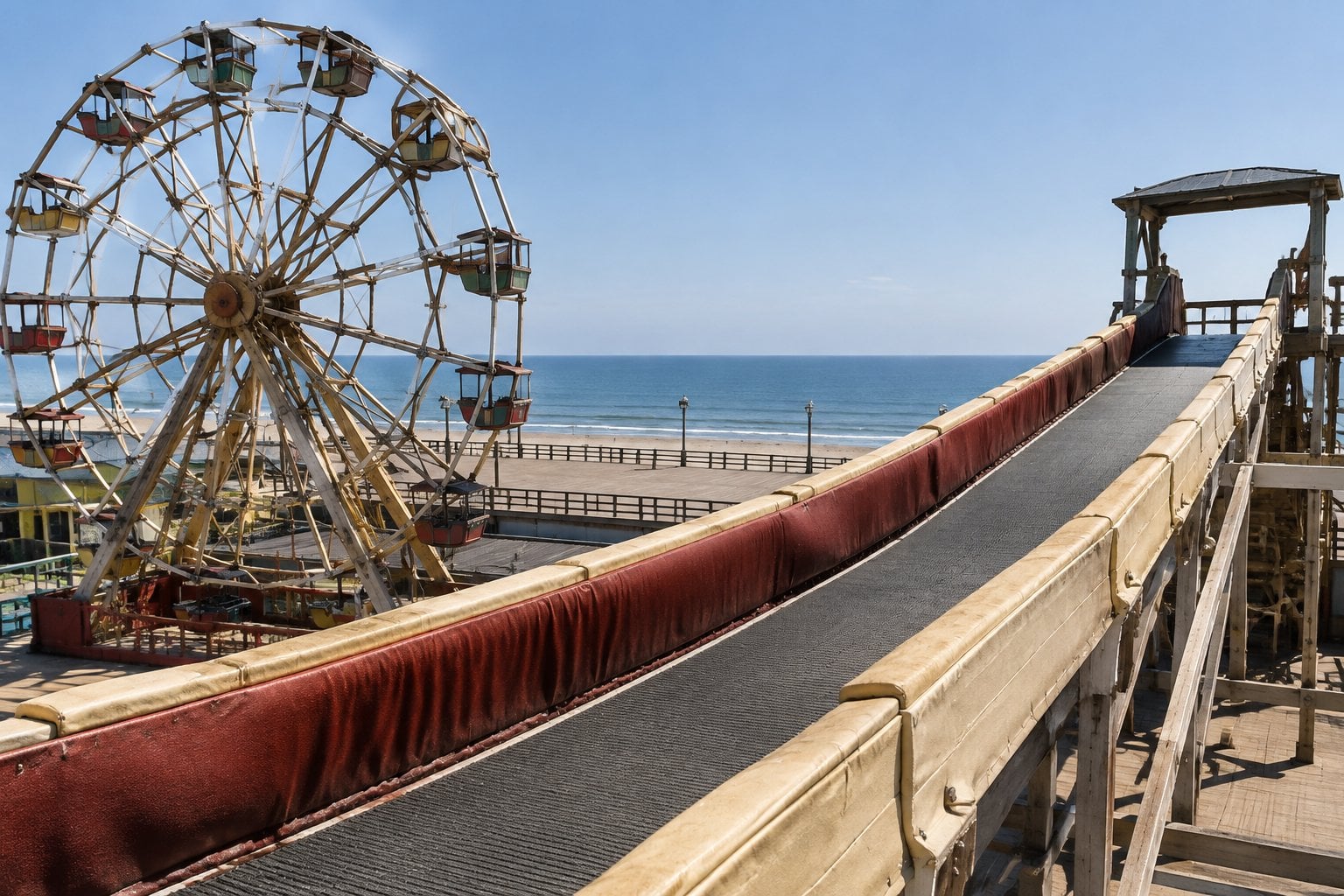
Steeplechase Park on Coney Island had a ride called “The Flopper.” It was a moving belt running up an incline. Many riders could not keep their feet on the moving belt and were thrown backward or to the side, while spectators gathered to watch and laugh.
James Murphy, a young man, stepped onto the belt, was thrown and fractured his kneecap. He sued Steeplechase Amusement Co. and won in the lower courts.
On April 16, 1929, the New York Court of Appeals reversed and ordered a new trial, in an opinion by Judge Benjamin Cardozo. A person who joins a sport or amusement accepts the obvious dangers that come with it, the court held, and the ride’s own name warned of the risk. “The timorous may stay at home,” Cardozo wrote. One judge dissented. Murphy lost on appeal.
17. The Fireworks Package That Knocked Over a Scale (Palsgraf v. Long Island Railroad)
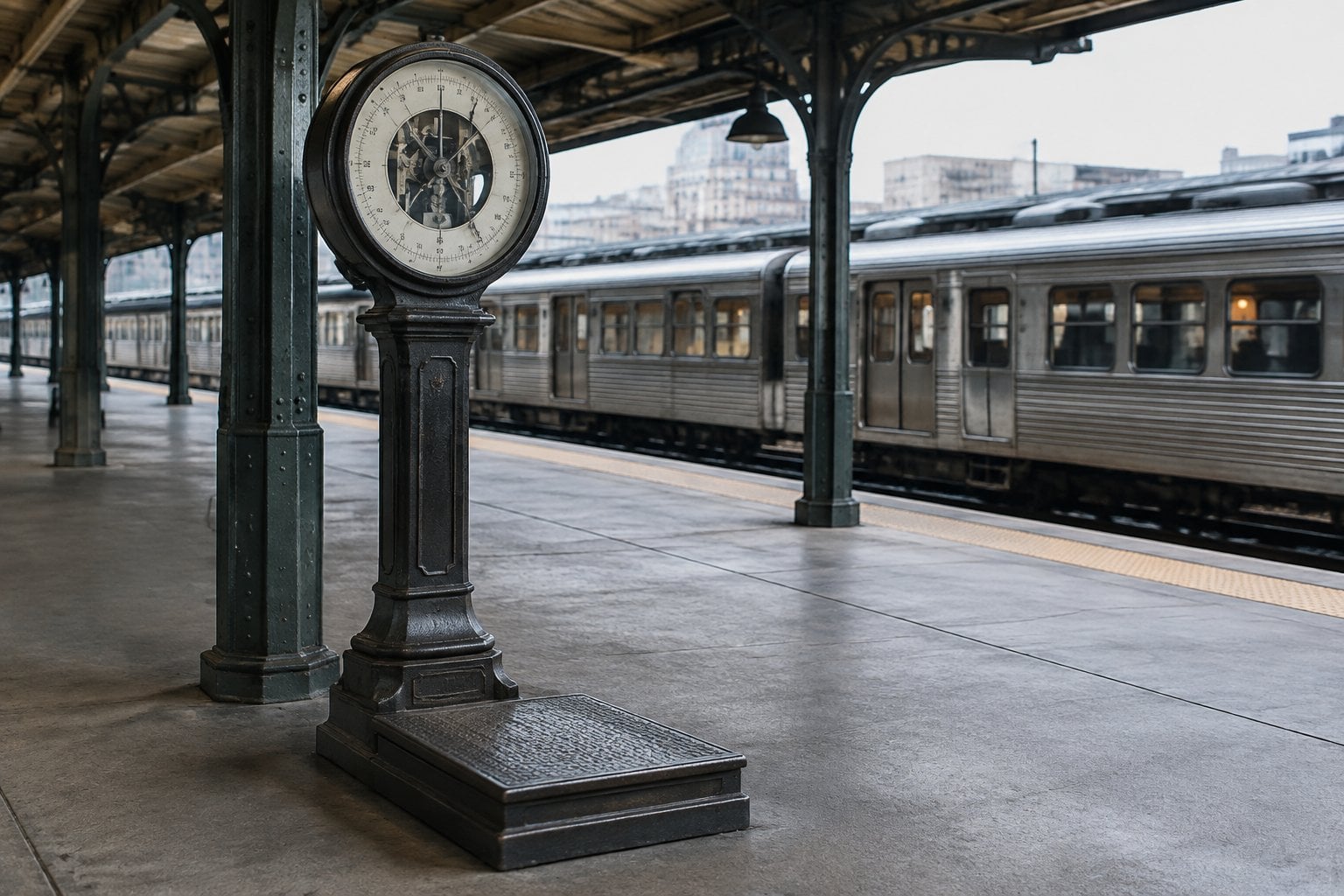
Helen Palsgraf was standing on a Long Island Railroad platform after buying a ticket to Rockaway Beach. A man carrying a small package wrapped in newspaper ran to catch a train that was already moving. Two railroad guards helped push and pull him aboard, and he dropped the package.
It held fireworks, and they exploded. The shock of the explosion knocked over scales at the other end of the platform, and the scales fell on Palsgraf. She sued the railroad and won a jury verdict.
On May 29, 1928, the New York Court of Appeals reversed by a 4-3 vote and dismissed her complaint, in an opinion by Judge Benjamin Cardozo. The guards owed her no duty, the majority held, because nobody could have foreseen that helping a passenger with an ordinary-looking package would hurt someone far down the platform. Palsgraf lost. The case is taught in nearly every U.S. law school.
18. The Surgeon Who Promised a “Hundred Percent Perfect Hand” (Hawkins v. McGee)
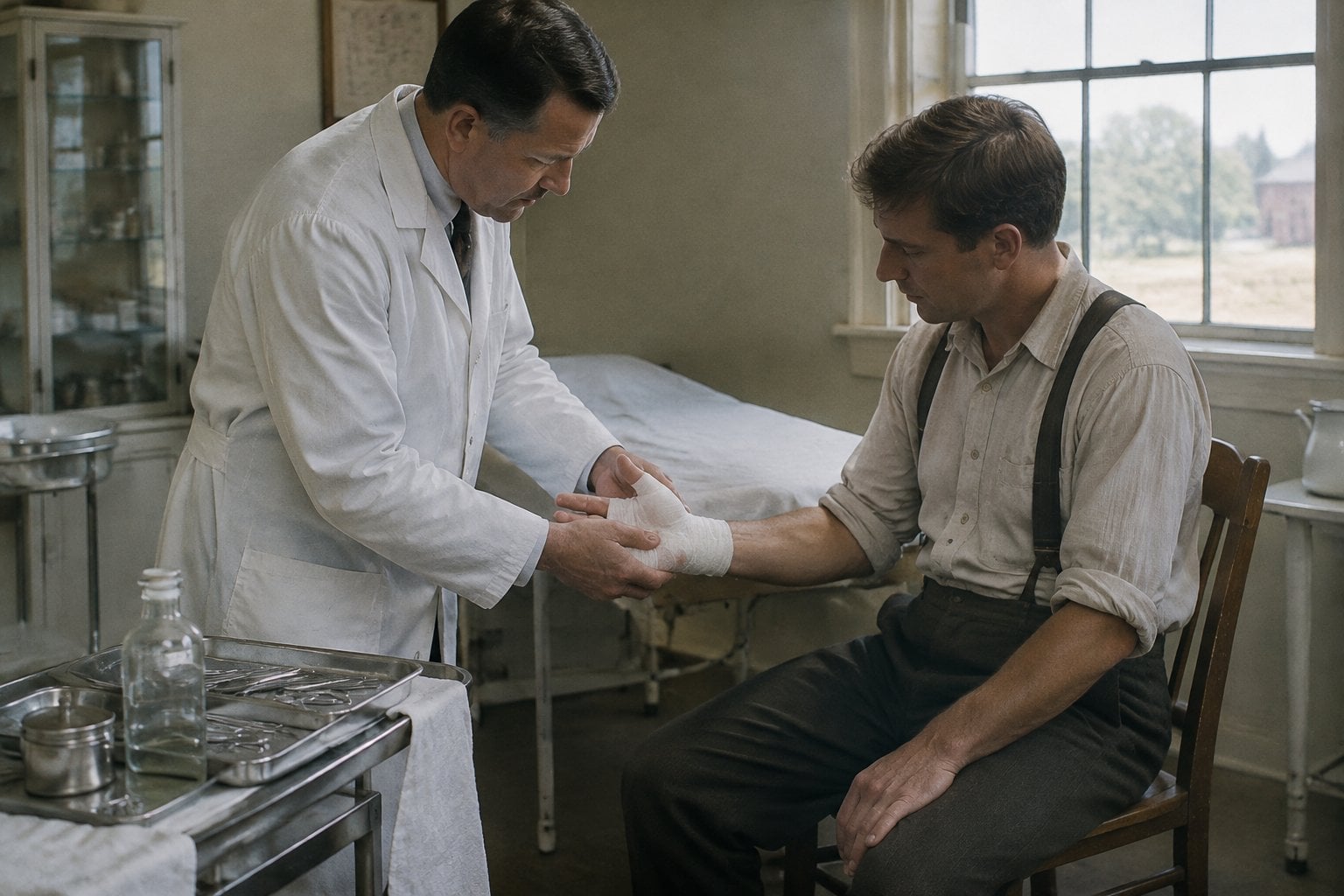
George Hawkins had a scar on the palm of his right hand from a burn caused by an electric wire years earlier. Dr. Edward McGee operated to remove the scar tissue and grafted skin from Hawkins’s chest onto his palm.
Hawkins testified that the doctor had told him: “I will guarantee to make the hand a hundred per cent perfect hand.” The result was far from that. Hawkins sued for breach of contract, arguing the doctor had promised a specific result, and a jury awarded him damages.
On June 4, 1929, the New Hampshire Supreme Court set aside the verdict and ordered a new trial because the jury had been told the wrong way to measure damages. In a broken-promise case, the court said, damages are the difference between the value of the perfect hand that was promised and the hand Hawkins actually got, not his pain and suffering from the operation. The case is still a standard part of first-year contracts classes.
19. The Lawsuit Claiming Iced Drinks Have Too Much Ice (Forouzesh v. Starbucks)
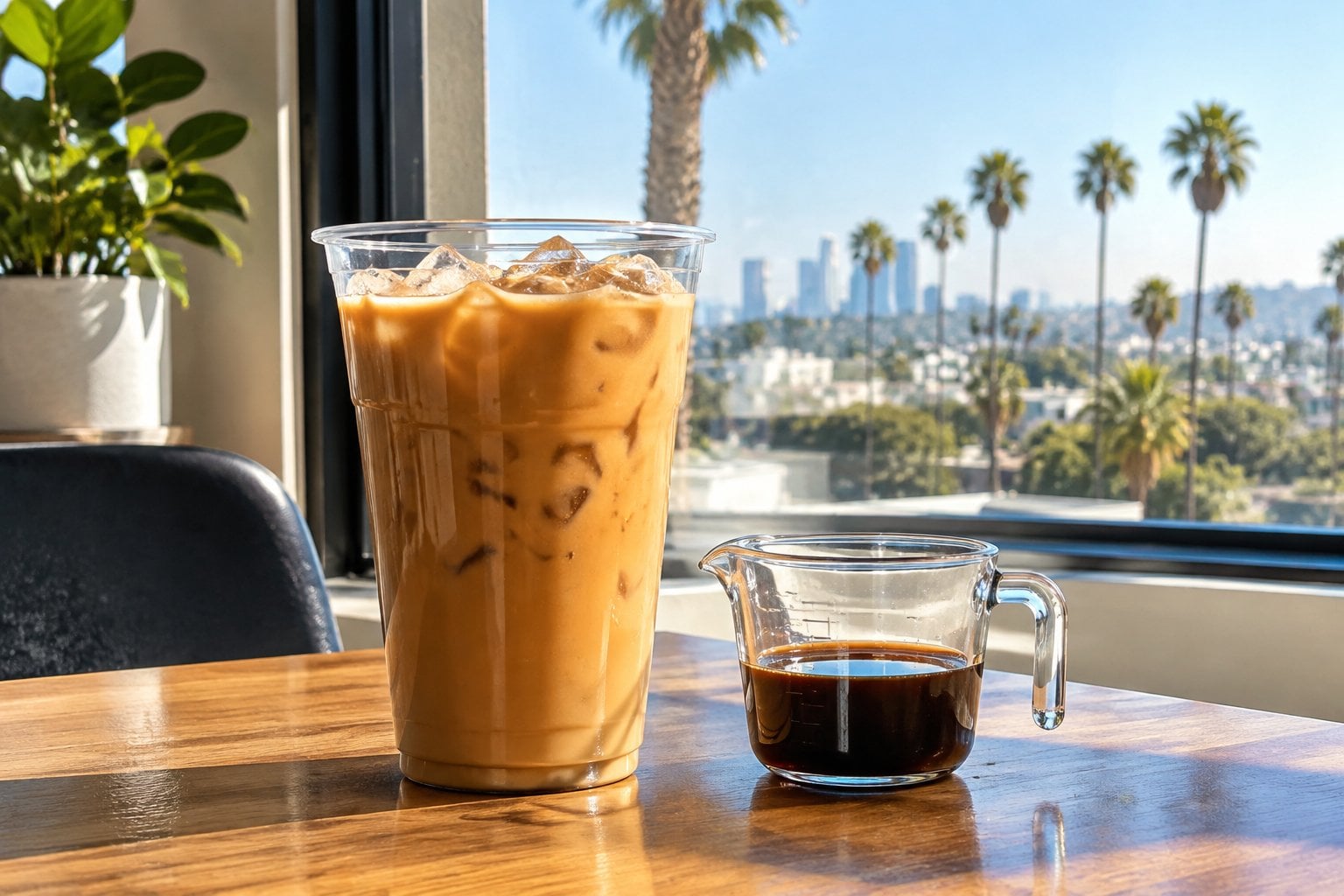
Alexander Forouzesh sued Starbucks in the U.S. District Court for the Central District of California over its iced coffee and tea drinks.
His claim was that the cold drinks contained less liquid than advertised. A Tall, for example, is listed at 12 fluid ounces, but part of the cup is filled with ice, so he argued that customers got less coffee or tea than the size suggested.
In August 2016, the court dismissed the case, finding that no reasonable consumer would expect a 12-ounce iced drink to contain 12 ounces of coffee or tea and no ice. Forouzesh appealed, and in 2018 the U.S. Court of Appeals for the Ninth Circuit affirmed. It also said that letting him amend the complaint would be futile. Forouzesh lost.
20. The Lawsuit Over Underfilled Lattes and Milk Foam (Strumlauf v. Starbucks)
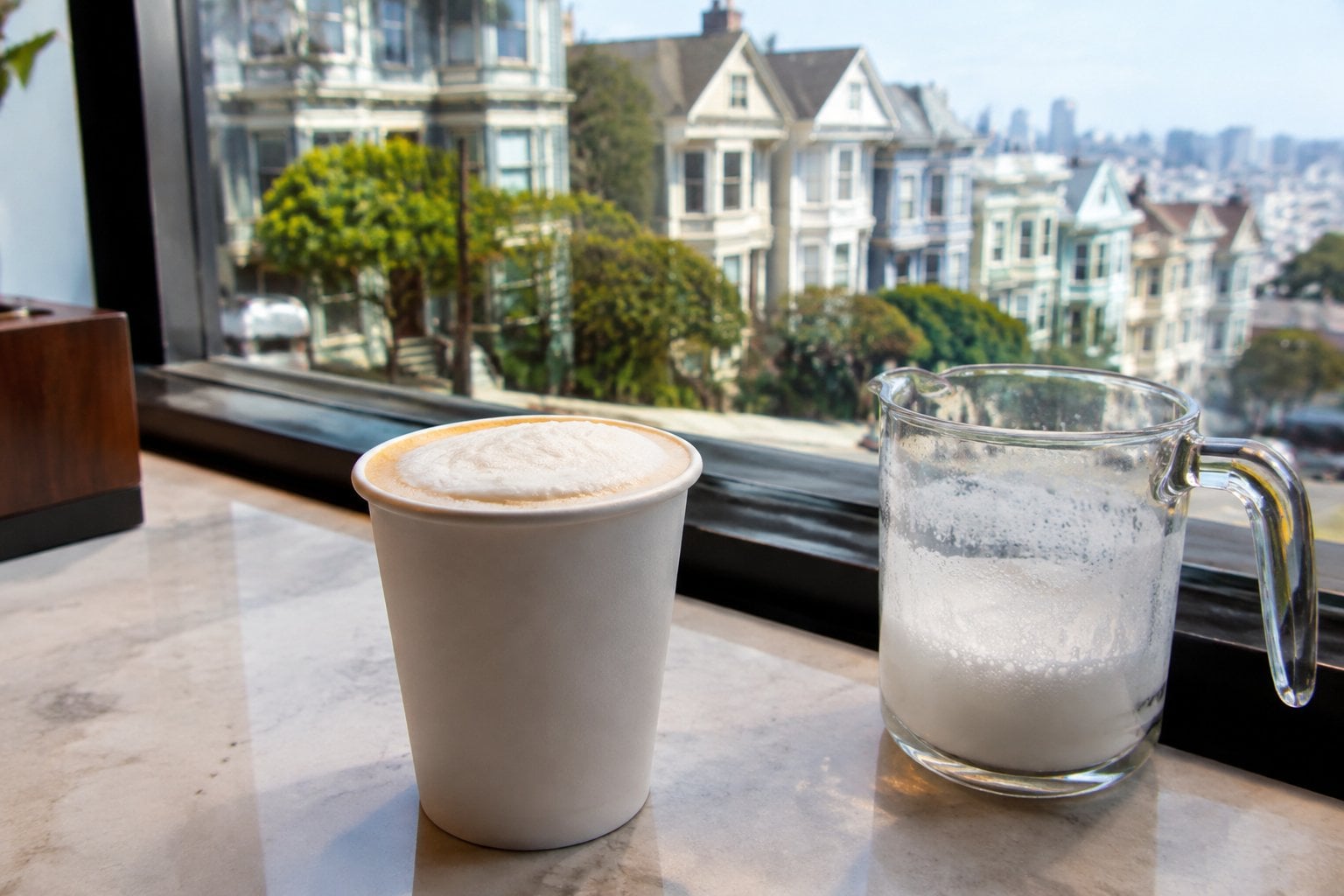
In March 2016, Siera Strumlauf and Benjamin Robles sued Starbucks in the U.S. District Court for the Northern District of California. They claimed Starbucks lattes were about 25% underfilled.
Their argument was about foam. The Tall, Grande and Venti sizes are listed at 12, 16 and 20 fluid ounces, and the plaintiffs said lattes only reached those volumes if the milk foam on top was counted.
In June 2016, the court let the main claims go forward. In January 2018, though, the court ruled for Starbucks. The plaintiffs had agreed that milk foam is part of a latte, the court found that no reasonable consumer would expect the listed size to leave out the foam, and Starbucks showed that its cups are larger than the advertised sizes. Starbucks won.
21. The Microwave Mac and Cheese That Took Longer Than 3 1/2 Minutes (Ramirez v. Kraft Heinz)
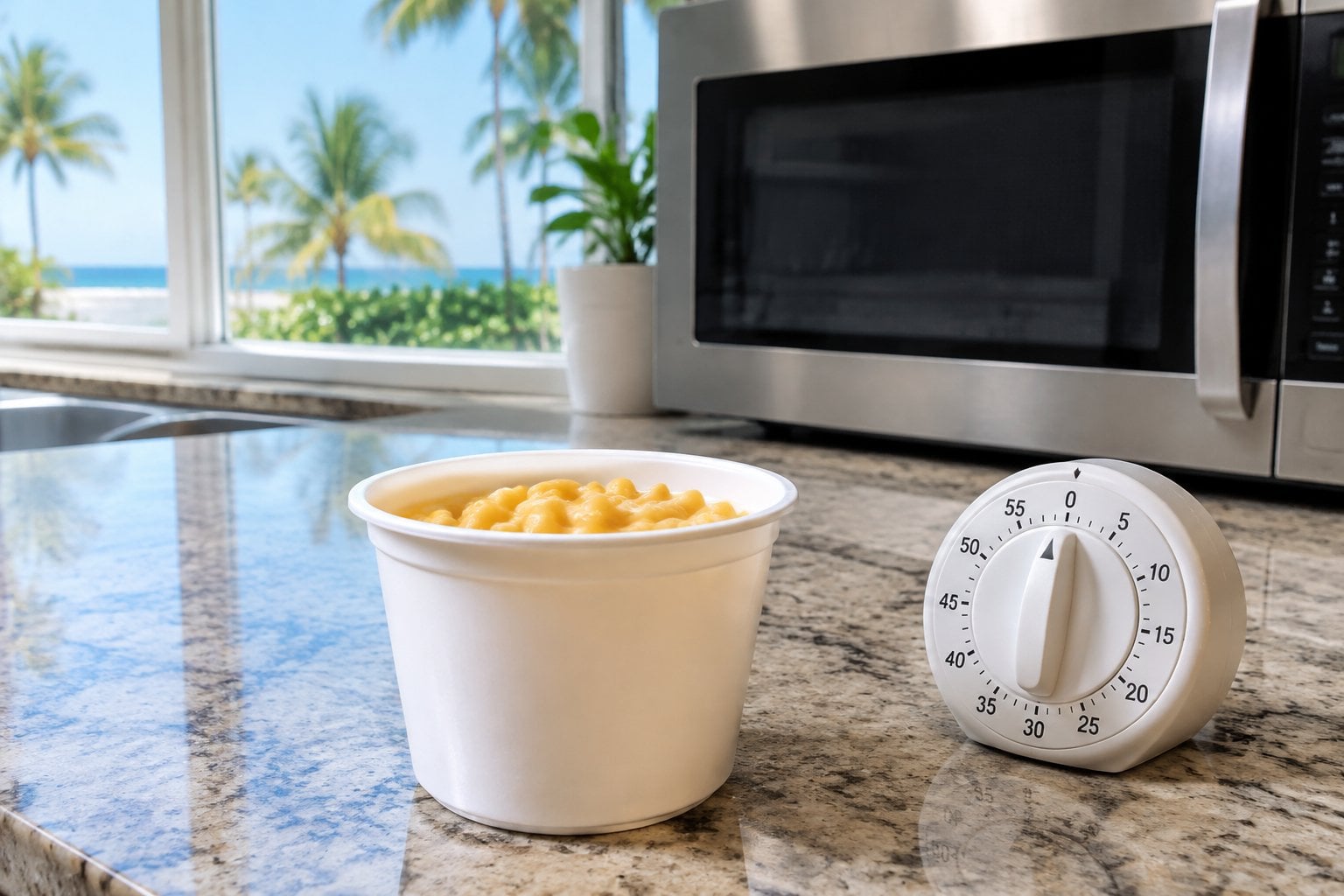
In 2022, Amanda Ramirez of Hialeah, Florida, filed a proposed $5 million class action against Kraft Heinz in the U.S. District Court for the Southern District of Florida.
Her complaint was about Velveeta Shells & Cheese microwave cups, labeled “ready in 3 1/2 minutes.” She argued that 3 1/2 minutes was only the microwave time. Before that, the buyer had to remove the lid and the cheese pouch and add water, and after microwaving, stir in the cheese sauce, so the whole process took longer than the label said.
On July 27, 2023, Judge Beth Bloom dismissed the case for lack of standing. Among other things, the court noted that the complaint did not show Ramirez faced a real risk of future harm from the product. The case was dismissed.
22. The Customers Who Say the Whopper Looks Bigger in Ads (Coleman v. Burger King)
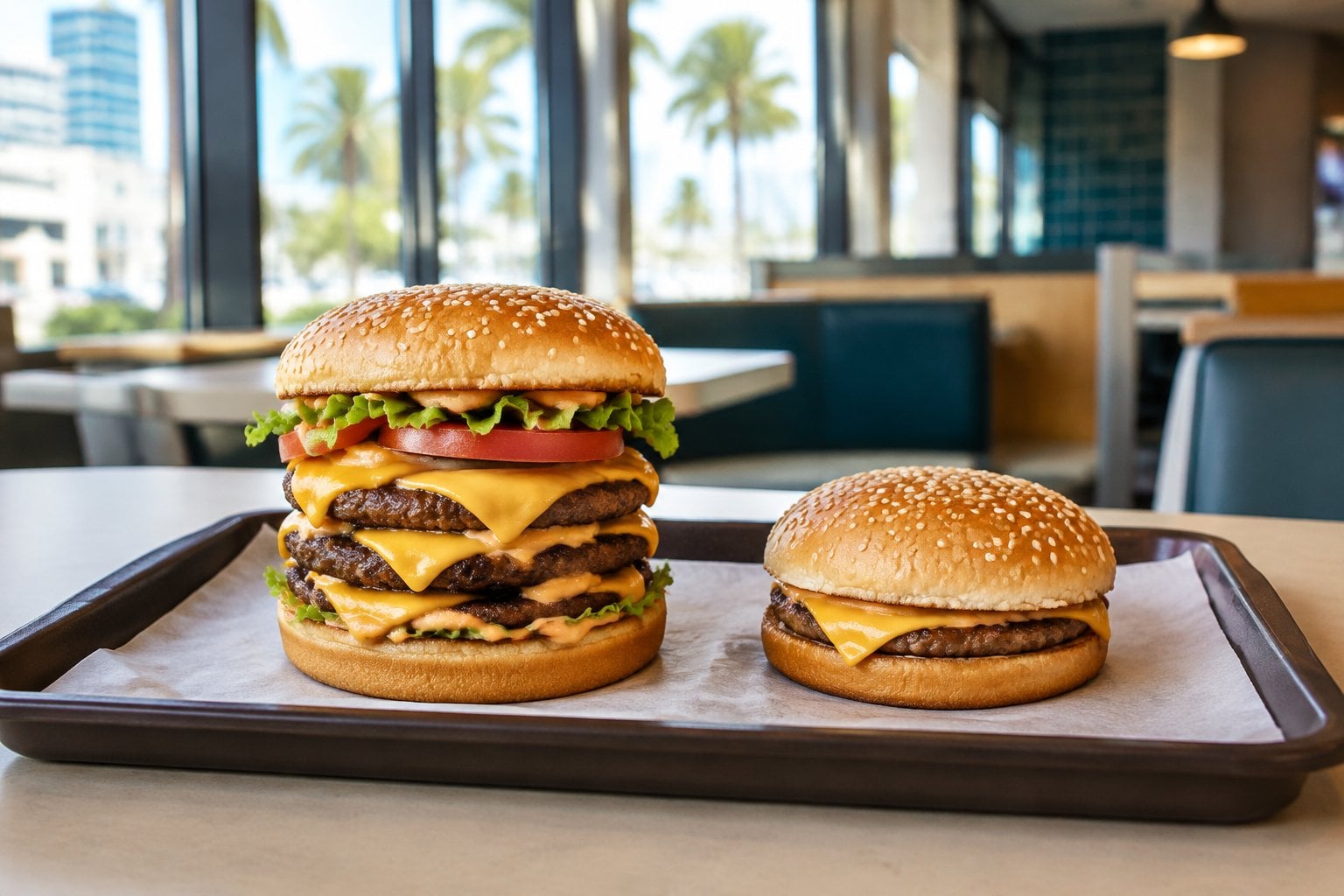
In 2022, a group of Burger King customers from several states sued the chain in the U.S. District Court for the Southern District of Florida. They claimed Burger King’s menu boards and ads show Whoppers about 35% larger, with more than double the meat, than the burgers actually served.
The case was assigned to Judge Roy Altman. In August 2023, he let the core claim about the pictures on in-store menu boards go forward, while dismissing the claims based on TV and online ads.
In late 2025, the judge denied the plaintiffs’ request to certify a nationwide class, which would have let customers across the country join the case as a group. Burger King has said the claims are false. As of late 2025, the case was still going, with no verdict or settlement.
23. The Backyard Case of a Five-Year-Old and a Moved Chair (Garratt v. Dailey)

On July 16, 1951, a boy aged five years and nine months was in a backyard where an adult woman, Ruth Garratt, was about to sit down in a lawn chair. The boy moved the chair. She fell to the ground and broke her hip, and she sued him for battery.
At trial, the judge found that the boy had moved the chair so he could sit in it himself and did not mean to hurt her. Based on that, the court ruled for the boy.
On February 14, 1955, the Washington Supreme Court sent the case back. Battery can be intentional, it held, even without a wish to cause harm, if the person knew with substantial certainty that the harm would happen. The trial judge had to decide whether the boy knew she would try to sit where the chair had been. The case was sent back for a new finding, and it is still a classic first-year torts case.
24. The Ship That Stayed Tied to a Dock in a Storm (Vincent v. Lake Erie Transportation Co.)
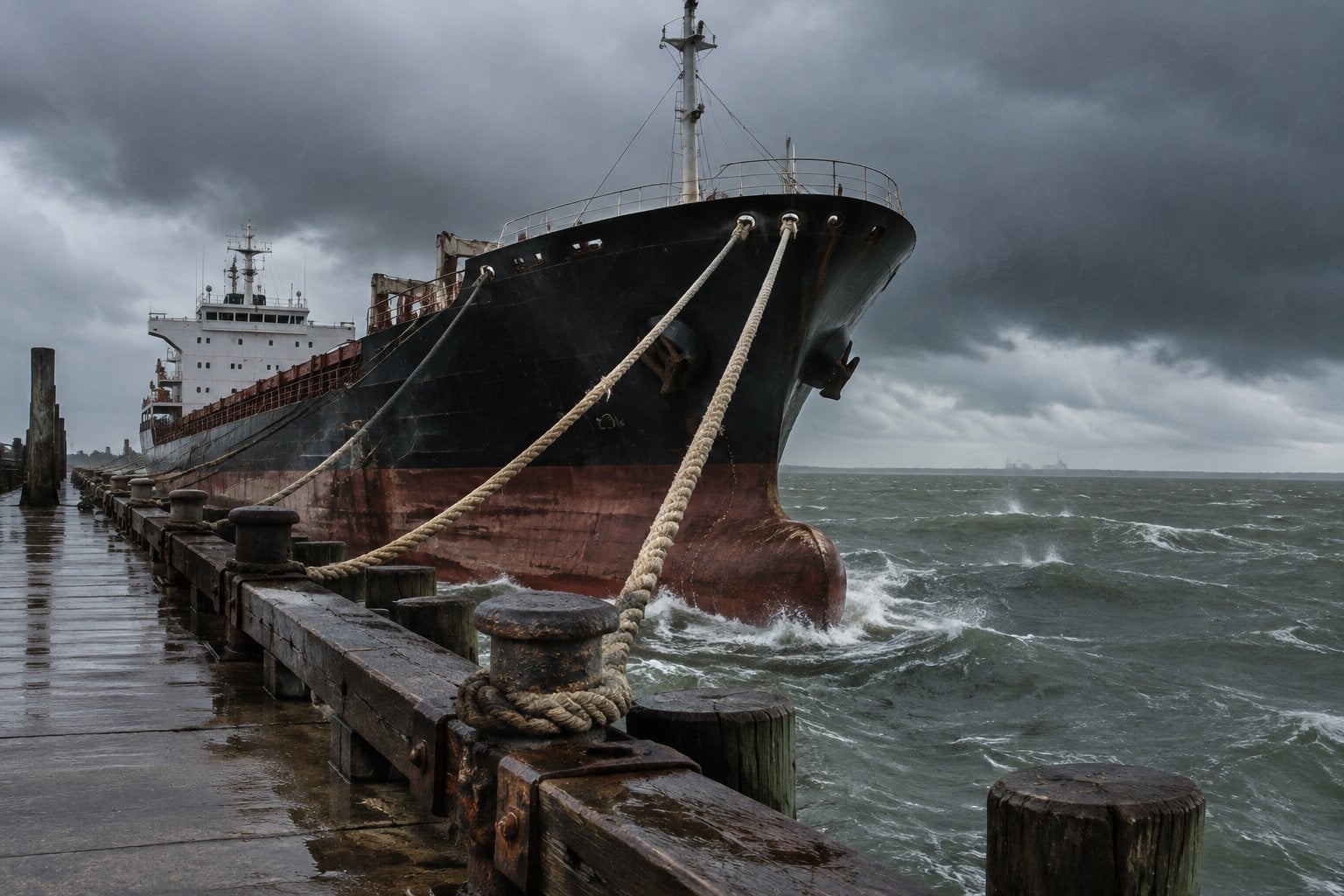
On November 27, 1905, the steamship Reynolds was unloading at Vincent’s dock in Duluth, Minnesota, when a violent storm hit Lake Superior. The ship signaled for a tug, but none could come out in the storm. The captain kept the ship tied to the dock through the night, replacing lines as they broke or wore through.
The waves pounded the ship against the dock and damaged it. The dock owner sued for $1,200, and a jury awarded him $500.
On January 14, 1910, the Minnesota Supreme Court affirmed. The captain had acted sensibly in keeping the ship safe, the court said, but a ship owner who deliberately uses someone else’s property to protect his own must pay for the damage that causes. Two judges dissented. The dock owner won.
25. The Lawsuit Claiming Fruit Drinks Contain None of the Named Fruit (Kominis v. Starbucks)
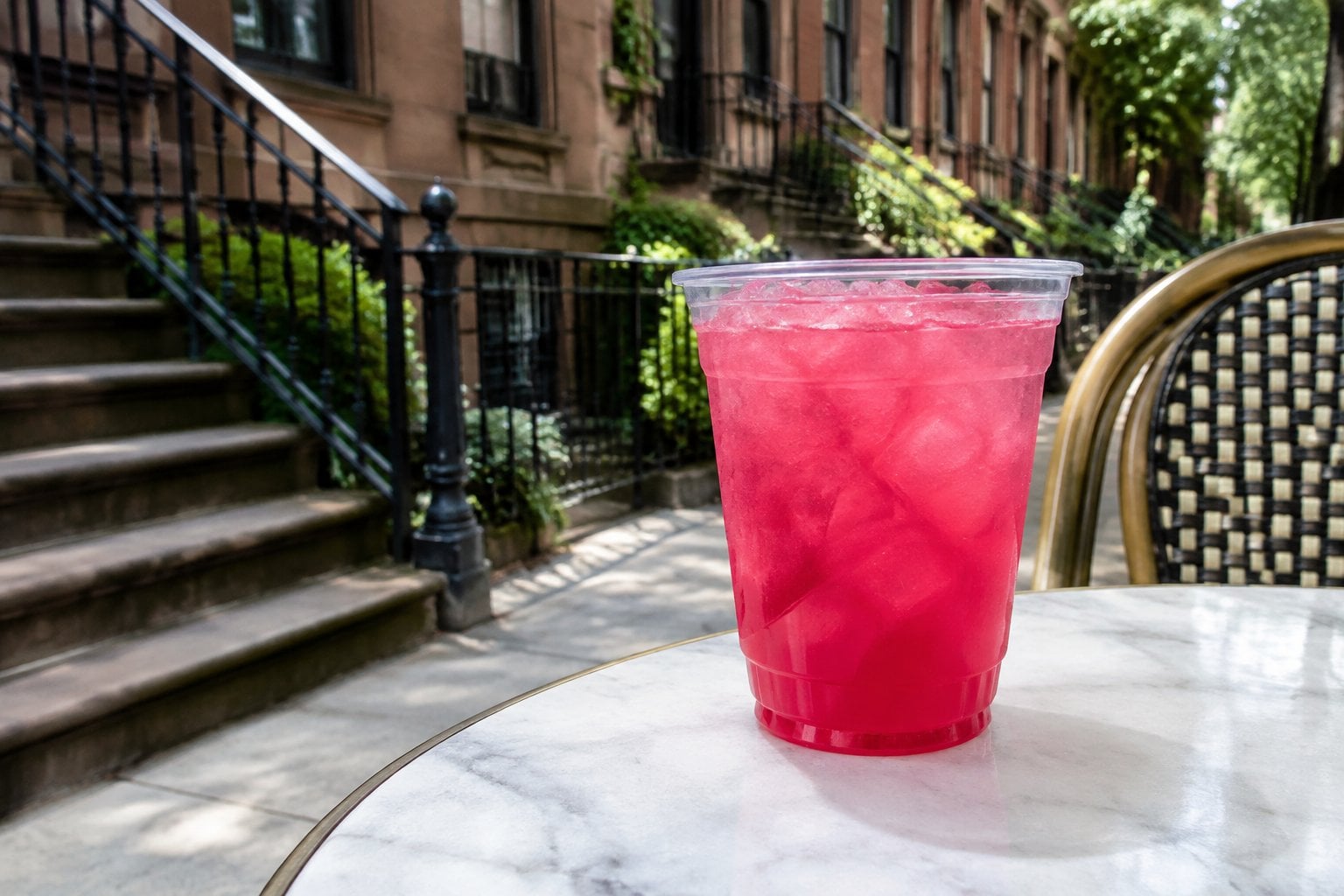
In 2022, Joan Kominis and Jason McAllister sued Starbucks in the U.S. District Court for the Southern District of New York. They claimed several Starbucks Refreshers drinks misled buyers about what was in them.
The drinks named in the suit included Mango Dragonfruit, Pineapple Passionfruit and Strawberry Acai, along with their lemonade versions. The plaintiffs said these drinks contained none of the mango, passionfruit or acai named on the menu.
Starbucks asked Judge John P. Cronan to dismiss the case. In September 2023, he denied most of that request, letting most of the consumer protection claims go forward. He dismissed the fraud and unjust enrichment claims. The case was allowed to proceed, and no final result had been reported.
26. The “Gives You Wings” Energy Drink Class Action (Careathers v. Red Bull)
In January 2013, a buyer named Careathers sued Red Bull North America in the U.S. District Court for the Southern District of New York, and the case was later combined with a similar suit.
The plaintiffs argued that Red Bull’s marketing, including the slogan “Red Bull gives you wings,” suggested the drink improved performance and concentration more than a cup of coffee would. Despite the slogan, the suit was about those performance claims, not about literal wings.
In 2014, Red Bull agreed to a $13 million settlement without admitting any wrongdoing. People in the U.S. who had bought Red Bull between 2002 and 2014 could claim $10 in cash or $15 in Red Bull products, and no proof of purchase was needed. The case ended in a settlement.
27. The Mother Who Sued Over a Chocolate Spread Called a Healthy Breakfast (Hohenberg v. Ferrero)
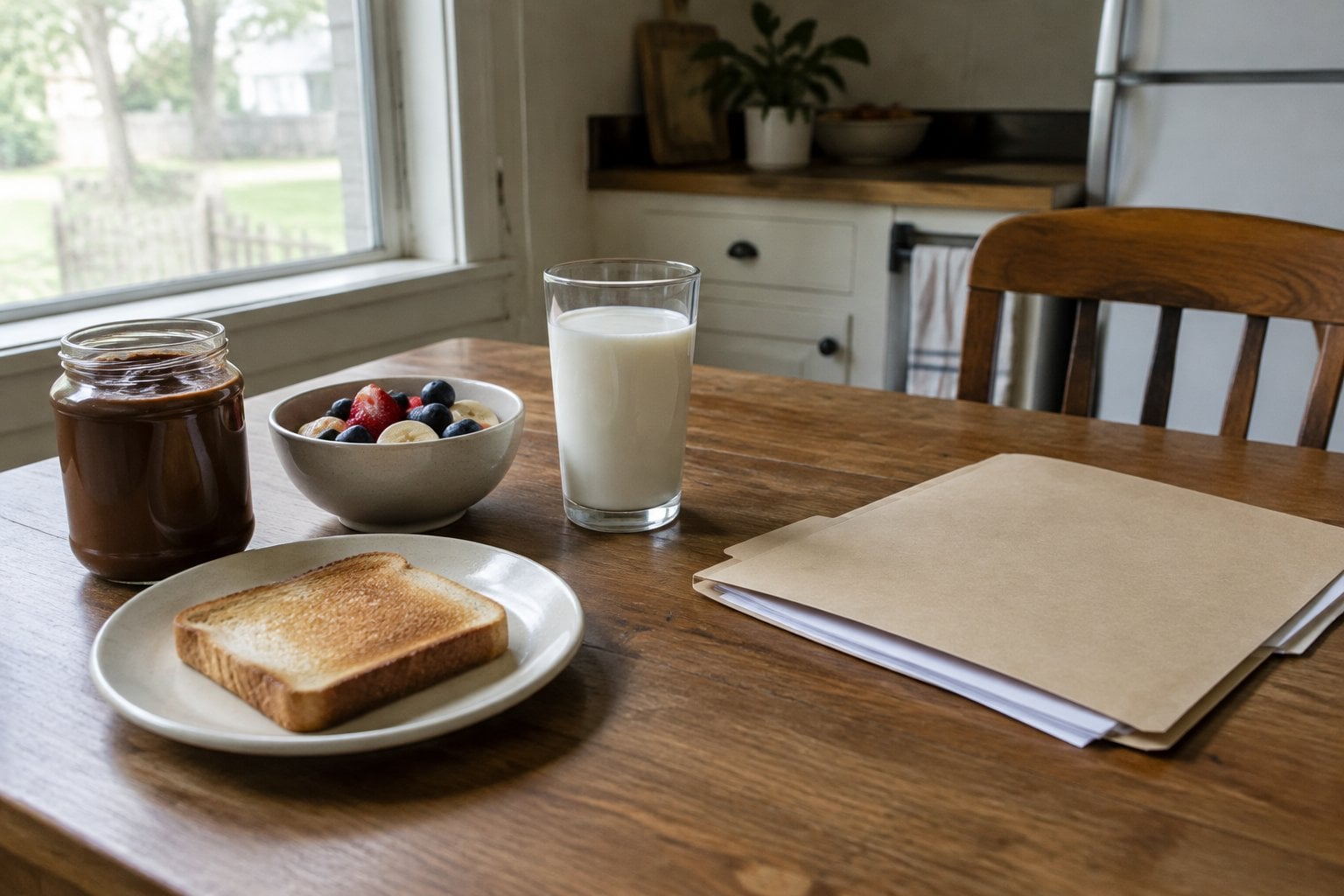
In 2011, Athena Hohenberg, a California mother, sued Ferrero U.S.A. in the U.S. District Court for the Southern District of California in San Diego.
Ads had described Nutella, Ferrero’s chocolate hazelnut spread, as part of a healthy, balanced breakfast. Hohenberg said she was misled once she learned how much sugar and fat the spread contained.
The case did not go to trial. In April 2012, Ferrero agreed to a $3.05 million settlement, about $2.5 million of it for consumers. Buyers could claim up to $4 per jar, with a limit of $20 per household. Ferrero also agreed to change its labels and its ads. Like most class-action settlements, the deal needed a federal judge’s approval before payments could go out to buyers. The case ended in a settlement.
28. The “Barefoot” Toe Shoes That Ended in a Refund Program (Bezdek v. Vibram USA)
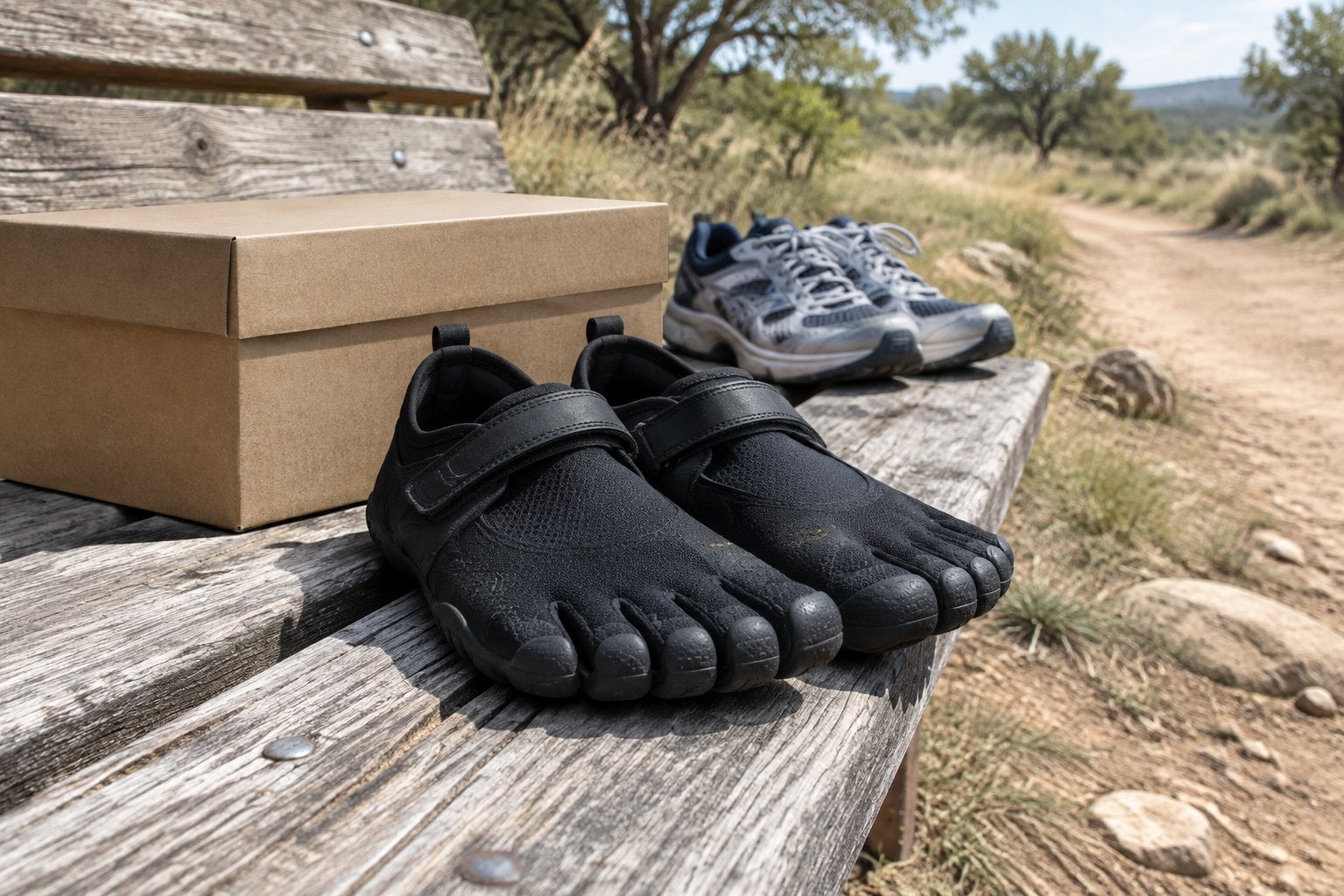
Vibram’s FiveFingers shoes look like a glove for the feet, with a separate pocket for each toe. In 2012, a group of buyers filed a class action against Vibram USA in the U.S. District Court for the District of Massachusetts.
The buyers claimed Vibram’s marketing made health claims it could not support, such as reducing foot injuries and strengthening foot muscles.
In May 2014, Vibram agreed to a $3.75 million settlement without admitting wrongdoing. Buyers could get refunds of up to $94 per pair for up to two pairs, and Vibram agreed to stop making claims it could not back up. The court gave final approval in January 2015. Objectors appealed, and the U.S. Court of Appeals for the First Circuit upheld the settlement in December 2015. The case ended in a settlement.
29. The Lawsuit Over What’s Really in the Seasoned Beef (Obney v. Taco Bell)
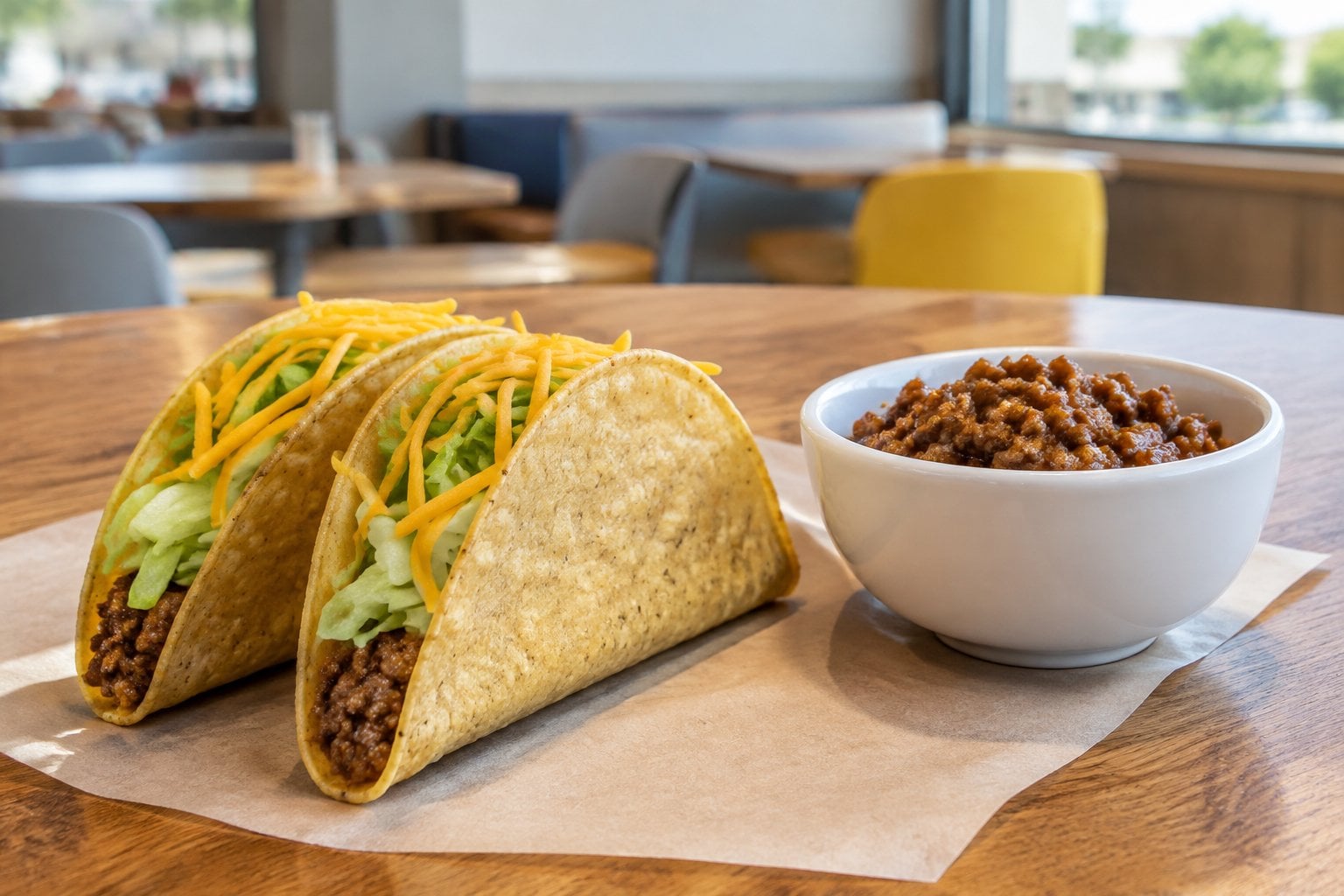
In January 2011, Amanda Obney sued Taco Bell in the U.S. District Court for the Central District of California. She was represented by Beasley Allen, a law firm from Alabama.
The suit claimed Taco Bell’s “seasoned beef” filling did not contain enough beef to be called beef; one news report at the time said the complaint put the beef content at about 36%. Taco Bell answered publicly that its filling was 88% beef, with the other 12% being its “signature recipe.”
The case never went to trial. On April 18, 2011, Obney voluntarily dropped the suit. No money was paid. Both sides claimed victory, with the law firm saying Taco Bell had changed what it disclosed about its beef filling. The case was dropped.
30. The Lawsuit Against Toys in Kids’ Fast-Food Meals (Parham v. McDonald’s)
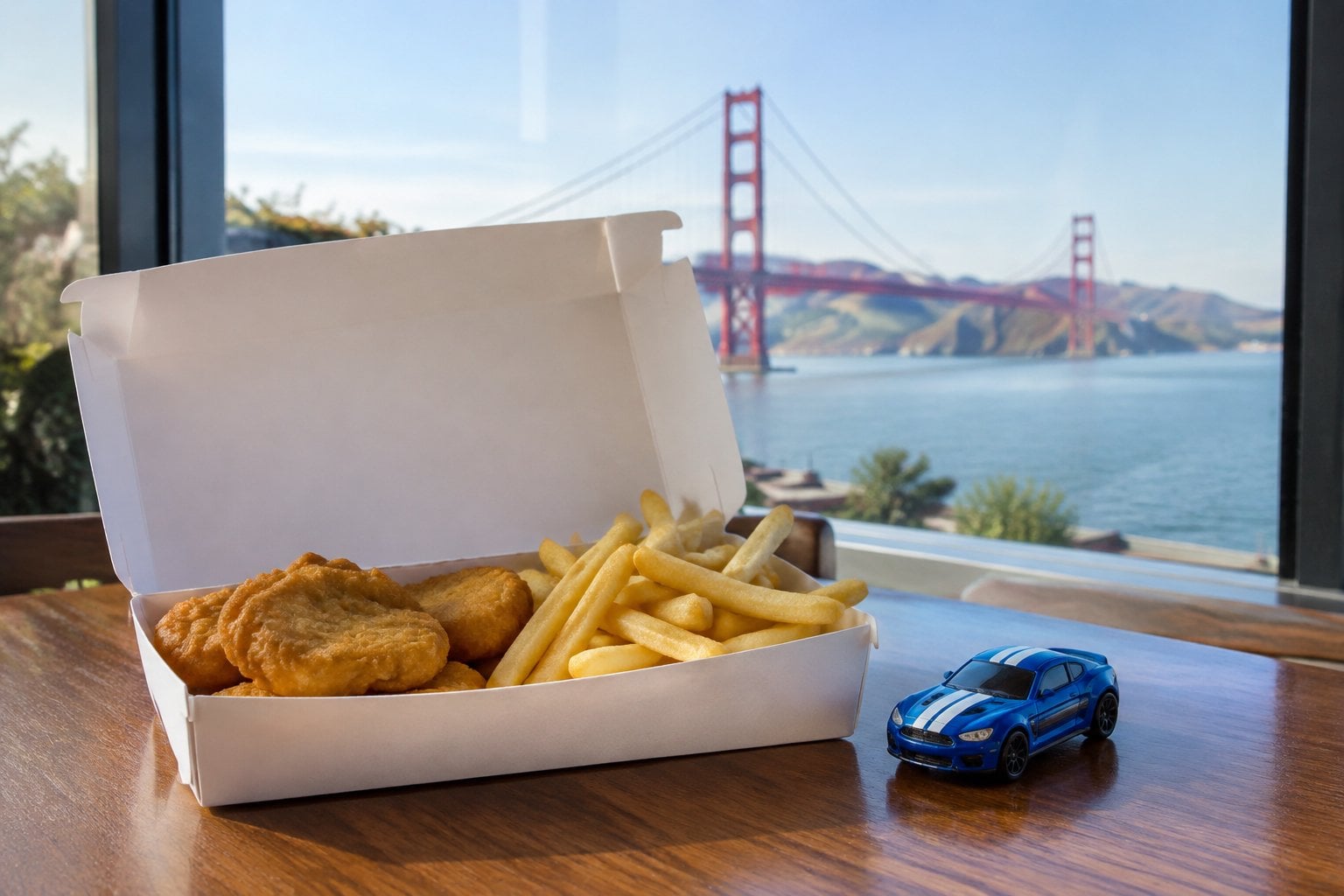
In December 2010, Monet Parham, a California mother, sued McDonald’s in San Francisco Superior Court. She argued that putting toys in Happy Meals was unfair marketing that lured young children toward meals she considered unhealthy.
Parham was represented by the Center for Science in the Public Interest, a nutrition advocacy group. The suit did not ask for money. It asked the court to stop McDonald’s from using toys to market those meals to children in California.
In April 2012, Judge Richard Kramer dismissed the case with prejudice, which means it could not be filed again. No changes were ordered. The case was dismissed.
For more strange cases from the courtroom, see our earlier list of the dumbest lawsuits that actually won, or read about the weirdest laws in Texas that are still on the books.
This article is general information about past court cases, not legal advice. Laws and court rules vary by state and country and change over time; for advice about a specific situation, talk to a licensed attorney.