
The 10 Worst Law Schools in Texas
Texas has 10 law schools approved by the American Bar Association, from Lubbock to Houston, and every one of them has to publish how its graduates did on the bar exam. The results are far apart. At the top school, more than nine in ten first-time takers passed. At the bottom school, about one in three did not.
This list ranks all 10 of Texas’s ABA-approved law schools from worst to best by one public measure: how each school’s first-time bar passage rate for 2024 graduates compared with the average for the same states. The figures come from the American Bar Association’s Standard 509 and bar passage disclosures, released in the ABA’s 2025 report. For each school, the ABA compares its graduates’ first-time pass rate with the weighted average for graduates of all ABA-approved schools who took the exam in the same states, which for Texas schools was about 81.4%.
Texas law schools do well overall. Only three of the 10 fell below that average, and they fill the top three spots here. The other seven beat it, some by a wide margin, so their entries say so plainly. Each entry also gives the school’s result on the July 2026 Texas bar exam, from the Texas Board of Law Examiners, where 1,461 of 1,692 first-time takers from Texas law schools passed, or 86.35%.
The other numbers come from the same ABA report: the fall 2025 entering class, 2025-26 tuition and fees, and first-year students who left. A pass rate is one measure, not a full picture of any school, and many graduates of every school here pass the bar and practice law.
1. St. Mary’s University School of Law (San Antonio)
St. Mary’s University School of Law in San Antonio had the largest gap in Texas and the 13th-largest of the 192 law schools the ABA ranked nationwide. Of its 243 first-time bar takers from 2024, 160 passed, a rate of 65.84%, the lowest raw pass rate in Texas. The ABA average for the same states was 81.51%, which puts the school 15.67 percentage points below it.
That was a step back. A year earlier, 144 of its 196 first-time takers passed (73.47%). On the July 2026 Texas exam it did better: 165 of 220 first-time takers passed, or 75.00%, still well below the 86.35% for all Texas law schools. Of its 35 repeat takers, 14 passed.
The private Catholic school charges $44,910 in tuition plus $1,400 in fees for 2025-26, the same for residents and nonresidents. For fall 2025 it received 2,906 applications and made 755 offers, an acceptance rate of 25.98%, and enrolled 282 new students with a median LSAT score of 153 and a median undergraduate GPA of 3.49.
Thirty-nine first-year students left for academic reasons, the most of any Texas school, and six more left for other reasons. Total J.D. enrollment was 800.
2. University of North Texas at Dallas College of Law (Dallas)

The UNT Dallas College of Law, in downtown Dallas, is the youngest law school in Texas. It began classes in fall 2014 and received full ABA approval in February 2022. Of its 91 first-time bar takers from 2024, 66 passed, a rate of 72.53%. The ABA average for the same states was 81.48%, a gap of 8.95 percentage points. That is just 0.01 of a point worse than Texas Southern, the next school on this list.
The school has improved slowly. A year earlier, 61 of its 89 first-time takers passed (68.54%). But on the July 2026 Texas exam it had the lowest first-time pass rate of the 10 schools: 84 of 117 passed, or 71.79%. Of its 20 repeat takers, 5 passed.
The public school charges by the credit hour: $562 per credit for Texas residents and $977 for nonresidents, plus $1,901 in annual fees. That is the lowest resident price per credit among the Texas schools that list one. For fall 2025 it received 1,883 applications, the fewest in Texas, and made 456 offers, an acceptance rate of 24.22%. It enrolled 130 new students, 86 full-time and 44 part-time, with a median LSAT of 153 and GPA of 3.41.
Five first-year students left for academic reasons, and none left for other reasons. Total J.D. enrollment was 431.
3. Texas Southern University Thurgood Marshall School of Law (Houston)
Texas Southern University’s law school in Houston traces its start to 1947, when Texas set up a separate law school for Black students after Heman Sweatt was refused admission to the University of Texas law school. It was named for Thurgood Marshall in 1976. Of its 199 first-time bar takers from 2024, 144 passed, a rate of 72.36%. The ABA average for the same states was 81.30%, a gap of 8.94 percentage points.
That was a real improvement. A year earlier, only 92 of 145 first-time takers passed (63.45%). On the July 2026 Texas exam, 94 of 129 first-time takers passed, or 72.87%. It also had the most repeat takers of any Texas school, 45, and 11 of them passed.
Texas Southern is the least expensive Texas law school with a yearly price: $19,202 in resident tuition plus $1,836 in fees for 2025-26, or $26,331 plus fees for nonresidents. For fall 2025 it received 2,032 applications and made 673 offers, an acceptance rate of 33.12%. All 221 new students enrolled full-time, with a median LSAT of 150 and GPA of 3.33, both the lowest in Texas.
Twenty-five first-year students left for academic reasons, and 12 more left for other reasons. Total J.D. enrollment was 556.
4. Texas Tech University School of Law (Lubbock)

Texas Tech’s law school in Lubbock is the first school on this list that beat its state average. Of its 146 first-time bar takers from 2024, 126 passed, a rate of 86.30%. The ABA average for the same states was 81.48%, so the school finished 4.82 percentage points above it. That still put it fourth from the bottom among Texas’s 10 schools.
It ranks here partly because its 2024 result dropped. A year earlier, 129 of its 140 first-time takers passed (92.14%), the third-best result in the state that year. On the July 2026 Texas exam, 121 of 136 first-time takers passed, or 88.97%, above the 86.35% average for Texas law schools. All 3 of its repeat takers failed.
The public school charges Texas residents $22,590 in tuition plus $4,942 in fees for 2025-26, and nonresidents $33,840 plus fees. It estimates living costs off campus at $20,107. For fall 2025 it received 2,011 applications and made 515 offers, an acceptance rate of 25.61%. All 168 new students enrolled full-time, with a median LSAT of 159 and GPA of 3.69.
Ten first-year students left for academic reasons, and two more left for other reasons. Total J.D. enrollment was 459.
5. University of Houston Law Center (Houston)
The University of Houston Law Center beat its state average comfortably. Of its 255 first-time bar takers from 2024, 226 passed, a rate of 88.63%. The ABA average for the same states was 81.34%, so it finished 7.29 percentage points above it. A year earlier, 209 of its 243 first-time takers passed (86.01%).
Its most recent result was weaker. On the July 2026 Texas exam, 214 of 252 first-time takers passed, or 84.92%. That was below the 86.35% average for Texas law schools and behind every school ranked after it here. Of its 18 repeat takers, 7 passed.
The public school charges Texas residents $31,326 in tuition for 2025-26 and nonresidents $46,051, plus $7,896 in annual fees, the highest fees of any Texas law school. It estimates living costs off campus at $26,086. For fall 2025 it received 3,510 applications and made 807 offers, an acceptance rate of 22.99%. It enrolled 249 new students, 219 full-time and 30 part-time, with a median LSAT of 163 and GPA of 3.79.
No first-year students left for academic reasons, and two left for other reasons. Total J.D. enrollment was 838.
6. SMU Dedman School of Law (Dallas)
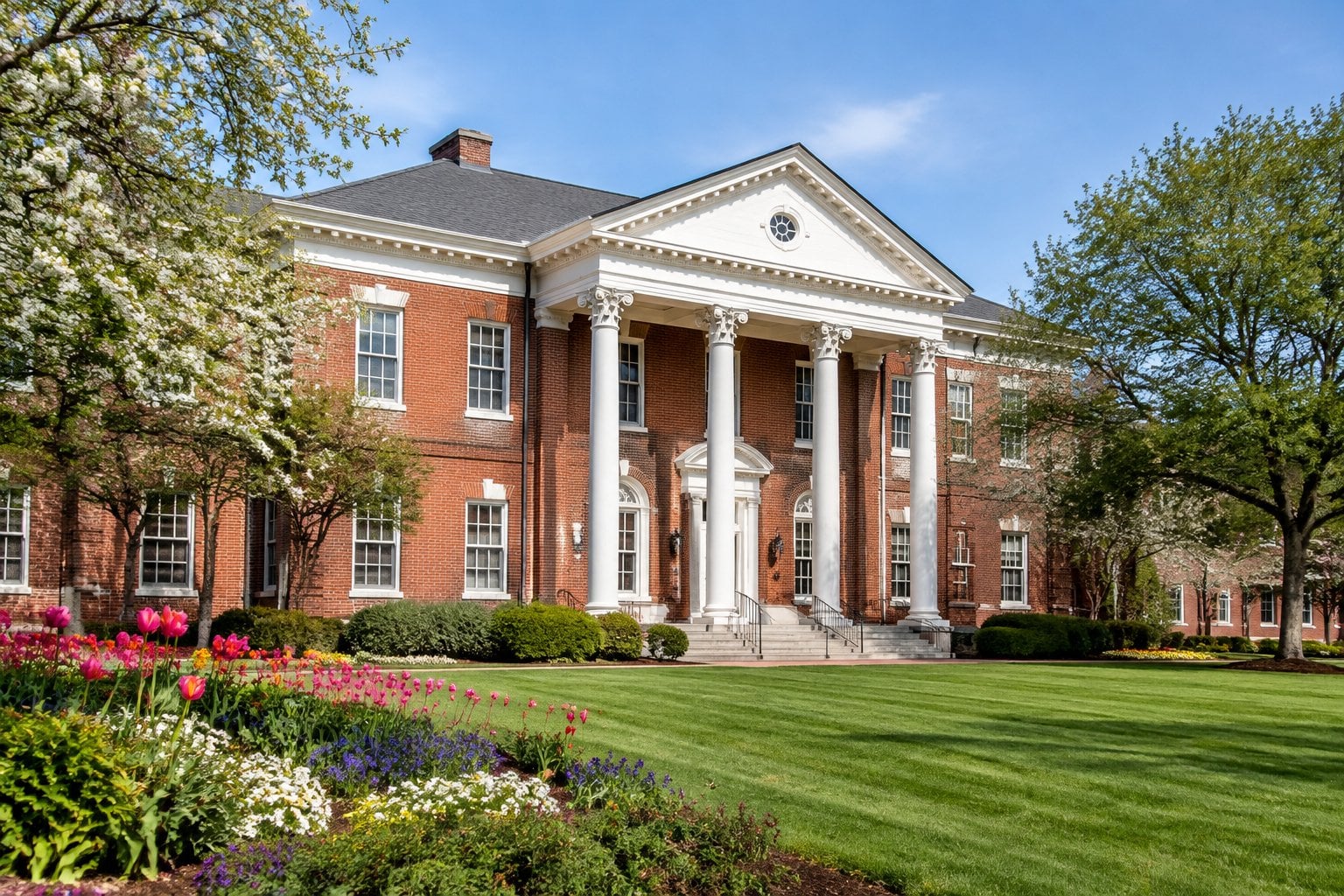
Southern Methodist University’s Dedman School of Law in Dallas finished well above its state average. Of its 245 first-time bar takers from 2024, 221 passed, a rate of 90.20%. The ABA average for the same states was 81.36%, putting it 8.84 percentage points above. A year earlier, 186 of its 219 first-time takers passed (84.93%).
Its newest result was even stronger. On the July 2026 Texas exam, 174 of 185 first-time takers passed, or 94.05%, the third-best rate among the 10 schools. Its repeat takers struggled: only 1 of 16 passed.
SMU has the highest yearly price of any Texas law school that lists one. The private school charges $60,844 in tuition plus $7,842 in fees for 2025-26, or $68,686 a year, the same for residents and nonresidents. For fall 2025 it received 3,038 applications and made 747 offers, an acceptance rate of 24.59%. All 254 new students enrolled full-time, with a median LSAT of 167 and GPA of 3.81.
No first-year students left SMU in the ABA’s latest count, either for academic or other reasons. Total J.D. enrollment was 672.
7. South Texas College of Law Houston (Houston)
South Texas College of Law Houston, founded in 1923, is the oldest law school in Houston and the largest in Texas, with 1,144 J.D. students. Of its 293 first-time bar takers from 2024, 267 passed, a rate of 91.13%. The ABA average for the same states was 81.42%, putting it 9.71 percentage points above.
That was the biggest jump of any Texas school. A year earlier, 233 of its 290 first-time takers passed (80.34%), so its rate rose by more than 10 points. On the July 2026 Texas exam, 199 of 227 first-time takers passed, or 87.67%, just above the Texas average. Of its 35 repeat takers, 18 passed.
The private school charges $42,960 in tuition plus $2,000 in fees for 2025-26, the same for everyone, and $28,640 in tuition for part-time students. It is also the easiest Texas law school to get into: for fall 2025 it received 2,770 applications and made 932 offers, the most in the state, an acceptance rate of 33.65%. It enrolled 437 new students, the largest class in Texas, including 94 part-time, with a median LSAT of 155 and GPA of 3.41.
Twenty-four first-year students left for academic reasons, and 16 more left for other reasons, the most of any Texas school.
8. Baylor University School of Law (Waco)
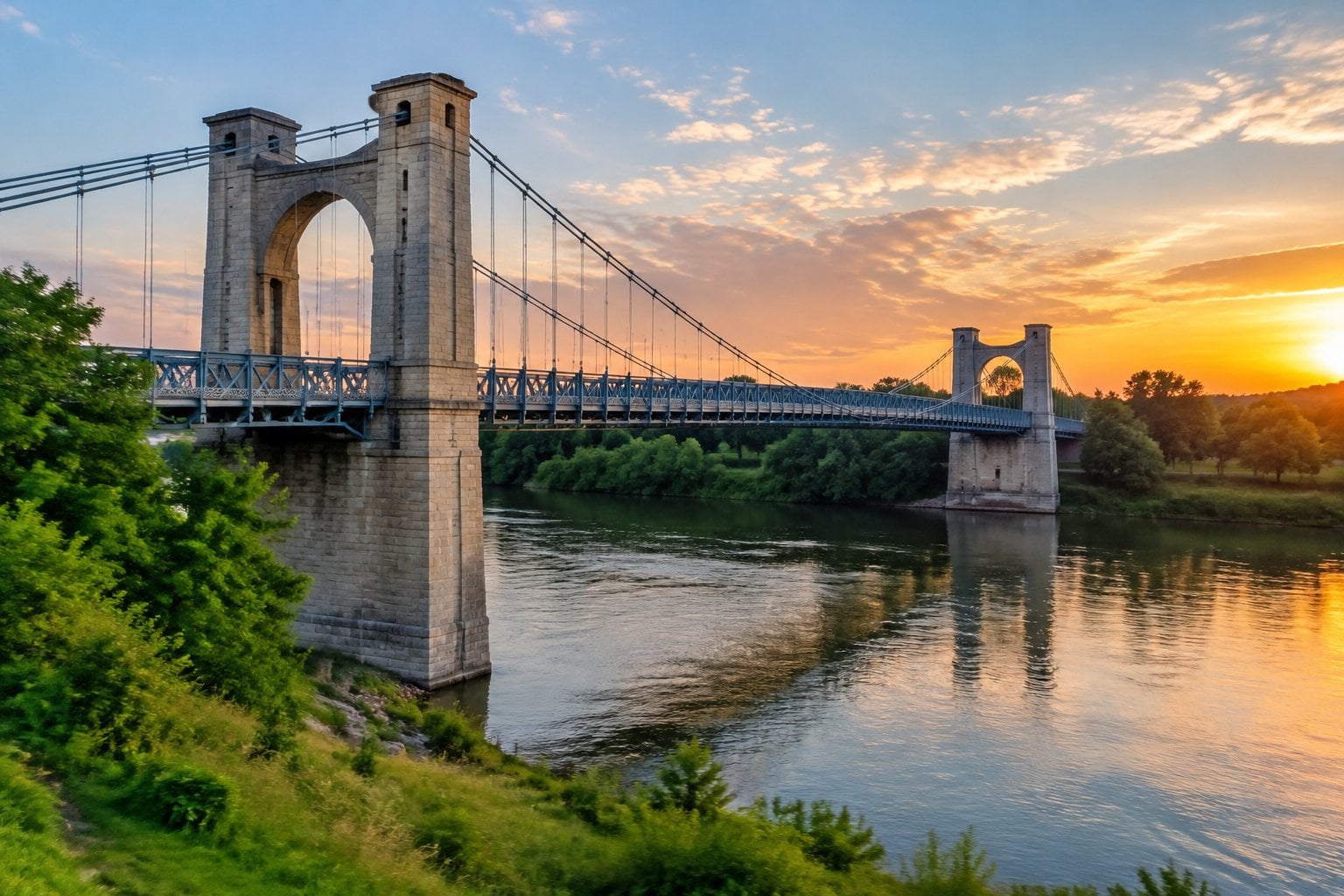
Baylor Law in Waco was one of the strongest schools in the country by this measure. Of its 197 first-time bar takers from 2024, 187 passed, a rate of 94.92%. The ABA average for the same states was 81.44%, putting it 13.48 percentage points above, 15th-best of the 192 schools ranked nationwide. A year earlier, 131 of its 143 first-time takers passed (91.61%).
On the July 2026 Texas exam, 66 of 72 first-time takers passed, or 91.67%. Of its 5 repeat takers, 3 passed. Baylor had fewer first-time takers on that exam than any other Texas school.
The private school charges by the credit hour: $1,606 per credit for 2025-26, plus $95 in annual fees, the same for residents and nonresidents. It estimates living costs off campus at $25,023. For fall 2025 it received 3,658 applications and made 753 offers, an acceptance rate of 20.59%. All 165 new students enrolled full-time, with a median LSAT of 164 and GPA of 3.77.
Two first-year students left for academic reasons, and three more left for other reasons. Total J.D. enrollment was 439.
9. University of Texas School of Law (Austin)

The University of Texas School of Law in Austin is the state’s flagship public law school. Of its 411 first-time bar takers from 2024, the most in Texas, 394 passed, a rate of 95.86%. The ABA average for the same states was 81.57%, putting it 14.29 percentage points above, 12th-best of 192 schools nationwide. A year earlier, 267 of its 284 first-time takers passed (94.01%).
On the July 2026 Texas exam, 211 of 220 first-time takers passed, or 95.91%. Of its 4 repeat takers, 2 passed. In 1950, the U.S. Supreme Court ordered this school to admit Heman Sweatt in Sweatt v. Painter.
The public school charges Texas residents $38,236 in tuition for 2025-26 and nonresidents $56,822. For fall 2025 it received 6,297 applications, the most in Texas, and made 881 offers, an acceptance rate of 13.99%. All 373 new students enrolled full-time, with a median LSAT of 172, the highest in Texas, and a median GPA of 3.89.
No first-year students left for academic reasons, and two left for other reasons. Total J.D. enrollment was 928.
10. Texas A&M University School of Law (Fort Worth)
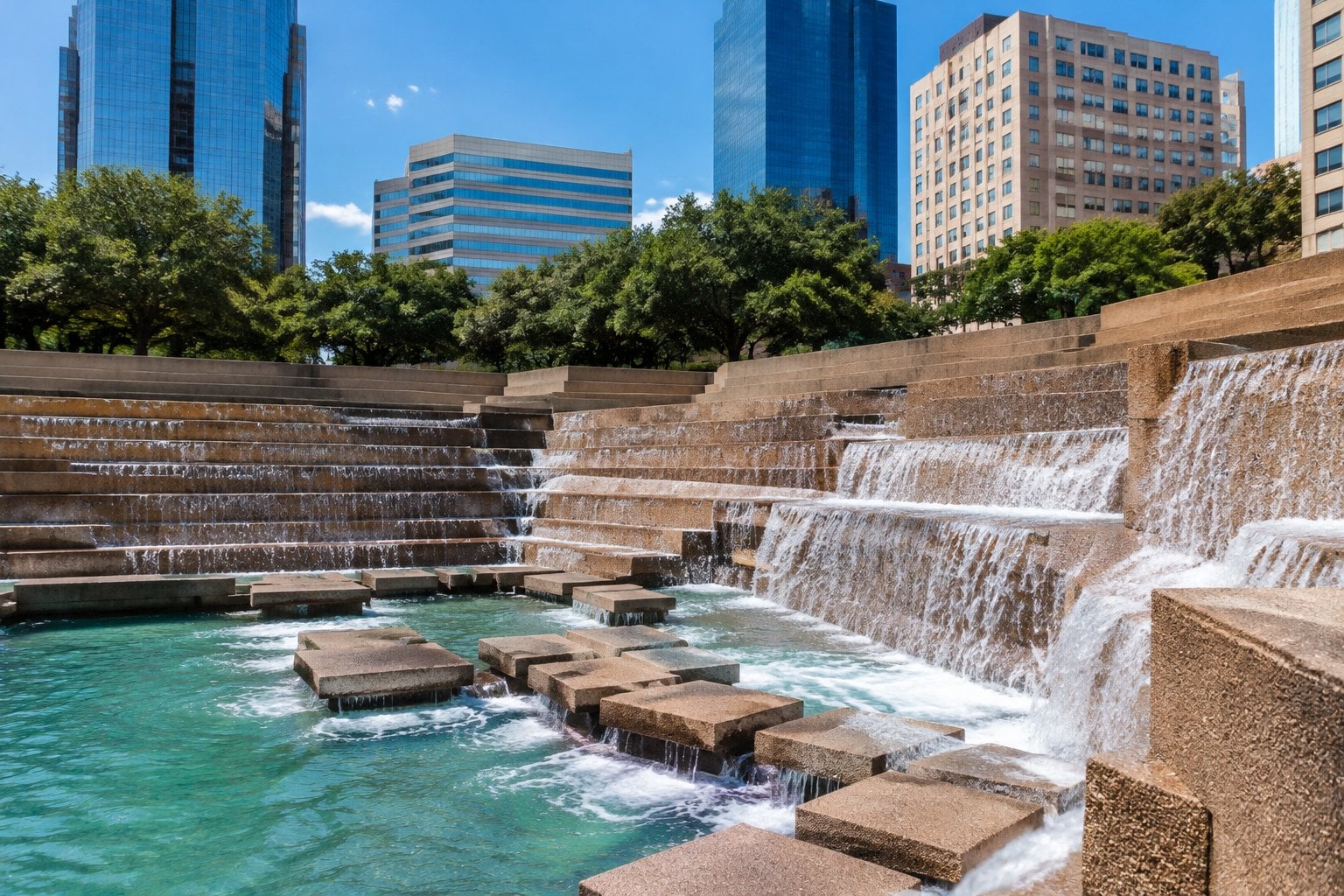
Texas A&M’s law school in Fort Worth had the best 2024 and July 2026 bar results in Texas. Of its 174 first-time bar takers from 2024, 167 passed, a rate of 95.98%, the highest raw rate in the state. The ABA average for the same states was 81.39%, putting it 14.59 percentage points above, eighth-best of the 192 schools ranked nationwide. A year earlier, 146 of its 157 first-time takers passed (92.99%).
On the July 2026 Texas exam it did even better: 133 of 134 first-time takers passed, or 99.25%.
The school opened in 1989 as the Dallas/Fort Worth School of Law, became part of Texas Wesleyan University in 1992, and was bought by Texas A&M in 2013. The public school charges Texas residents $32,634 in tuition for 2025-26 and nonresidents $48,522. For fall 2025 it received 5,240 applications and made 634 offers, an acceptance rate of 12.10%, the lowest in Texas. It enrolled 128 new students, the smallest class in the state, all full-time, with a median LSAT of 169 and a median GPA of 4.00, the highest in Texas.
One first-year student left for academic reasons, and four left for other reasons. Total J.D. enrollment was 396.
What the Numbers Show
The same three schools sit at the bottom however the results are measured. St. Mary’s, UNT Dallas and Texas Southern were the only Texas schools below the ABA average for 2024 graduates, and they had the three lowest first-time pass rates again on the July 2026 Texas exam, between 71.79% and 75.00%. Every other Texas school passed at least 84.92% of its first-time takers on that exam.
Price does not track results. Texas Southern has the lowest yearly price in the state and one of the lowest pass rates, while SMU charges the most and finished well above average. But Texas A&M and the University of Texas, both public, had the best results while charging Texas residents less than most private schools.
Texas graduates also beat outsiders on their home exam. In July 2026, first-time takers from Texas law schools passed at 86.35%, compared with 73.89% for first-time takers from law schools in other states.
For the wider picture, see our lists of the 30 worst law schools in the U.S., the 30 best law schools in the U.S., the 30 worst law schools in the South, the 30 hardest law schools to get into and the 18 worst law schools in California.
This article is general information, not legal advice or a recommendation for or against any school. Figures are from the ABA’s 2024 and 2025 Standard 509 and bar passage reports and the Texas Board of Law Examiners’ July 2026 examination statistics, and may change in later reports.


