The 30 Easiest Law Schools to Get Into

Every law school approved by the American Bar Association has to report how many applications it received and how many offers of admission it made. At most schools, most applications end in a rejection. At a smaller group of schools, more than half of all applications end in an offer.
This list ranks the 30 easiest law schools to get into in the U.S. by acceptance rate: offers of admission divided by applications, as each school reported it for the class that started in fall 2025. The figures come from the ABA’s 2025 Standard 509 Information Reports, which every ABA-approved school must publish.
Across the 196 schools in that report, the ABA counted 517,099 applications and 137,721 offers. The median school accepted about 36% of its applications. Just 51 schools accepted more than half, and only 14 accepted more than 60%. No school accepted more than 67%.
Applications are not the same as people. Most applicants apply to several schools, and each school counts its own applications. The other numbers in each entry come from the same ABA report: the entering class’s median LSAT score and undergraduate GPA (with the range for the middle half of the class), how many admitted students enrolled, 2025-26 tuition and fees, the share of students who received grants from the school in 2024-25, and first-time bar passage for 2024 graduates. A high acceptance rate measures how many applicants a school admits, not the quality of the education, and several schools on this list beat their state’s bar passage average.
1. University of Idaho College of Law (Moscow and Boise, Idaho)

The University of Idaho had the highest acceptance rate of any ABA-approved law school for fall 2025. It received 740 applications and made 494 offers, an acceptance rate of 66.76%, or about two offers for every three applications. It is the state’s public law school.
Of the 494 students Idaho admitted, 194 enrolled, a rate of 39%. With 3 other first-year students that the ABA counts separately, the entering class totaled 197, all full-time.
The class had a median LSAT score of 153, with the middle half scoring between 149 and 157, and a median undergraduate GPA of 3.54.
Tuition for 2025-26 is $27,516 for Idaho residents and $46,752 for nonresidents, with no separate fees listed. The school estimates living costs off campus at $20,136 a year. In 2024-25, 51% of students received a grant from the school, and the median full-time grant was $8,000.
Of Idaho’s 117 first-time bar takers from the class of 2024, 68.38% passed, compared with an ABA average of 78.38% in the same states. Total J.D. enrollment was 502.
2. Capital University Law School (Columbus, Ohio)
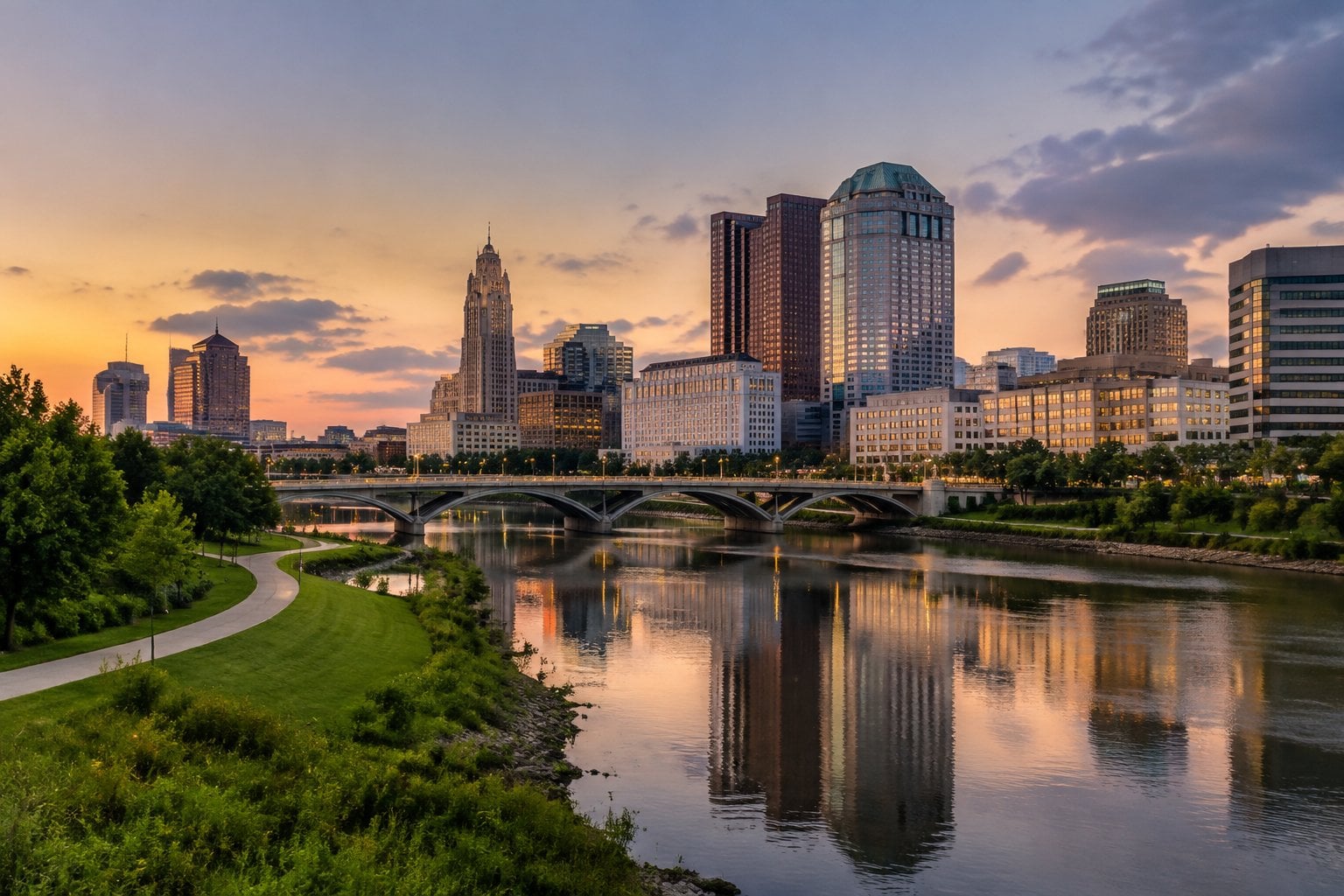
Capital University, a private school in downtown Columbus, received 874 applications and made 576 offers, an acceptance rate of 65.9%. That was the second-highest rate in the country and the highest of any private law school.
Of the 576 students it admitted, 178 enrolled, a rate of 31%. With 2 other first-year students, the entering class numbered 180: 143 full-time and 37 part-time, so Capital is one of the schools on this list where students can study while working.
The class had a median LSAT score of 151, with the middle half between 148 and 157, and a median undergraduate GPA of 3.44.
Full-time tuition for 2025-26 is $45,066, plus $390 in fees, and the school also lists a price of $1,554 per credit. Capital’s living-cost estimate is $21,112 a year. Grants are close to universal: 96% of students received one from the school in 2024-25, and the median full-time grant was $21,000.
Of its 144 first-time bar takers from the class of 2024, 72.22% passed, compared with an ABA average of 80.4% in the same states. Total J.D. enrollment was 483.
3. Creighton University School of Law (Omaha, Nebraska)
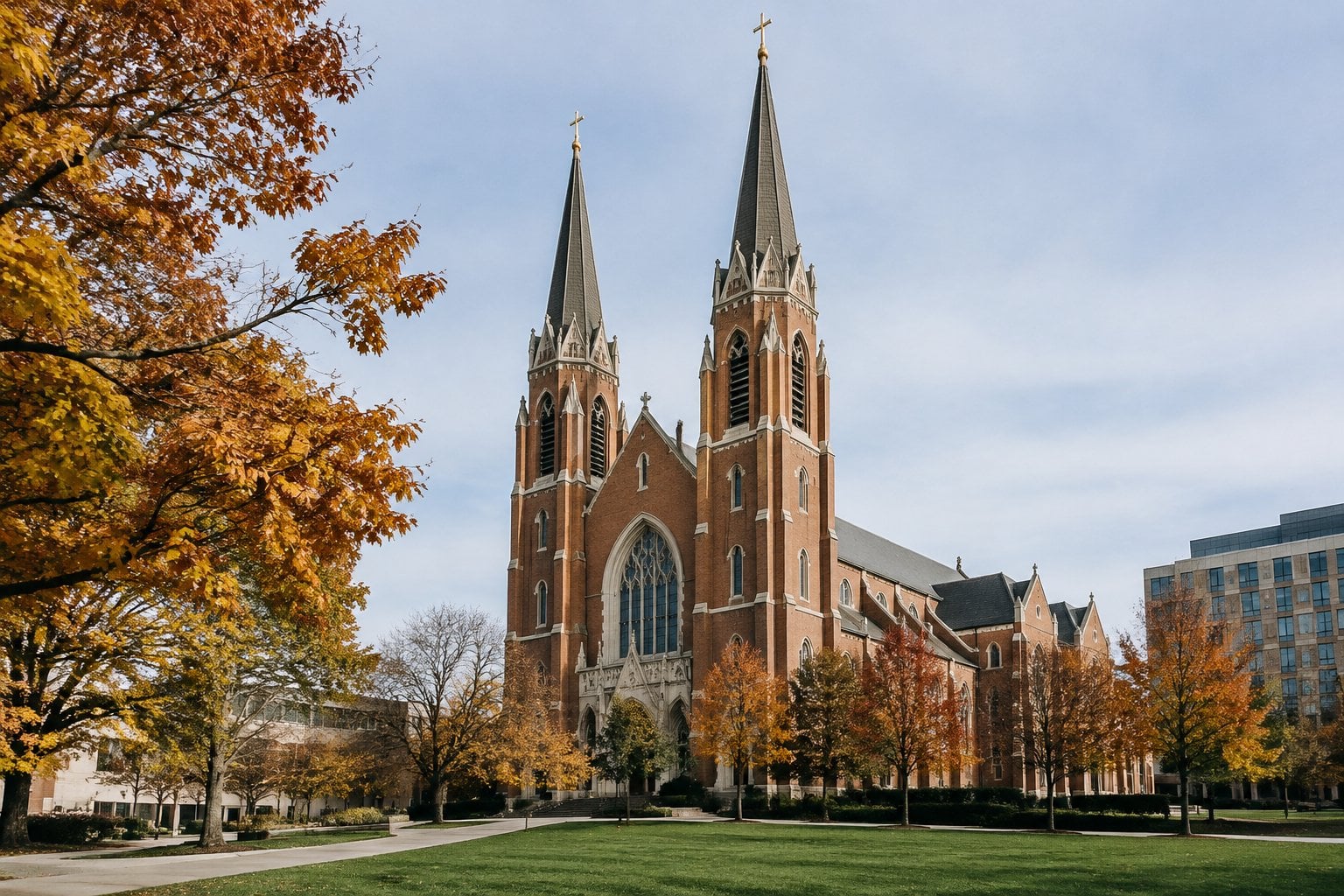
Creighton, a private Jesuit university in Omaha, received 815 applications and made 526 offers, an acceptance rate of 64.54%.
Of the students it admitted, 160 enrolled, a rate of 30%. With 2 other first-year students, the entering class totaled 162, all full-time. The class had a median LSAT score of 153, with the middle half between 150 and 156, and a median undergraduate GPA of 3.51.
Creighton charges by the credit hour rather than a flat yearly rate: $1,542 per credit for every student, plus $2,086 in annual fees. Because of that, the ABA report lists no single annual tuition figure for the school. The school estimates living costs at $23,400 a year.
Most students pay less than the listed price. In 2024-25, 89% of Creighton’s students received a grant from the school, and the median full-time grant was $25,600, one of the larger grants on this list.
Of Creighton’s 146 first-time bar takers from the class of 2024, 72.6% passed, compared with an ABA average of 82.74% in the same states. Total J.D. enrollment was 427.
4. University of Louisville Brandeis School of Law (Louisville, Kentucky)
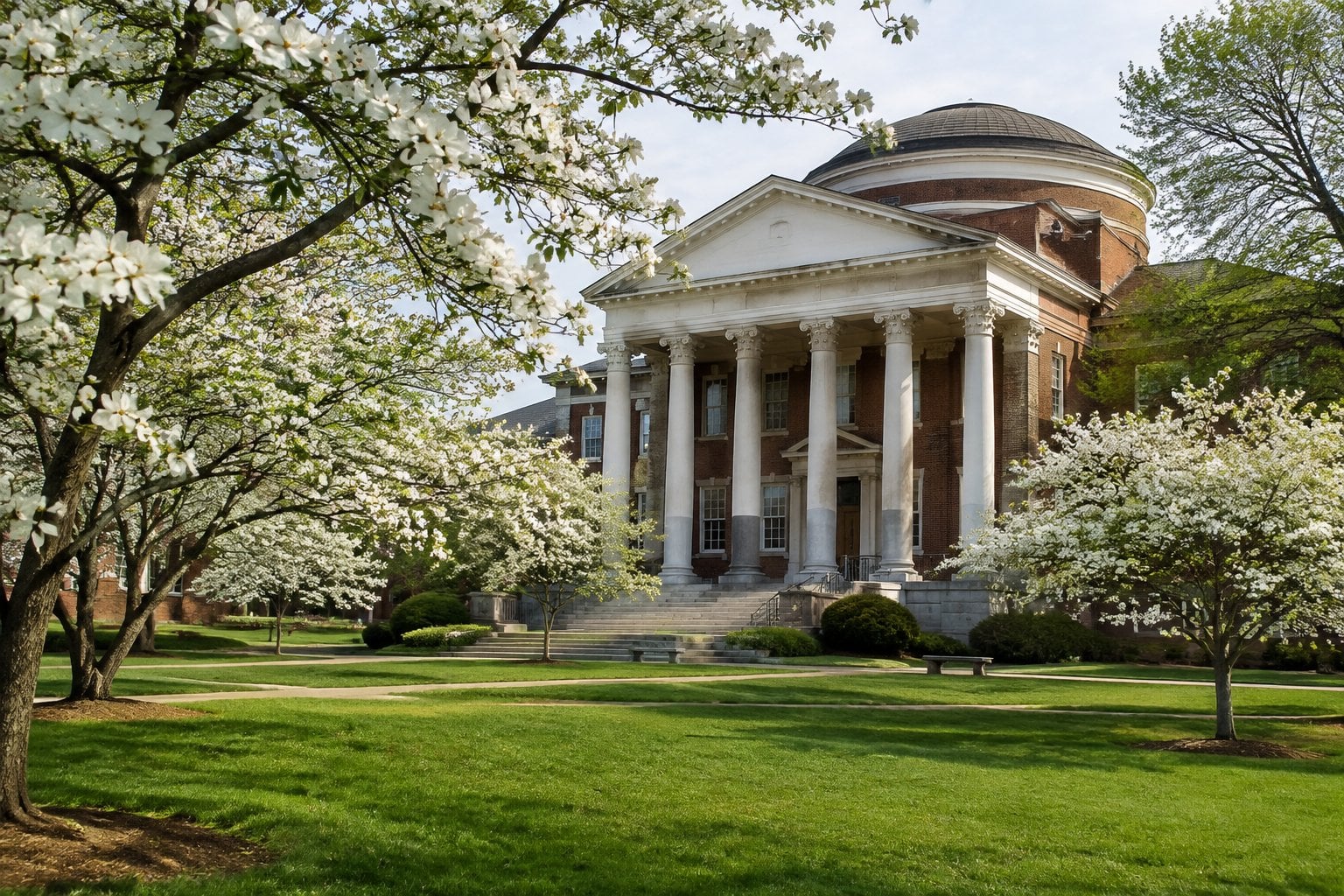
The University of Louisville received 579 applications and made 367 offers, an acceptance rate of 63.39%. It is the first of two Kentucky schools on this list.
Of those admitted, 145 enrolled, a rate of 40%, and there were no other first-year students, so the entering class was 145, all full-time.
Louisville’s class had a median LSAT score of 157, with the middle half between 154 and 161, and a median undergraduate GPA of 3.67. Both figures are among the highest on this list: only two schools here had a higher median LSAT score, and only one had a higher median GPA. A high acceptance rate at Louisville reflects a small applicant pool more than weak credentials.
Tuition for 2025-26 is $27,000 for Kentucky residents and $32,000 for nonresidents, plus $1,396 in fees. In 2024-25, 75% of students received a grant from the school, and the median full-time grant was $12,000.
Of its 123 first-time bar takers from the class of 2024, 75.61% passed, compared with an ABA average of 78.52% in the same states, a gap of under 3 points. Total J.D. enrollment was 377.
5. University of North Dakota School of Law (Grand Forks, North Dakota)
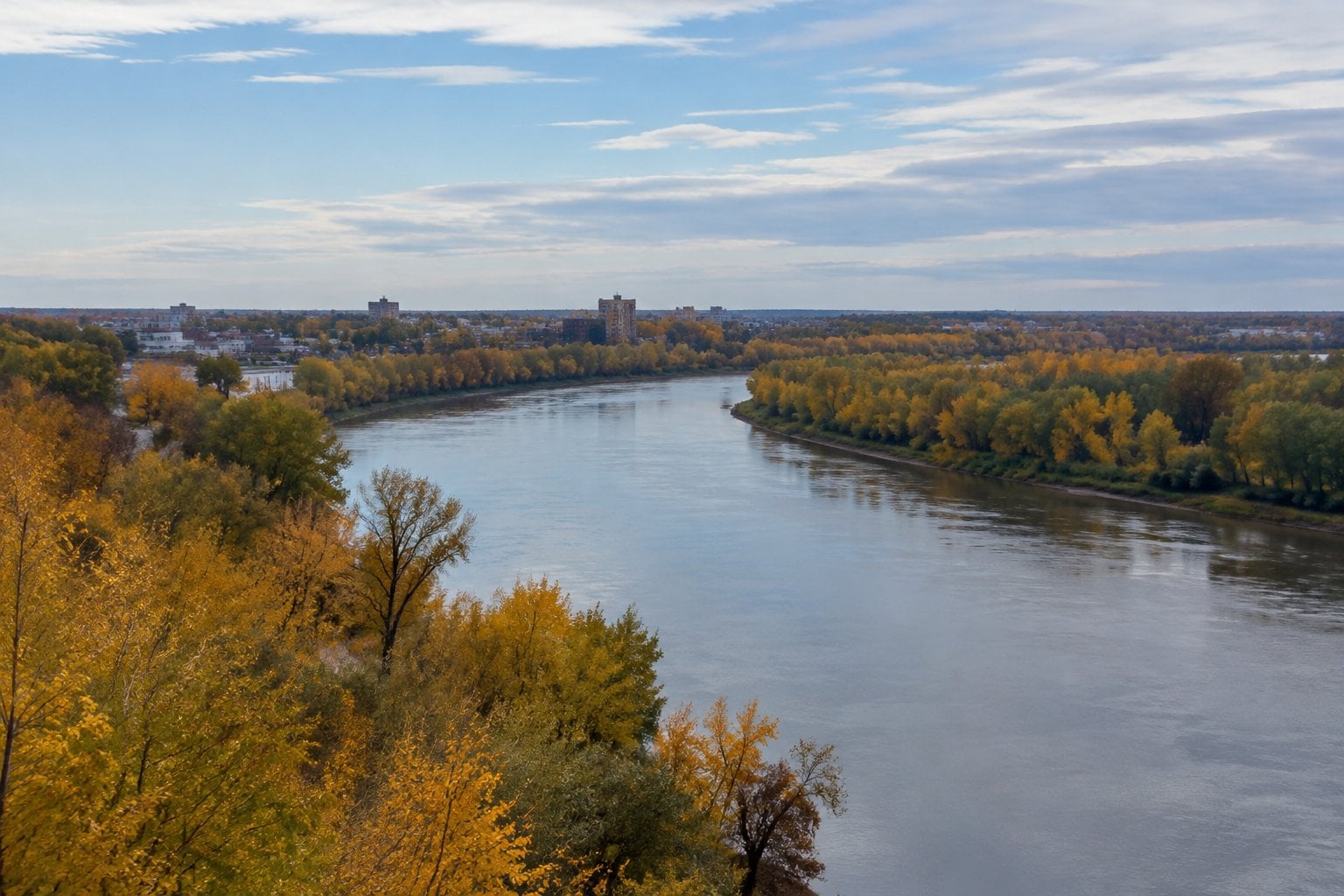
North Dakota’s only law school received 401 applications and made 253 offers, an acceptance rate of 63.09%. Only one school on this list, in Puerto Rico, received fewer applications.
Of the 253 students admitted, 97 enrolled, a rate of 38%. The entering class was 97, all full-time, and total J.D. enrollment was 246, one of the smallest student bodies in the country.
The class had a median LSAT score of 151, with the middle half between 148 and 155, and a median undergraduate GPA of 3.48.
UND charges by the credit: $591 per credit for North Dakota residents and $1,181 for nonresidents, plus $1,855 in annual fees, which makes it one of the least expensive schools on this list for state residents. The school estimates living costs at $20,616 a year.
In 2024-25, 52% of students received a grant from the school, and the median full-time grant was $3,875, the second-smallest on this list. Of UND’s 79 first-time bar takers from the class of 2024, 68.35% passed, compared with an ABA average of 73.32% in the same states.
6. University of South Dakota Knudson School of Law (Vermillion, South Dakota)
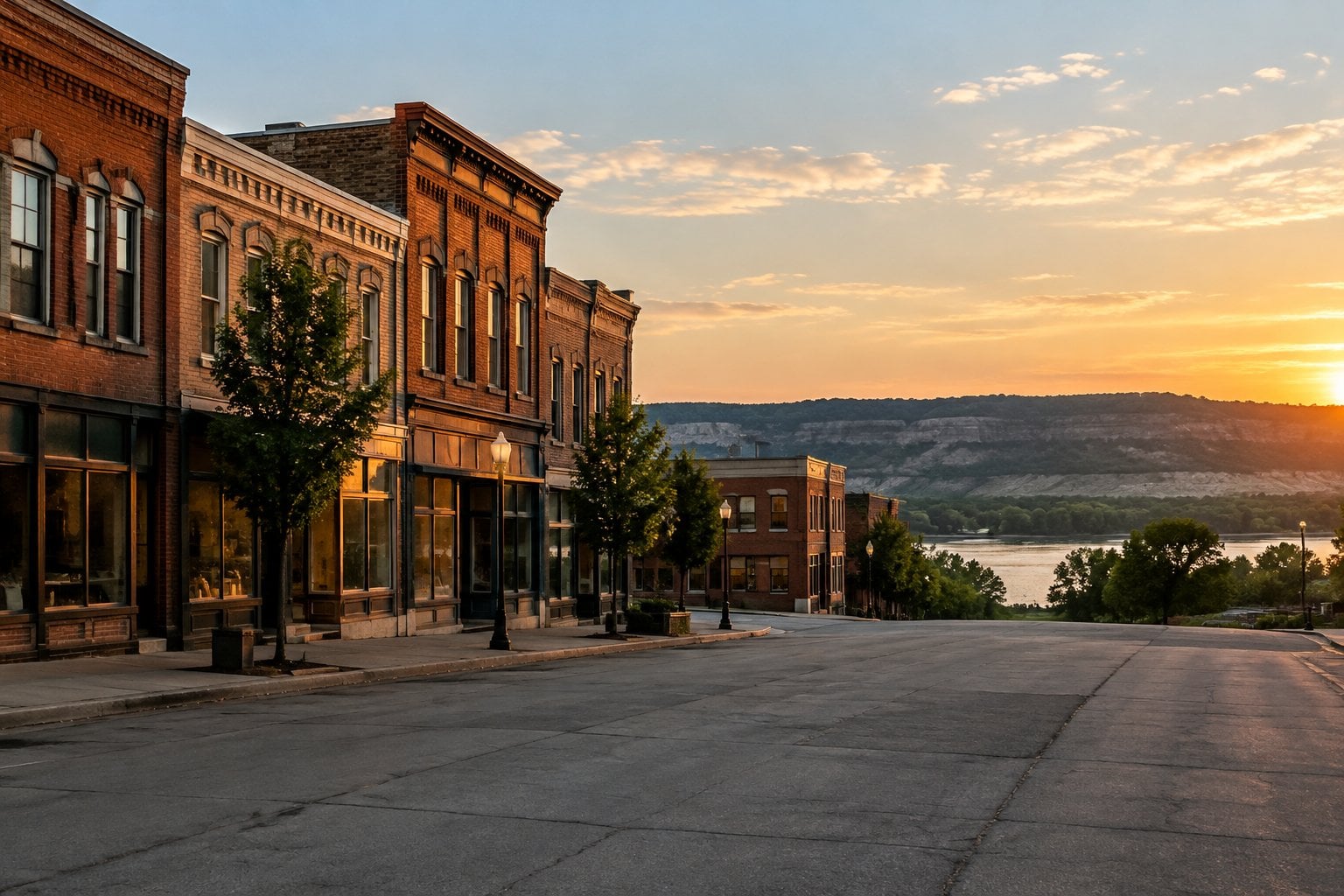
South Dakota’s only law school received 405 applications, just four more than its neighbor in North Dakota, and made the same number of offers, 253. Its acceptance rate was 62.47%.
Of those admitted, 85 enrolled, a rate of 34%. With 3 other first-year students, the entering class was 88, all full-time. That was the smallest entering class on this list. Total J.D. enrollment was 252.
The class had a median LSAT score of 152, with the middle half between 149 and 156, and a median undergraduate GPA of 3.47.
Tuition for 2025-26 is $12,076 for South Dakota residents, the second-lowest yearly tuition on this list, and $32,184 for nonresidents. Fees add $5,037 a year. The school’s living-cost estimate, $18,034, is the lowest on this list among schools that reported a full estimate. In 2024-25, 55% of students received a grant from the school, with a median full-time grant of $5,000.
Of its 73 first-time bar takers from the class of 2024, 72.6% passed, compared with an ABA average of 78.62% in the same states.
7. Suffolk University Law School (Boston, Massachusetts)
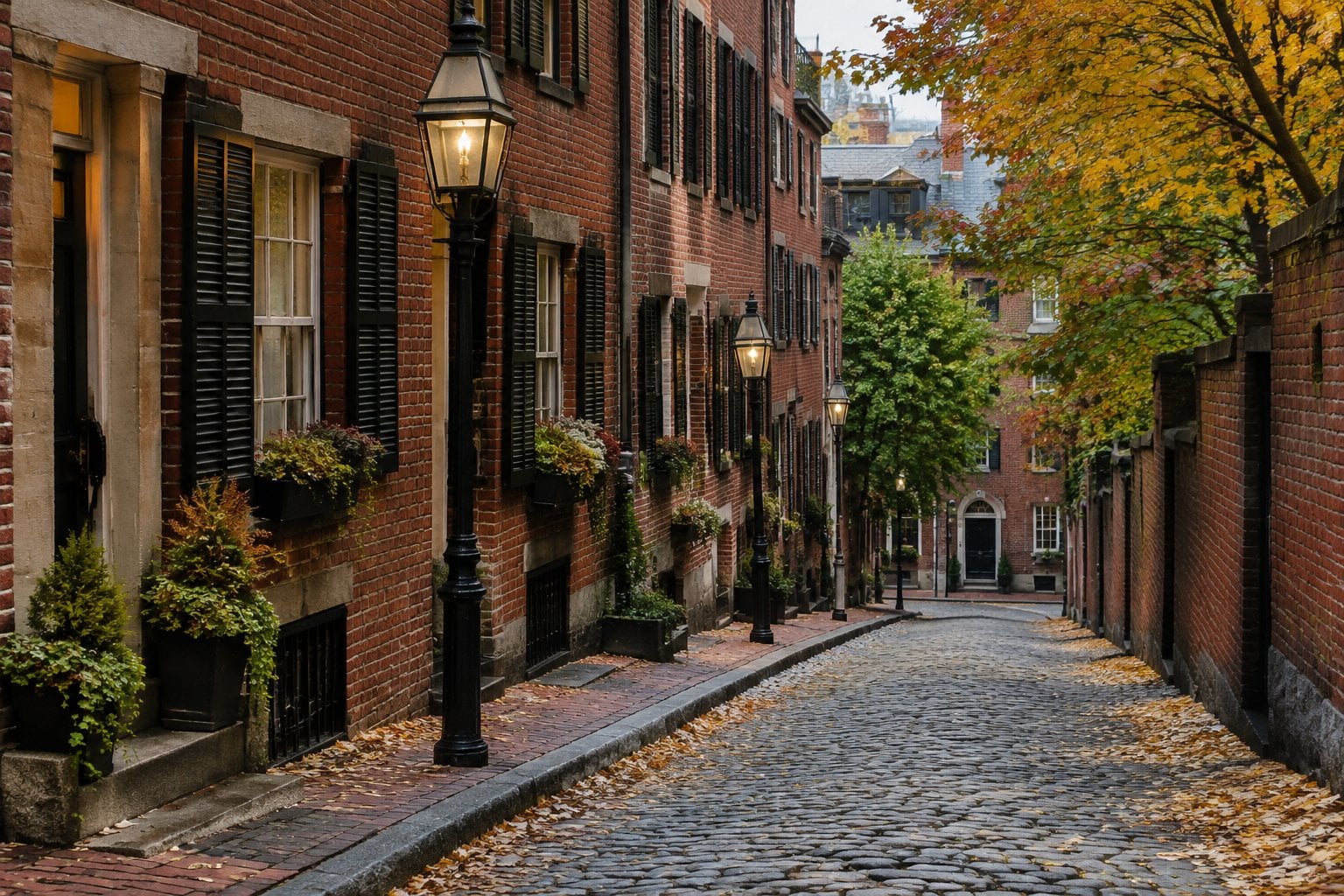
Suffolk received 3,481 applications and made 2,153 offers, an acceptance rate of 61.85%. Only one school on this list made more offers.
Of the 2,153 students admitted, 541 enrolled, a rate of 25%. With 3 other first-year students, the entering class totaled 544, the largest on this list: 458 full-time and 86 part-time. Total J.D. enrollment was 1,337, also the largest here.
The class had a median LSAT score of 155, with the middle half between 152 and 159, and a median undergraduate GPA of 3.58.
Tuition for 2025-26 is $62,610, plus $1,436 in fees, and Suffolk estimates Boston living costs at $34,706 a year. In 2024-25, 81% of students received a grant from the school, and the median full-time grant was $22,445.
Of Suffolk’s 383 first-time bar takers from the class of 2024, 79.37% passed, compared with an ABA average of 83.51% in the same states. That pass rate is among the higher ones on this list, and Suffolk had more first-time takers than any other school here.
8. Pontifical Catholic University of Puerto Rico School of Law (Ponce, Puerto Rico)
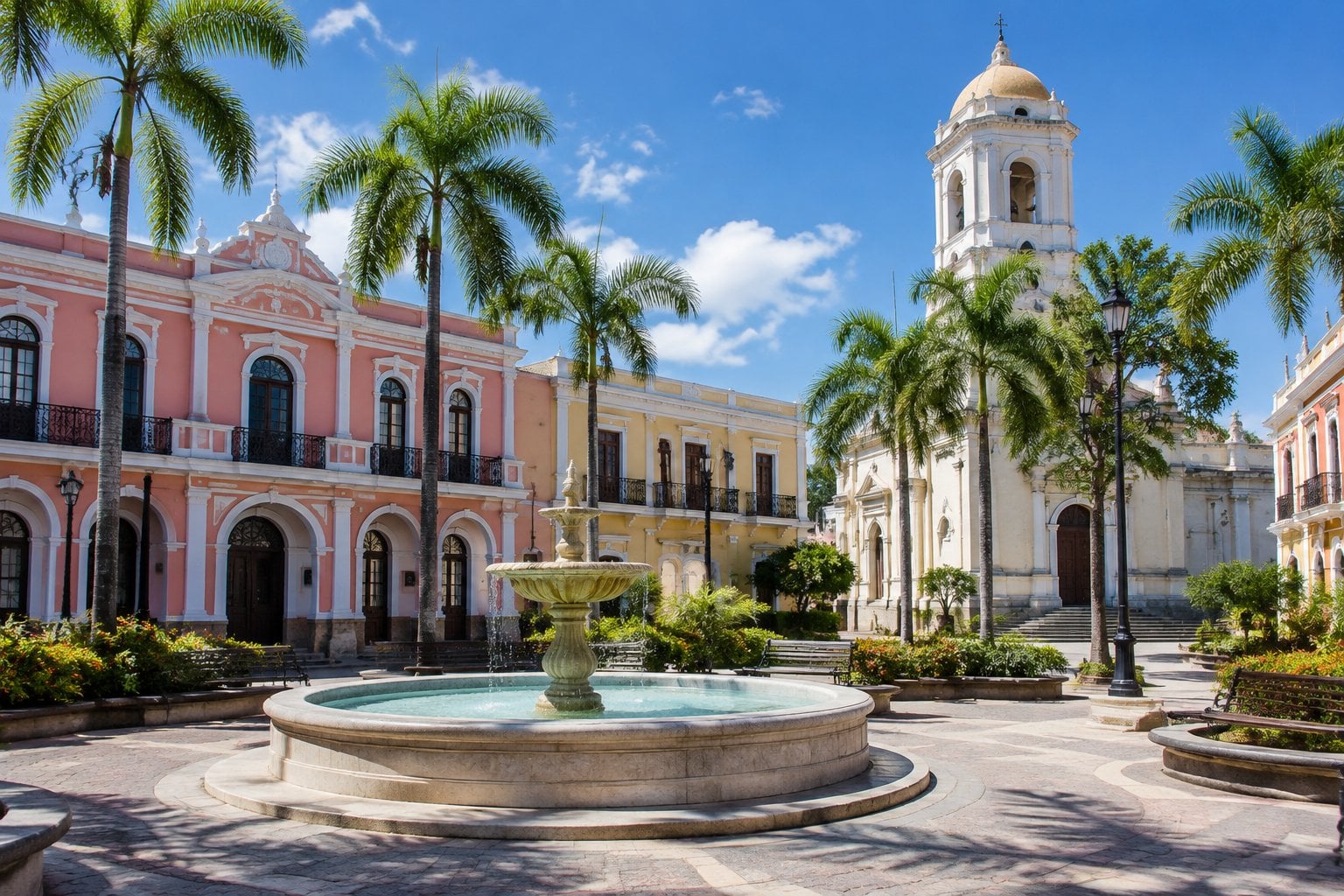
The Pontifical Catholic University of Puerto Rico received 325 applications, the fewest on this list, and made 200 offers, an acceptance rate of 61.54%.
What sets it apart is how many admitted students enroll. Of the 200 students it admitted, 161 enrolled, a rate of 80%. That is the highest on this list by a wide margin; no other school here reached 55%. The entering class of 161 included 96 full-time and 65 part-time students.
The class had a median LSAT score of 139, with the middle half between 136 and 143, the lowest median in the ABA report. Its median undergraduate GPA was 3.33.
The school charges $540 per credit, plus $1,090 in annual fees, one of the lowest per-credit prices of any ABA school. In 2024-25, 24% of students received a grant from the school, and the median full-time grant was $1,593, the smallest on this list.
Of its 102 first-time bar takers from the class of 2024, 54.9% passed, compared with an ABA average of 52.08% in the same jurisdiction. So while the pass rate is low, it was nearly 3 points above the Puerto Rico average. Total J.D. enrollment was 479.
9. Willamette University College of Law (Salem, Oregon)
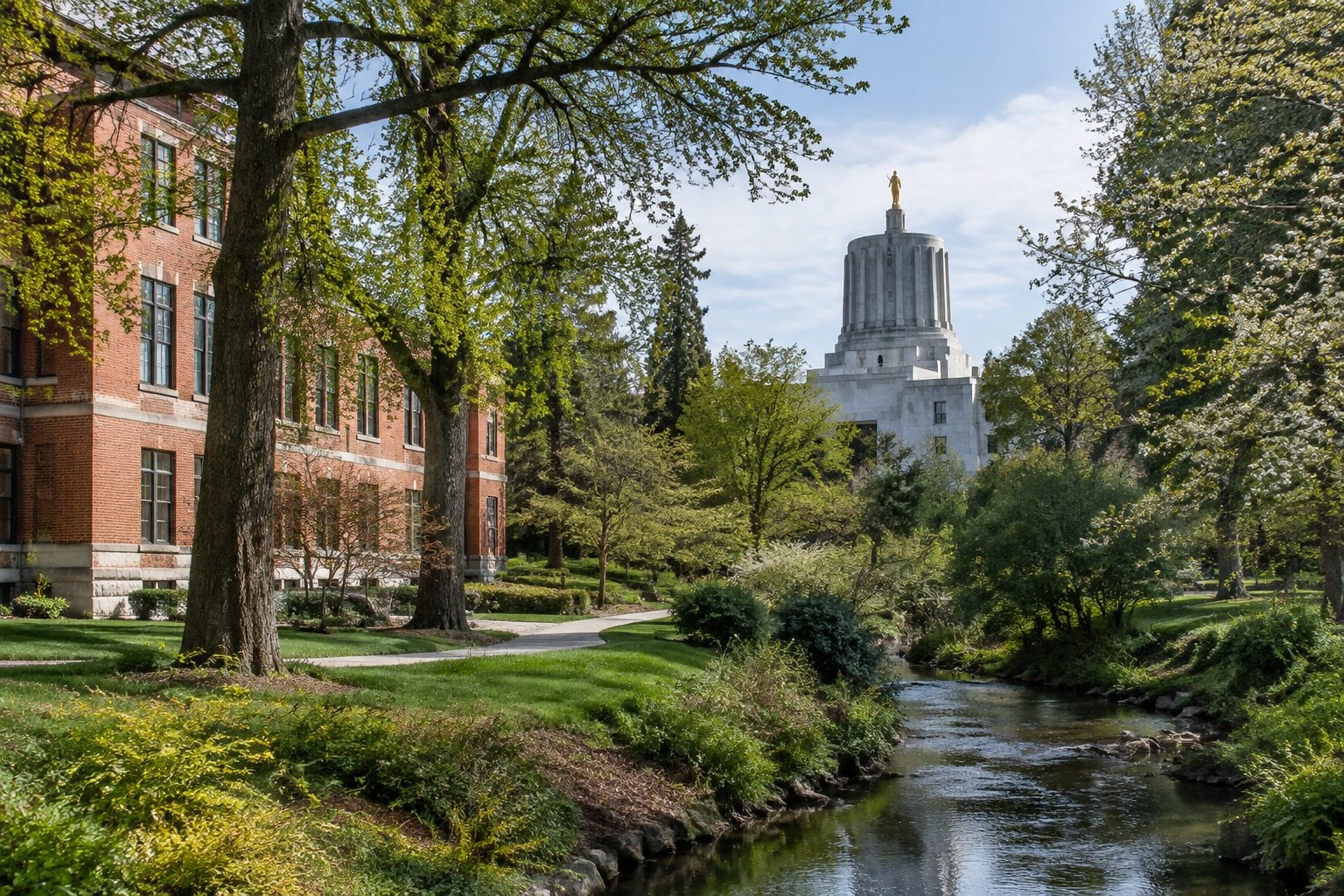
Willamette, a private university in Oregon’s capital city, received 858 applications and made 527 offers, an acceptance rate of 61.42%. It is the first of two Oregon schools on this list.
Of the students admitted, 139 enrolled, a rate of 26%, and there were no other first-year students, so the entering class was 139, all full-time.
The class had a median LSAT score of 154, with the middle half between 151 and 157, and a median undergraduate GPA of 3.48.
Tuition for 2025-26 is $56,600, plus $80 in fees, and the school estimates living costs at $22,828 a year. Almost every student receives help: 94% received a grant from the school in 2024-25, and the median full-time grant was $20,000.
Of Willamette’s 90 first-time bar takers from the class of 2024, 66.67% passed, compared with an ABA average of 75.22% in the same states. Total J.D. enrollment was 365.
10. Roger Williams University School of Law (Bristol, Rhode Island)
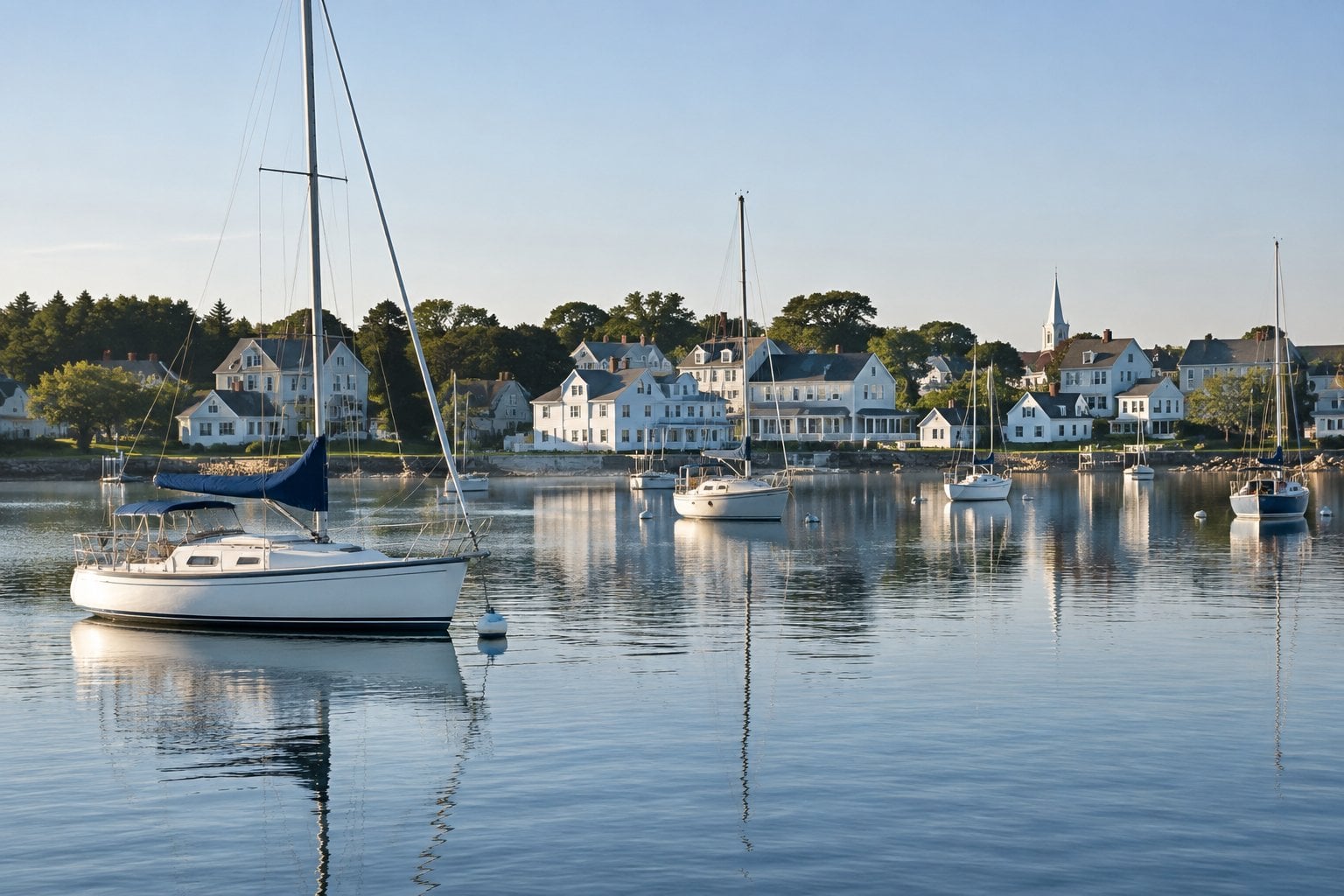
Rhode Island’s only law school received 1,003 applications and made 615 offers, an acceptance rate of 61.32%.
Of the 615 students admitted, 188 enrolled, a rate of 31%. With 1 other first-year student, the entering class totaled 189, all full-time.
The class had a median LSAT score of 150, with the middle half between 147 and 154, and a median undergraduate GPA of 3.43.
Tuition for 2025-26 is $47,400, plus $1,690 in fees, and the school estimates living costs at $25,616 a year. In 2024-25, 65% of students received a grant from the school, and the median full-time grant was $28,000.
Bar results are the weakest part of the school’s report. Of its 177 first-time bar takers from the class of 2024, 57.06% passed, compared with an ABA average of 76.37% in the same states, a gap of 19.31 points. That was the third-largest gap on this list. Total J.D. enrollment was 486.
11. New England Law | Boston (Boston, Massachusetts)
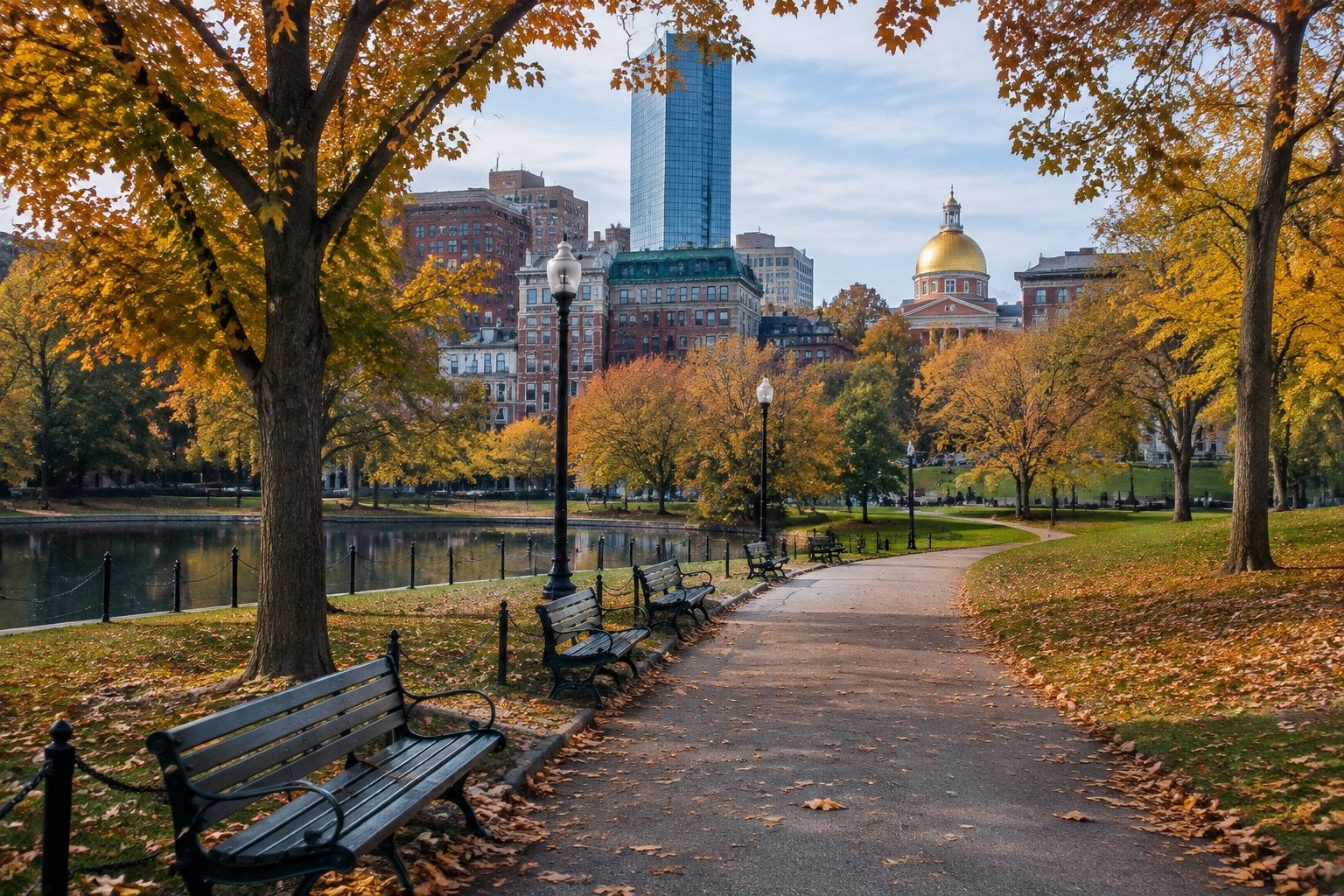
New England Law drew 3,997 applications, the most of any school on this list, and made 2,450 offers, also the most here. Its acceptance rate was 61.3%.
Only a small share of admitted students enroll. Of the 2,450 offers, 446 led to enrollment, a rate of 18%, tied with Oregon for the lowest on this list. With 5 other first-year students, the entering class was 451: 354 full-time and 97 part-time.
The class had a median LSAT score of 153, with the middle half between 149 and 157, and a median undergraduate GPA of 3.37.
Tuition for 2025-26 is $62,896, the highest yearly tuition on this list, plus $320 in fees. The school’s living-cost estimate, $48,437 a year, is also the highest here. But grants are large: in 2024-25, 88% of students received one, and the median full-time grant was $40,000, the largest on this list.
Of its 269 first-time bar takers from the class of 2024, 79.18% passed, compared with an ABA average of 83.29% in the same states. Total J.D. enrollment was 1,189.
12. Appalachian School of Law (Grundy, Virginia)
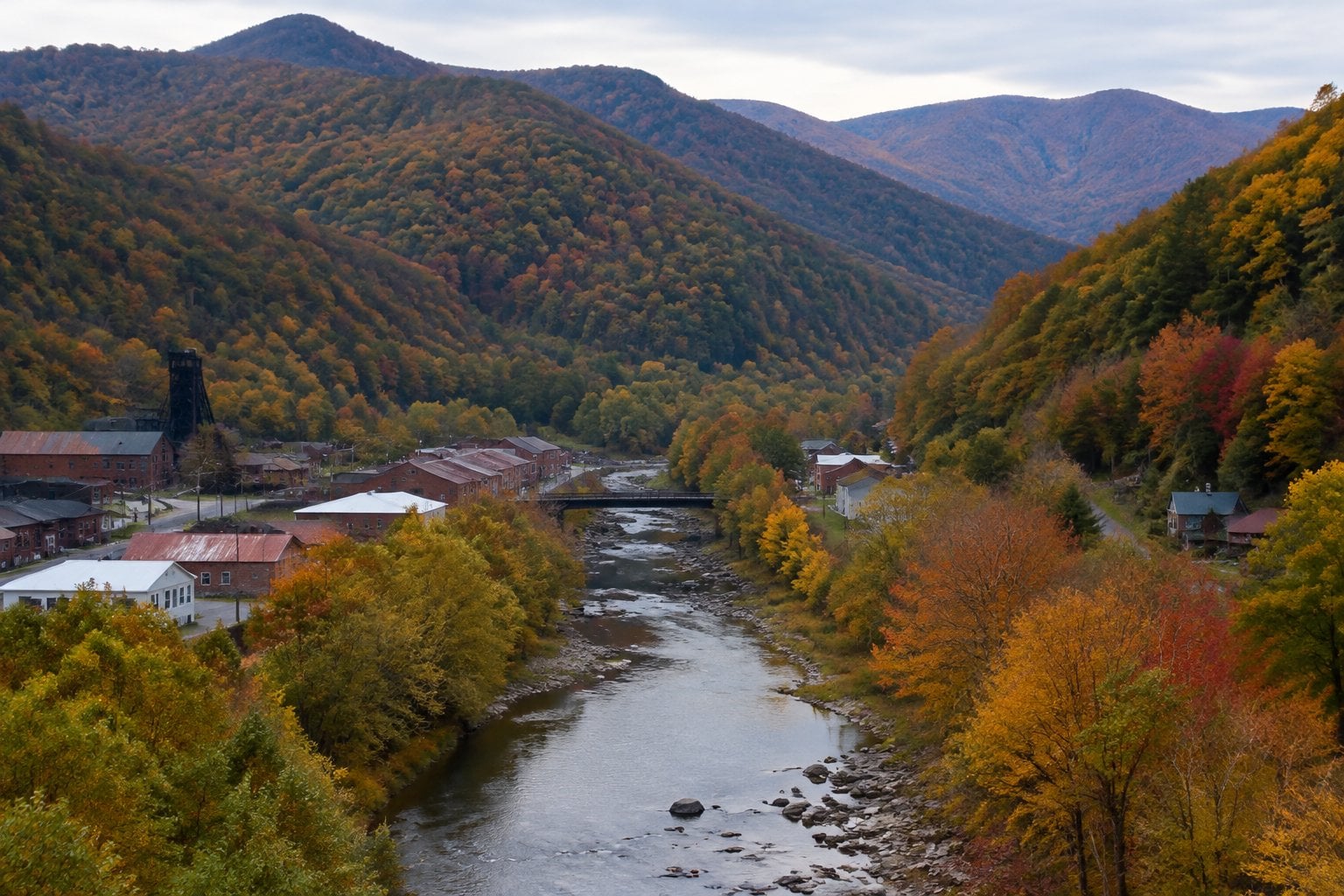
Appalachian School of Law, a small private school in the mountains of southwest Virginia, received 732 applications and made 446 offers, an acceptance rate of 60.93%.
Of the 446 students admitted, 88 enrolled, a rate of 20%. With 4 other first-year students, the entering class was 92, all full-time, the second-smallest class on this list. Total J.D. enrollment was 182, the smallest here.
The class had a median LSAT score of 146, with the middle half between 145 and 151, and a median undergraduate GPA of 3.20. Only the Puerto Rico school on this list had a lower median LSAT score.
Tuition for 2025-26 is $41,000, with no separate fees. The school estimates living costs at $41,800 a year, higher than its tuition. In 2024-25, 87% of students received a grant from the school, and the median full-time grant was $10,250.
Of its 38 first-time bar takers from the class of 2024, 63.16% passed, compared with an ABA average of 77.16% in the same states. That was the smallest group of first-time takers on this list.
13. Widener University Commonwealth Law School (Harrisburg, Pennsylvania)

Widener’s Commonwealth campus in Pennsylvania’s capital received 909 applications and made 549 offers, an acceptance rate of 60.4%. It is one of two Widener law schools on this list; the other is in Delaware.
Of the students admitted, 156 enrolled, a rate of 28%. With 3 other first-year students, the entering class totaled 159: 125 full-time and 34 part-time.
The class had a median LSAT score of 150, with the middle half between 147 and 153, and a median undergraduate GPA of 3.33.
The school charges $1,875 per credit, plus $650 in annual fees. Nearly everyone gets help with that price: 95% of students received a grant from the school in 2024-25, and the median full-time grant was $25,000.
Commonwealth had the lowest bar passage on this list. Of its 100 first-time bar takers from the class of 2024, 54% passed, compared with an ABA average of 80.07% in the same states, a gap of 26.07 points. That was the largest gap on this list, and it put the school at No. 1 on our list of the 30 worst law schools. Total J.D. enrollment was 411.
14. St. Thomas University College of Law (Miami Gardens, Florida)
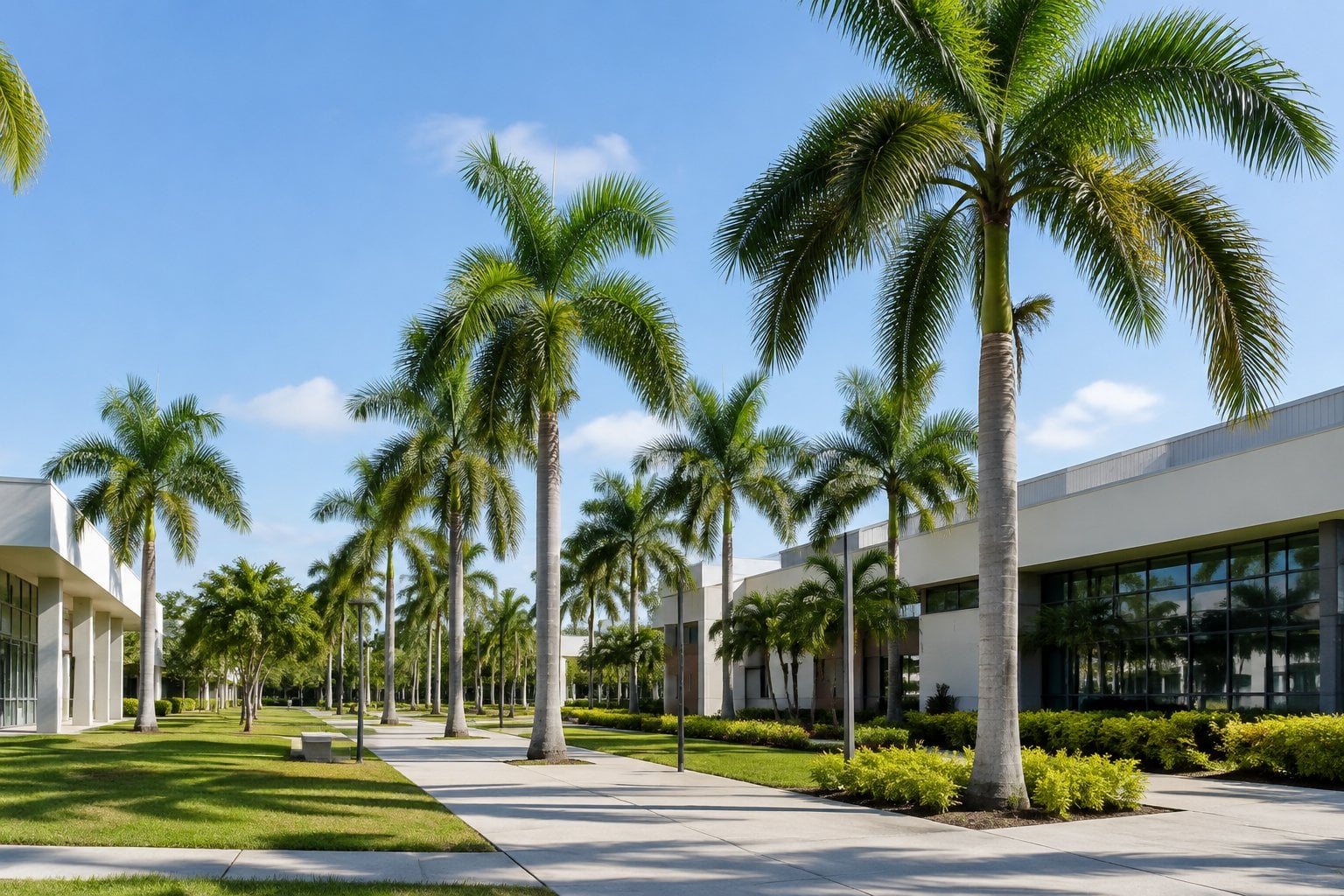
St. Thomas University in Miami Gardens received 1,771 applications and made 1,067 offers, an acceptance rate of 60.25%. It is the last school on this list that accepted more than 60% of its applications.
Of the 1,067 students admitted, 424 enrolled, a rate of 40%. With 7 other first-year students, the entering class was 431, all full-time, the third-largest class on this list.
The class had a median LSAT score of 152, with the middle half between 150 and 156, and a median undergraduate GPA of 3.42.
Tuition for 2025-26 is $44,730, plus $2,848 in fees, and the school estimates South Florida living costs at $42,548 a year. In 2024-25, 64% of students received a grant from the school, and the median full-time grant was $25,320.
Its bar results beat the local benchmark. Of St. Thomas’s 246 first-time bar takers from the class of 2024, 80.89% passed, compared with an ABA average of 72.73% in the same states, a margin of 8.16 points. Only one school on this list did better against its state average. Total J.D. enrollment was 998.
15. Mississippi Christian University School of Law (Jackson, Mississippi)
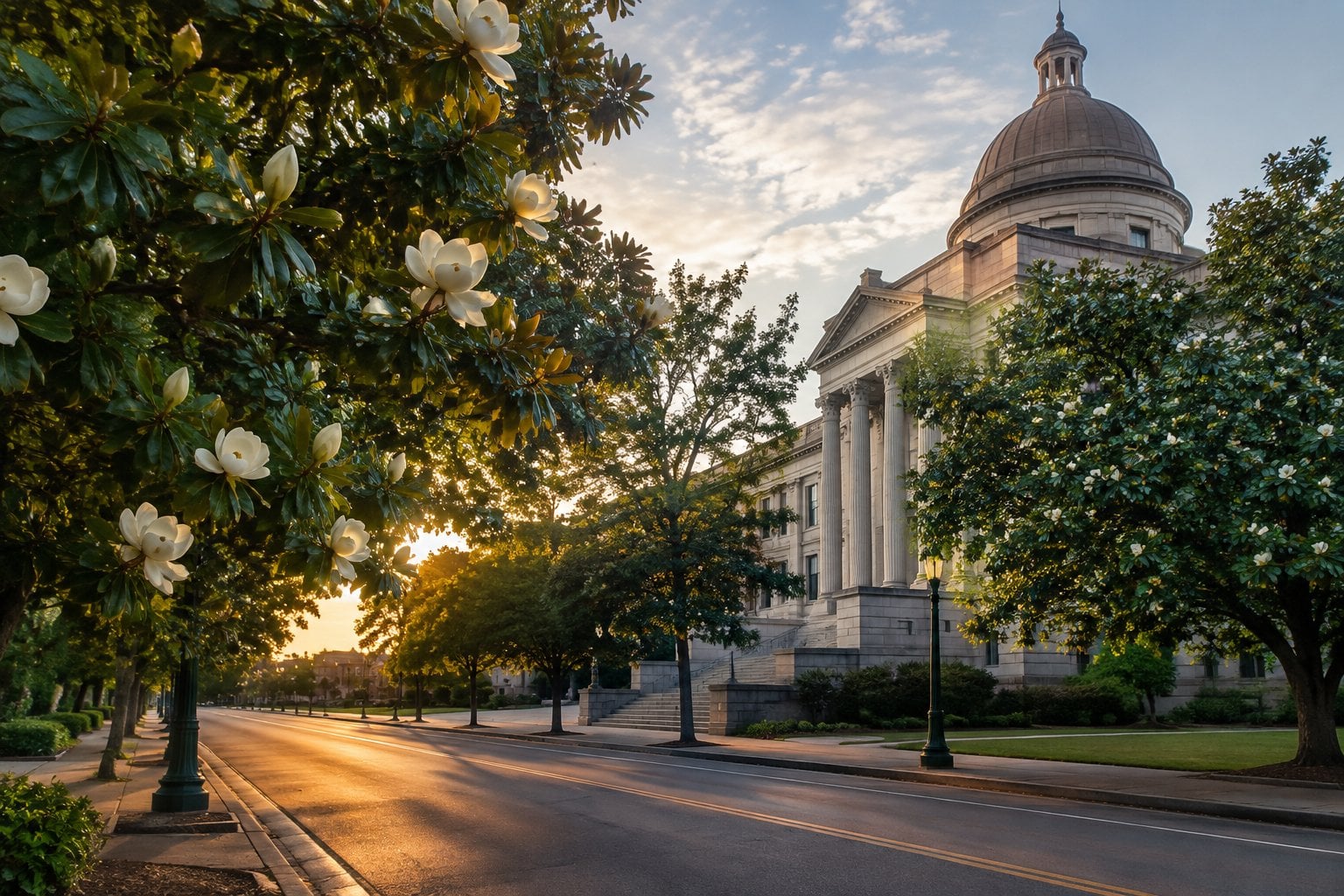
Mississippi Christian University received 806 applications and made 482 offers, an acceptance rate of 59.8%.
Of the 482 students it admitted, 178 enrolled, a rate of 37%. With 1 other first-year student, the entering class totaled 179, all full-time.
The class had a median LSAT score of 152, with the middle half between 148 and 155, and a median undergraduate GPA of 3.37.
Tuition for 2025-26 is $37,980, plus $1,662 in fees, which puts it among the less expensive private schools on this list. The school estimates living costs at $26,100 a year. In 2024-25, 65% of students received a grant from the school, and the median full-time grant was $22,000.
Of its 123 first-time bar takers from the class of 2024, 63.41% passed, compared with an ABA average of 79.66% in the same states, a gap of 16.25 points. That was the fourth-largest gap on this list. Total J.D. enrollment was 401.
16. Widener University Delaware Law School (Wilmington, Delaware)
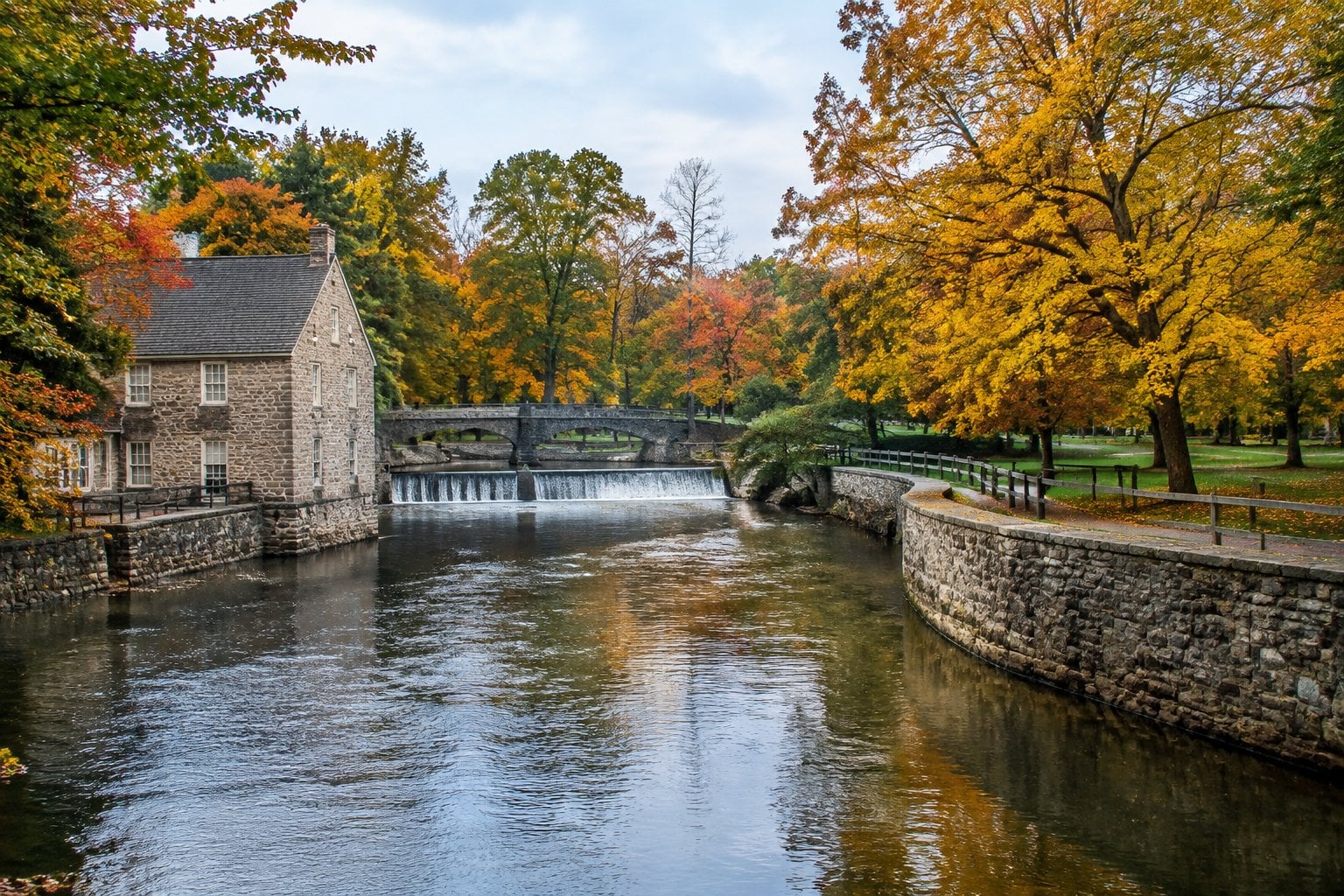
Widener’s Delaware campus, the state’s only law school, received 1,317 applications and made 786 offers, an acceptance rate of 59.68%.
Of those admitted, 276 enrolled, a rate of 35%. With 1 other first-year student, the entering class was 277: 232 full-time and 45 part-time.
The class had a median LSAT score of 152, with the middle half between 149 and 154, and a median undergraduate GPA of 3.33.
Like its sister school in Harrisburg, Delaware Law charges by the credit: $1,950 per credit, plus $650 in annual fees. The school estimates living costs at $25,720 a year. Grants reach almost every student: 99% received one from the school in 2024-25, and the median full-time grant was $32,000, the second-largest on this list.
Of its 181 first-time bar takers from the class of 2024, 66.3% passed, compared with an ABA average of 76.55% in the same states. Total J.D. enrollment was 807.
17. Liberty University School of Law (Lynchburg, Virginia)
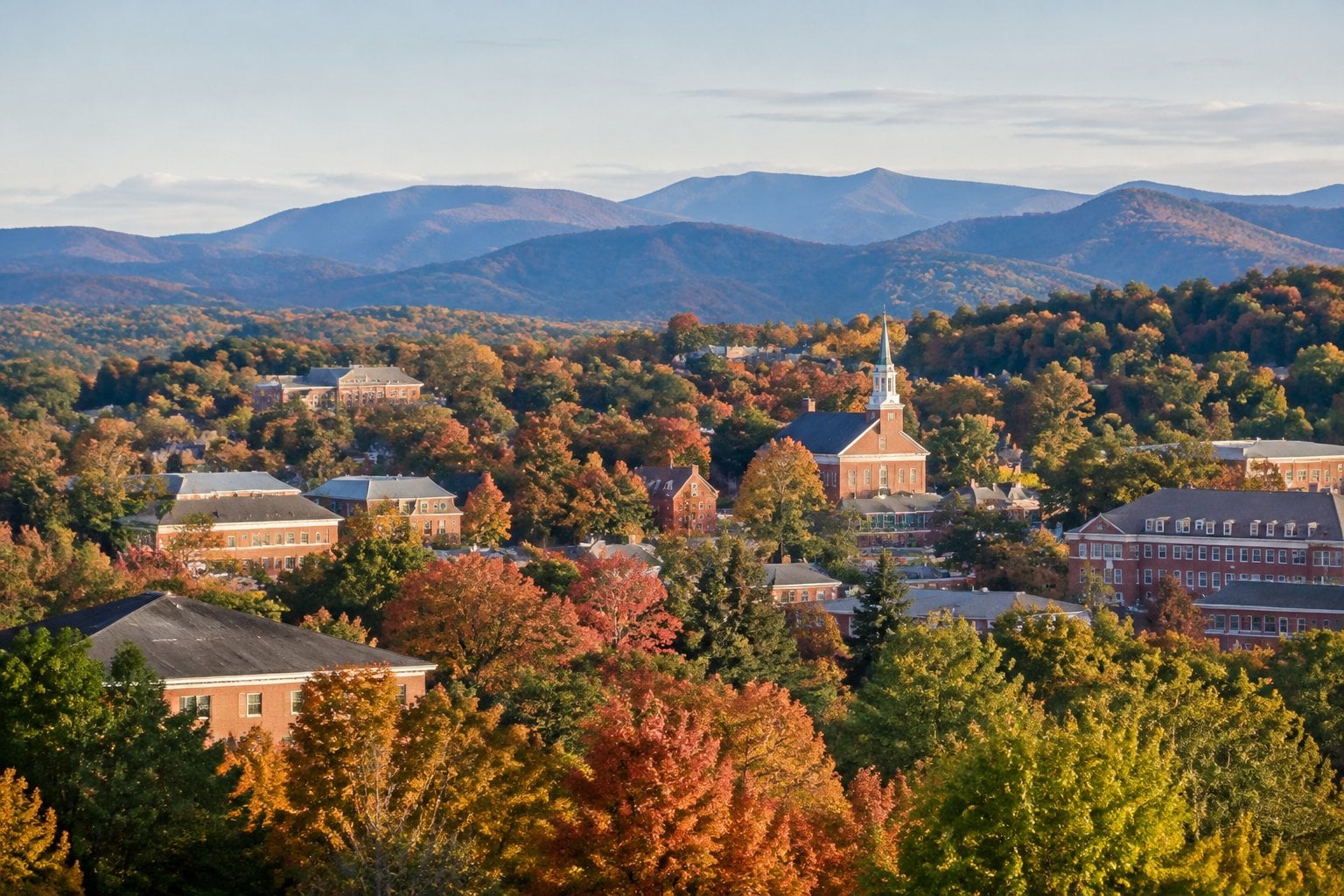
Liberty University received 628 applications and made 369 offers, an acceptance rate of 58.76%.
Of the 369 students admitted, 140 enrolled, a rate of 38%. With 1 other first-year student, the entering class was 141, all full-time.
The class had a median LSAT score of 154, with the middle half between 151 and 158, and a median undergraduate GPA of 3.54.
Tuition for 2025-26 is $43,150, plus $2,198 in fees, and the school estimates living costs at $26,532 a year. Liberty reported that 100% of its students received a grant from the school in 2024-25, with a median full-time grant of $24,000.
Liberty’s bar results are among the strongest on this list. Of its 112 first-time bar takers from the class of 2024, 84.82% passed, compared with an ABA average of 77.78% in the same states, a margin of 7.04 points. Only two schools on this list had a higher pass rate. Total J.D. enrollment was 326.
18. Northern Kentucky University Chase College of Law (Highland Heights, Kentucky)

NKU Chase, a public school just south of Cincinnati, received 661 applications and made 388 offers, an acceptance rate of 58.7%. It is the second Kentucky school on this list.
Of the students admitted, 150 enrolled, a rate of 39%. With 5 other first-year students, the entering class totaled 155: 128 full-time and 27 part-time.
The class had a median LSAT score of 154, with the middle half between 152 and 157, and a median undergraduate GPA of 3.41.
Full-time tuition for 2025-26 is $24,388 for Kentucky residents and $38,454 for nonresidents, plus $1,004 in fees. The school also lists per-credit prices of $938 for residents and $1,479 for nonresidents. Its living-cost estimate is $20,932 a year. In 2024-25, 58% of students received a grant from the school, and the median full-time grant was $18,000.
Of Chase’s 130 first-time bar takers from the class of 2024, 73.85% passed, compared with an ABA average of 79.5% in the same states. Total J.D. enrollment was 412.
19. Vermont Law and Graduate School (South Royalton, Vermont)
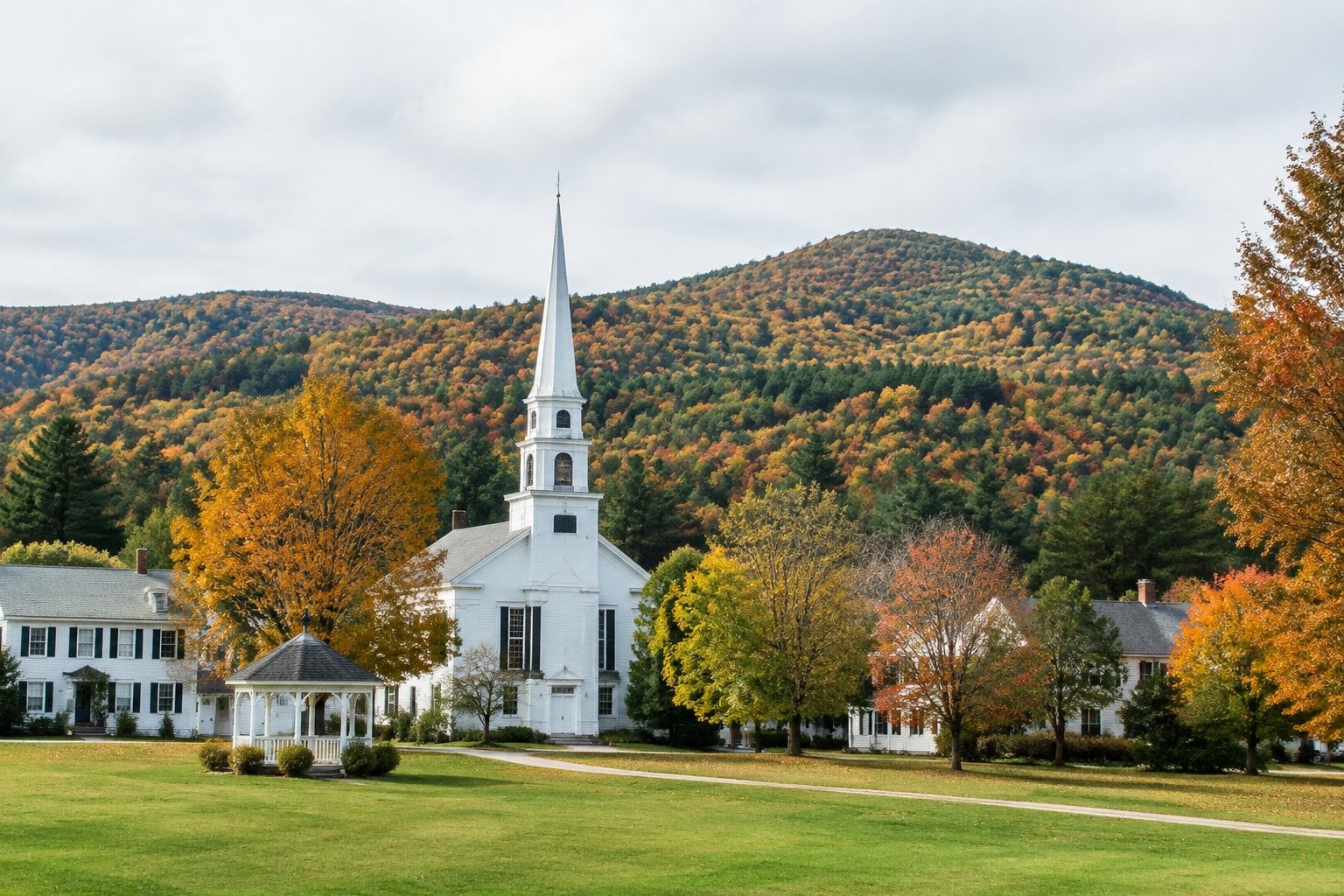
Vermont’s only law school received 1,553 applications and made 909 offers, an acceptance rate of 58.53%. Its rate was a hair higher than Akron’s, which rounds to the same figure.
Of the 909 students admitted, 289 enrolled, a rate of 32%. With 1 other first-year student, the entering class was 290. Unusually, more of them were part-time (158) than full-time (132), the only school on this list where that was true.
The class had a median LSAT score of 152, with the middle half between 148 and 157, and a median undergraduate GPA of 3.25.
Full-time tuition for 2025-26 is $55,382, plus $1,075 in fees, and the school also lists a price of $1,929 per credit. It estimates living costs at $23,952 a year. Almost every student receives aid from the school: 99% received a grant in 2024-25, and the median full-time grant was $28,000.
Of its 134 first-time bar takers from the class of 2024, 64.93% passed, compared with an ABA average of 76.45% in the same states. Total J.D. enrollment was 704.
20. University of Akron School of Law (Akron, Ohio)
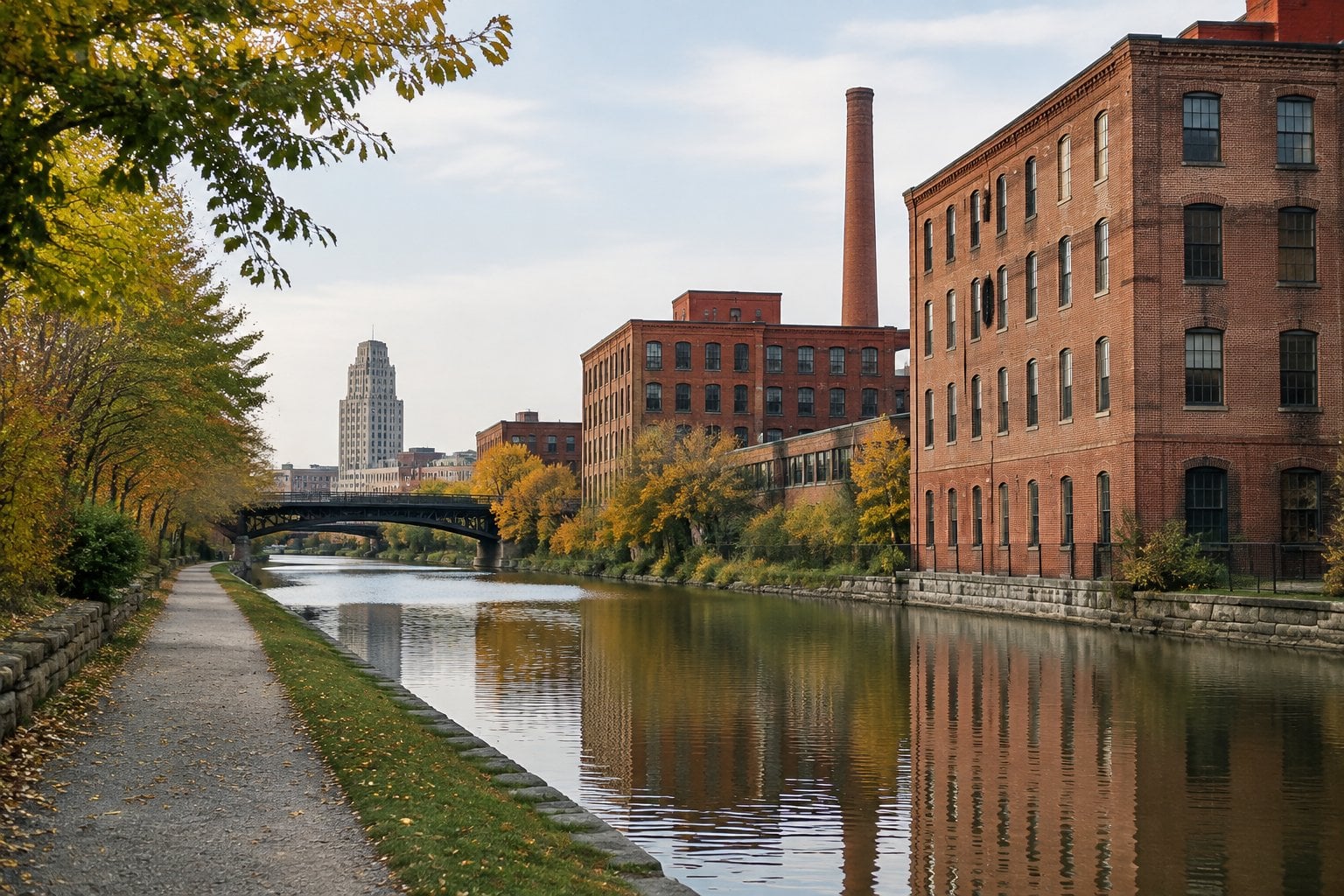
Akron received 762 applications and made 446 offers, an acceptance rate of 58.53%, the same rounded figure as Vermont. It is the second Ohio school on this list.
Admitted students were more likely than most to enroll: 201 of 446 did, a rate of 45%. With 2 other first-year students, the entering class was 203: 167 full-time and 36 part-time.
The class had a median LSAT score of 154, with the middle half between 151 and 157, and a median undergraduate GPA of 3.51.
Akron charges Ohio residents and nonresidents the same yearly tuition, $22,359. Fees are $4,290 for residents and $4,390 for nonresidents, and the school also lists a price of $745 per credit. In 2024-25, 94% of students received a grant from the school, and the median full-time grant was $9,000.
Of Akron’s 129 first-time bar takers from the class of 2024, 72.09% passed, compared with an ABA average of 80.46% in the same states. Total J.D. enrollment was 473.
21. University of St. Thomas School of Law (Minneapolis, Minnesota)
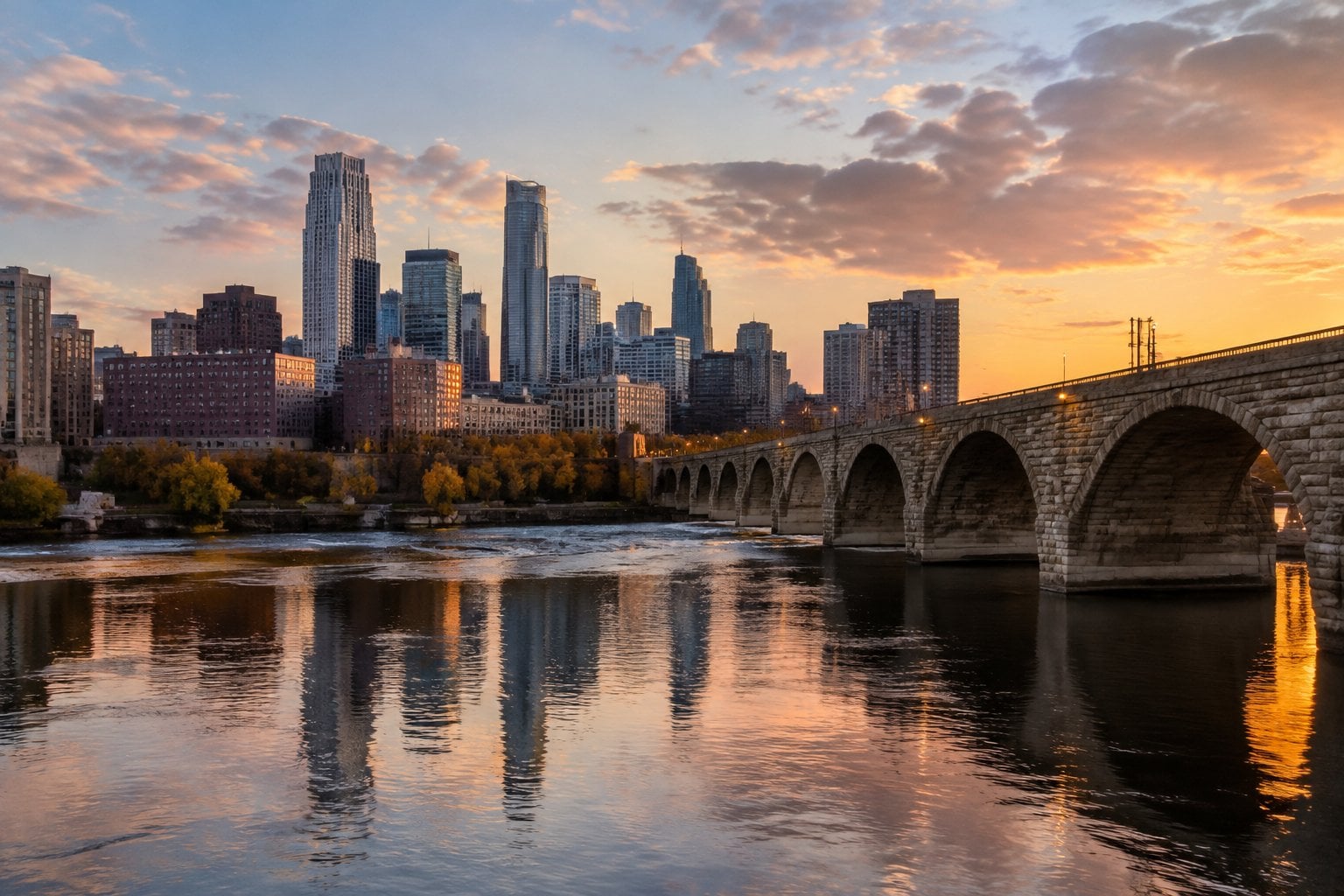
The University of St. Thomas, a private Catholic school in downtown Minneapolis, received 847 applications and made 488 offers, an acceptance rate of 57.62%.
Of the students admitted, 164 enrolled, a rate of 34%. With 2 other first-year students, the entering class totaled 166, all full-time.
St. Thomas had the strongest grades on this list. The class’s median undergraduate GPA was 3.72, the highest here, and its median LSAT score was 159, with the middle half between 155 and 162. Only Oregon had a higher median LSAT score among the 30 schools.
Tuition for 2025-26 is $50,998, plus $634 in fees, and the school estimates living costs at $27,408 a year. St. Thomas reported that 100% of its students received a grant from the school in 2024-25, with a median full-time grant of $26,865.
Of its 166 first-time bar takers from the class of 2024, 74.7% passed, compared with an ABA average of 84.41% in the same states. That 84.41% benchmark was the highest for any school on this list. Total J.D. enrollment was 486.
22. University of Tulsa College of Law (Tulsa, Oklahoma)
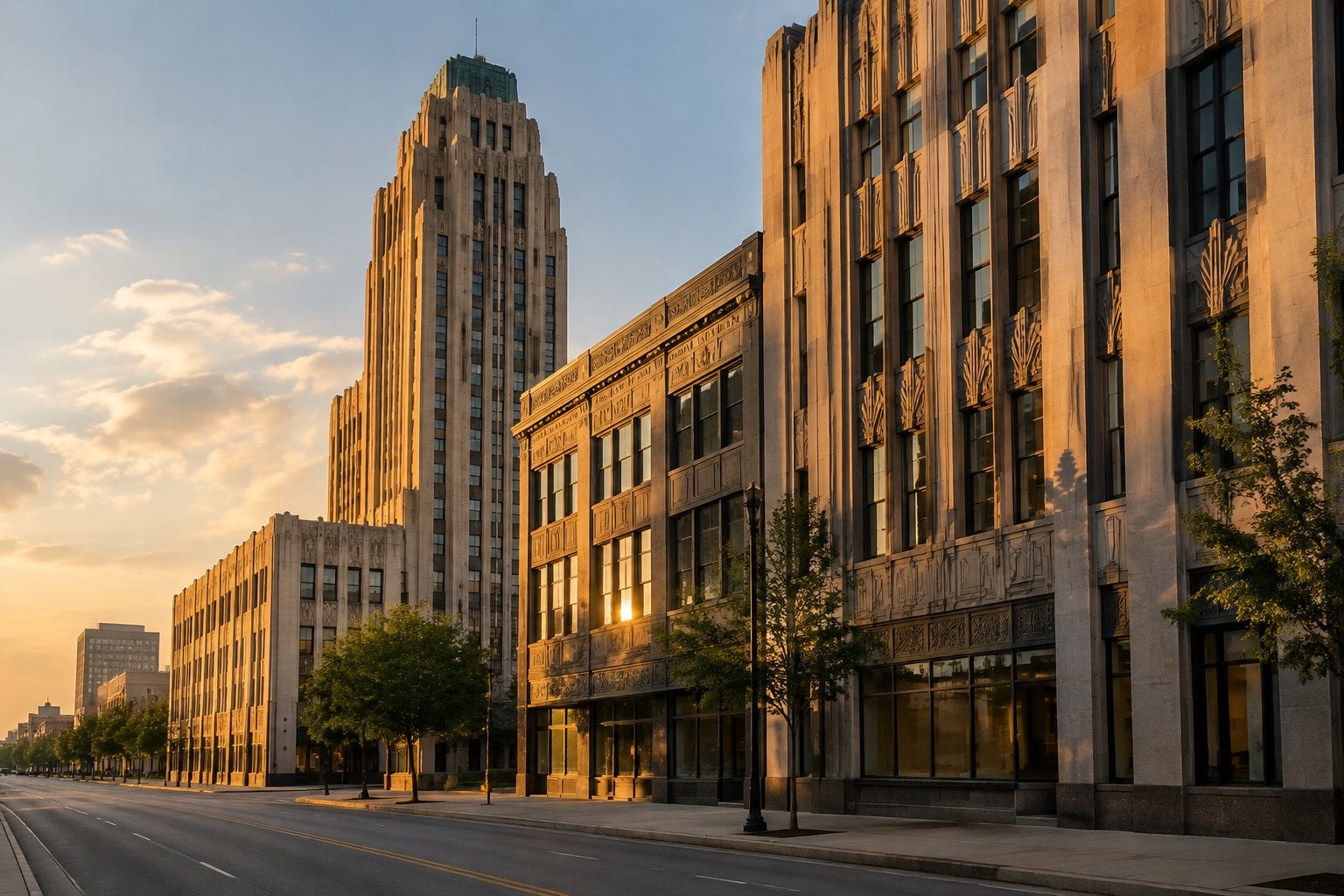
The University of Tulsa received 509 applications and made 288 offers, an acceptance rate of 56.58%. Only three schools on this list received fewer applications.
Of the 288 students admitted, 118 enrolled, a rate of 41%. There were no other first-year students, so the entering class was 118, all full-time.
The class had a median LSAT score of 157, with the middle half between 155 and 160, and a median undergraduate GPA of 3.45.
For a private school, Tulsa’s price is low. Tuition for 2025-26 is $30,840, plus $1,460 in fees, the lowest of any private school on this list that charges a yearly rate. The school estimates living costs at $29,488 a year. In 2024-25, 99% of students received a grant from the school, and the median full-time grant was $12,500.
Tulsa’s bar results were close to the local average. Of its 119 first-time bar takers from the class of 2024, 78.99% passed, compared with an ABA average of 80.12% in the same states, a gap of just over 1 point. Total J.D. enrollment was 282.
23. Southern University Law Center (Baton Rouge, Louisiana)

Southern University Law Center, a public historically Black law school in Baton Rouge, received 1,153 applications and made 652 offers, an acceptance rate of 56.55%.
Of those admitted, 297 enrolled, a rate of 46%. With 3 other first-year students, the entering class totaled 300: 239 full-time and 61 part-time.
The class had a median LSAT score of 147, with the middle half between 145 and 150, and a median undergraduate GPA of 3.15, the lowest median GPA on this list.
Southern has the lowest yearly tuition on this list, and of any ABA-approved school that charges a yearly rate: $11,338 for 2025-26. Louisiana residents pay $7,494 in fees on top of that, and nonresidents pay $22,994. The school estimates living costs at $32,262 a year. In 2024-25, 20% of students received a grant from the school, the lowest share on this list, and the median full-time grant was $11,000.
Of its 121 first-time bar takers from the class of 2024, 60.33% passed, compared with an ABA average of 75.91% in the same states. Total J.D. enrollment was 809.
24. Saint Louis University School of Law (St. Louis, Missouri)
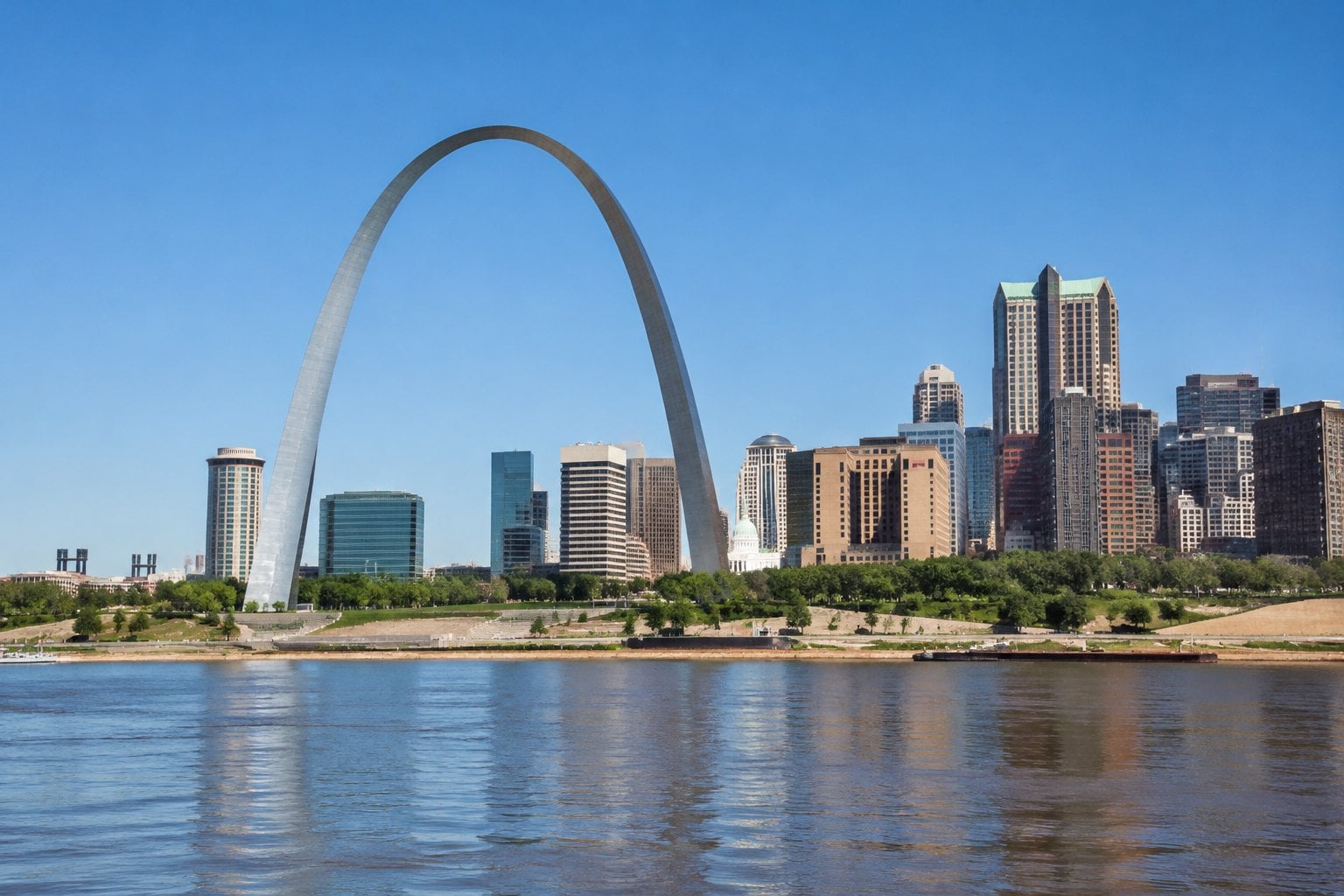
Saint Louis University, a private Jesuit school in downtown St. Louis, received 941 applications and made 531 offers, an acceptance rate of 56.43%.
Of the 531 students admitted, 221 enrolled, a rate of 42%. With 1 other first-year student, the entering class was 222: 199 full-time and 23 part-time.
The class had a median LSAT score of 157, with the middle half between 154 and 161, and a median undergraduate GPA of 3.61.
Tuition for 2025-26 is $55,260, plus $930 in fees, and the school estimates living costs at $26,112 a year. In 2024-25, 97% of students received a grant from the school, and the median full-time grant was $25,000.
SLU’s graduates did better than the local average on the bar exam. Of its 181 first-time bar takers from the class of 2024, 83.98% passed, compared with an ABA average of 81.88% in the same states. Total J.D. enrollment was 594.
25. Southern Illinois University Simmons Law School (Carbondale, Illinois)
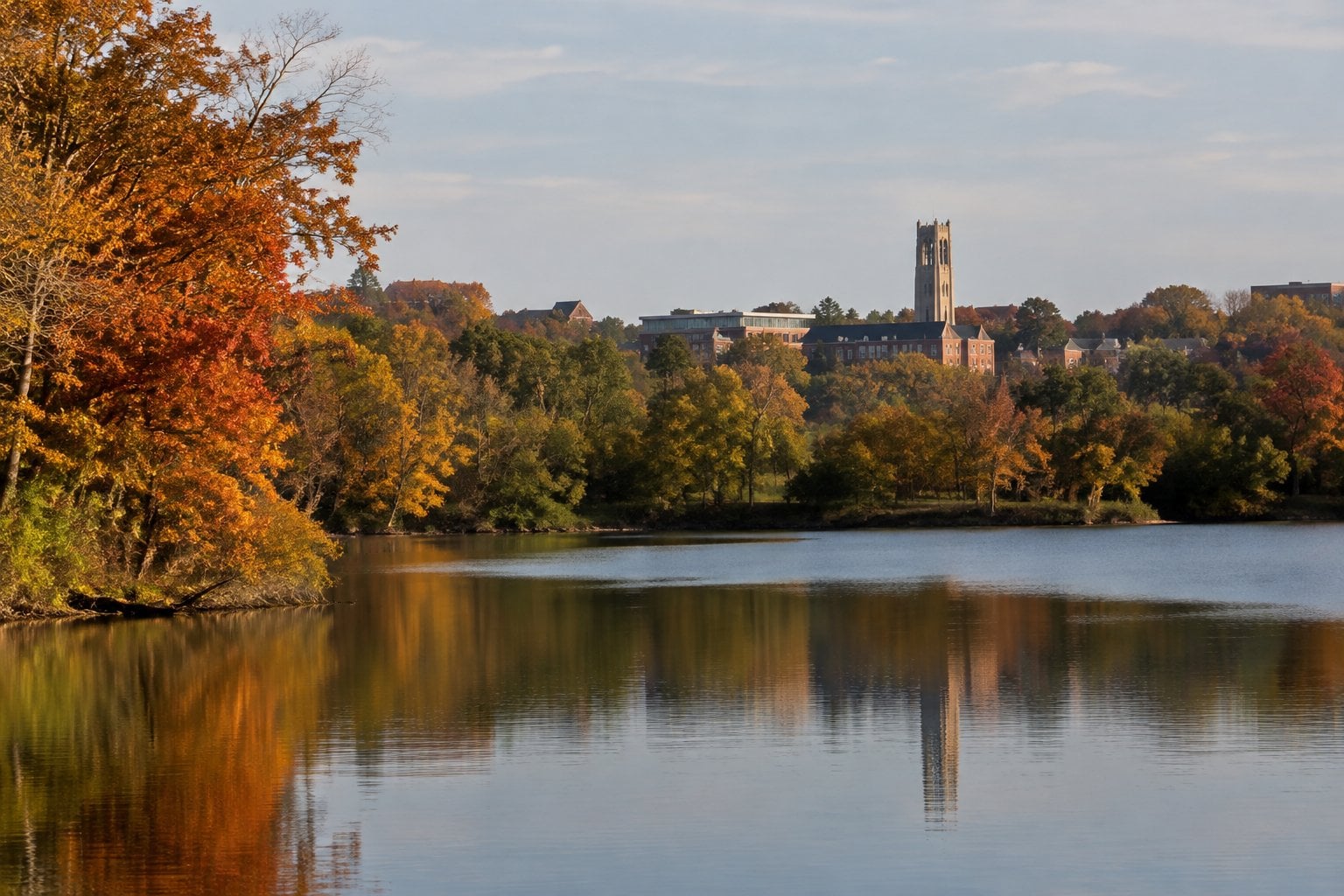
Southern Illinois University received 724 applications and made 407 offers, an acceptance rate of 56.22%.
Of those admitted, 132 enrolled, a rate of 32%. With 1 other first-year student, the entering class totaled 133, all full-time.
The class had a median LSAT score of 149, with the middle half between 146 and 155, and a median undergraduate GPA of 3.38.
SIU charges by the credit, and its price is the same for Illinois residents and nonresidents: $547 per credit, plus $5,678 in annual fees. Its living-cost estimate, $18,608 a year, is one of the lowest on this list. In 2024-25, 64% of students received a grant from the school, and the median full-time grant was $9,500.
Of its 79 first-time bar takers from the class of 2024, 59.49% passed, compared with an ABA average of 79.22% in the same states. The gap of 19.73 points was the second-largest on this list. Total J.D. enrollment was 313.
26. Barry University Dwayne O. Andreas School of Law (Orlando, Florida)
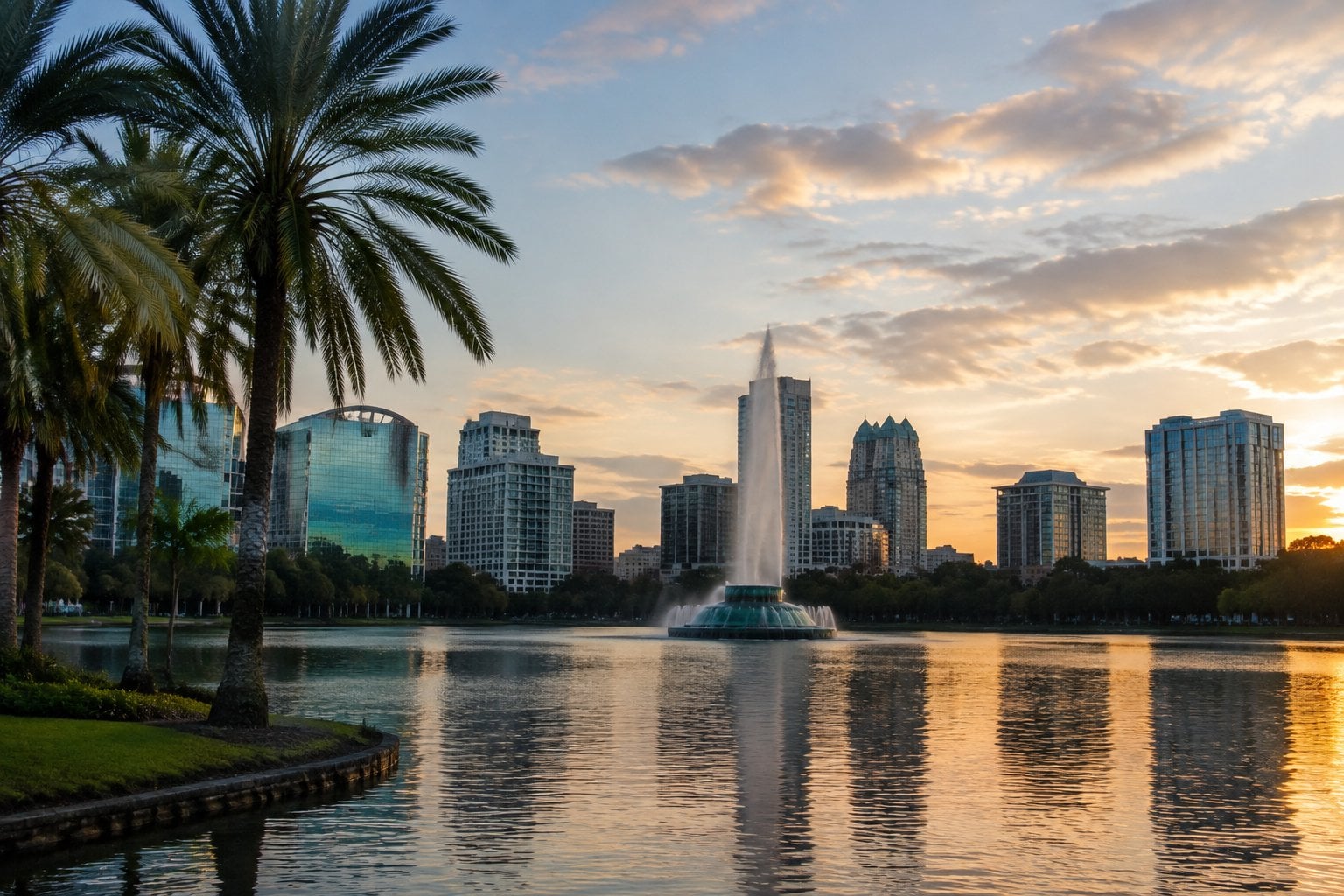
Barry University’s law school in Orlando received 1,582 applications and made 885 offers, an acceptance rate of 55.94%. It is the second Florida school on this list.
Of the 885 students admitted, 257 enrolled, a rate of 29%. With 1 other first-year student, the entering class was 258: 232 full-time and 26 part-time.
The class had a median LSAT score of 150, with the middle half between 148 and 152, and a median undergraduate GPA of 3.23. That middle-half LSAT range, just four points wide, was the narrowest on this list.
Tuition for 2025-26 is $42,000, plus $1,150 in fees, and the school estimates living costs at $32,008 a year. In 2024-25, 79% of students received a grant from the school, and the median full-time grant was $16,000.
Of Barry’s 239 first-time bar takers from the class of 2024, 68.62% passed, compared with an ABA average of 73.45% in the same states. Total J.D. enrollment was 723.
27. Indiana University Robert H. McKinney School of Law (Indianapolis, Indiana)
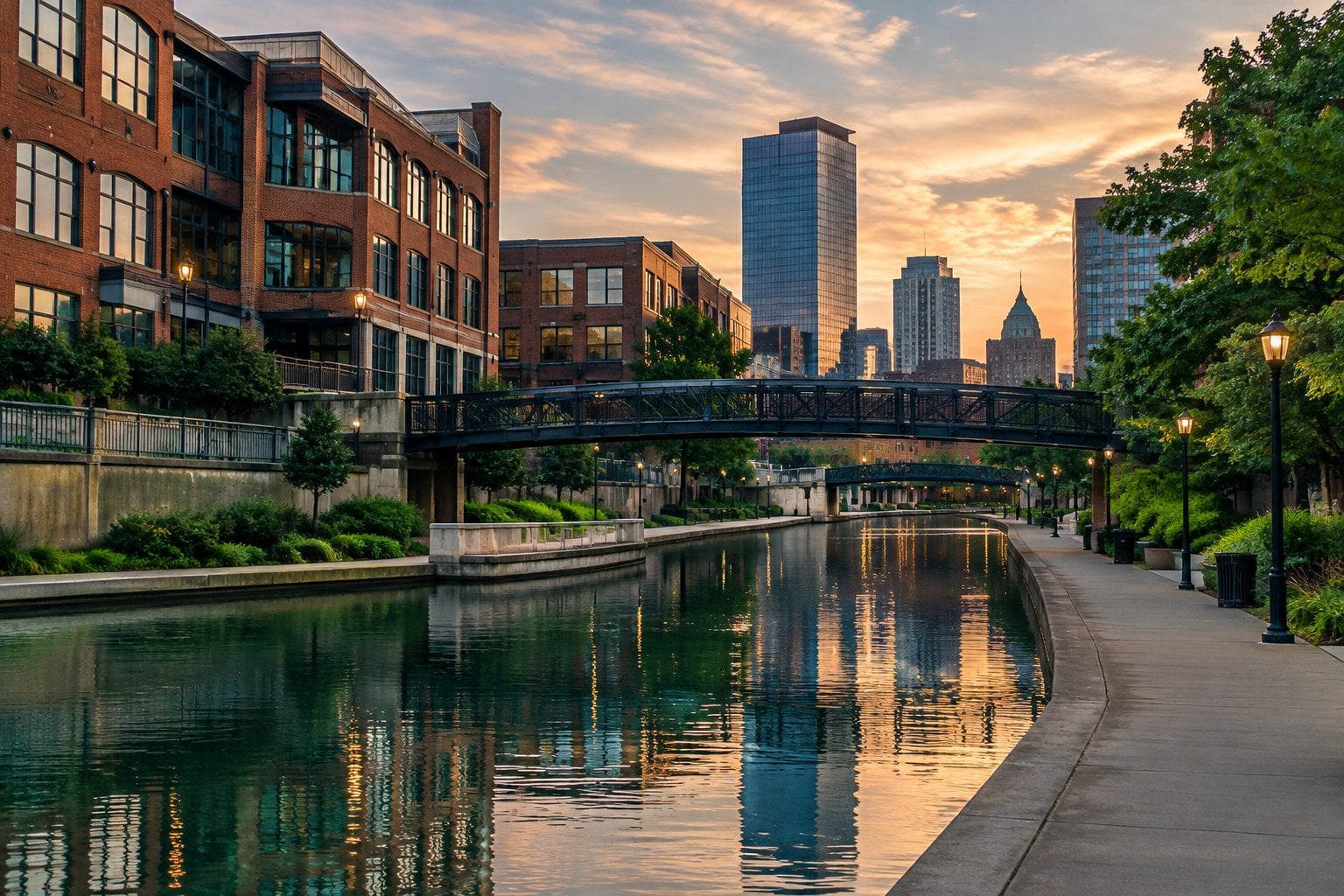
IU McKinney, a public school in downtown Indianapolis, received 904 applications and made 505 offers, an acceptance rate of 55.86%.
Admitted students were more likely to enroll here than at any other school on this list except the Puerto Rico school: 273 of 505 did, a rate of 54%. With 7 other first-year students, the entering class totaled 280: 201 full-time and 79 part-time.
The class had a median LSAT score of 155, with the middle half between 152 and 159, and a median undergraduate GPA of 3.58.
McKinney charges by the credit: $1,028 per credit for Indiana residents and $1,655 for nonresidents, plus $1,243 in annual fees. The school estimates living costs at $23,512 a year, and its median full-time grant in 2024-25 was $15,000.
Of its 222 first-time bar takers from the class of 2024, 73.87% passed, compared with an ABA average of 77.95% in the same states. Total J.D. enrollment was 829.
28. University of Oregon School of Law (Eugene, Oregon)

The University of Oregon received 1,850 applications and made 1,017 offers, an acceptance rate of 54.97%. It is the second Oregon school on this list.
Only a small share of admitted students enrolled: 185 of 1,017, a rate of 18%, tied with New England Law for the lowest on this list. With 1 other first-year student, the entering class was 186, all full-time.
Oregon’s class had the highest median LSAT score on this list, 160, with the middle half between 157 and 162, and a median undergraduate GPA of 3.62.
Tuition for 2025-26 is $47,240 for Oregon residents and $59,495 for nonresidents, plus $1,372 in fees, the highest resident tuition of any public school on this list. The school estimates living costs at $22,020 a year. In 2024-25, 74% of students received a grant from the school, and the median full-time grant was $25,000.
Oregon also did better on the bar exam than any other school here, compared with its state. Of its 154 first-time bar takers from the class of 2024, 85.06% passed, compared with an ABA average of 76.32% in the same states, a margin of 8.74 points. Total J.D. enrollment was 481.
29. University of Arkansas at Little Rock Bowen School of Law (Little Rock, Arkansas)
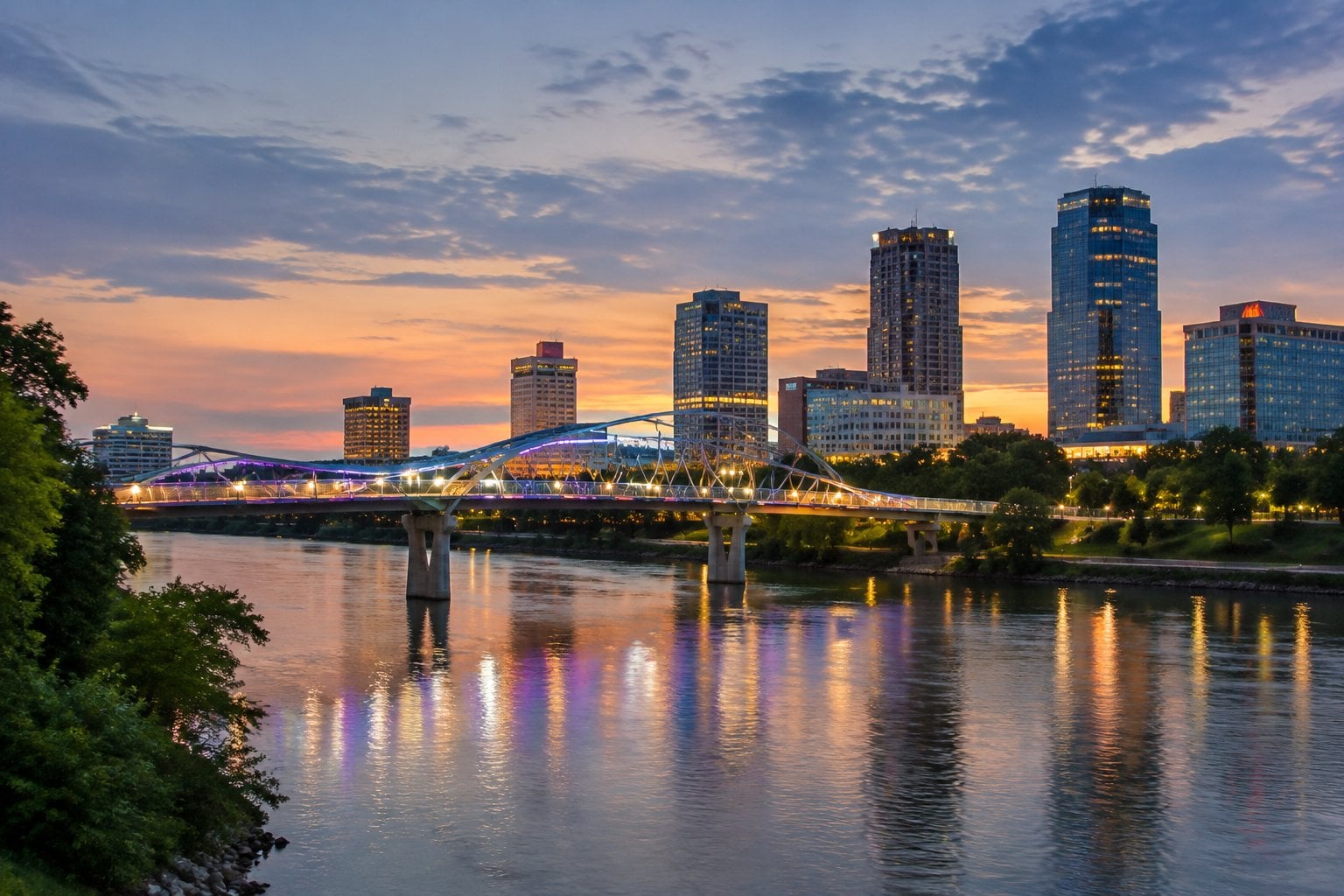
UA Little Rock’s law school received 603 applications and made 331 offers, an acceptance rate of 54.89%.
Of the students admitted, 152 enrolled, a rate of 46%. With 2 other first-year students, the entering class totaled 154: 117 full-time and 37 part-time.
The class had a median LSAT score of 153, with the middle half between 150 and 158, and a median undergraduate GPA of 3.41.
Full-time tuition for 2025-26 is $13,770 for Arkansas residents, the third-lowest yearly tuition on this list, plus $3,704 in fees. Nonresidents pay by the credit, at $1,006 per credit, compared with $459 for residents. The school estimates living costs at $25,459 a year. In 2024-25, 60% of students received a grant from the school, and the median full-time grant was $7,461.
Of its 136 first-time bar takers from the class of 2024, 73.53% passed, compared with an ABA average of 76.51% in the same states, a gap of under 3 points. Total J.D. enrollment was 429.
30. Drake University Law School (Des Moines, Iowa)
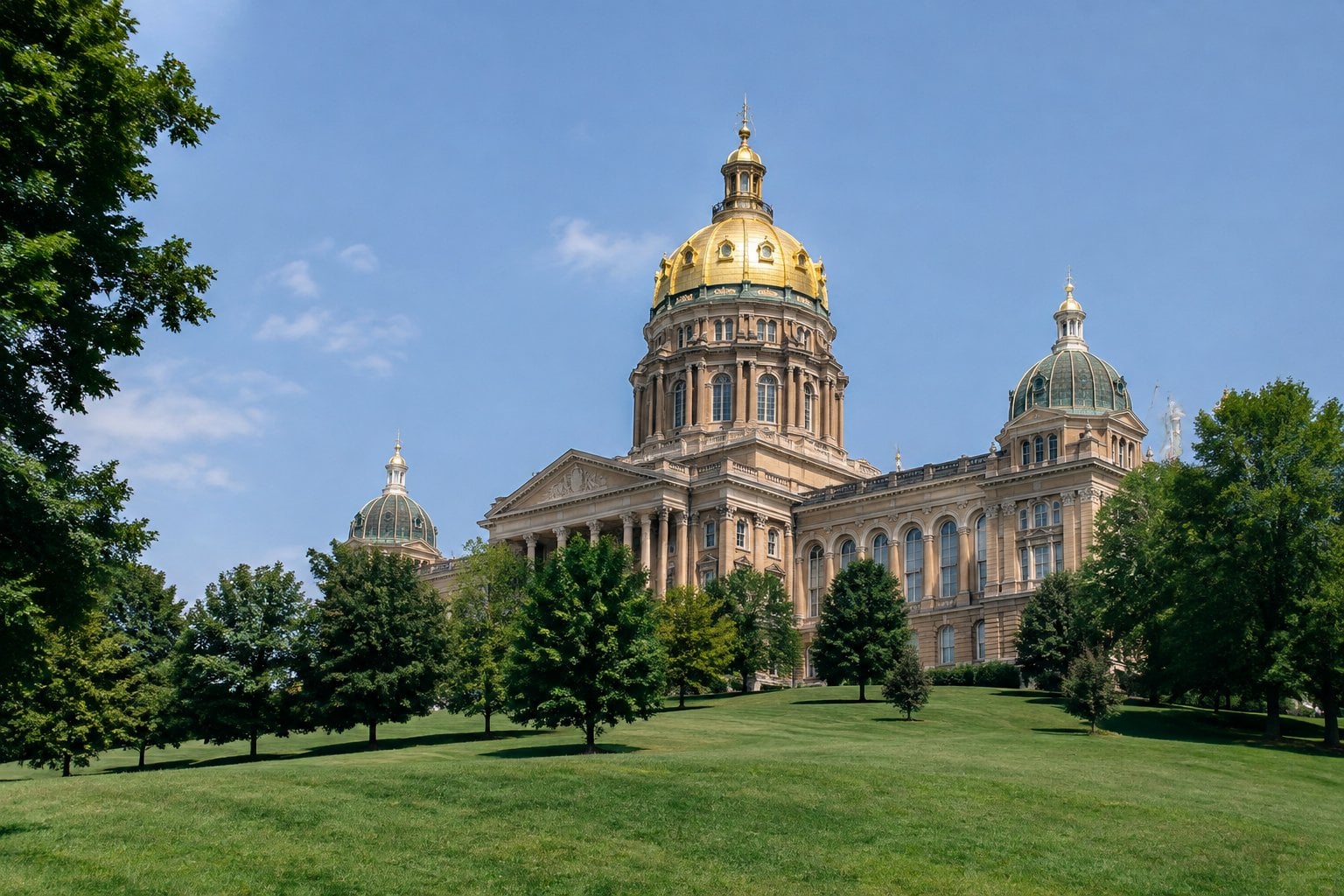
Drake, a private university in Iowa’s capital city, completes the list. It received 788 applications and made 432 offers, an acceptance rate of 54.82%.
Of the 432 students admitted, 141 enrolled, a rate of 33%. There were no other first-year students, so the entering class was 141, all full-time.
The class had a median LSAT score of 156, with the middle half between 153 and 159, and a median undergraduate GPA of 3.67, tied with Louisville for the second-highest on this list.
Tuition for 2025-26 is $50,920, plus $470 in fees, and the school estimates living costs at $20,923 a year. In 2024-25, 82% of students received a grant from the school, and the median full-time grant was $31,000.
Drake had the highest bar passage rate on this list. Of its 105 first-time bar takers from the class of 2024, 85.71% passed, compared with an ABA average of 83.73% in the same states. Total J.D. enrollment was 369.
The next school in the ABA data, Lewis & Clark Law School in Portland, Oregon, accepted 54.72% of its applications and just missed the list. Its entering class had a median LSAT score of 161, higher than any school on this list.
What the Numbers Show
The list has 19 private schools and 11 public ones. Ohio, Kentucky, Massachusetts, Oregon, Virginia and Florida have two schools each, and Widener University has two campuses on the list, one in Pennsylvania and one in Delaware. Every school here accepted more than 54% of its applications, and the 30 schools together made 19,392 offers from 32,518 applications.
Many schools on this list are small. Twenty-one of them received fewer than 1,000 applications, and several are the only law school in their state, including North Dakota, South Dakota, Rhode Island, Delaware and Vermont. A school with few applicants and a fixed number of seats can have a high acceptance rate even when its admitted students have solid credentials. Oregon, St. Thomas in Minnesota, Louisville, Tulsa and Saint Louis University all had median LSAT scores of 157 or higher.
An easier admission is not the same as a weaker result, either. Six of the 30 schools had first-time bar passage rates above their state’s ABA average, led by Oregon, St. Thomas in Miami and Liberty. At the other end, Widener Commonwealth, Southern Illinois and Roger Williams fell more than 19 points below theirs. Prospective students can compare bar results, grants and costs in each school’s report before deciding where to apply.
For more on law school admissions, costs and results, see our lists of the 30 hardest law schools to get into, the 30 best law schools in the U.S., the 30 worst law schools in the U.S. and the 30 most expensive law schools in the U.S. Each school’s full report is on the ABA’s required disclosures site, and the Law School Admission Council publishes national data on applicants.
This article is general information, not legal advice or a recommendation for or against any school. Figures are from the ABA’s 2025 Standard 509 and bar passage reports and may change in later reports.