The 18 Worst Law Schools in California
California has more law schools than any other state, and they come in more varieties than anywhere else. Besides the schools approved by the American Bar Association, the State Bar of California accredits its own group of law schools, many of them evening, part-time or online programs that cost far less. All of their graduates take the same California bar exam, and the State Bar publishes how each school’s graduates did.
This list ranks the 18 worst law schools in California by that one public measure: the combined first-time pass rate of each school’s graduates on the July 2024 and July 2025 California bar exams, from the State Bar of California’s General Statistics Reports. Across those two exams, 5,220 of 6,303 first-time takers from California’s ABA-approved schools passed, an average of 82.8%. Every school on this list finished below that average.
The State Bar only publishes a school’s numbers when at least 11 of its graduates took the exam, so smaller schools are not ranked here, and schools that have closed are left out. Both are covered at the end. For ABA-approved schools, the other figures come from the ABA’s 2025 Standard 509 and bar passage disclosures. For State Bar-accredited schools, they come from the schools’ own published tuition pages and the State Bar’s 2026 cumulative pass rate report. A pass rate is one measure, not a full picture of any school, and many graduates of every school here pass the bar and practice law.
1. University of West Los Angeles School of Law (Inglewood)
The University of West Los Angeles had the lowest combined first-time pass rate of any California law school with published results. In July 2024, 7 of its 42 first-time takers passed the bar exam (16.7%). In July 2025, only 3 of 39 passed (7.7%). Together, that is 10 of 81, or 12.3%. The February 2026 exam was no better: 33 first-time takers sat it, and 12.1% passed. In July 2025, 5 of its 82 repeat takers passed as well.
UWLA was founded in 1966 and has been accredited by the State Bar’s Committee of Bar Examiners since 1978. It changed from a nonprofit to a for-profit corporation in 2010. Today it has a campus in Inglewood and a San Fernando Valley campus, with hybrid and fully online programs.
Tuition for 2025-26 is $1,245 per unit, which comes to $29,880 a year for a full-time load of 24 units, plus $650 in fees. The full 85-unit J.D. costs $105,825 in tuition. The State Bar’s 2026 report puts its five-year cumulative pass rate at 53.4%.
2. Thomas Jefferson School of Law (San Diego)
Thomas Jefferson School of Law in downtown San Diego was once ABA-approved. It held ABA accreditation from 1996, was placed on probation in 2017, and lost it at the end of 2019. The State Bar’s Committee of Bar Examiners had already voted in 2018 to give it California accreditation, which it still holds.
Its bar results remain among the weakest in the state. In July 2024, 9 of its 55 first-time takers passed the California bar exam (16.4%). In July 2025, 12 of 41 passed (29.3%). Combined, that is 21 of 96, or 21.9%. In February 2026, 21 first-time takers sat the exam and 28.6% passed. Its repeat takers struggled too: in July 2025, 4 of 80 passed.
The State Bar’s five-year cumulative pass rate for the school fell from 70.5% in its 2018 report to 58.5% in 2026. Tuition is $1,350 per unit for 2026-27, for both its San Diego classes and its online J.D. The school was founded in 1969 and offers full-time, part-time, day and evening options.
3. Trinity Law School (Santa Ana)
Trinity Law School in Santa Ana is a Christian law school within Trinity International University. It began in 1980 as the Simon Greenleaf School of Law and took its current name after joining the university in 1997. It is accredited by the State Bar’s Committee of Bar Examiners, not the ABA.
In July 2024, 5 of its 23 first-time takers passed the California bar exam (21.7%). In July 2025, 8 of 28 passed (28.6%). Combined, that is 13 of 51, or 25.5%. In February 2026, 18 first-time takers sat the exam and 27.8% passed. In July 2025, 6 of its 56 repeat takers passed.
The longer view is a little better. The State Bar requires its accredited schools to keep a five-year cumulative pass rate of at least 40%, and Trinity’s rose from 44.6% in the 2018 report to 56.6% in 2026.
Students can study online, on campus or a mix of both, and an evening “Flex Track” meets three nights a week. Tuition is $1,110 per unit for 2026-27, or $99,900 for the 90-unit J.D.
4. The Colleges of Law, Ventura Campus (Ventura)
The Colleges of Law began in 1969 as the Ventura College of Law and merged with the Santa Barbara College of Law in 1978. Today it is one State Bar-accredited school with two campuses and is affiliated with a nonprofit system of colleges. It is not ABA-approved.
The State Bar reports each campus separately, and only the Ventura campus had enough first-time takers to be ranked. In July 2024, 9 of its 28 first-time takers passed (32.1%). In July 2025, 4 of 18 passed (22.2%). Combined, that is 13 of 46, or 28.3%. The February 2026 exam went better: 39 first-time takers sat it, the most of any State Bar-accredited school that sitting, and 43.6% passed.
Students on campus take three evening courses a week. A hybrid option is about 70% online, with one weekend each month on site in Pasadena. Tuition for 2026-27 is $1,019 per credit, or $1,044 per credit for the hybrid program. The school’s five-year cumulative pass rate in the State Bar’s 2026 report was 65.6%.
5. Monterey College of Law (Seaside)
Monterey College of Law is an independent nonprofit school based in Seaside, in the Monterey area, and it has been graduating lawyers since 1972. It runs an evening J.D., with classes Monday through Thursday, both on site and online. It also has branch campuses in Bakersfield, San Luis Obispo and Santa Rosa, which the State Bar reports separately.
Its main campus is small, so its results swing from exam to exam. In July 2024, 2 of its 12 first-time takers passed the California bar exam (16.7%). In July 2025, 7 of 15 passed (46.7%). Combined, that is 9 of 27, or 33.3%. In February 2026, 21 first-time takers sat the exam and 23.8% passed.
Tuition for 2026-27 is a flat $24,500 a year for 12 to 30 units, plus a $1,950 yearly student fee. The J.D. takes 90 units over four years. The State Bar’s 2026 report puts the school’s five-year cumulative pass rate at 57.8%.
6. Purdue Global Law School (Online)

Purdue Global Law School started in 1998 as Concord Law School, which says it was the first U.S. law school to offer a fully online law degree. It took the Purdue Global name in 2023 and has been fully accredited by the State Bar’s Committee of Bar Examiners since 2020. The ABA does not currently approve fully online J.D. programs.
In July 2024, 3 of its 12 first-time takers passed the California bar exam (25.0%). In July 2025, 12 of 32 passed (37.5%). Combined, that is 15 of 44, or 34.1%. In February 2026, 30 first-time takers sat the exam and 33.3% passed. Its five-year cumulative pass rate in the State Bar’s 2026 report was 69.3%.
The J.D. is 92 credit hours, taken over four years part-time or three years full-time. Tuition is $575 per credit hour, or $52,900 for the whole program, plus a $295 resource fee each term. The school says its graduates can also take the bar exam in Connecticut and Washington, and in Indiana by petition.
7. University of La Verne College of Law and Public Service (Ontario)
La Verne’s law school in Ontario, in the Inland Empire, is another school that gave up ABA approval. It won full ABA accreditation in 2016, but in November 2019 the university’s trustees voted to move the school back to State Bar accreditation. Its first State Bar-accredited J.D. class started in fall 2020.
La Verne had the most first-time takers of any State Bar-accredited school in both July exams. In July 2024, 26 of 60 passed (43.3%). In July 2025, 25 of 68 passed (36.8%). Combined, that is 51 of 128, or 39.8%. The February 2026 exam was harder on the school: 17 first-time takers sat it and 17.6% passed. In July 2025, none of its 41 repeat takers passed.
Over a longer period, its numbers look stronger. The State Bar’s 2026 report puts La Verne’s five-year cumulative pass rate at 74.4%. Tuition for 2026-27 is $1,165 per semester hour, plus a $246 registration and technology fee each semester.
8. Golden Gate University School of Law (San Francisco)

Golden Gate’s law school was founded in 1901 and was the first in Northern California to offer evening classes. In November 2023, after declaring financial exigency and falling short of the ABA’s bar passage standard, the university’s trustees voted to end its ABA-approved J.D. and stop admitting students. The remaining students are being taught out through July 2027.
The results below are from graduates of that ABA program. In July 2024, 38 of its 86 first-time takers passed the California bar exam (44.2%). In July 2025, 8 of 19 passed (42.1%). Combined, that is 46 of 105, or 43.8%, the lowest of any school that was ABA-approved when its graduates took these exams. In February 2026, 42 repeat takers sat the exam and 11.9% passed.
The school plans to return with a new kind of J.D. Its website says the State Bar’s Committee of Bar Examiners approved a California-accredited program in January 2026, and that it plans to reopen in fall 2027, mostly online, with some changes still waiting on the State Bar’s approval.
9. Lincoln Law School of Sacramento (Sacramento)
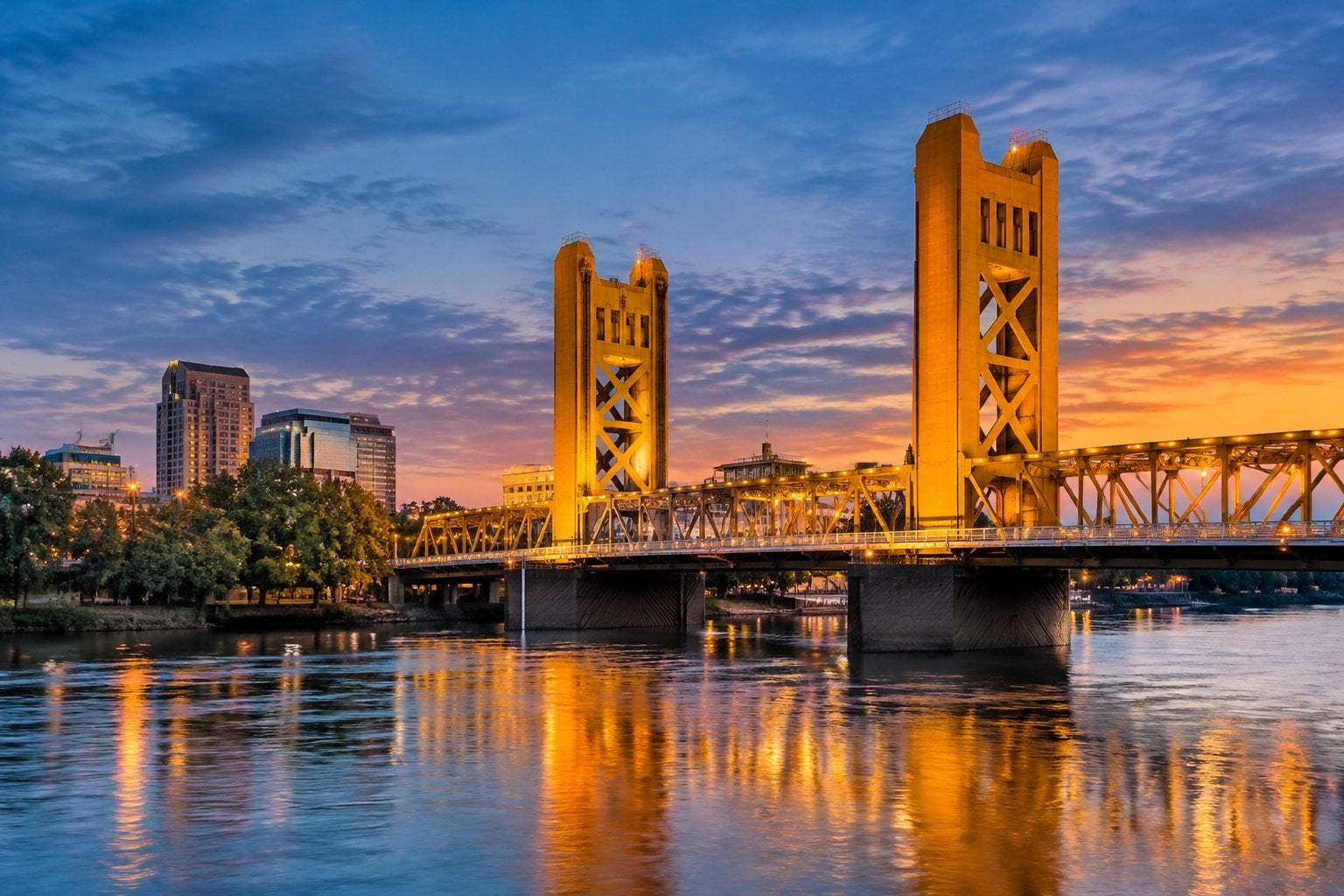
Lincoln Law School of Sacramento was founded in 1969 to give the Sacramento area an affordable law school. It received provisional State Bar accreditation in 1978 and full accreditation in 1981, and it is also accredited by the WASC Senior College and University Commission. Students can take the four-year J.D. through evening classes on campus or a hybrid online program.
In July 2024, 25 of its 44 first-time takers passed the California bar exam (56.8%). In July 2025, 17 of 37 passed (45.9%). Combined, that is 42 of 81, or 51.9%. Fewer than 11 graduates took the February 2026 exam for the first time, so the State Bar did not publish that figure. Of 38 repeat takers that February, 18.4% passed.
Over the longer term, Lincoln does better than most schools on this list. The State Bar’s 2026 report puts its five-year cumulative pass rate at 77.6%, down from 81.4% the year before. Tuition was $900 per unit in 2025-26, and the school estimates total program charges at $79,200.
10. Northwestern California University School of Law (Online)

Northwestern California University School of Law, based in Sacramento, teaches its J.D. entirely online. It was founded in 1982 and spent decades as a “registered” distance-learning school before the State Bar let distance schools apply for accreditation. The Committee of Bar Examiners granted it full accreditation on August 21, 2020.
It is by far the cheapest school on this list. Tuition is $4,980 a year, or $415 a month, which comes to $19,920 for the whole J.D. The school does not take part in federal or state student loan programs.
Its small groups of first-time takers have had mixed results. In July 2024, 9 of 11 passed the California bar exam (81.8%). In July 2025, 7 of 14 passed (50.0%). Combined, that is 16 of 25, or 64.0%. In February 2026, 15 first-time takers sat the exam and only 20.0% passed. The State Bar’s 2026 report puts its five-year cumulative pass rate at 76.5%.
11. California Western School of Law (San Diego)
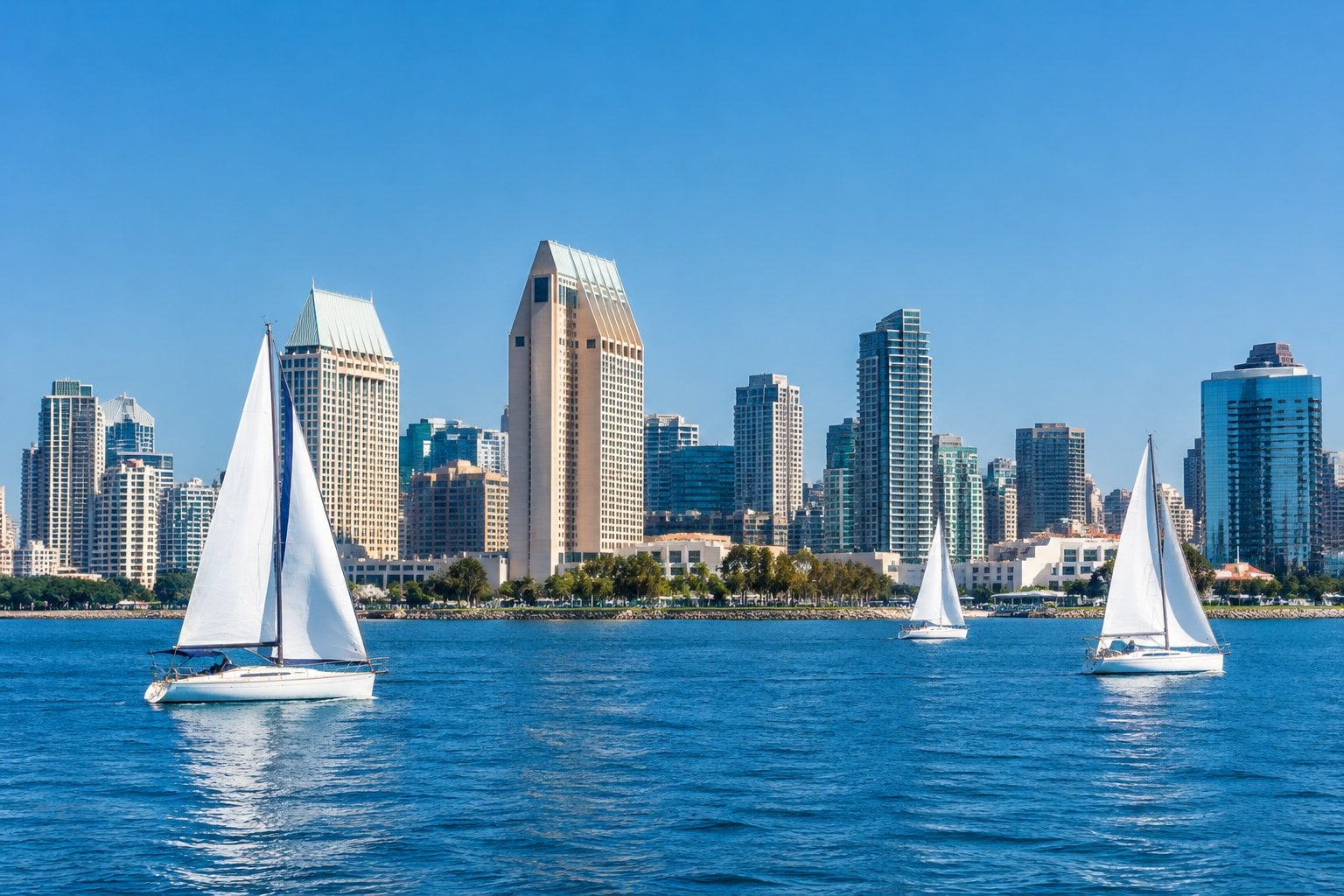
California Western School of Law in downtown San Diego had the lowest combined first-time pass rate of any school on this list that still holds ABA approval. In July 2024, 96 of its 150 first-time takers passed the California bar exam (64.0%). In July 2025, 107 of 156 passed (68.6%). Together, that is 203 of 306, or 66.3%. In February 2026, 28 first-time takers sat the exam and 50.0% passed.
The ABA’s own report tells a similar story. Of the school’s 213 first-time takers from the class of 2024, 134 passed, a rate of 62.91%. That was 14.62 points below the average for the same states, the largest gap of any California school in the ABA report.
Full-time tuition and fees are $64,870 for 2025-26 ($64,720 plus $150 in fees). For fall 2025, the school received 2,144 applications and made 1,006 offers, an acceptance rate of 46.92%. It enrolled 242 new students, 206 full-time and 36 part-time, with a median LSAT score of 155 and a median undergraduate GPA of 3.50.
12. Southwestern Law School (Los Angeles)
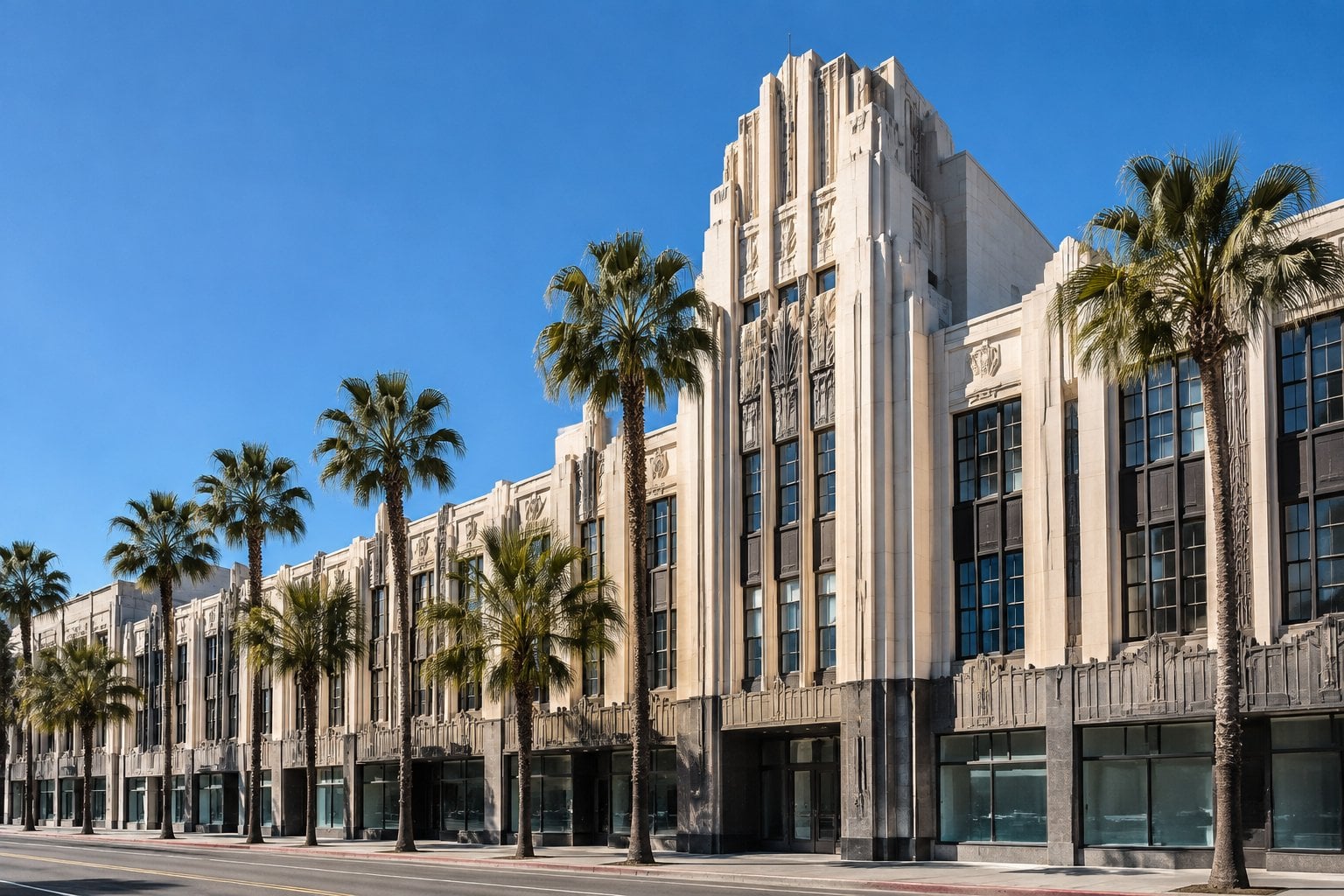
Southwestern Law School in Los Angeles sends one of the largest groups of first-time takers to the California bar exam each July. In July 2024, 166 of its 261 first-time takers passed (63.6%). In July 2025, 187 of 264 passed (70.8%). Combined, that is 353 of 525, or 67.2%. In February 2026, 25 first-time takers sat the exam and 64.0% passed.
In the ABA’s report, 187 of the school’s 288 first-time takers from the class of 2024 passed, a rate of 64.93%, or 12.83 points below the average for the same states.
Tuition is $63,160 a year for full-time students in 2025-26, with no separate fees listed, and $42,124 for part-time students. For fall 2025, Southwestern received 3,584 applications and made 1,307 offers, an acceptance rate of 36.47%. It enrolled 459 new students, 383 full-time and 76 part-time, the largest entering class of any ABA school on this list. The median LSAT score was 157 and the median undergraduate GPA was 3.51. The ABA report shows 51 first-year students, about 12%, left for academic reasons. Total J.D. enrollment was 1,108.
13. San Joaquin College of Law (Clovis)
San Joaquin College of Law was founded in 1969 by judges and lawyers in the San Joaquin Valley, and its first classes began in 1970. Since 1996 it has been housed in the former Clovis High School building, which dates to 1920. The school says about a third of the practicing lawyers in the Fresno area are its graduates.
Its bar results are the strongest of any State Bar-accredited school on this list. In July 2024, 26 of its 35 first-time takers passed the California bar exam (74.3%). In July 2025, 21 of 34 passed (61.8%). Combined, that is 47 of 69, or 68.1%, higher than two ABA-approved schools, California Western and Southwestern. In the State Bar’s 2026 report, its five-year cumulative pass rate of 83.3% was the highest of any State Bar-accredited school.
The J.D. is mainly a night program of 86 units over four years, with some daytime and remote classes. Tuition for 2026-27 is $1,005 per unit, plus a $250 technology fee each semester.
14. University of the Pacific McGeorge School of Law (Sacramento)
McGeorge School of Law is the University of the Pacific’s law school, based in Sacramento. In July 2024, 91 of its 128 first-time takers passed the California bar exam (71.1%). In July 2025, 85 of 123 passed (69.1%). Combined, that is 176 of 251, or 70.1%. In February 2026, 25 first-time takers sat the exam and 56.0% passed.
In the ABA’s report, 103 of the school’s 146 first-time takers from the class of 2024 passed, a rate of 70.55%, or 7.07 points below the average for the same states.
Full-time tuition and fees are $63,318 for 2025-26 ($62,678 plus $640 in fees), and part-time tuition is $41,628. For fall 2025, McGeorge received 1,248 applications and made 679 offers, an acceptance rate of 54.41%, the highest of the ABA schools on this list. It enrolled 213 new students, 170 full-time and 43 part-time, with a median LSAT score of 156 and a median undergraduate GPA of 3.52. Total J.D. enrollment was 615.
15. Western State College of Law at Westcliff University (Irvine)
Western State College of Law is now part of Westcliff University and is based in Irvine. Its California bar results improved between the last two July exams. In July 2024, 44 of its 65 first-time takers passed (67.7%). In July 2025, 57 of 73 passed (78.1%). Combined, that is 101 of 138, or 73.2%. In February 2026, 22 first-time takers sat the exam and 68.2% passed.
The ABA’s report, which covers the class of 2024, shows 49 of 77 first-time takers passing, a rate of 63.64%, or 14.14 points below the average for the same states.
Western State is the least expensive ABA school on this list. Full-time tuition and fees are $55,648 for 2025-26 ($54,840 plus $808 in fees), and part-time tuition is $36,640. For fall 2025, it received 916 applications and made 400 offers, an acceptance rate of 43.67%. It enrolled 117 new students, 96 full-time and 21 part-time. Its median LSAT score of 152 and median undergraduate GPA of 3.36 were the lowest of the ABA schools here. Twelve first-year students, about 8%, left for academic reasons, and 8 more left for other reasons.
16. Chapman University Dale E. Fowler School of Law (Orange)
Chapman’s law school in the city of Orange is the most selective ABA school on this list, which makes its bar results stand out. In July 2024, 102 of its 136 first-time takers passed the California bar exam (75.0%). In July 2025, 96 of 120 passed (80.0%). Combined, that is 198 of 256, or 77.3%, about five and a half points below the 82.8% average for first-time takers from California’s ABA-approved schools.
In the ABA’s report, 106 of the school’s 143 first-time takers from the class of 2024 passed, a rate of 74.13%, or 3.52 points below the average for the same states.
For fall 2025, Chapman received 2,514 applications and made 516 offers, an acceptance rate of 20.53%. All 153 new students enrolled full-time. The median LSAT score was 163 and the median undergraduate GPA was 3.70, the highest of the ABA schools on this list. Full-time tuition and fees are $63,201 for 2025-26 ($63,126 plus $75 in fees), and the school estimates living costs off campus at $41,778 a year. Total J.D. enrollment was 420.
17. Santa Clara University School of Law (Santa Clara)
Santa Clara University’s law school is in the heart of Silicon Valley. In July 2024, 130 of its 175 first-time takers passed the California bar exam (74.3%). In July 2025, 141 of 173 passed (81.5%). Combined, that is 271 of 348, or 77.9%. The smaller February 2026 exam went better: 15 first-time takers sat it, and 86.7% passed.
In the ABA’s report, 160 of the school’s 214 first-time takers from the class of 2024 passed, a rate of 74.77%, or 3.2 points below the average for the same states.
Santa Clara charges by the credit rather than a flat yearly price: $2,260 per credit in 2025-26, plus $990 a year in fees. For fall 2025, the school received 2,575 applications and made 1,354 offers, an acceptance rate of 52.58%. It enrolled 256 new students, 206 full-time and 50 part-time, with a median LSAT score of 159 and a median undergraduate GPA of 3.50. Only 3 first-year students, about 1%, left for academic reasons. Total J.D. enrollment was 746.
18. University of San Francisco School of Law (San Francisco)
The University of San Francisco’s law school rounds out the list. In July 2024, 79 of its 103 first-time takers passed the California bar exam (76.7%). In July 2025, 87 of 106 passed (82.1%). Combined, that is 166 of 209, or 79.4%, which is 3.4 points below the 82.8% average for first-time takers from California’s ABA-approved schools.
In the ABA’s report, 85 of the school’s 114 first-time takers from the class of 2024 passed, a rate of 74.56%, or 3.18 points below the average for the same states.
Full-time tuition and fees are $59,990 for 2025-26 ($59,800 plus $190 in fees), and part-time students pay $2,115 per credit. For fall 2025, USF received 2,100 applications and made 890 offers, an acceptance rate of 42.38%. It enrolled 201 new students, 197 full-time and 4 part-time, with a median LSAT score of 155 and a median undergraduate GPA of 3.47. Eighteen first-year students, about 11%, left for academic reasons. Total J.D. enrollment was 510.
Schools That Were Not Ranked
Two schools that would have made this list are left out because they have closed or are closing. Glendale University College of Law, a night law school founded in 1967, stopped admitting students and graduated its last class in 2024. Empire College School of Law in Santa Rosa enrolled its last class in fall 2022 and handed its program to a Monterey College of Law branch campus, and the State Bar now lists it as voluntarily closing.
Several other State Bar-accredited schools had fewer than 11 first-time takers on each exam, so the State Bar did not publish their first-time results. Their five-year cumulative pass rates in the State Bar’s 2026 report were: Cal Northern School of Law, 71.4%; Humphreys University Drivon School of Law, 72.2%; JFK School of Law at National University, 52.3%; Lincoln Law School of San Jose, 57.1%; and St. Francis School of Law, 58.3%. The State Bar’s directory says St. Francis is no longer accepting new students and will close in 2027. Unaccredited schools registered with the State Bar were not included.
What the Numbers Show
The biggest dividing line in California is the type of school. In July 2025, 84.4% of first-time takers from California’s ABA-approved schools passed the bar exam, compared with 35.1% from State Bar-accredited schools. Eleven of the 18 schools on this list are State Bar-accredited, and the bottom ten all lack ABA approval today. Three of those, Thomas Jefferson, La Verne and Golden Gate, once held it.
Those schools are also much cheaper. A full J.D. at Northwestern California costs $19,920 in tuition, while the ABA schools on this list charge roughly $55,000 to $65,000 a year. But the State Bar requires each accredited school to warn that study there “may not qualify” a student to take the bar exam or practice law outside California, so anyone who might move should check first.
The State Bar also holds the two groups to different standards. Its accredited schools must keep a five-year cumulative pass rate of at least 40%, while ABA schools must have 75% of graduates pass within two years.
For the national picture, see our lists of the 30 worst law schools in the U.S., the 30 best law schools in the U.S., the 30 worst law schools in the South and the 30 hardest law schools to get into. The State Bar’s list of California law schools shows every school’s accreditation status.
This article is general information, not legal advice or a recommendation for or against any school. Figures are from the State Bar of California’s General Statistics Reports for the July 2024, July 2025 and February 2026 bar exams, its 2026 cumulative pass rate report, the ABA’s 2025 Standard 509 and bar passage reports, and the schools’ own websites, and may change in later reports.