The 30 Best Law Schools in the South

The South has more ABA-accredited law schools than any other part of the country: 73 of them, from big public flagships in Austin, Gainesville and Chapel Hill to small private schools in Waco, Lexington and Virginia Beach. Every one of them has to publish how its graduates did on the bar exam, the test that stands between a law degree and a law license.
This list ranks the 30 best law schools in the South by that result, adjusted for difficulty: how far each school’s first-time bar passage rate for 2024 graduates rose above the average for the same states. The figures come from the American Bar Association’s Standard 509 and bar passage disclosures, released in the ABA’s 2025 report.
For each school, the ABA compares its graduates’ first-time pass rate with the weighted average for graduates of all ABA-accredited schools who took the exam in the same states. That keeps the comparison fair, because pass rates differ a lot from state to state. Florida’s and Maryland’s averages for 2024 graduates were in the low 70s, while Duke, Virginia, Georgetown and George Washington were measured against averages above 82%.
“The South” here means the U.S. Census Bureau’s South region, the same definition used in our list of the 30 worst law schools in the South: Alabama, Arkansas, Delaware, Florida, Georgia, Kentucky, Louisiana, Maryland, Mississippi, North Carolina, Oklahoma, South Carolina, Tennessee, Texas, Virginia, West Virginia and Washington, D.C. All 73 Southern law schools had at least 30 first-time takers, so all 73 were ranked. Forty-four of them finished above their average, and every school on this list beat its average by at least seven percentage points.
The other numbers in each entry come from the same ABA report: the fall 2025 entering class (applications, offers, median LSAT score and undergraduate GPA), 2025-26 tuition and fees, living-cost estimates, and first-year students who left. A bar passage rate is one measure, not a full picture of any school.
1. Belmont University College of Law (Nashville, Tennessee)
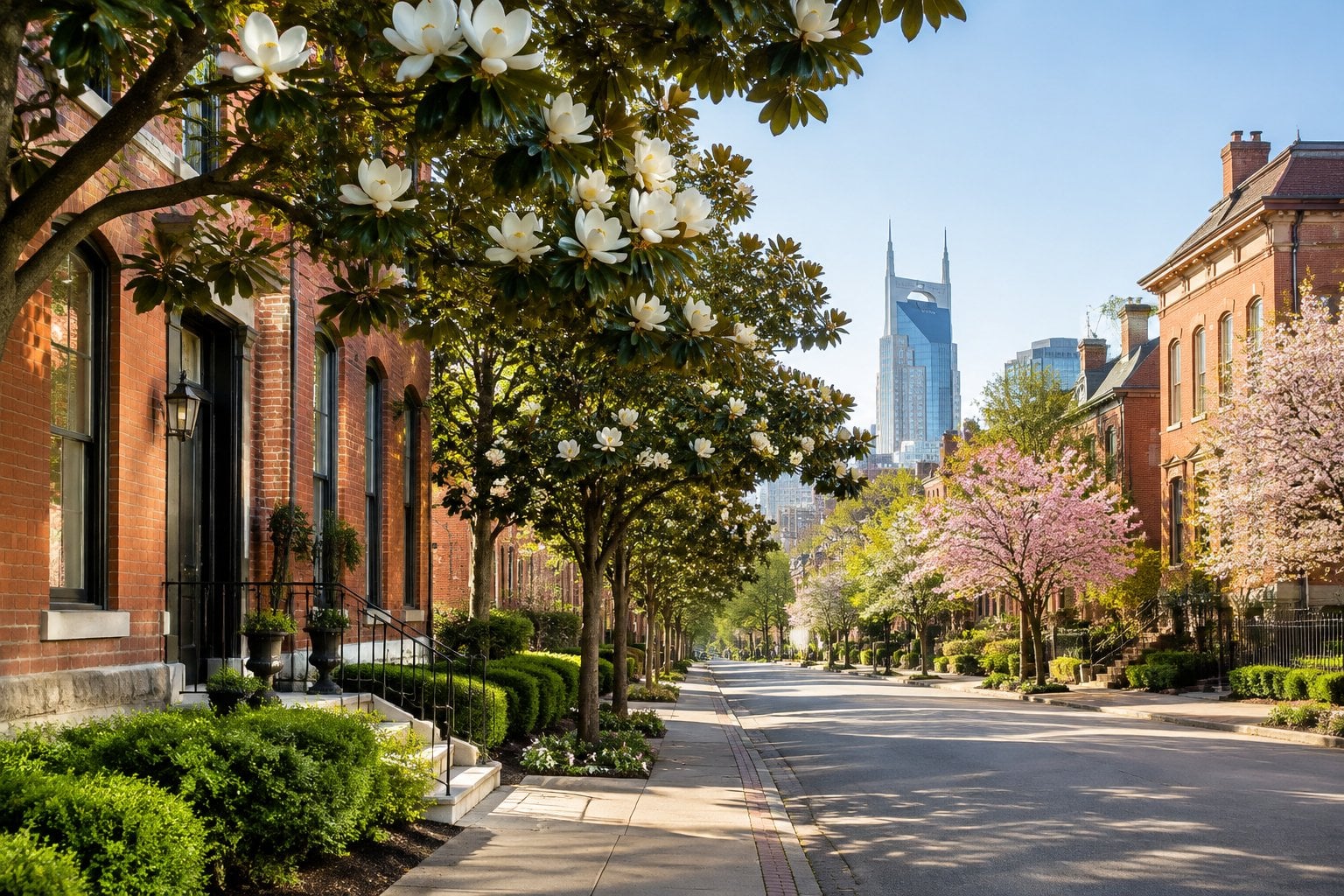
Belmont, a private university in Nashville, tops the South, and it also ranked first in the whole country on this measure. Of its 120 first-time bar takers, 114 passed, a rate of 95%. The ABA weighted average for the same states was 77.95%, which put Belmont 17.05 percentage points above the average. No other Southern school was more than 15.5 points above its average.
Belmont is one of the smaller schools on this list. For fall 2025, it received 1,337 applications and made 503 offers, an acceptance rate of 37.62%. It enrolled 136 full-time students, with a median LSAT score of 161 and a median undergraduate GPA of 3.84. Total J.D. enrollment was 372.
Tuition for 2025-26 is $55,500, plus $2,205 in fees, for a total of $57,705, the same for every student. Belmont estimates living costs off campus at $32,026 a year.
The ABA report shows eight first-year students, about 6%, leaving for academic reasons and five leaving for other reasons. Belmont is one of three Tennessee schools on this list, along with Vanderbilt, also in Nashville, and the University of Tennessee in Knoxville.
2. Florida International University College of Law (Miami, Florida)
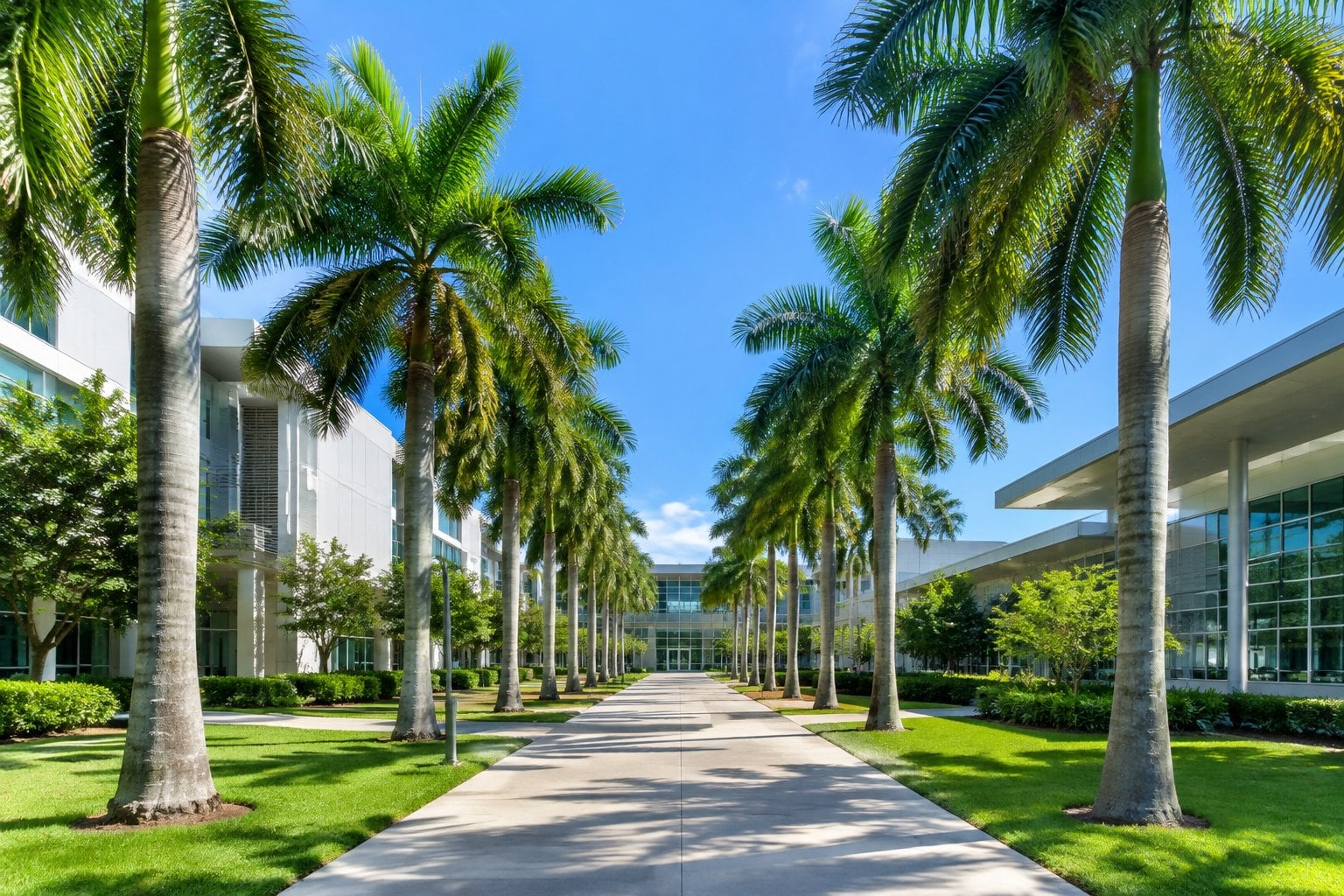
FIU, a public university in Miami, ranked second in the South and third in the country. Of its 163 first-time takers, 144 passed, a rate of 88.34%. That raw rate is lower than many schools on this list, but the ABA weighted average for the same states was only 72.91%, so FIU finished 15.43 points above it. Florida’s low state average helps explain why four Florida schools made this list.
FIU charges by the credit hour: $691 per credit for Florida residents and $1,196 for nonresidents, plus $399 in annual fees. It estimates living costs off campus at $33,176 a year.
For fall 2025, the school received 3,100 applications and made 582 offers, an acceptance rate of 18.77%. It enrolled 175 new students, 143 full-time and 32 part-time. The median LSAT score was 161 and the median GPA was 3.80.
Total J.D. enrollment was 581. The ABA report shows no first-year students leaving for academic reasons and three leaving for other reasons. FIU is the highest-ranked public law school in the South on this measure.
3. Texas A&M University School of Law (Fort Worth, Texas)

Texas A&M’s law school is in Fort Worth, not on the university’s main campus in College Station. It ranked third in the South and eighth in the country. Of its 174 first-time takers, 167 passed, a rate of 95.98%, the third-highest raw pass rate on this list. The ABA weighted average for the same states was 81.39%, which put the school 14.59 points above it.
Texas A&M had the highest median undergraduate GPA on this list: a perfect 4.00 for the class that started in fall 2025. Its median LSAT score was 169. It received 5,240 applications and made 634 offers, an acceptance rate of 12.1%, the third-lowest here. It enrolled 128 full-time students, one of the smallest entering classes on this list.
Tuition for 2025-26 is $32,634 for Texas residents and $48,522 for nonresidents, with no separate fees listed. The school estimates living costs at $29,696 a year.
Total J.D. enrollment was 396. One first-year student left for academic reasons and four for other reasons, according to the ABA report.
4. Duke University School of Law (Durham, North Carolina)
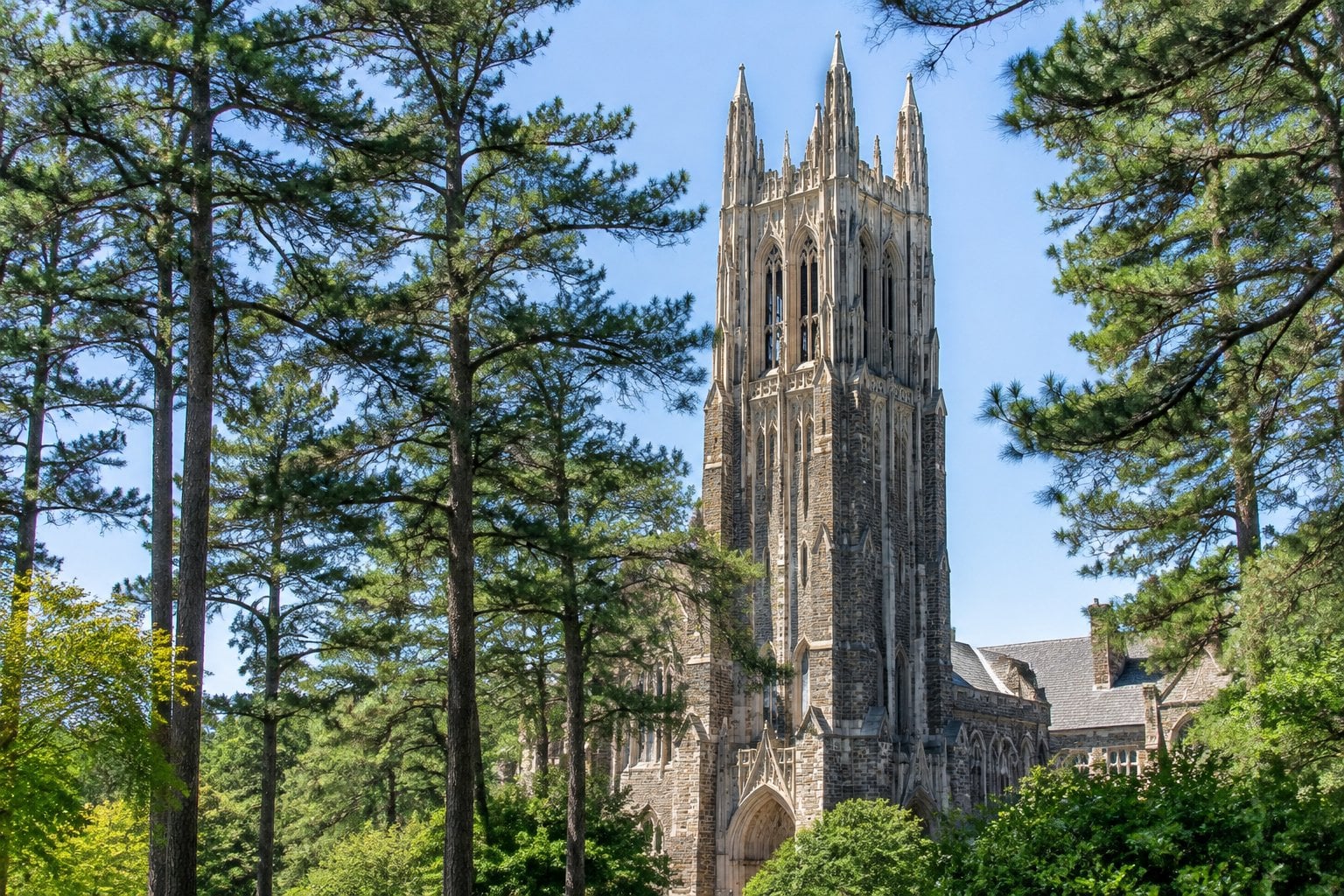
Duke had the highest raw bar pass rate of any school in the South. Of its 278 first-time takers, 271 passed, a rate of 97.48%. The ABA weighted average for the states where Duke graduates tested was a high 82.94%, which put Duke 14.54 points above it. That placed Duke fourth in the South and ninth in the country.
For fall 2025, Duke received 6,240 applications and made 804 offers, an acceptance rate of 12.88%. It enrolled 227 full-time students. The median LSAT score was 171 and the median GPA was 3.91.
Duke is also one of the most expensive schools on this list. Tuition for 2025-26 is $80,100, plus $1,729 in fees, for a total of $81,829, the second-highest here after Georgetown. Duke estimates living costs at $26,116 a year, lower than most of the private schools on this list.
The ABA report shows no first-year students leaving for academic reasons and three leaving for other reasons. Total J.D. enrollment was 723.
5. University of Texas School of Law (Austin, Texas)

The University of Texas ranked fifth in the South and 12th in the country. Of its 411 first-time takers, 394 passed, a rate of 95.86%. The ABA weighted average for the same states was 81.57%, which put UT 14.29 points above it. Only Georgetown and George Washington had more first-time takers among the schools on this list.
UT is one of the most selective schools in the South. For fall 2025, it received 6,297 applications and made 881 offers, an acceptance rate of 13.99%. It enrolled 373 full-time students. The median LSAT score was 172, second on this list only to the University of Virginia, and the median GPA was 3.89.
Tuition for 2025-26 is $38,236 for Texas residents and $56,822 for nonresidents, with no separate fees listed. UT estimates living costs at $25,398 a year.
The ABA report shows no first-year students leaving for academic reasons and two leaving for other reasons. Total J.D. enrollment was 928. UT is one of six Texas schools on this list, more than any other state.
6. Florida State University College of Law (Tallahassee, Florida)
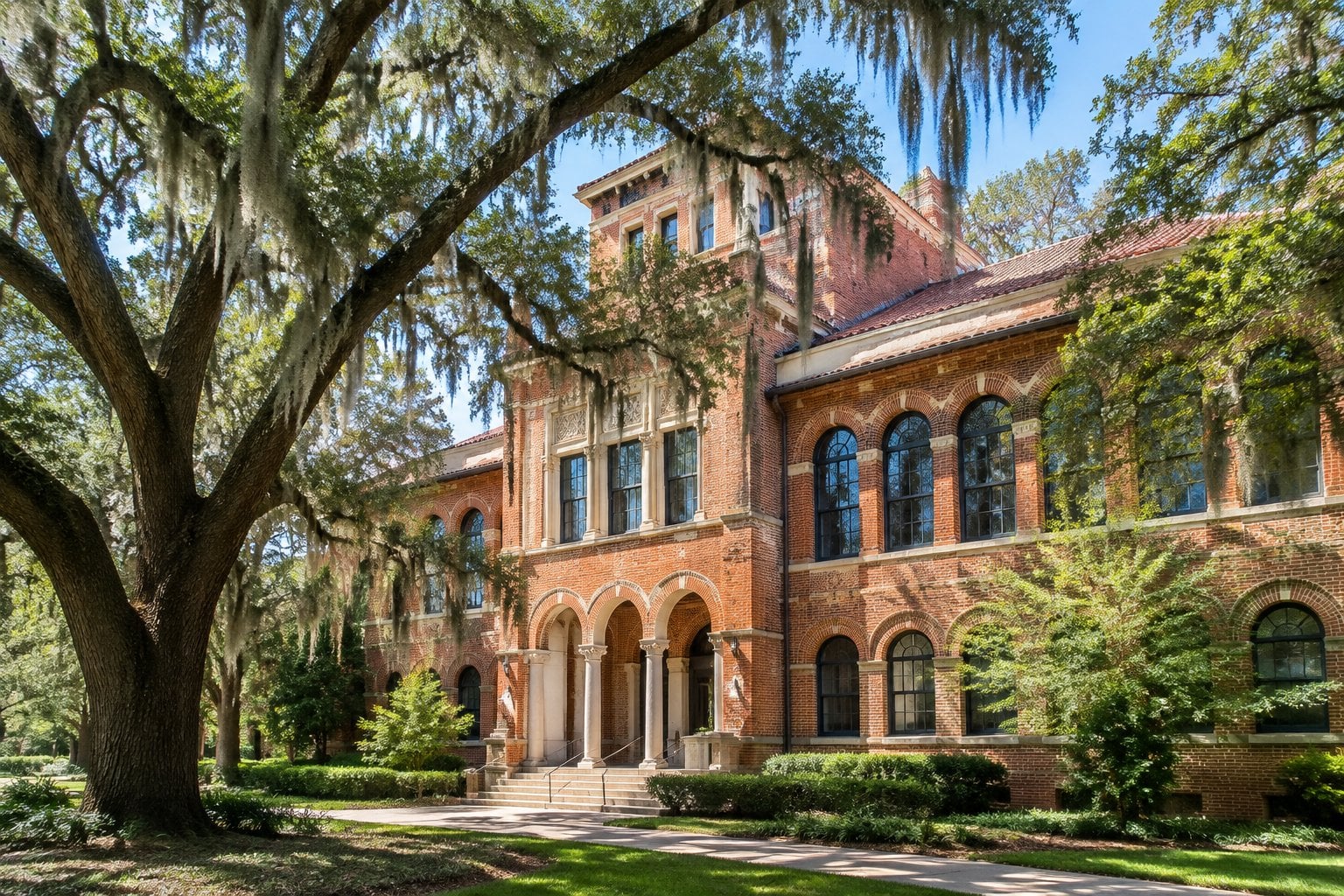
Florida State ranked sixth in the South and 13th in the country. Of its 180 first-time takers, 157 passed, a rate of 87.22%. The ABA weighted average for the same states was 73.35%, which put FSU 13.87 points above it. Like FIU, it ranks this high because Florida’s average pass rate was low: a raw rate in the high 80s goes much further in Florida than in Virginia or Texas.
FSU charges by the credit hour: $688 per credit for Florida residents and $1,422 for nonresidents, plus $3,600 in annual fees. Its living-cost estimate is $23,180 a year, one of the lower figures on this list.
For fall 2025, FSU received 2,711 applications and made 433 offers, an acceptance rate of 15.97%. It enrolled 153 full-time students. The median LSAT score was 166, and the median GPA was 3.93.
Total J.D. enrollment was 455. One first-year student left for academic reasons and one for other reasons, according to the ABA report.
7. Baylor University Law School (Waco, Texas)

Baylor, a private university in Waco, ranked seventh in the South and 15th in the country. Of its 197 first-time takers, 187 passed, a rate of 94.92%. The ABA weighted average for the same states was 81.44%, which put Baylor 13.48 points above it.
Baylor charges by the credit hour: $1,606 per credit, the same for every student, plus $95 in annual fees. It estimates living costs off campus at $25,023 a year.
For fall 2025, Baylor received 3,658 applications and made 753 offers, an acceptance rate of 20.59%. It enrolled 165 full-time students. The median LSAT score was 164 and the median GPA was 3.77.
Baylor’s law school is one of the smaller ones on this list, with a total J.D. enrollment of 439. The ABA report shows two first-year students leaving for academic reasons and three leaving for other reasons. Baylor is the highest-ranked private school in Texas on this measure. In the South, it trails only Belmont and Duke among private schools.
8. Vanderbilt University Law School (Nashville, Tennessee)
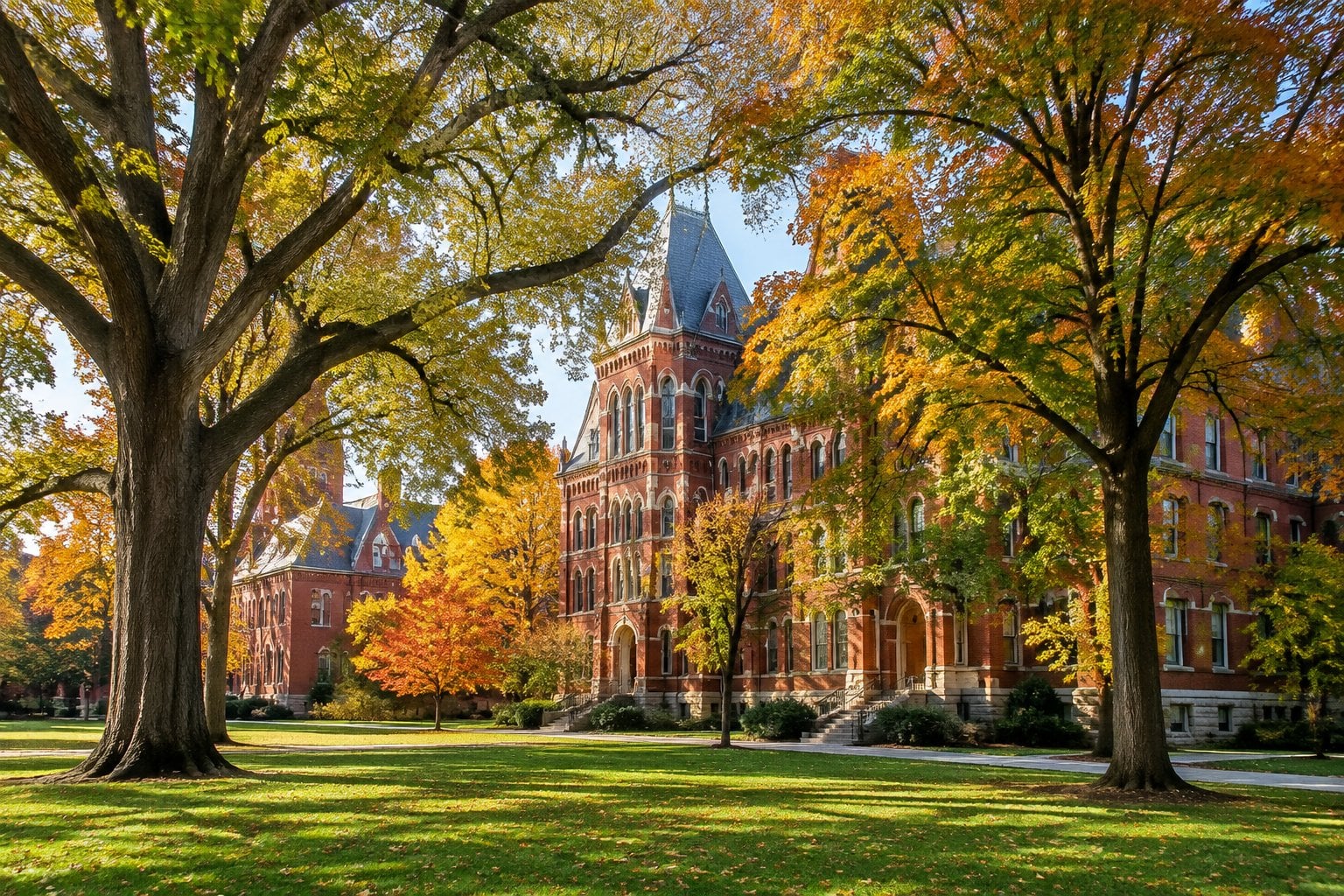
Vanderbilt is the second Nashville school on this list. Of its 164 first-time takers, 155 passed, a rate of 94.51%. The ABA weighted average for the same states was 81.05%, putting Vanderbilt 13.46 points above it, eighth in the South and 16th in the country.
Vanderbilt finished just one hundredth of a point ahead of the University of Tennessee, the closest gap between any two schools on this list.
For fall 2025, the school received 6,124 applications and made 812 offers, an acceptance rate of 13.26%. It enrolled 172 full-time students, with a median LSAT score of 170 and a median GPA of 3.91.
Tuition for 2025-26 is $76,440, plus $2,359 in fees, for a total of $78,799. Vanderbilt estimates living costs at $34,934 a year, one of the higher figures on this list.
The ABA report shows no first-year students leaving for academic reasons and three leaving for other reasons. Total J.D. enrollment was 525.
9. University of Tennessee College of Law (Knoxville, Tennessee)

Tennessee is the third school from the state on this list. Of its 124 first-time takers, 114 passed, a rate of 91.94%. The ABA weighted average for the same states was 78.49%, which put the school 13.45 points above it, ninth in the South and 17th in the country.
It is also one of the least expensive schools here. Tennessee residents pay $16,696 in tuition plus $3,866 in fees for 2025-26, a total of $20,562, the third-lowest resident price among the schools on this list that charge a yearly rate. Nonresidents pay $35,140 plus $4,182 in fees, a total of $39,322. The school estimates living costs at $26,216 a year.
For fall 2025, Tennessee received 2,176 applications and made 539 offers, an acceptance rate of 24.77%. It enrolled 140 full-time students. The median LSAT score was 164 and the median GPA was 3.89.
Total J.D. enrollment was 419. The ABA report shows one first-year student leaving for academic reasons and none leaving for other reasons.
10. University of Florida Levin College of Law (Gainesville, Florida)
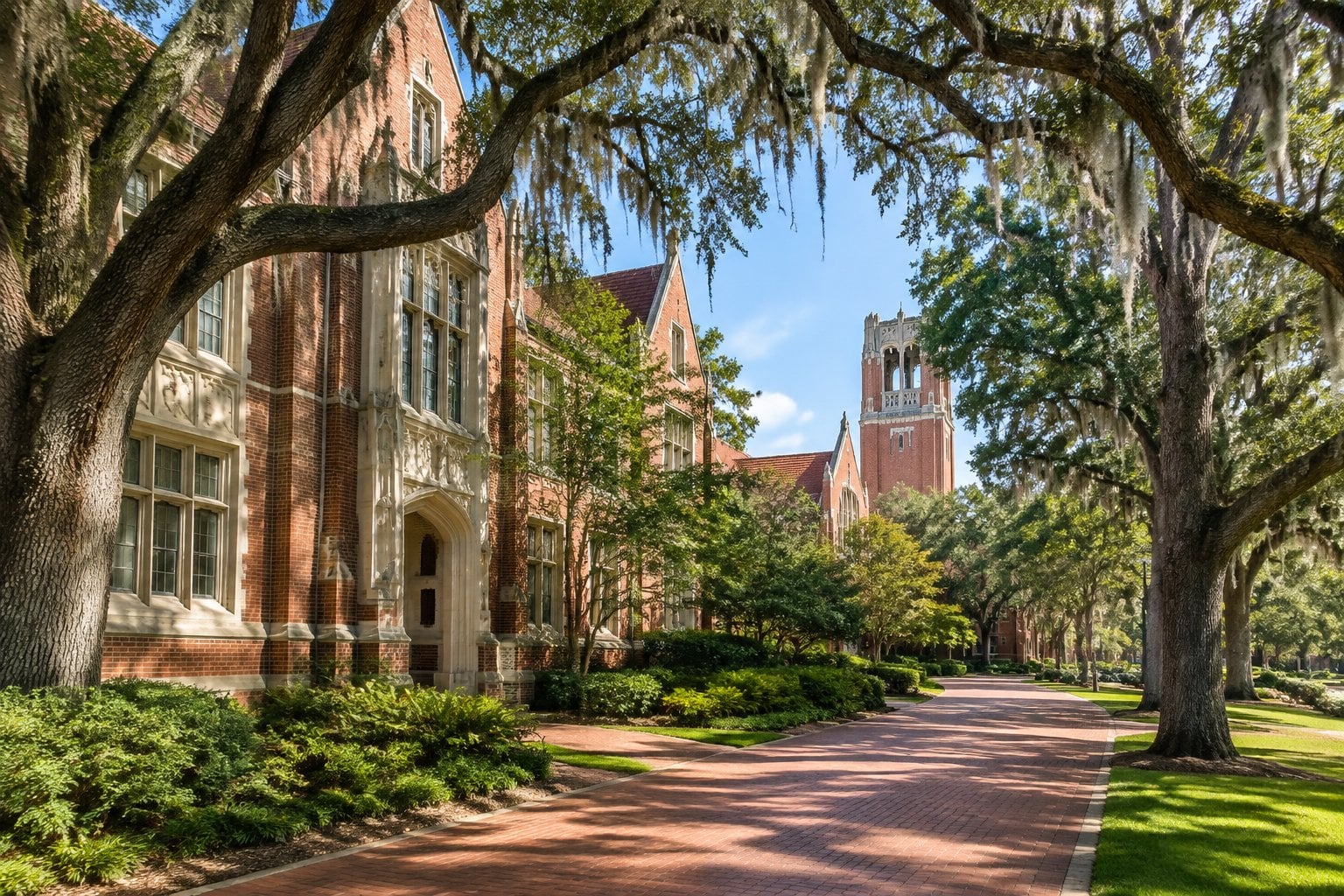
The University of Florida rounds out the top 10. Of its 262 first-time takers, 232 passed, a rate of 88.55%. The ABA weighted average for the same states was 75.2%, which put UF 13.35 points above it, 18th in the country.
UF is the most selective of the four Florida schools here. For fall 2025, it received 3,887 applications and made 642 offers, an acceptance rate of 16.52%. It enrolled 229 full-time students. The median LSAT score was 169 and the median GPA was 3.91.
Tuition for 2025-26 is $19,139 for Florida residents and $36,148 for nonresidents. Fees add $2,665 for residents and $3,514 for nonresidents, for totals of $21,804 and $39,662. UF estimates living costs at $26,646 a year.
The ABA report shows no first-year students leaving for academic reasons and two leaving for other reasons. Total J.D. enrollment was 658.
11. University of North Carolina School of Law (Chapel Hill, North Carolina)
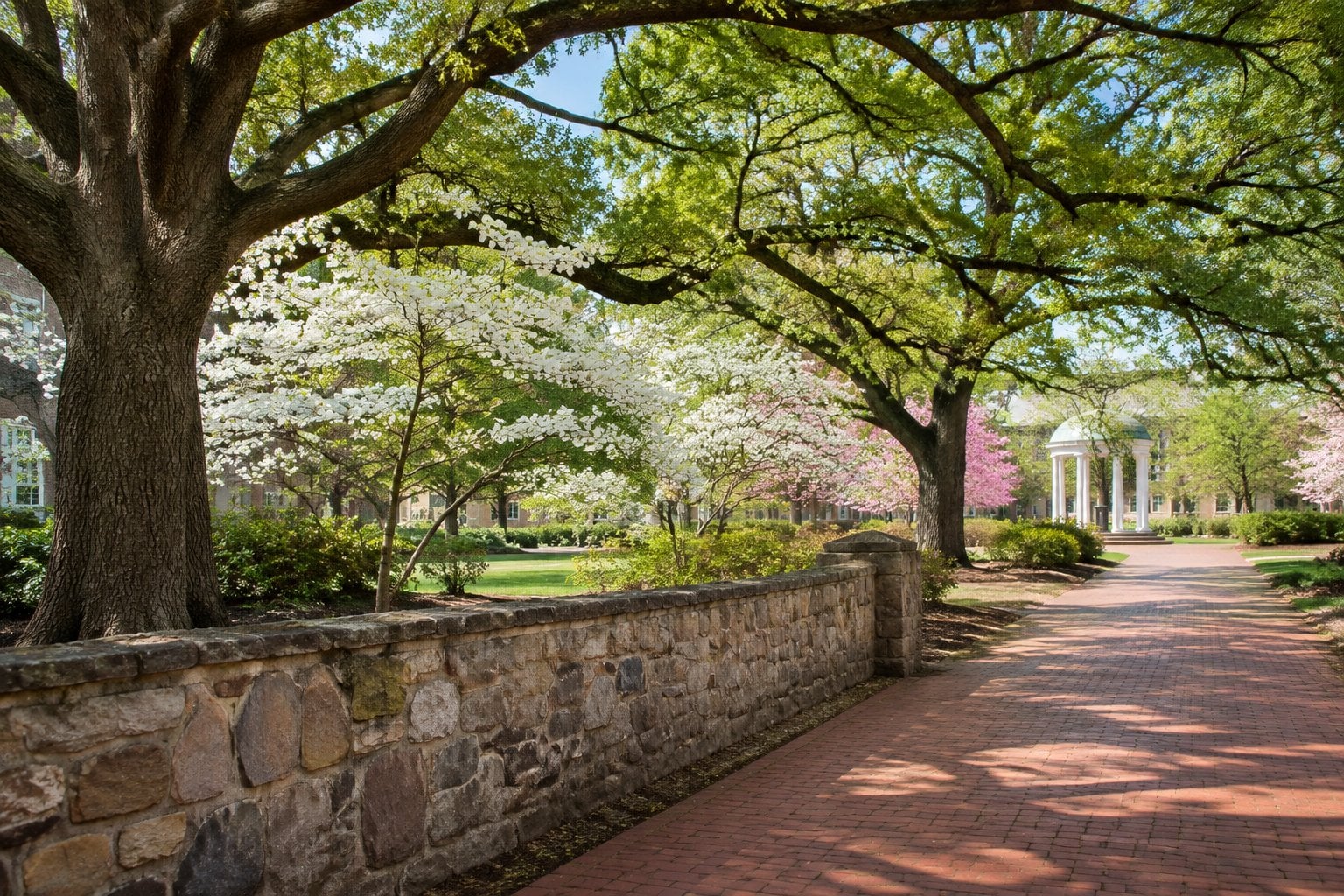
UNC ranked 11th in the South and 21st in the country. Of its 207 first-time takers, 191 passed, a rate of 92.27%. The ABA weighted average for the same states was 79.6%, which put UNC 12.67 points above it.
UNC is the second-hardest school on this list to get into. For fall 2025, it received 3,459 applications and made only 387 offers, an acceptance rate of 11.19%, behind only the University of Virginia. It enrolled 181 full-time students. The median LSAT score was 168 and the median GPA was 3.89.
Tuition for 2025-26 is $28,082 for North Carolina residents and $51,320 for nonresidents, plus $3,480 in fees, for totals of $31,562 and $54,800. UNC estimates living costs at $25,678 a year.
The ABA report shows one first-year student leaving for academic reasons and one for other reasons. Total J.D. enrollment was 543. UNC is one of three North Carolina schools on this list, along with Duke and Wake Forest.
12. University of Virginia School of Law (Charlottesville, Virginia)
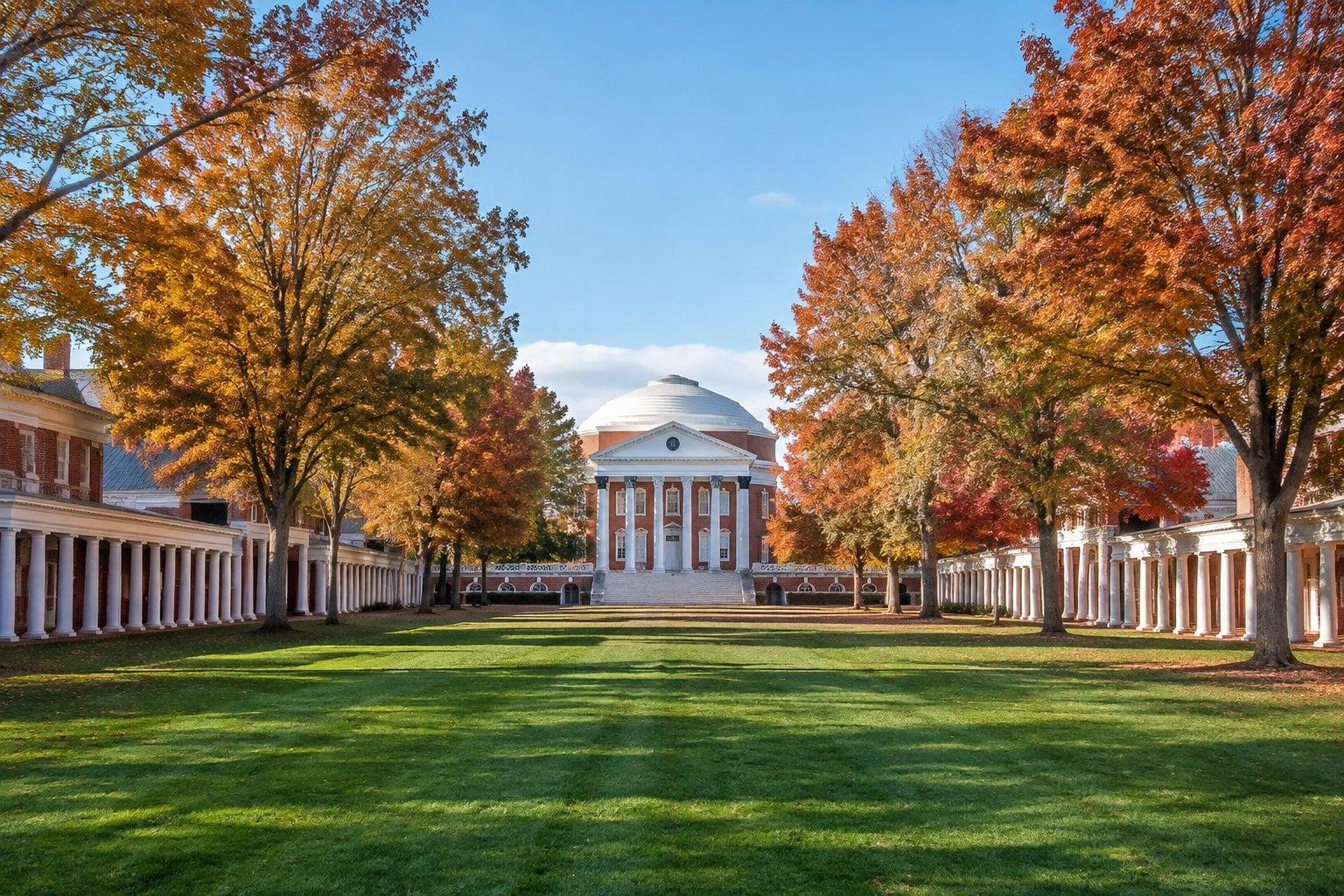
Virginia ranked 12th in the South and 25th in the country. Of its 299 first-time takers, 284 passed, a rate of 94.98%. The ABA weighted average for the states where its graduates tested was 82.83%, one of the highest benchmarks on this list, so UVA finished 12.15 points above it.
UVA is the hardest law school in the South to get into, based on the ABA’s 2025 data. For fall 2025, it received 6,734 applications and made 685 offers, an acceptance rate of 10.17%, the lowest on this list. It enrolled 309 full-time students. Its median LSAT score of 173 and median GPA of 3.99 are both among the highest here, and the top quarter of the class scored 175 or above on the LSAT.
UVA is a public university, but its price is close to the private schools. Tuition for 2025-26 is $74,078 for Virginia residents and $76,396 for nonresidents, plus $3,822 and $4,504 in fees. UVA estimates living costs at $28,770 a year.
The ABA report shows one first-year student leaving for academic reasons and one for other reasons. Total J.D. enrollment was 919.
13. University of Alabama School of Law (Tuscaloosa, Alabama)
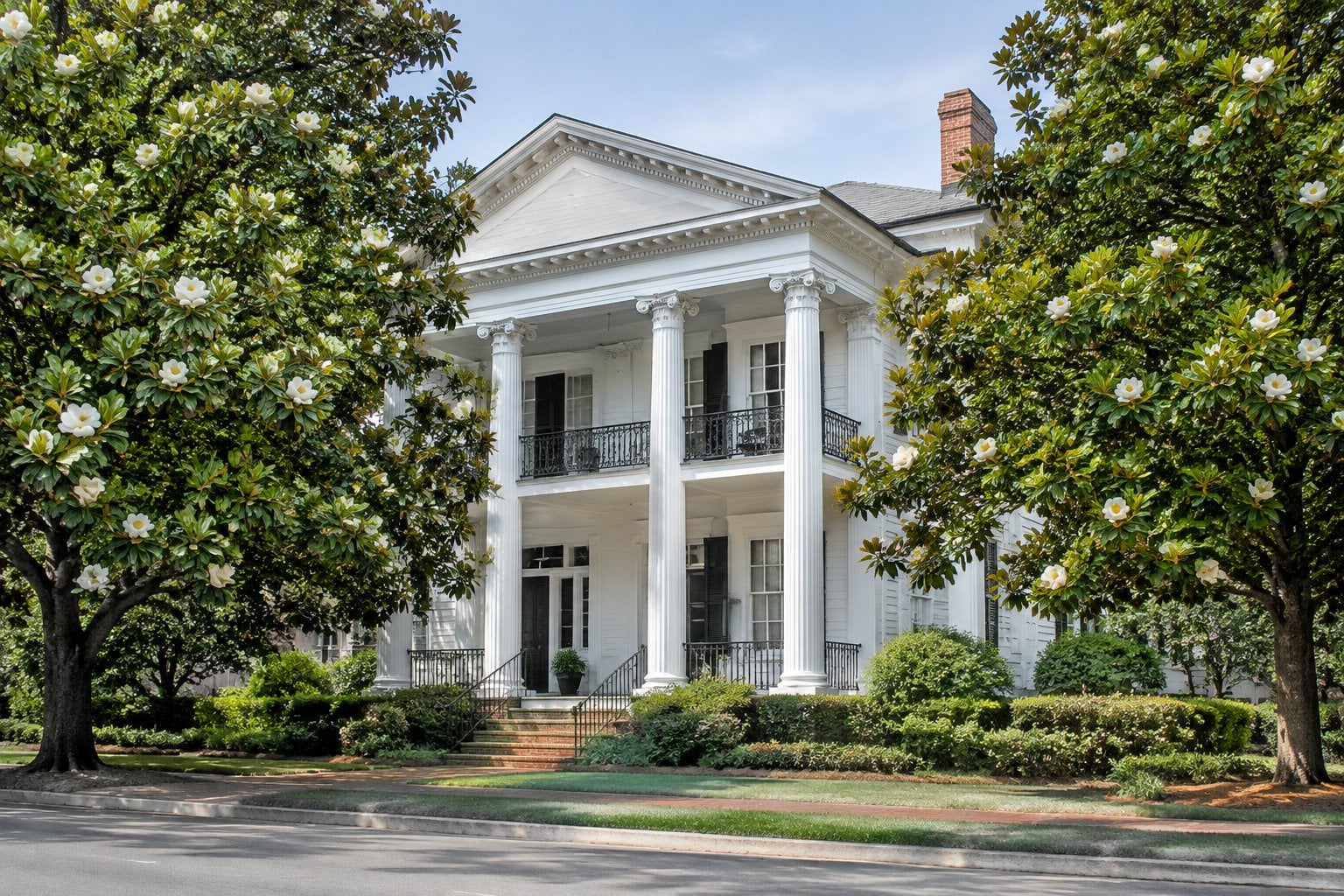
Alabama ranked 13th in the South and 34th in the country. Of its 151 first-time takers, 138 passed, a rate of 91.39%. The ABA weighted average for the same states was 80.44%, which put Alabama 10.95 points above it. It is the only Alabama school on this list.
Alabama’s entering class had one of the strongest academic records here. For fall 2025, it received 1,748 applications and made 448 offers, an acceptance rate of 25.63%. It enrolled 140 full-time students with a median LSAT score of 167 and a median GPA of 3.97, the third-highest median GPA on this list.
Tuition for 2025-26 is $24,980 for Alabama residents and $48,100 for nonresidents, plus $899 in fees, for totals of $25,879 and $48,999. Alabama estimates living costs at $22,620 a year, one of the lowest figures here.
The ABA report shows no first-year students leaving for academic reasons and four leaving for other reasons. Total J.D. enrollment was 388.
14. University of Georgia School of Law (Athens, Georgia)
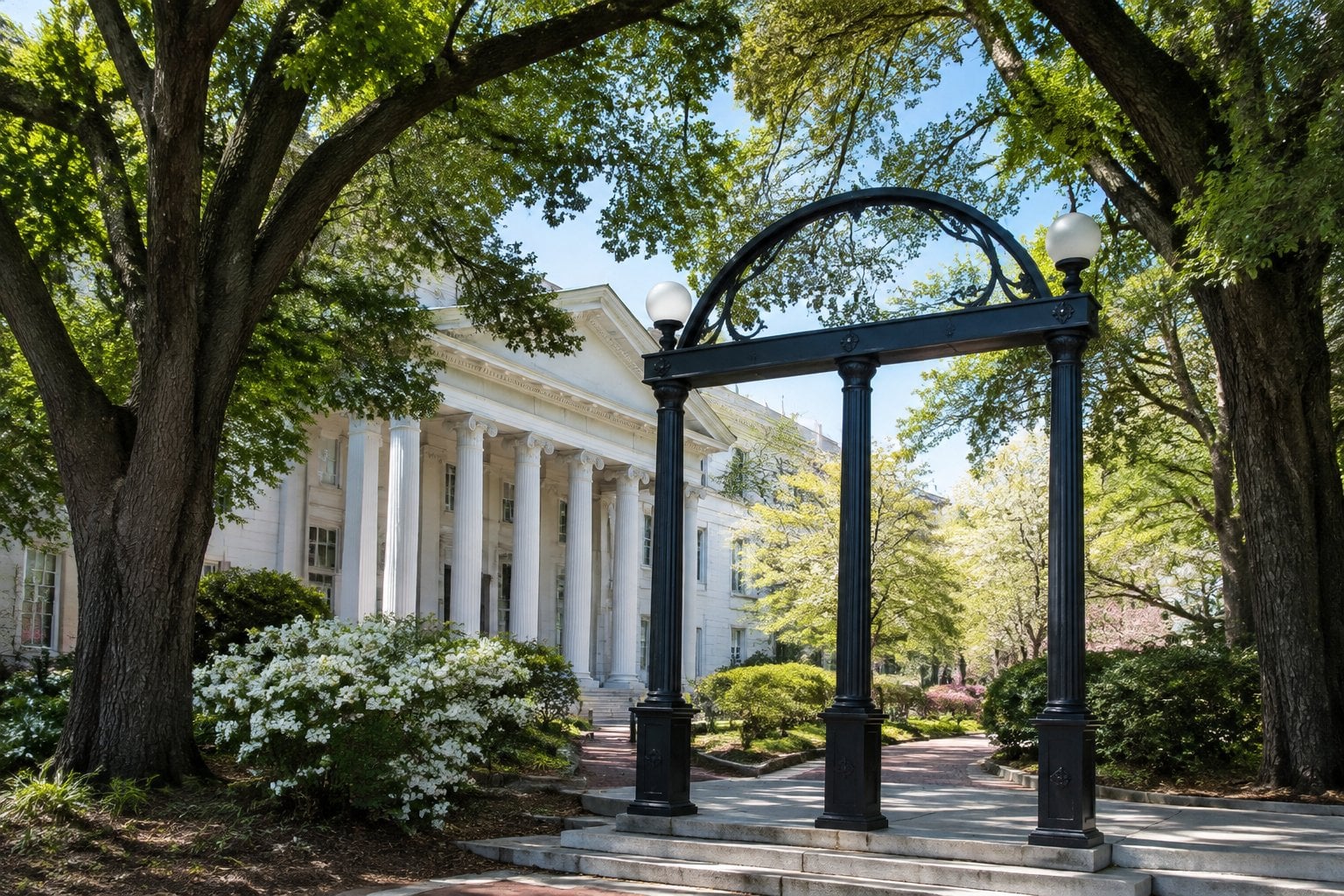
Georgia ranked 14th in the South and 38th in the country. Of its 187 first-time takers, 169 passed, a rate of 90.37%. The ABA weighted average for the same states was 79.72%, which put UGA 10.65 points above it.
For fall 2025, Georgia received 4,695 applications and made 597 offers, an acceptance rate of 12.72%, the fourth-lowest on this list. It enrolled 186 full-time students. The median LSAT score was 169 and the median GPA was 3.92.
It is also one of the best values here. Georgia residents pay $18,044 in tuition plus $1,458 in fees for 2025-26, a total of $19,502, the second-lowest yearly resident price on this list after Georgia State. Nonresidents pay $38,944 plus fees, a total of $40,402. UGA estimates living costs at $25,978 a year.
The ABA report shows one first-year student leaving for academic reasons and four for other reasons. Total J.D. enrollment was 540. Georgia is one of three Georgia schools on this list, along with Georgia State and Emory, both in Atlanta.
15. Regent University School of Law (Virginia Beach, Virginia)

Regent, a private Christian university in Virginia Beach, ranked 15th in the South and 39th in the country. Of its 110 first-time takers, the fewest on this list, 97 passed, a rate of 88.18%. The ABA weighted average for the same states was 77.6%, which put Regent 10.58 points above it.
Regent is the smallest school by entering class on this list. For fall 2025, it received 537 applications, the fewest here, and made 238 offers, also the fewest, an acceptance rate of 44.32%. It enrolled 127 new students, 123 full-time and 4 part-time. The median LSAT score was 158 and the median GPA was 3.68.
Regent charges by the credit hour: $1,400 per credit, plus $2,854 in annual fees. It estimates living costs at $32,268 a year.
Total J.D. enrollment was 341. The ABA report shows six first-year students, about 5%, leaving for academic reasons and four leaving for other reasons.
16. LSU Paul M. Hebert Law Center (Baton Rouge, Louisiana)
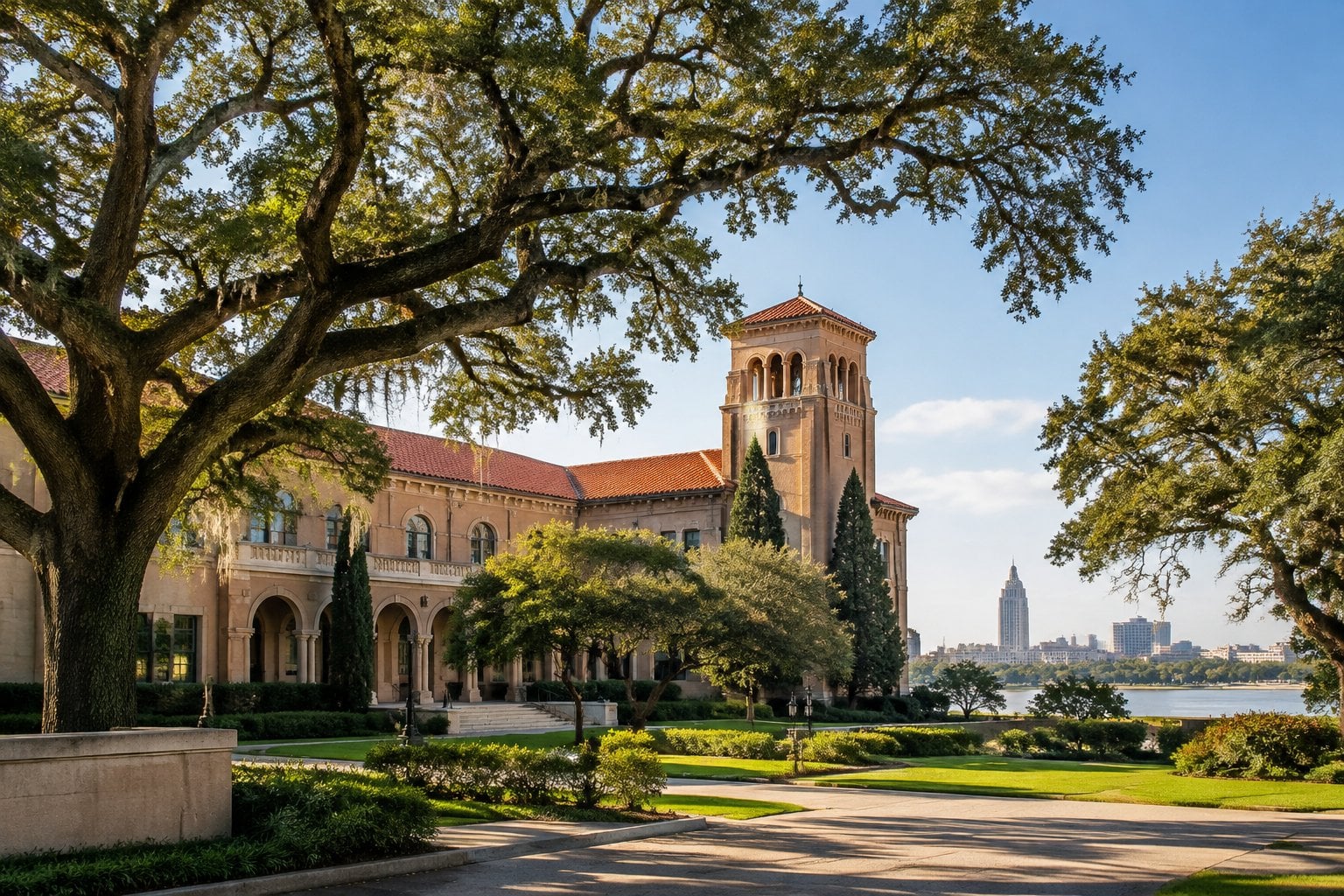
LSU ranked 16th in the South and 41st in the country. Of its 179 first-time takers, 152 passed, a rate of 84.92%. Louisiana’s average was low, so the ABA weighted average for the same states was 74.57%, which put LSU 10.35 points above it. LSU is the only Louisiana school on this list.
LSU’s pricing works a little differently. Tuition for 2025-26 is $19,750 for every student, but fees are $3,915 for Louisiana residents and $19,355 for nonresidents, for totals of $23,665 and $39,105. That is the lowest nonresident total among the schools on this list that charge a yearly rate. LSU estimates living costs at $27,034 a year.
For fall 2025, LSU received 1,253 applications and made 483 offers, an acceptance rate of 38.55%. It enrolled 230 full-time students. The median LSAT score was 157 and the median GPA was 3.74.
Total J.D. enrollment was 635. The ABA report shows five first-year students, about 2%, leaving for academic reasons and four leaving for other reasons.
17. Georgia State University College of Law (Atlanta, Georgia)

Georgia State ranked 17th in the South and 43rd in the country. Of its 189 first-time takers, 170 passed, a rate of 89.95%. The ABA weighted average for the same states was 79.87%, which put the school 10.08 points above it.
Georgia State has the lowest yearly price on this list for in-state students. Georgia residents pay $16,162 in tuition plus $1,434 in fees for 2025-26, a total of $17,596. Nonresidents pay $37,886 plus fees, a total of $39,320. The school also lists per-credit prices. The school estimates living costs at $26,693 a year.
For fall 2025, it received 2,450 applications and made 749 offers, an acceptance rate of 30.57%. It enrolled 237 new students, 184 full-time and 53 part-time. The median LSAT score was 160 and the median GPA was 3.64.
Total J.D. enrollment was 682. The ABA report shows one first-year student leaving for academic reasons and nine leaving for other reasons.
18. University of Maryland Francis King Carey School of Law (Baltimore, Maryland)
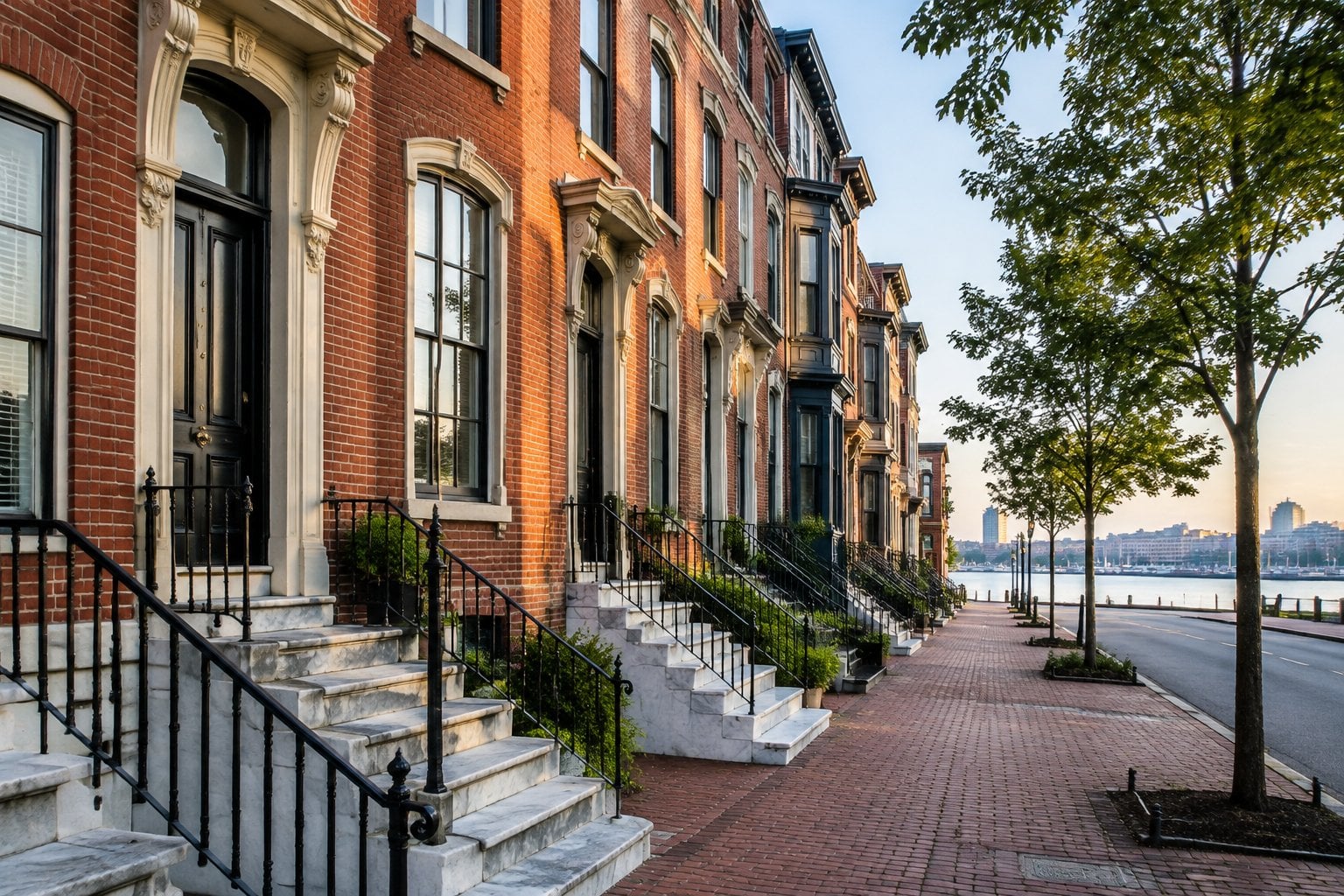
Maryland ranked 18th in the South and 45th in the country. Of its 229 first-time takers, 188 passed, a rate of 82.1%. Maryland’s exam has a low pass rate, and the ABA weighted average for the same states was 72.24%, the lowest benchmark on this list, which put the school 9.86 points above it.
For fall 2025, Maryland received 2,876 applications and made 750 offers, an acceptance rate of 26.08%. It enrolled 229 new students, 208 full-time and 21 part-time. The median LSAT score was 164 and the median GPA was 3.72.
Tuition for 2025-26 is $37,830 for Maryland residents and $55,844 for nonresidents, plus $2,179 in fees, for totals of $40,009 and $58,023. The school estimates living costs at $32,842 a year.
Maryland is one of only two schools on this list with no first-year attrition at all: the ABA report shows no first-year students leaving for academic or other reasons. Total J.D. enrollment was 650.
19. Georgetown University Law Center (Washington, D.C.)
Georgetown is the biggest law school in the South by almost every count. Of its 633 first-time takers, the most on this list, 589 passed, a rate of 93.05%. The ABA weighted average for the states where its graduates tested was 83.29%, the highest benchmark here, which put Georgetown 9.76 points above it, 19th in the South and 47th in the country.
For fall 2025, Georgetown received 13,924 applications, more than twice as many as any other school on this list except George Washington, and made 2,193 offers, an acceptance rate of 15.75%. It enrolled 672 new students, 594 full-time and 78 part-time, the largest entering class here. The median LSAT score was 171 and the median GPA was 3.93.
Tuition for 2025-26 is $83,576, with no separate fees listed, the highest price on this list. Georgetown estimates living costs at $33,905 a year.
Total J.D. enrollment was 2,266, the largest here. The ABA report shows no first-year students leaving for academic reasons and two leaving for other reasons.
20. South Texas College of Law Houston (Houston, Texas)

South Texas College of Law Houston, a private, independent law school downtown, ranked 20th in the South and 48th in the country. Of its 293 first-time takers, 267 passed, a rate of 91.13%. The ABA weighted average for the same states was 81.42%, which put the school 9.71 points above it.
South Texas stands out because its entering class had some of the lowest admission numbers on this list, yet its graduates passed at a high rate. For fall 2025, it received 2,770 applications and made 932 offers, an acceptance rate of 33.65%. It enrolled 437 new students, 343 full-time and 94 part-time, the most part-time entrants on this list. The median LSAT score was 155 and the median GPA was 3.41, the lowest median GPA here.
Tuition for 2025-26 is $42,960, plus $2,000 in fees, for a total of $44,960, the same for every student. The school also lists a per-credit price of $1,432.
Total J.D. enrollment was 1,144. The ABA report shows 24 first-year students, about 3%, leaving for academic reasons and 16 leaving for other reasons.
21. Washington and Lee University School of Law (Lexington, Virginia)
Washington and Lee, a private university in the small town of Lexington in Virginia’s Shenandoah Valley, ranked 21st in the South and 51st in the country. Of its 141 first-time takers, 126 passed, a rate of 89.36%. The ABA weighted average for the same states was 80.09%, which put W&L 9.27 points above it.
For fall 2025, W&L received 2,341 applications and made 532 offers, an acceptance rate of 22.73%. It enrolled 131 full-time students, one of the smallest classes on this list. The median LSAT score was 167 and the median GPA was 3.75.
Tuition for 2025-26 is $57,450, plus $2,490 in fees, for a total of $59,940. W&L estimates living costs at $21,890 a year, one of the lowest figures on this list.
Total J.D. enrollment was 369. The ABA report shows one first-year student leaving for academic reasons and one for other reasons. W&L is one of four Virginia schools on this list, tied with Florida for the second-most after Texas.
22. Wake Forest University School of Law (Winston-Salem, North Carolina)
Wake Forest ranked 22nd in the South and 53rd in the country. Of its 153 first-time takers, 135 passed, a rate of 88.24%. The ABA weighted average for the same states was 79.29%, which put Wake Forest 8.95 points above it.
For fall 2025, the school received 2,883 applications and made 710 offers, an acceptance rate of 24.63%. It enrolled 204 full-time students. The median LSAT score was 166 and the median GPA was 3.79.
Tuition for 2025-26 is $57,920, plus $1,224 in fees, for a total of $59,144. Wake Forest estimates living costs at $30,639 a year.
The ABA report shows no first-year students leaving for academic reasons and two leaving for other reasons. Total J.D. enrollment was 563.
Wake Forest is the third North Carolina school on this list. The other three law schools in the state, Campbell, Elon and North Carolina Central, did not make it: Campbell finished just outside the top 30, while Elon and North Carolina Central finished below their averages.
23. SMU Dedman School of Law (Dallas, Texas)
Southern Methodist University’s law school in Dallas ranked 23rd in the South and 55th in the country. Of its 245 first-time takers, 221 passed, a rate of 90.2%. The ABA weighted average for the same states was 81.36%, which put SMU 8.84 points above it.
For fall 2025, SMU received 3,038 applications and made 747 offers, an acceptance rate of 24.59%. It enrolled 254 full-time students. The median LSAT score was 167 and the median GPA was 3.81.
Tuition for 2025-26 is $60,844. SMU also lists $7,842 in annual fees, among the highest fees on this list, for a total of $68,686.
SMU is one of only two schools on this list with no first-year attrition at all: the ABA report shows no first-year students leaving for academic or other reasons. Total J.D. enrollment was 672.
SMU is the fifth of six Texas schools on this list, and the only one in Dallas. Texas had 10 ABA-accredited law schools in the ABA’s 2025 report, and six of them made the top 30 here.
24. University of Oklahoma College of Law (Norman, Oklahoma)
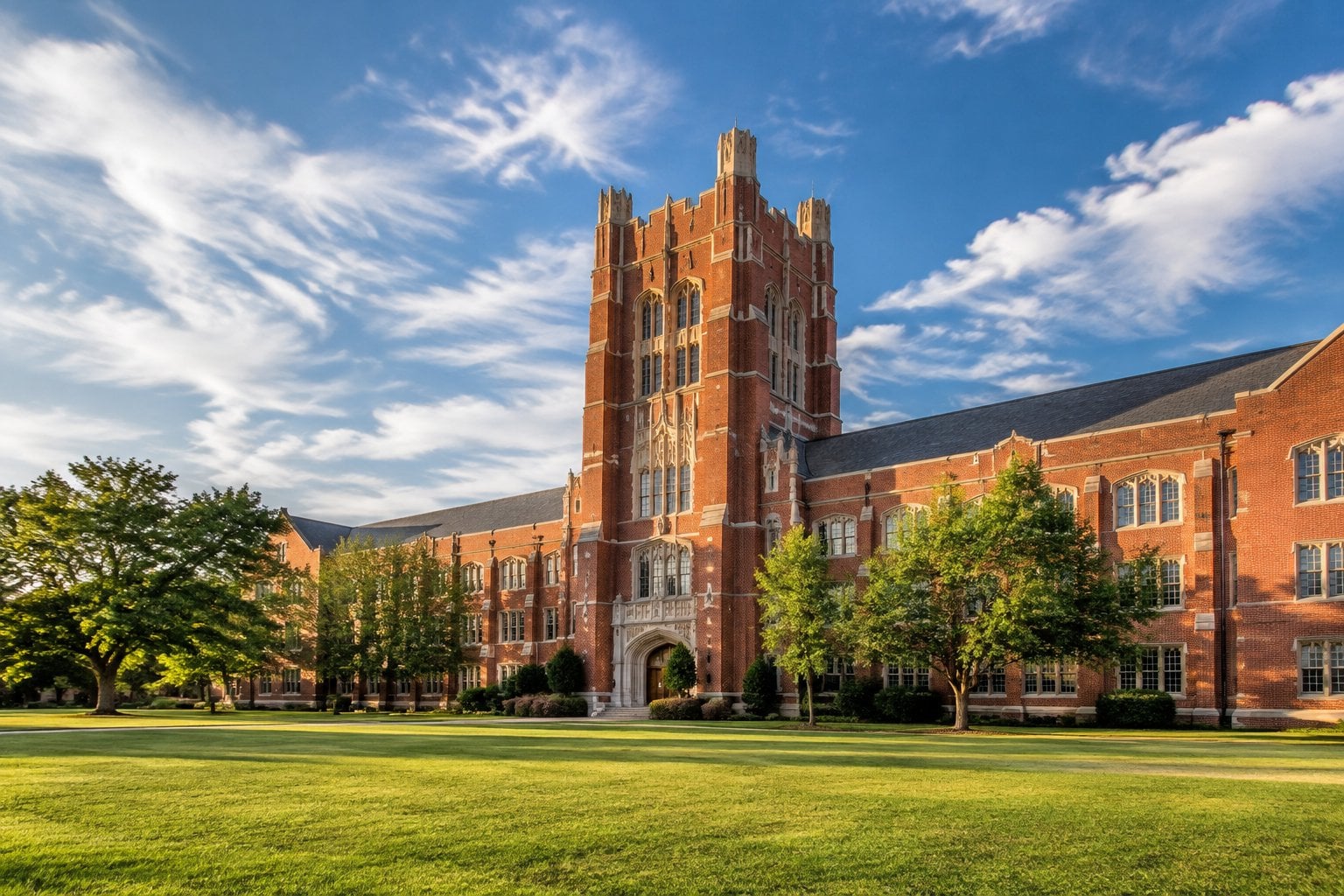
Oklahoma ranked 24th in the South and 60th in the country. Of its 187 first-time takers, 166 passed, a rate of 88.77%. The ABA weighted average for the same states was 80.56%, which put OU 8.21 points above it. It is the only Oklahoma school on this list.
For fall 2025, Oklahoma received 1,391 applications and made 464 offers, an acceptance rate of 33.36%. It enrolled 200 full-time students. The median LSAT score was 162 and the median GPA was 3.73.
Tuition for 2025-26 is $18,379 for Oklahoma residents and $33,357 for nonresidents, plus $6,274 in fees, for totals of $24,653 and $39,631. OU estimates living costs at $27,748 a year.
The ABA report shows one first-year student leaving for academic reasons and four for other reasons. Total J.D. enrollment was 539.
Oklahoma’s two other law schools, the University of Tulsa and Oklahoma City University, both finished below their averages.
25. St. Thomas University Benjamin L. Crump College of Law (Miami Gardens, Florida)
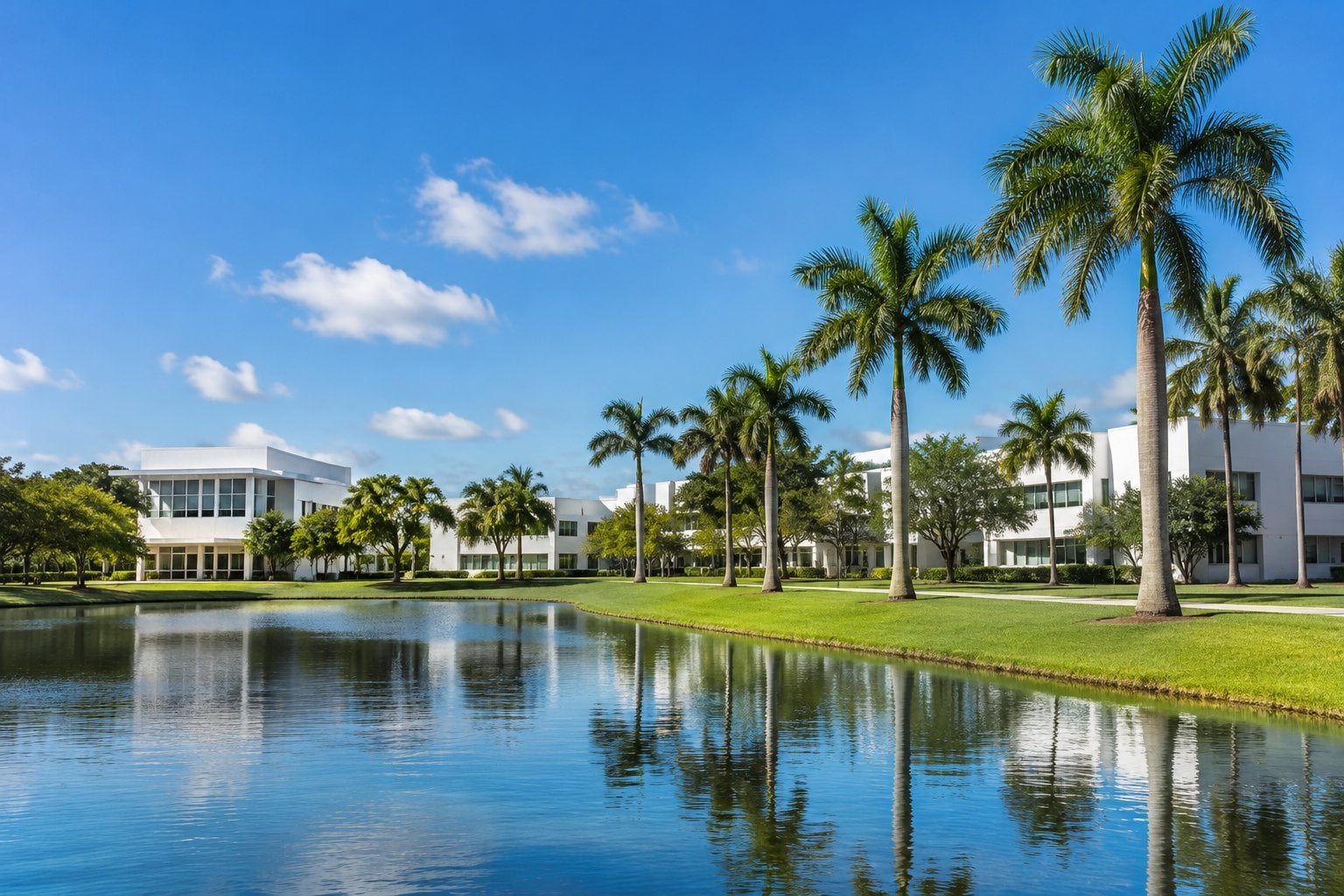
St. Thomas, a private Catholic university in Miami Gardens, ranked 25th in the South and 62nd in the country. Of its 246 first-time takers, 199 passed, a rate of 80.89%, the lowest raw rate on this list. But the ABA weighted average for the same states was just 72.73%, so St. Thomas finished 8.16 points above it.
St. Thomas is the easiest school on this list to get into. For fall 2025, it received 1,771 applications and made 1,067 offers, an acceptance rate of 60.25%, the highest here. It enrolled 431 full-time students. The median LSAT score was 152, the lowest on this list, and the median GPA was 3.42.
Tuition for 2025-26 is $44,730, plus $2,848 in fees, for a total of $47,578. St. Thomas estimates living costs at $42,548 a year, one of the highest figures here.
The ABA report shows 41 first-year students, about 10%, leaving for academic reasons, the most on this list, and five leaving for other reasons. Total J.D. enrollment was 998.
26. Emory University School of Law (Atlanta, Georgia)
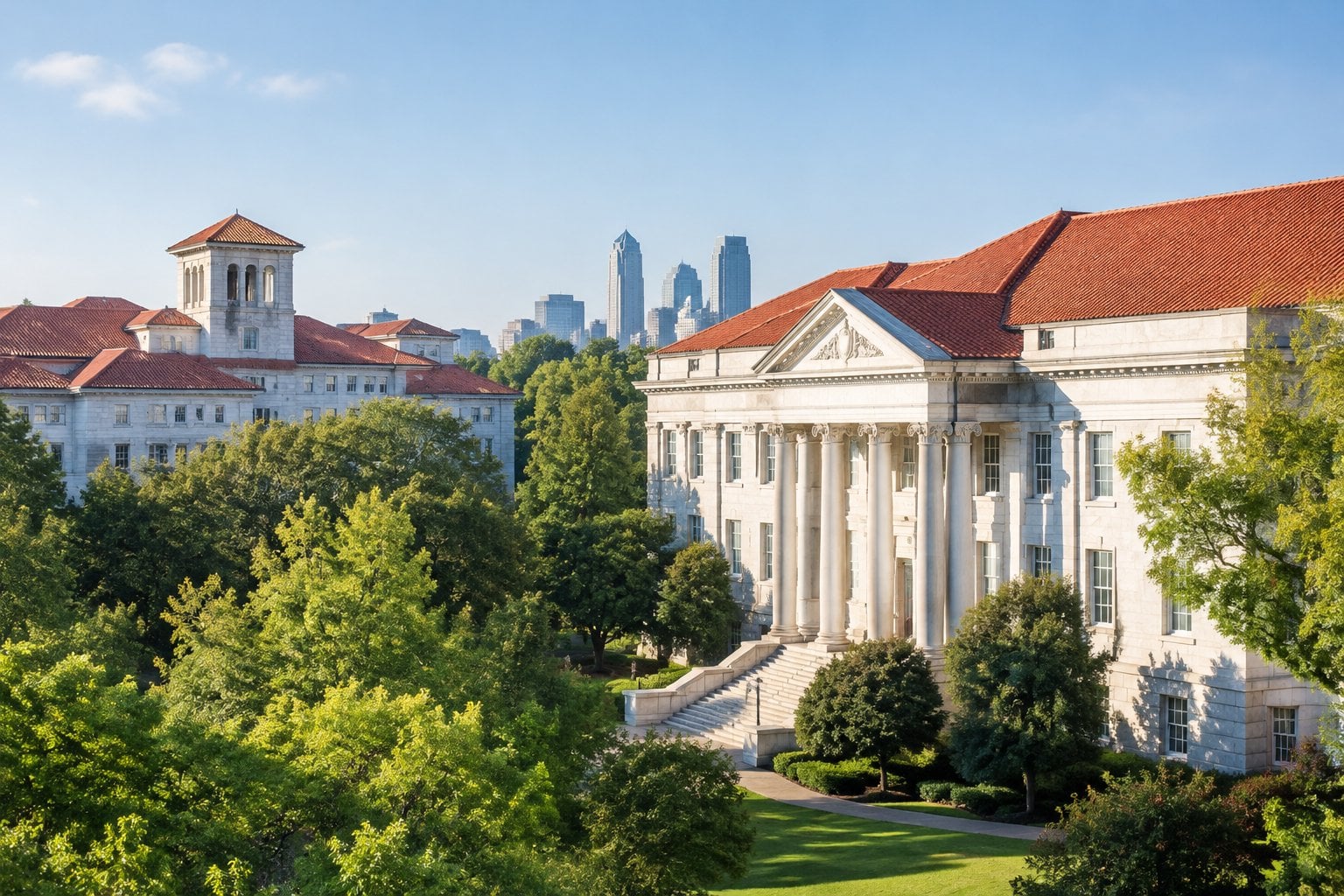
Emory ranked 26th in the South and 63rd in the country. Of its 292 first-time takers, 258 passed, a rate of 88.36%. The ABA weighted average for the same states was 80.47%, which put Emory 7.89 points above it.
For fall 2025, Emory received 3,891 applications and made 1,505 offers, an acceptance rate of 38.68%. It enrolled 391 full-time students, one of the larger entering classes on this list. The median LSAT score was 166 and the median GPA was 3.82.
Tuition for 2025-26 is $69,510, plus $962 in fees, for a total of $70,472. Emory estimates living costs at $38,990 a year, one of the higher figures here.
The ABA report shows one first-year student leaving for academic reasons and three for other reasons. Total J.D. enrollment was 913.
Emory is the third Georgia school on this list. Mercer, in Macon, finished above its average but outside the top 30, while Atlanta’s John Marshall Law School finished below its average.
27. The George Washington University Law School (Washington, D.C.)
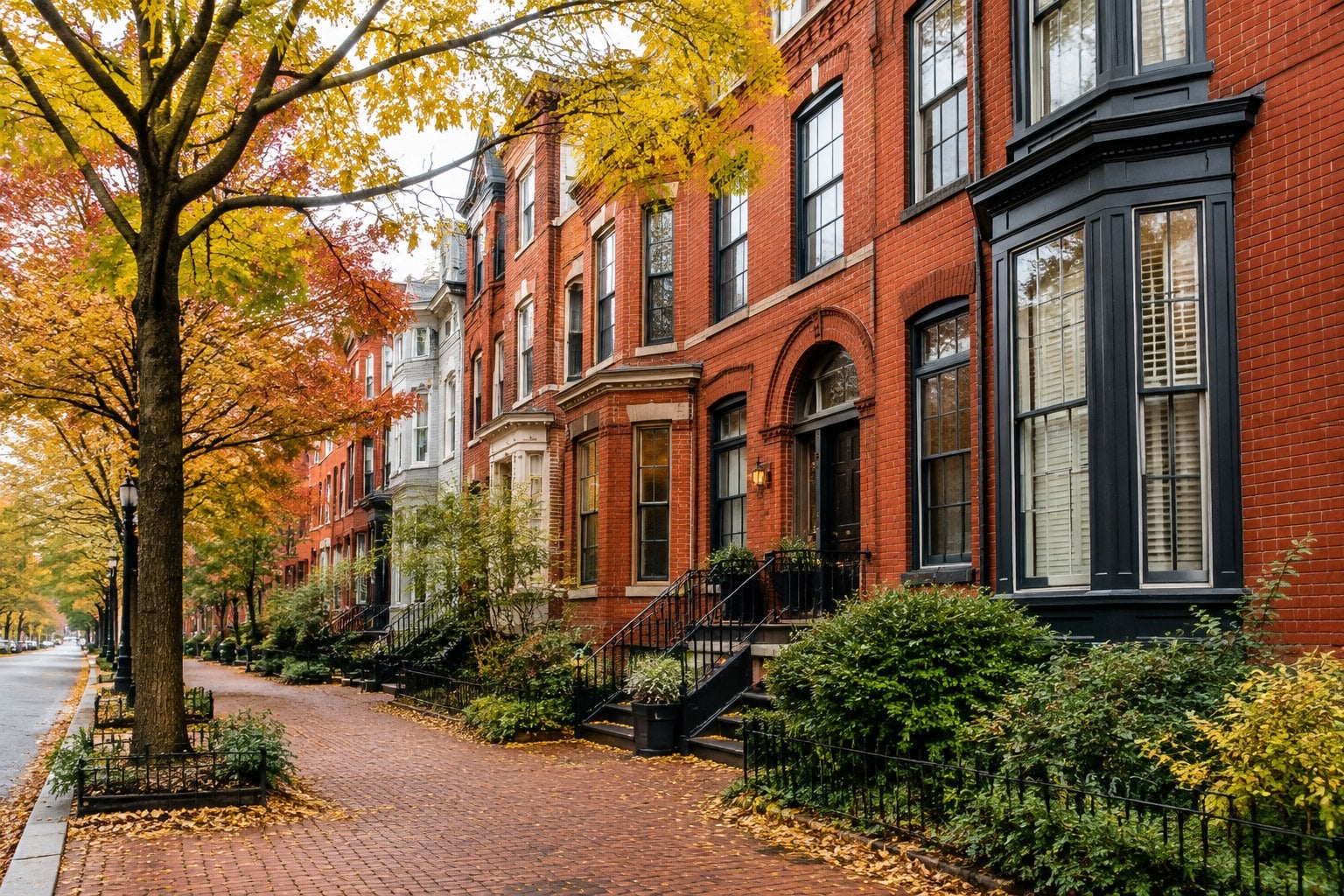
George Washington ranked 27th in the South and 66th in the country. Of its 511 first-time takers, 461 passed, a rate of 90.22%. The ABA weighted average for the states where its graduates tested was 82.71%, one of the highest benchmarks on this list, which put GW 7.51 points above it.
GW is the second-largest school here after Georgetown. For fall 2025, it received 9,718 applications and made 2,644 offers, the most on this list, an acceptance rate of 27.21%. It enrolled 612 new students, 576 full-time and 36 part-time. The median LSAT score was 168 and the median GPA was 3.86.
Tuition for 2025-26 is $75,420, with no separate fees listed. The school also lists a per-credit price of $2,650. GW estimates living costs at $25,240 a year.
Total J.D. enrollment was 1,728. The ABA report shows no first-year students leaving for academic reasons and six leaving for other reasons. GW and Georgetown are the only two of Washington, D.C.’s six law schools on this list.
28. University of South Carolina Joseph F. Rice School of Law (Columbia, South Carolina)
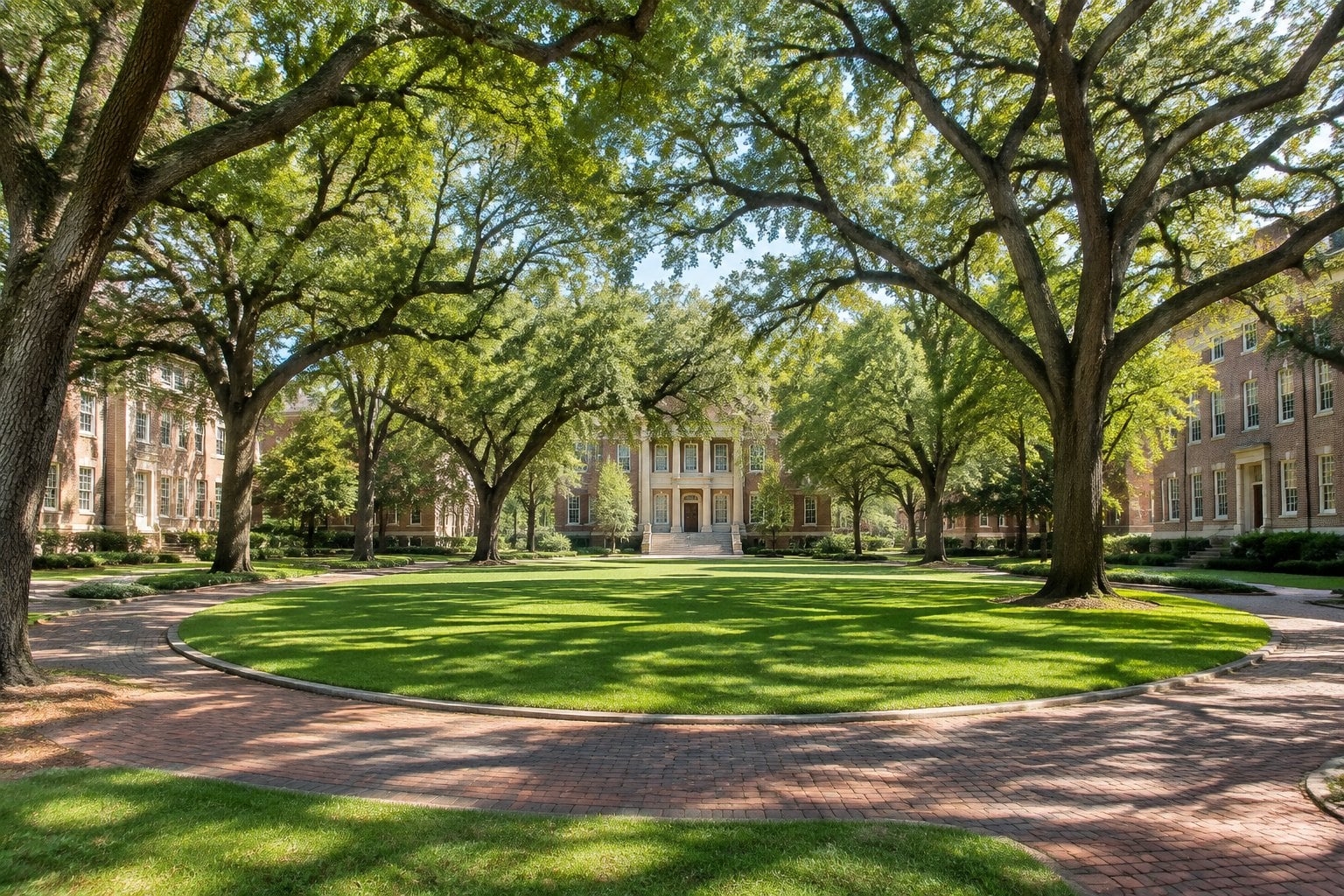
South Carolina ranked 28th in the South and 67th in the country. Of its 209 first-time takers, 174 passed, a rate of 83.25%. The ABA weighted average for the same states was 75.81%, which put the school 7.44 points above it. It is the only South Carolina school on this list.
For fall 2025, South Carolina received 2,114 applications and made 632 offers, an acceptance rate of 29.9%. It enrolled 221 full-time students. The median LSAT score was 162 and the median GPA was 3.67.
Tuition for 2025-26 is $20,322 for South Carolina residents and $38,100 for nonresidents, plus $3,700 in fees, for totals of $24,022 and $41,800. The school estimates living costs at $25,392 a year.
The ABA report shows six first-year students, about 3%, leaving for academic reasons and two leaving for other reasons. Total J.D. enrollment was 649.
29. University of Houston Law Center (Houston, Texas)
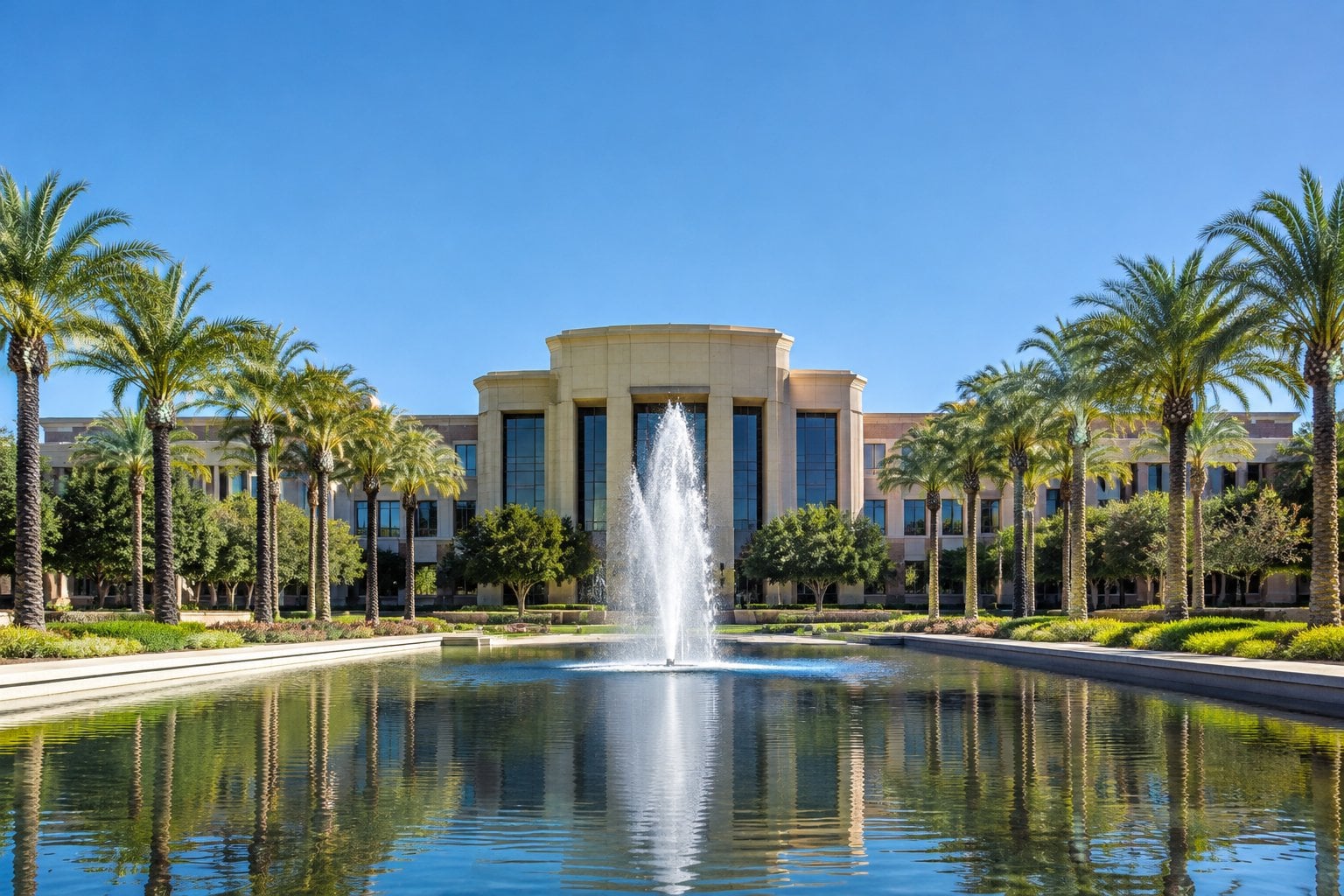
The University of Houston ranked 29th in the South and 70th in the country. Of its 255 first-time takers, 226 passed, a rate of 88.63%. The ABA weighted average for the same states was 81.34%, which put UH 7.29 points above it. It is the second Houston school on this list, after South Texas College of Law Houston.
For fall 2025, Houston received 3,510 applications and made 807 offers, an acceptance rate of 22.99%. It enrolled 249 new students, 219 full-time and 30 part-time. The median LSAT score was 163 and the median GPA was 3.79.
Tuition for 2025-26 is $31,326 for Texas residents and $46,051 for nonresidents. Houston also lists $7,896 in annual fees, the highest resident fees on this list, for totals of $39,222 and $53,947. The school also lists per-credit prices. UH estimates living costs at $26,086 a year.
The ABA report shows no first-year students leaving for academic reasons and two leaving for other reasons. Total J.D. enrollment was 838.
30. Liberty University School of Law (Lynchburg, Virginia)

Liberty, a private Christian university in Lynchburg, completes the list. Of its 112 first-time takers, 95 passed, a rate of 84.82%. The ABA weighted average for the same states was 77.78%, which put Liberty 7.04 points above it, 72nd in the country. That was a little more than a third of a point ahead of the next Southern school, the University of Miami.
Liberty is the smallest school on this list. For fall 2025, it received 628 applications and made 369 offers, an acceptance rate of 58.76%, the second-highest here. It enrolled 141 full-time students. The median LSAT score was 154 and the median GPA was 3.54. Total J.D. enrollment was 326, the lowest on this list.
Tuition for 2025-26 is $43,150, plus $2,198 in fees, for a total of $45,348. Liberty estimates living costs at $26,532 a year.
The ABA report shows 12 first-year students, about 11%, leaving for academic reasons, the highest share on this list, and three leaving for other reasons. Liberty is the fourth Virginia school on this list, along with UVA, Regent and Washington and Lee.
What the Numbers Show
Texas has the most schools on this list, six, followed by Florida and Virginia with four each. Georgia, North Carolina and Tennessee have three each, Washington, D.C., has two, and Alabama, Louisiana, Maryland, Oklahoma and South Carolina have one each. No school from Arkansas, Delaware, Kentucky, Mississippi or West Virginia made the top 30. The list is close to evenly split: 16 public schools and 14 private.
The South did well nationally on this measure. Twelve of the 25 highest-ranked schools in the country were Southern, led by Belmont at No. 1 and FIU at No. 3.
A high raw pass rate isn’t enough on its own. St. Thomas made the list with an 80.89% raw rate because Florida’s average was low, while American University in Washington, D.C., with a higher raw rate of 81.28%, finished below its average and missed the list.
Price doesn’t decide the order either. Tennessee, Florida, Georgia and Georgia State all charge state residents less than $22,000 a year in tuition and fees and finished in the top 17, ahead of private schools that charge more than $75,000.
For more on law school results and costs, see our lists of the 30 best law schools in the U.S., the 30 worst law schools in the South and the 30 hardest law schools to get into. Each school’s full report is on the ABA’s required disclosures site, and the National Conference of Bar Examiners publishes pass rates by state.
This article is general information, not legal advice or a recommendation for or against any school. Figures are from the ABA’s 2025 Standard 509 and bar passage reports and may change in later reports.