
The 30 Cheapest Law Schools in America

Law school is one of the most expensive degrees in the country, but the price is not the same everywhere. Every law school approved by the American Bar Association has to publish its tuition and fees each year, and the gap between the top and the bottom of that list is enormous. In the 2025-26 school year, Columbia University charged $88,390 in tuition and fees. Some ABA-approved schools charged less than a quarter of that.
This list ranks the 30 cheapest law schools in America by full-time tuition and fees for the 2025-26 school year, as each school reported it in the ABA’s 2025 Standard 509 Information Reports. Public schools charge residents of their own state less than everyone else, so the ranking uses the lowest price a full-time student can pay: the in-state (resident) rate. Each entry also gives the out-of-state price.
Most schools set a flat yearly rate. Thirty-two schools charge by the credit instead. For those, we took one-third of the credits the school requires to graduate as a full-time year (30 credits at a school that requires 90), multiplied that by the per-credit price, and added the school’s yearly fees. Those figures are estimates and are marked “about.”
Across all 196 schools in the ABA report, the middle in-state price was about $47,000 a year, and only 19 schools came in under $20,000. All prices on this list are tuition and fees only. Rent, food and books are extra, so each entry also gives the school’s own estimate of yearly living costs off campus. The other figures come from the same ABA reports: the fall 2025 entering class, grants the school gave students in 2024-25, first-time bar passage for 2024 graduates compared with the ABA’s weighted average for the same states, and jobs for the class of 2025. A low price says nothing by itself about the quality of a school, and several schools on this list rank among the strongest in their region.
1. University of Puerto Rico School of Law (San Juan, Puerto Rico)
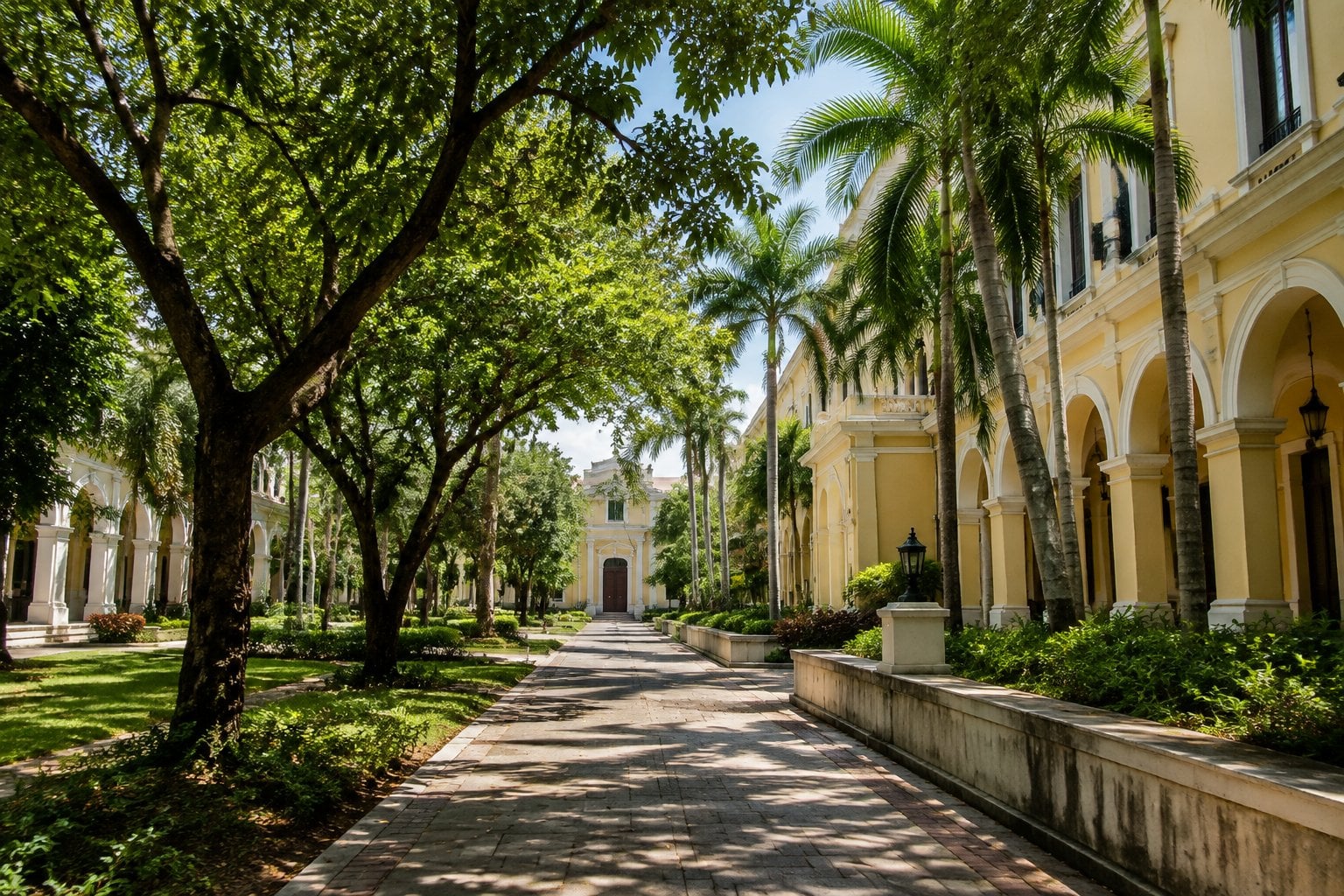
The University of Puerto Rico is the cheapest ABA-approved law school by a wide margin. It charges $305 per credit, the same for every student, plus $600 in yearly fees. The school requires 92 credits to graduate, so a full-time year of about 31 credits comes to about $9,950. That is the only price under $10,000 at any ABA-approved school, and it is also the lowest out-of-state price in the country.
The public law school on the Río Piedras campus received 383 applications for fall 2025 and made 152 offers, an acceptance rate of 39.69%. Its entering class of 122 students, 93 full-time and 29 part-time, had a median LSAT score of 152 and a median undergraduate GPA of 3.77.
The school estimates living costs off campus at $23,501 a year. In 2024-25, half of its students received a grant from the school, with a median full-time grant of $1,000.
Of its first-time bar takers, 74 of 127 passed, or 58.27%. That was 5.10 points above the ABA’s average of 53.17% for Puerto Rico. For the class of 2025, 48.4% of the 124 graduates had full-time, long-term jobs that require bar passage.
2. University of the District of Columbia David A. Clarke School of Law (Washington, D.C.)
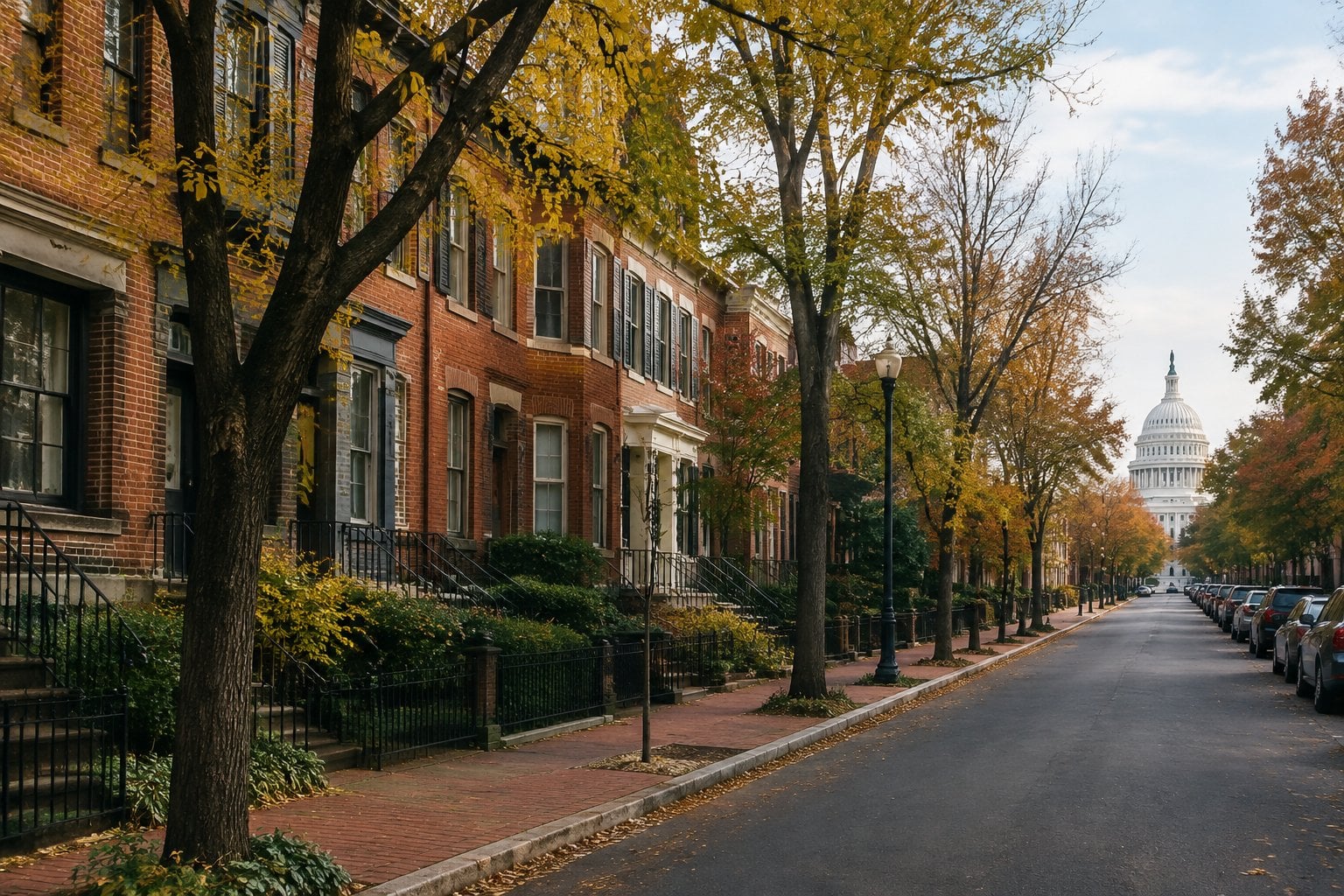
The University of the District of Columbia has the lowest price of any school that charges a flat yearly rate. Tuition for 2025-26 is $12,438 for District residents, plus $1,000 in fees, for a total of $13,438. Students from outside the District pay $24,874 in tuition and the same $1,000 in fees, or $25,874.
That low price comes in one of the most expensive cities on this list. The school estimates living costs off campus at $34,035 a year, more than two and a half times its in-state tuition and fees.
UDC is a small school. It received 749 applications for fall 2025, made 277 offers (an acceptance rate of 36.98%) and enrolled 83 students, 51 full-time and 32 part-time. The class had a median LSAT score of 151 and a median GPA of 3.28. In 2024-25, 70% of students received a grant from the school, with a median full-time grant of $8,292.
Bar results were weaker. Of its first-time takers, 40 of 61 passed, or 65.57%, which was 15.07 points below the ABA’s average of 80.64% for the same states. For the class of 2025, 46.2% of 80 graduates had full-time, long-term jobs that require bar passage.
3. Florida A&M University College of Law (Orlando, Florida)
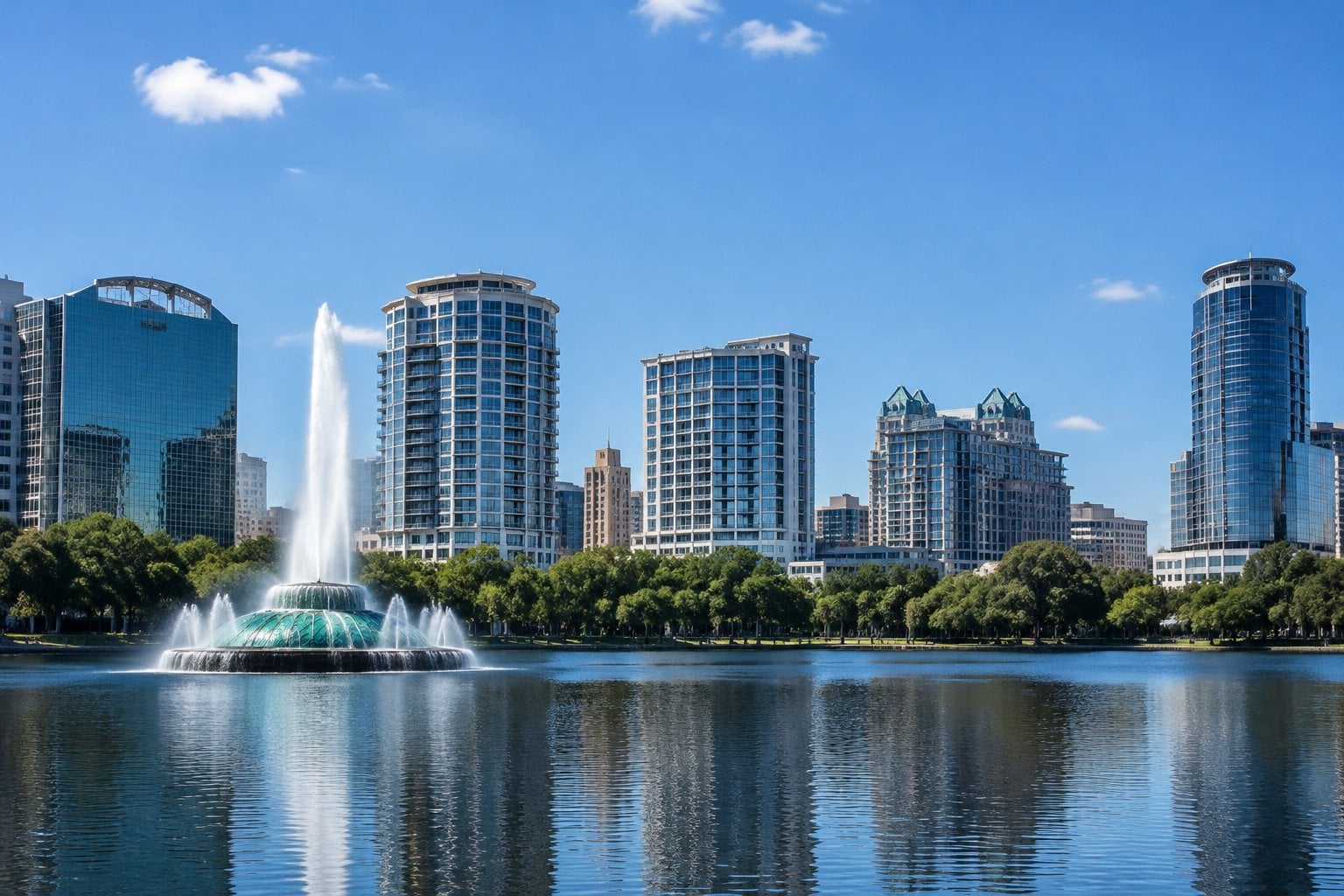
Florida A&M’s law school in downtown Orlando charges by the credit: $456 for Florida residents and $1,098 for students from other states, plus $175 in yearly fees. With 90 credits needed to graduate, a 30-credit year comes to about $13,855 for Florida residents and about $33,115 for everyone else.
That makes it the cheapest law school in Florida for in-state students, a state with four schools on this list. Living in Orlando costs more, though. The school’s estimate for living costs off campus is $39,030 a year, the highest of any school in the top 30.
Florida A&M received 1,546 applications for fall 2025 and made 536 offers, an acceptance rate of 34.67%. It enrolled 177 students, 150 full-time and 27 part-time, with a median LSAT score of 152 and a median GPA of 3.48. In 2024-25, 45% of students received a grant from the school, with a median full-time grant of $7,500.
Of its first-time bar takers, 49 of 65 passed, or 75.38%, which was 2.10 points above the ABA’s average of 73.28% for the same states. For the class of 2025, 71.3% of 108 graduates had full-time, long-term jobs that require bar passage.
4. Brigham Young University J. Reuben Clark Law School (Provo, Utah)
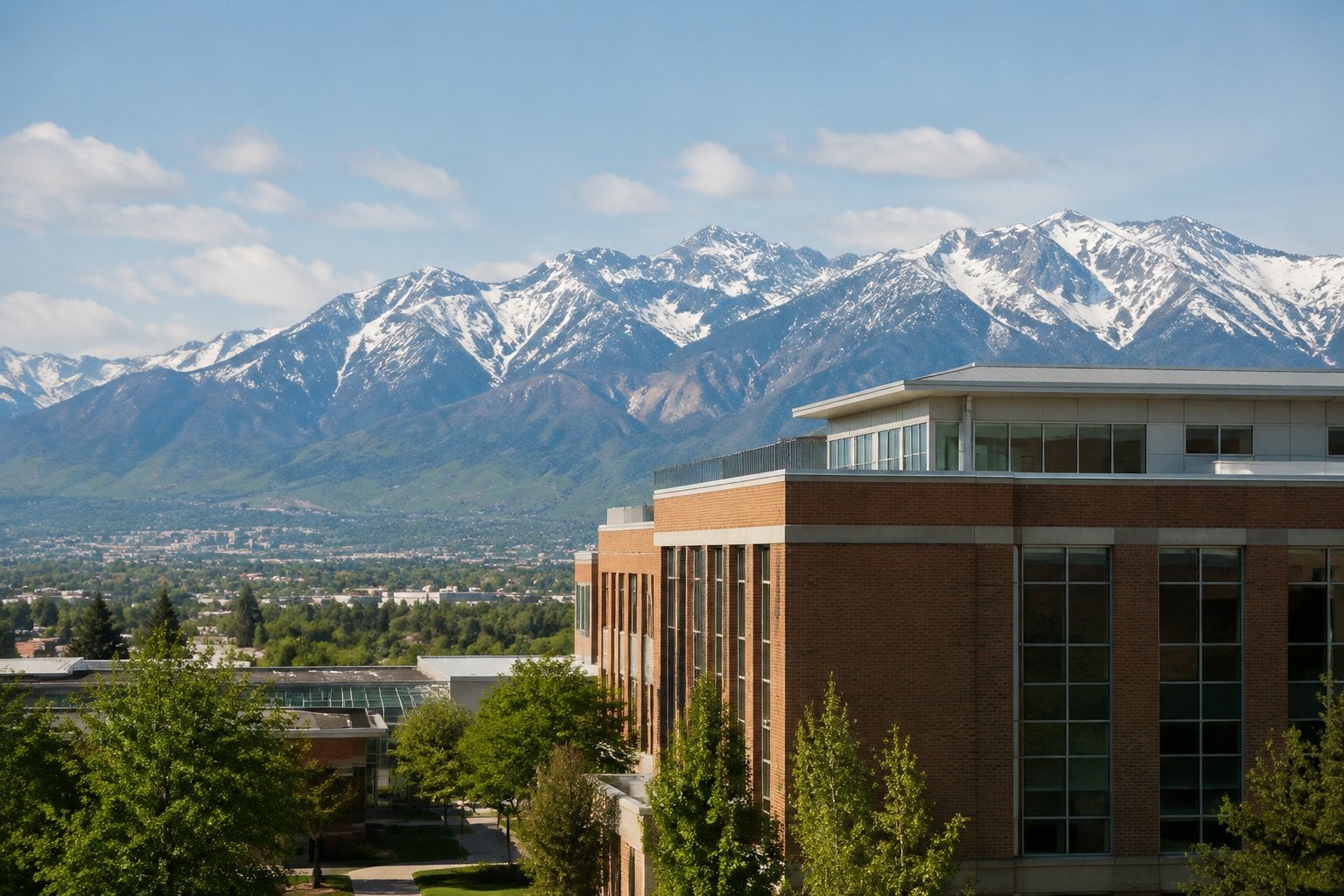
Brigham Young University has the lowest price of any private law school for church members, and a pricing rule found nowhere else on this list. Its tuition does not depend on the state a student comes from but on church membership. For 2025-26, BYU Law lists tuition of $15,992 for members of The Church of Jesus Christ of Latter-day Saints and $31,984 for everyone else, with no separate fees. The school says church contributions pay for more than half the cost of running the law school.
BYU’s students have the highest test scores on this list. It received 649 applications for fall 2025, made 148 offers (an acceptance rate of 22.8%) and enrolled 122 full-time students. The class had a median LSAT score of 170, the highest in the top 30, and a median GPA of 3.95. It charges no application fee.
In 2024-25, 98% of students received a grant from the school, with a median full-time grant of $11,646. The school estimates living costs off campus at $22,436 a year.
Of its first-time bar takers, 123 of 136 passed, or 90.44%, which was 6.86 points above the ABA’s average of 83.58% for the same states. For the class of 2025, 87.4% of 127 graduates had full-time, long-term jobs that require bar passage.
5. City University of New York School of Law (Queens, New York)

CUNY School of Law in Long Island City, Queens, is the cheapest law school in New York, a state where most private law schools charge more than $60,000 a year. Tuition for 2025-26 is $15,450 for New York residents, plus $563 in fees, for a total of $16,013. Students from other states pay $25,640 in tuition and the same fees, or $26,203.
The school estimates living costs off campus at $30,805 a year. In 2024-25, only 17% of its students received a grant from the school, the lowest share among the American schools on this list outside Puerto Rico, with a median full-time grant of $8,000.
CUNY received 2,300 applications for fall 2025 and made 659 offers, an acceptance rate of 28.65%. It enrolled 219 students, 161 full-time and 58 part-time, with a median LSAT score of 155 and a median GPA of 3.54. With 695 students in total, it is one of the larger schools on this list.
Bar results were among the weakest. Of its first-time takers, 132 of 201 passed, or 65.67%, which was 20.33 points below the ABA’s average of 86% for the same states. For the class of 2025, 73.4% of 192 graduates had full-time, long-term jobs that require bar passage.
6. University of South Dakota Knudson School of Law (Vermillion, South Dakota)
South Dakota’s only law school has one of the lowest tuition rates in the country but one of the highest fee bills on this list. Tuition for 2025-26 is $12,076 for South Dakota residents, plus $5,037 in fees, for a total of $17,113. Nonresidents pay $32,184 in tuition and the same fees, or $37,221.
Living in Vermillion is cheap, too. The school estimates living costs off campus at $18,034 a year, the second-lowest estimate in the top 30.
South Dakota is also one of the easiest schools to get into. It received 405 applications for fall 2025 and made 253 offers, an acceptance rate of 62.47%. It enrolled 88 full-time students with a median LSAT score of 152 and a median GPA of 3.47. In 2024-25, 55% of students received a grant from the school, with a median full-time grant of $5,000.
Of its first-time bar takers, 53 of 73 passed, or 72.6%, which was 6.02 points below the ABA’s average of 78.62% for the same states. For the class of 2025, 78% of 82 graduates had full-time, long-term jobs that require bar passage.
7. University of Arkansas at Little Rock William H. Bowen School of Law (Little Rock, Arkansas)
UA Little Rock’s Bowen School of Law charges Arkansas residents $13,770 in full-time tuition for 2025-26, plus $3,704 in fees, for a total of $17,474. The ABA report lists a nonresident rate of $1,006 per credit, more than double the resident rate of $459. According to the school’s tuition page, first-year students from other states receive an automatic scholarship that brings their tuition down to the in-state rate.
It is one of two Arkansas law schools on this list, both run by the state. Bowen charges no application fee, and it estimates living costs off campus at $25,459 a year.
The school received 603 applications for fall 2025 and made 331 offers, an acceptance rate of 54.89%. It enrolled 154 students, 117 full-time and 37 part-time, with a median LSAT score of 153 and a median GPA of 3.41. In 2024-25, 60% of students received a grant from the school, with a median full-time grant of $7,461.
Of its first-time bar takers, 100 of 136 passed, or 73.53%, which was 2.98 points below the ABA’s average of 76.51% for the same states. For the class of 2025, 75% of 132 graduates had full-time, long-term jobs that require bar passage.
8. Georgia State University College of Law (Atlanta, Georgia)
Georgia State charges Georgia residents $16,162 in tuition for 2025-26, plus $1,434 in fees, for a total of $17,596. Students from other states pay $37,886 in tuition and the same fees, or $39,320. It is the cheaper of the two Georgia public law schools on this list.
The downtown Atlanta school is one of the strongest performers in the top 10. Of its first-time bar takers, 170 of 189 passed, or 89.95%, which was 10.08 points above the ABA’s average of 79.87% for the same states. For the class of 2025, 88.7% of 195 graduates had full-time, long-term jobs that require bar passage.
Georgia State received 2,450 applications for fall 2025 and made 749 offers, an acceptance rate of 30.57%. It enrolled 237 students, 184 full-time and 53 part-time, one of the few schools on this list with a large part-time program. The class had a median LSAT score of 160 and a median GPA of 3.64.
In 2024-25, 49% of students received a grant from the school, with a median full-time grant of $7,776. The school estimates living costs off campus at $26,693 a year. With 682 students, it is one of the three largest schools in the top 30.
9. Inter American University of Puerto Rico School of Law (San Juan, Puerto Rico)
Inter American University is a private school, and like the other two Puerto Rico law schools on this list, it charges the same price to every student. Tuition for 2025-26 is $16,585, plus $1,175 in fees, for a total of $17,760. That is the second-lowest out-of-state price of any ABA-approved school, after the University of Puerto Rico.
The school estimates living costs off campus at $25,286 a year. In 2024-25, only 8% of students received a grant from the school, the lowest share on this list, with a median full-time grant of $2,379.
Inter American received 542 applications for fall 2025 and made 276 offers, an acceptance rate of 50.92%. Its entering class of 205 students, 118 full-time and 87 part-time, had a median LSAT score of 144 and a median GPA of 3.39. With 611 students in total, it is the largest of the three Puerto Rico schools.
Of its first-time bar takers, 66 of 137 passed, or 48.18%, which was 3.77 points below the ABA’s average of 51.95% for Puerto Rico. For the class of 2025, 25.9% of 197 graduates had full-time, long-term jobs that require bar passage.
10. Pontifical Catholic University of Puerto Rico School of Law (Ponce, Puerto Rico)
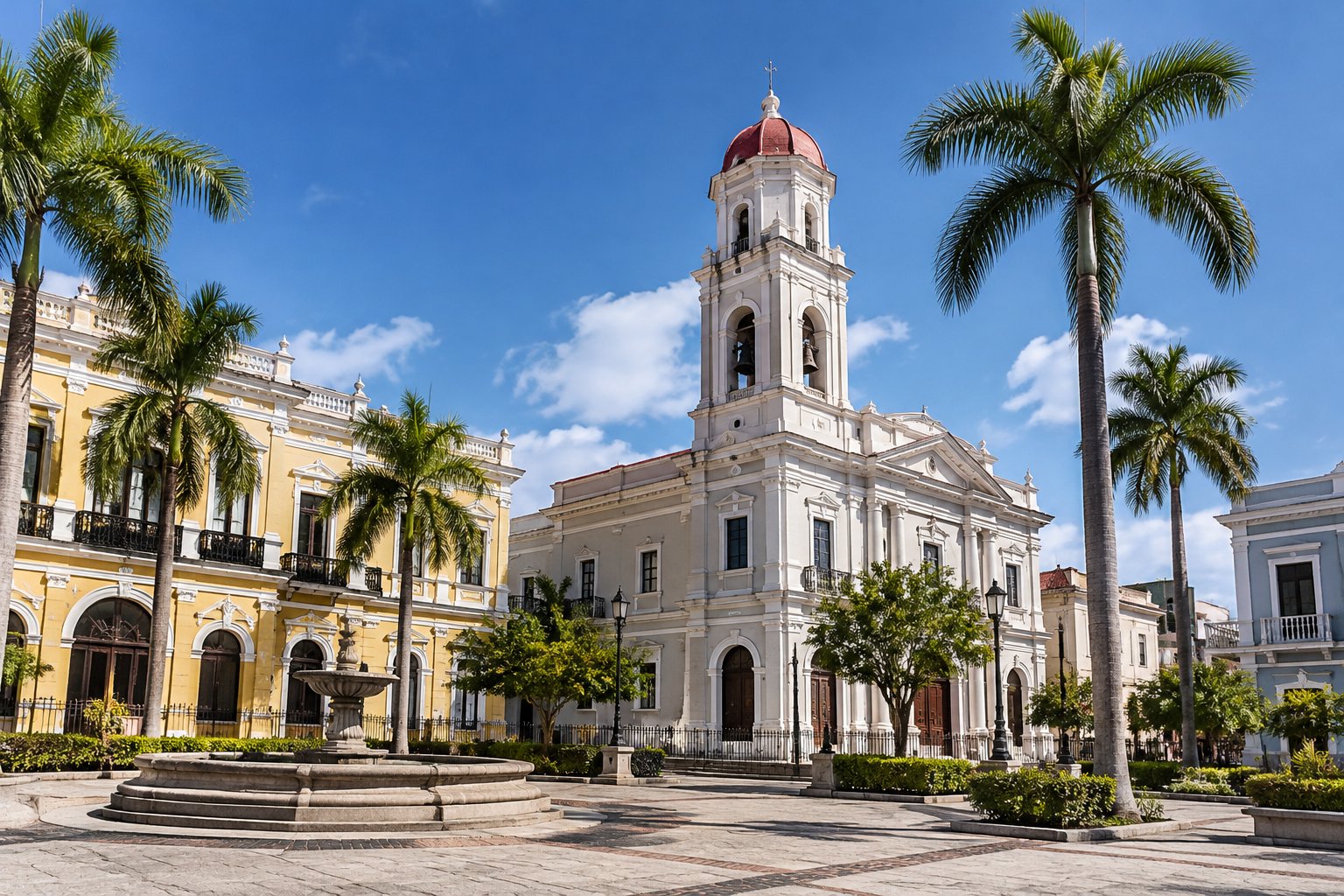
Pontifical Catholic University’s law school in Ponce, on Puerto Rico’s south coast, charges $540 per credit for every student, plus $1,090 in yearly fees. It requires 94 credits to graduate, so a full-time year of about 31 credits comes to about $18,010.
The school estimates living costs off campus at $26,644 a year. In 2024-25, 24% of students received a grant from the school, with a median full-time grant of $1,593.
It is one of the easier schools to get into. It received 325 applications for fall 2025, the second-fewest on this list, and made 200 offers, an acceptance rate of 61.54%. Its entering class of 161 students, 96 full-time and 65 part-time, had a median LSAT score of 139, the lowest in the top 30, and a median GPA of 3.33.
Bar results were close to the island’s average. Of its first-time takers, 56 of 102 passed, or 54.9%, which was 2.82 points above the ABA’s average of 52.08% for Puerto Rico. Jobs were harder to find: for the class of 2025, 17% of 147 graduates had full-time, long-term jobs that require bar passage, the lowest share in the top 30.
11. University of Nebraska College of Law (Lincoln, Nebraska)
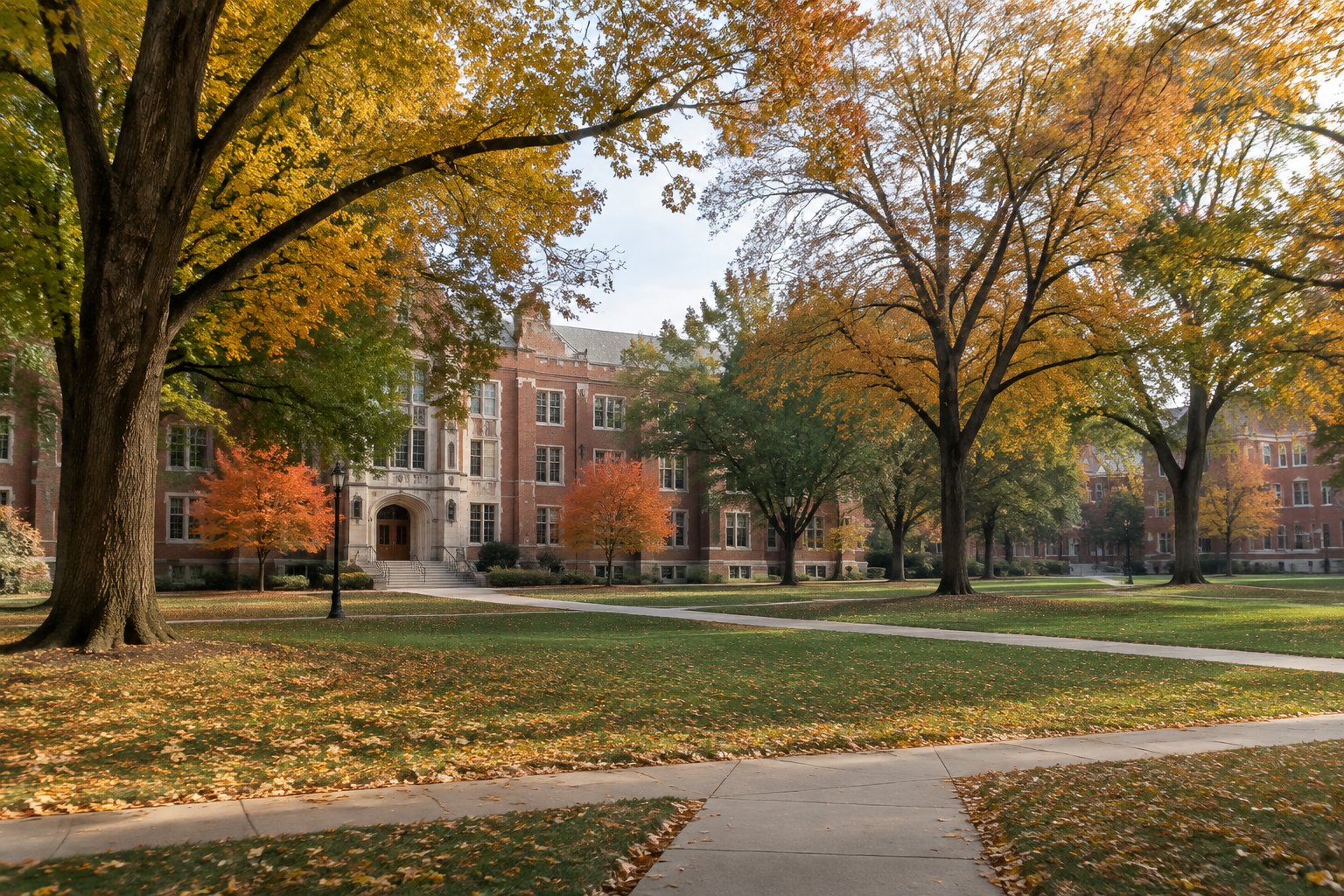
Nebraska charges by the credit: $456 for Nebraska residents and $1,229 for students from other states, plus $3,966 in yearly fees. With 93 credits needed to graduate, a 31-credit year comes to about $18,102 for residents and about $42,065 for nonresidents.
Nebraska also gives some of the largest grants on this list. In 2024-25, 85% of its students received a grant from the school, and the median full-time grant was $20,000, the highest in the top 30. The school estimates living costs off campus at $22,092 a year.
It received 1,096 applications for fall 2025 and made 440 offers, an acceptance rate of 40.15%. It enrolled 154 full-time students with a median LSAT score of 160 and a median GPA of 3.81.
Results were strong. Of its first-time bar takers, 134 of 148 passed, or 90.54%, the second-highest rate in the top 30 and 7.43 points above the ABA’s average of 83.11% for the same states. For the class of 2025, 86% of 143 graduates had full-time, long-term jobs that require bar passage.
12. University of North Texas at Dallas College of Law (Dallas, Texas)
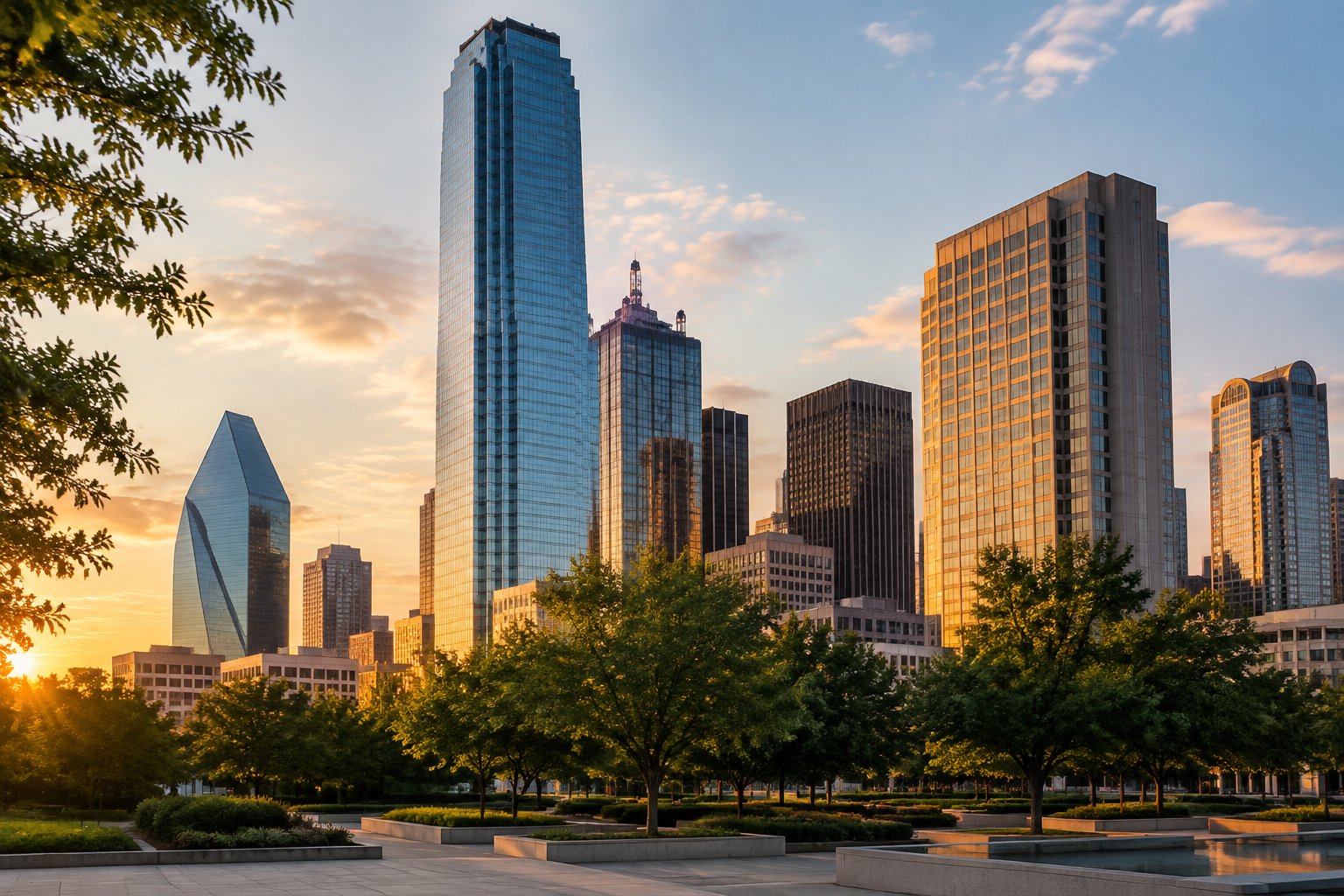
The UNT Dallas College of Law in downtown Dallas is the cheapest law school in Texas for in-state students. It charges $562 per credit for Texas residents and $977 for students from other states, plus $1,901 in yearly fees. With 90 credits needed to graduate, a 30-credit year comes to about $18,761 for residents and about $31,211 for nonresidents.
The school charges no application fee, and it estimates living costs off campus at $24,638 a year. In 2024-25, 54% of students received a grant from the school, with a median full-time grant of $5,000.
It is more selective than its price might suggest. UNT Dallas received 1,883 applications for fall 2025 and made 456 offers, an acceptance rate of 24.22%. It enrolled 130 students, 86 full-time and 44 part-time, with a median LSAT score of 153 and a median GPA of 3.41.
Of its first-time bar takers, 66 of 91 passed, or 72.53%, which was 8.95 points below the ABA’s average of 81.48% for the same states. For the class of 2025, 71.7% of 120 graduates had full-time, long-term jobs that require bar passage.
13. University of Arkansas School of Law (Fayetteville, Arkansas)
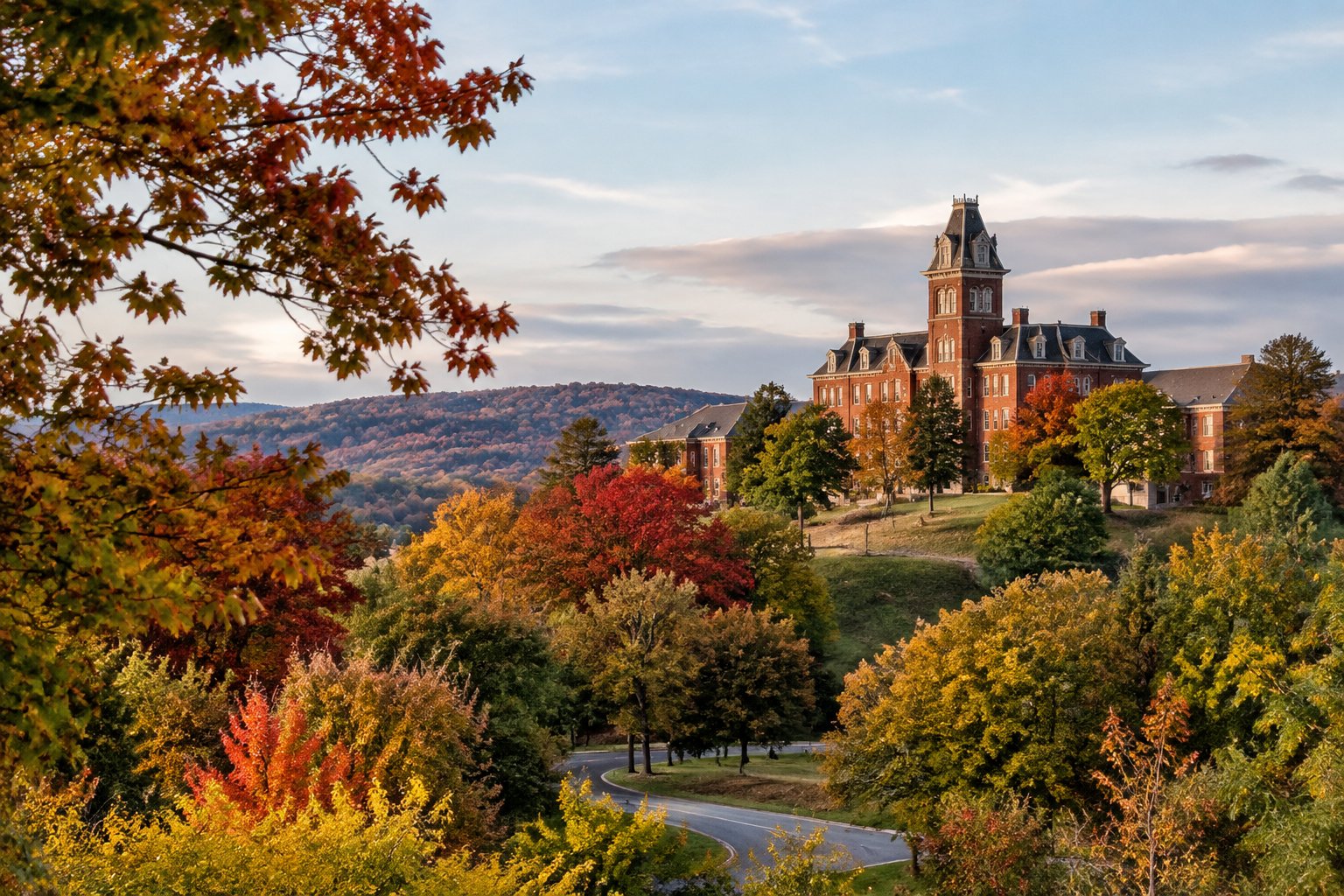
The state’s flagship law school in Fayetteville charges $541 per credit for Arkansas residents and $1,304 for students from other states, plus $2,543 in yearly fees. With 90 credits needed to graduate, a 30-credit year comes to about $18,773 for residents and about $41,663 for nonresidents.
The school charges no application fee and estimates living costs off campus at $22,194 a year. In 2024-25, 87% of students received a grant from the school, with a median full-time grant of $9,000.
Arkansas received 950 applications for fall 2025 and made 253 offers, an acceptance rate of 26.63%. It enrolled 135 full-time students with a median LSAT score of 158 and a median GPA of 3.71, both higher than at Arkansas’s other law school in Little Rock.
Of its first-time bar takers, 96 of 120 passed, or 80%, which was 2.91 points above the ABA’s average of 77.09% for the same states. For the class of 2025, 73.1% of 119 graduates had full-time, long-term jobs that require bar passage.
14. Southern University Law Center (Baton Rouge, Louisiana)

Southern University Law Center has the lowest yearly tuition rate of any ABA-approved school: $11,338 for 2025-26, the same for Louisiana residents and nonresidents. What changes the price is fees. Residents pay $7,494 in fees, for a total of $18,832. Nonresidents pay $22,994 in fees, for a total of $34,332.
It is the largest school on this list, with 809 students. It received 1,153 applications for fall 2025, made 652 offers (an acceptance rate of 56.55%) and enrolled 300 students, 239 full-time and 61 part-time, the biggest entering class in the top 30. The class had a median LSAT score of 147 and a median GPA of 3.15.
The school estimates living costs off campus at $32,262 a year. In 2024-25, 20% of students received a grant from the school, with a median full-time grant of $11,000.
Of its first-time bar takers, 73 of 121 passed, or 60.33%, which was 15.58 points below the ABA’s average of 75.91% for the same states. For the class of 2025, 40.3% of 231 graduates had full-time, long-term jobs that require bar passage.
15. North Carolina Central University School of Law (Durham, North Carolina)
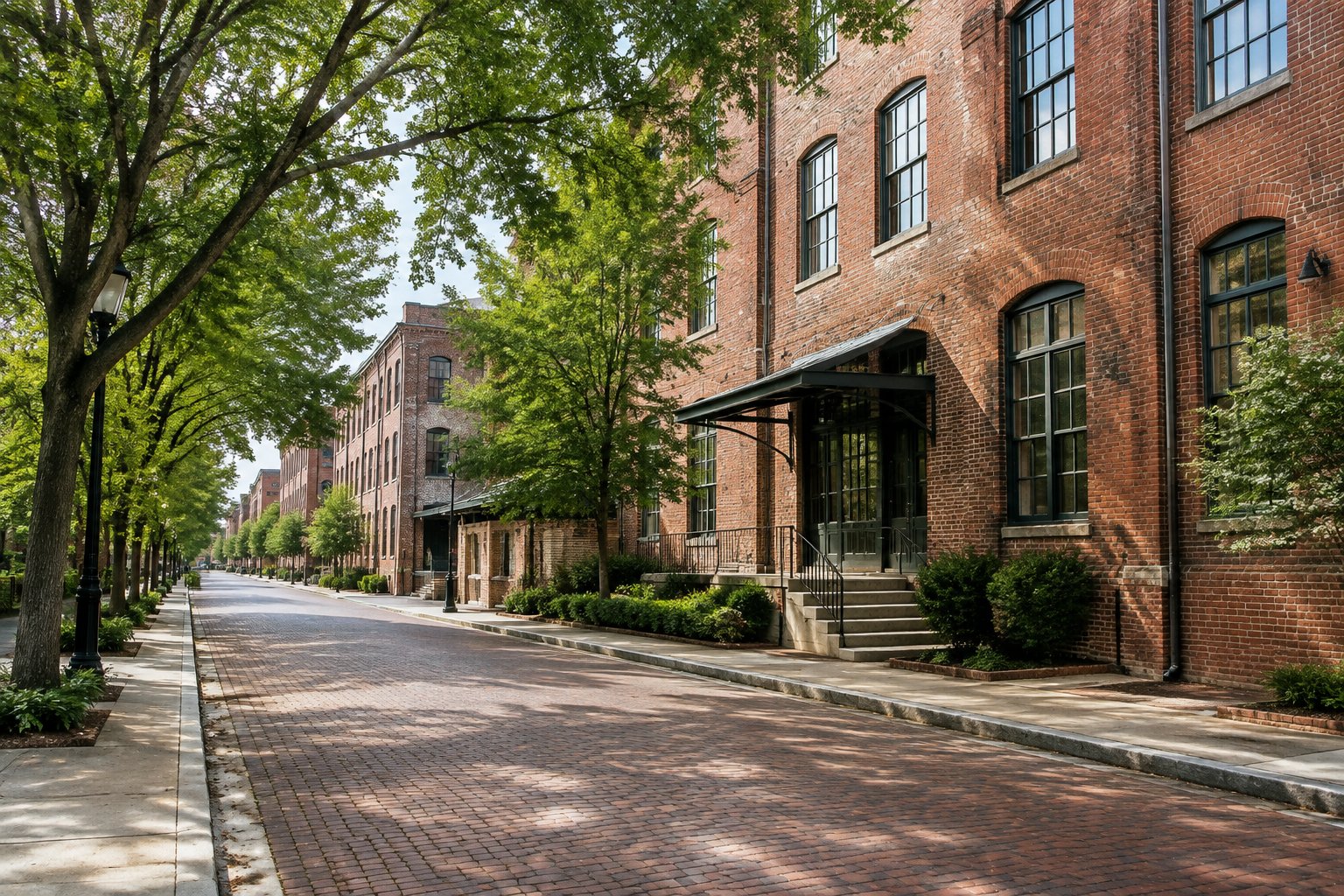
North Carolina Central charges North Carolina residents $13,444 in tuition for 2025-26, plus $5,746 in fees, for a total of $19,190. Students from other states pay $36,116 in tuition and the same fees, or $41,862. It is the only North Carolina school on this list.
The school estimates living costs off campus at $28,292 a year. In 2024-25, 72% of students received a grant from the school, with a median full-time grant of $12,982.
NCCU received 1,303 applications for fall 2025 and made 509 offers, an acceptance rate of 39.06%. It enrolled 133 students, 110 full-time and 23 part-time, with a median LSAT score of 151 and a median GPA of 3.31.
Its bar results were the weakest in the top 30 compared with its state’s average. Of its first-time takers, 80 of 143 passed, or 55.94%, which was 23.98 points below the ABA’s average of 79.92% for the same states. For the class of 2025, 62% of 137 graduates had full-time, long-term jobs that require bar passage.
16. University of Wyoming College of Law (Laramie, Wyoming)
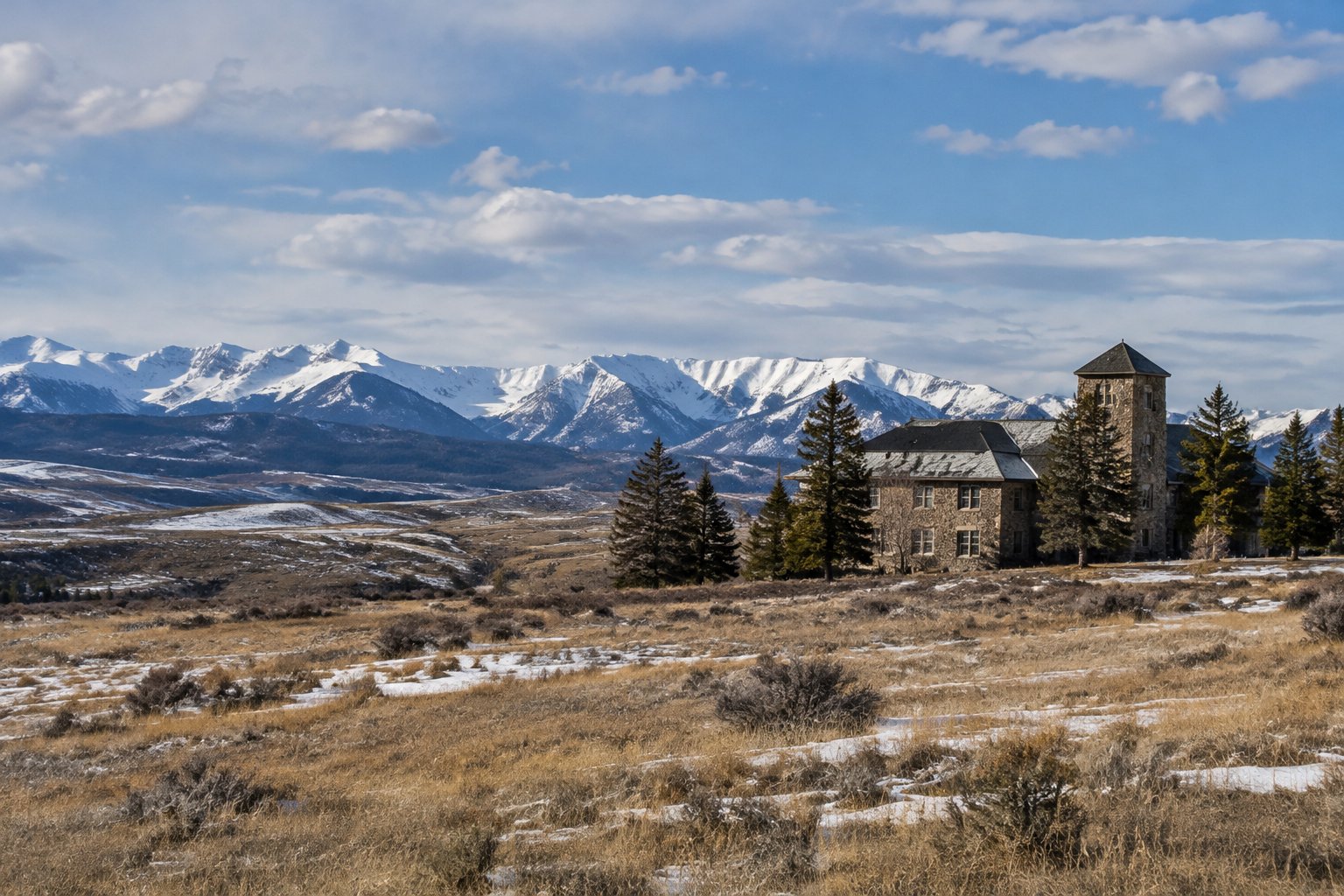
Wyoming’s only law school charges $576 per credit for Wyoming residents and $1,229 for students from other states, plus $1,964 in yearly fees. With 90 credits needed to graduate, a 30-credit year comes to about $19,244 for residents and about $38,834 for nonresidents.
Laramie is the cheapest place to live on this list. The school estimates living costs off campus at $17,600 a year, the lowest estimate in the top 30. In 2024-25, 89% of students received a grant from the school, with a median full-time grant of $8,000.
Wyoming is one of the smallest schools on the list, with 230 students. It received 483 applications for fall 2025, made 173 offers (an acceptance rate of 35.82%) and enrolled 74 full-time students, the smallest entering class in the top 30. The class had a median LSAT score of 156 and a median GPA of 3.55.
Of its first-time bar takers, 61 of 78 passed, or 78.21%, which was 5.50 points above the ABA’s average of 72.71% for the same states. For the class of 2025, 85.9% of 64 graduates had full-time, long-term jobs that require bar passage.
17. University of Georgia School of Law (Athens, Georgia)
The University of Georgia is the hardest school to get into on this list, and one of the strongest. Tuition for 2025-26 is $18,044 for Georgia residents, plus $1,458 in fees, for a total of $19,502. Students from other states pay $38,944 in tuition and the same fees, or $40,402.
Georgia received 4,695 applications for fall 2025, the most in the top 30, and made 597 offers, an acceptance rate of 12.72%. It enrolled 186 full-time students with a median LSAT score of 169 and a median GPA of 3.92.
Its graduates did well. Of its first-time bar takers, 169 of 187 passed, or 90.37%, which was 10.65 points above the ABA’s average of 79.72% for the same states. For the class of 2025, 93.5% of 170 graduates had full-time, long-term jobs that require bar passage, the highest share on this list.
In 2024-25, 84% of students received a grant from the school, with a median full-time grant of $19,460. The school estimates living costs off campus at $25,978 a year.
18. University of North Dakota School of Law (Grand Forks, North Dakota)

North Dakota’s only law school charges $591 per credit for North Dakota residents and $1,181 for students from other states, plus $1,855 in yearly fees. With 90 credits needed to graduate, a 30-credit year comes to about $19,585 for residents and about $37,285 for nonresidents.
The school estimates living costs off campus at $20,616 a year. In 2024-25, 52% of students received a grant from the school, with a median full-time grant of $3,875.
UND has the highest acceptance rate in the top 30. It received 401 applications for fall 2025, made 253 offers, an acceptance rate of 63.09%, and enrolled 97 full-time students. The class had a median LSAT score of 151 and a median GPA of 3.48.
Of its first-time bar takers, 54 of 79 passed, or 68.35%, which was 4.97 points below the ABA’s average of 73.32% for the same states. For the class of 2025, 80.8% of 73 graduates had full-time, long-term jobs that require bar passage.
19. University of Mississippi School of Law (Oxford, Mississippi)
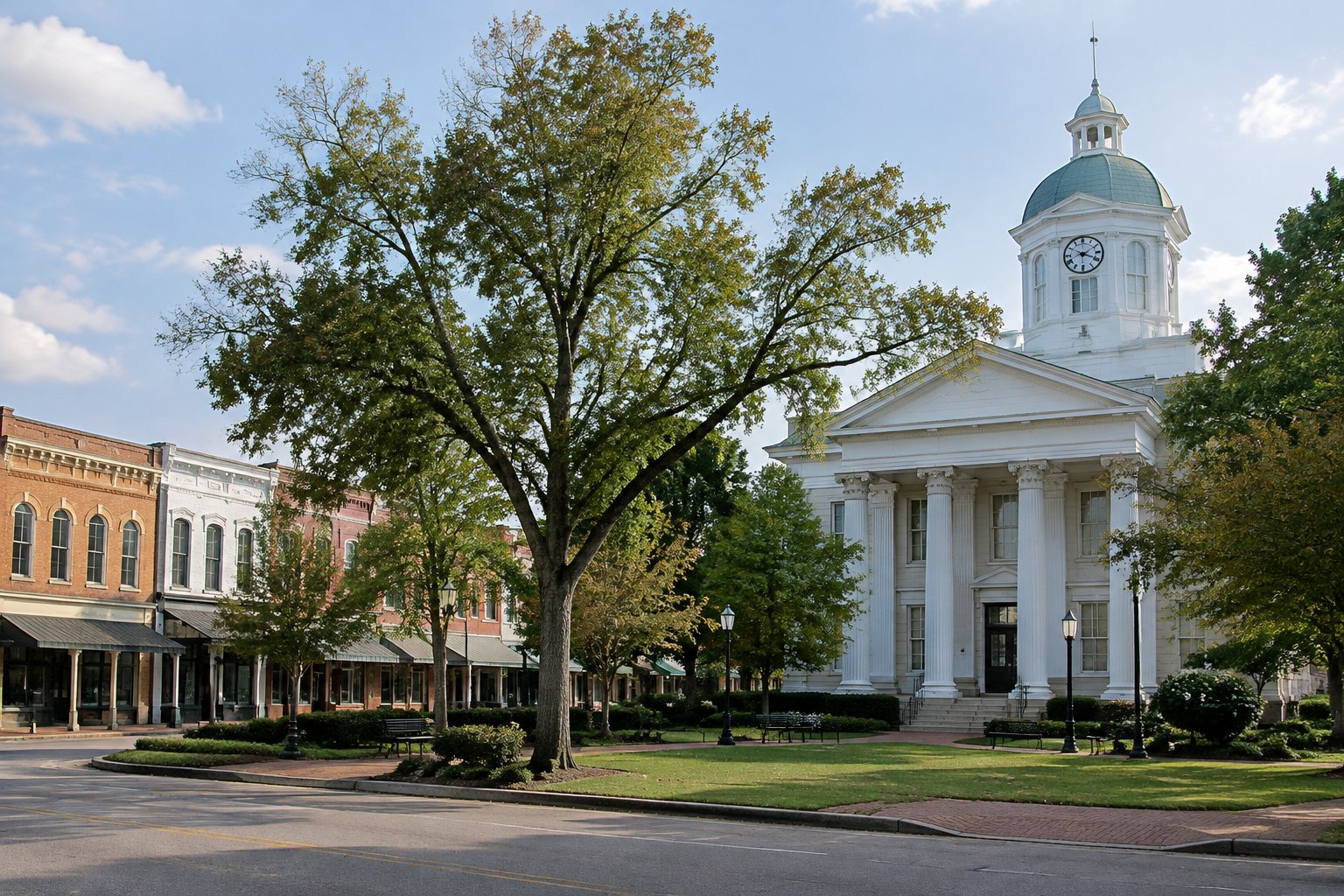
The University of Mississippi keeps its out-of-state price unusually close to its in-state one. Tuition for 2025-26 is $19,797 for Mississippi residents and $26,797 for nonresidents, a difference of $7,000, with just $160 in fees. That makes the totals $19,957 and $26,957, while most public schools on this list charge nonresidents about twice as much as residents.
The school estimates living costs off campus at $27,192 a year. In 2024-25, 87% of students received a grant from the school, with a median full-time grant of $7,000.
Ole Miss received 958 applications for fall 2025 and made 402 offers, an acceptance rate of 41.96%. It enrolled 160 full-time students with a median LSAT score of 157 and a median GPA of 3.68.
Of its first-time bar takers, 120 of 164 passed, or 73.17%, which was 6.57 points below the ABA’s average of 79.74% for the same states. For the class of 2025, 81.8% of 176 graduates had full-time, long-term jobs that require bar passage.
20. University of Tennessee College of Law (Knoxville, Tennessee)

Tennessee charges residents $16,696 in tuition for 2025-26, plus $3,866 in fees, for a total of $20,562. Nonresidents pay $35,140 in tuition and $4,182 in fees, or $39,322. It is one of two Tennessee public law schools on this list.
Its bar results were the best in the top 30. Of its first-time takers, 114 of 124 passed, or 91.94%, which was 13.45 points above the ABA’s average of 78.49% for the same states. For the class of 2025, 88.7% of 124 graduates had full-time, long-term jobs that require bar passage.
Tennessee received 2,176 applications for fall 2025 and made 539 offers, an acceptance rate of 24.77%. It enrolled 140 full-time students with a median LSAT score of 164 and a median GPA of 3.89. It charges no application fee.
In 2024-25, 89% of students received a grant from the school, with a median full-time grant of $10,550. The school estimates living costs off campus at $26,216 a year.
21. University of New Mexico School of Law (Albuquerque, New Mexico)
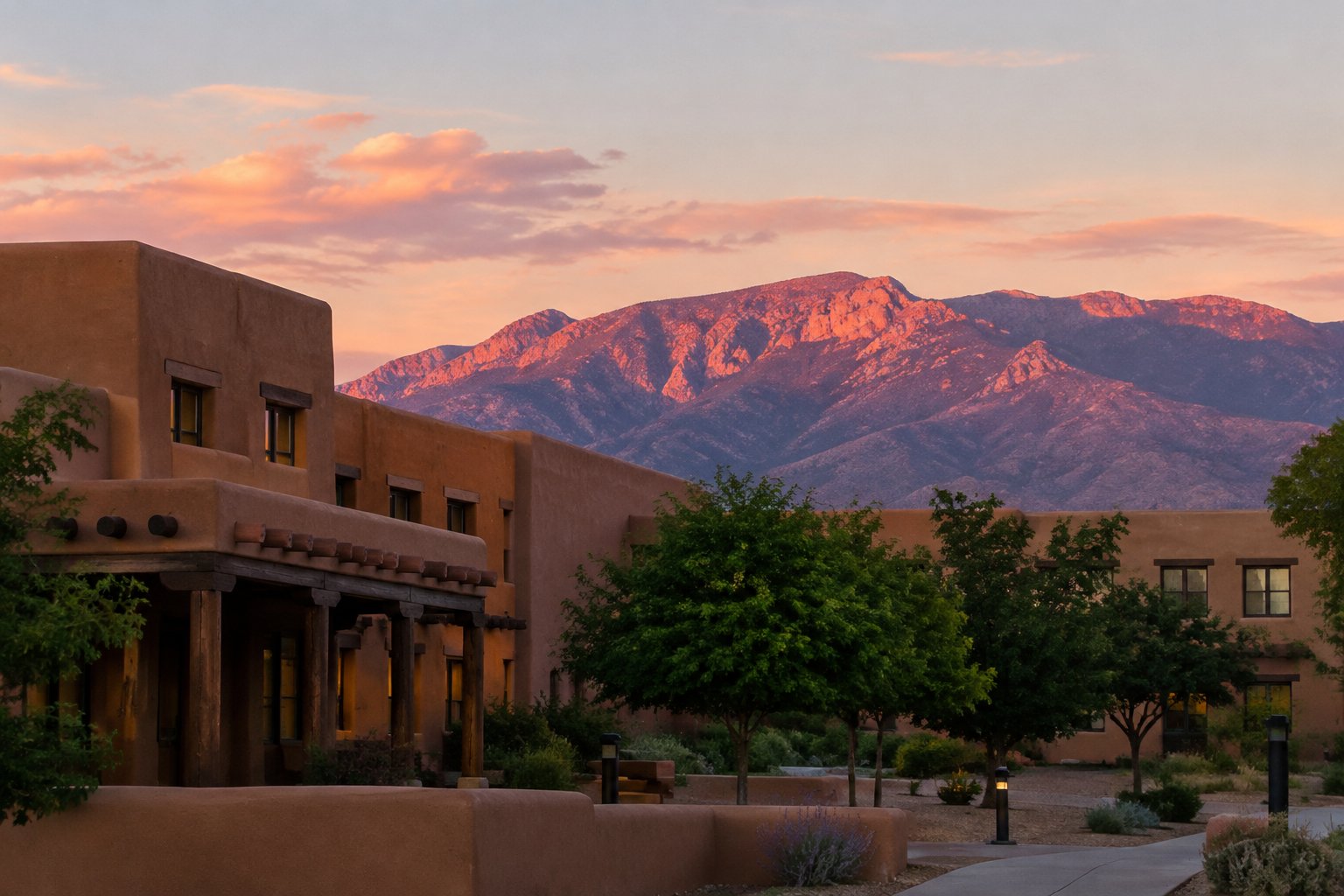
New Mexico’s only law school charges residents $19,474 in tuition for 2025-26, plus $1,546 in fees, for a total of $21,020. Nonresidents pay $43,192 in tuition and the same fees, or $44,738, the highest out-of-state price among the schools in the top 30 that charge a flat yearly rate.
The school estimates living costs off campus at $23,114 a year. In 2024-25, 60% of students received a grant from the school, with a median full-time grant of $10,000.
UNM received 640 applications for fall 2025 and made 265 offers, an acceptance rate of 41.41%. It enrolled 108 full-time students with a median LSAT score of 157 and a median GPA of 3.56. With 296 students, it is one of the smaller schools on the list.
Of its first-time bar takers, 96 of 112 passed, or 85.71%, which was 4.51 points above the ABA’s average of 81.2% for the same states. For the class of 2025, 74% of 100 graduates had full-time, long-term jobs that require bar passage.
22. Texas Southern University Thurgood Marshall School of Law (Houston, Texas)
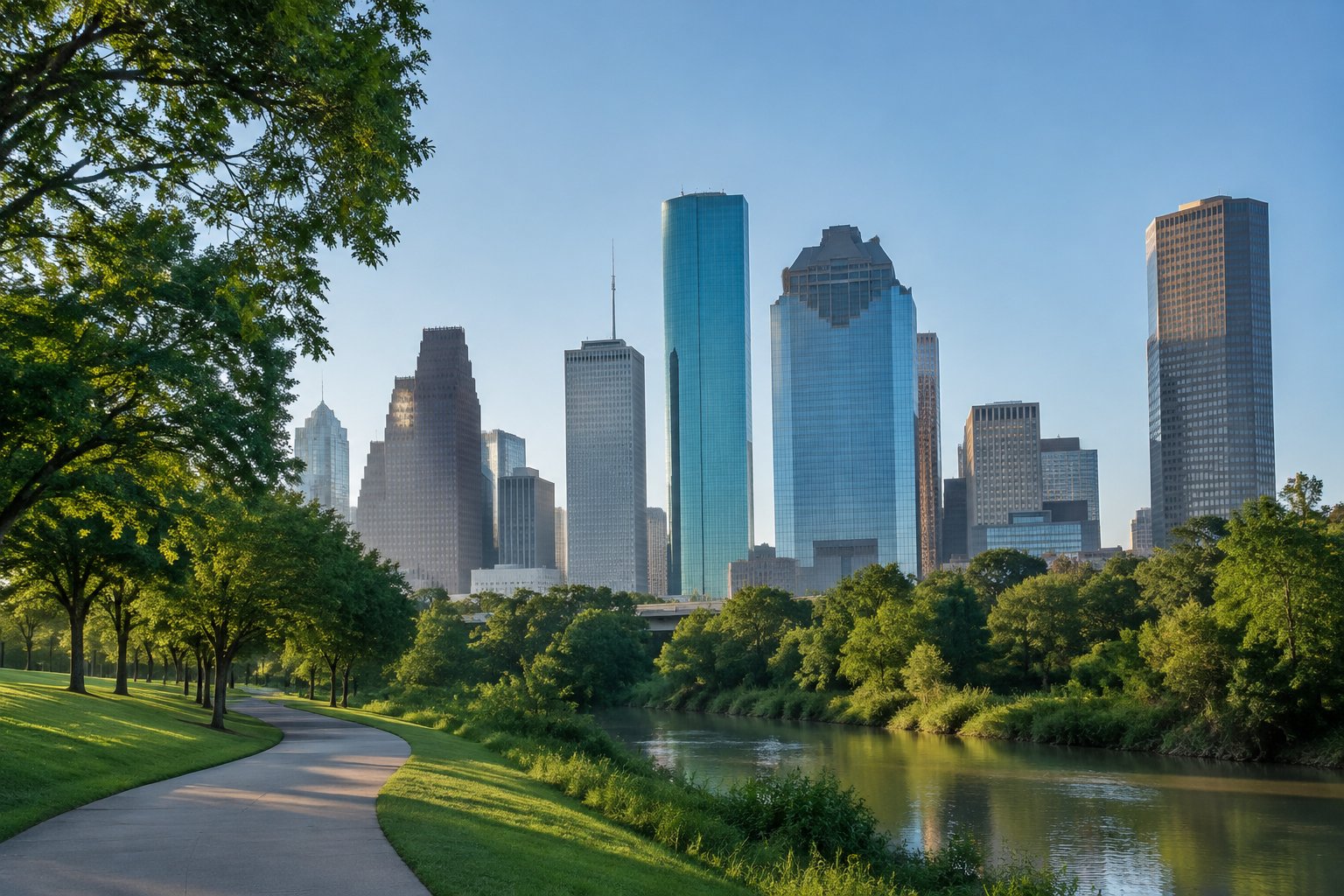
Texas Southern charges Texas residents $19,202 in tuition for 2025-26, plus $1,836 in fees, for a total of $21,038. Nonresidents pay $26,331 in tuition and the same fees, or $28,167. It is the second Texas school on this list, after UNT Dallas.
The school estimates living costs off campus at $27,784 a year. In 2024-25, 51% of students received a grant from the school, with a median full-time grant of $7,363.
Texas Southern received 2,032 applications for fall 2025 and made 673 offers, an acceptance rate of 33.12%. It enrolled 221 full-time students with a median LSAT score of 150 and a median GPA of 3.33. With 556 students, it is one of the larger schools on the list.
Of its first-time bar takers, 144 of 199 passed, or 72.36%, which was 8.94 points below the ABA’s average of 81.3% for the same states. For the class of 2025, 54.3% of 164 graduates had full-time, long-term jobs that require bar passage.
23. Florida International University College of Law (Miami, Florida)
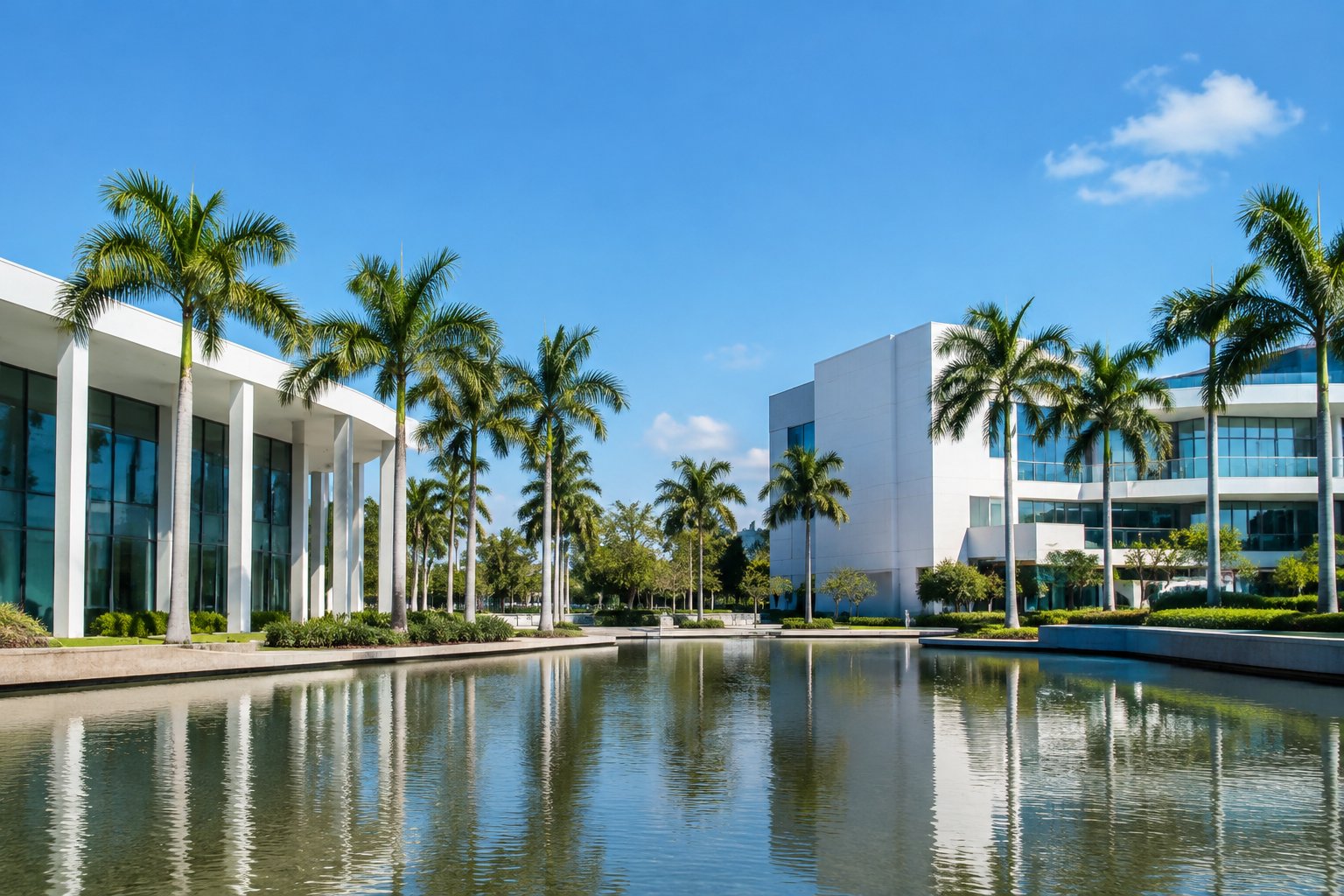
FIU charges by the credit: $691 for Florida residents and $1,196 for students from other states, plus $399 in yearly fees. With 90 credits needed to graduate, a 30-credit year comes to about $21,129 for residents and about $36,279 for nonresidents.
No school on this list beat its state’s bar average by more. Of FIU’s first-time bar takers, 144 of 163 passed, or 88.34%, which was 15.43 points above the ABA’s average of 72.91% for the same states. For the class of 2025, 82.8% of 157 graduates had full-time, long-term jobs that require bar passage.
FIU received 3,100 applications for fall 2025 and made 582 offers, an acceptance rate of 18.77%. It enrolled 175 students, 143 full-time and 32 part-time, with a median LSAT score of 161 and a median GPA of 3.80.
Miami is one of the more expensive places to live on this list: the school estimates living costs off campus at $33,176 a year. In 2024-25, 55% of students received a grant from the school, with a median full-time grant of $10,365.
24. University of Memphis Cecil C. Humphreys School of Law (Memphis, Tennessee)

Memphis charges Tennessee residents $18,634 in tuition for 2025-26, plus $2,594 in fees, for a total of $21,228. Nonresidents pay $24,354 in tuition and the same fees, or $26,948, one of the lowest out-of-state prices of any public law school.
The school charges no application fee and estimates living costs off campus at $28,729 a year. In 2024-25, 62% of students received a grant from the school, with a median full-time grant of $11,000.
Memphis received 582 applications for fall 2025 and made 239 offers, an acceptance rate of 41.07%. It enrolled 96 full-time students with a median LSAT score of 155 and a median GPA of 3.53. With 239 students in total, it is one of the smallest schools on this list.
Of its first-time bar takers, 69 of 94 passed, or 73.4%, which was 5.12 points below the ABA’s average of 78.52% for the same states. For the class of 2025, 79.8% of 94 graduates had full-time, long-term jobs that require bar passage.
25. University of Florida Levin College of Law (Gainesville, Florida)
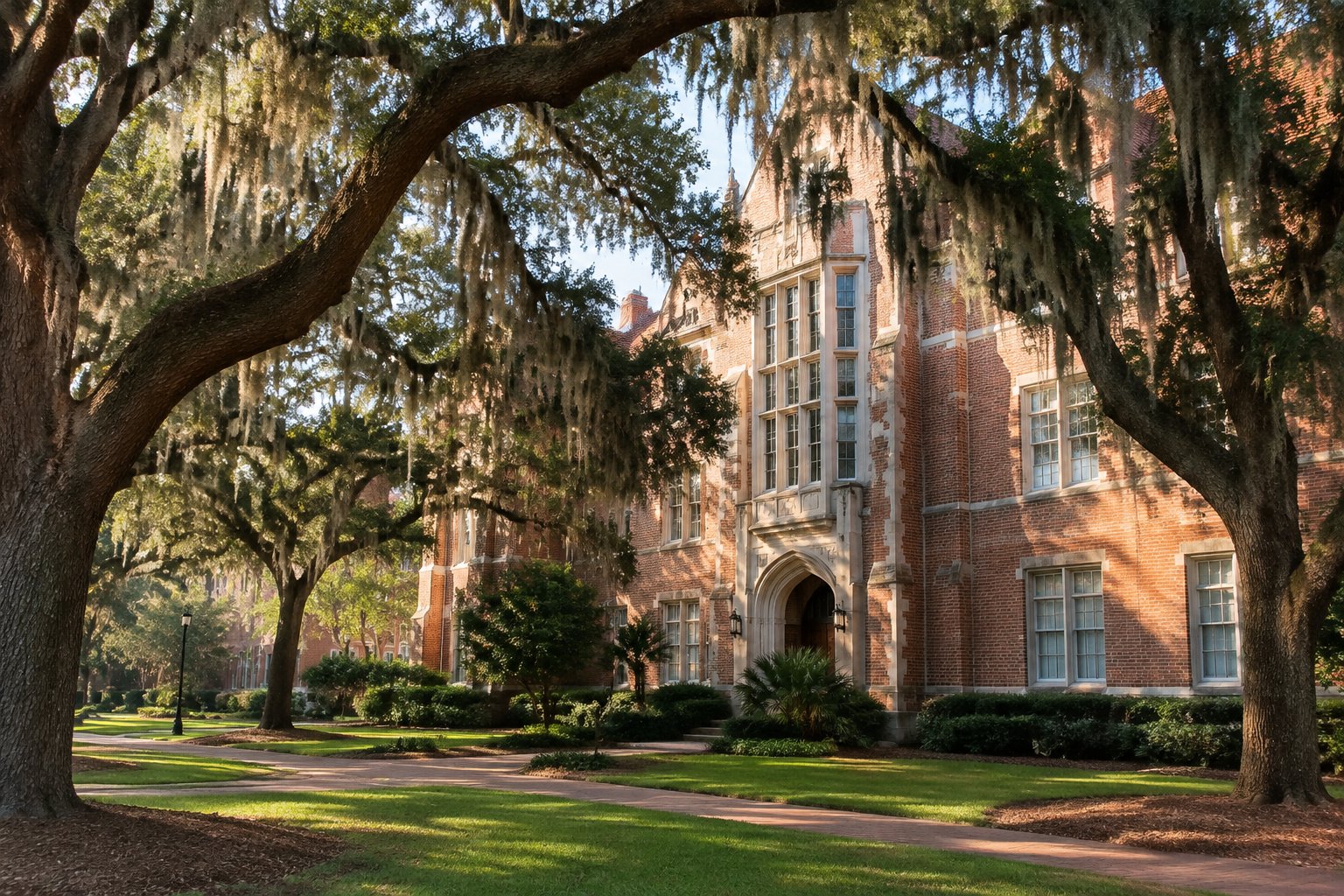
The University of Florida charges Florida residents $19,139 in tuition for 2025-26, plus $2,665 in fees, for a total of $21,804. Nonresidents pay $36,148 in tuition and $3,514 in fees, or $39,662.
Florida is one of the most selective schools in the top 30. It received 3,887 applications for fall 2025 and made 642 offers, an acceptance rate of 16.52%. It enrolled 229 full-time students with a median LSAT score of 169 and a median GPA of 3.91.
Of its first-time bar takers, 232 of 262 passed, or 88.55%, which was 13.35 points above the ABA’s average of 75.2% for the same states. For the class of 2025, 88.8% of 215 graduates had full-time, long-term jobs that require bar passage.
In 2024-25, 88% of students received a grant from the school, with a median full-time grant of $19,000. The school estimates living costs off campus at $26,646 a year. With 658 students, it is one of the larger schools on the list.
26. Southern Illinois University Simmons Law School (Carbondale, Illinois)
Southern Illinois charges $547 per credit, the same for Illinois residents and students from other states, plus $5,678 in yearly fees, one of the larger fee bills on this list. With 90 credits needed to graduate, a 30-credit year comes to about $22,088 for every student.
That flat price gives it the lowest listed out-of-state cost of any law school in the 50 states. Carbondale is also cheap to live in: the school estimates living costs off campus at $18,608 a year. It charges no application fee, and in 2024-25, 64% of students received a grant from the school, with a median full-time grant of $9,500.
SIU received 724 applications for fall 2025 and made 407 offers, an acceptance rate of 56.22%. It enrolled 133 full-time students with a median LSAT score of 149 and a median GPA of 3.38.
Bar results were weak. Of its first-time takers, 47 of 79 passed, or 59.49%, which was 19.73 points below the ABA’s average of 79.22% for the same states. For the class of 2025, 73% of 74 graduates had full-time, long-term jobs that require bar passage.
27. Louisiana State University Paul M. Hebert Law Center (Baton Rouge, Louisiana)
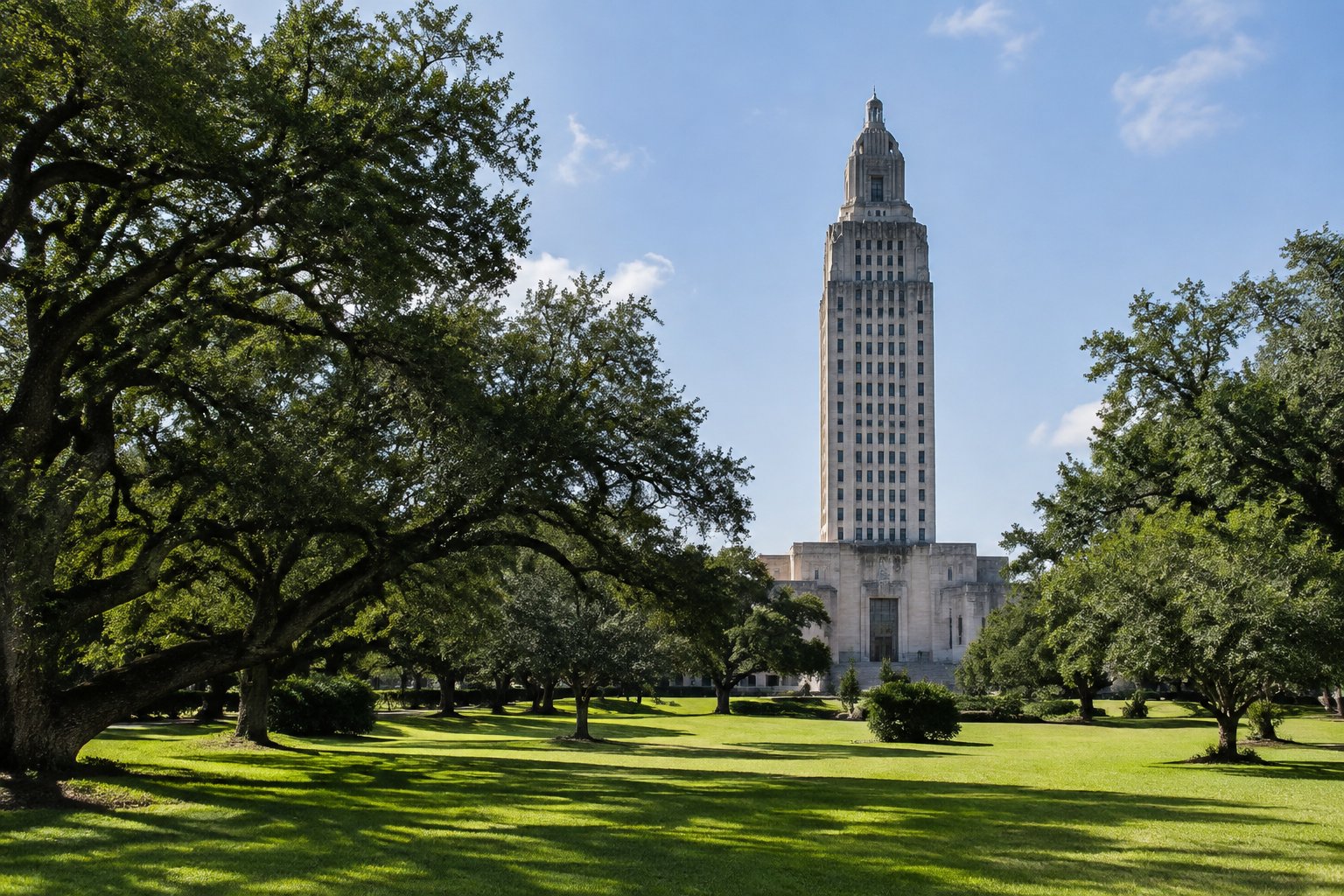
LSU uses the same pricing method as Southern University across town. Tuition for 2025-26 is $19,750 for everyone, and fees decide the difference: $3,915 for Louisiana residents, for a total of $23,665, and $19,355 for nonresidents, for a total of $39,105.
LSU’s grants nearly match its tuition. In 2024-25, 78% of students received a grant from the school, and the median full-time grant was $19,750, the second-highest in the top 30. The school charges no application fee and estimates living costs off campus at $27,034 a year.
LSU received 1,253 applications for fall 2025 and made 483 offers, an acceptance rate of 38.55%. It enrolled 230 full-time students with a median LSAT score of 157 and a median GPA of 3.74.
Of its first-time bar takers, 152 of 179 passed, or 84.92%, which was 10.35 points above the ABA’s average of 74.57% for the same states. For the class of 2025, 83.8% of 198 graduates had full-time, long-term jobs that require bar passage.
28. Florida State University College of Law (Tallahassee, Florida)
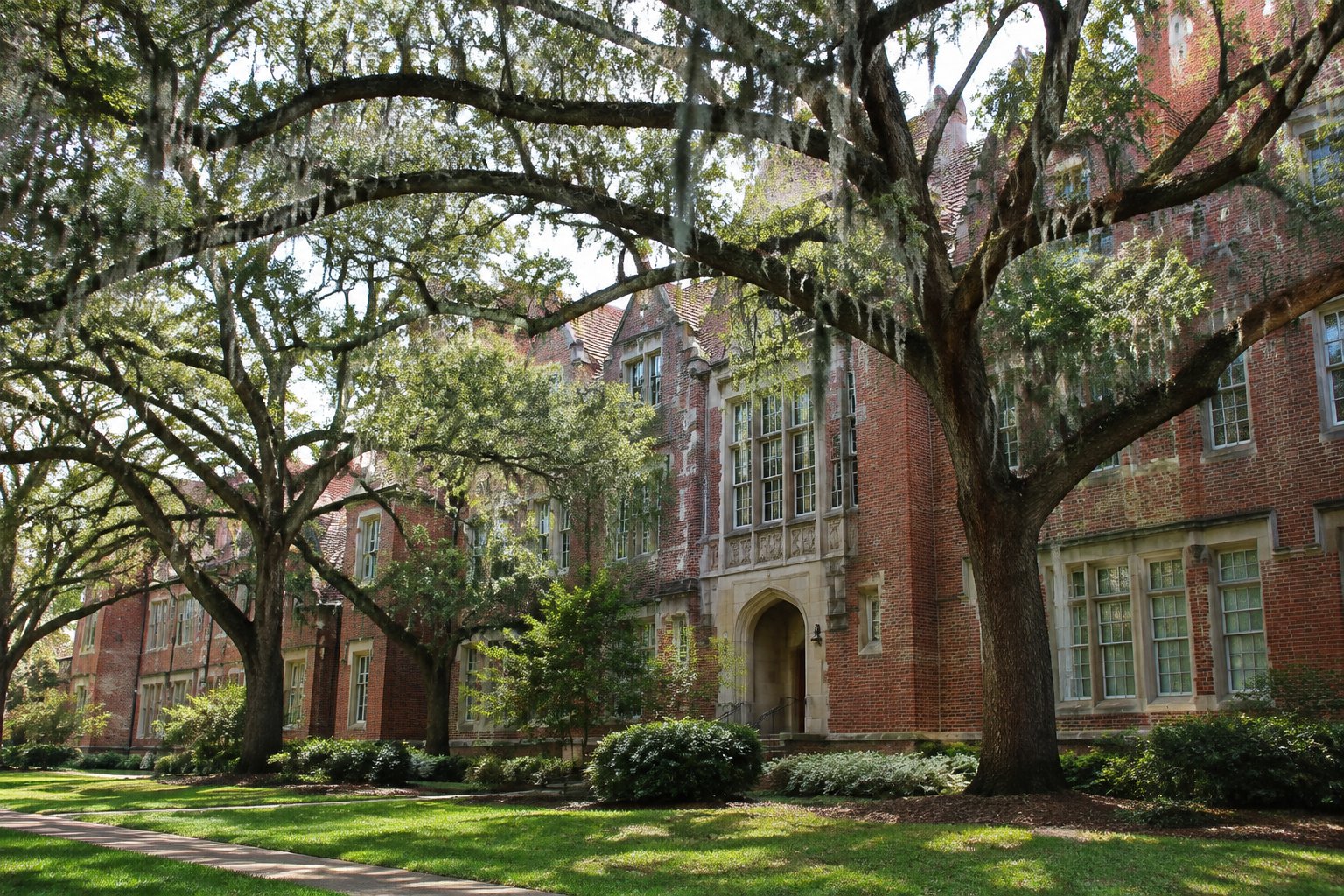
Florida State charges by the credit: $688 for Florida residents and $1,422 for students from other states, plus $3,600 in yearly fees. With 88 credits needed to graduate, a full-time year of about 29 credits comes to about $23,781 for residents and about $45,312 for nonresidents.
It is the fourth Florida school on this list, and one of the most selective. Florida State received 2,711 applications for fall 2025 and made 433 offers, an acceptance rate of 15.97%. It enrolled 153 full-time students with a median LSAT score of 166 and a median GPA of 3.93.
Of its first-time bar takers, 157 of 180 passed, or 87.22%, which was 13.87 points above the ABA’s average of 73.35% for the same states. For the class of 2025, 87.1% of 132 graduates had full-time, long-term jobs that require bar passage.
In 2024-25, 78% of students received a grant from the school, with a median full-time grant of $15,464. The school estimates living costs off campus at $23,180 a year.
29. University of South Carolina Joseph F. Rice School of Law (Columbia, South Carolina)
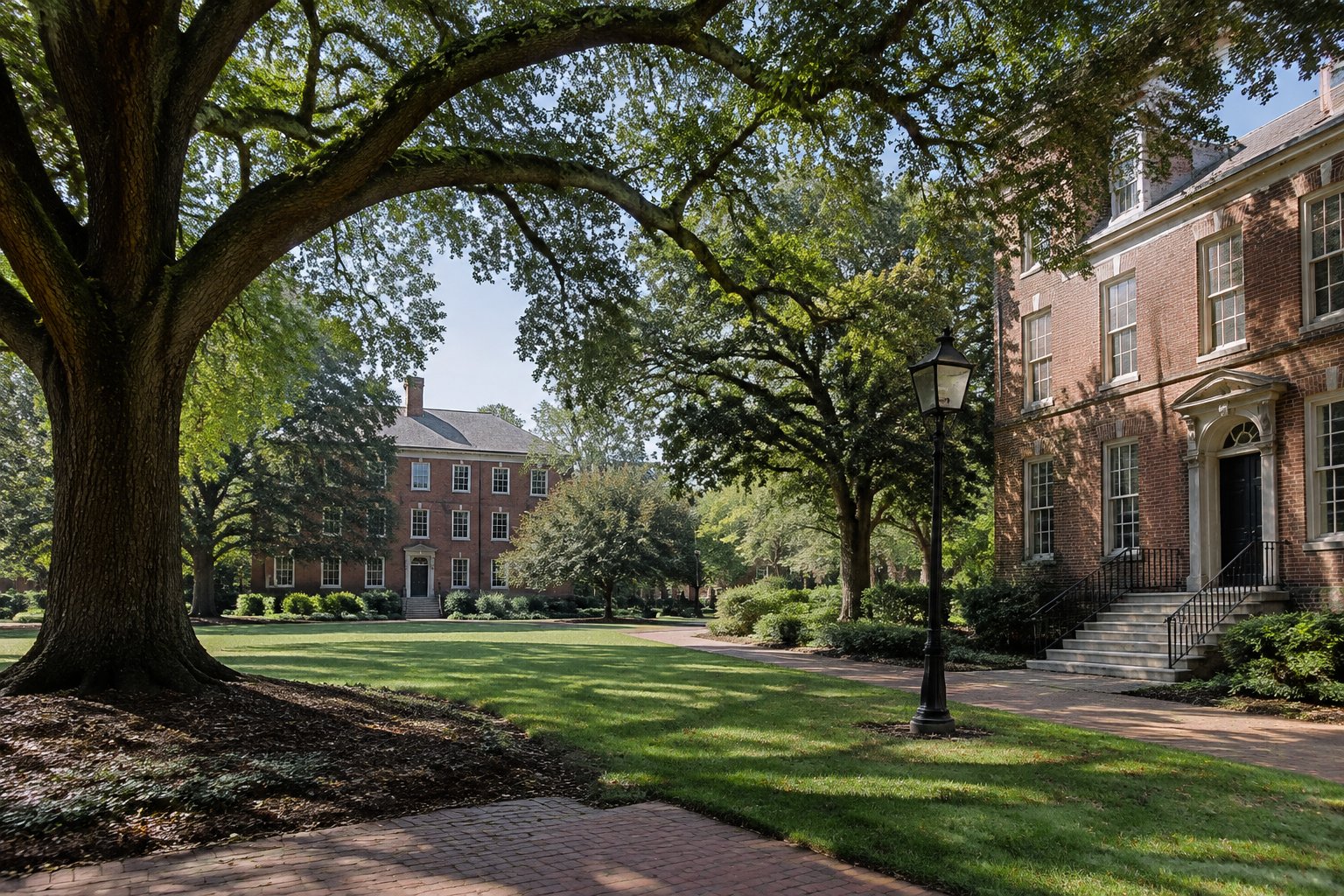
South Carolina charges residents $20,322 in tuition for 2025-26, plus $3,700 in fees, for a total of $24,022. Students from other states pay $38,100 in tuition and the same fees, or $41,800.
It received 2,114 applications for fall 2025 and made 632 offers, an acceptance rate of 29.9%. It enrolled 221 full-time students with a median LSAT score of 162 and a median GPA of 3.67. With 649 students, it is one of the larger schools on the list.
In 2024-25, 90% of students received a grant from the school, with a median full-time grant of $12,562. The school estimates living costs off campus at $25,392 a year.
Of its first-time bar takers, 174 of 209 passed, or 83.25%, which was 7.44 points above the ABA’s average of 75.81% for the same states. For the class of 2025, 88.9% of 190 graduates had full-time, long-term jobs that require bar passage, the second-highest share in the top 30.
30. Wilmington University Farnan School of Law (Delaware)

Wilmington University’s law school is the newest school on this list and the only private school in the top 30 outside Utah and Puerto Rico. It charges $838 per credit, the same for every student, plus $30 in yearly fees. With 86 credits needed to graduate, a full-time year of about 29 credits comes to about $24,053. That is only $14 less than Northern Illinois University ($24,067), which just missed this list.
The school welcomed its first class in fall 2023 and received provisional ABA approval in February 2025. Its first graduates finished in 2026, so it has no bar passage or job results in the ABA’s reports yet.
Wilmington received 273 applications for fall 2025, the fewest on this list, and made 142 offers, an acceptance rate of 52.01%. Its entering class of 75 students was split almost evenly between 37 full-time and 38 part-time students, with a median LSAT score of 149 and a median GPA of 3.13. With 119 students in total, it is the smallest school on the list.
In 2024-25, 54% of students received a grant from the school, with a median full-time grant of $6,000. The school estimates living costs off campus at $24,622 a year.
What the cheapest law schools have in common

Twenty-six of the 30 cheapest law schools are public. The four private schools all have unusual pricing: BYU’s church-member rate, Puerto Rico’s two private schools and Wilmington’s newer per-credit program. Florida has four schools on the list, Puerto Rico has three, and Arkansas, Georgia, Louisiana, Tennessee and Texas have two each.
For students from out of state, the order changes a lot. Most public schools on this list charge nonresidents about twice as much, and several charge more than $40,000. The cheapest out-of-state prices belong to schools that charge everyone the same: the three Puerto Rico schools, Southern Illinois and Wilmington.
A low price did not mean weak results. Sixteen of the 30 schools had first-time bar passage rates above their state’s ABA average, led by Florida International, Florida State, Tennessee and Florida, and Tennessee, Nebraska, BYU and Georgia all passed more than 90% of their first-time takers. Thirteen fell below their average, with North Carolina Central, CUNY and Southern Illinois furthest behind, and Wilmington has no results yet. Grants, living costs and bar results vary as much as tuition, so each school’s full report is worth reading before choosing where to apply.
For more on law school costs, admissions and results, see our lists of the 30 most expensive law schools in the U.S., the 30 best law schools in the U.S., the 30 worst law schools in the U.S. and the 30 hardest law schools to get into. Each school’s full report is on the ABA’s required disclosures site.
This article is general information, not legal advice or a recommendation for or against any school. Figures are from the ABA’s 2025 Standard 509, bar passage and employment reports and may change in later reports.


