The 23 Best Law Schools in the Midwest

The Midwest is home to some of the oldest and best-known law schools in the country, from the Gothic quadrangles of Chicago and Ann Arbor to state flagships in Lawrence, Iowa City and Lincoln. Every ABA-accredited law school has to publish how its graduates did on the bar exam, the test that stands between a law degree and a law license.
This list ranks the best law schools in the Midwest by that result, adjusted for difficulty: how each school’s first-time bar passage rate for 2024 graduates compared with the average for the same states. The figures come from the American Bar Association’s Standard 509 and bar passage disclosures, released in the ABA’s 2025 report.
For each school, the ABA compares its graduates’ first-time pass rate with the weighted average for graduates of all ABA-accredited schools who took the exam in the same states. That keeps the comparison fair, because pass rates differ a lot from state to state. “The Midwest” here means the U.S. Census Bureau’s Midwest region: Illinois, Indiana, Iowa, Kansas, Michigan, Minnesota, Missouri, Nebraska, North Dakota, Ohio, South Dakota and Wisconsin. Only schools with at least 30 first-time takers were ranked, which leaves out Wisconsin’s two law schools, whose graduates can be admitted in Wisconsin without taking the bar exam.
That leaves 41 Midwest law schools. Exactly 23 of them finished above their state average, and those 23 make up this list. The other 18 fell below their average, so they are not counted among the best here.
The other numbers in each entry come from the same ABA report: the fall 2025 entering class, 2025-26 tuition and fees, living-cost estimates and first-year students who left. Bar passage is one measure, not a full picture of any school.
1. University of Chicago Law School (Chicago, Illinois)
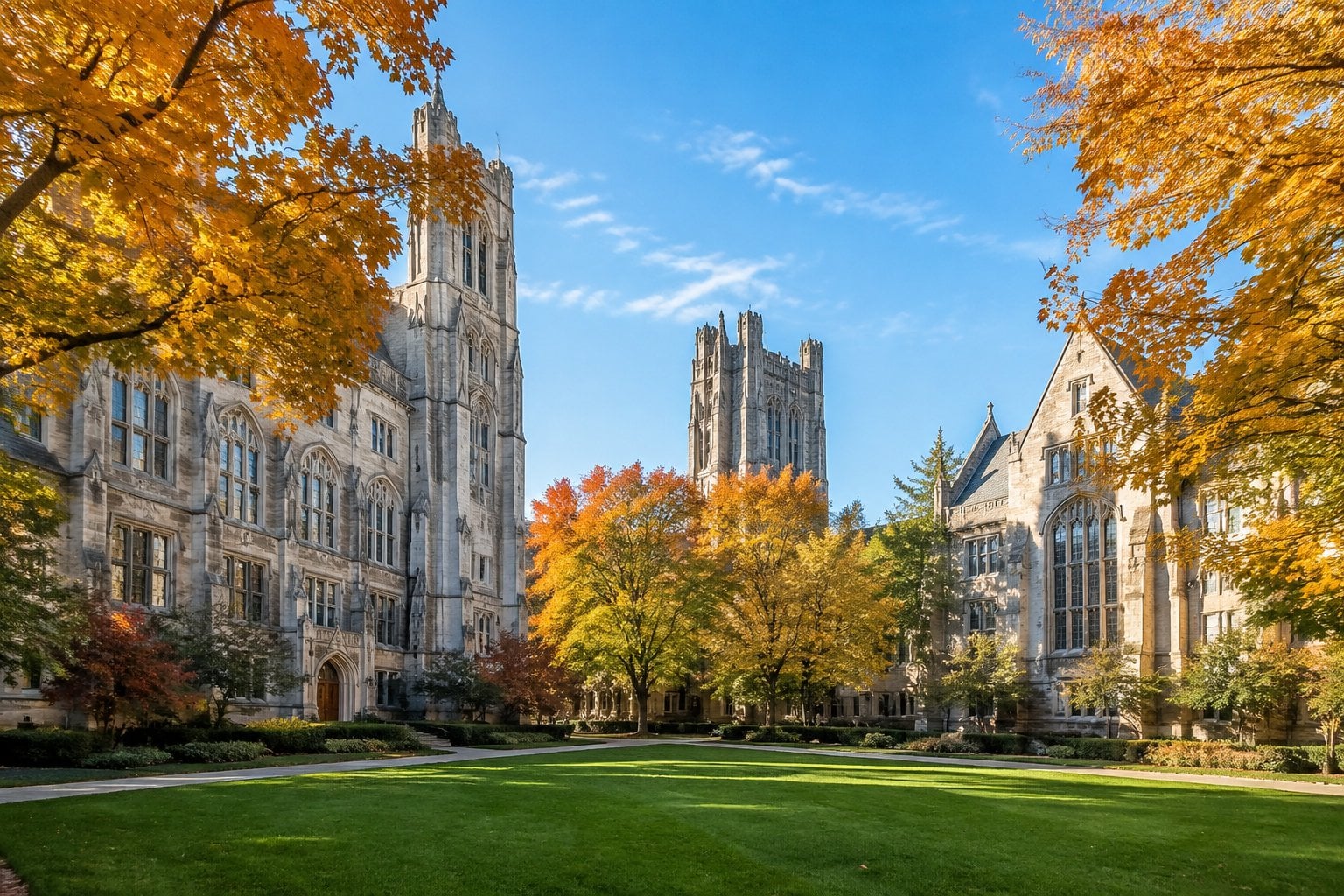
The University of Chicago tops the Midwest. Of its 194 first-time bar takers, 189 passed, a rate of 97.42%, the highest raw pass rate on this list. The ABA weighted average for the same states was 81.49%, which put Chicago 15.93 percentage points above the average.
That margin was the second-best of any law school in the country on the same measure, among the 192 schools nationwide with at least 30 first-time takers.
Chicago is also one of the hardest schools in the region to get into. For fall 2025, it received 6,581 applications and made 641 offers, an acceptance rate of 9.74%. It enrolled 203 full-time students with a median LSAT score of 174 and a median undergraduate GPA of 3.97, the highest median GPA on this list.
It is the most expensive school here. Tuition for 2025-26 is $83,316, plus $1,590 in fees, for a total of $84,906, and the school estimates living costs at $35,418 a year, also the highest on the list. The ABA report shows no first-year students leaving for academic reasons and one leaving for other reasons. Total J.D. enrollment was 615.
2. University of Michigan Law School (Ann Arbor, Michigan)
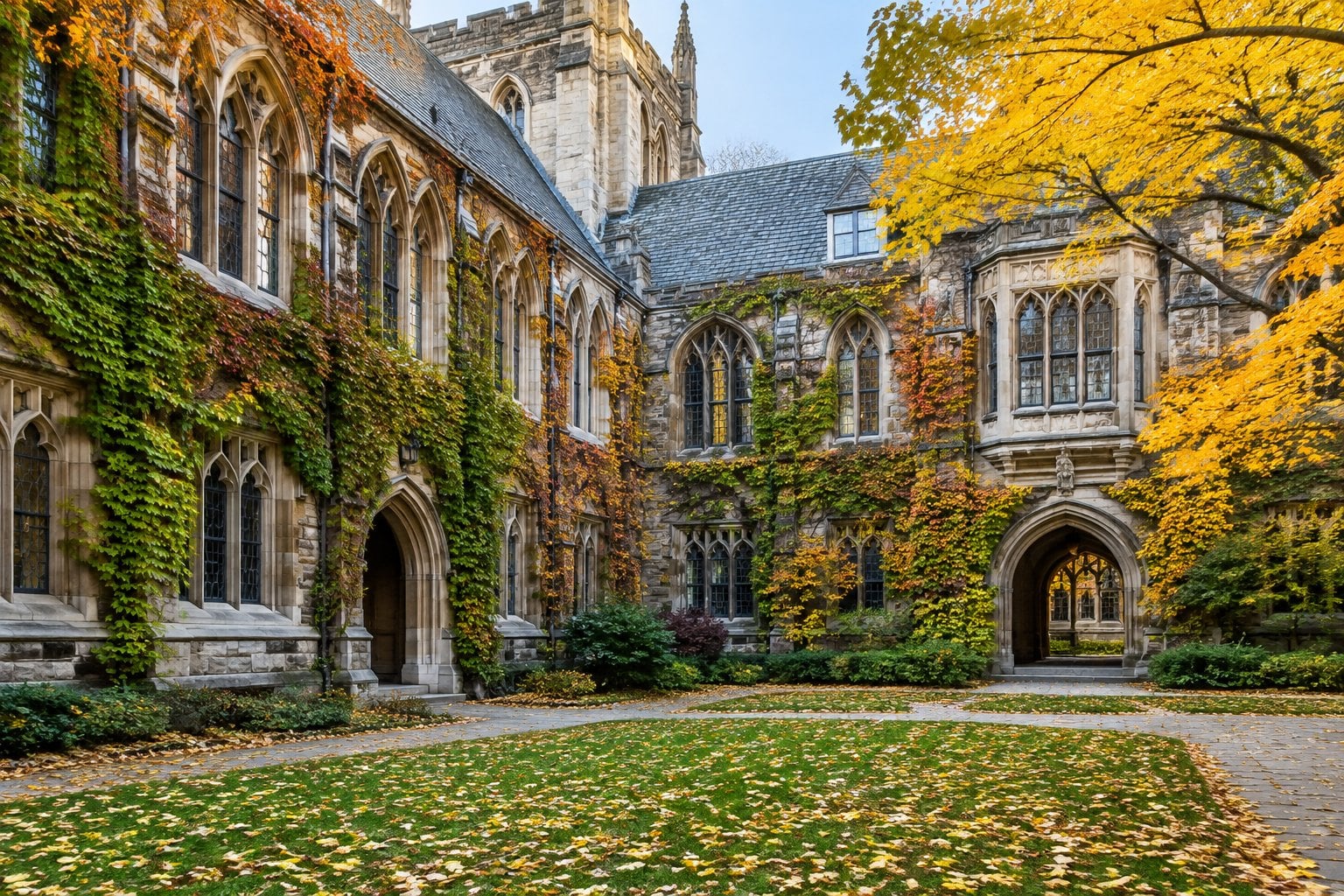
Michigan ranked second. Of its 316 first-time takers, 302 passed, a rate of 95.57%, the second-highest raw rate on this list. The ABA weighted average for the same states was 80.44%, putting Michigan 15.13 points above it and sixth in the country on this measure.
Michigan’s benchmark was much higher than those of the other Michigan schools on this list, which were all below 75%. The average depends on where each school’s graduates took the exam, so Michigan’s graduates were measured against a different mix of states.
Michigan drew more applications than any other school here: 8,982 for fall 2025. It made 770 offers, an acceptance rate of 8.57%, the lowest on this list. It enrolled 343 full-time students with a median LSAT score of 171 and a median GPA of 3.88.
Tuition for 2025-26 is $76,108 for Michigan residents and $79,108 for nonresidents, plus $572 in fees. Living costs are estimated at $26,886 a year. Total J.D. enrollment was 991, the largest on this list. The ABA report shows no first-year students leaving for academic reasons and two leaving for other reasons.
3. University of Illinois College of Law (Champaign, Illinois)
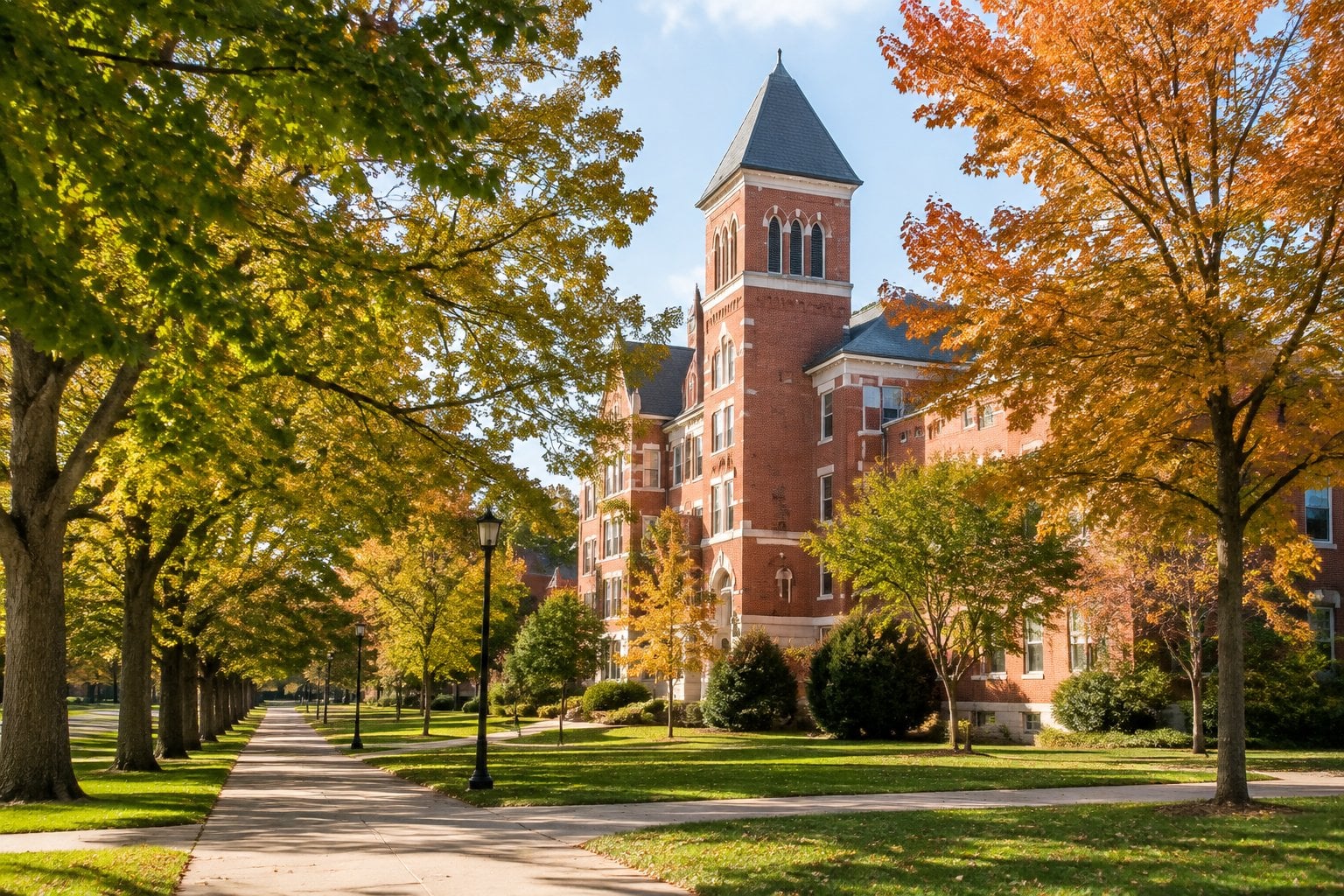
The University of Illinois is the highest-ranked public school in the Midwest after Michigan. Of its 202 first-time takers, 189 passed, a rate of 93.56%. The ABA weighted average for the same states was 79.05%, which put Illinois 14.51 points above it and 10th in the country on this measure.
For fall 2025, the school received 2,153 applications and made 709 offers, an acceptance rate of 32.93%. It enrolled 188 full-time students with a median LSAT score of 166 and a median GPA of 3.81.
Tuition for 2025-26 is $36,500 for Illinois residents and $46,500 for nonresidents, plus $3,404 in fees. Life in Champaign-Urbana is cheaper than in Chicago: the school estimates living costs at $20,620 a year, about $15,000 less than the University of Chicago’s estimate.
Total J.D. enrollment was 500. The ABA report shows no first-year students leaving for academic reasons and five leaving for other reasons. Illinois is the first of five Illinois schools on this list, the most of any state.
4. Wayne State University Law School (Detroit, Michigan)

Wayne State, a public university in Detroit, ranked fourth, ahead of several famous private schools. Of its 129 first-time takers, 111 passed, a rate of 86.05%. Its graduates were measured against an ABA weighted average of 72.93%, the lowest benchmark on this list, and Wayne State beat it by 13.12 points. That placed it 19th in the country.
For fall 2025, Wayne State received 1,290 applications and made 320 offers, an acceptance rate of 24.81%. It enrolled 129 new students, 120 full-time and 9 part-time. The median LSAT score was 164 and the median undergraduate GPA was 3.89.
Tuition for 2025-26 is $38,861 for Michigan residents and $42,632 for nonresidents, plus $3,733 in fees. Wayne State estimates living costs at $25,132 a year.
Total J.D. enrollment was 394. The ABA report shows one first-year student leaving for academic reasons and one leaving for other reasons. Wayne State is one of three Michigan schools on this list.
5. Notre Dame Law School (Notre Dame, Indiana)
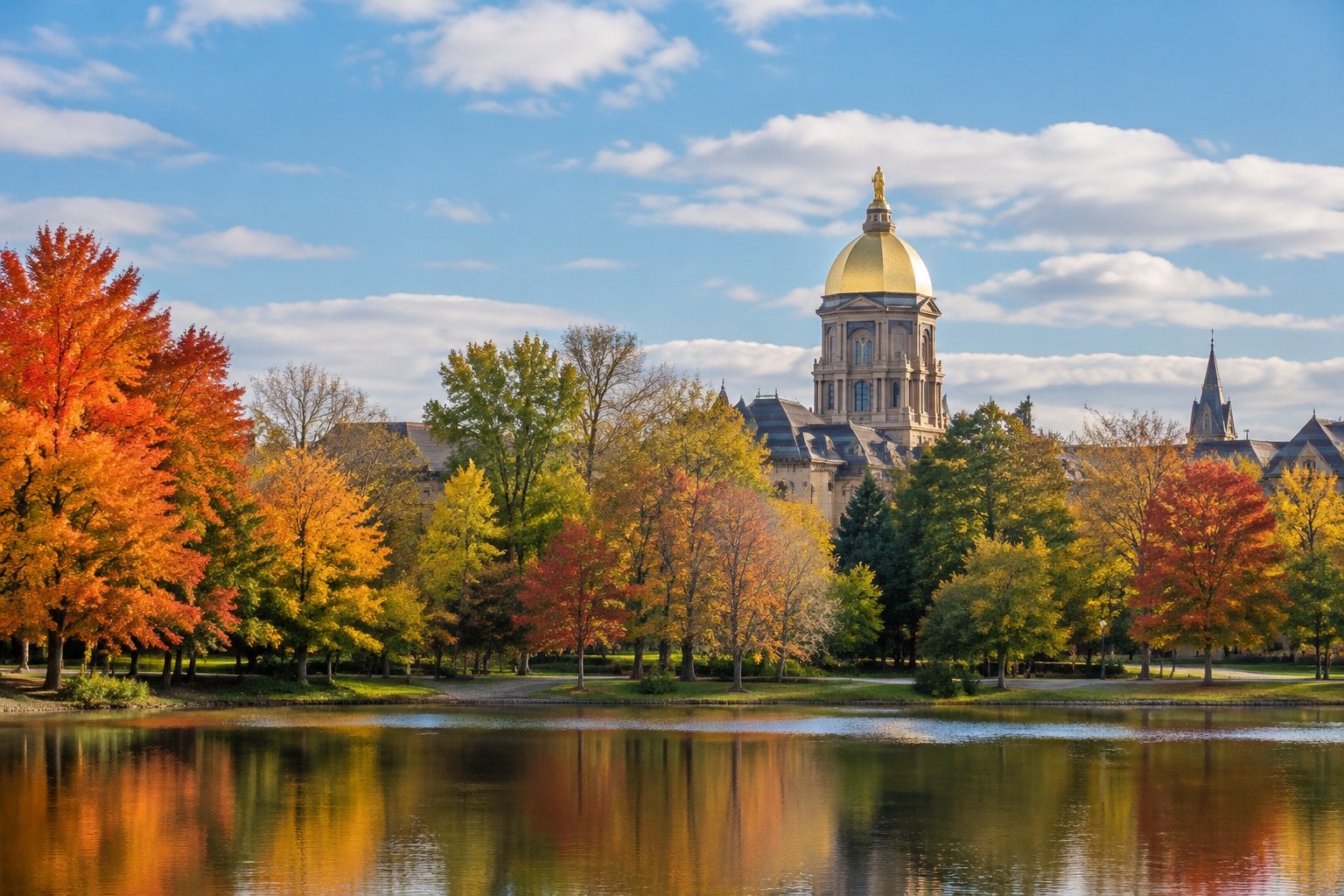
Notre Dame, near South Bend in northern Indiana, ranked fifth. Of its 191 first-time takers, 176 passed, a rate of 92.15%. The ABA weighted average for the same states was 79.83%, which put Notre Dame 12.32 points above it and 23rd in the country on this measure.
For fall 2025, the school received 3,579 applications and made 575 offers, an acceptance rate of 16.07%. It enrolled 185 full-time students with a median LSAT score of 170 and a median GPA of 3.89.
Tuition for 2025-26 is $73,430, plus $520 in fees, the same for every student. Notre Dame estimates living costs at $25,990 a year, well below the estimates of the big-city private schools on this list.
Total J.D. enrollment was 572. The ABA report shows one first-year student leaving for academic reasons and none leaving for other reasons. Notre Dame is the higher of the two Indiana schools on this list; Indiana University’s Bloomington campus ranked 12th.
6. Washington University in St. Louis School of Law (St. Louis, Missouri)
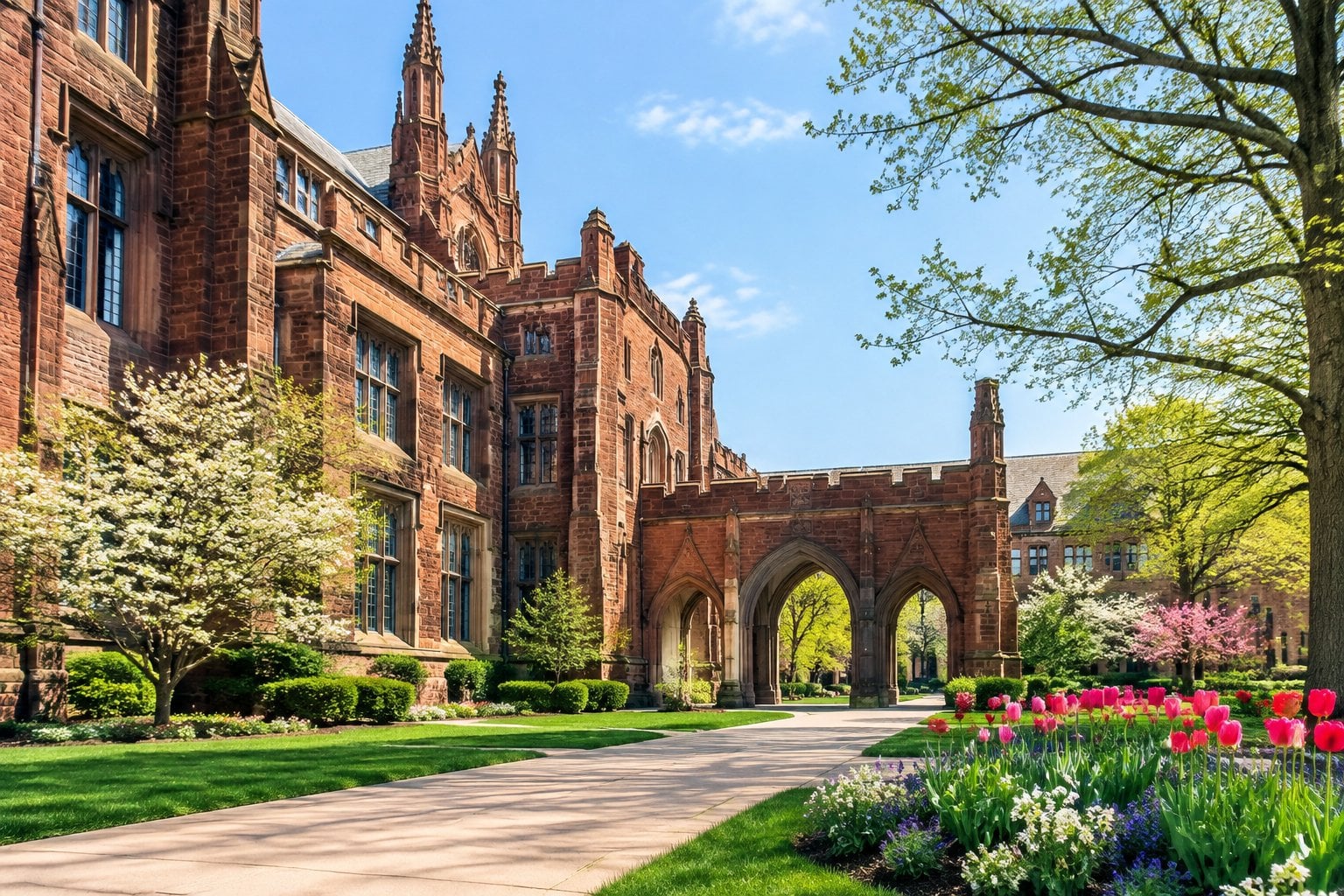
Washington University ranked sixth. Of its 280 first-time takers, 262 passed, a rate of 93.57%. The ABA weighted average for the same states was 81.37%, putting the school 12.2 points above it, 24th in the country on this measure.
WashU’s entering class had the highest median LSAT score on this list: 175, one point above the University of Chicago’s. The class also had a wide spread of scores, with the bottom quarter at 165 or below and the top quarter at 176 or above. The median undergraduate GPA was 3.96.
For fall 2025, the school received 5,616 applications and made 1,065 offers, an acceptance rate of 18.96%. It enrolled 261 full-time students.
Tuition for 2025-26 is $72,792, plus $892 in fees, and living costs are estimated at $28,603 a year. Total J.D. enrollment was 787. The ABA report shows two first-year students leaving for academic reasons and two leaving for other reasons. WashU is the first of four Missouri schools on this list; every law school in Missouri made it.
7. The Ohio State University Moritz College of Law (Columbus, Ohio)
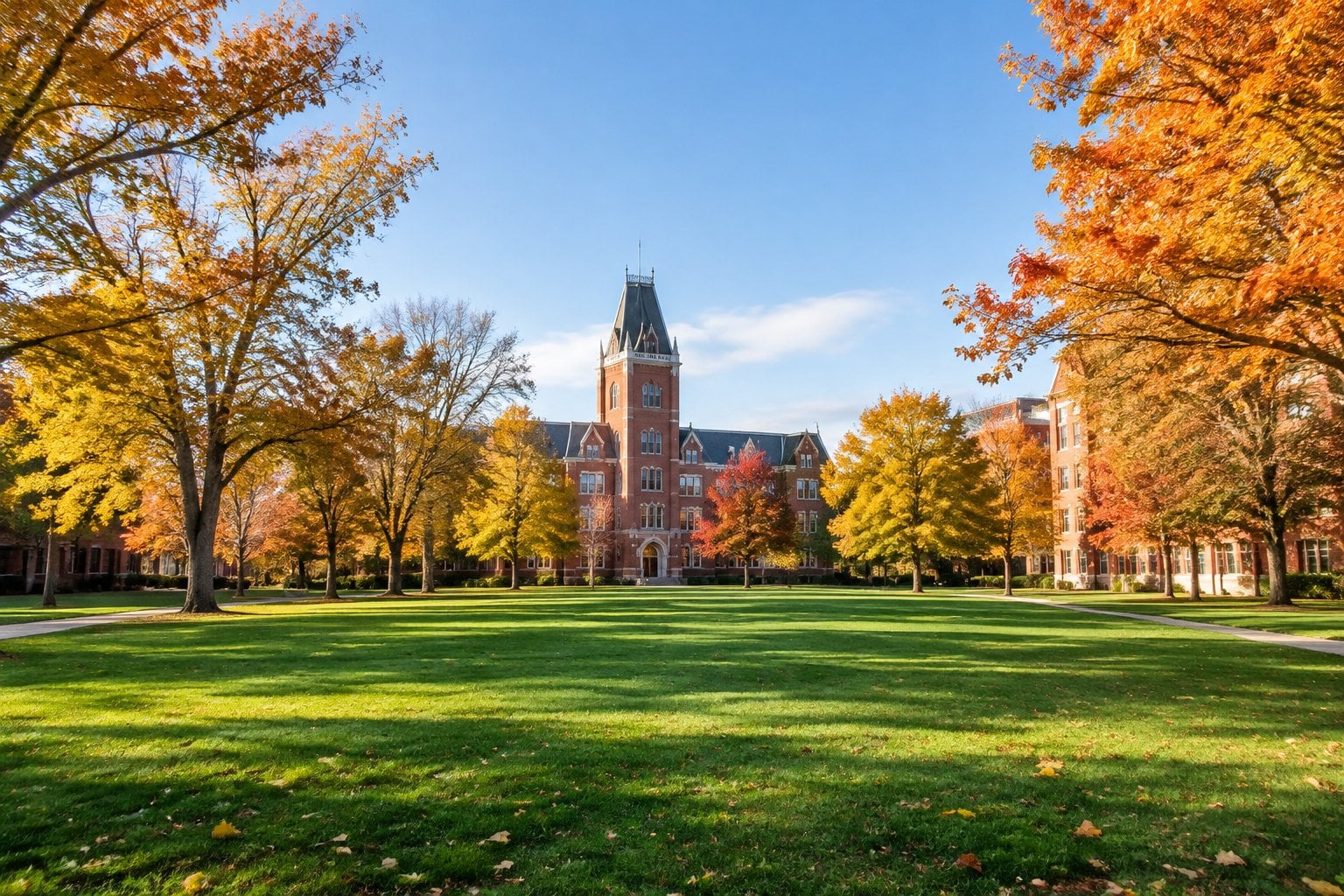
Ohio State is the highest-ranked of the four Ohio schools on this list. Of its 174 first-time takers, 160 passed, a rate of 91.95%. The ABA weighted average for the same states was 80.32%, which put Moritz 11.63 points above it, 28th in the country.
For fall 2025, the school received 2,291 applications and made 564 offers, an acceptance rate of 24.62%. It enrolled 159 full-time students with a median LSAT score of 168 and a median GPA of 3.91.
Tuition for 2025-26 is $35,650 for Ohio residents and $50,902 for nonresidents, plus $1,613 in fees. That makes Ohio State one of the lowest-priced schools in the top 10 for in-state students. Living costs in Columbus are estimated at $23,692 a year.
Total J.D. enrollment was 486. The ABA report shows no first-year students leaving for academic reasons and three leaving for other reasons. Ohio and Illinois each have nine ranked law schools, the most of any Midwest state.
8. University of Kansas School of Law (Lawrence, Kansas)
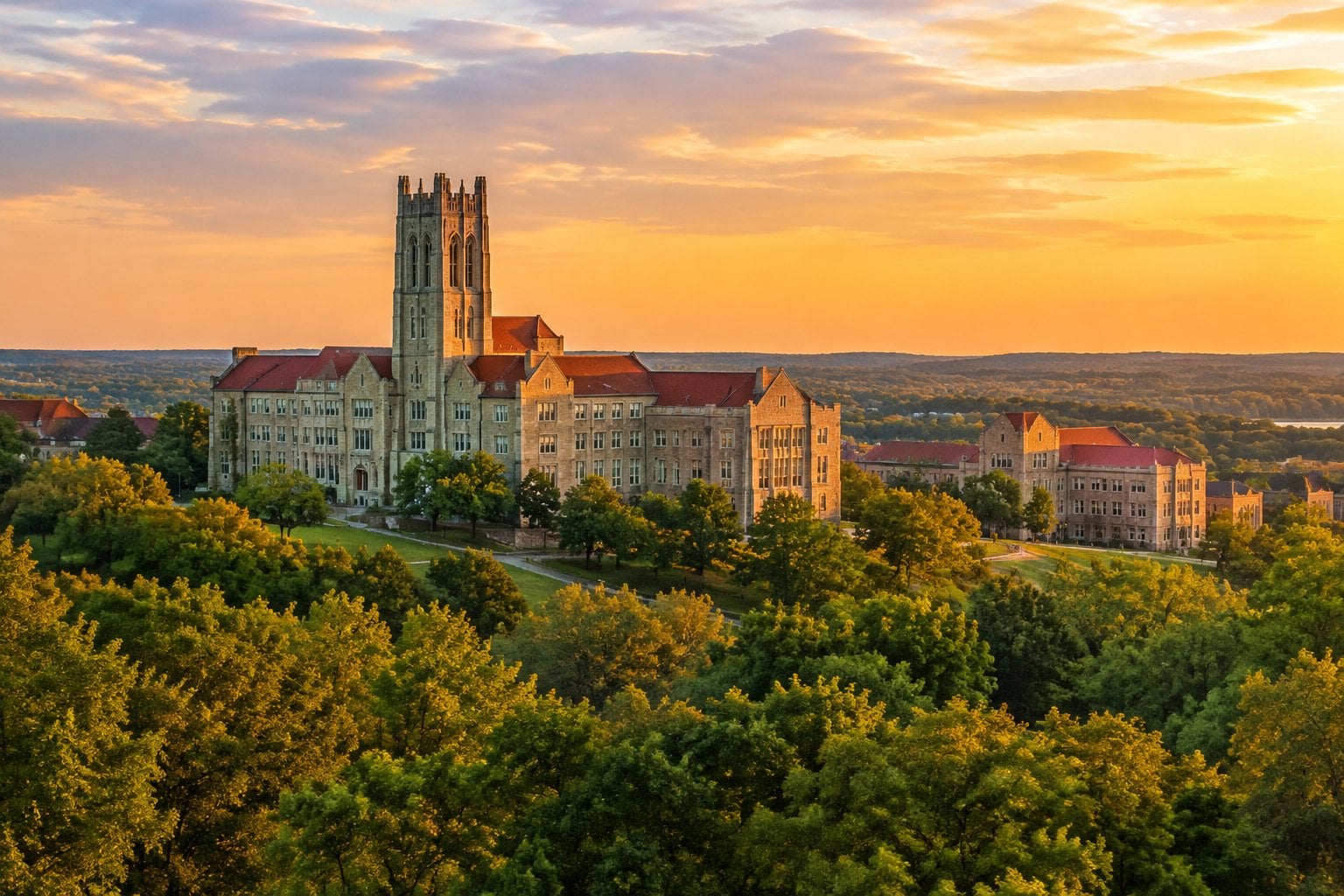
The University of Kansas, in the college town of Lawrence, ranked eighth, just behind Ohio State. Of its 115 first-time takers, 106 passed, a rate of 92.17%. The ABA weighted average for the same states was 80.59%, which put Kansas 11.58 points above it and 29th in the country.
Kansas charges by the credit hour rather than a flat yearly price: $857 per credit for Kansas residents and $1,094 for nonresidents in 2025-26, plus $1,155 in annual fees. The school estimates living costs at $20,238 a year, among the lowest on this list.
For fall 2025, Kansas received 1,172 applications and made 458 offers, an acceptance rate of 39.08%. It enrolled 122 full-time students with a median LSAT score of 162 and a median GPA of 3.85.
Total J.D. enrollment was 356. The ABA report shows four first-year students, about 3%, leaving for academic reasons and one leaving for other reasons. Kansas is the only school from its state on this list; Washburn University in Topeka finished below its average.
9. Northwestern University Pritzker School of Law (Chicago, Illinois)
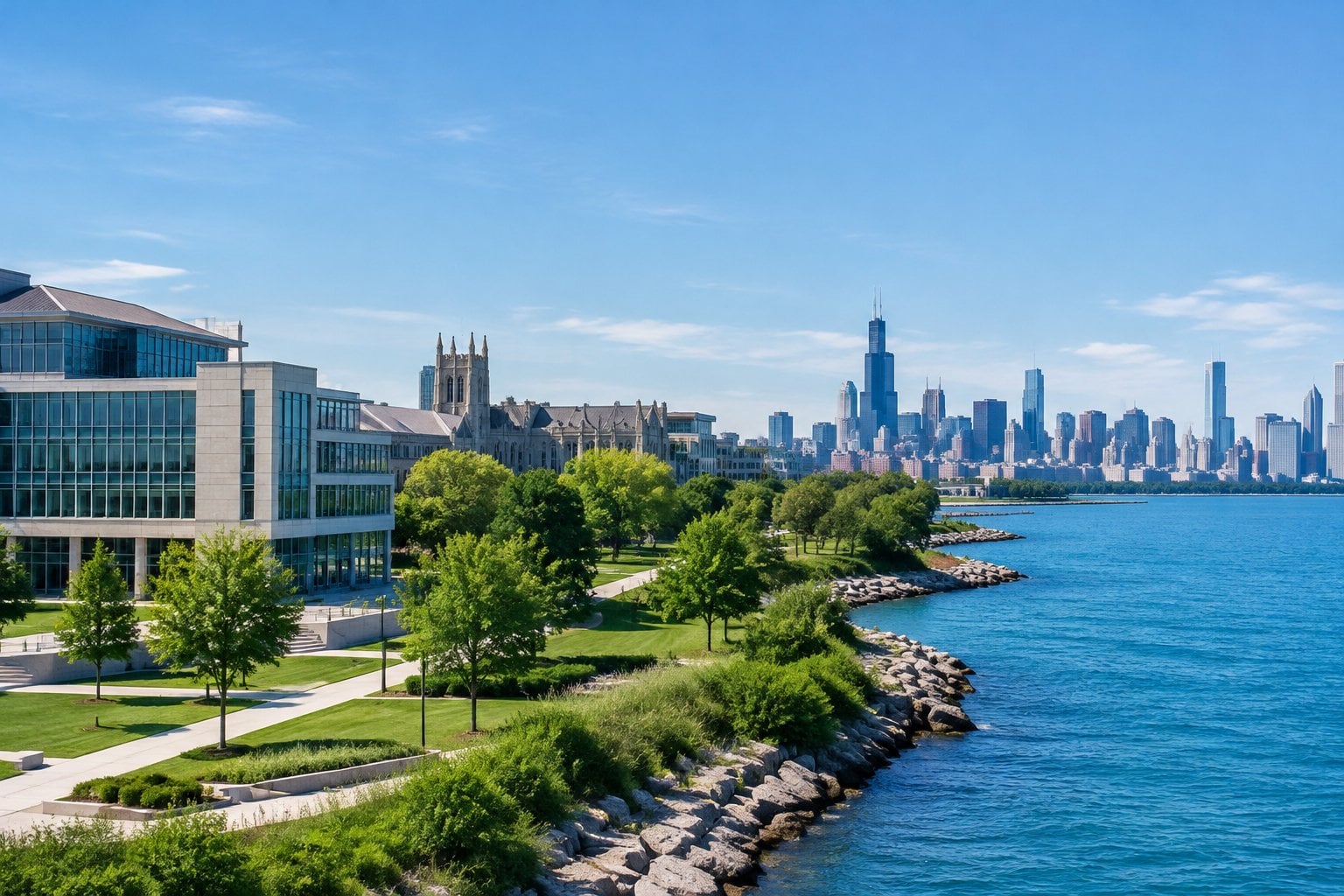
Northwestern, on Chicago’s lakefront downtown, ranked ninth. Of its 256 first-time takers, 235 passed, a rate of 91.8%. The ABA weighted average for the same states was 81%, which put Northwestern 10.8 points above it, 36th in the country.
Northwestern is one of the most selective schools in the region. For fall 2025, it received 7,976 applications, second only to Michigan on this list, and made 981 offers, an acceptance rate of 12.3%. It enrolled 250 full-time students with a median LSAT score of 173 and a median GPA of 3.96.
Tuition for 2025-26 is $79,772, plus $861 in fees, for a total of $80,633, the second-highest on this list after the University of Chicago. Northwestern estimates living costs at $28,220 a year.
Total J.D. enrollment was 776. The ABA report shows no first-year students leaving for academic reasons and two leaving for other reasons. Northwestern is one of three Chicago schools on this list.
10. University of Minnesota Law School (Minneapolis, Minnesota)
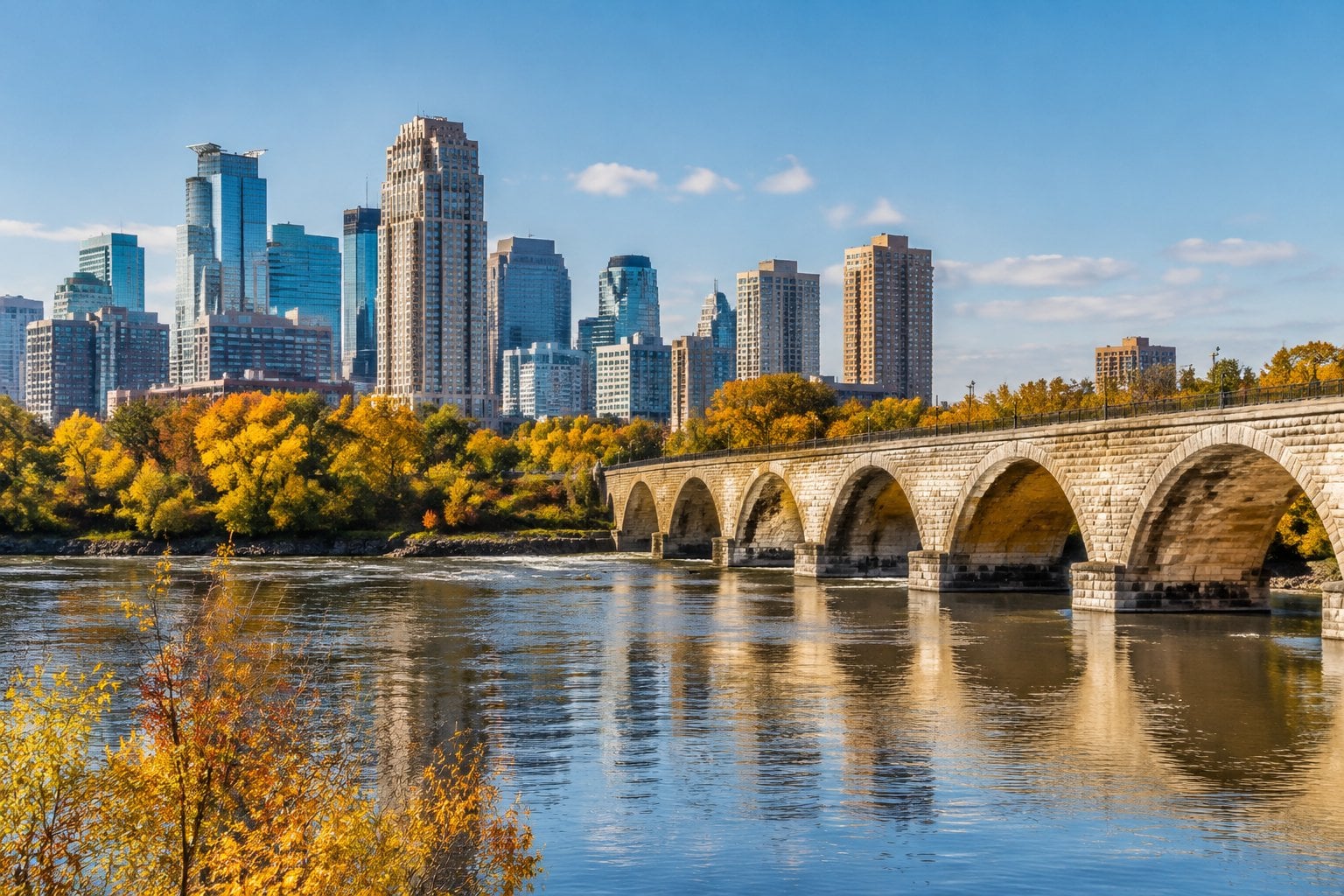
Minnesota rounds out the top 10. Its raw pass rate was among the best in the region: of its 237 first-time takers, 223 passed, a rate of 94.09%, the third-highest on this list. But its graduates faced one of the highest benchmarks, an ABA weighted average of 83.36% for the same states, so its margin was 10.73 points, 37th in the country.
For fall 2025, Minnesota received 3,405 applications and made 909 offers, an acceptance rate of 26.7%. It enrolled 228 full-time students with a median LSAT score of 171, tied with Michigan, and a median GPA of 3.88.
Tuition for 2025-26 is $51,440 for Minnesota residents and $61,845 for nonresidents, plus $2,678 in fees. Living costs are estimated at $19,600 a year, the second-lowest on this list.
Total J.D. enrollment was 655. The ABA report shows no first-year students leaving for academic or other reasons, the only school on this list with no first-year attrition at all. Minnesota is the only one of the state’s three law schools to make the list.
11. University of Iowa College of Law (Iowa City, Iowa)
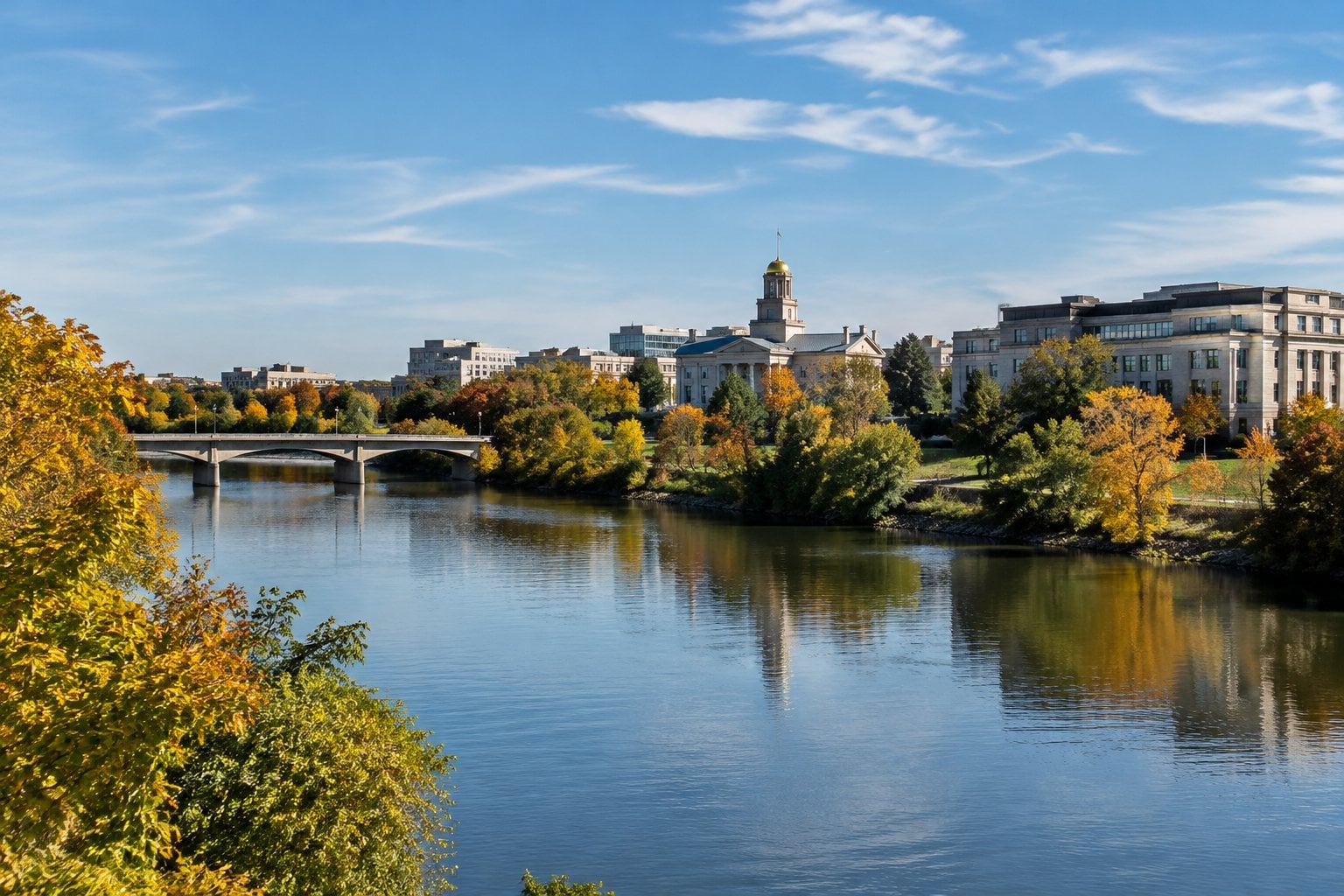
The University of Iowa ranked 11th. Of its 166 first-time takers, 151 passed, a rate of 90.96%. The ABA weighted average for the same states was 82.1%, which put Iowa 8.86 points above it.
Iowa is one of the more affordable flagships here for in-state students. Tuition for 2025-26 is $30,944 for Iowa residents, plus $2,545 in fees. Nonresidents pay $52,191 in tuition, the widest gap between in-state and out-of-state tuition among the schools on this list that charge a yearly rate. Living costs in Iowa City are estimated at $23,920 a year.
For fall 2025, the school received 1,247 applications and made 554 offers, an acceptance rate of 44.43%. It enrolled 159 full-time students with a median LSAT score of 164 and a median undergraduate GPA of 3.78.
Total J.D. enrollment was 500. The ABA report shows no first-year students leaving for academic reasons and four leaving for other reasons. Both of Iowa’s law schools made this list; Drake University in Des Moines ranked 18th.
12. Indiana University Maurer School of Law (Bloomington, Indiana)
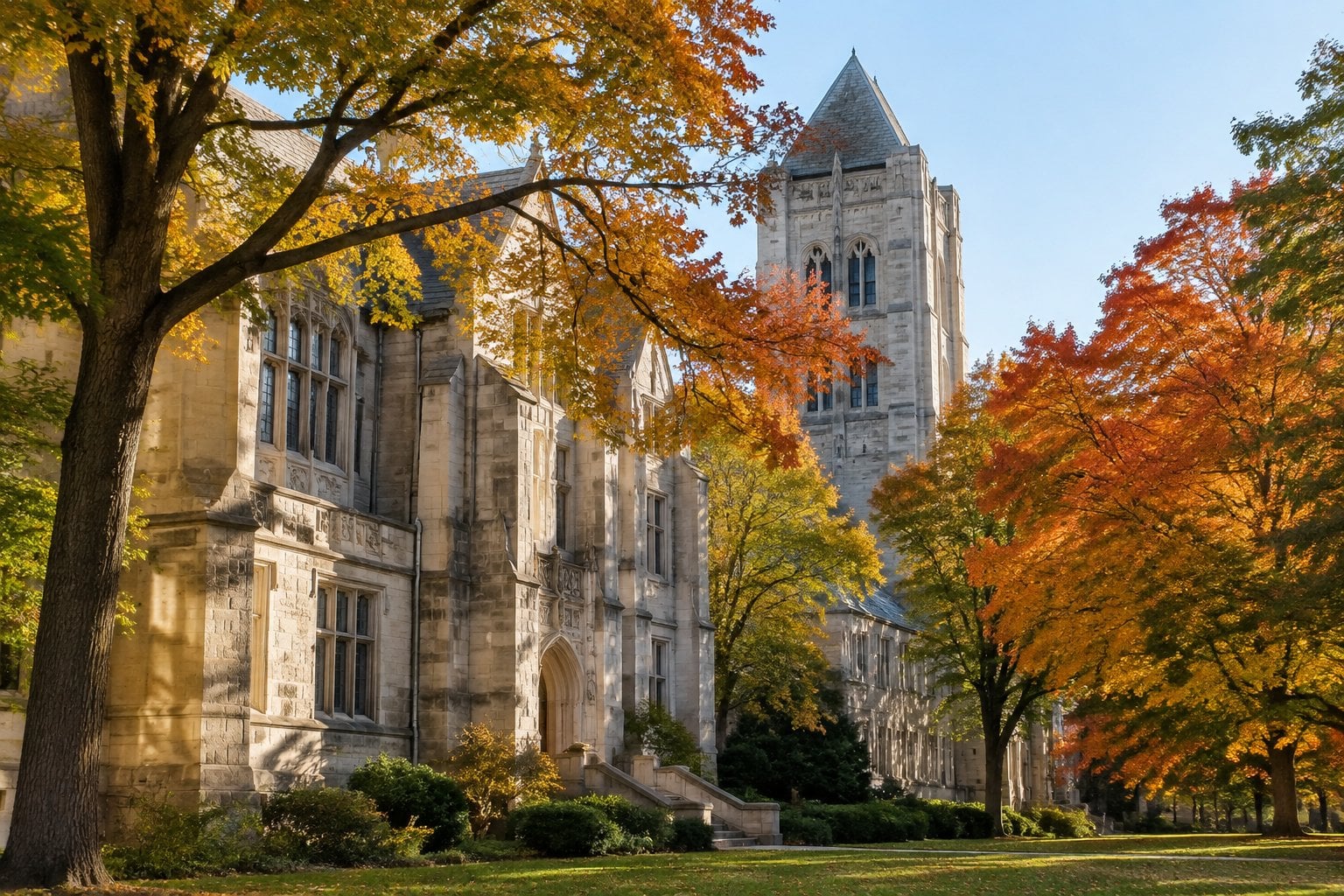
Indiana University’s law school in Bloomington ranked 12th. Of its 190 first-time takers, 166 passed, a rate of 87.37%. The ABA weighted average for the same states was 79.1%, which put Maurer 8.27 points above it.
For fall 2025, the school received 1,831 applications and made 655 offers, an acceptance rate of 35.77%. It enrolled 186 full-time students with a median LSAT score of 164 and a median GPA of 3.91, tied with Ohio State for the highest among the public schools on this list.
Tuition for 2025-26 is $36,950 for Indiana residents and $58,000 for nonresidents, plus $1,522 in fees. Living costs in Bloomington are estimated at $25,822 a year.
Total J.D. enrollment was 502. The ABA report shows no first-year students leaving for academic reasons and six leaving for other reasons, about 4%, the most first-year students leaving for other reasons on this list. Indiana University’s other law school, in Indianapolis, finished below its average and did not make the list.
13. University of Dayton School of Law (Dayton, Ohio)
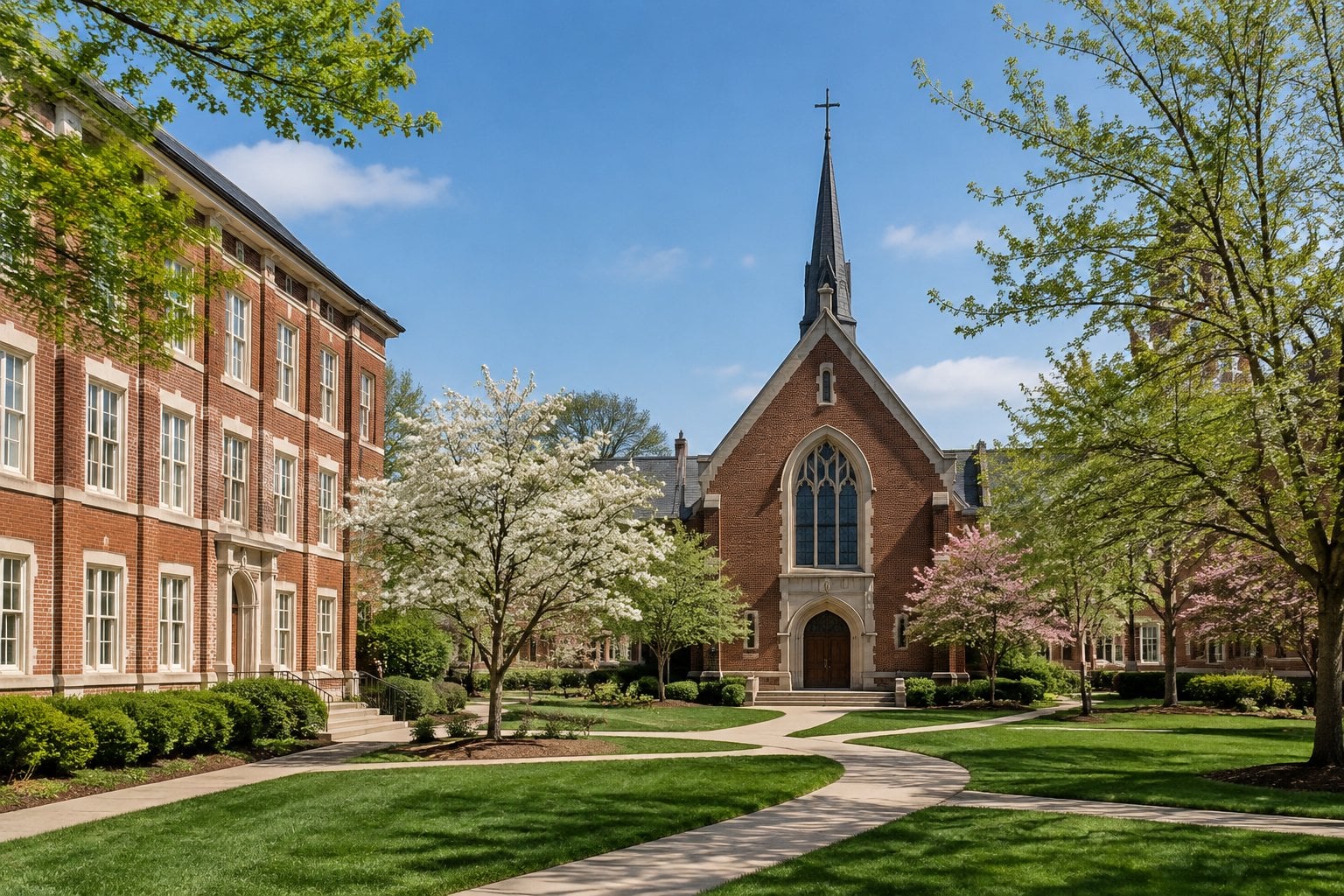
The University of Dayton, a private Catholic university in southwest Ohio, ranked 13th. Of its 108 first-time takers, 95 passed, a rate of 87.96%. The ABA weighted average for the same states was 80.1%, which put Dayton 7.86 points above it.
Dayton stands out for its part-time students. For fall 2025, it enrolled 168 new students: 89 full-time and 79 part-time, by far the most part-time entrants on this list. It received 1,611 applications and made 494 offers, an acceptance rate of 30.66%. The median LSAT score was 157 and the median undergraduate GPA was 3.60.
Dayton charges by the credit hour: $1,380 per credit for 2025-26, the same for residents and nonresidents, plus $514 in annual fees. Its living-cost estimate is $19,395 a year, the lowest on this list.
Total J.D. enrollment was 442. The ABA report shows three first-year students leaving for academic reasons and one leaving for other reasons.
14. University of Nebraska College of Law (Lincoln, Nebraska)
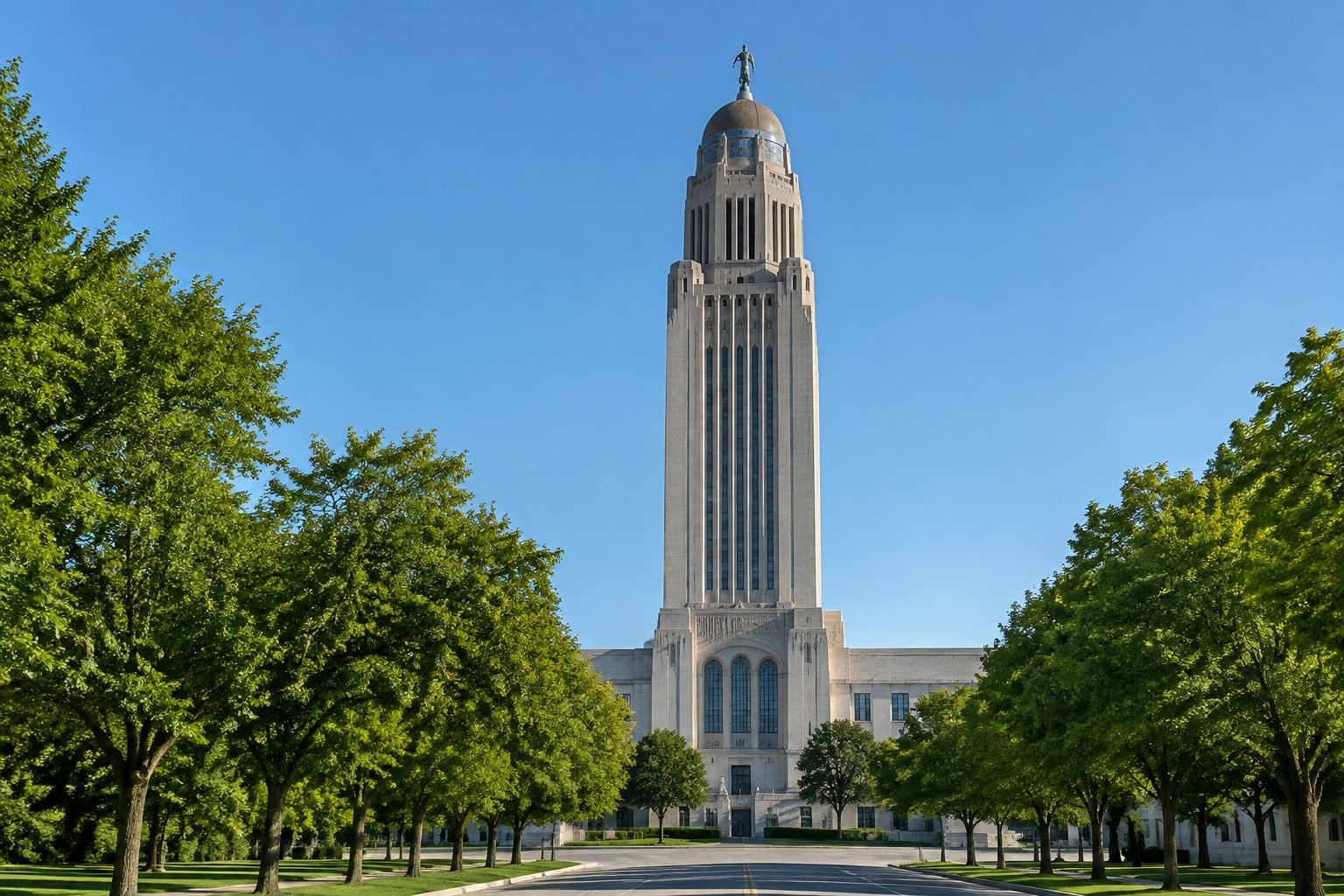
The University of Nebraska, in the state capital of Lincoln, ranked 14th. Its raw pass rate was high: of its 148 first-time takers, 134 passed, a rate of 90.54%. Its benchmark was high too, an ABA weighted average of 83.11% for the same states, which left Nebraska 7.43 points above it.
Nebraska has the lowest in-state price per credit on this list: $456 per credit for Nebraska residents in 2025-26, compared with $1,229 for nonresidents, plus $3,966 in annual fees. Living costs are estimated at $22,092 a year.
For fall 2025, the school received 1,096 applications and made 440 offers, an acceptance rate of 40.15%. It enrolled 154 full-time students with a median LSAT score of 160 and a median GPA of 3.81.
Total J.D. enrollment was 447. The ABA report shows four first-year students, about 3%, leaving for academic reasons and one leaving for other reasons. Nebraska’s other law school, Creighton University in Omaha, finished below its average.
15. University of Cincinnati College of Law (Cincinnati, Ohio)
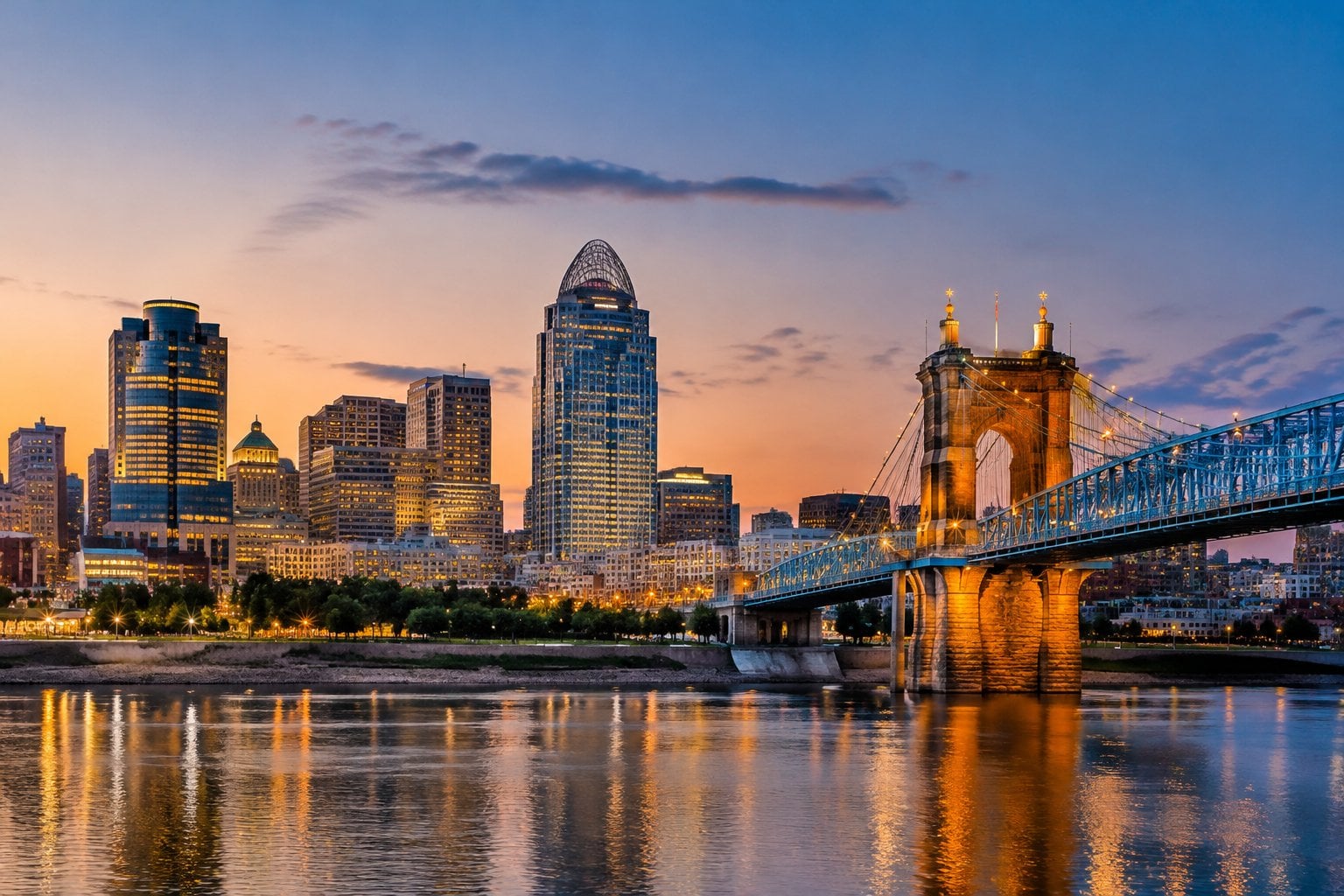
The University of Cincinnati ranked 15th. Of its 118 first-time takers, 101 passed, a rate of 85.59%. The ABA weighted average for the same states was 80.62%, which put Cincinnati 4.97 points above it.
Cincinnati is the cheapest school on this list among those that charge a flat yearly rate. Tuition for 2025-26 is $24,010 for Ohio residents and $29,010 for nonresidents, plus $800 in fees. Even the nonresident price is lower than the in-state tuition at every other school here that charges by the year. Living costs are estimated at $25,956 a year.
For fall 2025, the school received 1,353 applications and made 443 offers, an acceptance rate of 32.74%. It enrolled 139 full-time students with a median LSAT score of 159 and a median GPA of 3.80.
Total J.D. enrollment was 398. The ABA report shows no first-year students leaving for academic reasons and three leaving for other reasons. Cincinnati is the third of four Ohio schools on this list.
16. Michigan State University College of Law (East Lansing, Michigan)
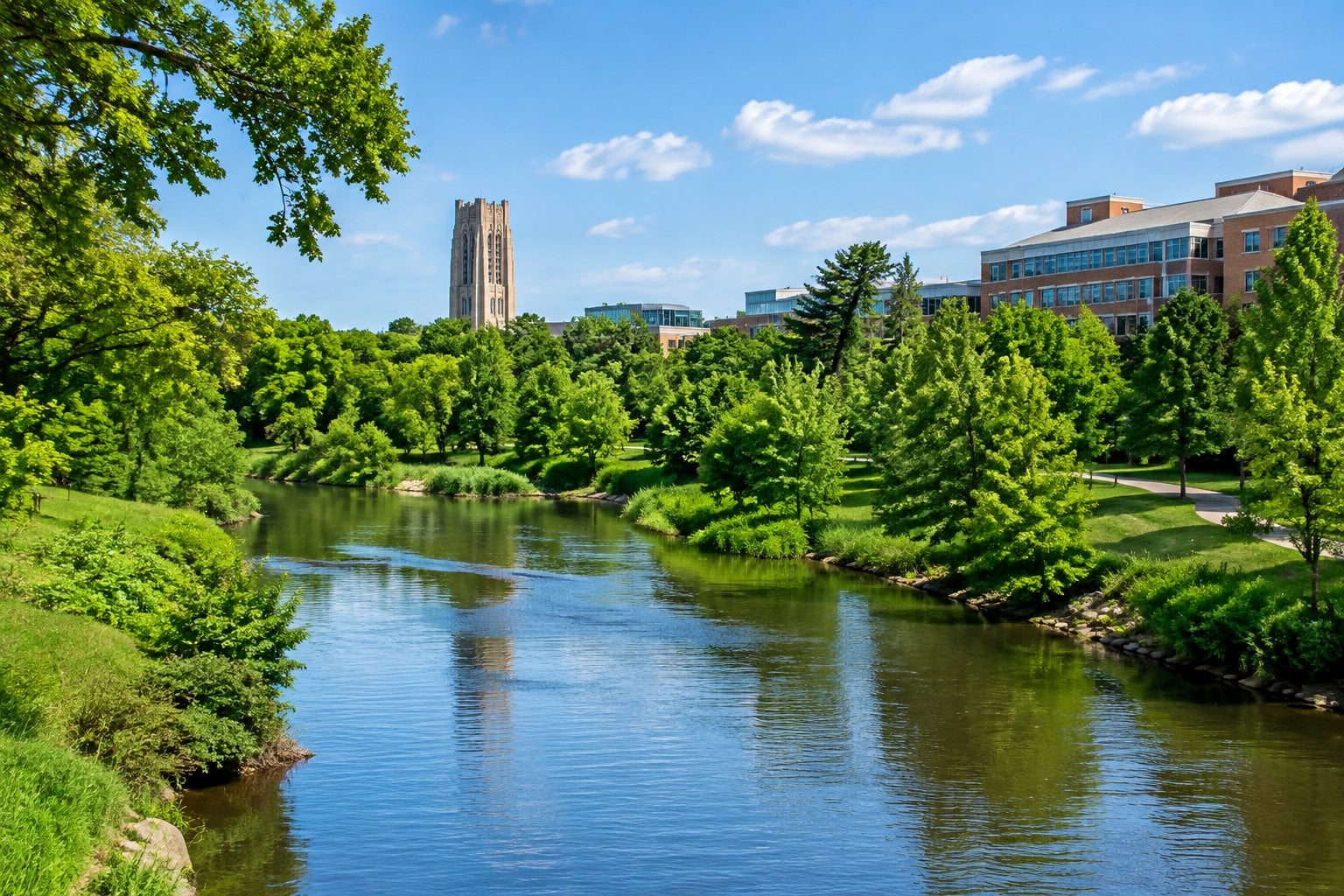
Michigan State shows why this list adjusts for each state’s difficulty. Its raw pass rate was the lowest on this list: of its 217 first-time takers, 170 passed, a rate of 78.34%. But its graduates were measured against an ABA weighted average of only 74.39%, so Michigan State still finished 3.95 points above it.
For fall 2025, the school received 1,526 applications and made 397 offers, an acceptance rate of 26.02%. It enrolled 150 full-time students with a median LSAT score of 162 and a median GPA of 3.73.
Tuition for 2025-26 is $43,480 for Michigan residents and $48,222 for nonresidents. Its fees, $388 a year, are the lowest among the schools on this list that charge a yearly rate. Living costs are estimated at $27,152 a year.
Total J.D. enrollment was 500. The ABA report shows five first-year students, about 4%, leaving for academic reasons, the most on this list, and one leaving for other reasons.
17. Saint Louis University School of Law (St. Louis, Missouri)
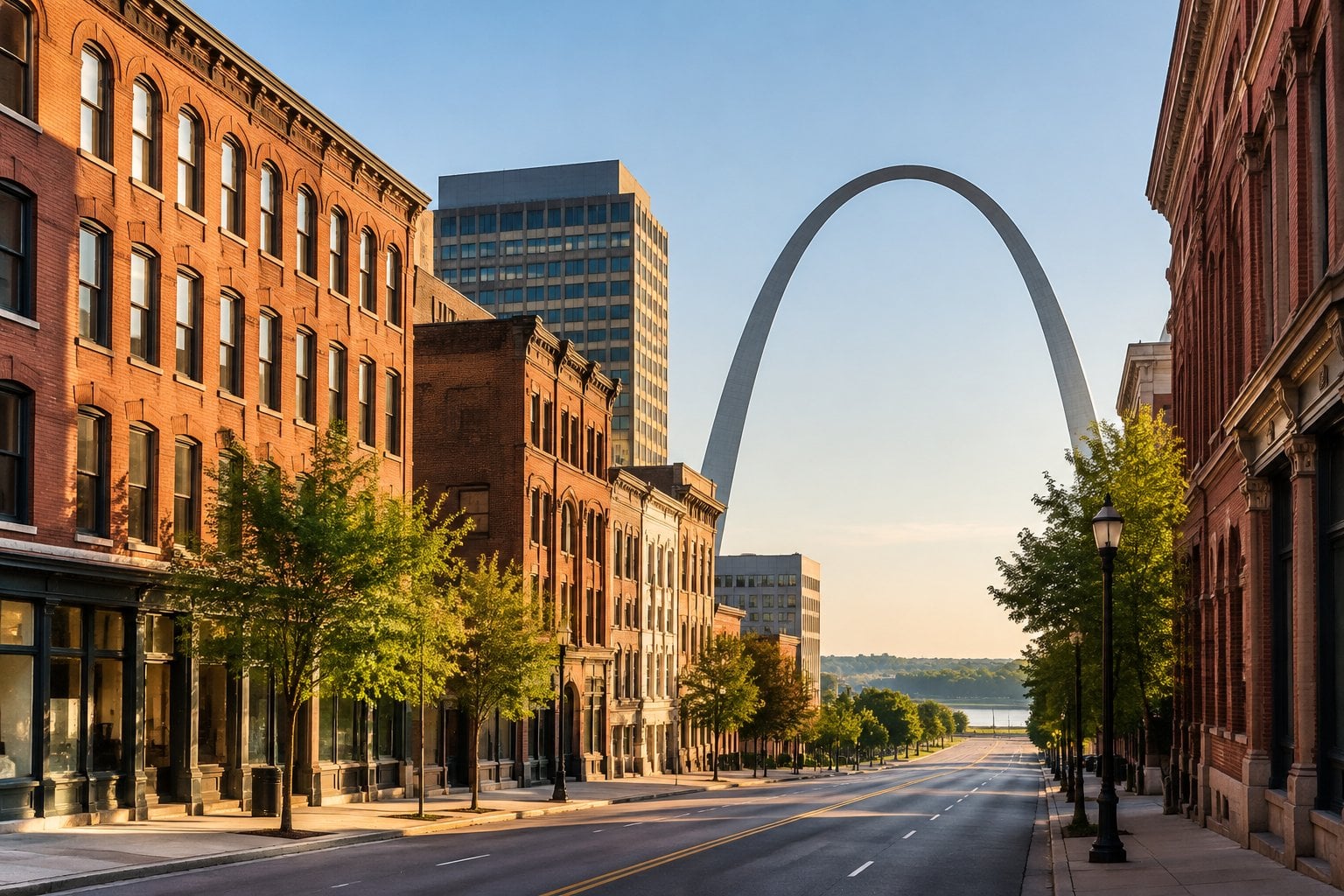
Saint Louis University, a private Jesuit school in downtown St. Louis, ranked 17th. Of its 181 first-time takers, 152 passed, a rate of 83.98%. The ABA weighted average for the same states was 81.88%, which put SLU 2.1 points above it.
SLU had the highest acceptance rate on this list. For fall 2025, it received 941 applications and made 531 offers, an acceptance rate of 56.43%. It enrolled 222 new students, 199 full-time and 23 part-time. The median LSAT score was 157 and the median undergraduate GPA was 3.61.
Tuition for 2025-26 is $55,260, plus $930 in fees, the same for every student. SLU estimates living costs at $26,112 a year.
Total J.D. enrollment was 594. The ABA report shows two first-year students leaving for academic reasons and three leaving for other reasons. SLU is the second of the two St. Louis schools on this list, after Washington University at No. 6.
18. Drake University Law School (Des Moines, Iowa)
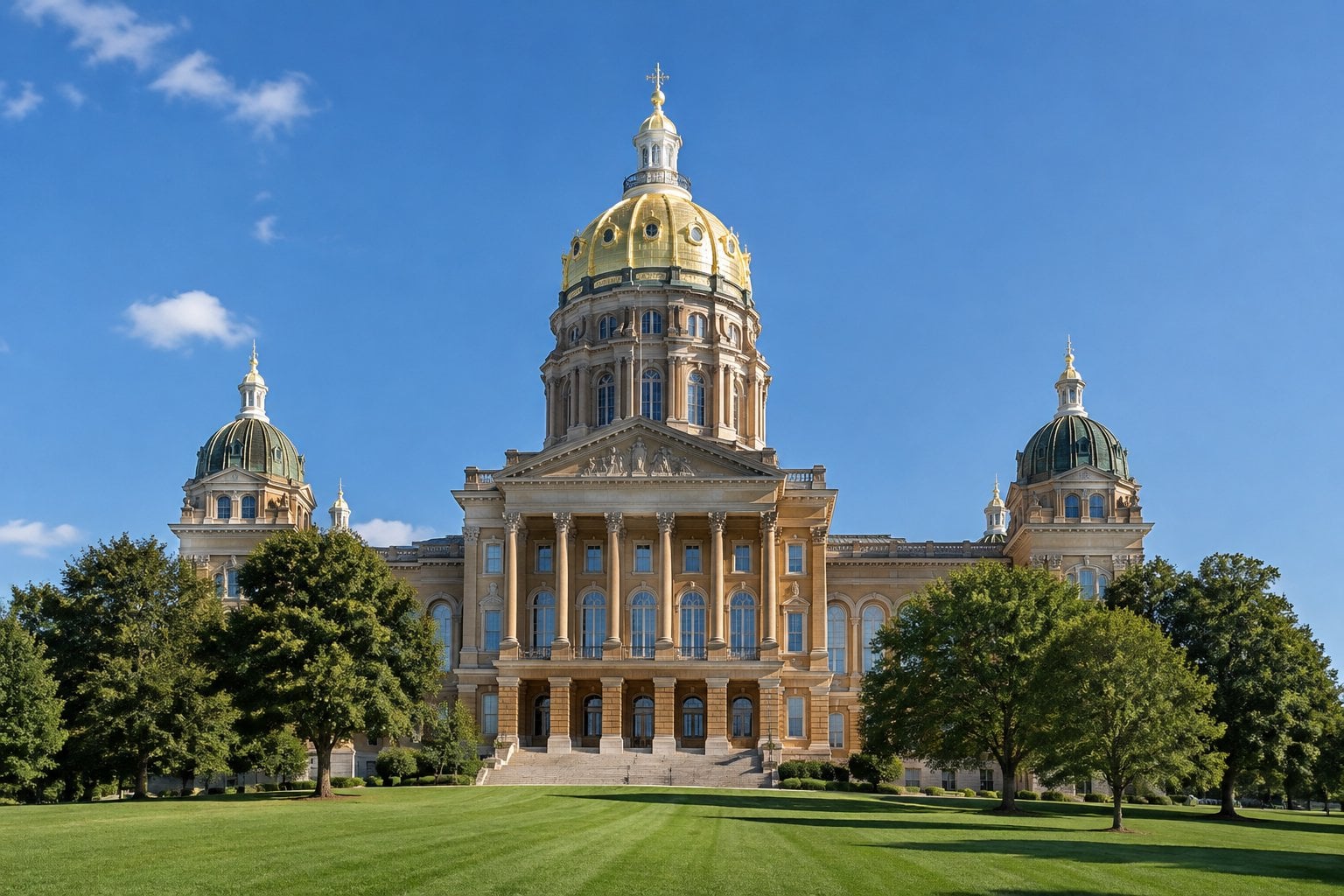
Drake University, a private school in Iowa’s capital, ranked 18th. Of its 105 first-time takers, the fewest of any school on this list, 90 passed, a rate of 85.71%. Its graduates faced the highest benchmark here, an ABA weighted average of 83.73% for the same states, and Drake finished 1.98 points above it.
For fall 2025, Drake received 788 applications and made 432 offers, an acceptance rate of 54.82%. It enrolled 141 full-time students with a median LSAT score of 156 and a median GPA of 3.67.
Tuition for 2025-26 is $50,920, plus $470 in fees. Drake estimates living costs at $20,923 a year, among the lowest on this list and the lowest of any private school here except Dayton.
Total J.D. enrollment was 369. The ABA report shows three first-year students leaving for academic reasons and four leaving for other reasons. Drake and the University of Iowa give Iowa two schools on this list, every law school in the state.
19. University of Missouri-Kansas City School of Law (Kansas City, Missouri)

UMKC ranked 19th, just behind Drake. Of its 126 first-time takers, 106 passed, a rate of 84.13%. The ABA weighted average for the same states was 82.17%, which put UMKC 1.96 points above it, only two hundredths of a point behind Drake.
UMKC drew the fewest applications on this list: 714 for fall 2025. It made 328 offers, an acceptance rate of 45.94%, and enrolled 143 full-time students with a median LSAT score of 156 and a median GPA of 3.65.
UMKC charges by the credit hour: $786 per credit for Missouri residents and $986 for nonresidents in 2025-26, plus $2,350 in annual fees. Living costs are estimated at $23,924 a year.
Total J.D. enrollment was 405. The ABA report shows two first-year students leaving for academic reasons and two leaving for other reasons. UMKC is the third of four Missouri schools on this list.
20. University of Missouri School of Law (Columbia, Missouri)
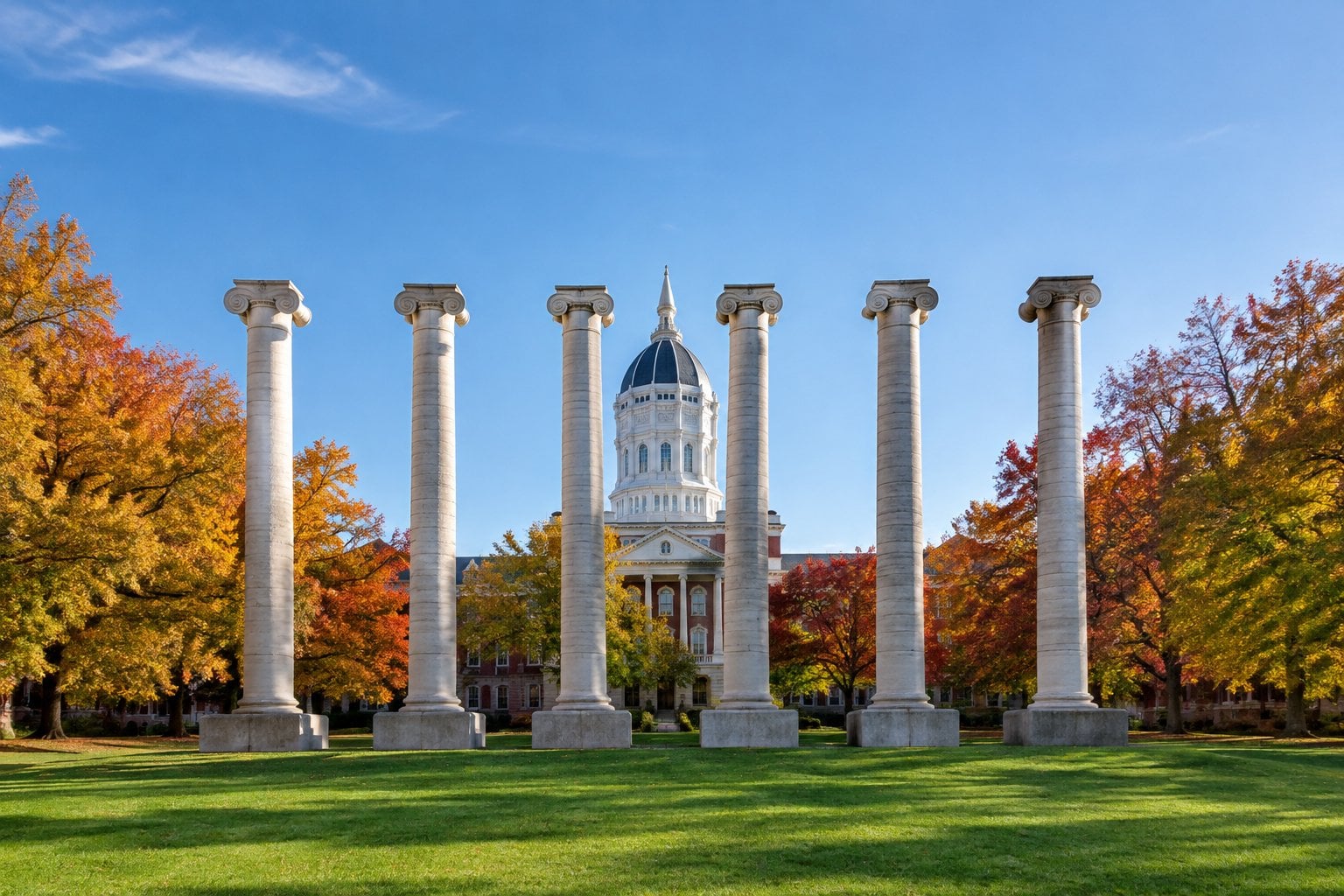
The University of Missouri, in the college town of Columbia, ranked 20th. Of its 132 first-time takers, 110 passed, a rate of 83.33%. The ABA weighted average for the same states was 82.12%, which put Mizzou 1.21 points above it.
For fall 2025, the school received 798 applications and made 335 offers, an acceptance rate of 41.98%. It enrolled 129 full-time students with a median LSAT score of 161 and a median undergraduate GPA of 3.72.
Missouri charges by the credit hour: $812 per credit for Missouri residents and $1,028 for nonresidents in 2025-26, plus $1,414 in annual fees. Living costs in Columbia are estimated at $22,002 a year.
Total J.D. enrollment was 373. The ABA report shows one first-year student leaving for academic reasons and three leaving for other reasons. With Mizzou, all four of Missouri’s law schools finished above their average.
21. Loyola University Chicago School of Law (Chicago, Illinois)
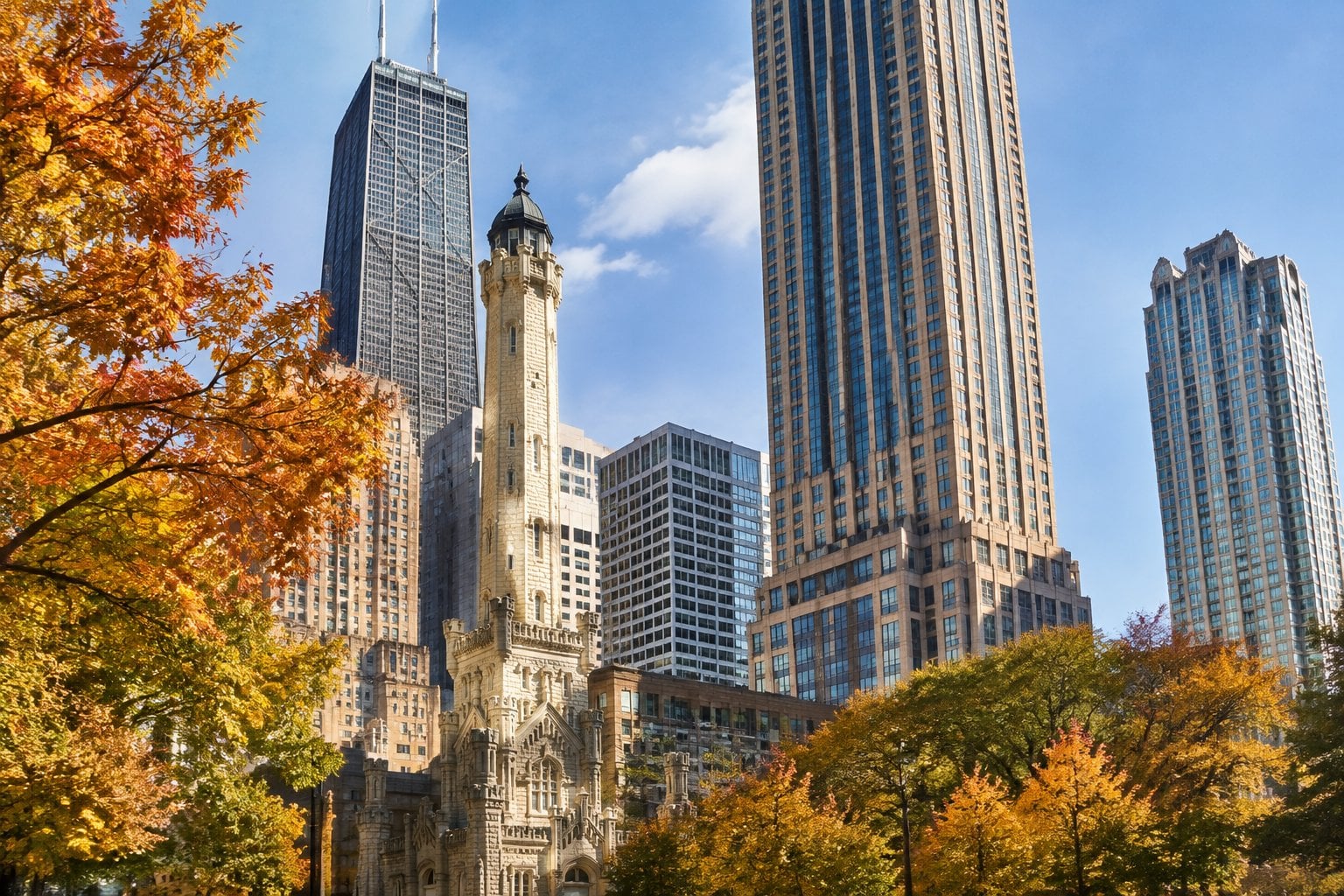
Loyola, a private Jesuit school in downtown Chicago, ranked 21st. It had more first-time takers than any other school on this list: of its 345 takers, 276 passed, a rate of 80%. The ABA weighted average for the same states was 78.82%, which put Loyola 1.18 points above it.
Loyola made more offers than any other school here. For fall 2025, it received 4,244 applications and made 1,196 offers, an acceptance rate of 28.18%. It enrolled 296 new students, 256 full-time and 40 part-time. The median LSAT score was 161 and the median GPA was 3.70.
Tuition for 2025-26 is $58,670, plus $996 in fees. Loyola’s living-cost estimate is $32,658 a year, the second-highest on this list after the University of Chicago.
Total J.D. enrollment was 848. The ABA report shows one first-year student leaving for academic reasons and one leaving for other reasons.
22. Case Western Reserve University School of Law (Cleveland, Ohio)
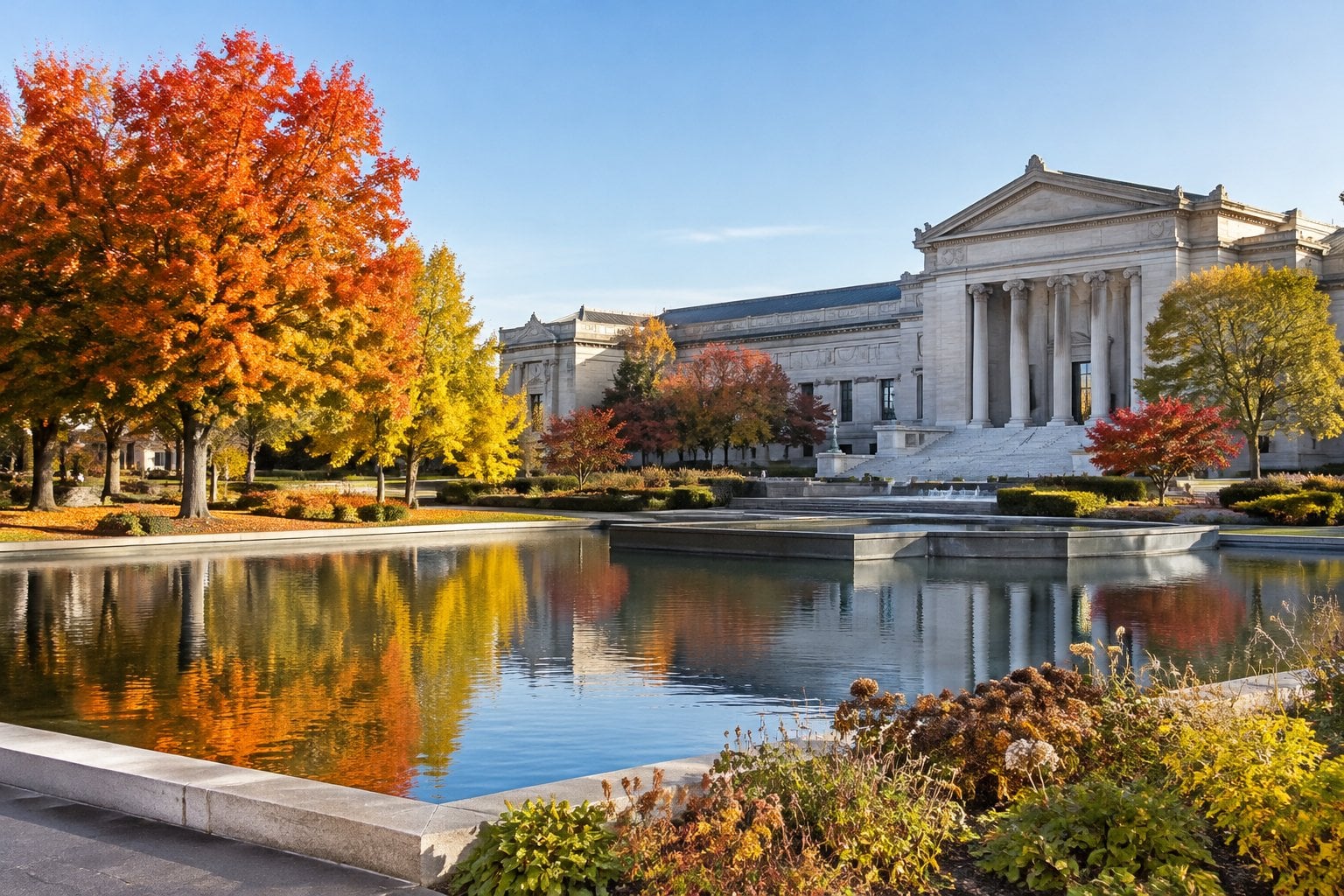
Case Western Reserve, a private university in Cleveland’s University Circle, ranked 22nd. Of its 161 first-time takers, 132 passed, a rate of 81.99%. The ABA weighted average for the same states was 81%, which put Case Western 0.99 points above it.
For fall 2025, the school received 2,267 applications and made 789 offers, an acceptance rate of 34.8%. It enrolled 180 new students, 145 full-time and 35 part-time. The median LSAT score was 162 and the median undergraduate GPA was 3.76.
Tuition for 2025-26 is $64,600, plus $952 in fees, the highest price among the Ohio schools on this list. Case Western estimates living costs at $32,008 a year.
Total J.D. enrollment was 531. The ABA report shows one first-year student leaving for academic reasons and three leaving for other reasons. Case Western is the only Cleveland school on this list; Cleveland State finished below its average.
23. Chicago-Kent College of Law, Illinois Institute of Technology (Chicago, Illinois)
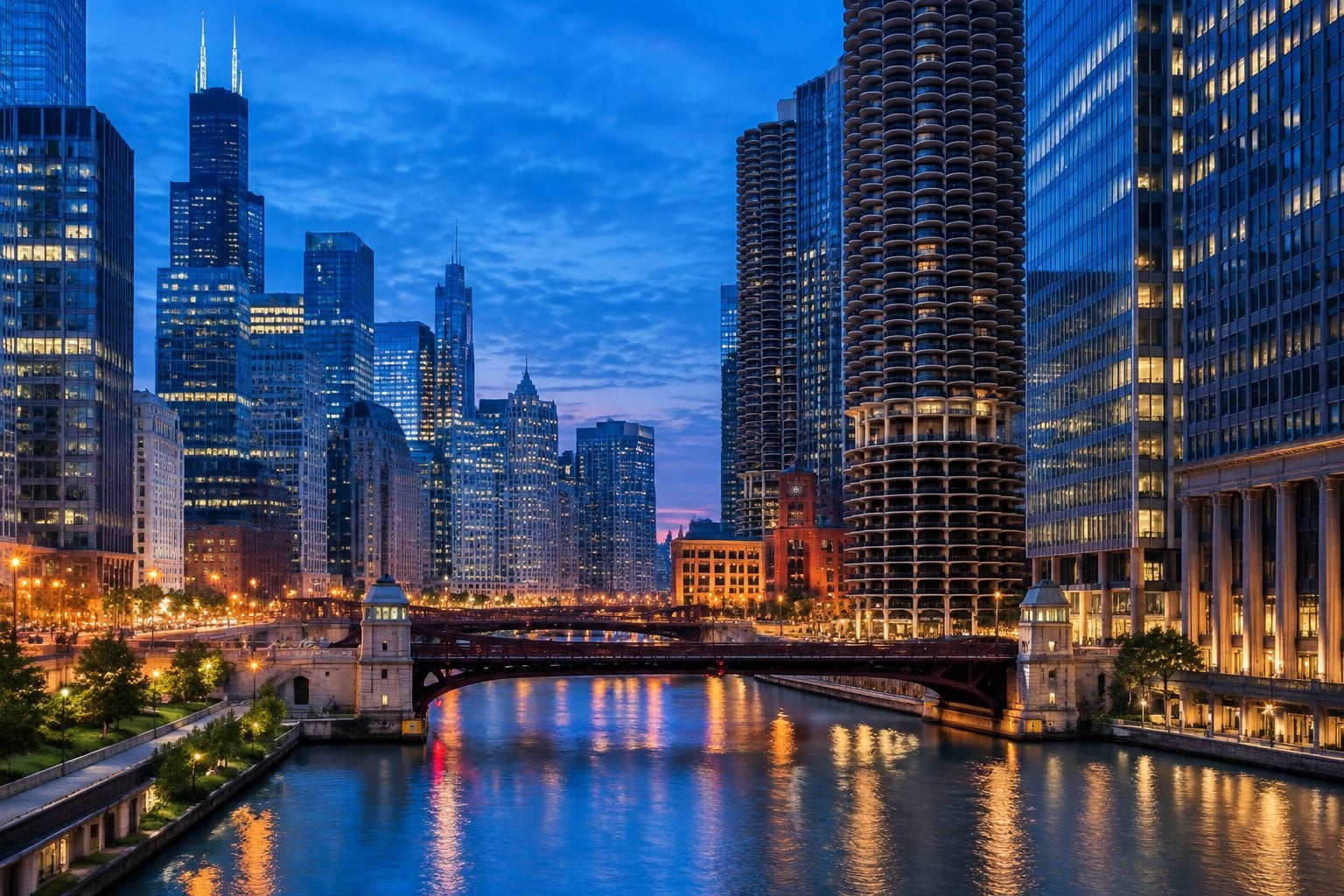
Chicago-Kent, part of the Illinois Institute of Technology, closes the list with the narrowest margin. Of its 205 first-time takers, 162 passed, a rate of 79.02%. The ABA weighted average for the same states was 78.68%, so Chicago-Kent finished 0.34 points above it. It was the last Midwest school to finish above its average.
Chicago-Kent charges by the credit hour: $1,830 per credit for 2025-26, the same for residents and nonresidents and the highest per-credit price on this list, plus $1,010 in annual fees. Living costs are estimated at $27,964 a year.
For fall 2025, the school received 2,212 applications and made 854 offers, an acceptance rate of 38.61%. It enrolled 245 new students, 216 full-time and 29 part-time. The median LSAT score was 161 and the median GPA was 3.72.
Total J.D. enrollment was 720. The ABA report shows one first-year student leaving for academic reasons and none leaving for other reasons.
What the Numbers Show
Illinois has the most schools on this list, five, followed by Missouri and Ohio with four each and Michigan with three. Indiana and Iowa have two each, and Kansas, Minnesota and Nebraska one each. Every law school in Missouri and Iowa made the list. North Dakota’s and South Dakota’s only law schools finished below their averages, and Wisconsin’s two schools were not ranked. Public schools outnumber private ones here, 13 to 10.
A high raw pass rate isn’t enough on its own. Minnesota’s 94.09% raw rate, the third-highest here, ranked only 10th because its benchmark was 83.36%, while Wayne State’s 86.05% ranked fourth against a benchmark of 72.93%.
Price doesn’t decide the order either. Illinois, Wayne State and Ohio State all charge state residents less than $40,000 a year in tuition and finished in the top seven, ahead of Northwestern, which charges nearly $80,000.
For more on law school results and costs, see our lists of the 30 worst law schools in the Midwest, the 30 best law schools in the U.S. and the 30 most expensive law schools in the U.S. Each school’s full report is on the ABA’s required disclosures site, and the National Conference of Bar Examiners publishes pass rates by state.
This article is general information, not legal advice or a recommendation for or against any school. Figures are from the ABA’s 2025 Standard 509 and bar passage reports and may change in later reports.