The 13 Worst Law Schools in the West
The bar exam is the last big hurdle between a law degree and a law license, and every ABA-accredited law school has to publish how its graduates did on it. Across the West, most schools do well: of the 35 law schools in the region, 22 beat their state average. This list looks at the other 13.
It ranks the 13 worst law schools in the West by one public measure: how far each school’s first-time bar passage rate for 2024 graduates fell below the average for the same states. The figures come from the American Bar Association’s Standard 509 and bar passage disclosures, released in the ABA’s 2025 report.
For each school, the ABA compares its graduates’ first-time pass rate with the weighted average for graduates of all ABA-accredited schools who took the exam in the same states. That keeps the comparison fair, because some states have harder exams than others. “The West” here means the U.S. Census Bureau’s West region: Alaska, Arizona, California, Colorado, Hawaii, Idaho, Montana, Nevada, New Mexico, Oregon, Utah, Washington and Wyoming. Alaska has no law school. All 35 Western schools had at least 30 first-time takers, and only the 13 that fell below their state average made this list, so the title says 13 rather than padding it to 30.
Each entry also shows the school’s result in the ABA’s previous report (2023 graduates), and for California schools, the State Bar of California’s own count for the July 2025 exam. The other numbers come from the same ABA report: the fall 2025 entering class, 2025-26 tuition and fees, and first-year students who left. A bar passage rate is one measure, not a full picture of any school, and many graduates of every school here pass the exam and go on to practice law.
1. California Western School of Law (San Diego, California)
California Western School of Law in downtown San Diego had the largest gap in the West and the 17th-largest of 192 ranked schools nationwide. Of its 213 first-time bar takers, 134 passed, a rate of 62.91%, the lowest raw pass rate on this list. The ABA weighted average for the same states was 77.53%, which puts the school 14.62 percentage points below the average.
That was still a big improvement. In the ABA’s previous report, 88 of 182 first-time takers passed (48.35%), 24.16 points below the average. On the State Bar of California’s count for July 2025, 107 of 156 first-time takers passed (68.6%).
Full-time tuition and fees come to $64,870 for 2025-26 ($64,720 plus $150 in fees), the highest yearly price on this list. Part-time tuition is $48,440, and living costs are estimated at $34,342.
For fall 2025, the school received 2,144 applications and made 1,006 offers, an acceptance rate of 46.92%. It enrolled 242 new students, 206 full-time and 36 part-time, with a median LSAT score of 155 and a median GPA of 3.50. Ten first-year students, about 4%, left for academic reasons.
2. Western State College of Law at Westcliff University (Irvine, California)
Western State College of Law is now part of Westcliff University and is based in Irvine, in Orange County. It is the smallest school on this list by bar takers: of its 77 first-time takers, 49 passed, a rate of 63.64%. The ABA weighted average for the same states was 77.78%, a gap of 14.14 percentage points, just behind California Western and the 18th-largest in the country.
In the ABA’s previous report, 31 of 53 first-time takers passed (58.49%), 13.75 points below the average. The most recent exam went better: on the State Bar of California’s count, 57 of 73 first-time takers passed in July 2025 (78.1%).
Full-time tuition and fees come to $55,648 for 2025-26 ($54,840 plus $808 in fees), the lowest yearly price of the private schools on this list. Part-time tuition is $36,640.
For fall 2025, it received 916 applications and made 400 offers, the fewest here, for an acceptance rate of 43.67%. It enrolled 117 new students, 96 full-time and 21 part-time. The median LSAT score of 152 and median GPA of 3.36 were both the lowest on this list. Twelve first-year students, about 8%, left for academic reasons, and eight, about 6%, for other reasons.
3. Southwestern Law School (Los Angeles, California)
Southwestern Law School in Los Angeles is the largest school on this list. Of its 288 first-time bar takers, the most of any school here, 187 passed, a rate of 64.93%. The ABA weighted average for the same states was 77.76%, a gap of 12.83 percentage points, the 20th-largest in the country.
Its raw rate barely moved from the ABA’s previous report, when 167 of 261 first-time takers passed (63.98%), 8.36 points below the average. On the State Bar of California’s count, 187 of 264 first-time takers passed in July 2025 (70.8%).
Tuition is $63,160 a year for full-time students in 2025-26, with no separate fees listed, and $42,124 for part-time students. The school estimates living costs at $38,033.
For fall 2025, Southwestern received 3,584 applications, the most on this list, and made 1,307 offers, an acceptance rate of 36.47%. It enrolled 459 new students, 383 full-time and 76 part-time, the largest entering class here. The median LSAT score was 157 and the median GPA was 3.51. Fifty-one first-year students, about 12%, left for academic reasons, the highest number and share on this list. Total J.D. enrollment was 1,108.
4. University of Idaho College of Law (Moscow and Boise, Idaho)

The University of Idaho’s College of Law teaches in Moscow and Boise, and it is the first public school on this list. Of its 117 first-time bar takers, 80 passed, a rate of 68.38%. The ABA weighted average for the same states was 78.38%, a gap of exactly 10 percentage points.
That was a sharp change from the ABA’s previous report, when 77 of 103 first-time takers passed (74.76%) and the school finished 0.25 points above its average. Idaho is one of four schools on this list that beat their average in that earlier report.
Idaho residents pay $27,516 a year in full-time tuition for 2025-26, with no separate fees listed, and nonresidents pay $46,752. The school estimates living costs at $20,136.
Idaho was the easiest school on this list to get into, and the easiest of any ABA school in the country. For fall 2025, it received 740 applications, the fewest here, and made 494 offers, an acceptance rate of 66.76%. All 197 new students enrolled full-time, with a median LSAT score of 153 and a median GPA of 3.54. Five first-year students, about 3%, left for academic reasons, and four, about 2%, for other reasons.
5. Willamette University College of Law (Salem, Oregon)
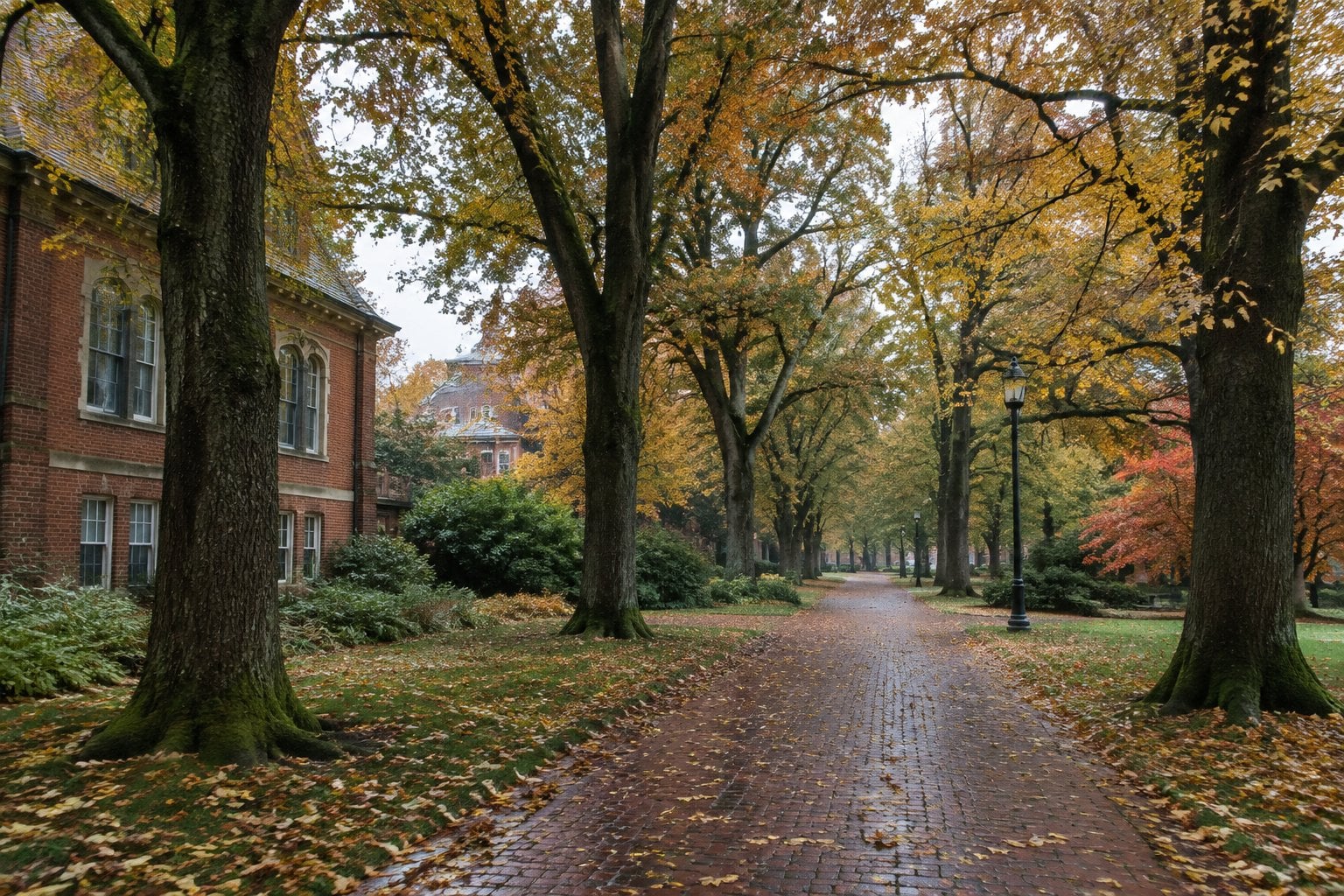
Willamette University’s College of Law is in Salem, Oregon’s capital, across the street from the State Capitol. Of its 90 first-time bar takers, 60 passed, a rate of 66.67%. The ABA weighted average for the same states was 75.22%, the lowest benchmark on this list, which leaves a gap of 8.55 percentage points.
That was a big step up. In the ABA’s previous report, 50 of 93 first-time takers passed (53.76%), 20.46 points below the average, one of the largest gaps in the country that year. The school reported 112 graduates in 2024, more than its 90 first-time takers.
Full-time tuition and fees come to $56,680 for 2025-26 ($56,600 plus $80 in fees), the same for residents and nonresidents. The school estimates living costs at $22,828 a year.
For fall 2025, Willamette received 858 applications and made 527 offers, an acceptance rate of 61.42%, the second-highest on this list. All 139 new students enrolled full-time, with a median LSAT score of 154 and a median GPA of 3.48. Four first-year students, about 3%, left for academic reasons, and four more for other reasons. Total J.D. enrollment was 365.
6. University of the Pacific McGeorge School of Law (Sacramento, California)
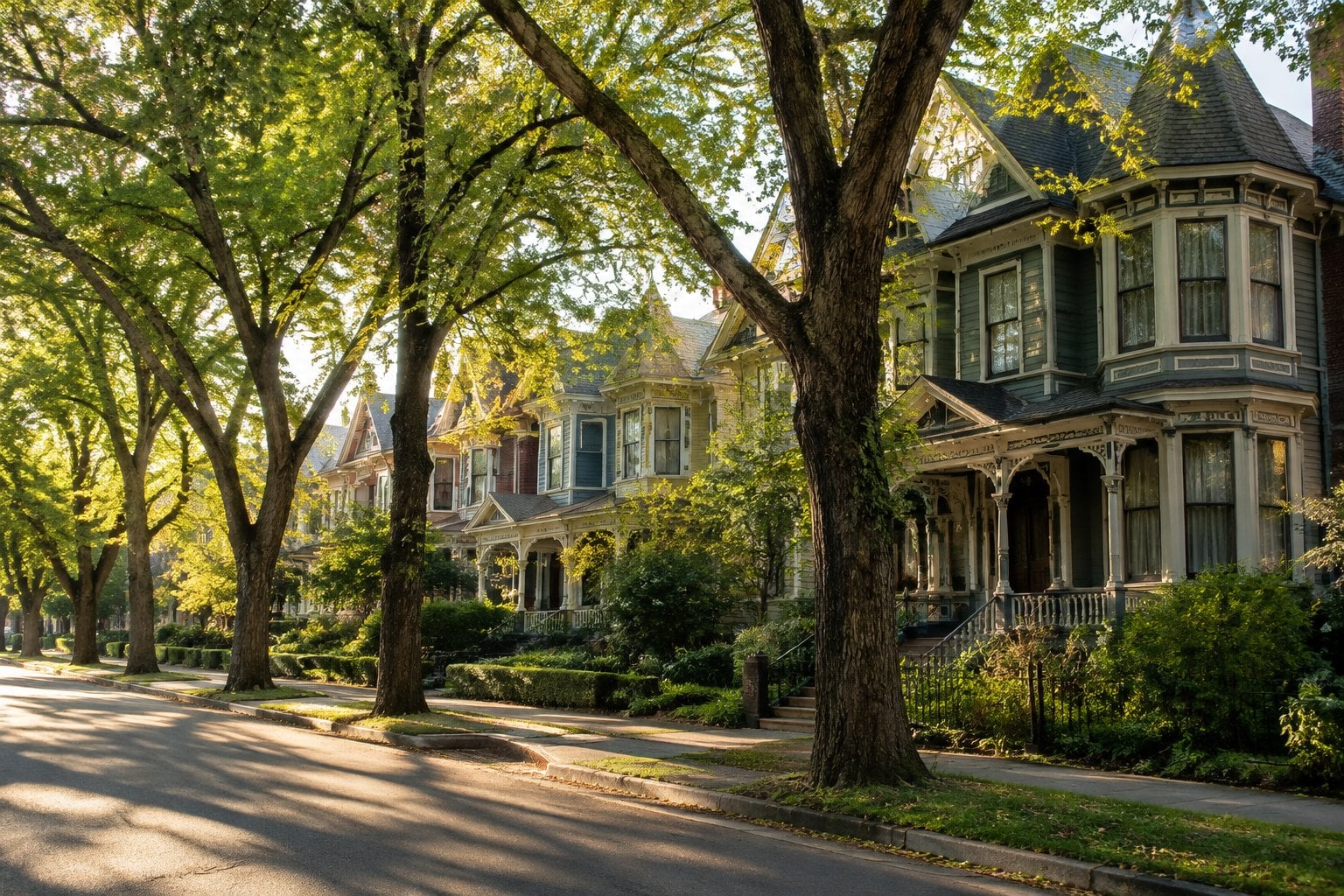
McGeorge School of Law is the University of the Pacific’s law school, based in Sacramento, California’s capital. Of its 146 first-time bar takers, 103 passed, a rate of 70.55%. The ABA weighted average for the same states was 77.62%, a gap of 7.07 percentage points.
Its raw rate rose from the ABA’s previous report, when 112 of 167 first-time takers passed (67.07%), 5.45 points below the average. On the State Bar of California’s count, 85 of 123 first-time takers passed in July 2025 (69.1%).
Full-time tuition and fees come to $63,318 for 2025-26 ($62,678 plus $640 in fees), and part-time tuition is $41,628. McGeorge also lists a per-credit price of $2,131. The school estimates living costs at $35,081 a year.
For fall 2025, McGeorge received 1,248 applications and made 679 offers, an acceptance rate of 54.41%. It enrolled 213 new students, 170 full-time and 43 part-time, with a median LSAT score of 156 and a median GPA of 3.52. Six first-year students, about 3%, left for academic reasons, and three, about 1%, for other reasons. Total J.D. enrollment was 615.
7. Chapman University Dale E. Fowler School of Law (Orange, California)
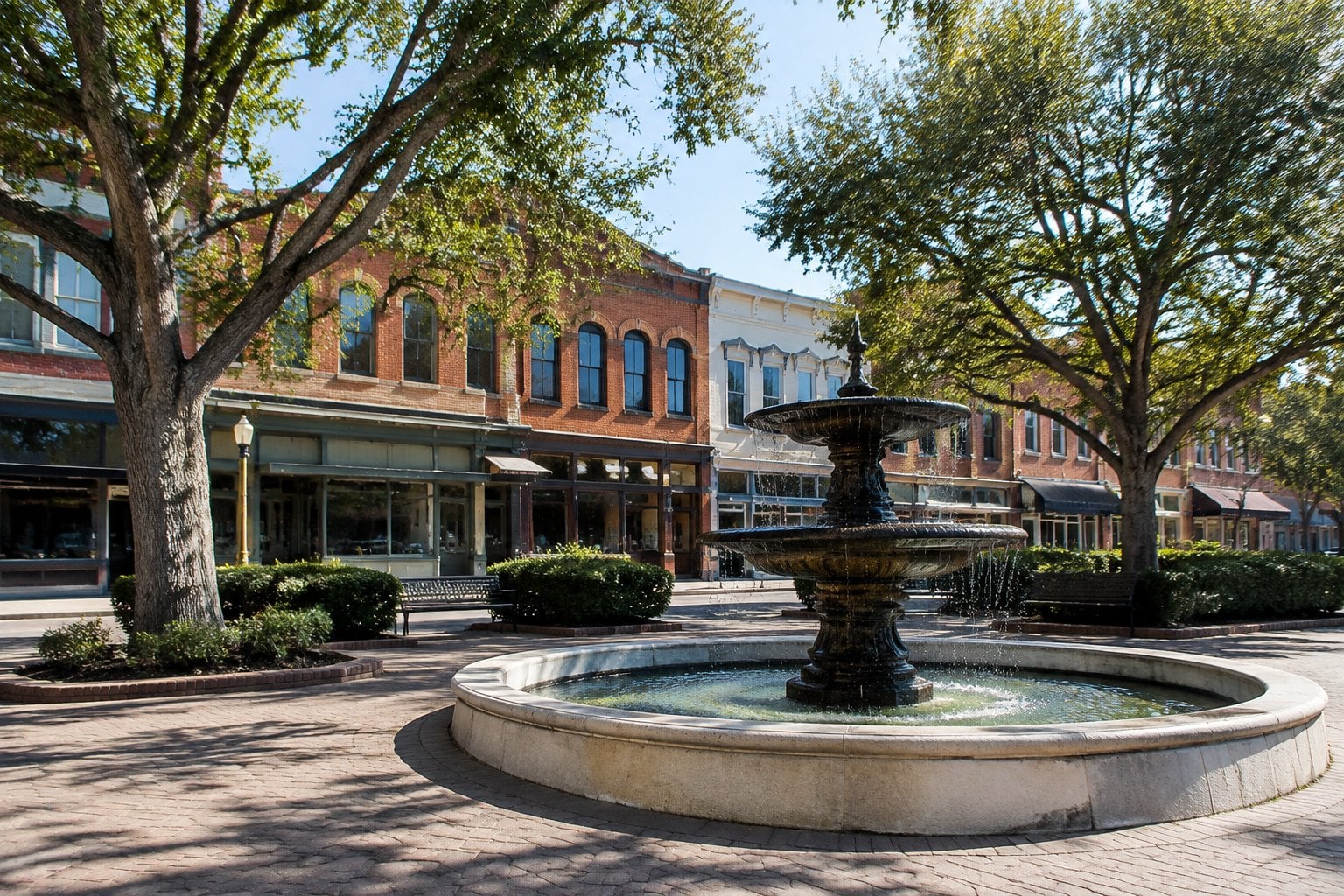
Chapman’s law school in the city of Orange is the hardest school on this list to get into, which makes its bar results stand out. Of its 143 first-time bar takers, 106 passed, a rate of 74.13%. The ABA weighted average for the same states was 77.65%, a gap of 3.52 percentage points.
A year earlier, Chapman was above the line. In the ABA’s previous report, 112 of 140 first-time takers passed (80%), 7.7 points above the average. On the State Bar of California’s count, 96 of 120 first-time takers passed in July 2025 (80.0%).
Full-time tuition and fees come to $63,201 for 2025-26 ($63,126 plus $75 in fees), and part-time tuition is $50,400. Chapman’s living-cost estimate of $41,778 is the highest on this list.
For fall 2025, it received 2,514 applications and made 516 offers, an acceptance rate of 20.53%, the lowest here. All 153 new students enrolled full-time. The median LSAT score was 163, tied with Arizona for the highest on this list, and the median GPA was 3.70. Seven first-year students, about 5%, left for academic reasons. Total J.D. enrollment was 420.
8. Seattle University School of Law (Seattle, Washington)

Seattle University’s law school in the city’s First Hill neighborhood is the first of two Washington schools on this list. Of its 207 first-time bar takers, 163 passed, a rate of 78.74%. The ABA weighted average for the same states was 82.24%, one of the higher benchmarks here, for a gap of 3.5 percentage points.
Its results improved from the ABA’s previous report, when 123 of 165 first-time takers passed (74.55%), 7.56 points below the average. The school reported 229 graduates in 2024, more than its 207 first-time takers.
Seattle University charges by the credit hour: $2,061 per credit for 2025-26, the same for residents and nonresidents, plus $728 in annual fees. The school estimates living costs at $34,161 a year.
For fall 2025, it received 2,304 applications and made 897 offers, an acceptance rate of 38.93%. It enrolled 209 new students, 150 full-time and 59 part-time, with a median LSAT score of 159 and a median GPA of 3.60. Nine first-year students, about 4%, left for academic reasons, and eight, about 4%, for other reasons. Total J.D. enrollment was 646, the largest of Washington’s three law schools.
9. Santa Clara University School of Law (Santa Clara, California)
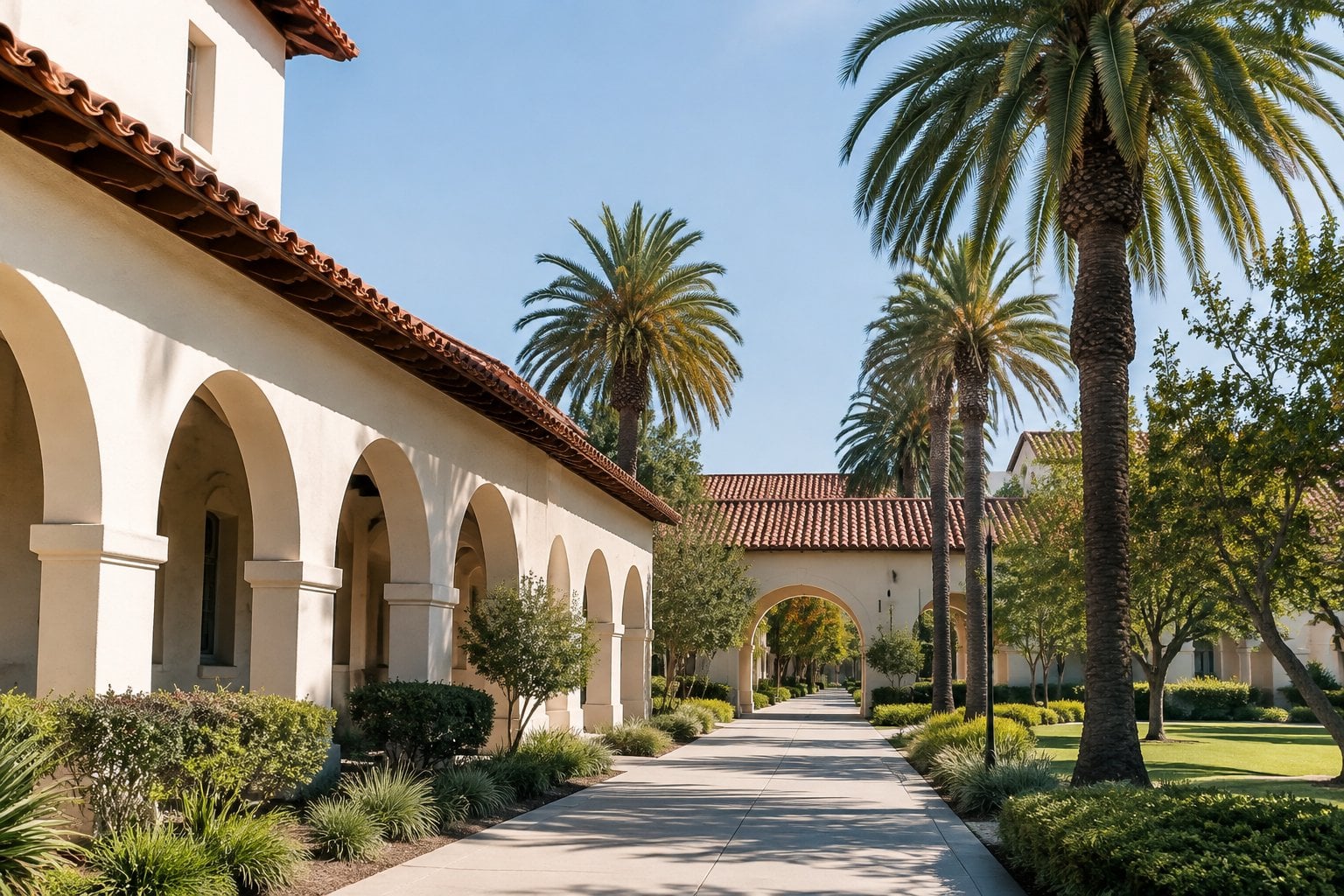
Santa Clara University’s law school is in the heart of Silicon Valley. Of its 214 first-time bar takers, 160 passed, a rate of 74.77%. The ABA weighted average for the same states was 77.97%, a gap of 3.2 percentage points. It reported 200 graduates in 2024, fewer than its first-time takers, since the ABA counts anyone who first sat for the exam that year.
Santa Clara had one of the biggest gains on this list. In the ABA’s previous report, 131 of 212 first-time takers passed (61.79%), 10.78 points below the average. On the State Bar of California’s count, 141 of 173 first-time takers passed in July 2025 (81.5%).
Santa Clara charges by the credit hour: $2,260 per credit in 2025-26, the highest per-credit price on this list, plus $990 a year in fees. Living costs are estimated at $35,618.
For fall 2025, the school received 2,575 applications and made 1,354 offers, the most on this list, for an acceptance rate of 52.58%. It enrolled 256 new students, 206 full-time and 50 part-time, with a median LSAT score of 159 and a median GPA of 3.50. Three first-year students, about 1%, left for academic reasons.
10. University of San Francisco School of Law (San Francisco, California)

The University of San Francisco’s law school is on the university’s hilltop campus near Golden Gate Park. Of its 114 first-time bar takers, 85 passed, a rate of 74.56%. The ABA weighted average for the same states was 77.74%, a gap of 3.18 percentage points, just 0.02 points behind Santa Clara.
Its raw rate rose from the ABA’s previous report, when 64 of 95 first-time takers passed (67.37%), 5.06 points below the average. On the State Bar of California’s count, 87 of 106 first-time takers passed in July 2025 (82.1%).
Full-time tuition and fees come to $59,990 for 2025-26 ($59,800 plus $190 in fees), the same for residents and nonresidents. The school estimates living costs at $34,100 a year.
For fall 2025, USF received 2,100 applications and made 890 offers, an acceptance rate of 42.38%. It enrolled 201 new students, 197 full-time and 4 part-time, a much larger class than its 117 graduates in 2024. The median LSAT score was 155 and the median GPA was 3.47. Eighteen first-year students, about 11%, left for academic reasons, the second-highest share on this list. Total J.D. enrollment was 510.
11. University of Arizona James E. Rogers College of Law (Tucson, Arizona)
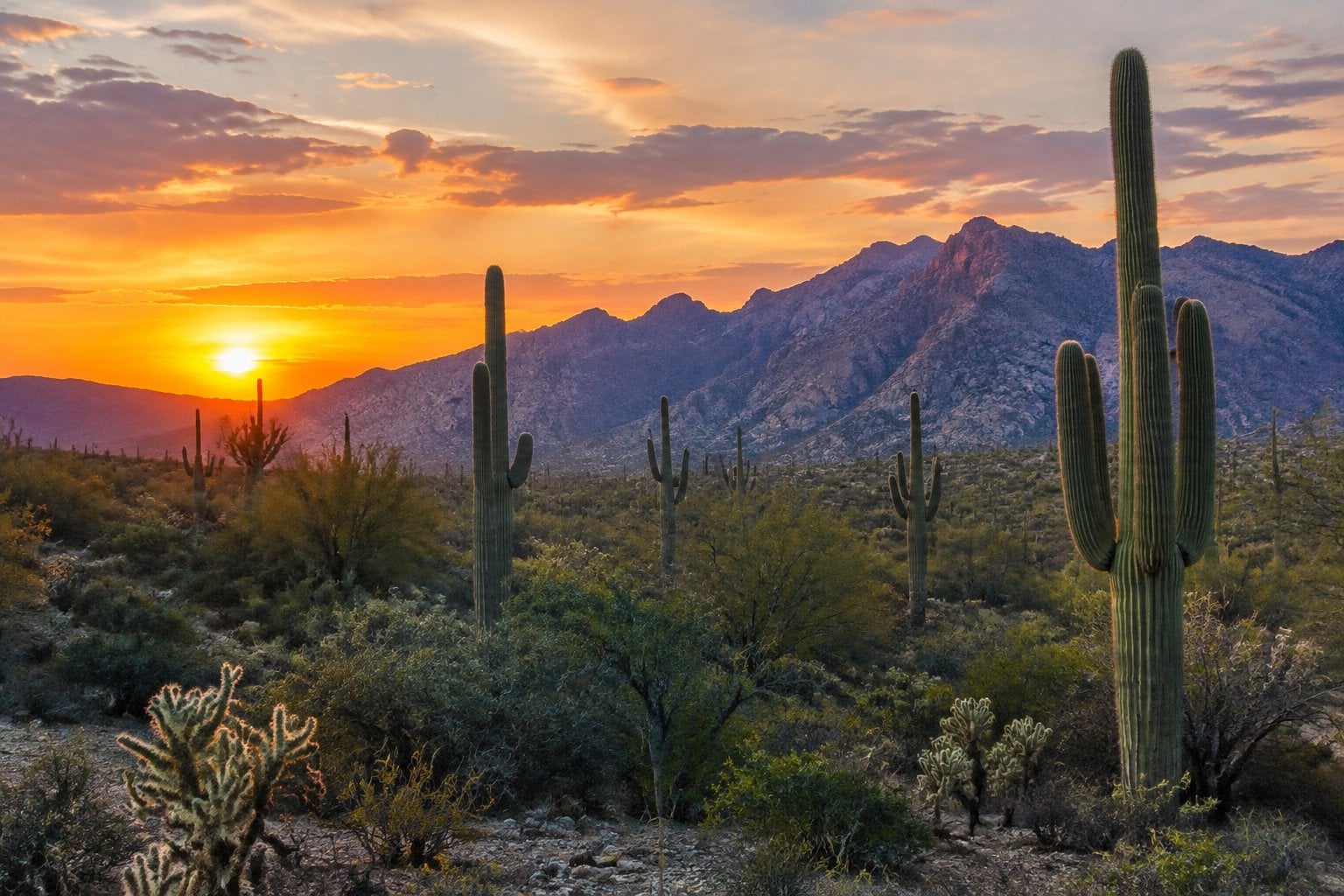
The University of Arizona’s law school in Tucson is the second public school on this list, and a year earlier it was above the line. Of its 115 first-time bar takers, 83 passed, a rate of 72.17%. The ABA weighted average for the same states was 75.3%, the second-lowest benchmark here, for a gap of 3.13 percentage points.
In the ABA’s previous report, 91 of 116 first-time takers passed (78.45%), 3.5 points above the average, so its raw rate fell by about six points.
Arizona is the least expensive school on this list. Residents pay $26,612 a year in full-time tuition and fees for 2025-26 ($26,490 plus $122 in fees), and nonresidents pay $31,482, also the lowest out-of-state price here. The school estimates living costs at $25,600.
Its entering class had the strongest numbers on this list. For fall 2025, Arizona received 1,781 applications and made 497 offers, an acceptance rate of 27.91%. All 110 new students enrolled full-time, the smallest class here, with a median LSAT score of 163 and a median GPA of 3.78, the highest on this list. No first-year students left for academic reasons. Total J.D. enrollment was 338.
12. Gonzaga University School of Law (Spokane, Washington)
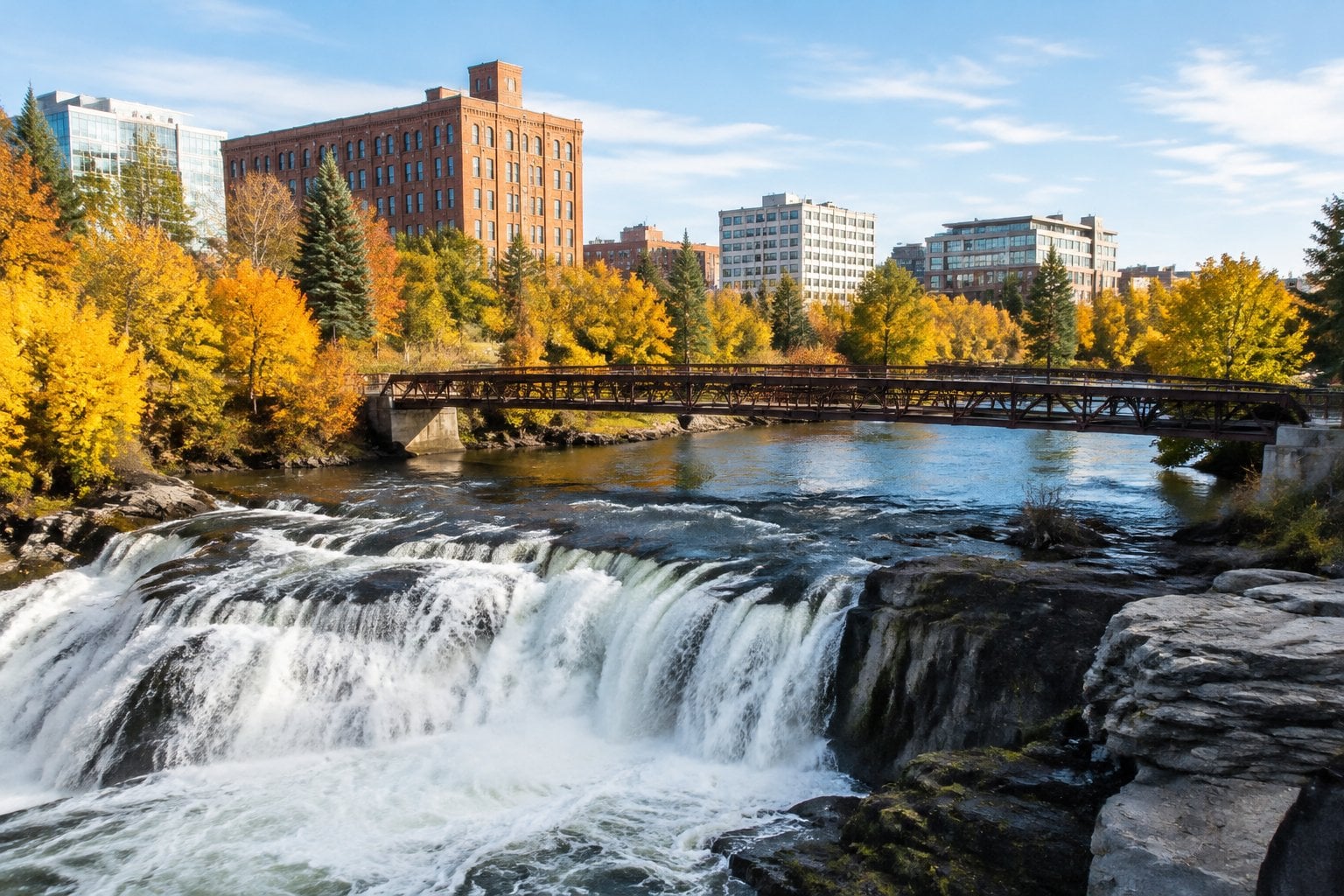
Gonzaga University’s law school in Spokane is the second Washington school on this list. Of its 153 first-time bar takers, 122 passed, a rate of 79.74%. The ABA weighted average for the same states was 81.33%, putting Gonzaga 1.59 percentage points below the average.
It closed most of its gap in a year. In the ABA’s previous report, 95 of 137 first-time takers passed (69.34%), 10.66 points below the average, so its raw rate rose by more than 10 points, one of four double-digit gains on this list.
Full-time tuition and fees come to $58,787 for 2025-26 ($57,962 plus $825 in fees), the same for residents and nonresidents. Gonzaga’s living-cost estimate of $17,105 a year is the lowest on this list.
For fall 2025, it received 1,273 applications and made 651 offers, an acceptance rate of 51.14%. All 203 new students enrolled full-time, with a median LSAT score of 155 and a median GPA of 3.55. Five first-year students, about 3%, left for academic reasons, and eight, about 4%, for other reasons. Total J.D. enrollment was 551.
13. University of Denver Sturm College of Law (Denver, Colorado)
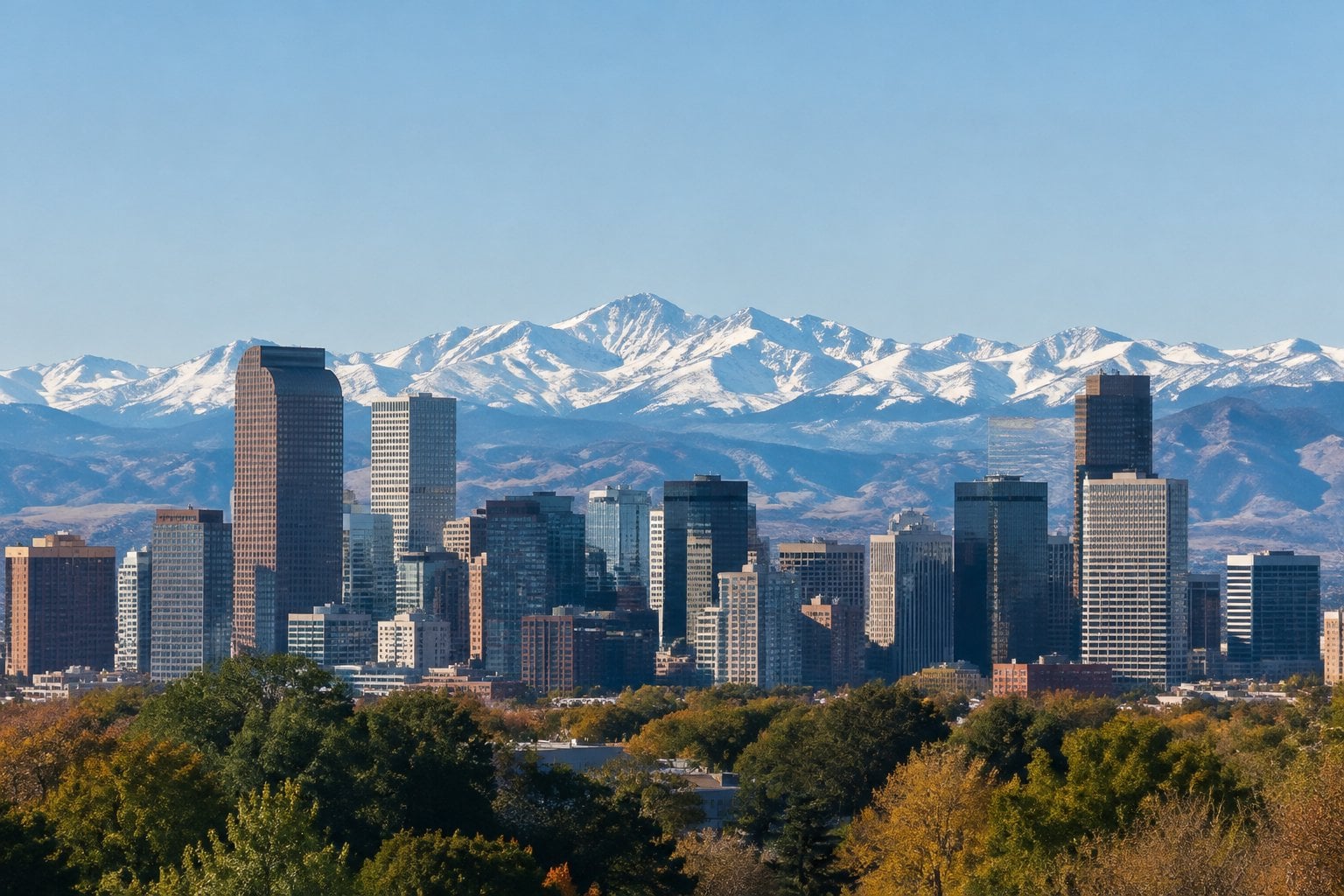
The University of Denver’s Sturm College of Law makes this list by the narrowest of margins. Of its 225 first-time bar takers, 191 passed, a rate of 84.89%, the highest raw pass rate on this list. But the ABA weighted average for the same states was 85.07%, the highest benchmark here, which leaves Denver 0.18 percentage points below the average.
That is the smallest shortfall of any school in the country that fell below its average: 78 of the 192 ranked schools did, and Denver was the closest to the line. In the ABA’s previous report, 210 of 257 first-time takers passed (81.71%), 4 points above the average.
Full-time tuition and fees come to $63,812 for 2025-26 ($63,390 plus $422 in fees), and part-time tuition is $46,486. The school estimates living costs at $27,260 a year.
For fall 2025, Denver received 2,214 applications and made 915 offers, an acceptance rate of 41.33%. It enrolled 285 new students, 234 full-time and 51 part-time, with a median LSAT score of 160 and a median GPA of 3.66. Attrition was low: two first-year students left for academic reasons and three for other reasons. Total J.D. enrollment was 851.
What the Numbers Show
The West does well on the bar exam overall: only 13 of its 35 law schools fell below their state average, and six Western states (Utah, Nevada, New Mexico, Montana, Wyoming and Hawaii) have no school on this list. Eleven of the 13 are private, and seven are in California. All seven California schools here are private, while all five University of California law schools beat their averages.
The six schools at the top all admitted classes with median LSAT scores of 157 or lower, and the three at the top fell more than 12 points short. Further down, the gaps are small: the last seven schools all finished within 3.6 points of their averages. Results also change quickly. Ten of the 13 schools raised their raw pass rates over the previous report, while four (Idaho, Chapman, Arizona and Denver) beat their state averages a year earlier.
For more, see our lists of the 30 worst law schools in the U.S., the 30 best law schools in the U.S. and the 18 worst law schools in California. Each school’s full report is on the ABA’s required disclosures site, and the State Bar of California publishes exam results by school.
This article is general information, not legal advice or a recommendation for or against any school. Figures are from the ABA’s 2025 and 2024 Standard 509 and bar passage reports and the State Bar of California’s July 2025 exam statistics, and may change in later reports.