The 30 Law Schools With the Lowest Bar Passage Rates

Every ABA-accredited law school has to publish how its graduates do on the bar exam, the test that stands between a law degree and a law license. Across the country, most first-time takers pass. At a small group of schools, though, a third or more of first-time takers did not.
This list ranks the 30 law schools with the lowest first-time bar passage rates, using the American Bar Association’s own bar passage disclosures from its 2025 report. That report covers graduates who took a bar exam for the first time in 2024, most of them members of the class of 2024. The rate is simple: first-time passers divided by first-time takers, as the ABA lists it. Only ABA-accredited schools with at least 30 first-time takers were ranked, which leaves 192 schools.
The national picture gives a sense of scale. Across all 194 schools in the ABA report, 30,949 of 37,375 first-time takers passed, or 82.81%. Every school on this list is below 69%.
Two more numbers appear in each entry. The first is the ABA’s benchmark: the weighted average pass rate for graduates of all ABA schools who took the exam in the same states. Bar exams are harder in some places than others, and this is the fairest way to see how a school did against its own setting. It matters most for Puerto Rico, where the local average was only about 52%: two of the three Puerto Rico schools on this list actually beat their benchmark. The second is the same school’s rate from the ABA’s 2024 report, for first-time takers in 2023, so you can see whether things got better or worse.
The rest of each entry, from the same ABA report, covers the fall 2025 entering class (applications, offers, median LSAT score and undergraduate GPA) and 2025-26 tuition. A bar passage rate is one measure, not a full picture of any school, and many graduates of every school here pass the exam and go on to practice law.
1. Inter American University of Puerto Rico School of Law (San Juan, Puerto Rico)
Inter American University’s law school in San Juan had the lowest first-time bar passage rate of any ranked ABA school. Of its 137 first-time takers, 66 passed, a rate of 48.18%. That number needs context: Puerto Rico’s own bar exam results are low across the board, and the ABA benchmark for the same jurisdiction was just 51.95%. Inter American finished 3.77 percentage points below that average, a far smaller gap than most schools on this list.
The rate was up from the year before. In the ABA’s 2024 report, 65 of 143 first-time takers passed, or 45.45%.
The school is one of the least expensive on this list. Full-time tuition for 2025-26 is $16,585 a year, plus $1,175 in fees, the same for every student. For fall 2025, it received 542 applications and made 276 offers, an acceptance rate of 50.92%. It enrolled 205 new students, 118 full-time and 87 part-time. The median LSAT score was 144 and the median undergraduate GPA was 3.39. Total J.D. enrollment was 611.
2. Cooley Law School (Lansing, Michigan)
Cooley Law School, based in Lansing with a second campus in the Tampa Bay area of Florida, had the lowest pass rate of any school on the U.S. mainland. Of its 130 first-time takers, 67 passed, a rate of 51.54%. The ABA benchmark for the same states was 74.12%, which puts Cooley 22.58 percentage points below the average.
The trend, though, was sharply upward. In the ABA’s 2024 report, only 76 of 204 first-time takers passed, a rate of 37.25%. The jump of 14.29 points is one of the largest improvements on this list, and the number of first-time takers also fell by more than a third.
Cooley charges by the credit hour: $1,580 per credit for 2025-26, plus $640 in annual fees. For fall 2025, it received 1,323 applications and made 700 offers, an acceptance rate of 52.91%. It enrolled 237 new students, 147 full-time and 90 part-time. The entering class had a median LSAT score of 147 and a median undergraduate GPA of 3.09, the lowest GPA of the 30 schools here. Total J.D. enrollment was 476.
3. Widener University Commonwealth Law School (Harrisburg, Pennsylvania)
Widener University’s Commonwealth Law School sits in Harrisburg, the Pennsylvania state capital. Of its 100 first-time takers, 54 passed, exactly 54%. The ABA benchmark for the same states was 80.07%, a gap of 26.07 percentage points, the largest gap of any school in the country.
The result was almost the same as the year before. In the ABA’s 2024 report, 43 of 80 first-time takers passed, a rate of 53.75%, measured against a benchmark of 74.26%. The benchmark rose by nearly six points in a year while the school’s rate barely moved, which is why its gap grew.
Commonwealth charges by the credit hour: $1,875 per credit for 2025-26, plus $650 in annual fees. For fall 2025, it received 909 applications and made 549 offers, an acceptance rate of 60.4%. It enrolled 159 new students, 125 full-time and 34 part-time, with a median LSAT score of 150 and a median undergraduate GPA of 3.33. Total J.D. enrollment was 411. Widener’s other law school, in Delaware, also appears on this list.
4. Pontifical Catholic University of Puerto Rico School of Law (Ponce, Puerto Rico)
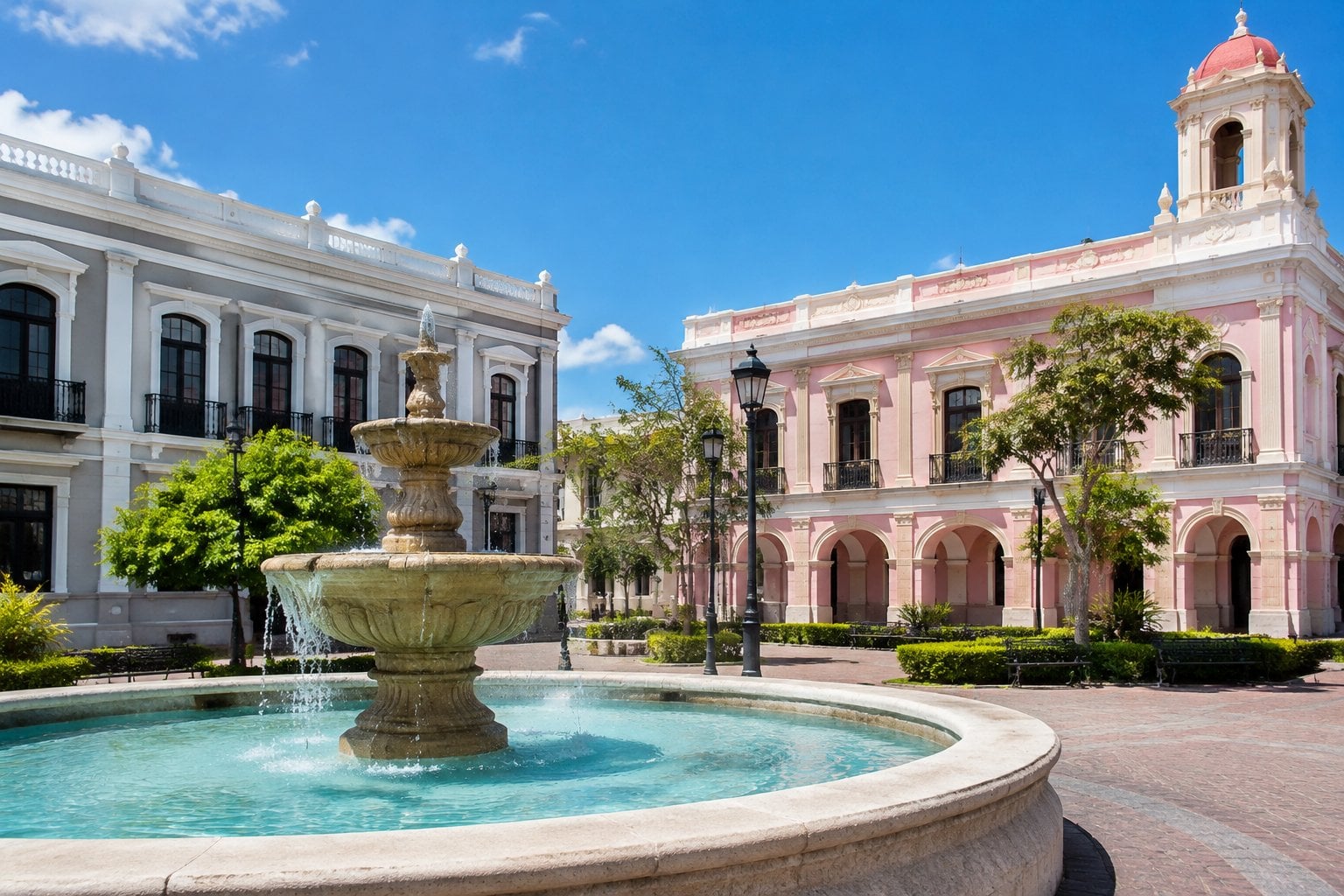
The Pontifical Catholic University of Puerto Rico’s law school is in Ponce, on the island’s south coast. Of its 102 first-time takers, 56 passed, a rate of 54.9%. Here the benchmark tells a different story: the ABA weighted average for the same jurisdiction was 52.08%, so this school actually finished 2.82 percentage points above its average. It ranks this high only because Puerto Rico’s results are low overall.
Its rate fell from the year before. In the ABA’s 2024 report, 43 of 69 first-time takers passed, a rate of 62.32%, a drop of 7.42 points. The number of takers also grew by about half.
The school charges by the credit hour: $540 per credit for 2025-26, plus $1,090 in annual fees. For fall 2025, it received 325 applications, the fewest of any school on this list, and made 200 offers, an acceptance rate of 61.54%. It enrolled 161 new students, 96 full-time and 65 part-time. The median LSAT score was 139, the lowest of these 30 schools, and the median undergraduate GPA was 3.33. Total J.D. enrollment was 479.
5. North Carolina Central University School of Law (Durham, North Carolina)
North Carolina Central University’s law school in Durham is part of a public, historically Black university. Of its 143 first-time takers, 80 passed, a rate of 55.94%. The ABA benchmark for the same states was 79.92%, a gap of 23.98 percentage points, one of the largest in the country.
The result was close to the year before. In the ABA’s 2024 report, 73 of 129 first-time takers passed, a rate of 56.59%.
It is one of the most affordable law schools in the country for in-state students. North Carolina residents pay $13,444 a year in full-time tuition for 2025-26, plus $5,746 in fees, while nonresidents pay $36,116 plus the same fees. For fall 2025, the school received 1,303 applications and made 509 offers, an acceptance rate of 39.06%, one of the more selective rates on this list. It enrolled 133 new students, 110 full-time and 23 part-time, with a median LSAT score of 151 and a median undergraduate GPA of 3.31. Total J.D. enrollment was 361.
6. Roger Williams University School of Law (Bristol, Rhode Island)
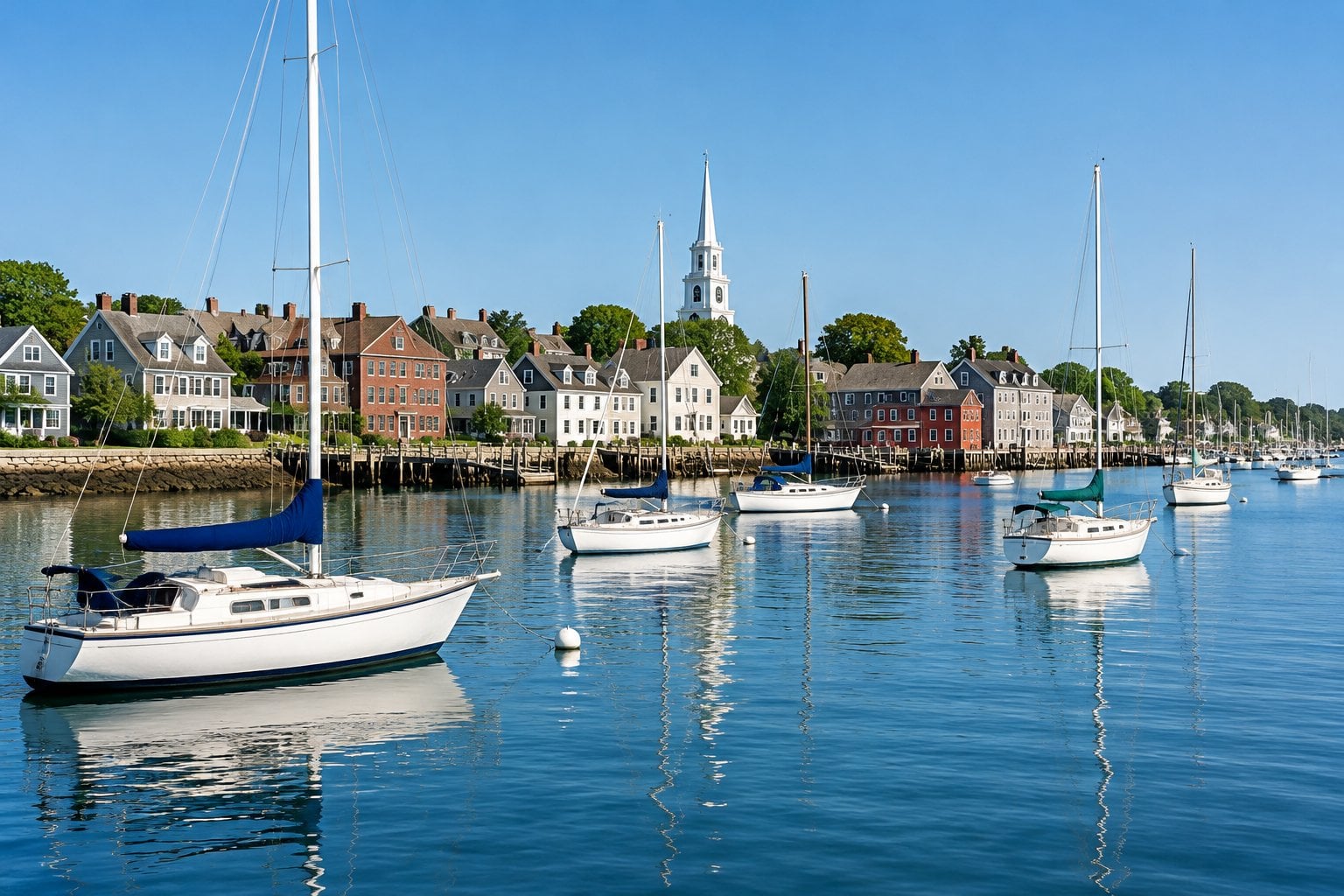
Roger Williams University’s law school, in the coastal town of Bristol, is the only law school in Rhode Island. Of its 177 first-time takers, 101 passed, a rate of 57.06%. The ABA benchmark for the same states was 76.37%, a gap of 19.31 percentage points.
The rate was steady. In the ABA’s 2024 report, 99 of 171 first-time takers passed, a rate of 57.89%, so the school’s numbers barely changed from one year to the next.
Roger Williams charges $47,400 a year in full-time tuition for 2025-26, plus $1,690 in fees, the same for every student. For fall 2025, it received 1,003 applications and made 615 offers, an acceptance rate of 61.32%. All 189 new students enrolled full-time. The entering class had a median LSAT score of 150 and a median undergraduate GPA of 3.43. Total J.D. enrollment was 486.
7. Northern Illinois University College of Law (DeKalb, Illinois)
Northern Illinois University’s law school is in DeKalb, west of Chicago, and it is the first of three Illinois public law schools on this list. Of its 91 first-time takers, 52 passed, a rate of 57.14%. The ABA benchmark for the same states was 78.65%, a gap of 21.51 percentage points.
The rate slipped slightly from the year before. In the ABA’s 2024 report, 53 of 89 first-time takers passed, a rate of 59.55%.
NIU is one of the less expensive schools here. It charges $23,667 a year in full-time tuition for 2025-26, plus $400 in fees, and the ABA report lists the same price for nonresidents. For fall 2025, it received 951 applications and made 421 offers, an acceptance rate of 44.27%. All 134 new students enrolled full-time, with a median LSAT score of 150 and a median undergraduate GPA of 3.41. Total J.D. enrollment was 352.
8. University of Puerto Rico School of Law (San Juan, Puerto Rico)
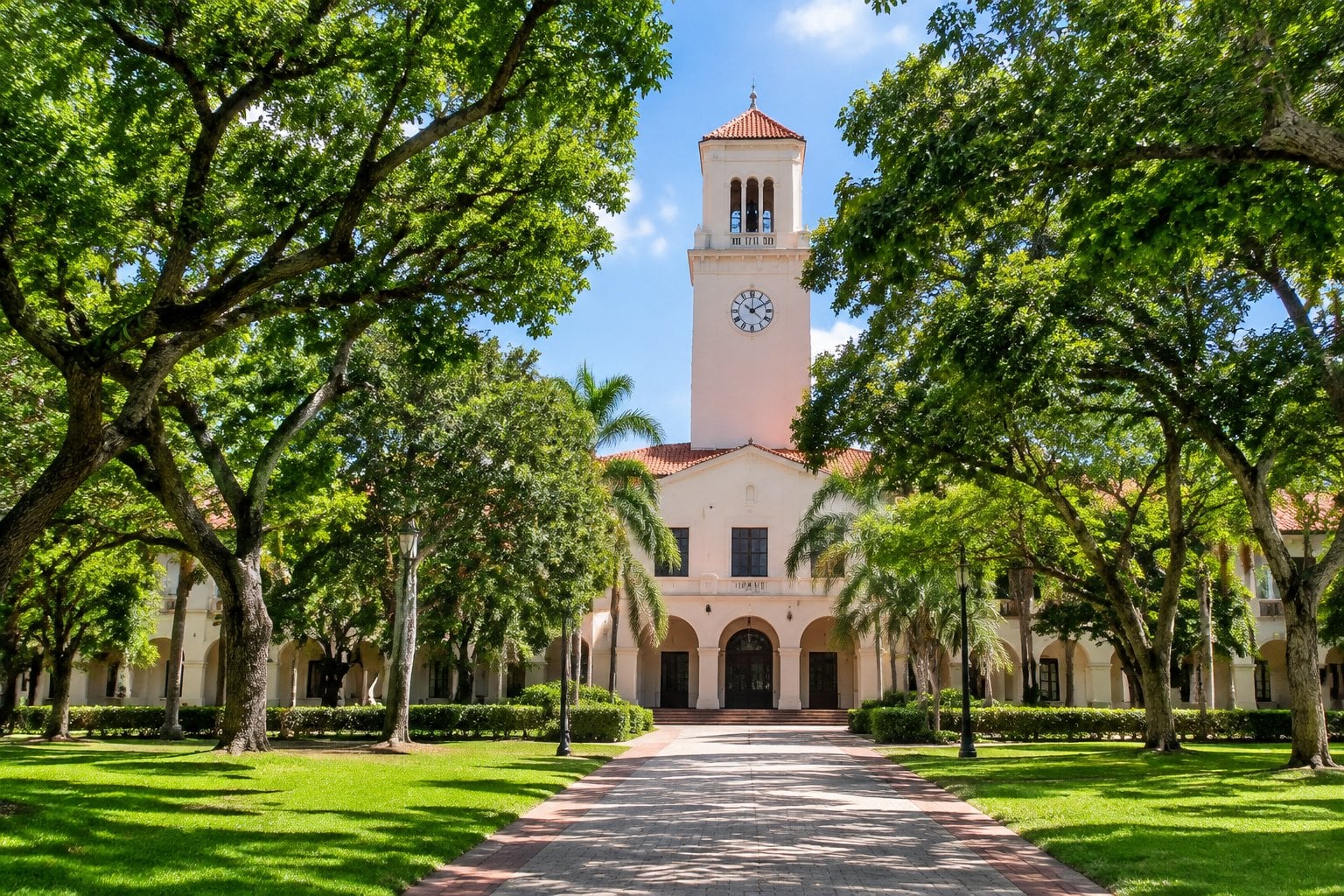
The University of Puerto Rico’s public law school, on the Río Piedras campus in San Juan, is the third Puerto Rico school near the top of this list, and the one with the best result against its benchmark. Of its 127 first-time takers, 74 passed, a rate of 58.27%. The ABA weighted average for the same jurisdiction was 53.17%, so UPR finished 5.1 percentage points above its average.
It also improved. In the ABA’s 2024 report, 72 of 140 first-time takers passed, a rate of 51.43%.
UPR is by far the least expensive school on this list. It charges $305 per credit hour for 2025-26, plus $600 in annual fees. It was also the most competitive of the three Puerto Rico schools: for fall 2025, it received 383 applications and made 152 offers, an acceptance rate of 39.69%. It enrolled 122 new students, 93 full-time and 29 part-time. The median LSAT score was 152, and the median undergraduate GPA was 3.77, the highest of the 30 schools here. Total J.D. enrollment was 444.
9. University of Massachusetts School of Law (Dartmouth, Massachusetts)
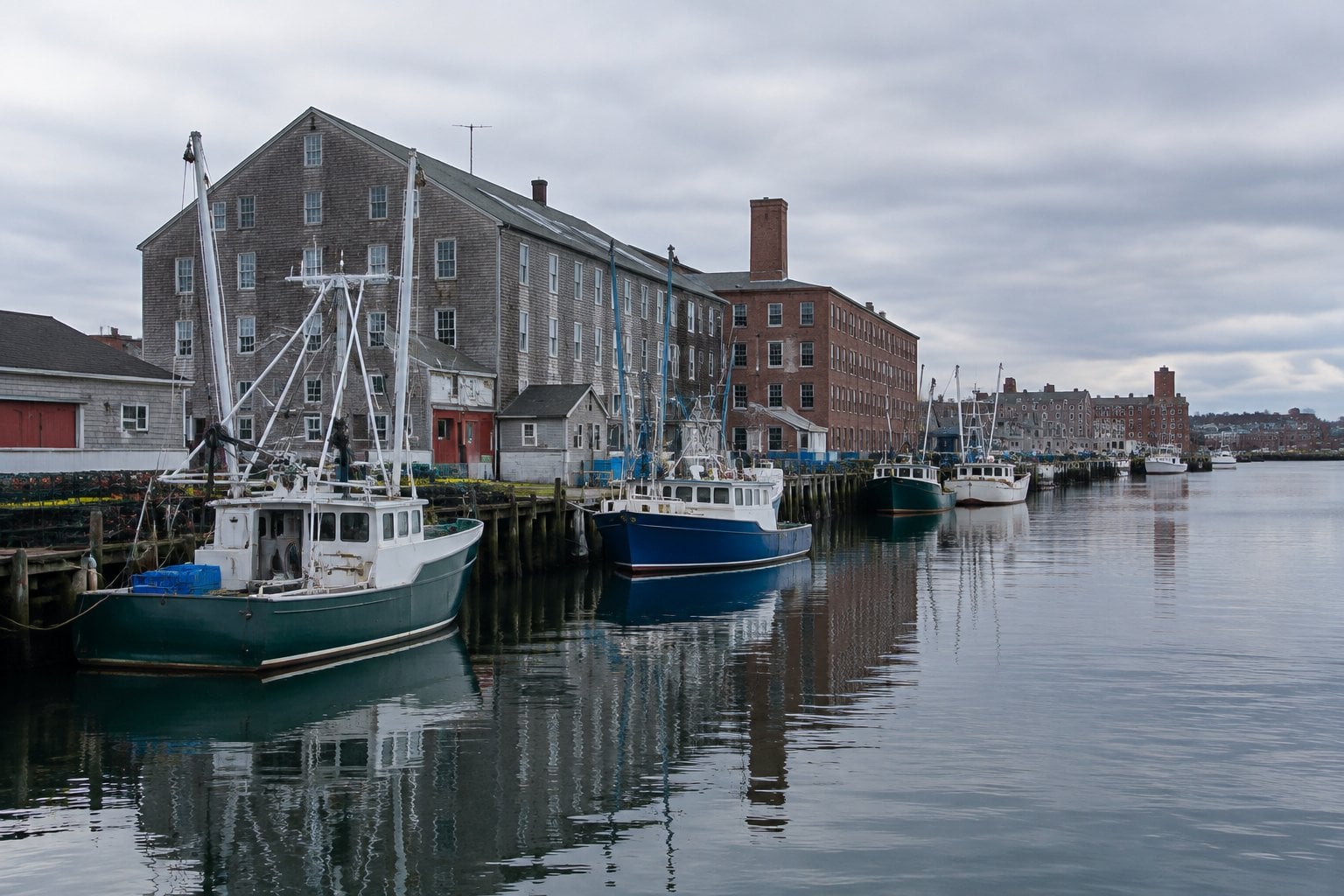
The University of Massachusetts School of Law in Dartmouth, near New Bedford, is the only public law school in Massachusetts. Of its 108 first-time takers, 63 passed, a rate of 58.33%. The ABA benchmark for the same states was 78.83%, a gap of 20.5 percentage points.
The result was nearly identical the year before. In the ABA’s 2024 report, the school also had 63 passers, from 106 first-time takers, a rate of 59.43%.
Massachusetts residents pay $31,766 a year in full-time tuition for 2025-26, plus $1,690 in fees, while nonresidents pay $41,565 plus the same fees. For fall 2025, the school received 1,311 applications and made 684 offers, an acceptance rate of 52.17%. It enrolled 141 new students, 120 full-time and 21 part-time. The median LSAT score was 152 and the median undergraduate GPA was 3.36. Total J.D. enrollment was 389.
10. Southern Illinois University School of Law (Carbondale, Illinois)
Southern Illinois University’s law school is in Carbondale, in the far south of Illinois. Of its 79 first-time takers, 47 passed, a rate of 59.49%. The ABA benchmark for the same states was 79.22%, a gap of 19.73 percentage points.
Its rate fell from the year before. In the ABA’s 2024 report, 44 of 67 first-time takers passed, a rate of 65.67%, so the school dropped 6.18 points even though it had more passers in 2024.
SIU charges by the credit hour: $547 per credit for 2025-26, the same for residents and nonresidents, plus $5,678 in annual fees. For fall 2025, it received 724 applications and made 407 offers, an acceptance rate of 56.22%. All 133 new students enrolled full-time, with a median LSAT score of 149 and a median undergraduate GPA of 3.38. Total J.D. enrollment was 313.
11. University of Illinois Chicago School of Law (Chicago, Illinois)
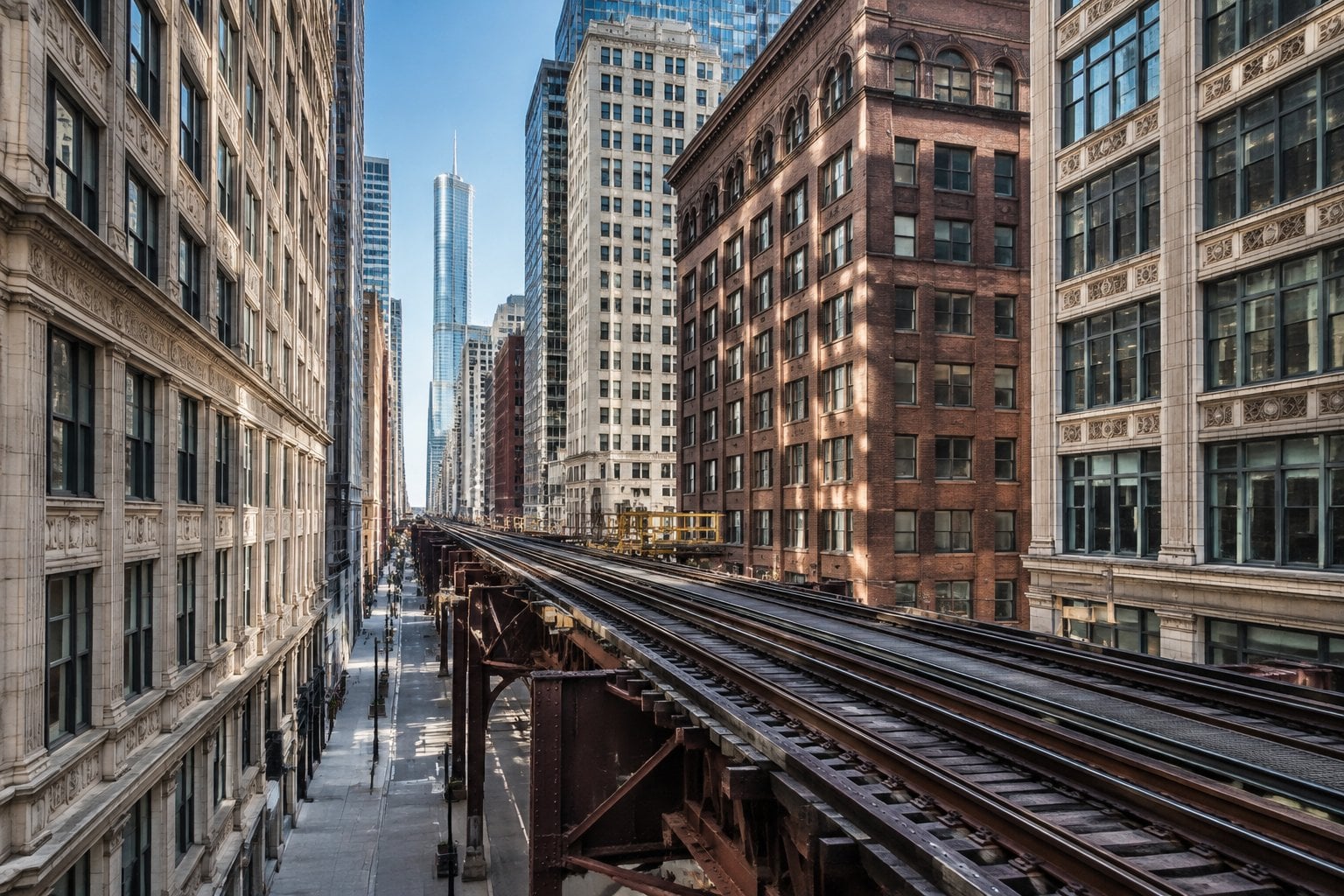
The University of Illinois Chicago’s law school, the former John Marshall Law School, is in the Loop in downtown Chicago. It is the largest school on this list by bar takers: of its 296 first-time takers, 178 passed, a rate of 60.14%. The ABA benchmark for the same states was 78.83%, a gap of 18.69 percentage points.
The rate edged up from the year before. In the ABA’s 2024 report, 161 of 272 first-time takers passed, a rate of 59.19%.
UIC charges by the credit hour: $1,248 per credit for Illinois residents for 2025-26, plus $4,640 in annual fees. For fall 2025, it received 2,488 applications and made 1,308 offers, the most offers of any school on this list, for an acceptance rate of 52.57%. It enrolled 379 new students, 302 full-time and 77 part-time. The median LSAT score was 153 and the median undergraduate GPA was 3.40. Total J.D. enrollment was 1,015.
12. Southern University Law Center (Baton Rouge, Louisiana)

Southern University Law Center in Baton Rouge is a public, historically Black law school. Of its 121 first-time takers, 73 passed, a rate of 60.33%. The ABA benchmark for the same states was 75.91%, a gap of 15.58 percentage points. The school reported 214 graduates in 2024, so many of its graduates were not among the first-time takers in the report.
It improved on the year before. In the ABA’s 2024 report, 45 of 85 first-time takers passed, a rate of 52.94%, so the rate rose by 7.39 points.
Southern lists full-time tuition of $11,338 a year for 2025-26 for both residents and nonresidents, with fees of $7,494 for residents and $22,994 for nonresidents. For fall 2025, it received 1,153 applications and made 652 offers, an acceptance rate of 56.55%. It enrolled 300 new students, 239 full-time and 61 part-time. The median LSAT score was 147 and the median undergraduate GPA was 3.15. Total J.D. enrollment was 809.
13. Touro University Jacob D. Fuchsberg Law Center (Central Islip, New York)
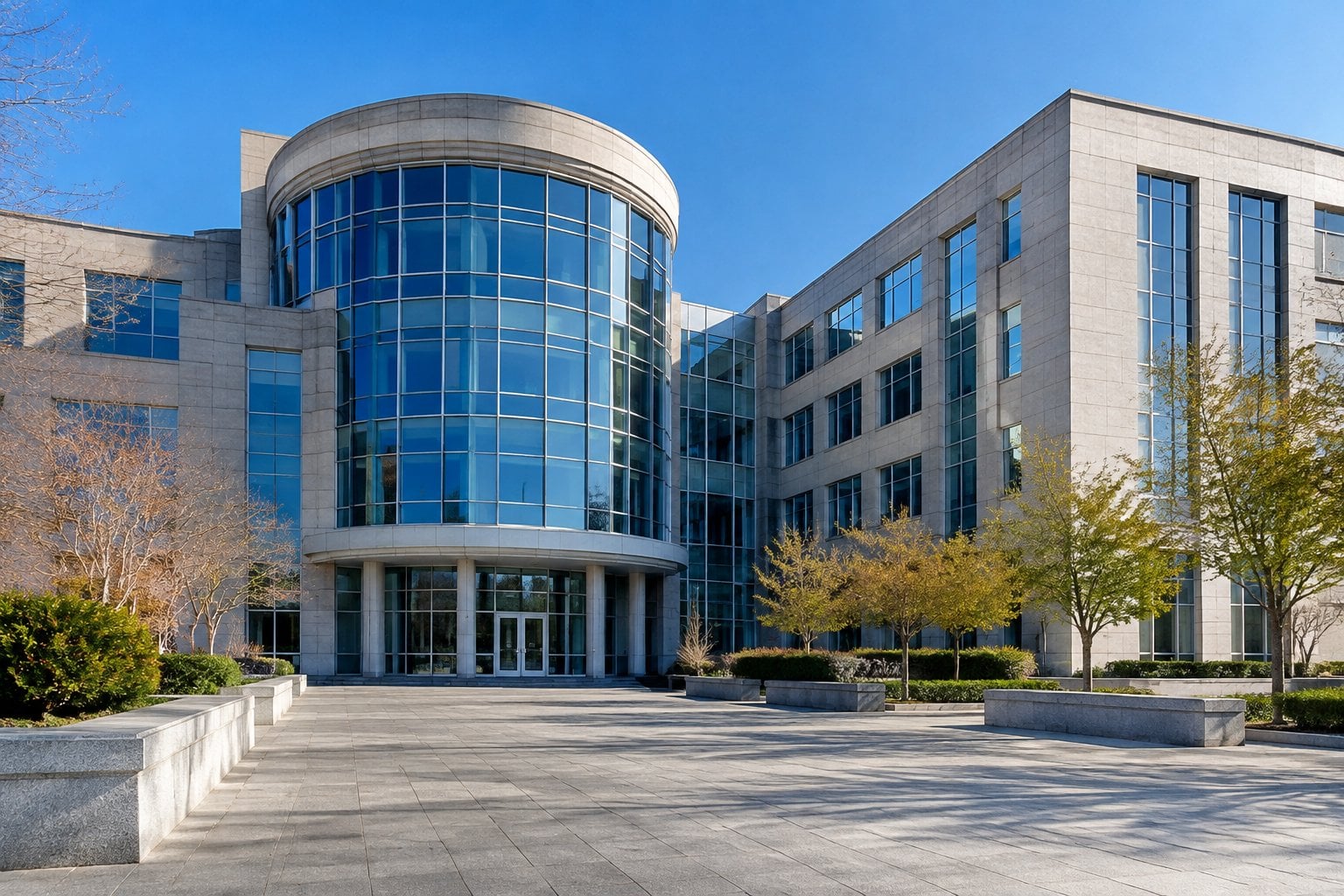
Touro University’s law school is in Central Islip on Long Island, next to federal and state courthouses. Of its 154 first-time takers, 95 passed, a rate of 61.69%. Its benchmark was one of the highest in the country: the ABA weighted average for the same states was 85.78%, which puts Touro 24.09 percentage points below the average.
It did improve. In the ABA’s 2024 report, 88 of 159 first-time takers passed, a rate of 55.35%, so the rate rose by 6.34 points.
Touro charges $61,000 a year in full-time tuition for 2025-26, plus $1,150 in fees, the same for every student. It also lists the highest off-campus living cost estimate on this list, $52,602 a year. For fall 2025, it received 1,462 applications and made 667 offers, an acceptance rate of 45.62%. It enrolled 223 new students, 153 full-time and 70 part-time, with a median LSAT score of 153 and a median undergraduate GPA of 3.35. Total J.D. enrollment was 604.
14. California Western School of Law (San Diego, California)
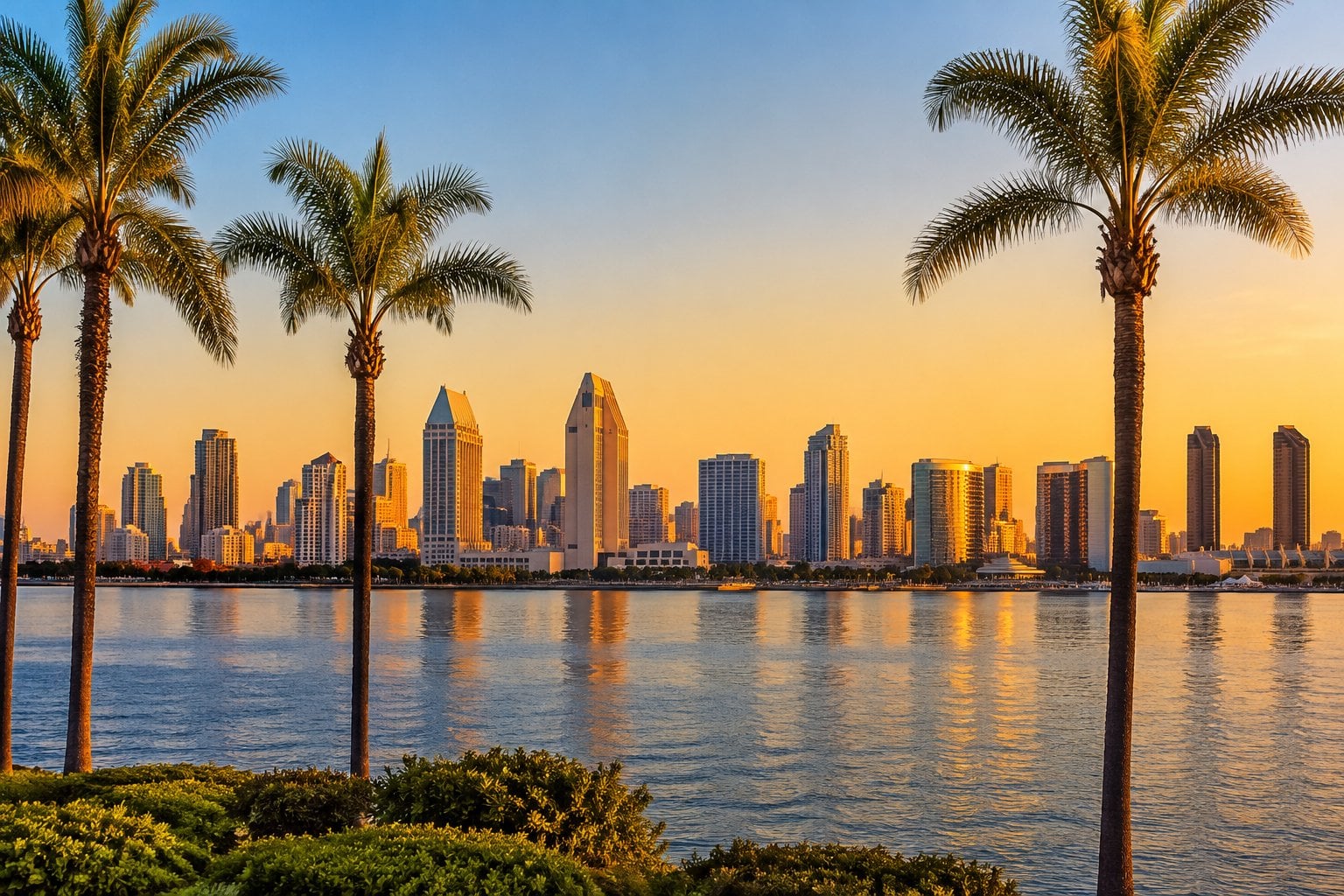
California Western School of Law is a private school in downtown San Diego. Of its 213 first-time takers, 134 passed, a rate of 62.91%. The ABA benchmark for the same states was 77.53%, a gap of 14.62 percentage points.
Its improvement was one of the biggest on this list. In the ABA’s 2024 report, 88 of 182 first-time takers passed, a rate of 48.35%. That is a rise of 14.56 points, and the school had 46 more passers than the year before.
California Western charges $64,720 a year in full-time tuition for 2025-26, plus $150 in fees, the highest flat yearly price of the 30 schools here (several others charge by the credit hour instead). For fall 2025, it received 2,144 applications and made 1,006 offers, an acceptance rate of 46.92%. It enrolled 242 new students, 206 full-time and 36 part-time. The median LSAT score was 155 and the median undergraduate GPA was 3.50. Total J.D. enrollment was 669.
15. Appalachian School of Law (Grundy, Virginia)
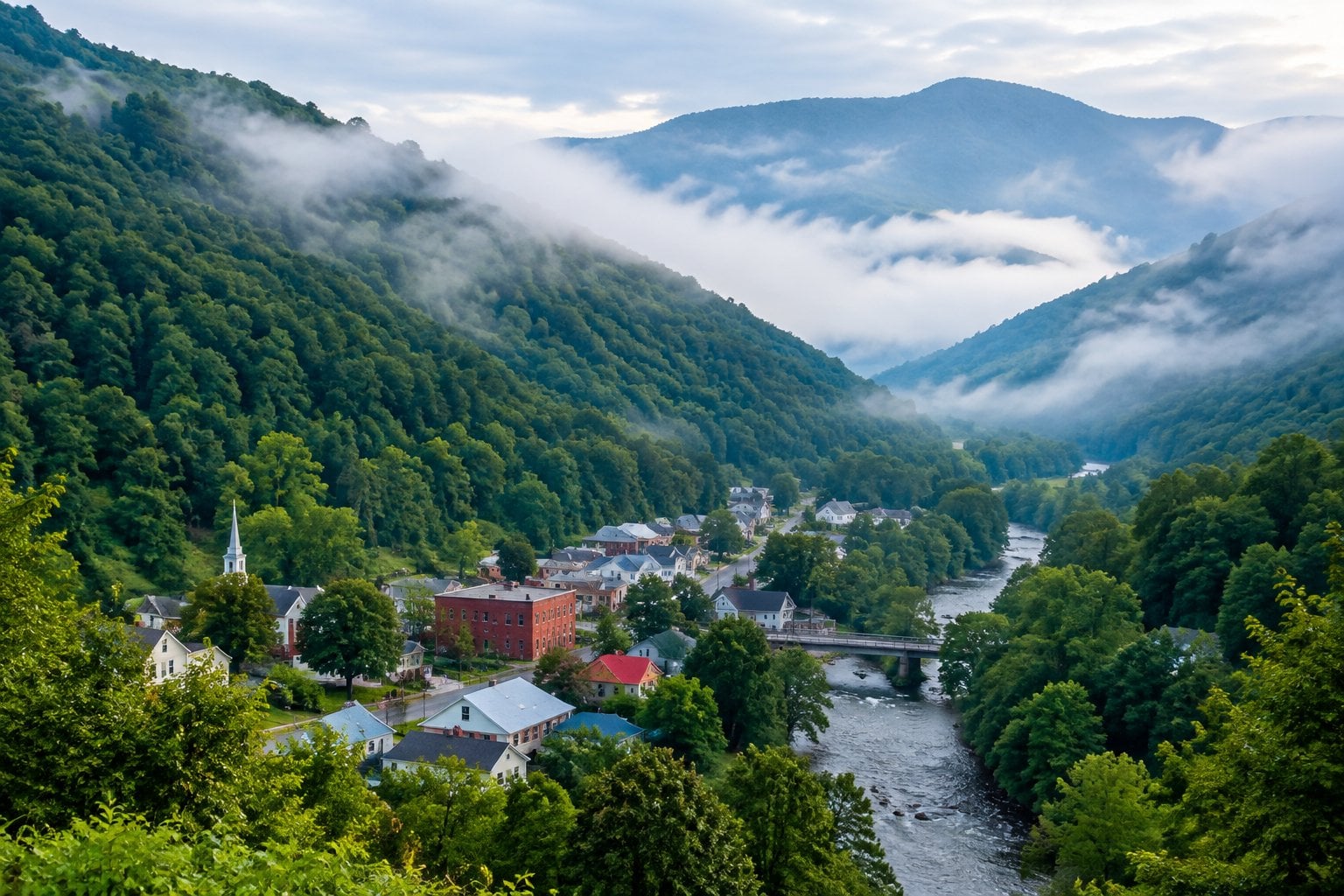
Appalachian School of Law is in Grundy, a small town in the mountains of southwest Virginia, and it is the smallest school on this list. Of its 38 first-time takers, 24 passed, a rate of 63.16%. The ABA benchmark for the same states was 77.16%, a gap of 14 percentage points.
Its rate rose slightly. In the ABA’s 2024 report, 30 of 49 first-time takers passed, a rate of 61.22%. With so few takers, a handful of results can move the rate by several points.
Appalachian charges $41,000 a year in full-time tuition for 2025-26, with no separate fees listed. For fall 2025, it received 732 applications and made 446 offers, an acceptance rate of 60.93%. All 92 new students enrolled full-time. The median LSAT score was 146 and the median undergraduate GPA was 3.20. Total J.D. enrollment was 182, the smallest of the 30 schools here, and the school had 39 graduates in 2024.
16. Mississippi Christian University School of Law (Jackson, Mississippi)
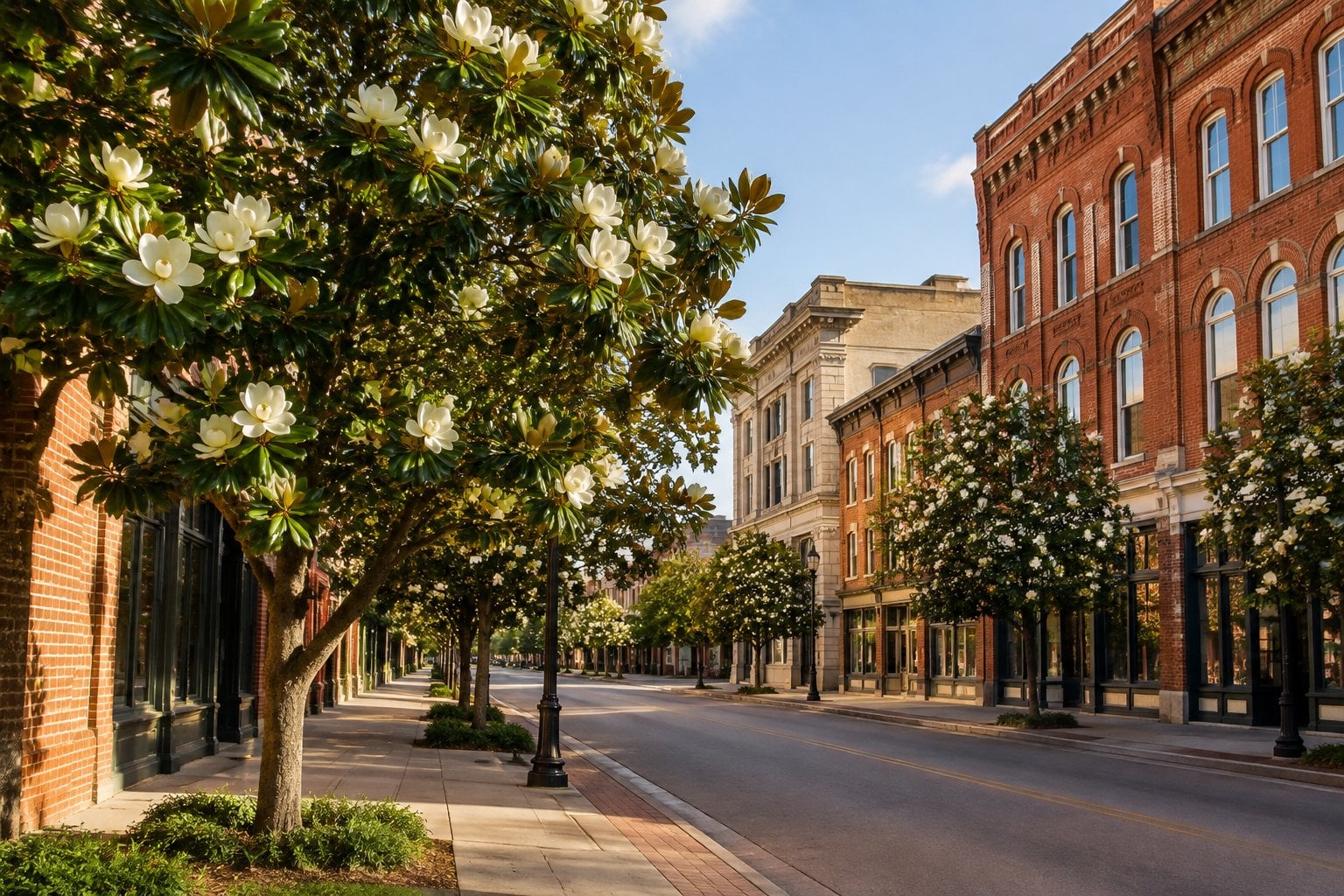
Mississippi Christian University, known as Mississippi College until June 1, 2026, runs its law school in downtown Jackson. Of its 123 first-time takers, 78 passed, a rate of 63.41%. The ABA benchmark for the same states was 79.66%, a gap of 16.25 percentage points.
This school had the biggest drop on the list. In the ABA’s 2024 report, 76 of 101 first-time takers passed, a rate of 75.25%, which was above its benchmark that year. The rate fell by 11.84 points while the number of takers grew by 22.
The school charges $37,980 a year in full-time tuition for 2025-26, plus $1,662 in fees, the same for every student. For fall 2025, it received 806 applications and made 482 offers, an acceptance rate of 59.8%. All 179 new students enrolled full-time, with a median LSAT score of 152 and a median undergraduate GPA of 3.37. Total J.D. enrollment was 401.
17. Western State College of Law at Westcliff University (Orange County, California)
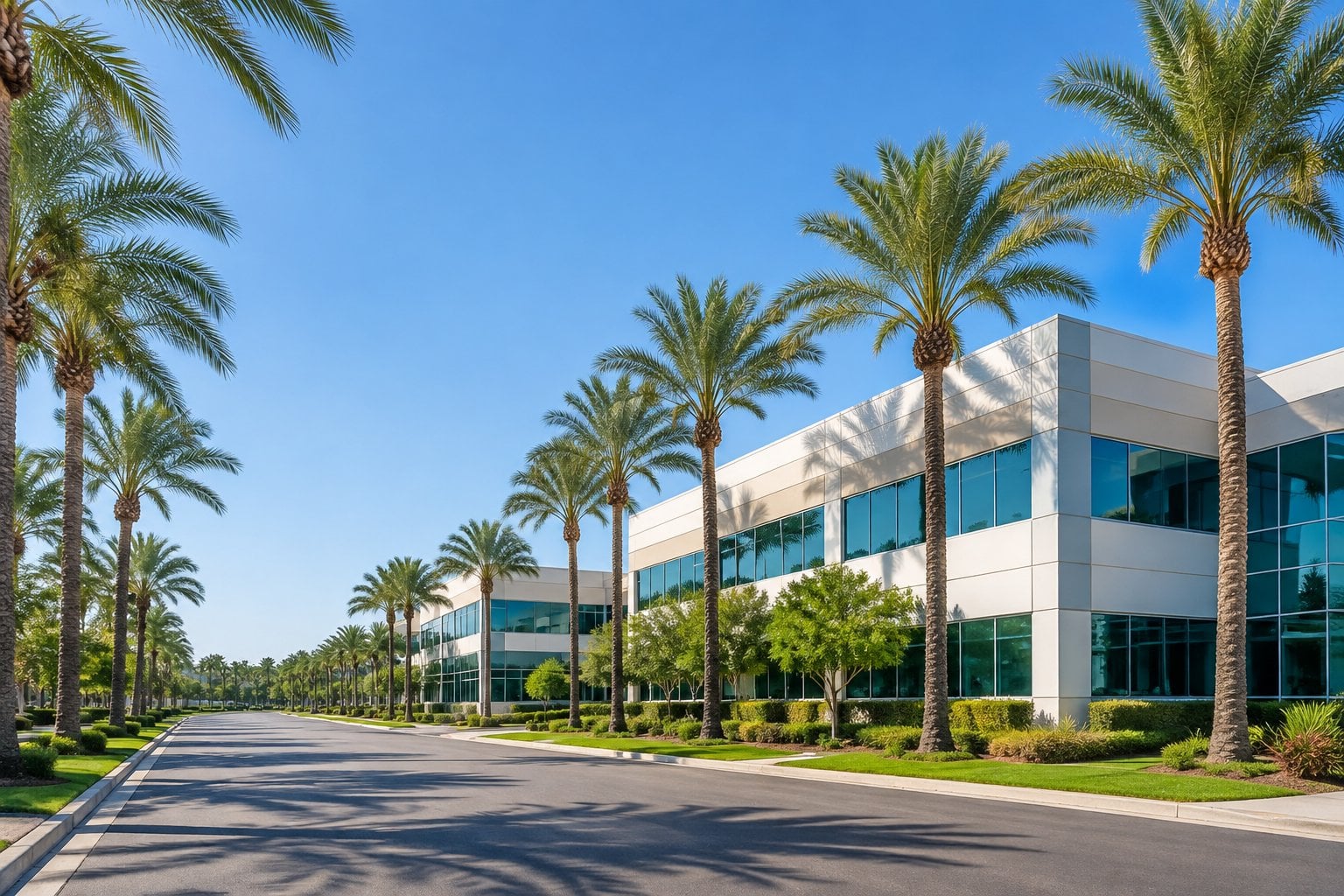
Western State College of Law, now part of Westcliff University, is in Orange County, south of Los Angeles. Of its 77 first-time takers, 49 passed, a rate of 63.64%. The ABA benchmark for the same states was 77.78%, a gap of 14.14 percentage points.
It improved on the year before. In the ABA’s 2024 report, 31 of 53 first-time takers passed, a rate of 58.49%.
Western State charges $54,840 a year in full-time tuition for 2025-26, plus $808 in fees, the same for every student. For fall 2025, it received 916 applications and made 400 offers, an acceptance rate of 43.67%. It enrolled 117 new students, 96 full-time and 21 part-time. The median LSAT score was 152 and the median undergraduate GPA was 3.36. Total J.D. enrollment was 355.
18. Lincoln Memorial University Duncan School of Law (Knoxville, Tennessee)
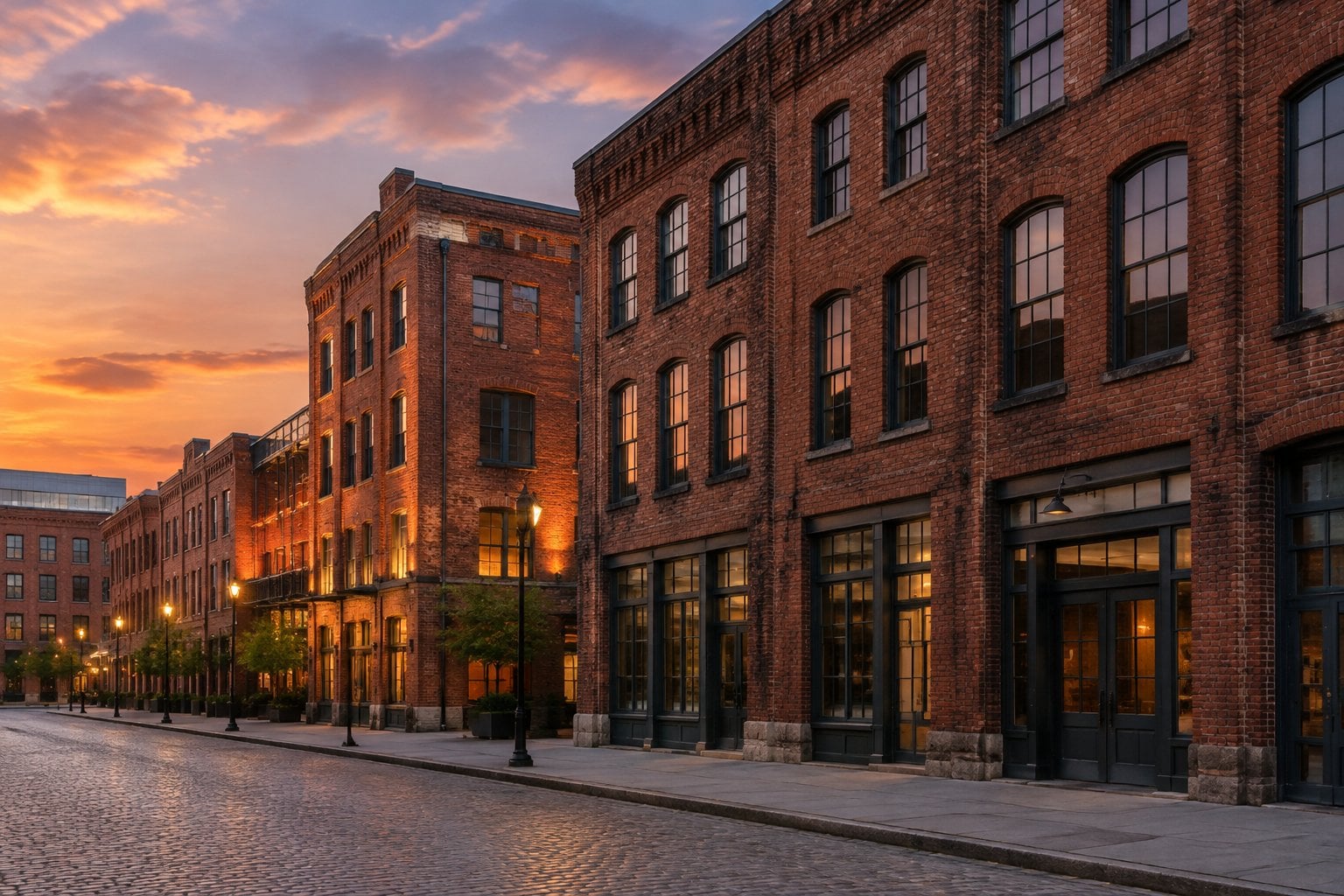
Lincoln Memorial University’s Duncan School of Law is in downtown Knoxville, in the city’s former Old City Hall building. Of its 102 first-time takers, 65 passed, a rate of 63.73%. The ABA benchmark for the same states was 78.36%, a gap of 14.63 percentage points.
The rate rose modestly. In the ABA’s 2024 report, 56 of 92 first-time takers passed, a rate of 60.87%.
LMU charges by the credit hour: $1,490 per credit for 2025-26, plus $4,161 in annual fees. For fall 2025, it received 828 applications and made 432 offers, an acceptance rate of 52.17%. It enrolled 163 new students, 109 full-time and 54 part-time, with a median LSAT score of 153 and a median undergraduate GPA of 3.44. Total J.D. enrollment was 429.
19. Vermont Law and Graduate School (South Royalton, Vermont)
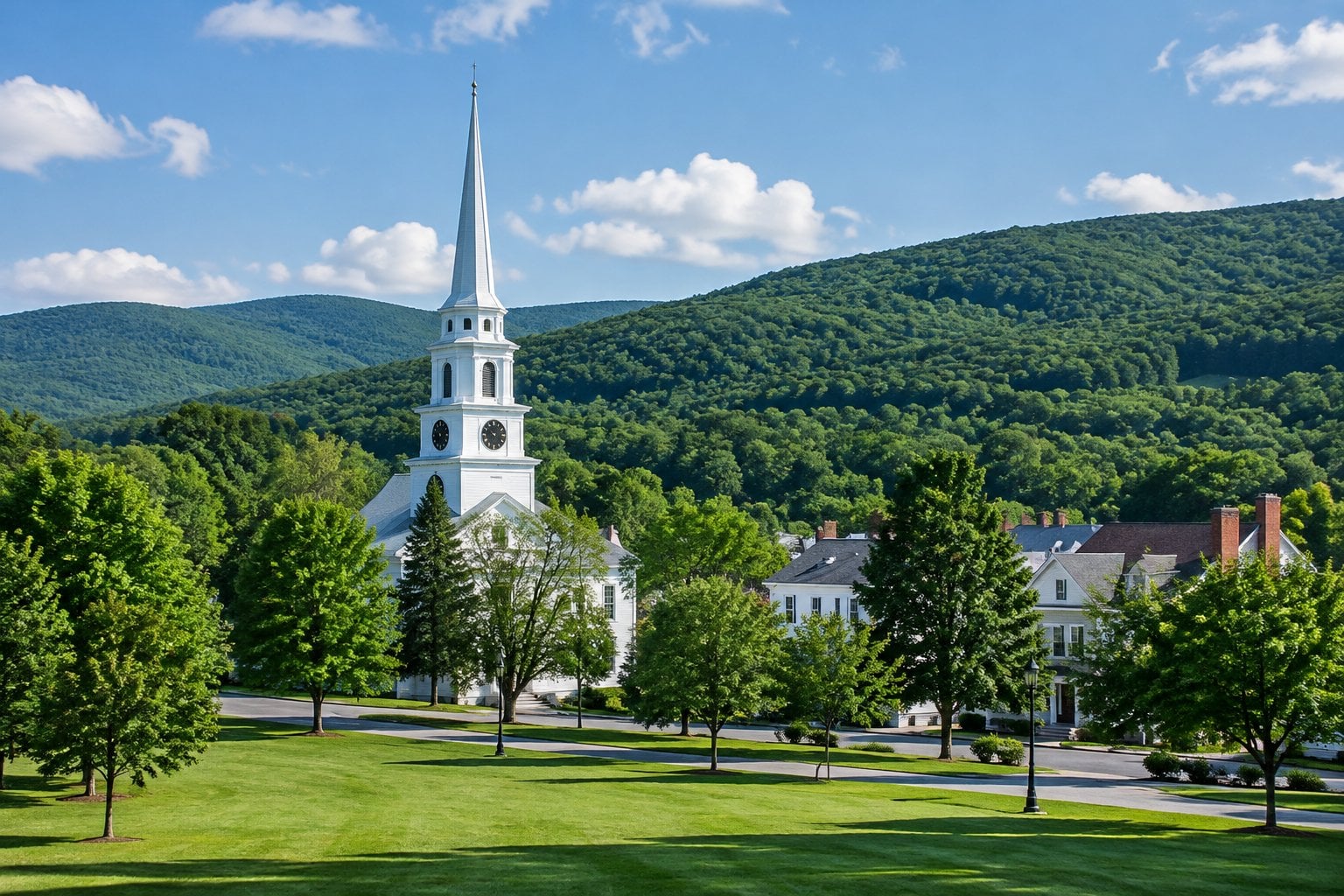
Vermont Law and Graduate School, listed by the ABA as Vermont Law School, is in the village of South Royalton and is the only law school in Vermont. Of its 134 first-time takers, 87 passed, a rate of 64.93%. Southwestern, next on this list, rounds to the same 64.93%, but Vermont’s rate is lower by a tiny fraction. The ABA benchmark for the same states was 76.45%, a gap of 11.52 percentage points.
The rate rose slightly. In the ABA’s 2024 report, 73 of 115 first-time takers passed, a rate of 63.48%.
Vermont lists full-time tuition of $55,382 a year for 2025-26, plus $1,075 in fees. For fall 2025, it received 1,553 applications and made 909 offers, an acceptance rate of 58.53%. It enrolled 290 new students, and more of them were part-time (158) than full-time (132), the only school on this list where that was true. The median LSAT score was 152 and the median undergraduate GPA was 3.25. Total J.D. enrollment was 704.
20. Southwestern Law School (Los Angeles, California)
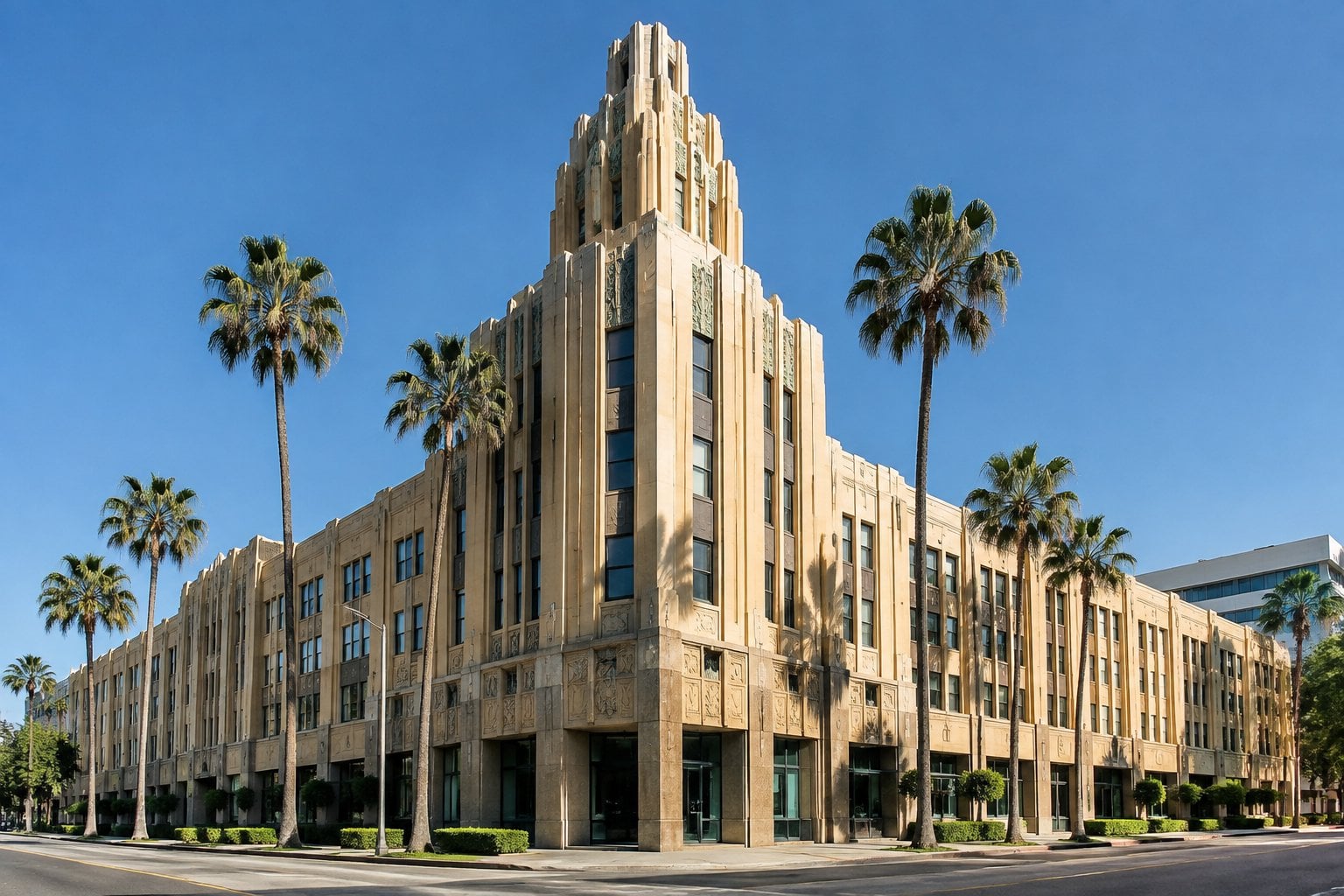
Southwestern Law School is a private school in the Koreatown area of Los Angeles, and it is one of the largest law schools on this list. Of its 288 first-time takers, 187 passed, a rate of 64.93%. The ABA benchmark for the same states was 77.76%, a gap of 12.83 percentage points.
Its rate edged up. In the ABA’s 2024 report, 167 of 261 first-time takers passed, a rate of 63.98%.
Southwestern charges $63,160 a year in full-time tuition for 2025-26, with no separate fees listed. It drew more interest than any other school here: for fall 2025, it received 3,584 applications and made 1,307 offers, an acceptance rate of 36.47%. It enrolled 459 new students, 383 full-time and 76 part-time, the largest entering class on this list. The median LSAT score was 157, the highest of these 30 schools, and the median undergraduate GPA was 3.51. Total J.D. enrollment was 1,108.
21. University of the District of Columbia David A. Clarke School of Law (Washington, D.C.)
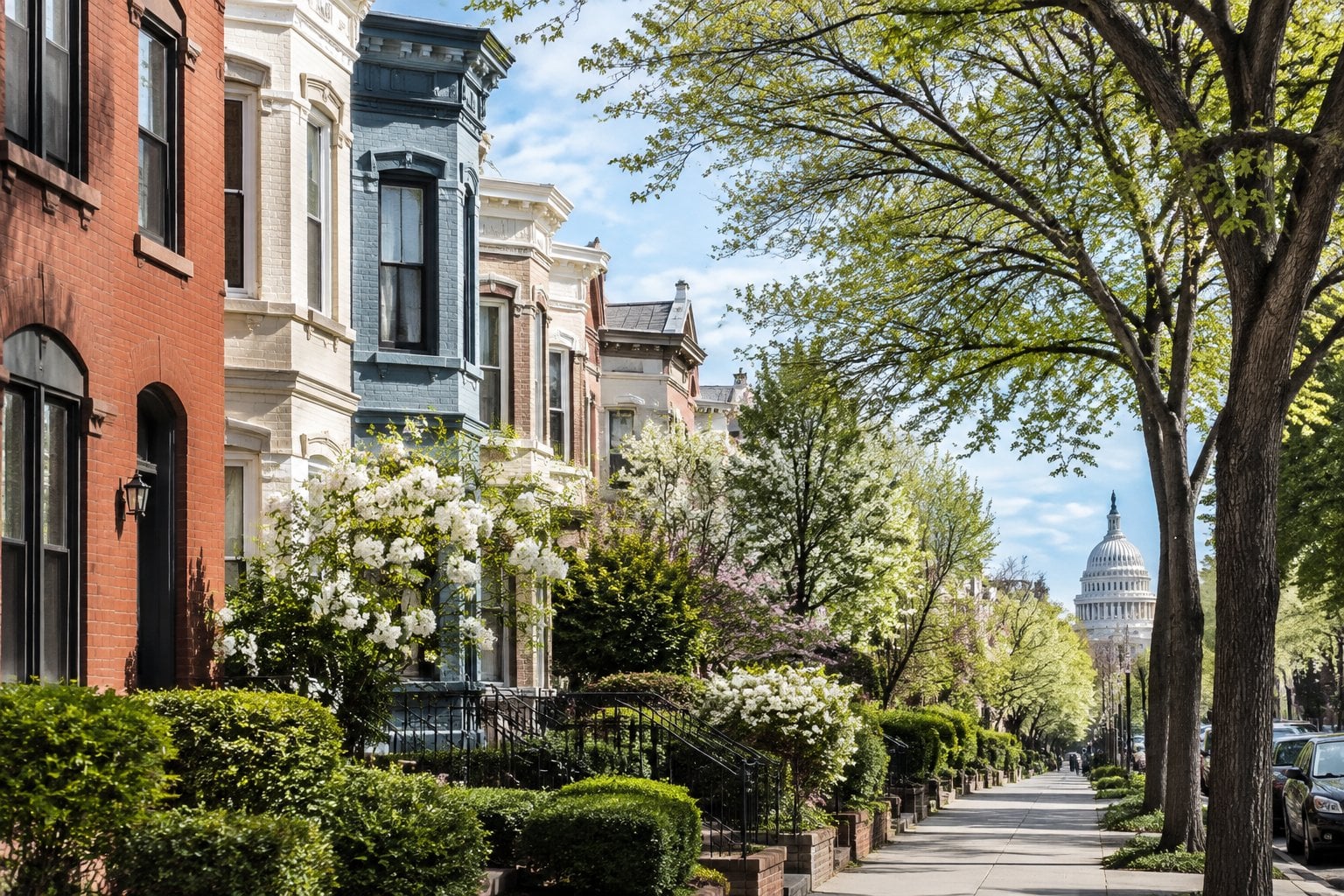
The University of the District of Columbia’s David A. Clarke School of Law is the public law school of the nation’s capital. Of its 61 first-time takers, 40 passed, a rate of 65.57%. The ABA benchmark for the same jurisdictions was 80.64%, a gap of 15.07 percentage points.
It had the biggest improvement on this list. In the ABA’s 2024 report, only 23 of 48 first-time takers passed, a rate of 47.92%. The rise of 17.65 points nearly doubled the number of passers.
District residents pay $12,438 a year in full-time tuition for 2025-26, plus $1,000 in fees, while nonresidents pay $24,874 plus the same fees. For fall 2025, the school received 749 applications and made 277 offers, an acceptance rate of 36.98%. It enrolled 83 new students, 51 full-time and 32 part-time, the smallest entering class on this list. The median LSAT score was 151 and the median undergraduate GPA was 3.28. Total J.D. enrollment was 236.
22. CUNY School of Law (Long Island City, New York)
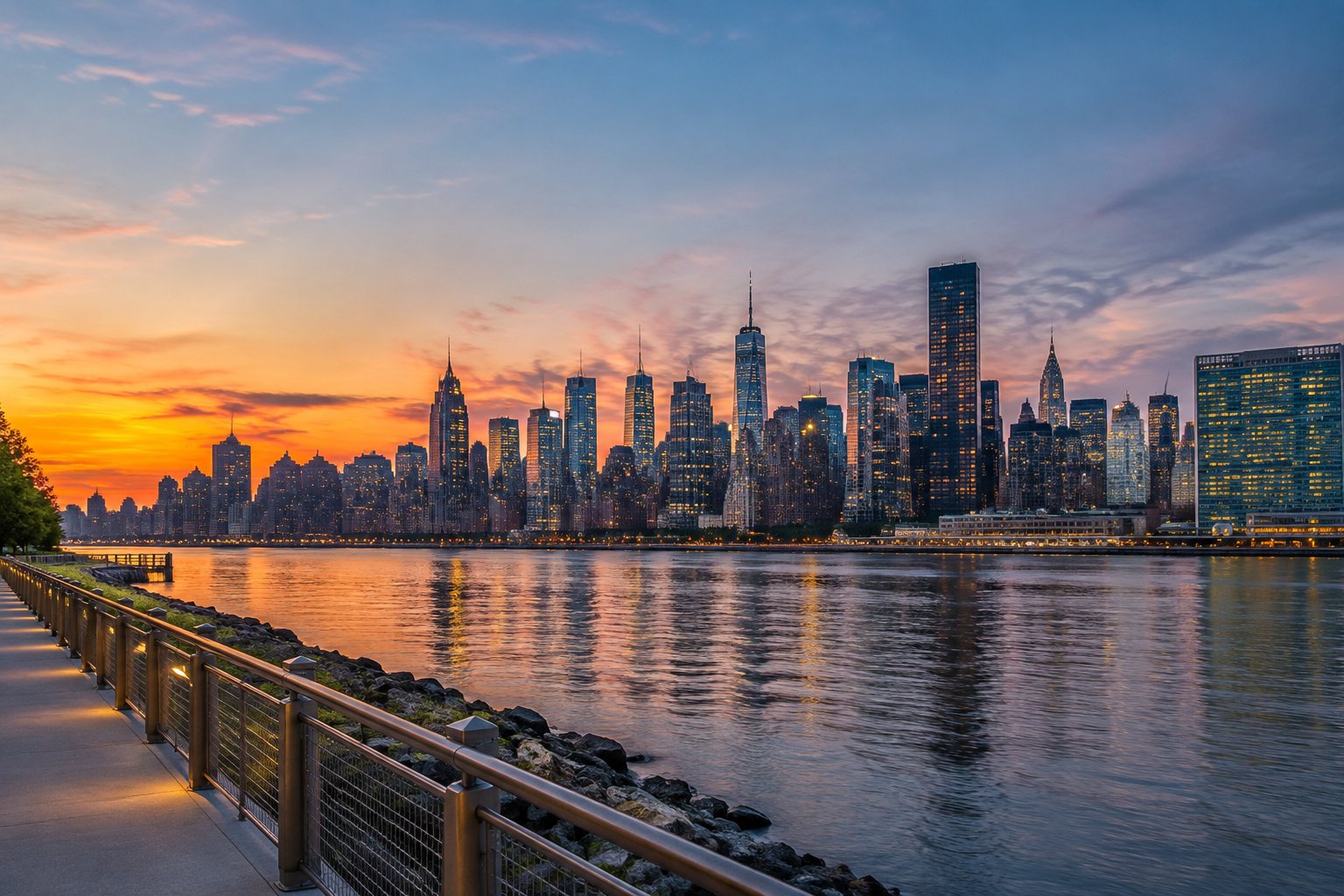
The City University of New York’s law school is a public school in Long Island City, Queens. Of its 201 first-time takers, 132 passed, a rate of 65.67%. Its benchmark was the highest on this list: the ABA weighted average for the same states was 86%, a gap of 20.33 percentage points.
It improved sharply. In the ABA’s 2024 report, 114 of 204 first-time takers passed, a rate of 55.88%, so the rate rose by 9.79 points.
New York residents pay $15,450 a year in full-time tuition for 2025-26, plus $563 in fees, while nonresidents pay $25,640 plus the same fees. CUNY is also one of the most selective schools here: for fall 2025, it received 2,300 applications and made 659 offers, an acceptance rate of 28.65%. It enrolled 219 new students, 161 full-time and 58 part-time. The median LSAT score was 155 and the median undergraduate GPA was 3.54. Total J.D. enrollment was 695.
23. St. Mary’s University School of Law (San Antonio, Texas)
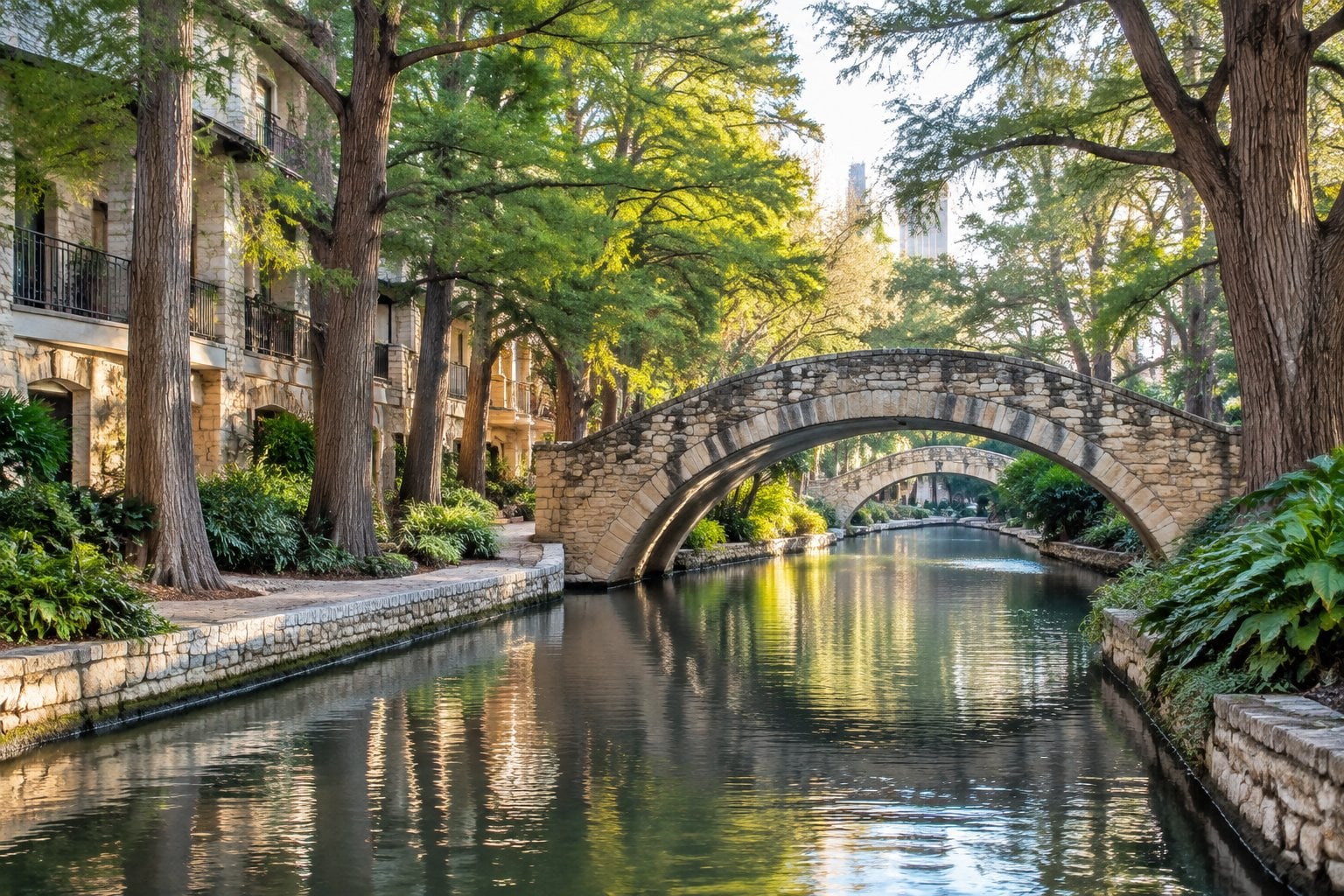
St. Mary’s University’s law school is a private Catholic school in San Antonio. Of its 243 first-time takers, 160 passed, a rate of 65.84%. The ABA benchmark for the same states was 81.51%, a gap of 15.67 percentage points.
Its rate dropped. In the ABA’s 2024 report, 144 of 196 first-time takers passed, a rate of 73.47%, so the rate fell by 7.63 points while the number of takers grew by 47.
St. Mary’s charges $44,910 a year in full-time tuition for 2025-26, plus $1,400 in fees, the same for every student. It was the most selective school on this list by acceptance rate: for fall 2025, it received 2,906 applications and made 755 offers, an acceptance rate of 25.98%. It enrolled 282 new students, 254 full-time and 28 part-time, with a median LSAT score of 153 and a median undergraduate GPA of 3.49. Total J.D. enrollment was 800.
24. Ave Maria School of Law (Naples, Florida)
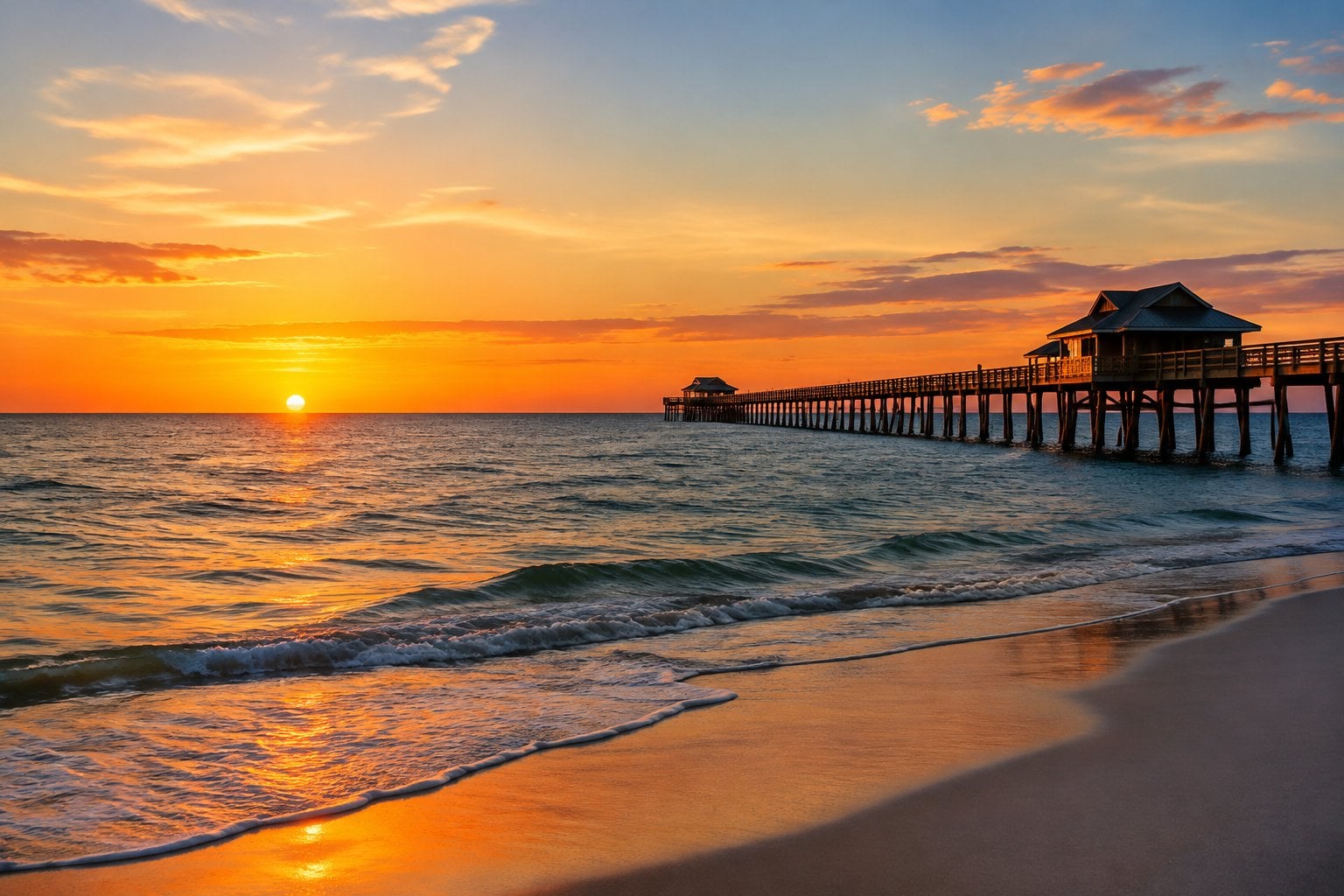
Ave Maria School of Law is a private Catholic law school in Naples, on Florida’s Gulf Coast. Of its 85 first-time takers, 56 passed, a rate of 65.88%. Its benchmark was one of the lowest outside Puerto Rico: the ABA weighted average for the same states was 73.82%, a gap of 7.94 percentage points.
The rate slipped slightly. In the ABA’s 2024 report, 63 of 93 first-time takers passed, a rate of 67.74%.
Ave Maria charges $49,500 a year in full-time tuition for 2025-26, plus $2,850 in fees, the same for every student. For fall 2025, it received 1,212 applications and made 569 offers, an acceptance rate of 46.95%. All 165 new students enrolled full-time. The entering class had a median LSAT score of 155 and a median undergraduate GPA of 3.36. Total J.D. enrollment was 334.
25. Widener University Delaware Law School (Wilmington, Delaware)
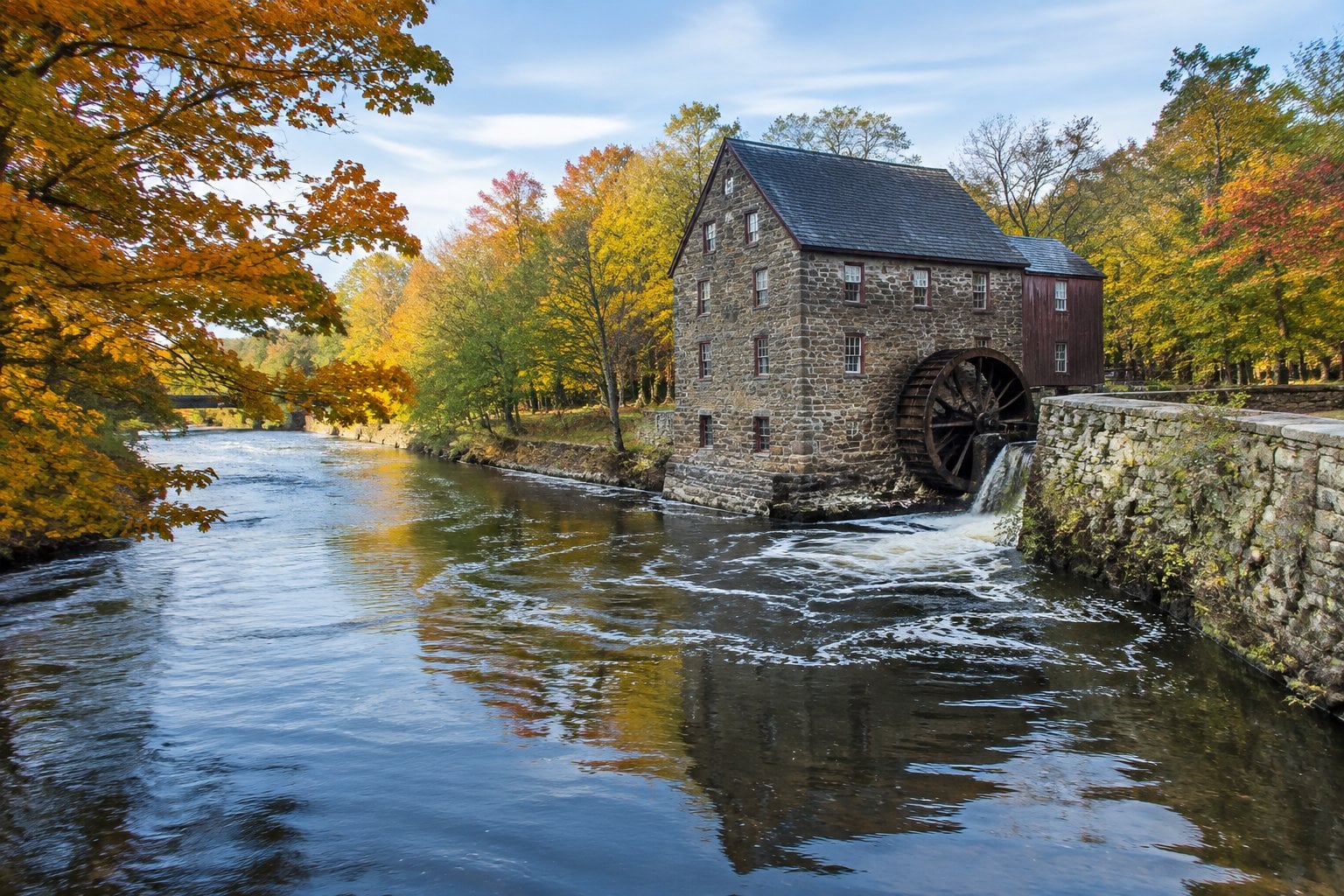
Widener University’s Delaware Law School in Wilmington is the only law school in Delaware, and Widener’s second school on this list. Of its 181 first-time takers, 120 passed, a rate of 66.3%. The ABA benchmark for the same states was 76.55%, a gap of 10.25 percentage points.
The rate rose a little. In the ABA’s 2024 report, 118 of 185 first-time takers passed, a rate of 63.78%.
Delaware Law charges by the credit hour: $1,950 per credit for 2025-26, plus $650 in annual fees. For fall 2025, it received 1,317 applications and made 786 offers, an acceptance rate of 59.68%. It enrolled 277 new students, 232 full-time and 45 part-time, with a median LSAT score of 152 and a median undergraduate GPA of 3.33. Total J.D. enrollment was 807.
26. Willamette University College of Law (Salem, Oregon)
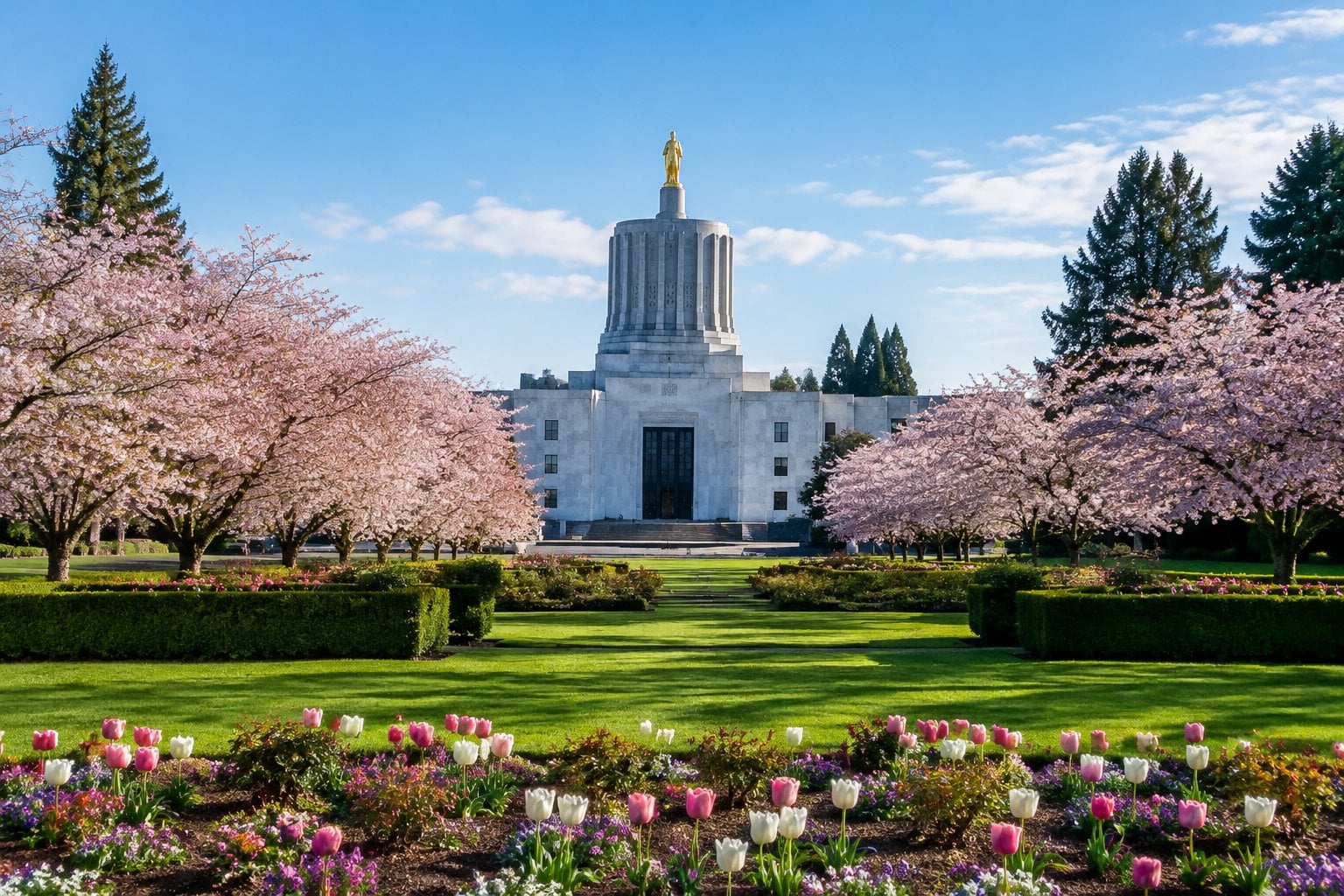
Willamette University’s College of Law in Salem, across the street from the Oregon State Capitol, is the oldest law school in the Pacific Northwest. Of its 90 first-time takers, 60 passed, a rate of 66.67%, or exactly two in three. The ABA benchmark for the same states was 75.22%, a gap of 8.55 percentage points.
It improved a lot. In the ABA’s 2024 report, 50 of 93 first-time takers passed, a rate of 53.76%, so the rate rose by 12.91 points.
Willamette charges $56,600 a year in full-time tuition for 2025-26, plus $80 in fees. For fall 2025, it received 858 applications and made 527 offers, an acceptance rate of 61.42%. All 139 new students enrolled full-time, with a median LSAT score of 154 and a median undergraduate GPA of 3.48. Total J.D. enrollment was 365.
27. Nova Southeastern University Shepard Broad College of Law (Fort Lauderdale area, Florida)
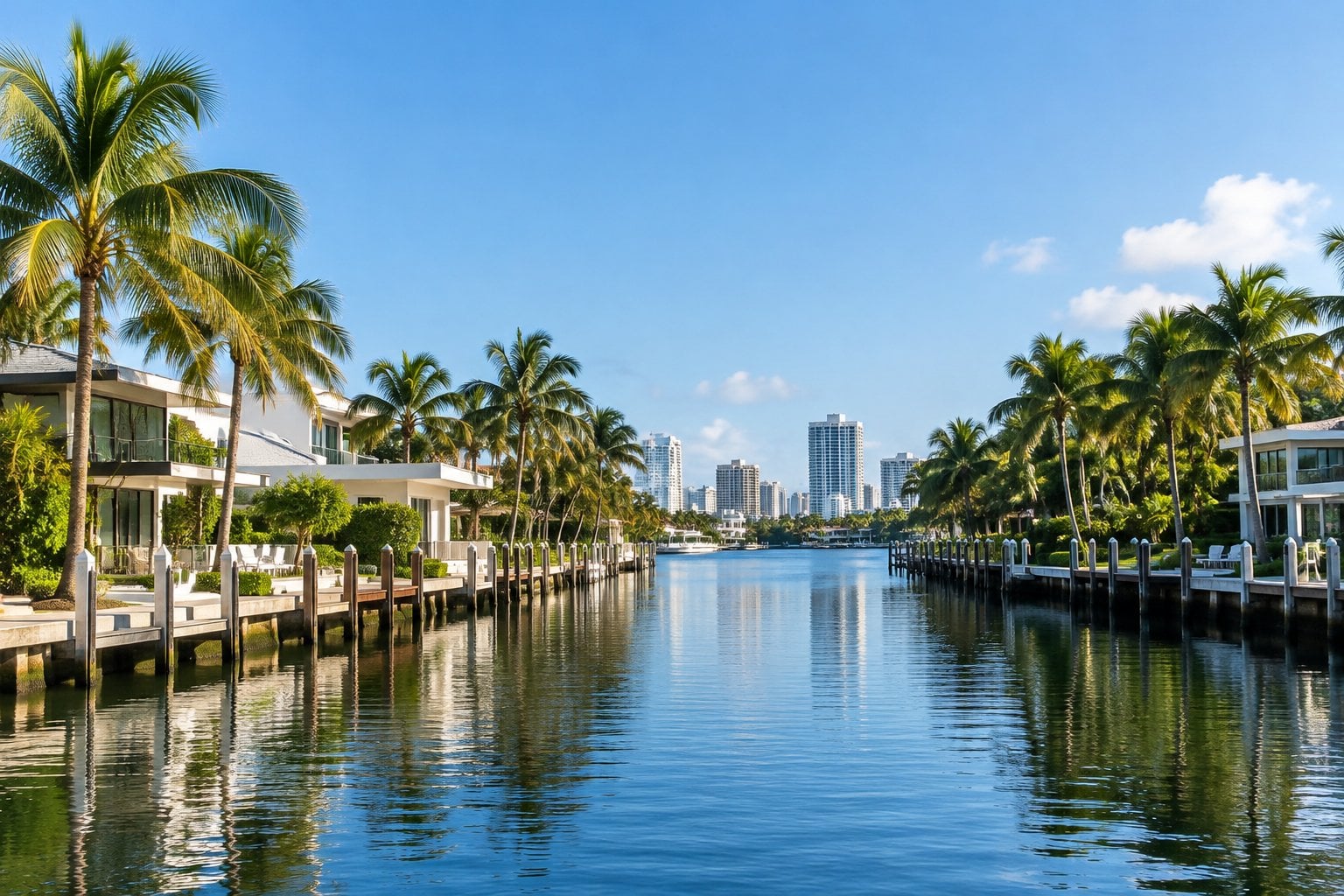
Nova Southeastern University’s law school is on the university’s main campus in Davie, in the Fort Lauderdale area of South Florida. Of its 190 first-time takers, 128 passed, a rate of 67.37%. Its benchmark was low: the ABA weighted average for the same states was 72.78%, so Nova finished 5.41 percentage points below the average, one of the smaller gaps on this list.
The rate went up. In the ABA’s 2024 report, 101 of 158 first-time takers passed, a rate of 63.92%.
Nova charges $49,350 a year in full-time tuition for 2025-26, plus $1,360 in fees. For fall 2025, it received 1,458 applications and made 690 offers, an acceptance rate of 47.33%. It enrolled 225 new students, 200 full-time and 25 part-time. The median LSAT score was 155 and the median undergraduate GPA was 3.52. Total J.D. enrollment was 634.
28. University of North Dakota School of Law (Grand Forks, North Dakota)
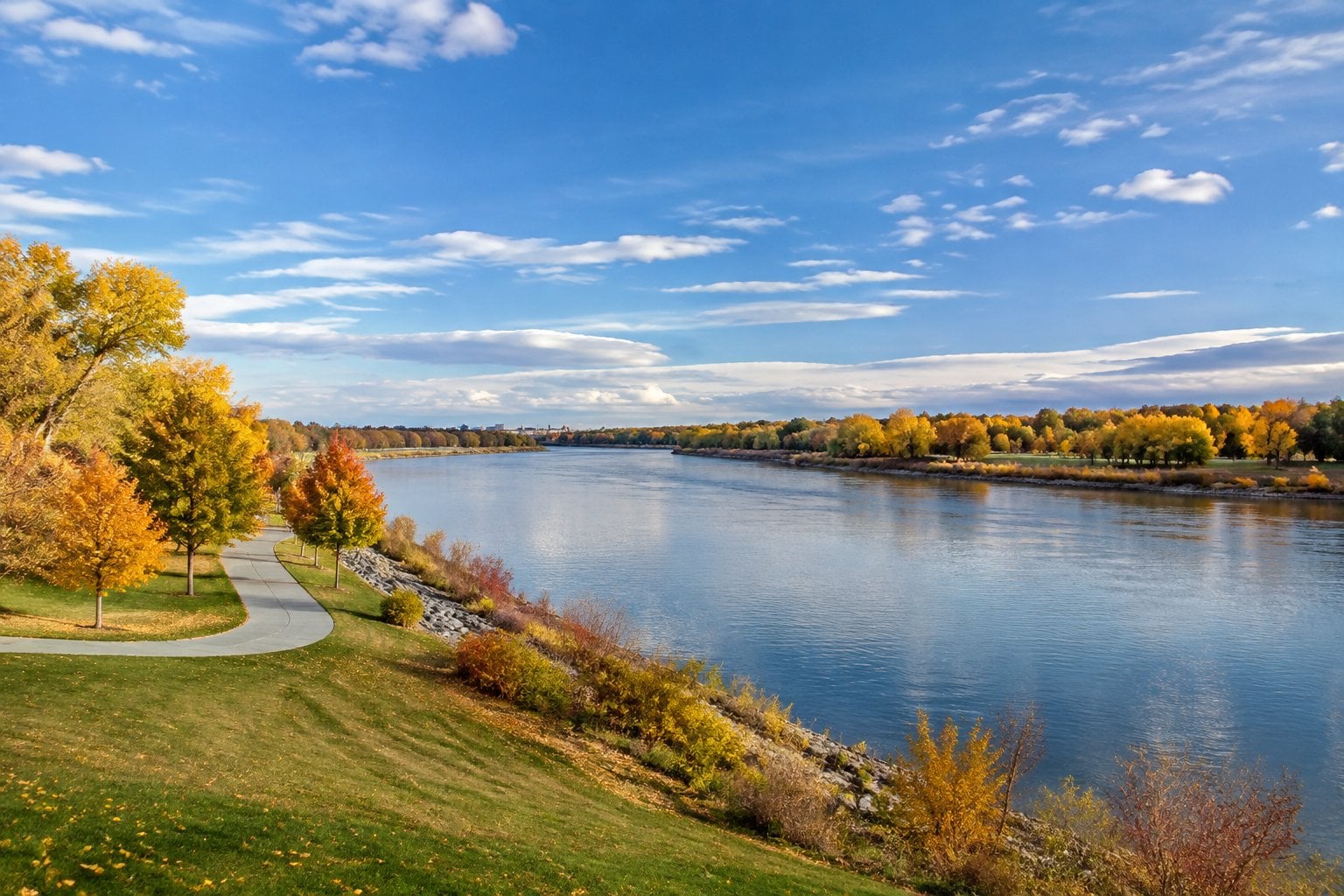
The University of North Dakota School of Law in Grand Forks is the only law school in North Dakota. Of its 79 first-time takers, 54 passed, a rate of 68.35%. The ABA benchmark for the same states was 73.32%, a gap of 4.97 percentage points, the smallest gap of any mainland school on this list. The school had 70 graduates in 2024, so the first-time takers also included some earlier graduates.
It improved notably. In the ABA’s 2024 report, 34 of 56 first-time takers passed, a rate of 60.71%.
UND charges by the credit hour: $591 per credit for residents for 2025-26, plus $1,855 in annual fees. For fall 2025, it received 401 applications and made 253 offers, an acceptance rate of 63.09%. All 97 new students enrolled full-time, with a median LSAT score of 151 and a median undergraduate GPA of 3.48. Total J.D. enrollment was 246.
29. University of Idaho College of Law (Moscow and Boise, Idaho)

The University of Idaho College of Law teaches students in both Moscow and Boise and is the state’s public law school. Of its 117 first-time takers, 80 passed, a rate of 68.38%. The ABA benchmark for the same states was 78.38%, a gap of exactly 10 percentage points.
Its rate fell. In the ABA’s 2024 report, 77 of 103 first-time takers passed, a rate of 74.76%, which was just above its benchmark that year.
Idaho residents pay $27,516 a year in full-time tuition for 2025-26, with no separate fees listed, while nonresidents pay $46,752. It was the least selective school on this list: for fall 2025, it received 740 applications and made 494 offers, an acceptance rate of 66.76%. All 197 new students enrolled full-time, with a median LSAT score of 153 and a median undergraduate GPA of 3.54. Total J.D. enrollment was 502.
30. Ohio Northern University Pettit College of Law (Ada, Ohio)
Ohio Northern University’s Pettit College of Law is in Ada, a small village in northwest Ohio. Of its 57 first-time takers, 39 passed, a rate of 68.42%. The ABA benchmark for the same states was 79.73%, a gap of 11.31 percentage points.
It tied exactly with Atlanta’s John Marshall Law School, where 52 of 76 first-time takers passed: both work out to the same 68.42%. Ohio Northern takes the last spot because its rate in the ABA’s 2024 report was lower, 27 of 53, or 50.94%, against 64.94% for Atlanta’s John Marshall. That also means Ohio Northern’s rate rose by 17.48 points in a year, the second-biggest improvement on this list.
Ohio Northern charges $33,900 a year in full-time tuition for 2025-26, with no separate fees listed. For fall 2025, it received 1,355 applications and made 433 offers, an acceptance rate of 31.96%. It enrolled 129 new students, 85 full-time and 44 part-time. The median LSAT score was 146 and the median undergraduate GPA was 3.34. Total J.D. enrollment was 319.
What the Numbers Show
Together, the 30 schools on this list had 4,044 first-time takers in the ABA’s 2025 report, and 2,499 of them passed, about 62%. That is about 21 points below the 82.81% for all ABA schools. Even so, the direction was mostly positive: 20 of the 30 schools improved on their rates from the year before, led by the University of the District of Columbia, Ohio Northern, California Western and Cooley, each up by more than 14 points. The biggest drops were at Mississippi Christian, St. Mary’s and Pontifical Catholic.
The benchmark changes how some results look. The three Puerto Rico schools have low raw rates, but two of them beat their local average. At the other end, Touro and CUNY in New York were measured against averages of about 86%, so rates in the mid-60s left them more than 20 points behind. Eleven of the 30 schools are public, and several, including North Carolina Central, UDC, CUNY and the University of Puerto Rico, are among the least expensive law schools in the country for in-state students.
For a ranking that measures every school against its own state’s average, see our list of the 30 worst law schools in the U.S. We also have the 30 best law schools in the U.S., the 30 hardest law schools to get into and the 30 most expensive law schools. Each school’s full report is on the ABA’s required disclosures site, and the National Conference of Bar Examiners publishes pass rates by state.
This article is general information, not legal advice or a recommendation for or against any school. Figures are from the ABA’s 2025 and 2024 bar passage reports and its 2025 Standard 509 disclosures, and may change in later reports.