The 11 Worst Law Schools in Florida
Florida has 11 law schools approved by the American Bar Association, from Gainesville and Tallahassee in the north to Miami in the south, and most of their graduates take the same test: the Florida bar exam. The Florida Board of Bar Examiners publishes how each school’s first-time takers did, which makes it one of the clearest ways to compare them.
This list ranks all 11 schools from worst to best by that one public measure: the combined first-time pass rate of each school’s graduates on the July 2025 and July 2026 Florida bar exams, from the board’s official examination results and statistics. Across those two exams, 2,474 of 3,014 first-time takers from these 11 schools passed, an average of 82.1%. Only the first four schools on this list fell below that average. The other seven beat it, and the last three beat it by six to ten points.
The other figures come from the ABA’s 2025 Standard 509 and bar passage disclosures, which cover the class that started in fall 2025, tuition for 2025-26 and the class of 2024’s first bar attempt in any state. A pass rate is one measure, not a full picture of any school, and many graduates of every school here pass the bar and practice law.
1. Barry University Dwayne O. Andreas School of Law (Orlando)
Barry’s law school in Orlando had the lowest first-time pass rate of any Florida school on both July exams. In July 2025, 91 of its 138 first-time takers passed (65.9%). In July 2026, 97 of 162 passed (59.9%). Together, that is 188 of 300, or 62.7%, more than 19 points below the 82.1% average for Florida’s schools. The smaller February 2026 exam was similar: 48 first-time takers sat it, and 58.3% passed.
The ABA’s report, which covers the class of 2024, shows 164 of 239 first-time takers passing, a rate of 68.62%, or 4.83 points below the average for the same states.
Barry is also the easiest Florida school to get into by test scores. Its fall 2025 class had a median LSAT score of 150 and a median undergraduate GPA of 3.23, both the lowest in the state. It received 1,582 applications, made 885 offers and enrolled 258 new students, 232 full-time and 26 part-time. Full-time tuition is $42,000 a year plus $1,150 in fees. The school became part of Barry University in 1999 and won full ABA approval in 2006.
2. Nova Southeastern University Shepard Broad College of Law (Davie)
Nova Southeastern’s law school sits on the university’s main campus in Davie, west of Fort Lauderdale. It opened in 1974 and is named for attorney Shepard Broad.
Its results were steady but low. In July 2025, 113 of its 159 first-time takers passed the Florida bar exam (71.1%). In July 2026, 113 of 154 passed (73.4%). Combined, that is 226 of 313, or 72.2%, about 10 points below the Florida average. In February 2026, 23 first-time takers sat the exam and only 12 passed (52.2%).
The ABA’s report tells the same story. Of the school’s 190 first-time takers from the class of 2024, 128 passed, a rate of 67.37%. That was 5.41 points below the average for the same states.
Full-time tuition is $49,350 a year plus $1,360 in fees, and part-time tuition is $37,000. For fall 2025, the school received 1,458 applications and made 690 offers, an acceptance rate of 47.33%. It enrolled 225 new students, 200 full-time and 25 part-time, with a median LSAT score of 155 and a median GPA of 3.52.
3. Florida A&M University College of Law (Orlando)
Florida A&M’s law school has one of the most unusual histories in the state. The original school opened in Tallahassee in 1949. After the Legislature voted in 1965 to open a new law school at Florida State instead, it stopped admitting students in 1966 and graduated its last class in 1968. In 2000, the Legislature brought it back, and it reopened in Orlando in 2002. It won full ABA approval in 2009.
Its bar results are improving. In July 2025, 51 of its 67 first-time takers passed (76.1%), up from 67.2% the year before. In July 2026, 59 of 74 passed (79.7%). Combined, that is 110 of 141, or 78.0%, about 4 points below the Florida average.
FAMU has the lowest price per credit for Florida residents of any school here, $456, plus $175 in yearly fees. Nonresidents pay $1,098 per credit. For fall 2025, it received 1,546 applications and made 536 offers, an acceptance rate of 34.67%. It enrolled 177 new students, with a median LSAT score of 152. Fifteen first-year students, about 13%, left for academic reasons, the highest share of any Florida school.
4. Jacksonville University College of Law (Jacksonville)
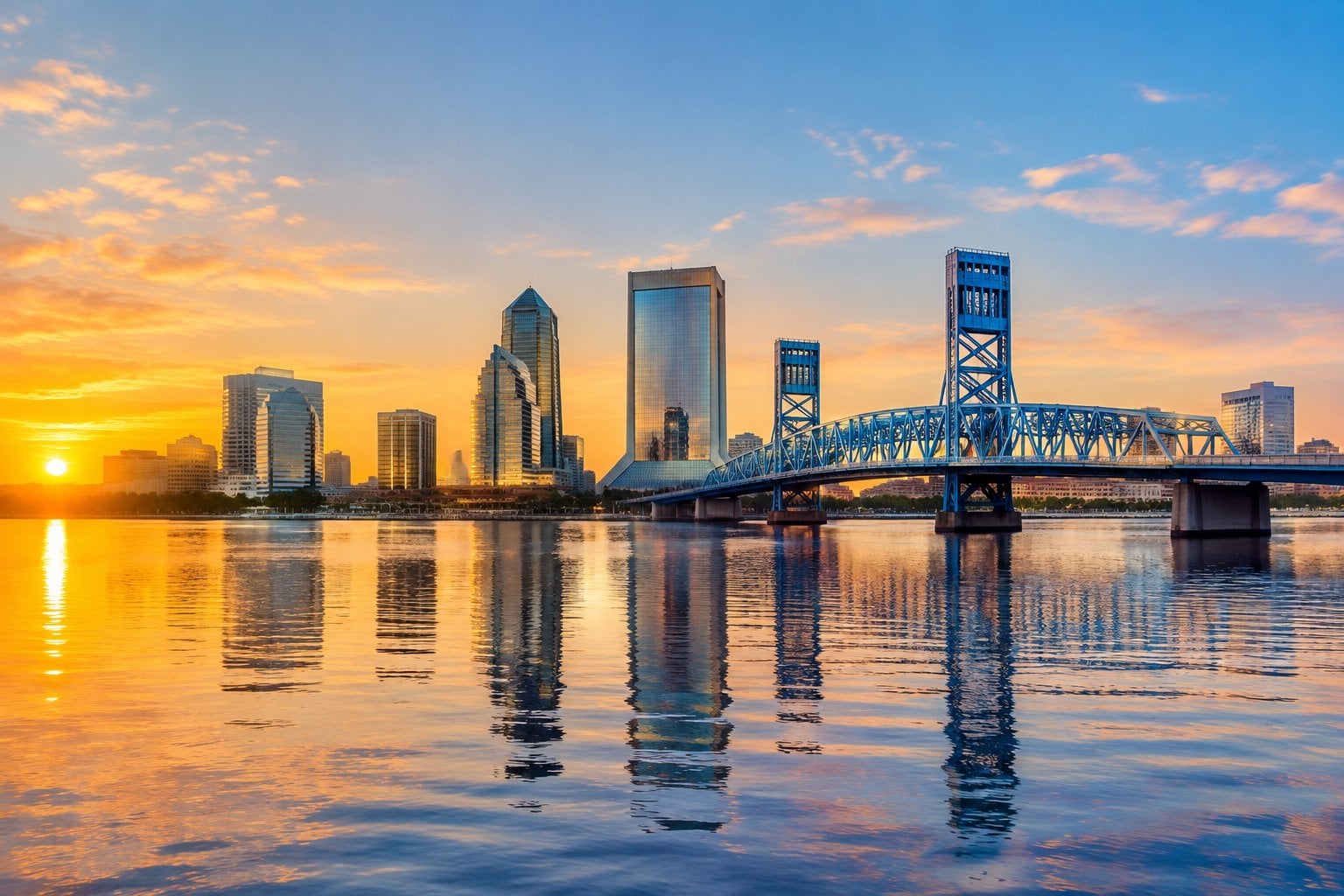
Jacksonville University’s law school, in downtown Jacksonville, is Florida’s newest. Its first class started in August 2022, and the ABA granted it provisional approval in February 2024. The school says it is still provisionally approved and working toward full approval. Under ABA rules, graduates of a provisionally approved school get the same recognition as graduates of a fully approved one.
Its first graduates finished in May 2025, so it has only two July exams on record, and its groups are small. In July 2025, 11 of 12 first-time takers passed (91.7%), the second-highest rate of any Florida school that sitting. In July 2026, 11 of 16 passed (68.8%). Combined, that is 22 of 28, or 78.6%, about 3.5 points below the Florida average. With groups this small, one or two results move the rate a lot.
It is also the smallest school on this list, with 135 J.D. students. For fall 2025, it received 572 applications, made 201 offers (35.14%) and enrolled 70 full-time students, with a median LSAT score of 156. Tuition is $1,200 per credit plus $820 in yearly fees.
5. Ave Maria School of Law (Naples)
Ave Maria School of Law is a Catholic law school that was founded in 1999 in Ann Arbor, Michigan, and moved to Naples, Florida, in 2009.
It improved more than any other Florida school between the two July exams. In July 2025, 39 of its 52 first-time takers passed (75.0%). In July 2026, 53 of 59 passed (89.8%). Combined, that is 92 of 111, or 82.9%, just above the 82.1% Florida average.
Its older numbers were weaker. In July 2024, 40 of 56 first-time takers passed the Florida exam (71.4%). In the ABA’s report on the class of 2024, 56 of 85 first-time takers passed, a rate of 65.88%. That was 7.94 points below the average for the same states, the largest gap below average of any Florida school in that report.
Full-time tuition is $49,500 a year plus $2,850 in fees, the highest fees of any private law school in Florida. For fall 2025, it received 1,212 applications and made 569 offers, an acceptance rate of 46.95%. All 165 new students enrolled full-time, with a median LSAT score of 155 and a median GPA of 3.36. Nineteen first-year students, about 11%, left for academic reasons.
6. St. Thomas University Benjamin L. Crump College of Law (Miami Gardens)
St. Thomas University’s law school in Miami Gardens took its current name in February 2023, when it was renamed for civil rights attorney Benjamin L. Crump.
It sends one of the largest groups to the Florida bar each July. In July 2025, 145 of its 166 first-time takers passed (87.3%). In July 2026, 150 of 188 passed (79.8%). Combined, that is 295 of 354, or 83.3%, slightly above the Florida average. In February 2026, 20 first-time takers sat the exam and 55.0% passed.
In the ABA’s report, 199 of the school’s 246 first-time takers from the class of 2024 passed, a rate of 80.89%, or 8.16 points above the average for the same states.
St. Thomas is the least selective school in Florida by acceptance rate. For fall 2025, it received 1,771 applications and made 1,067 offers, an acceptance rate of 60.25%. It enrolled 431 new students, all full-time, the largest entering class in the state, with a median LSAT score of 152. Forty-one first-year students, about 10%, left for academic reasons, the most of any Florida school. Tuition is $44,730 a year plus $2,848 in fees.
7. Stetson University College of Law (Gulfport)
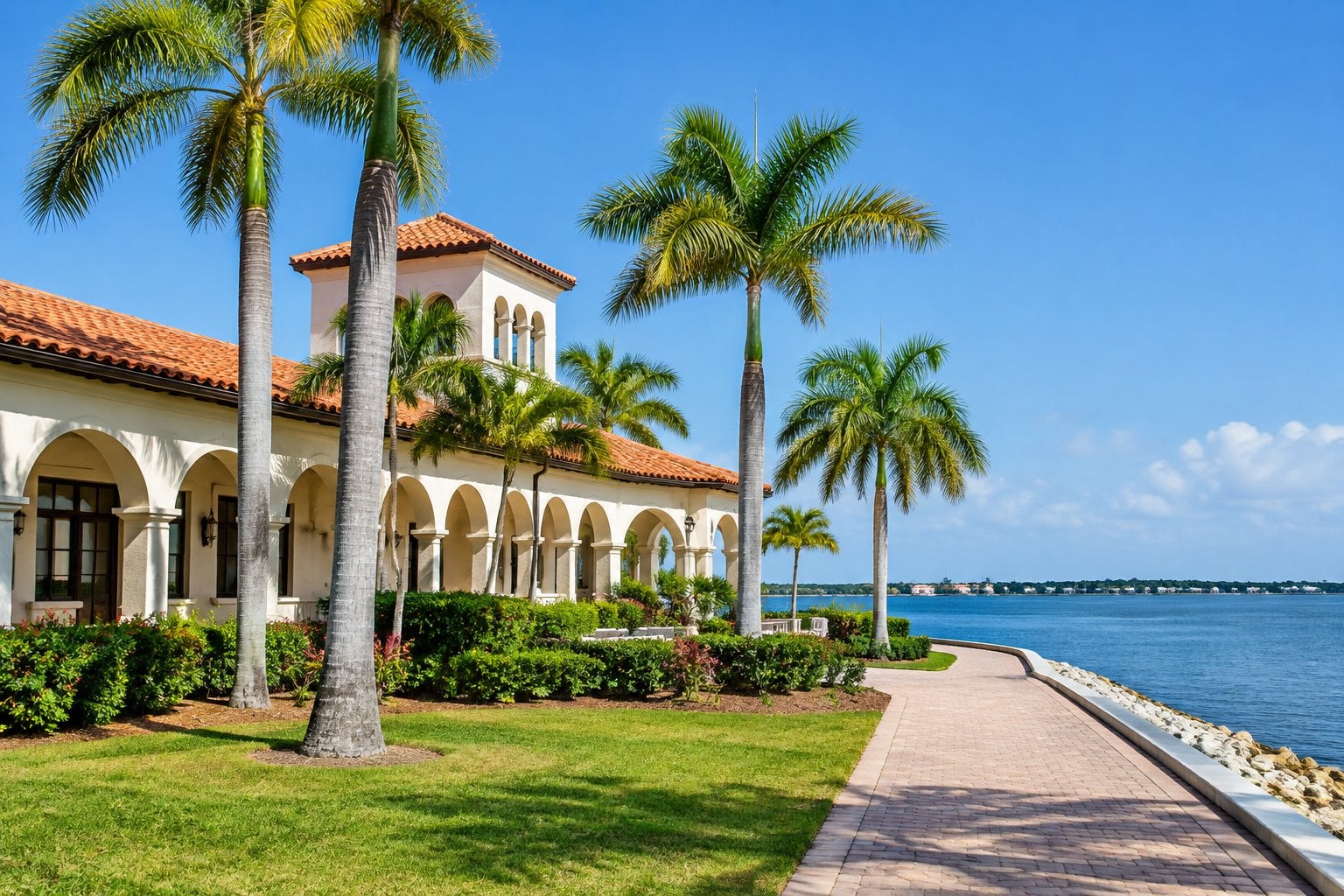
Stetson says it opened Florida’s first law school, in DeLand in 1900, and it has held classes on its Gulfport campus, near St. Petersburg, since 1954. It also runs a Tampa Law Center, opened in 2004.
Its two July exams pointed in different directions. In July 2025, 203 of its 231 first-time takers passed (87.9%). In July 2026, 198 of 244 passed (81.1%). Combined, that is 401 of 475, or 84.4%, about 2 points above the Florida average. In February 2026, 21 first-time takers sat the exam and 66.7% passed.
In the ABA’s report, 218 of the school’s 283 first-time takers from the class of 2024 passed, a rate of 77.03%, or 3.85 points above the average for the same states.
Stetson is Florida’s largest law school, with 1,009 J.D. students, and its entering class had the most part-time students. For fall 2025, it received 2,791 applications and made 1,017 offers, an acceptance rate of 36.44%. It enrolled 336 new students, 273 full-time and 63 part-time, with a median LSAT score of 159 and a median GPA of 3.63. Full-time tuition is $56,521 a year plus $496 in fees, and part-time tuition is $37,698. No first-year students left for academic reasons.
8. University of Miami School of Law (Coral Gables)
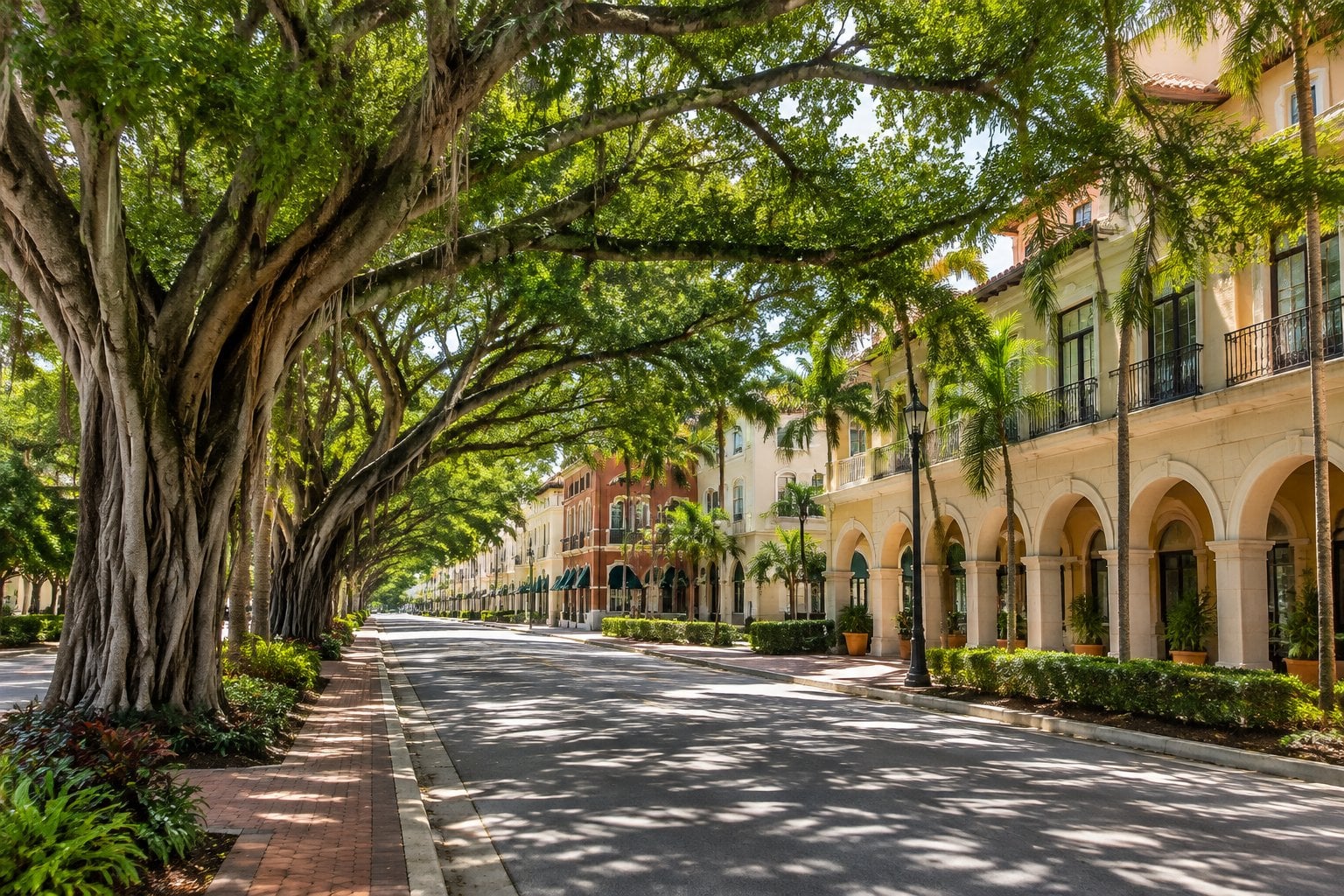
The University of Miami’s law school was founded in 1926, the same year as the university, and celebrates its 100th year in 2026. It had more first-time takers than any other Florida school on both July exams.
In July 2025, 235 of its 273 first-time takers passed (86.1%). In July 2026, 214 of 252 passed (84.9%). Combined, that is 449 of 525, or 85.5%, about 3.4 points above the Florida average. The February 2026 exam was its weak spot: 28 first-time takers sat it, and only 11 passed (39.3%), the lowest rate of any Florida school that sitting.
In the ABA’s report, 330 of the school’s 406 first-time takers from the class of 2024 passed, a rate of 81.28%, or 6.68 points above the average for the same states.
Miami is the most expensive law school in Florida. Tuition is $66,720 a year plus $2,498 in fees, and the school estimates off-campus living costs at $43,924, the highest in the state. It also drew the most applications, 4,593, and made 1,132 offers, an acceptance rate of 24.65%. All 313 new students enrolled full-time, with a median LSAT score of 164 and a median GPA of 3.79.
9. Florida International University College of Law (Miami)
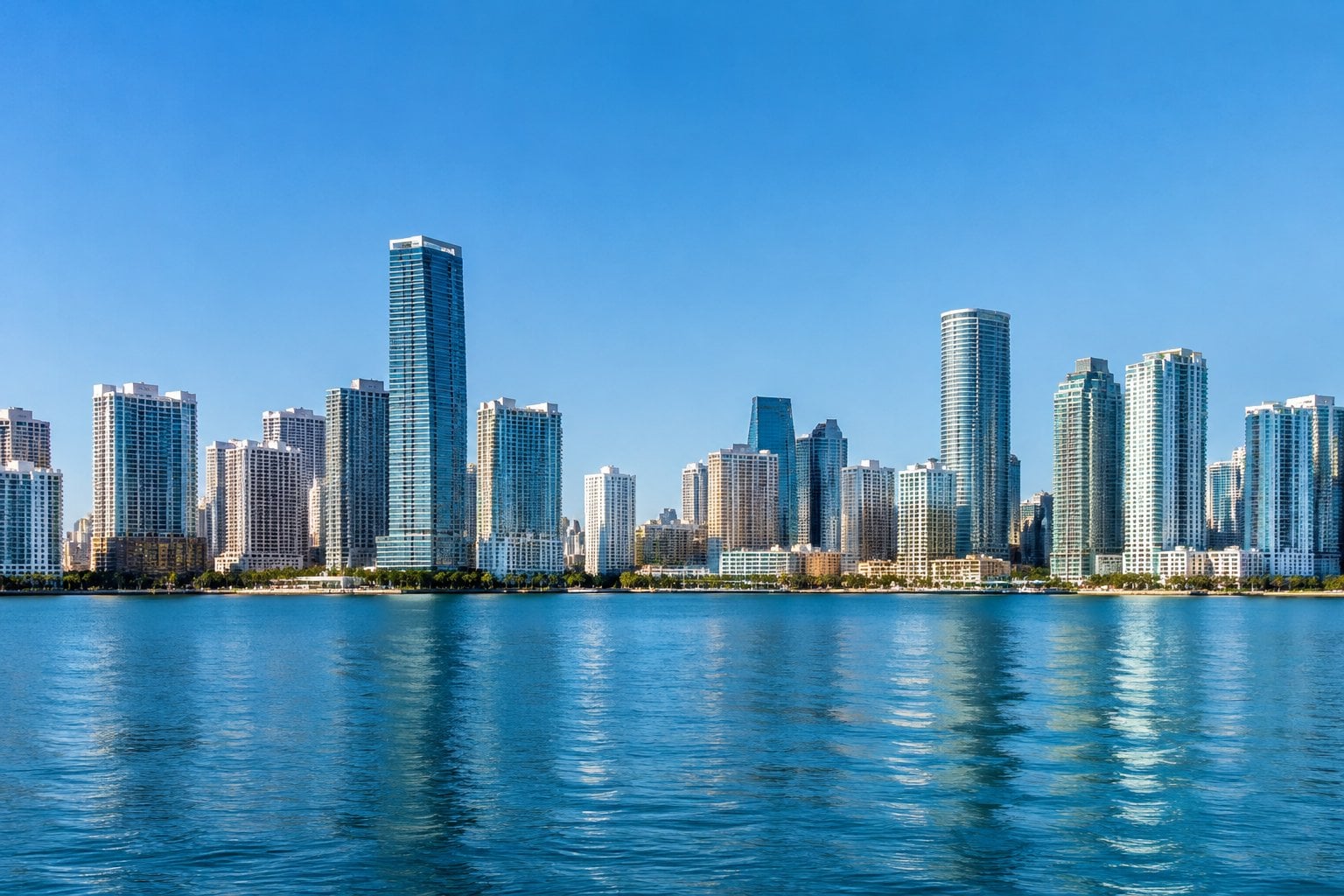
FIU’s law school, on the university’s main campus in Miami, is one of Florida’s youngest. The Legislature created it in 2000, it opened in 2002, and it won full ABA approval in 2006.
It has become one of the state’s strongest performers. In July 2025, 109 of its 122 first-time takers passed (89.3%). In July 2026, 131 of 150 passed (87.3%). Combined, that is 240 of 272, or 88.2%, about 6 points above the Florida average. In February 2026, 21 first-time takers sat the exam and 81.0% passed, the best result of any Florida school with more than 10 takers that sitting.
The ABA’s report shows 144 of 163 first-time takers from the class of 2024 passing, a rate of 88.34%. That was 15.43 points above the average for the same states, the largest gap above average of any Florida school.
Florida residents pay $691 per credit and nonresidents $1,196 per credit, plus $399 in yearly fees. For fall 2025, FIU received 3,100 applications and made 582 offers, an acceptance rate of 18.77%. It enrolled 175 new students, 143 full-time and 32 part-time, with a median LSAT score of 161 and a median GPA of 3.80. No first-year students left for academic reasons.
10. Florida State University College of Law (Tallahassee)
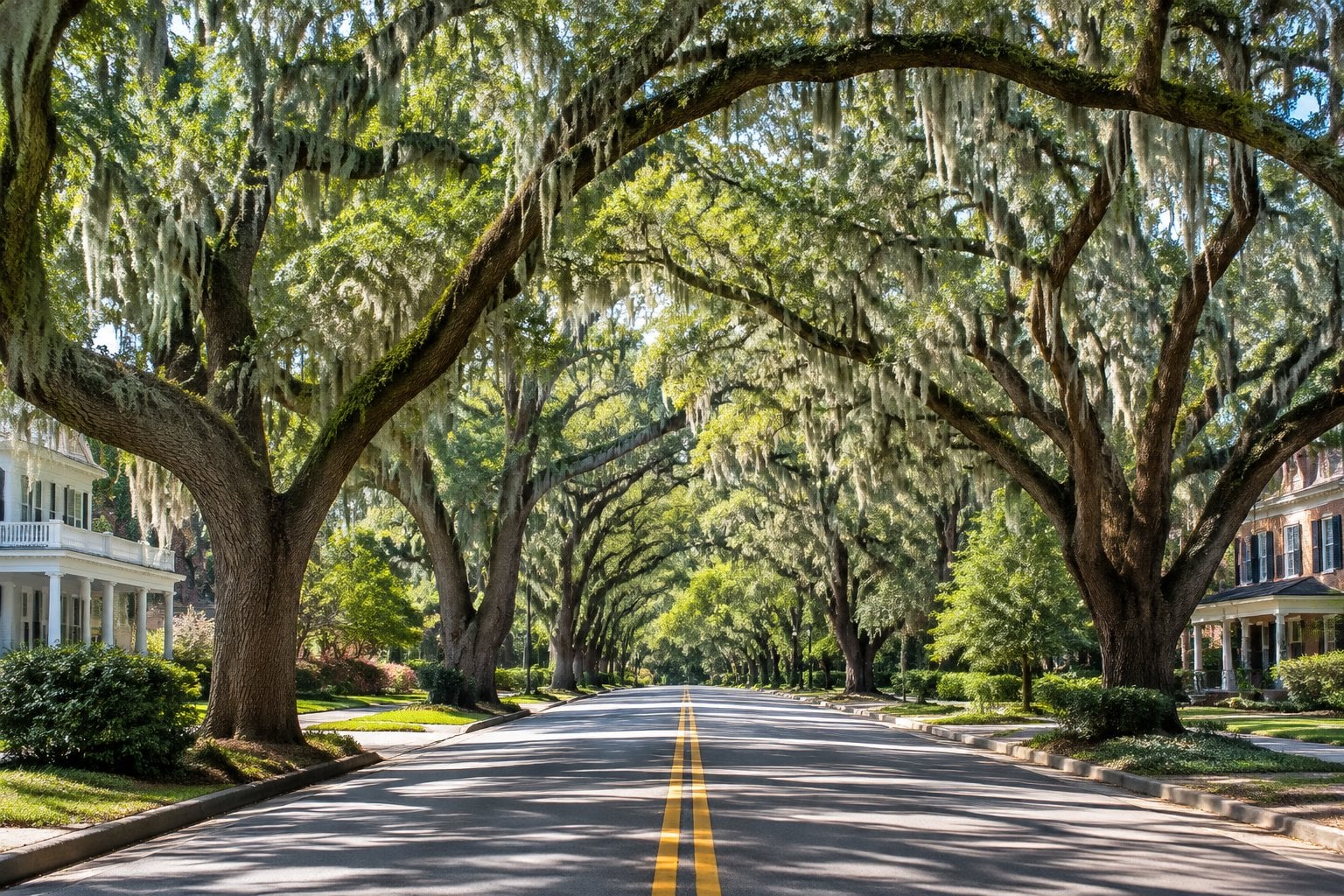
Florida State’s law school opened in Tallahassee in 1966 and marks its 60th year in 2026. It had the highest first-time pass rate of any Florida school on the July 2026 exam.
In July 2025, 92 of its 104 first-time takers passed (88.5%). In July 2026, 101 of 110 passed (91.8%). Combined, that is 193 of 214, or 90.2%, about 8 points above the Florida average. In February 2026, 6 of its 7 first-time takers passed.
In the ABA’s report, 157 of the school’s 180 first-time takers from the class of 2024 passed, a rate of 87.22%, or 13.87 points above the average for the same states.
It is also the hardest law school in Florida to get into. For fall 2025, it received 2,711 applications and made just 433 offers, an acceptance rate of 15.97%, the lowest in the state. All 153 new students enrolled full-time, with a median LSAT score of 166 and a median undergraduate GPA of 3.93, the highest in Florida. Florida residents pay $688 per credit and nonresidents $1,422 per credit, plus $3,600 in yearly fees.
11. University of Florida Fredric G. Levin College of Law (Gainesville)
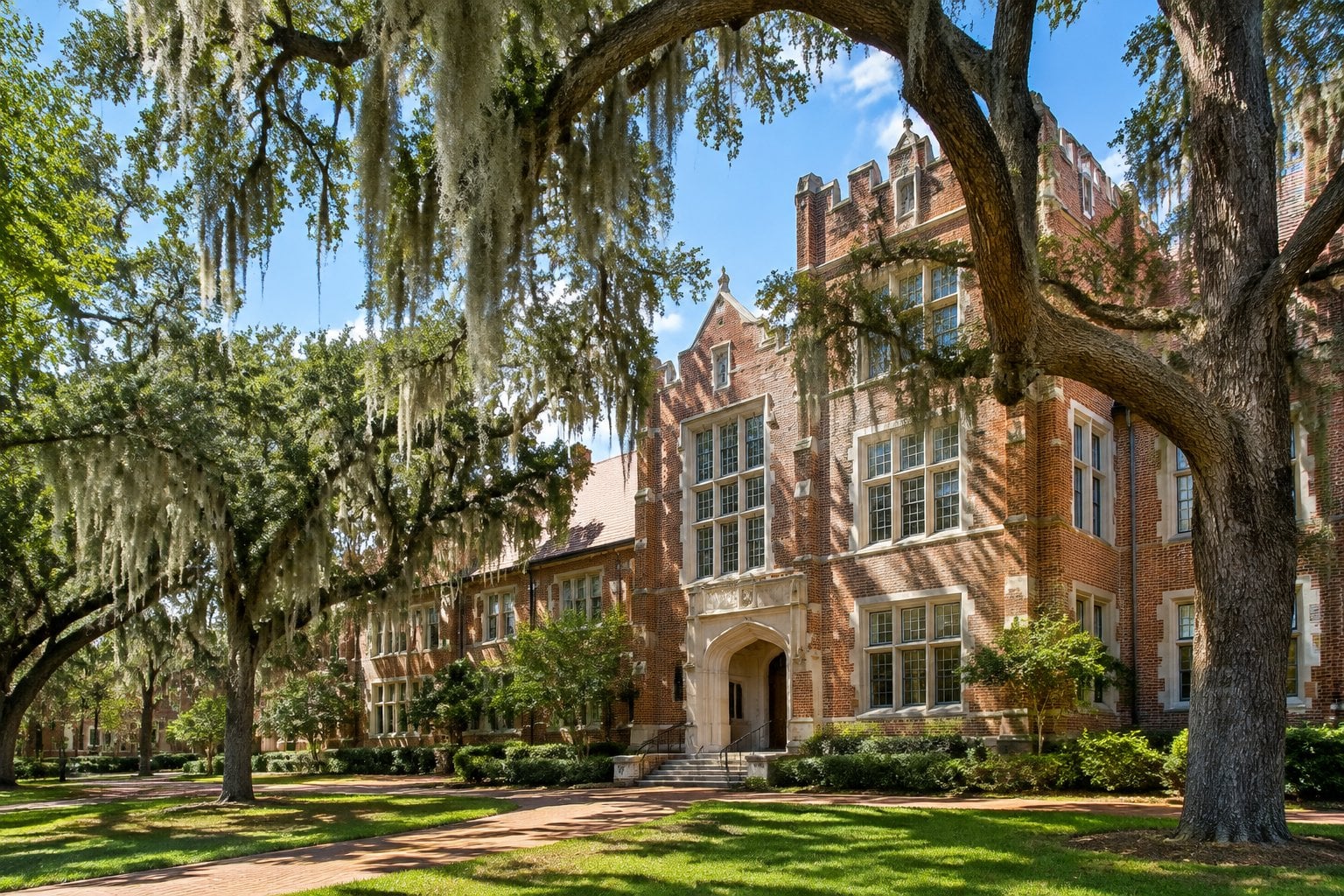
The University of Florida’s law school was founded in 1909 and is the oldest public law school in the state. It was named for trial lawyer Fredric G. Levin in 1999.
It finished with the best combined result in Florida. In July 2025, 128 of its 138 first-time takers passed (92.8%), the highest rate of any Florida school that sitting. In July 2026, 130 of 143 passed (90.9%). Combined, that is 258 of 281, or 91.8%, almost 10 points above the Florida average.
In the ABA’s report, 232 of the school’s 262 first-time takers from the class of 2024 passed, a rate of 88.55%, the highest raw rate of any Florida school in that report, and 13.35 points above the average for the same states.
UF had the highest median LSAT score in Florida, 169, with a median GPA of 3.91. For fall 2025, it received 3,887 applications and made 642 offers, an acceptance rate of 16.52%. All 229 new students enrolled full-time. Florida residents pay $19,139 a year in tuition plus $2,665 in fees, and nonresidents pay $36,148 plus $3,514. No first-year students left for academic reasons.
Schools That Were Not Ranked
Cooley Law School, which is based in Michigan, runs a branch campus in Tampa, and the Florida board lists its graduates with the schools that have Florida locations. Its numbers were the lowest of all: 19 of 31 first-time takers passed in July 2025 (61.3%) and 9 of 23 in July 2026 (39.1%). It is not ranked here because it is not a Florida law school, and the board’s figures do not say which Cooley campus its takers attended.
Florida Coastal School of Law in Jacksonville is also left out. It lost access to federal student aid in 2021 and stopped holding classes after the summer 2021 term.
What the Numbers Show
Florida’s law schools split into two clear groups. Barry, Nova Southeastern, FAMU and Jacksonville fell below the 82.1% Florida average across the two July exams. The other seven beat it, and the three public schools at the bottom of this list, UF, FSU and FIU, all passed at least 88% of their first-time takers.
Price and pass rate do not line up neatly. Miami is the most expensive school in the state but ranks eighth, while FAMU, the lowest price per credit for Florida residents, ranks third. Admissions numbers line up better: the five schools with the lowest median LSAT scores all rank in the top six here.
For the national picture, see our lists of the 30 worst law schools in the U.S., the 30 best law schools in the U.S., the 30 worst law schools in the South and the 30 hardest law schools to get into.
This article is general information, not legal advice or a recommendation for or against any school. Figures are from the Florida Board of Bar Examiners’ results for the July 2024, July 2025, February 2026 and July 2026 Florida bar exams, the ABA’s 2025 Standard 509 and bar passage reports, and the schools’ own websites, and may change in later reports.