
The 30 Best Law Schools in the Northeast
The Northeast packs 40 ABA-accredited law schools into a small corner of the country, from Ivy League names in Cambridge, New Haven and Manhattan to small public schools in Maine and New Hampshire. Every one of them has to publish how its graduates did on the bar exam, the test that stands between a law degree and a law license.
This list ranks the 30 best law schools in the Northeast by that result, adjusted for difficulty: how each school’s first-time bar passage rate compared with the average for the same states. The figures are for 2024 graduates and come from the American Bar Association’s Standard 509 and bar passage disclosures, released in the ABA’s 2025 report. The Northeast here is the U.S. Census region: Connecticut, Maine, Massachusetts, New Hampshire, New Jersey, New York, Pennsylvania, Rhode Island and Vermont.
For each school, the ABA compares its graduates’ first-time pass rate with the ABA weighted average for graduates of all accredited schools in the states where they took the exam. That matters, because pass rates differ from state to state. New York’s average for 2024 graduates was about 85% to 86%, while Connecticut’s and New Jersey’s were in the low-to-mid 70s.
All 40 law schools in the region had at least 30 first-time takers, so all 40 were ranked. Only 23 of them finished above their average. The schools ranked 24th to 30th finished a little below theirs, but closer to it than the other 10 schools in the region, which is why they make this list.
The other numbers in each entry come from the same ABA report: the fall 2025 entering class, 2025-26 tuition and fees, and living-cost estimates. This list uses the same measure as our national list of the 30 best law schools in the U.S. Bar passage is one measure, not a full picture of any school.
1. Harvard Law School (Cambridge, Massachusetts)
Harvard tops the Northeast. Of its 608 first-time bar takers, the most of any school in the region, 595 passed, a rate of 97.86%, the highest raw pass rate on this list. The ABA weighted average for the same states was 83.44%, which put Harvard 14.42 percentage points above the average.
That margin also placed Harvard 11th in the whole country on the same measure, the best of any Northeast school.
Harvard is by far the largest school here. It enrolled 579 new full-time students in fall 2025, and its total J.D. enrollment was 1,784. It received 8,872 applications and made 816 offers, an acceptance rate of 9.2%. The median LSAT score was 174 and the median undergraduate GPA was 3.96, tied with Yale for the highest on this list.
Tuition for 2025-26 is $80,760, plus $1,592 in fees, and Harvard estimates living costs at $38,690 a year. The ABA report shows no first-year students leaving for academic reasons and one leaving for other reasons.
2. University of Pennsylvania Carey Law School (Philadelphia, Pennsylvania)
Penn ranked second. Of its 303 first-time takers, 293 passed, a rate of 96.7%. The ABA weighted average for the same states was 82.93%, putting Penn 13.77 points above it.
Penn is one of the hardest schools in the region to get into. For fall 2025, it received 8,074 applications and made 650 offers, an acceptance rate of 8.05%, the second-lowest on this list after Yale. It enrolled 265 full-time students, with a median LSAT score of 173 and a median GPA of 3.95.
Tuition for 2025-26 is $78,348. Penn also lists $6,144 in annual fees, the highest fees on this list, for a total of $84,492. Its living-cost estimate is $31,640 a year.
The ABA report shows no first-year students leaving Penn for academic or other reasons. It is one of five schools on this list with no first-year attrition at all. Total J.D. enrollment was 764.
3. Yale Law School (New Haven, Connecticut)
Yale ranked third. Of its 200 first-time takers, 193 passed, a rate of 96.5%. The ABA weighted average for the same states was 83.57%, which put Yale 12.93 points above it.
Yale is the hardest law school in the country to get into, based on the ABA’s 2025 data. For fall 2025, it received 5,562 applications and made only 226 offers, the fewest on this list, for an acceptance rate of 4.06%. It enrolled 204 students with a median LSAT score of 174 and a median GPA of 3.96. The top quarter of the class scored 177 or above on the LSAT, the highest 75th-percentile score here.
Tuition for 2025-26 is $76,636, plus $2,325 in fees. Yale estimates living costs at $28,202 a year, lower than most of the big-city schools on this list.
The ABA report shows no first-year students leaving for academic or other reasons. Total J.D. enrollment was 626. Yale is one of three Connecticut schools on this list.
4. New York University School of Law (New York, New York)
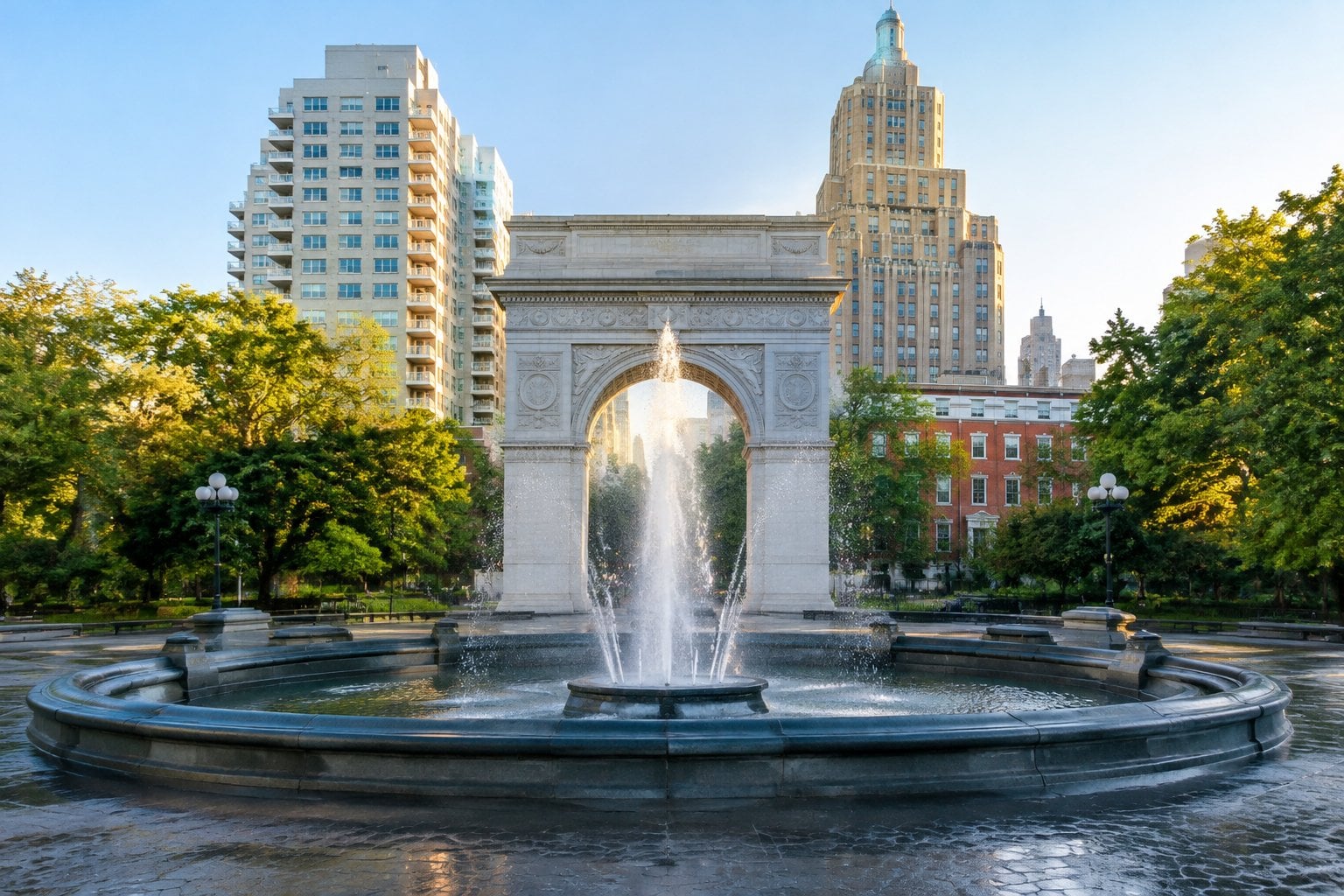
NYU is the highest-ranked of the ten New York schools on this list. Of its 519 first-time takers, 502 passed, a rate of 96.72%, the second-highest raw rate here. Its graduates mostly took the New York exam, and the ABA weighted average for the same states was 85.02%. That high benchmark left NYU 11.7 points above the average.
NYU drew more applications than any other school on this list: 10,546 for fall 2025. It made 1,412 offers, an acceptance rate of 13.39%, and enrolled 452 full-time students with a median LSAT score of 172 and a median GPA of 3.92.
Tuition for 2025-26 is $83,952, plus $3,262 in fees, a total of $87,214, the second-highest on this list after Columbia. NYU estimates living costs at $36,094 a year.
Total J.D. enrollment was 1,405, second only to Harvard in the Northeast. The ABA report shows no first-year students leaving for academic reasons and four leaving for other reasons.
5. Cornell Law School (Ithaca, New York)

Cornell, in upstate New York, finished just behind NYU. Of its 195 first-time takers, 188 passed, a rate of 96.41%. The ABA weighted average for the same states was 84.73%, which put Cornell 11.68 points above it.
The two New York schools were separated by only two hundredths of a point.
Cornell is one of the most expensive schools here. Tuition for 2025-26 is $84,722, plus $690 in fees, for a total of $85,412 a year. The school estimates living costs at $32,952.
For fall 2025, Cornell received 4,608 applications and made 838 offers, an acceptance rate of 18.19%. It enrolled 217 full-time students, with a median LSAT score of 173 and a median GPA of 3.92.
The ABA report shows no first-year students leaving for academic or other reasons. Total J.D. enrollment was 611.
6. Seton Hall University School of Law (Newark, New Jersey)

Seton Hall, a private Catholic university whose law school is in downtown Newark, is the top New Jersey school on this list. Of its 305 first-time takers, 266 passed, a rate of 87.21%. That raw rate is lower than most of the schools around it here, but the ABA weighted average for the same states was 75.69%, so Seton Hall finished 11.52 points above it.
Its entering credentials are lower than the schools ranked above it. The fall 2025 class had a median LSAT score of 161 and a median GPA of 3.71. Seton Hall received 2,714 applications and made 930 offers, an acceptance rate of 34.27%, and enrolled 302 new students, 266 full-time and 36 part-time.
Tuition for 2025-26 is $69,660, plus $1,890 in fees, and the school estimates living costs at $28,548 a year.
The ABA report shows 14 first-year students, about 5%, leaving for academic reasons. Total J.D. enrollment was 822.
7. Villanova University Charles Widger School of Law (Villanova, Pennsylvania)
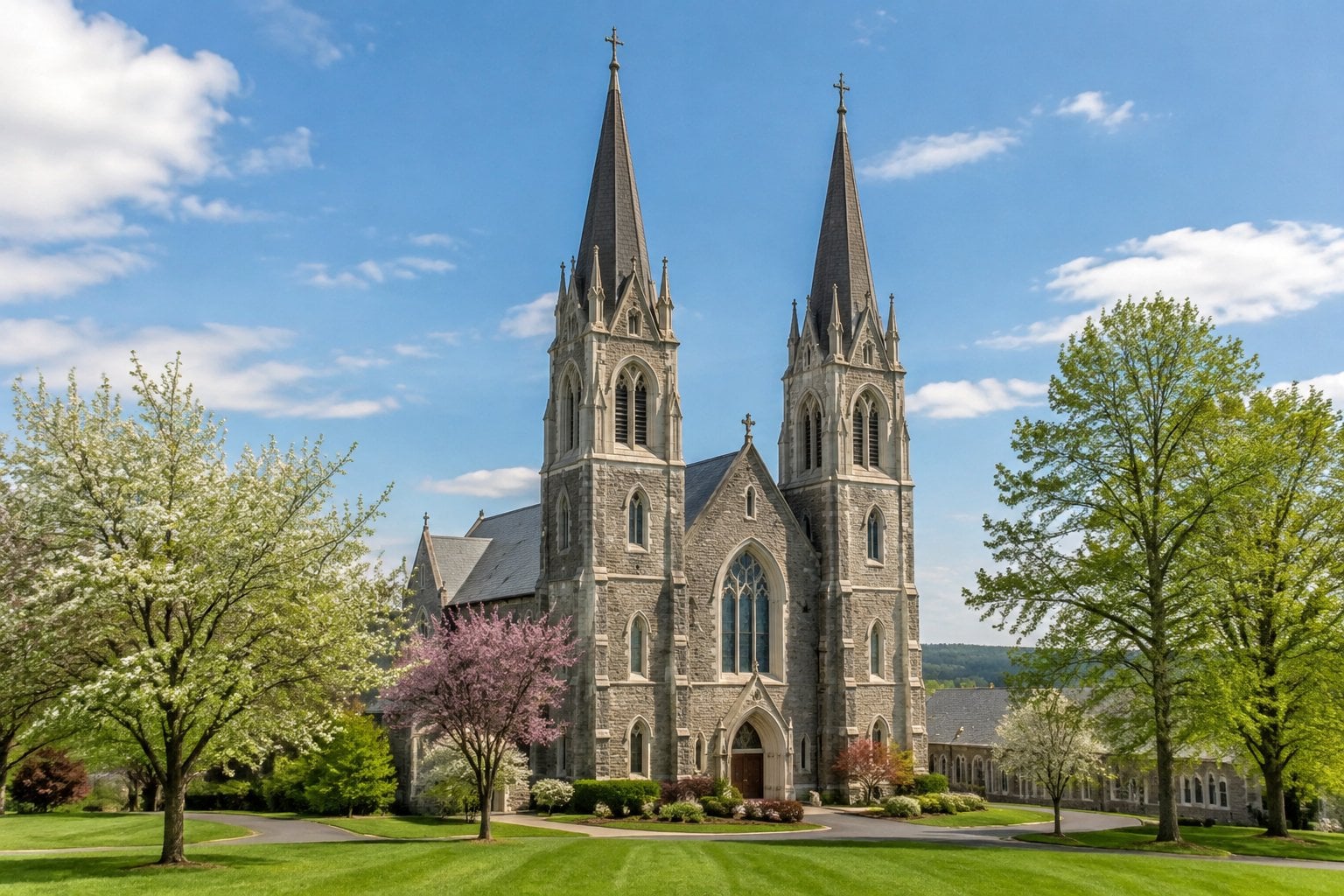
Villanova, in the suburbs west of Philadelphia, ranked seventh. Of its 206 first-time takers, 188 passed, a rate of 91.26%. The ABA weighted average for the same states was 80.14%, putting Villanova 11.12 points above it.
For fall 2025, Villanova received 2,889 applications and made 749 offers, an acceptance rate of 25.93%. It enrolled 232 full-time students, with a median LSAT score of 164 and a median GPA of 3.80.
Villanova is less expensive than most of the private schools near the top of this list. Tuition for 2025-26 is $59,800, plus $950 in fees, and the school estimates living costs at $25,492 a year.
The ABA report shows no first-year students leaving for academic reasons and two leaving for other reasons. Total J.D. enrollment was 597. Villanova is one of seven Pennsylvania schools on this list, more than any state except New York.
8. Columbia Law School (New York, New York)
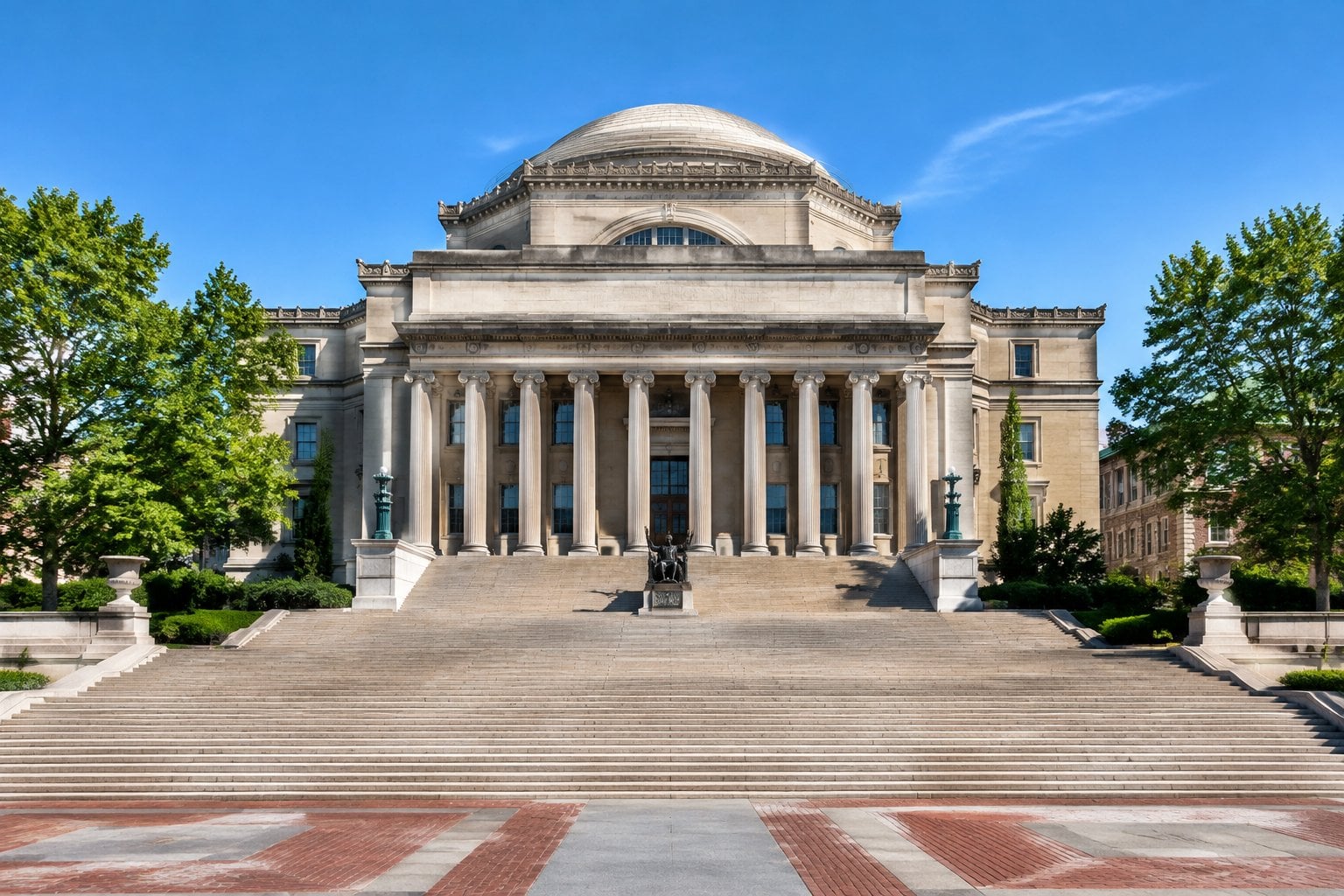
Columbia ranked eighth. Of its 506 first-time takers, 485 passed, a rate of 95.85%. Like NYU, it faced one of the highest benchmarks on this list: the ABA weighted average for the same states was 84.98%, which put Columbia 10.87 points above it.
Columbia is the most expensive school on this list. Tuition for 2025-26 is $85,368, the highest here, plus $3,022 in fees, for a total of $88,390 a year. It estimates living costs at $31,554.
It was also one of the most popular schools in the region, with 9,463 applications for fall 2025, second only to NYU. Columbia made 1,120 offers, an acceptance rate of 11.84%, and enrolled 444 full-time students with a median LSAT score of 173 and a median GPA of 3.92.
Total J.D. enrollment was 1,377. The ABA report shows no first-year students leaving for academic reasons and four leaving for other reasons.
9. Temple University Beasley School of Law (Philadelphia, Pennsylvania)
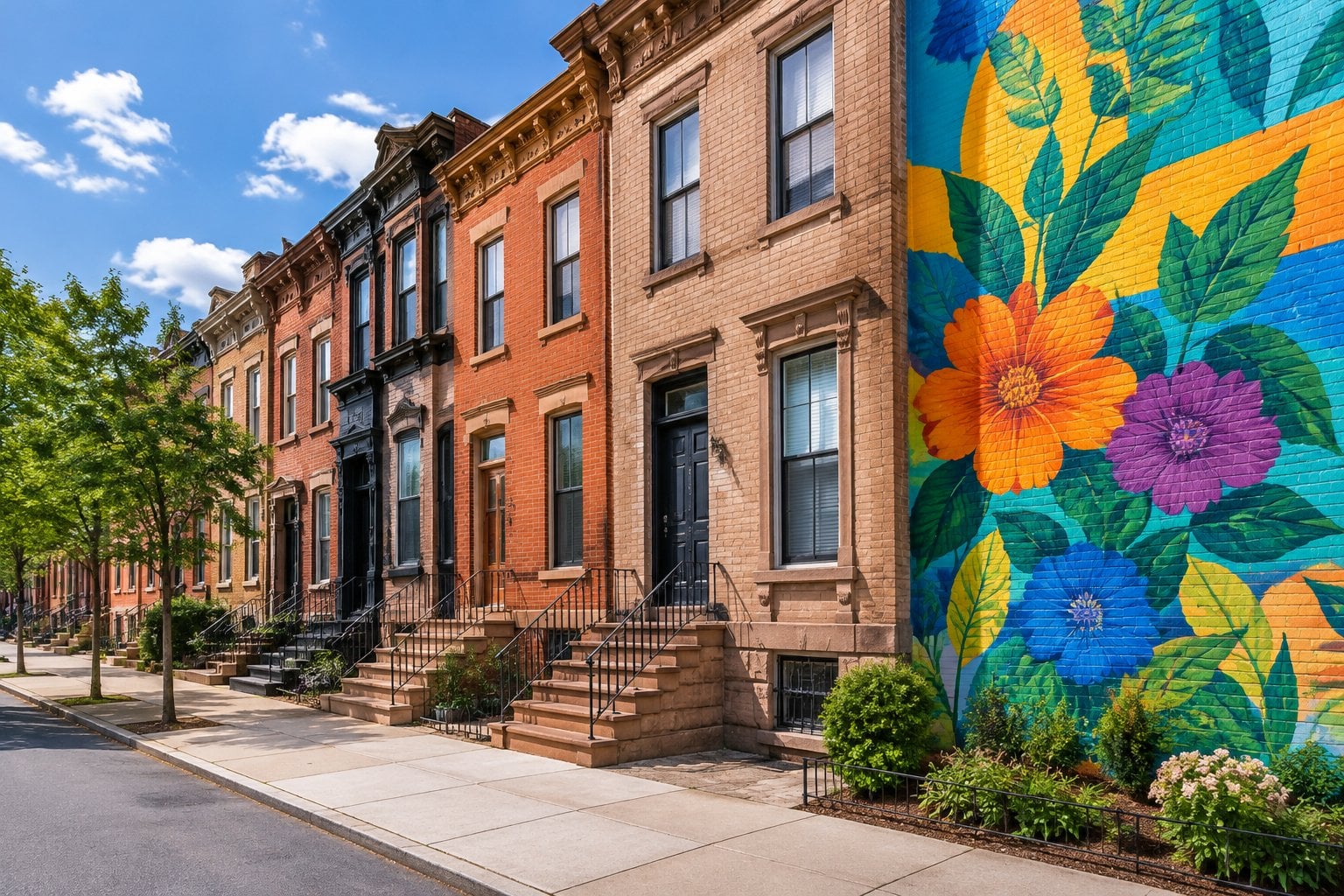
Temple, a public university in North Philadelphia, is the highest-ranked public school on this list. Of its 216 first-time takers, 195 passed, a rate of 90.28%. The ABA weighted average for the same states was 79.72%, which put Temple 10.56 points above it.
Temple costs much less than the private schools around it. Tuition for 2025-26 is $32,588 for Pennsylvania residents and $48,996 for nonresidents, plus $1,549 in fees. The school estimates living costs at $27,812 a year.
For fall 2025, Temple received 3,043 applications and made 742 offers, an acceptance rate of 24.38%. It enrolled 237 new students, 208 full-time and 29 part-time. The median LSAT score was 165 and the median GPA was 3.76.
Total J.D. enrollment was 685. The ABA report shows one first-year student leaving for academic reasons and two for other reasons.
10. Boston College Law School (Newton, Massachusetts)
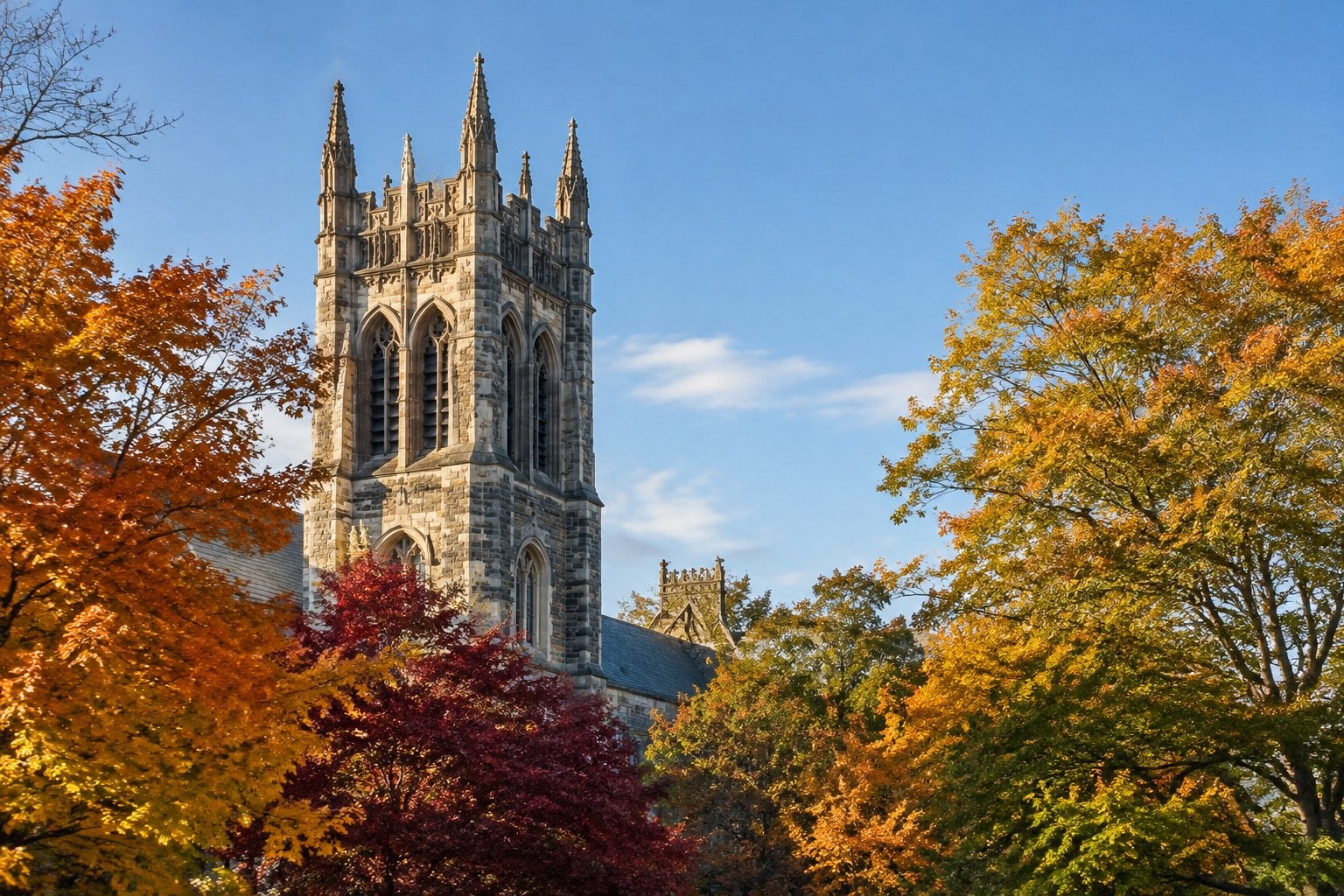
Boston College rounds out the top ten. Of its 340 first-time takers, 319 passed, a rate of 93.82%. The ABA weighted average for the same states was 83.55%, putting BC 10.27 points above it.
BC is very selective. For fall 2025, it received 7,668 applications and made only 650 offers, an acceptance rate of 8.48%, the third-lowest on this list after Yale and Penn. It enrolled 219 full-time students with a median LSAT score of 168 and a median GPA of 3.83.
Tuition for 2025-26 is $72,380, and the school lists $375 in fees. BC estimates living costs at $25,726 a year.
The ABA report shows no first-year students leaving for academic reasons and one leaving for other reasons. Total J.D. enrollment was 634.
11. University of Maine School of Law (Portland, Maine)
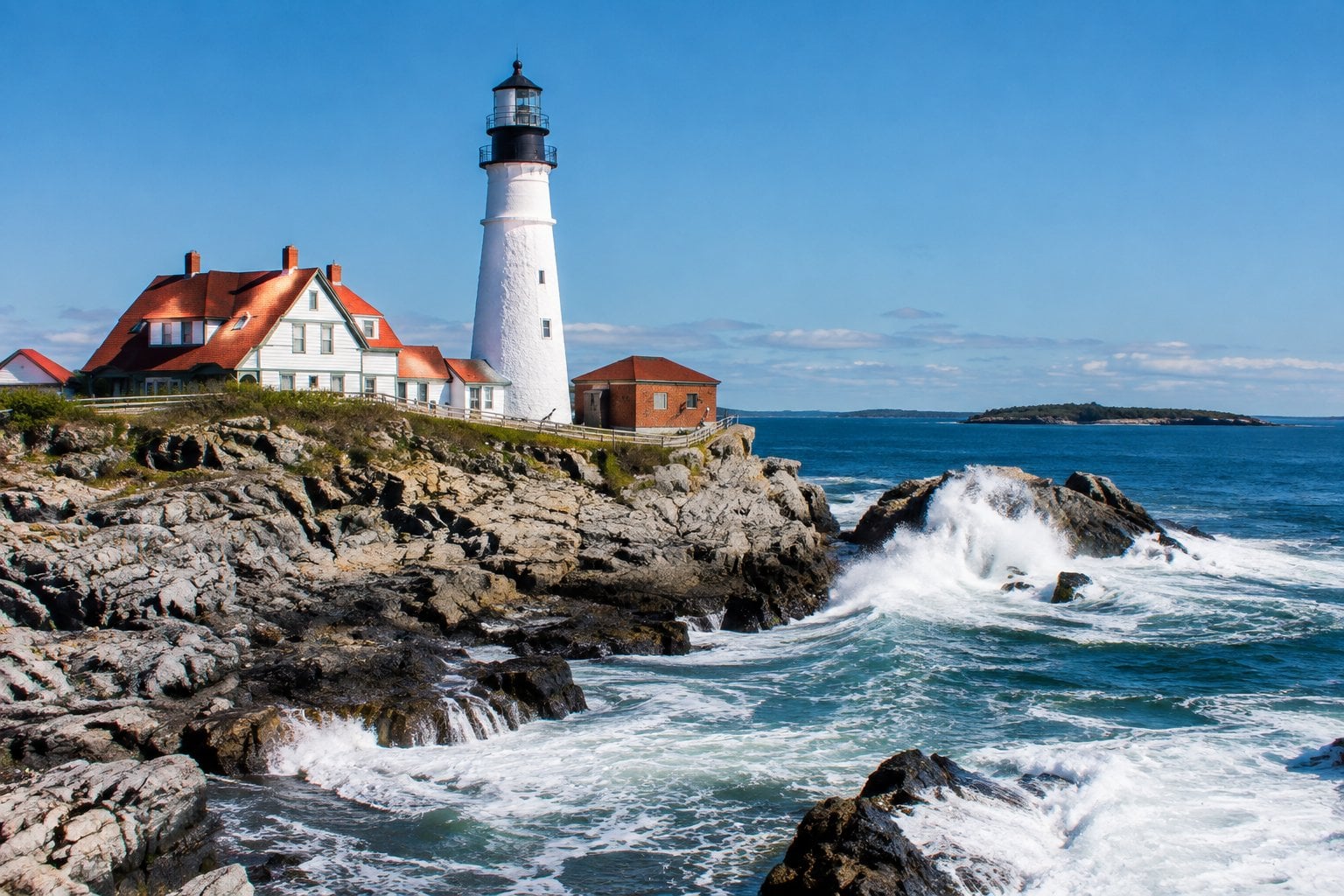
Maine’s only law school is also the smallest on this list. Of its 77 first-time takers, the fewest of any school here, 65 passed, a rate of 84.42%. The ABA weighted average for the same states was 75.15%, which put Maine 9.27 points above it.
Maine is one of the most affordable schools in the region. Tuition for 2025-26 is $26,100 for Maine residents, the lowest resident tuition on this list, and $38,160 for nonresidents, plus $4,060 in fees. Its living-cost estimate is $26,214 a year.
For fall 2025, the school received 915 applications and made 341 offers, an acceptance rate of 37.27%. It enrolled 104 full-time students, the smallest entering class here, with a median LSAT score of 158 and a median GPA of 3.70.
Total J.D. enrollment was 286, the smallest on this list. The ABA report shows no first-year students leaving for academic reasons and three leaving for other reasons.
12. Boston University School of Law (Boston, Massachusetts)
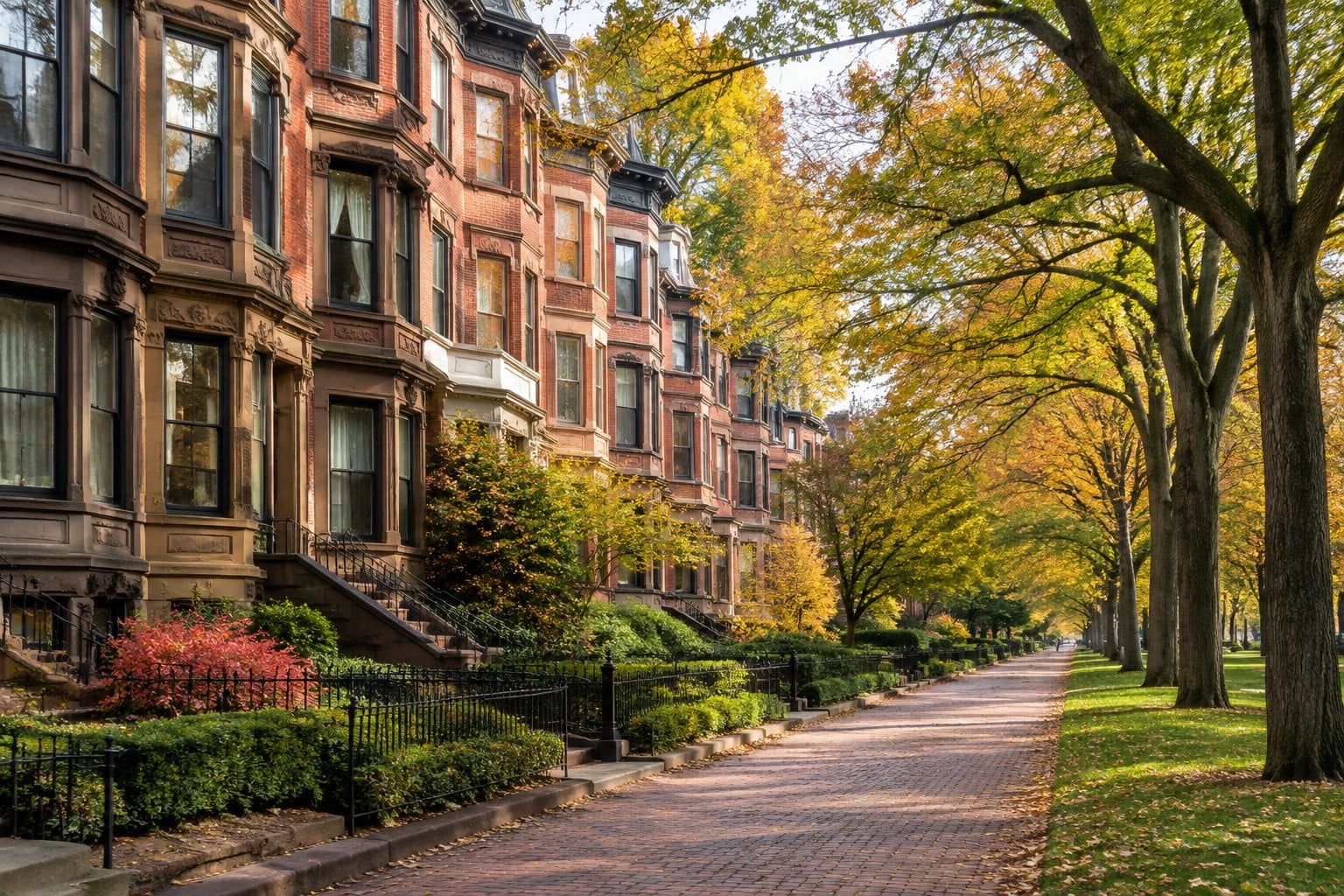
Boston University ranked 12th. Of its 298 first-time takers, 275 passed, a rate of 92.28%. The ABA weighted average for the same states was 83.3%, putting BU 8.98 points above it.
BU’s entering class was one of the strongest in the region on paper. For fall 2025, it received 7,892 applications and made 953 offers, an acceptance rate of 12.08%. It enrolled 238 full-time students with a median LSAT score of 170, the highest median on this list outside the top eight, and a median GPA of 3.88.
Tuition for 2025-26 is $69,870, plus $1,512 in fees. BU’s living-cost estimate is $21,532 a year, one of the three lowest on this list.
The ABA report shows no first-year students leaving BU for academic or other reasons. Total J.D. enrollment was 691.
13. Duquesne University Kline School of Law (Pittsburgh, Pennsylvania)

Duquesne, a private Catholic university in Pittsburgh, ranked 13th. Of its 151 first-time takers, 134 passed, a rate of 88.74%. The ABA weighted average for the same states was 80.14%, which put Duquesne 8.6 points above it.
Duquesne did this with one of the lower-scoring entering classes in the top half of the list. Its fall 2025 class had a median LSAT score of 157 and a median GPA of 3.62. It received 1,432 applications and made 619 offers, an acceptance rate of 43.23%, and enrolled 184 new students, 154 full-time and 30 part-time.
Tuition for 2025-26 is $58,898, plus $1,220 in fees, and the school estimates living costs at $24,318 a year.
Total J.D. enrollment was 528. The ABA report shows seven first-year students, about 4%, leaving for academic reasons.
14. University of Connecticut School of Law (Hartford, Connecticut)
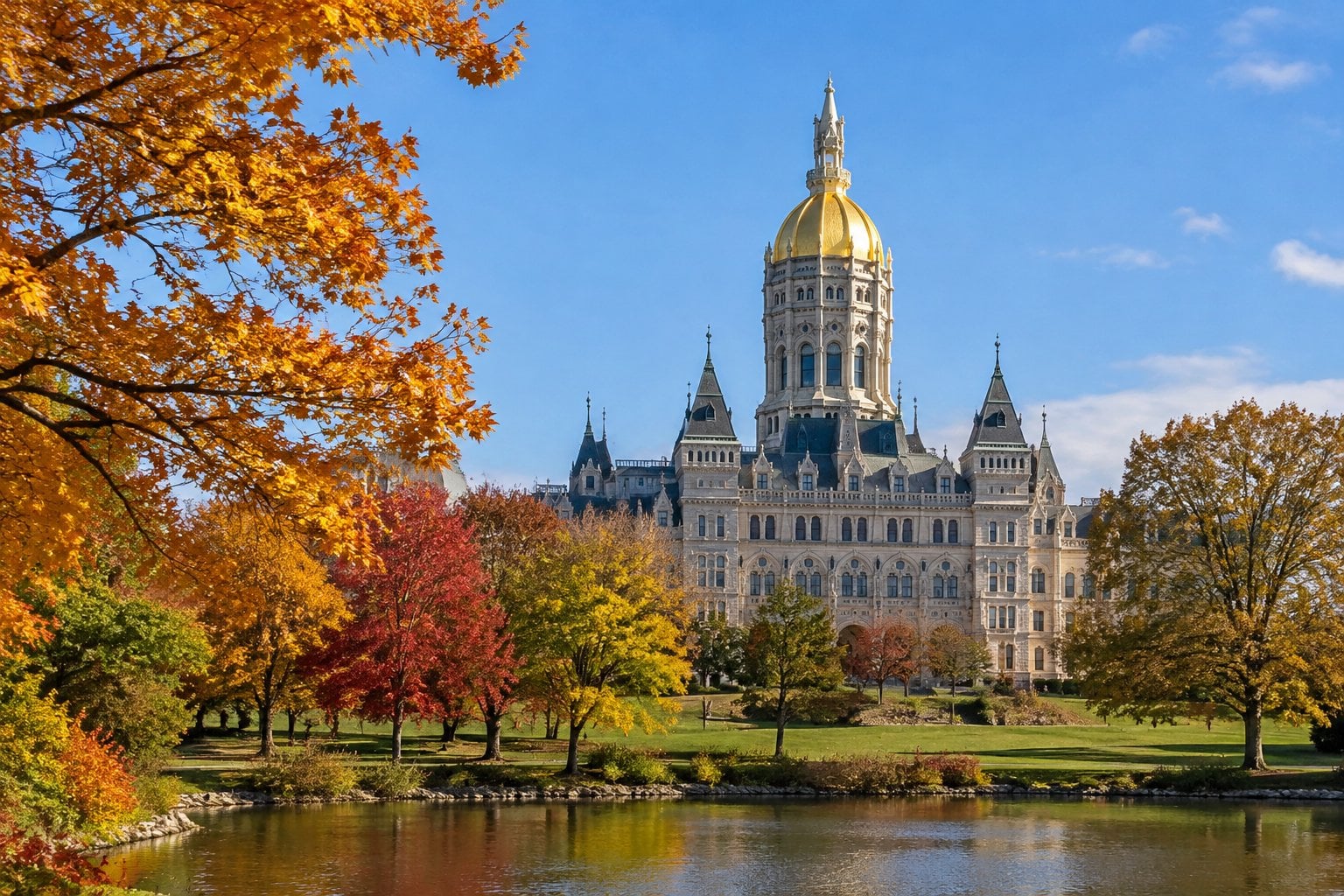
UConn, the state’s public law school in Hartford, ranked 14th. Of its 150 first-time takers, 126 passed, a rate of 84%. The ABA weighted average for the same states was 75.84%, putting UConn 8.16 points above it.
Tuition for 2025-26 is $30,354 for Connecticut residents and $61,396 for nonresidents, plus $1,246 in fees. With fees, the in-state price of $31,600 is the third-lowest on this list. The school estimates living costs at $25,860 a year.
For fall 2025, UConn received 2,299 applications and made 461 offers, an acceptance rate of 20.05%. It enrolled 151 new students, 125 full-time and 26 part-time. The median LSAT score was 162 and the median GPA was 3.78.
Total J.D. enrollment was 479. The ABA report shows no first-year students leaving for academic reasons and one leaving for other reasons.
15. Penn State Dickinson Law (Carlisle, Pennsylvania)
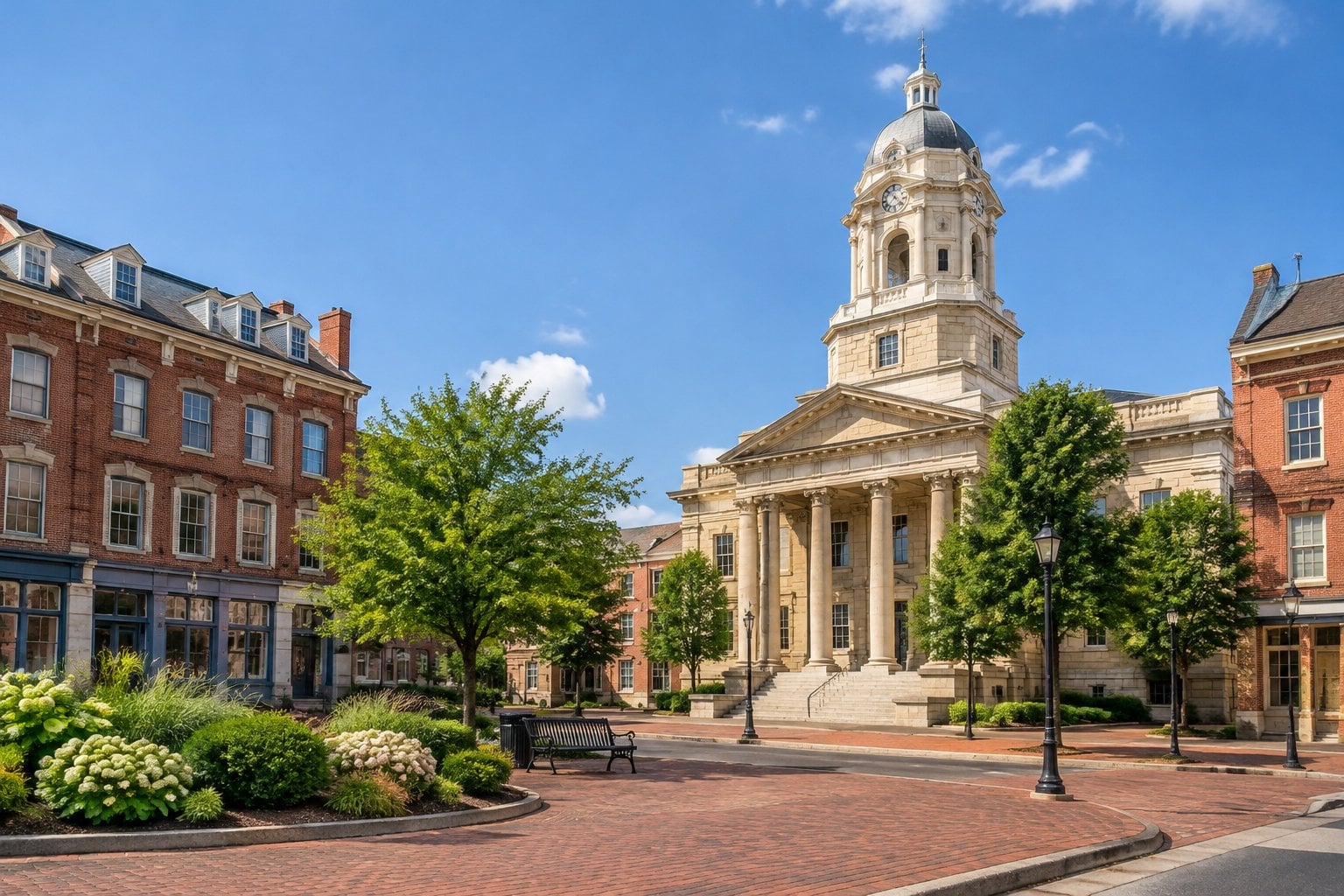
Penn State Dickinson Law ranked 15th. Of its 216 first-time takers, 188 passed, a rate of 87.04%. The ABA weighted average for the same states was 79.66%, which put the school 7.38 points above it.
The ABA lists Penn State Dickinson as a public school, but its price is close to the private schools in the state. Tuition for 2025-26 is $60,048 for both residents and nonresidents, plus $431 in fees. It estimates living costs at $28,094 a year.
For fall 2025, the school received 1,912 applications and made 822 offers, an acceptance rate of 42.99%. It enrolled 215 full-time students, with a median LSAT score of 159 and a median GPA of 3.71.
Total J.D. enrollment was 665. The ABA report shows one first-year student leaving for academic reasons and one for other reasons.
16. Fordham University School of Law (New York, New York)
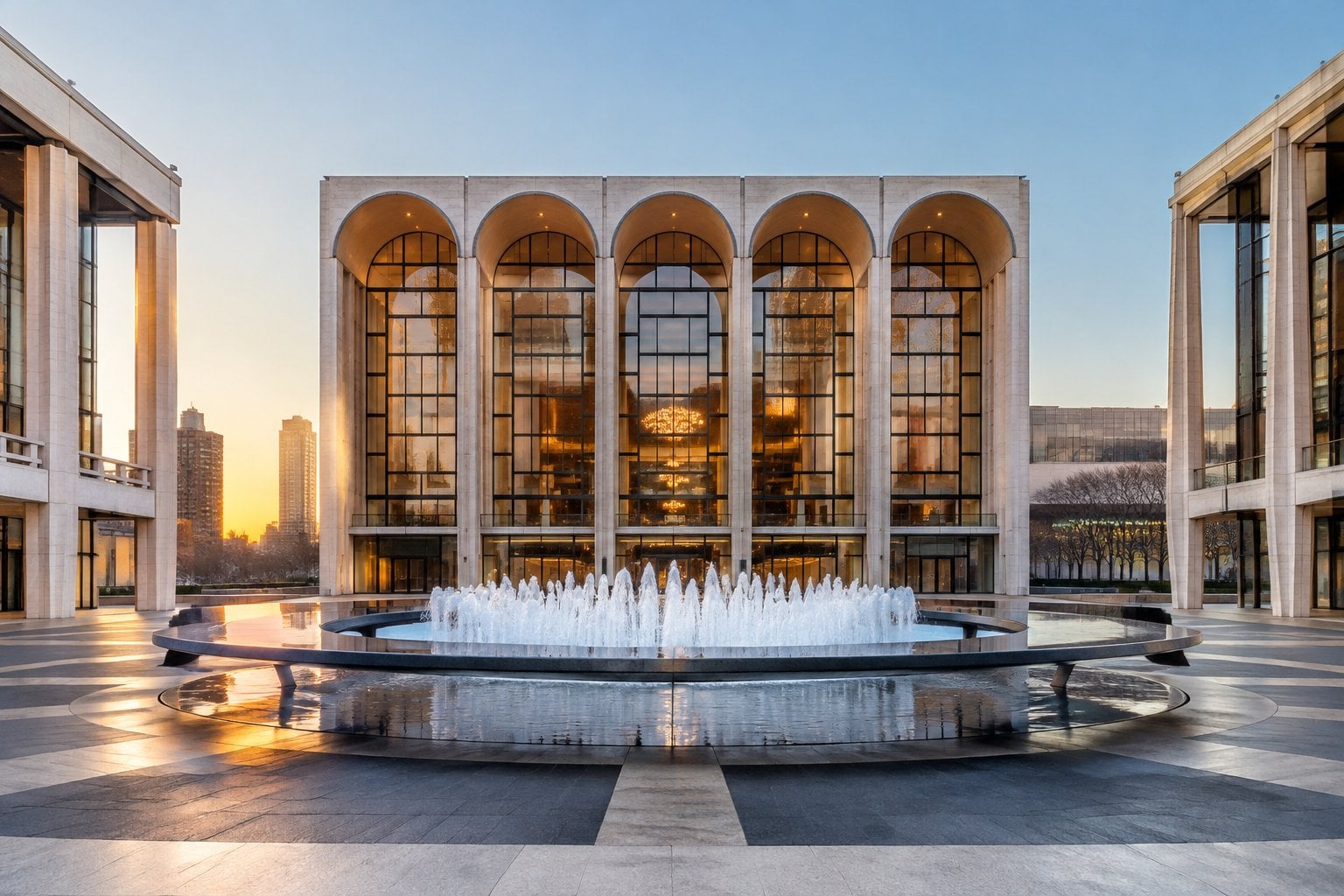
Fordham, near Lincoln Center in Manhattan, ranked 16th. Of its 456 first-time takers, 424 passed, a rate of 92.98%. The ABA weighted average for the same states was 85.77%, one of the highest benchmarks on this list, which left Fordham 7.21 points above it.
Fordham is one of the largest schools in the region. For fall 2025, it received 8,811 applications and made 1,429 offers, an acceptance rate of 16.22%. It enrolled 444 new students, 374 full-time and 70 part-time. The median LSAT score was 168 and the median GPA was 3.79.
Tuition for 2025-26 is $78,078, plus $1,170 in fees. Fordham’s living-cost estimate is $37,354 a year, one of the highest here.
Total J.D. enrollment was 1,352. The ABA report shows no first-year students leaving for academic reasons and two leaving for other reasons.
17. University of Pittsburgh School of Law (Pittsburgh, Pennsylvania)
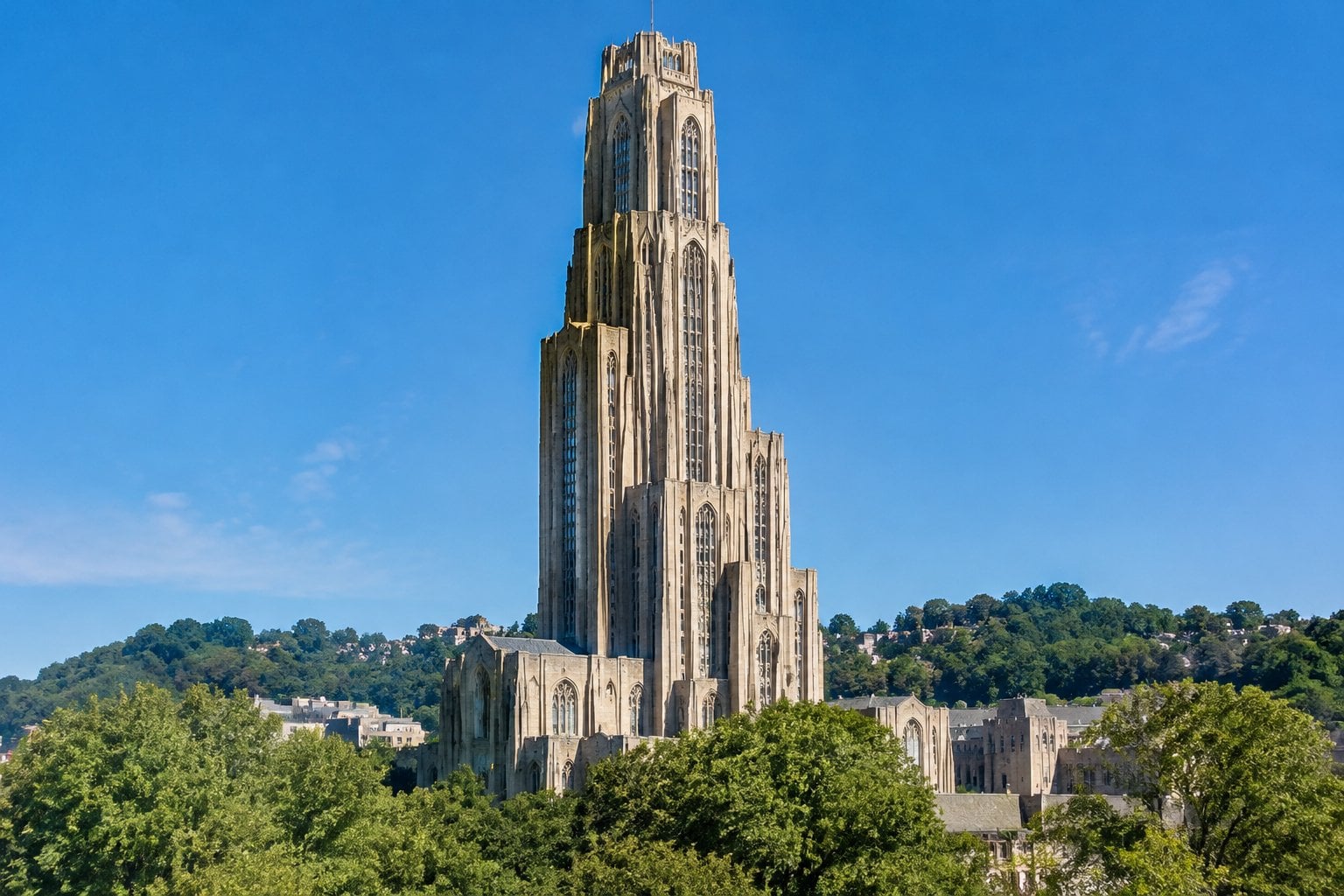
Pitt is the second Pittsburgh school on this list. Of its 139 first-time takers, 120 passed, a rate of 86.33%. The ABA weighted average for the same states was 80.21%, putting Pitt 6.12 points above it.
Pitt has the lowest living-cost estimate on this list: $20,346 a year. Tuition for 2025-26 is $39,936 for Pennsylvania residents and $53,434 for nonresidents, plus $1,697 in fees.
For fall 2025, the school received 1,606 applications and made 560 offers, an acceptance rate of 34.87%. It enrolled 155 full-time students with a median LSAT score of 160 and a median GPA of 3.54.
Pitt is one of the smaller schools here, with a total J.D. enrollment of 389. The ABA report shows one first-year student leaving for academic reasons and none for other reasons.
18. Drexel University Kline School of Law (Philadelphia, Pennsylvania)

Drexel is the third Philadelphia school on this list, after Penn and Temple. Of its 140 first-time takers, 119 passed, a rate of 85%. The ABA weighted average for the same states was 79.48%, which put Drexel 5.52 points above it.
For fall 2025, Drexel received 2,689 applications and made 797 offers, an acceptance rate of 29.64%. It enrolled 181 full-time students, with a median LSAT score of 160 and a median GPA of 3.76.
Tuition for 2025-26 is $57,000, plus $1,850 in fees, and the school estimates living costs at $28,022 a year.
Total J.D. enrollment was 461. The ABA report shows seven first-year students, about 3%, leaving for academic reasons and three for other reasons.
Drexel and Duquesne both carry the name of the same donor, Thomas R. Kline, a Philadelphia trial lawyer, so Pennsylvania has two Kline Schools of Law, and both made this list.
19. Northeastern University School of Law (Boston, Massachusetts)
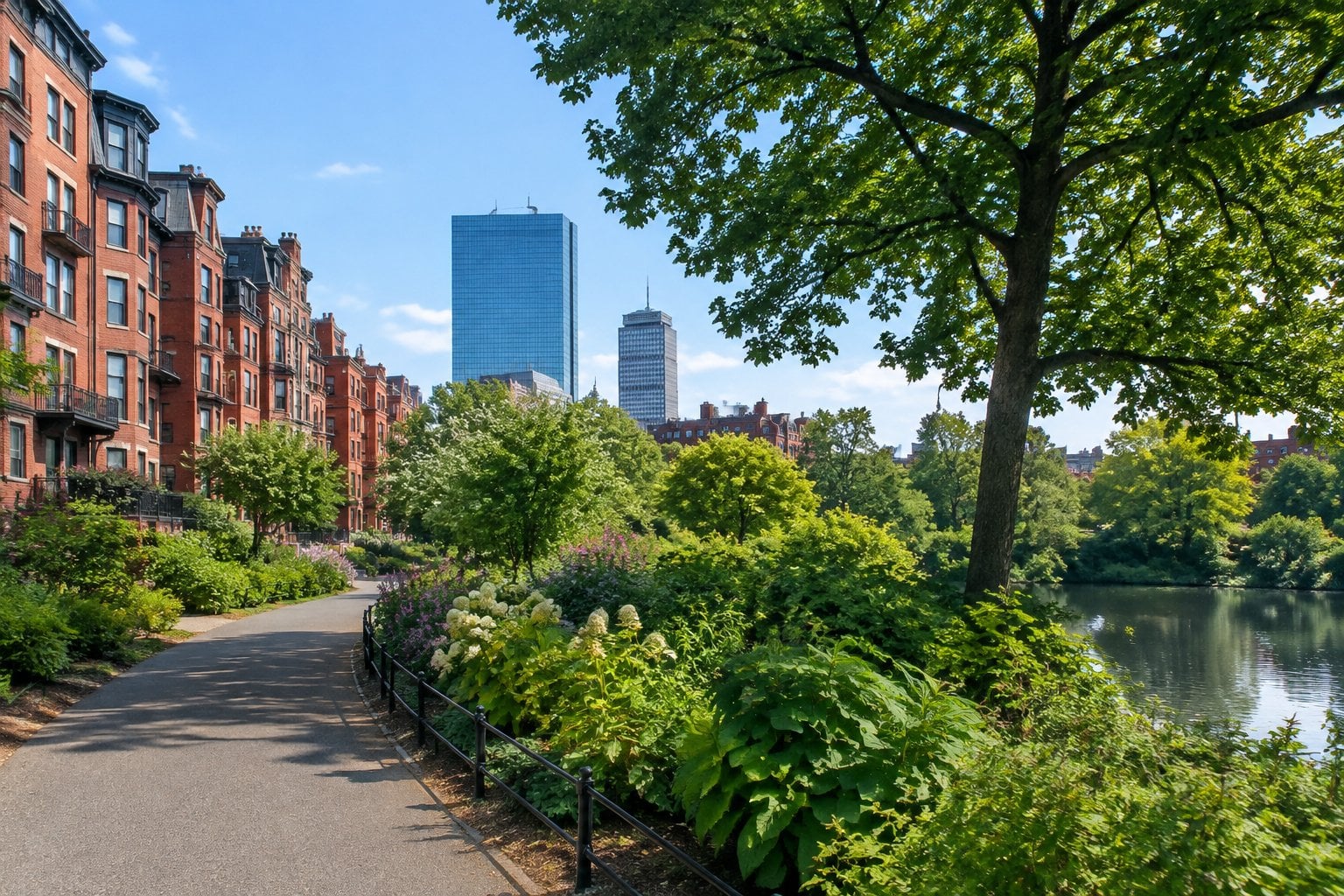
Northeastern ranked 19th. Of its 222 first-time takers, 194 passed, a rate of 87.39%. The ABA weighted average for the same states was 82.85%, putting Northeastern 4.54 points above it.
For fall 2025, Northeastern received 5,652 applications and made 1,369 offers, an acceptance rate of 24.22%. It enrolled 283 new students, 233 full-time and 50 part-time. The median LSAT score was 164 and the median GPA was 3.77.
Tuition for 2025-26 is $65,652, and Northeastern lists only $198 in fees, the lowest fees on this list. It estimates living costs at $22,900 a year.
Total J.D. enrollment was 786. The ABA report shows no first-year students leaving for academic reasons and one leaving for other reasons. Northeastern is one of six Massachusetts schools on this list.
20. Benjamin N. Cardozo School of Law (New York, New York)
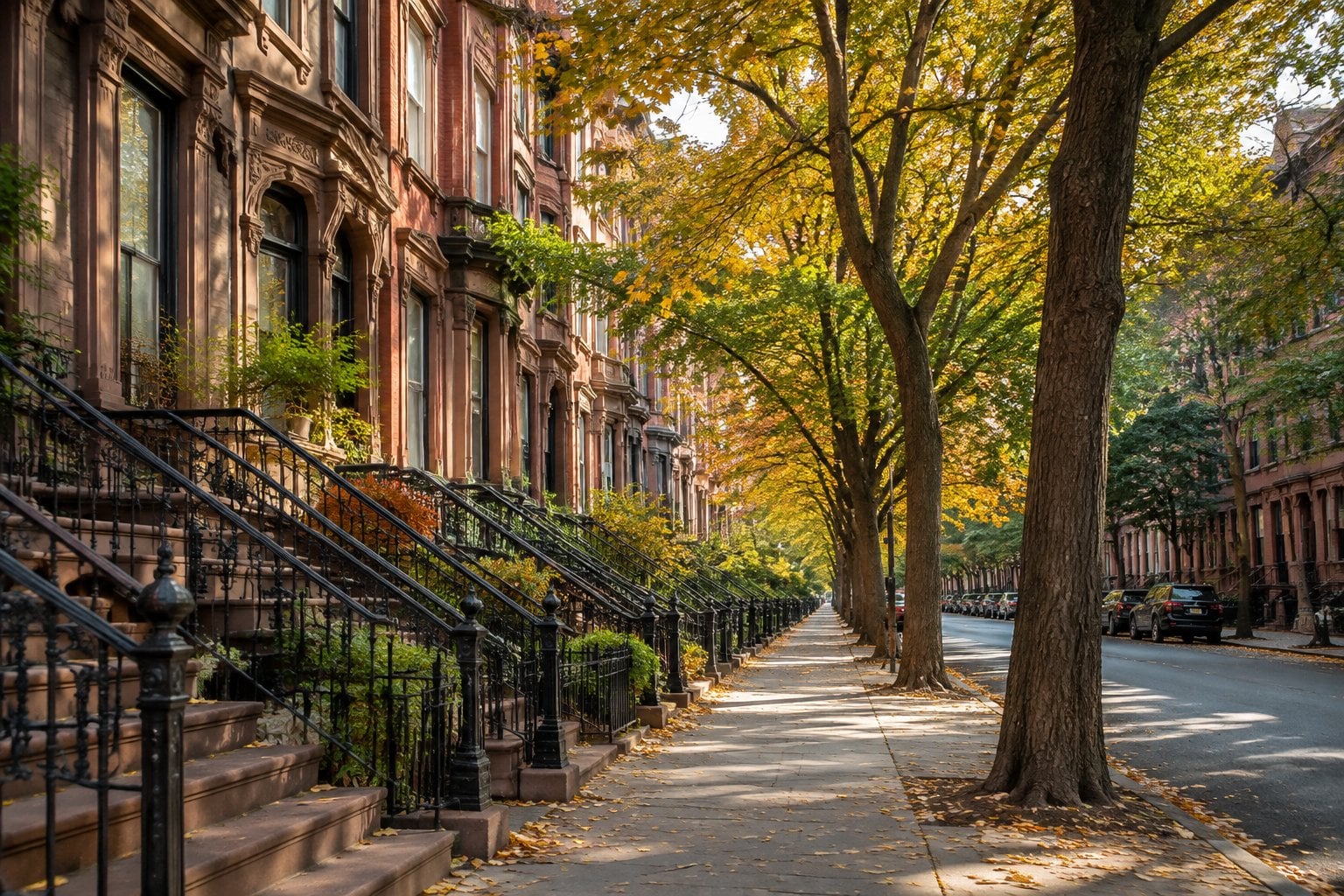
Cardozo, part of Yeshiva University, is in Greenwich Village in Manhattan. Of its 321 first-time takers, 284 passed, a rate of 88.47%. The ABA weighted average for the same states was 85.16%, which put Cardozo 3.31 points above it.
For fall 2025, Cardozo received 3,833 applications and made 1,133 offers, an acceptance rate of 29.56%. It enrolled 326 full-time students with a median LSAT score of 165 and a median GPA of 3.78.
Tuition for 2025-26 is $74,438, plus $2,020 in fees, and the school estimates living costs at $34,114 a year.
Total J.D. enrollment was 946. The ABA report shows no first-year students leaving for academic reasons and three leaving for other reasons.
21. St. John’s University School of Law (Queens, New York)
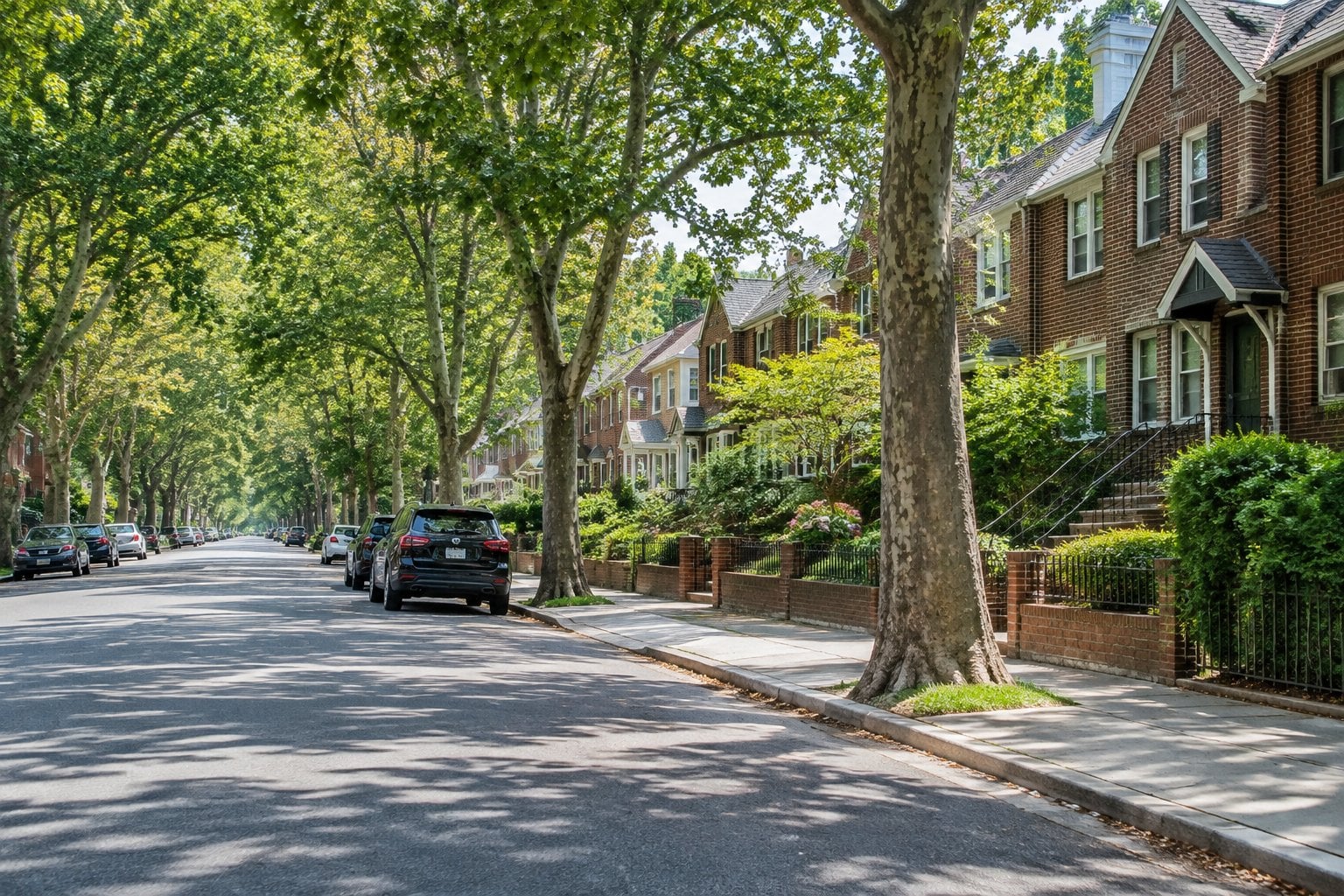
St. John’s, in Queens, ranked 21st. Of its 261 first-time takers, 229 passed, a rate of 87.74%. Its graduates faced one of the toughest benchmarks on this list: the ABA weighted average for the same states was 86.11%, which put St. John’s 1.63 points above it.
For fall 2025, the school received 4,417 applications and made 1,018 offers, an acceptance rate of 23.05%. It enrolled 241 new students, 238 full-time and 3 part-time. The median LSAT score was 164 and the median GPA was 3.81.
Tuition for 2025-26 is $75,170, plus $1,572 in fees. St. John’s estimates living costs at $32,728 a year.
The ABA report shows no first-year students leaving St. John’s for academic or other reasons. Total J.D. enrollment was 758.
22. University of New Hampshire Franklin Pierce School of Law (Concord, New Hampshire)
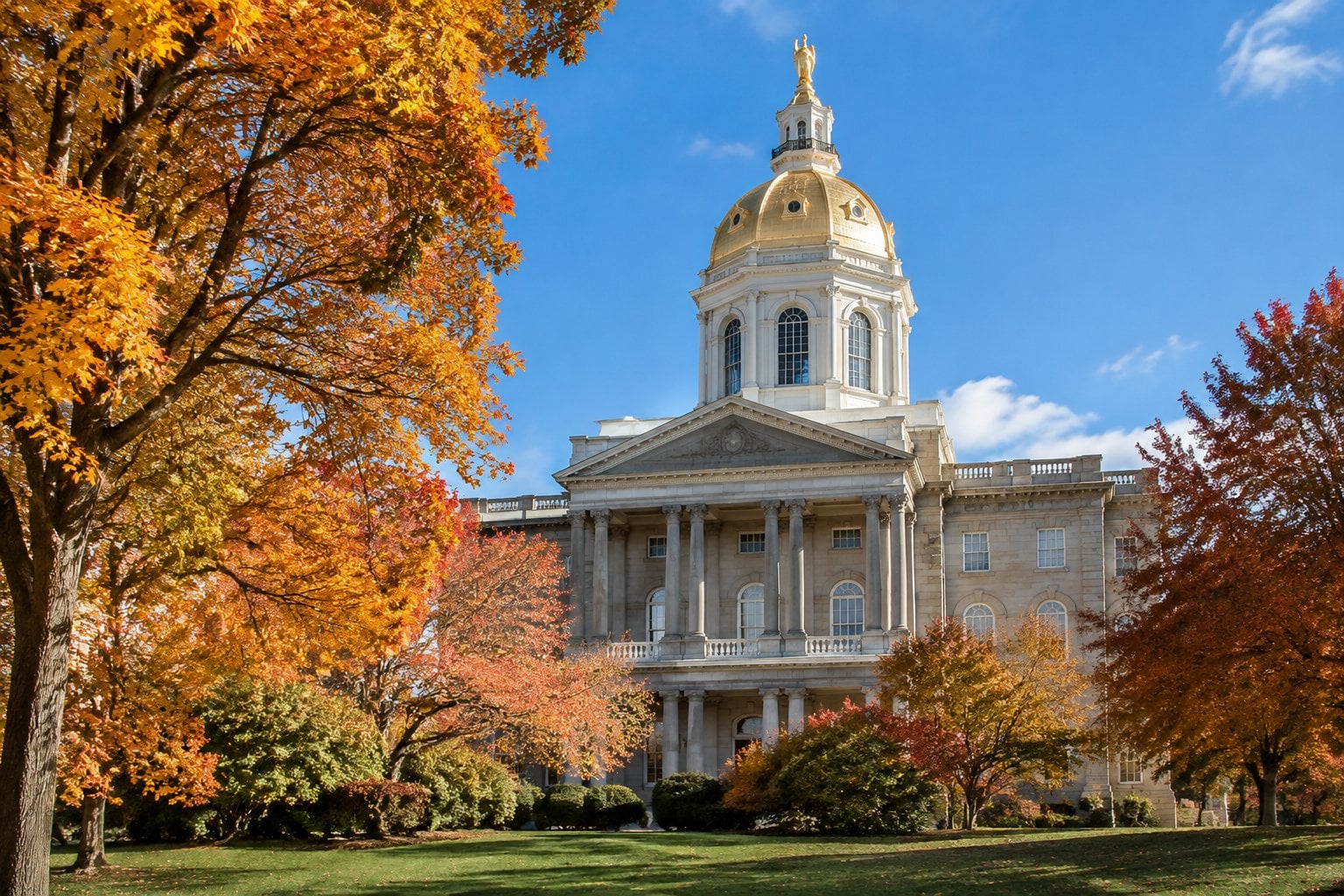
UNH, New Hampshire’s only law school, ranked 22nd. Of its 156 first-time takers, 124 passed, a rate of 79.49%. The ABA weighted average for the same states was 79.2%, which put UNH 0.29 points above it.
UNH and Syracuse finished with the same margin, 0.29 points, the closest result between any two schools on this list. They are listed in the ABA’s order.
UNH had the most part-time students in its entering class of any school here except New England Law: 92 of its 248 new students in fall 2025. It received 1,455 applications and made 756 offers, an acceptance rate of 51.96%. The median LSAT score was 155 and the median GPA was 3.50.
Tuition for 2025-26 is $42,000 for New Hampshire residents and $50,000 for nonresidents, plus $348 in fees. Living costs are estimated at $27,094 a year. Total J.D. enrollment was 685.
23. Syracuse University College of Law (Syracuse, New York)
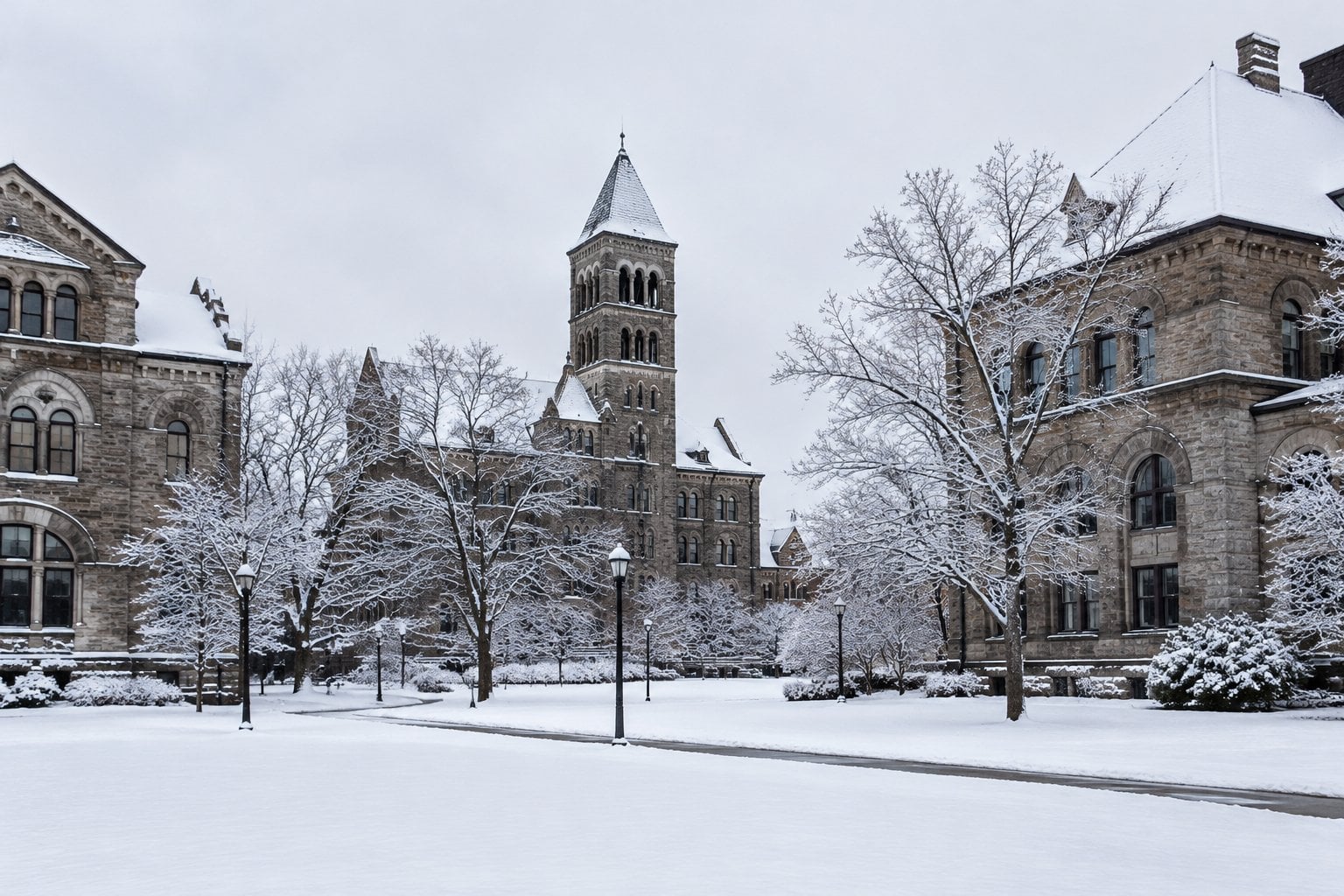
Syracuse is the last school on this list that finished above its average. Of its 193 first-time takers, 160 passed, a rate of 82.9%. The ABA weighted average for the same states was 82.61%, putting Syracuse 0.29 points above it.
For fall 2025, the school received 2,752 applications and made 952 offers, an acceptance rate of 34.59%. It enrolled 271 full-time students, with a median LSAT score of 158 and a median GPA of 3.60.
Tuition for 2025-26 is $64,650, plus $2,290 in fees. Syracuse estimates living costs at $24,472 a year.
The ABA report shows 11 first-year students, about 3%, leaving for academic reasons and 21, about 6%, leaving for other reasons, the most other-reason departures on this list. Total J.D. enrollment was 750.
24. Quinnipiac University School of Law (North Haven, Connecticut)
Quinnipiac is the first school on this list that finished below its average, but only just. Of its 114 first-time takers, 84 passed, a rate of 73.68%. The ABA weighted average for the same states was 73.89%, the lowest benchmark on this list, which left Quinnipiac 0.21 points below it.
For fall 2025, Quinnipiac received 1,485 applications and made 640 offers, an acceptance rate of 43.1%. It enrolled 135 new students, 115 full-time and 20 part-time. The median LSAT score was 155 and the median GPA was 3.65.
Tuition for 2025-26 is $56,610, plus $1,150 in fees, and the school estimates living costs at $29,274 a year.
Total J.D. enrollment was 392. The ABA report shows four first-year students leaving for academic reasons and four for other reasons. Quinnipiac is the third Connecticut school on this list, along with Yale and UConn.
25. University at Buffalo School of Law (Buffalo, New York)

Buffalo, part of the State University of New York, ranked 25th. Of its 154 first-time takers, 132 passed, a rate of 85.71%. That is a higher raw rate than six schools ranked above it, but the ABA weighted average for the same states was 86.24%, the highest benchmark on this list, which left Buffalo 0.53 points below it.
Buffalo is the least expensive school on this list. Tuition for 2025-26 is $26,430 for New York residents and $32,100 for nonresidents, plus $3,320 in fees. With fees, the in-state total is $29,750, and the nonresident total is also the lowest here. Living costs are estimated at $24,814 a year.
For fall 2025, the school received 977 applications and made 414 offers, an acceptance rate of 42.37%. It enrolled 167 full-time students with a median LSAT score of 157 and a median GPA of 3.71.
Total J.D. enrollment was 430. The ABA report shows 12 first-year students, about 8%, leaving for academic reasons.
26. Brooklyn Law School (Brooklyn, New York)
Brooklyn Law School, in downtown Brooklyn, ranked 26th. Of its 393 first-time takers, 332 passed, a rate of 84.48%. The ABA weighted average for the same states was 85.73%, which left Brooklyn 1.25 points below it.
Brooklyn is one of the larger schools here. For fall 2025, it received 4,600 applications and made 2,024 offers, an acceptance rate of 44%. It enrolled 414 new students, 380 full-time and 34 part-time. The median LSAT score was 161 and the median GPA was 3.59.
Tuition for 2025-26 is $75,496, plus $1,450 in fees. The school estimates living costs at $36,528 a year.
Total J.D. enrollment was 1,126. The ABA report shows 17 first-year students, about 4%, leaving for academic reasons and eight for other reasons.
27. Rutgers Law School (Newark and Camden, New Jersey)

Rutgers, New Jersey’s public law school, has two campuses, in Newark and in Camden. Of its 434 first-time takers, 316 passed, a rate of 72.81%, the lowest raw rate on this list. The ABA weighted average for the same states was 75.12%, which left Rutgers 2.31 points below it.
Rutgers enrolled the second-largest entering class on this list after Harvard: 489 new students in fall 2025, 404 full-time and 85 part-time. It received 4,305 applications and made 1,444 offers, an acceptance rate of 33.54%. The median LSAT score was 158 and the median GPA was 3.66.
Tuition for 2025-26 is $31,577 for New Jersey residents and $47,863 for nonresidents, plus $4,030 in fees. The school estimates living costs at $33,190 a year.
Total J.D. enrollment was 1,339. The ABA report shows one first-year student leaving for academic reasons and eight for other reasons.
28. New York Law School (New York, New York)
New York Law School, in the Tribeca neighborhood of Manhattan, ranked 28th. Of its 337 first-time takers, 276 passed, a rate of 81.9%. The ABA weighted average for the same states was 84.68%, which left NYLS 2.78 points below it.
For fall 2025, the school received 4,114 applications and made 1,632 offers, an acceptance rate of 39.67%. It enrolled 409 new students, 356 full-time and 53 part-time. The median LSAT score was 157 and the median GPA was 3.63.
Tuition for 2025-26 is $71,052, plus $2,472 in fees, and the school estimates living costs at $23,759 a year.
Total J.D. enrollment was 1,107. The ABA report shows 24 first-year students, about 6%, leaving for academic reasons and nine for other reasons.
29. Western New England University School of Law (Springfield, Massachusetts)
Western New England, in Springfield, ranked 29th. Of its 101 first-time takers, 78 passed, a rate of 77.23%. The ABA weighted average for the same states was 80.82%, which left the school 3.59 points below it.
For fall 2025, it received 871 applications, the fewest on this list, and made 452 offers, an acceptance rate of 51.89%. It enrolled 115 new students, 78 full-time and 37 part-time. The median LSAT score was 153 and the median GPA was 3.27, the lowest median GPA here.
Tuition for 2025-26 is $50,320, plus $2,700 in fees. Its living-cost estimate is $20,731 a year, the second-lowest on this list after Pitt.
Total J.D. enrollment was 324. The ABA report shows two first-year students leaving for academic reasons and four for other reasons.
30. New England Law | Boston (Boston, Massachusetts)
New England Law completes the list. Of its 269 first-time takers, 213 passed, a rate of 79.18%. The ABA weighted average for the same states was 83.29%, which left the school 4.11 points below it. That was just three hundredths of a point better than the next school, Suffolk University, also in Boston.
New England Law had the highest acceptance rate on this list. For fall 2025, it received 3,997 applications and made 2,450 offers, the most here, an acceptance rate of 61.3%. It enrolled 451 new students, 354 full-time and 97 part-time, the most part-time entrants on this list. The median LSAT score was 153 and the median GPA was 3.37.
Tuition for 2025-26 is $62,896, plus $320 in fees. The school’s living-cost estimate is $48,437 a year, the highest here.
Total J.D. enrollment was 1,189. The ABA report shows 37 first-year students, about 9%, leaving for academic reasons, the most on this list.
What the Numbers Show
New York has the most schools on this list, ten, followed by Pennsylvania with seven and Massachusetts with six. Connecticut has three, New Jersey two, and Maine and New Hampshire one each. Rhode Island’s and Vermont’s only law schools both finished well below their averages and did not make the list. Most of the schools here are private: 22 private and 8 public.
A high raw pass rate isn’t enough on its own. New York’s benchmark was so high that Buffalo, with an 85.71% raw rate, finished below its average, while Seton Hall, at 87.21%, ranked sixth because New Jersey’s average was much lower.
Price doesn’t decide the order either. Temple, Maine and UConn all charge state residents less than $33,000 a year in tuition and finished in the top 14, ahead of several private schools that charge more than $70,000.
For more on law school costs and results, see our lists of the 30 best law schools in the U.S., the 30 worst law schools in the U.S. and the 30 most expensive law schools in the U.S. Each school’s full report is on the ABA’s required disclosures site, and the National Conference of Bar Examiners publishes pass rates by state.
This article is general information, not legal advice or a recommendation for or against any school. Figures are from the ABA’s 2025 Standard 509 and bar passage reports and may change in later reports.


