
The 30 Hardest Law Schools to Get Into

Every law school approved by the American Bar Association has to report how many applications it received and how many offers of admission it made. Those reports show that at a small group of schools, fewer than one in ten applications ends in an offer of admission.
This list ranks the 30 hardest law schools to get into in the U.S. by acceptance rate: offers of admission divided by applications, as each school reported it for the class that started in fall 2025. The figures come from the ABA’s 2025 Standard 509 Information Reports, which every ABA-approved school must publish.
Across the 196 schools in that report, the ABA counted 517,099 applications and 137,721 offers. The median school accepted about 36% of its applications. Only 34 schools accepted fewer than 20%, and just seven accepted fewer than 10%.
Applications are not the same as people. Most applicants apply to several schools, and each school counts its own applications. The other numbers in each entry come from the same ABA report: the entering class’s median LSAT score and undergraduate GPA (with the range for the middle half of the class), how many admitted students enrolled, 2025-26 tuition and fees, the share of students who received grants from the school in 2024-25, and first-time bar passage for 2024 graduates. A low acceptance rate measures demand and selectivity, not the quality of the education.
1. Yale Law School (New Haven, Connecticut)
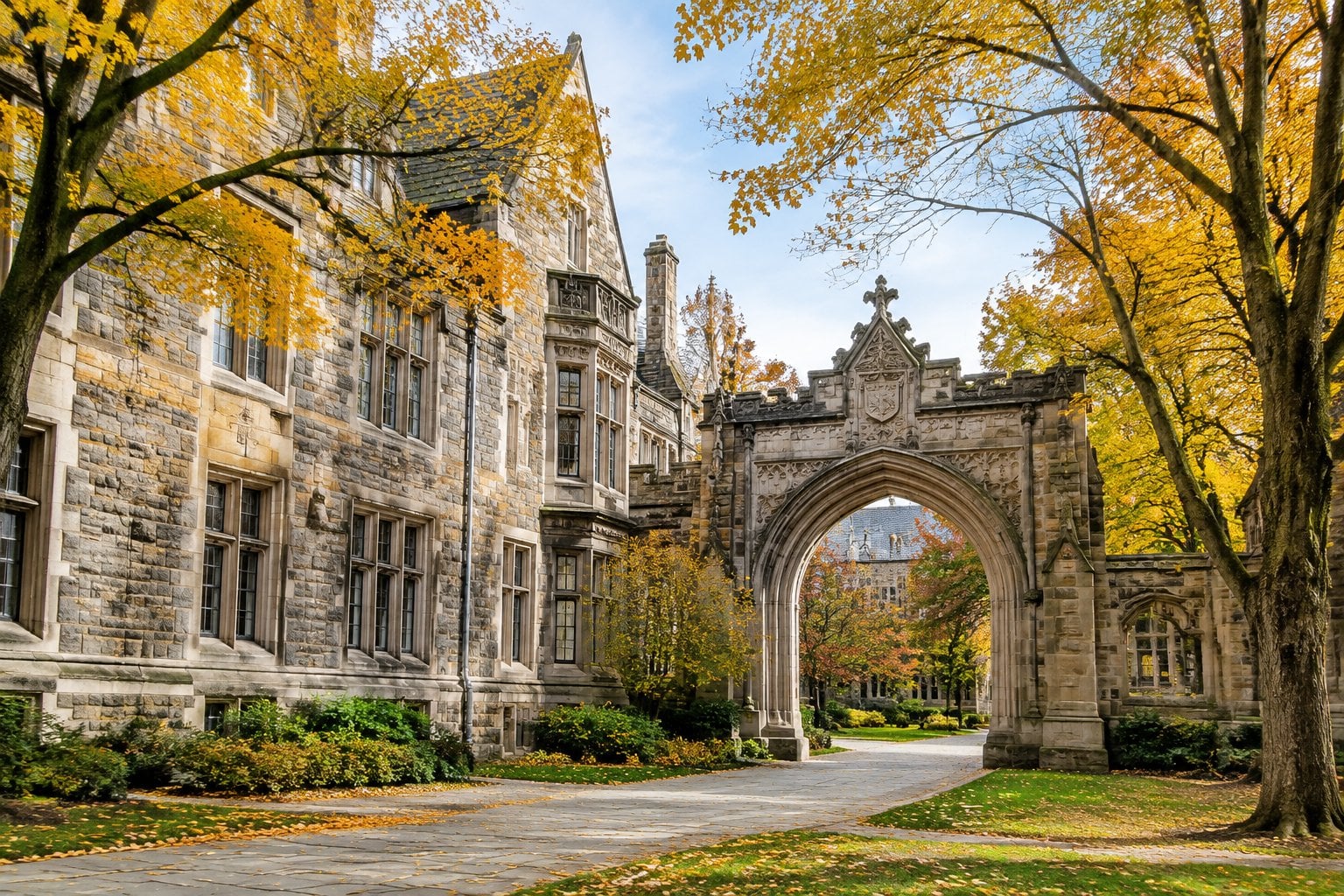
Yale is the hardest law school in the country to get into, and it is not close. For fall 2025 it received 5,562 applications and made just 226 offers, an acceptance rate of 4.06%. No other law school accepted fewer than 6% of its applications.
Students who get an offer almost always take it. Of the 226 people Yale admitted, 175 enrolled, a rate of 77%, the highest on this list. With 29 other first-year students that the ABA counts separately, the entering class totaled 204, all full-time.
The class had a median LSAT score of 174, with the middle half scoring between 171 and 177, and a median undergraduate GPA of 3.96.
Tuition for 2025-26 is $76,636, plus $2,325 in fees. In 2024-25, 63% of students received a grant from the school, and the median full-time grant was $34,747. Of Yale’s 200 first-time bar takers from the class of 2024, 96.5% passed, compared with an ABA average of 83.57% in the same states. Total J.D. enrollment was 626.
2. Stanford Law School (Stanford, California)
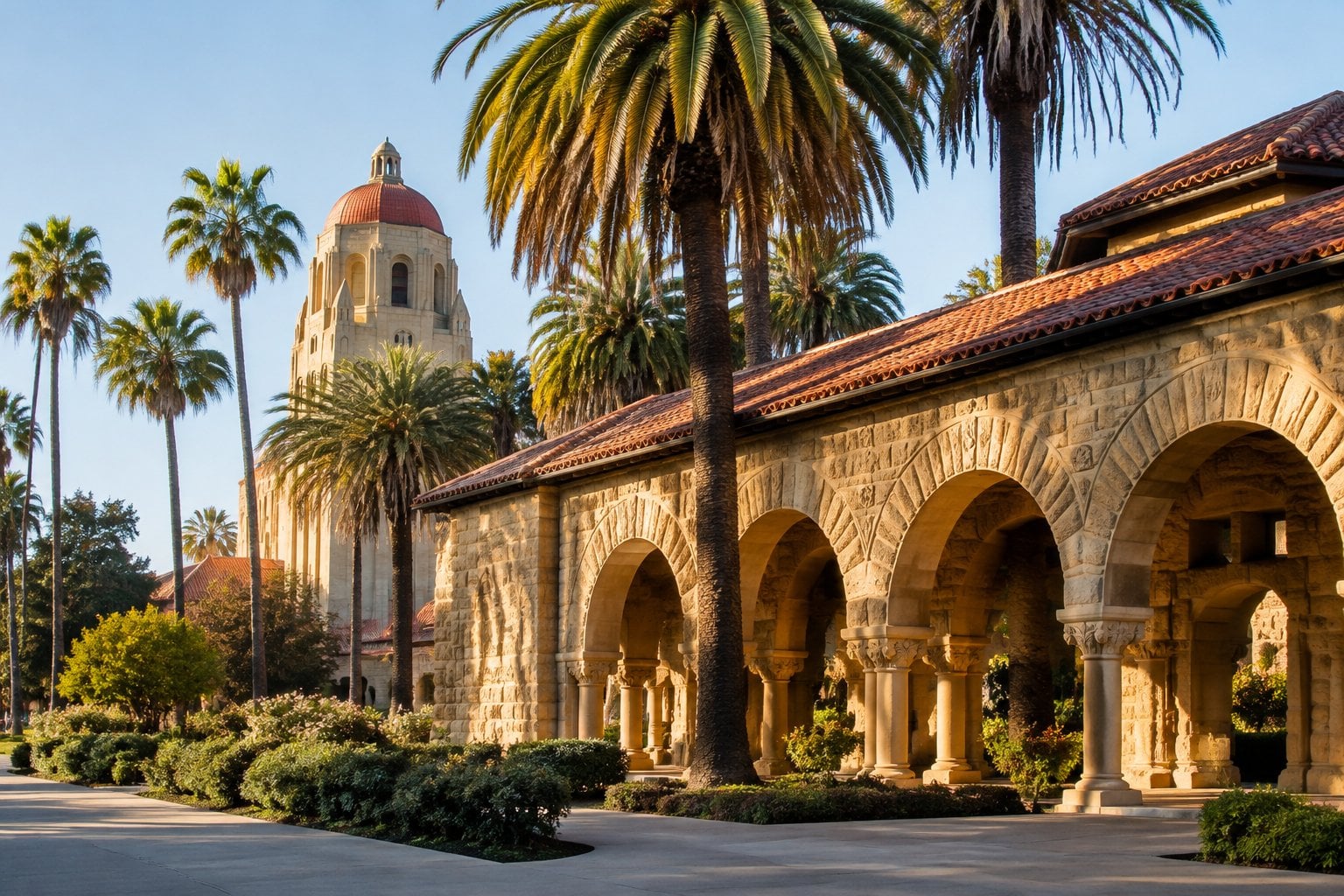
Stanford received 5,526 applications, almost exactly as many as Yale, but made 337 offers, an acceptance rate of 6.1%. That makes it the second-hardest law school to get into in the country and the most selective of the five California schools on this list.
About half of the students Stanford admitted, 173 of 337, chose to enroll. With 20 other first-year students, the entering class numbered 193, all full-time. Its median LSAT score was 173, with the middle half between 171 and 176, and its median GPA was 3.96.
Tuition for 2025-26 is $77,454, plus $2,253 in fees. Stanford’s estimate of living costs off campus, $51,102 a year, is the highest on this list. Half of its students received school grants in 2024-25, and the median full-time grant, $52,797, was also the largest here.
Of its 200 first-time bar takers from the class of 2024, 96.5% passed, compared with an ABA average of 81.4% in the same states. Total J.D. enrollment was 570.
3. University of Pennsylvania Carey Law School (Philadelphia, Pennsylvania)
Penn Carey Law drew 8,074 applications and made 650 offers, an acceptance rate of 8.05%. It enrolled 254 of the students it admitted, plus 11 other first-year students, for an entering class of 265, all full-time.
The class had a median LSAT score of 173, with the middle half between 167 and 174, and a median undergraduate GPA of 3.95. The 25th-percentile LSAT score of 167 is lower than at the two schools above it, which means Penn admitted a wider range of test scores while still turning away more than nine of every ten applications.
Tuition for 2025-26 is $78,348. Penn’s fees, $6,144 a year, are the highest on this list and bring the total to $84,492 before living costs, which the school estimates at $31,640.
In 2024-25, 59% of students received a grant from the school, with a median full-time grant of $42,246. Of Penn’s 303 first-time bar takers from the class of 2024, 96.7% passed, compared with an ABA average of 82.93%. Total J.D. enrollment was 764.
4. Boston College Law School (Newton, Massachusetts)
Boston College ranks fourth, ahead of Harvard, Chicago and Columbia. Its law school, on a campus in Newton just outside Boston, received 7,668 applications and made 650 offers, the same number as Penn, for an acceptance rate of 8.48%.
Its entering students’ scores are among the lowest in the top ten. The class had a median LSAT score of 168, tied with UNC for the lowest there, with the middle half between 162 and 169, and a median GPA of 3.83, the lowest in the top ten. A school’s acceptance rate depends on how many people apply and how many seats it fills, not only on how strong the applicants are.
BC enrolled 216 of its admitted students, about a third, plus three others, for a class of 219. Tuition for 2025-26 is $72,380, plus $375 in fees. In 2024-25, 89% of students received a school grant, with a median full-time grant of $24,000.
Of its 340 first-time bar takers from the class of 2024, 93.82% passed, compared with an ABA average of 83.55%. Total J.D. enrollment was 634.
5. University of Michigan Law School (Ann Arbor, Michigan)
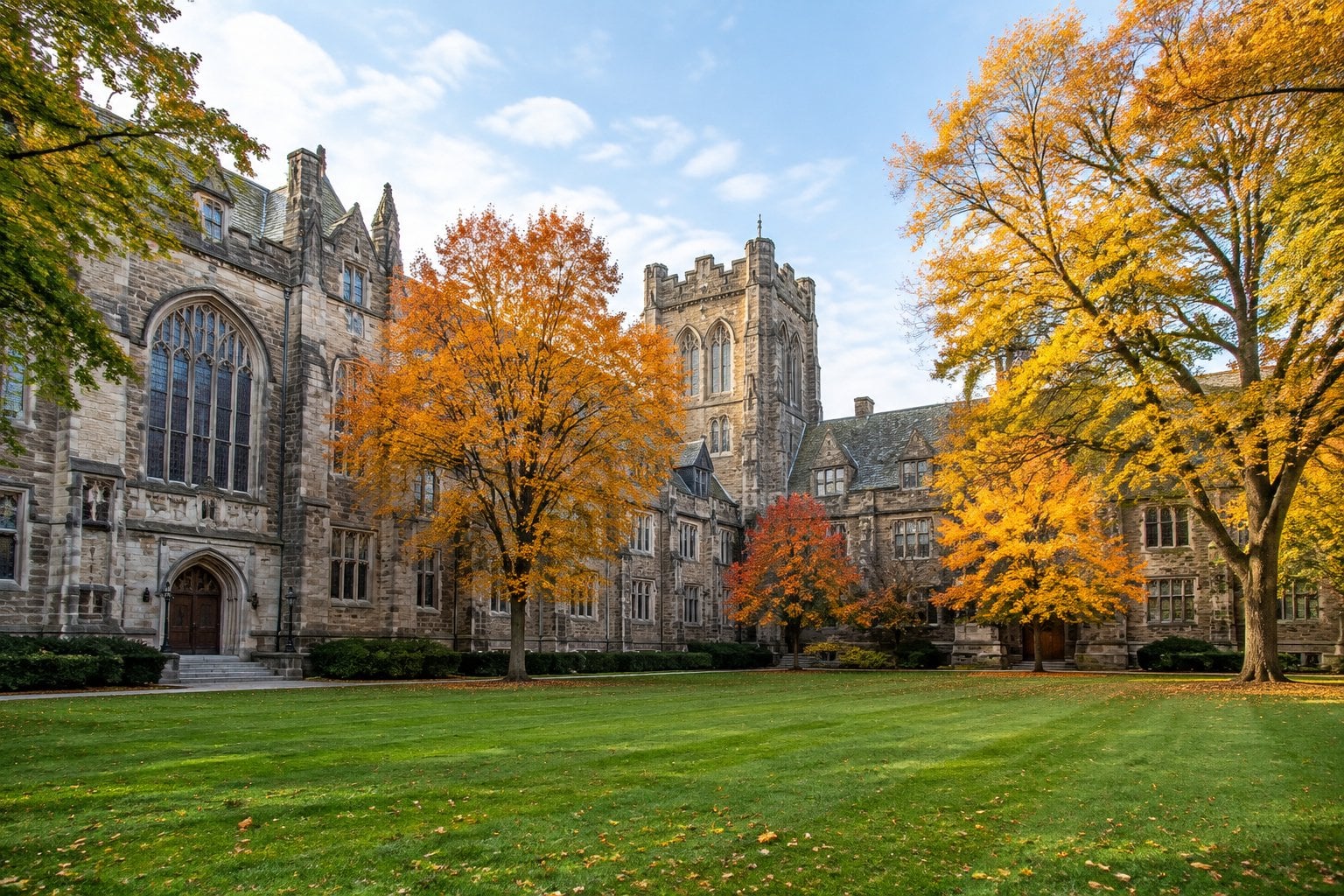
Michigan is the hardest public law school in the country to get into. It received 8,982 applications and made 770 offers, an acceptance rate of 8.57%, just behind Boston College.
Michigan enrolled 329 of the students it admitted, plus 14 others, for an entering class of 343, all full-time. The class had a median LSAT score of 171, with the middle half between 168 and 173, and a median GPA of 3.88.
Being a public school does not make it cheap. Michigan residents pay $76,108 in tuition for 2025-26 and nonresidents pay $79,108, each plus $572 in fees. That makes Michigan the most expensive public school on this list for in-state students. The school estimates living costs at $26,886 a year.
In 2024-25, 91% of students received a grant from the school, with a median full-time grant of $32,000. Of 316 first-time bar takers from the class of 2024, 95.57% passed, compared with an ABA average of 80.44% in the same states. Total J.D. enrollment was 991.
6. Harvard Law School (Cambridge, Massachusetts)
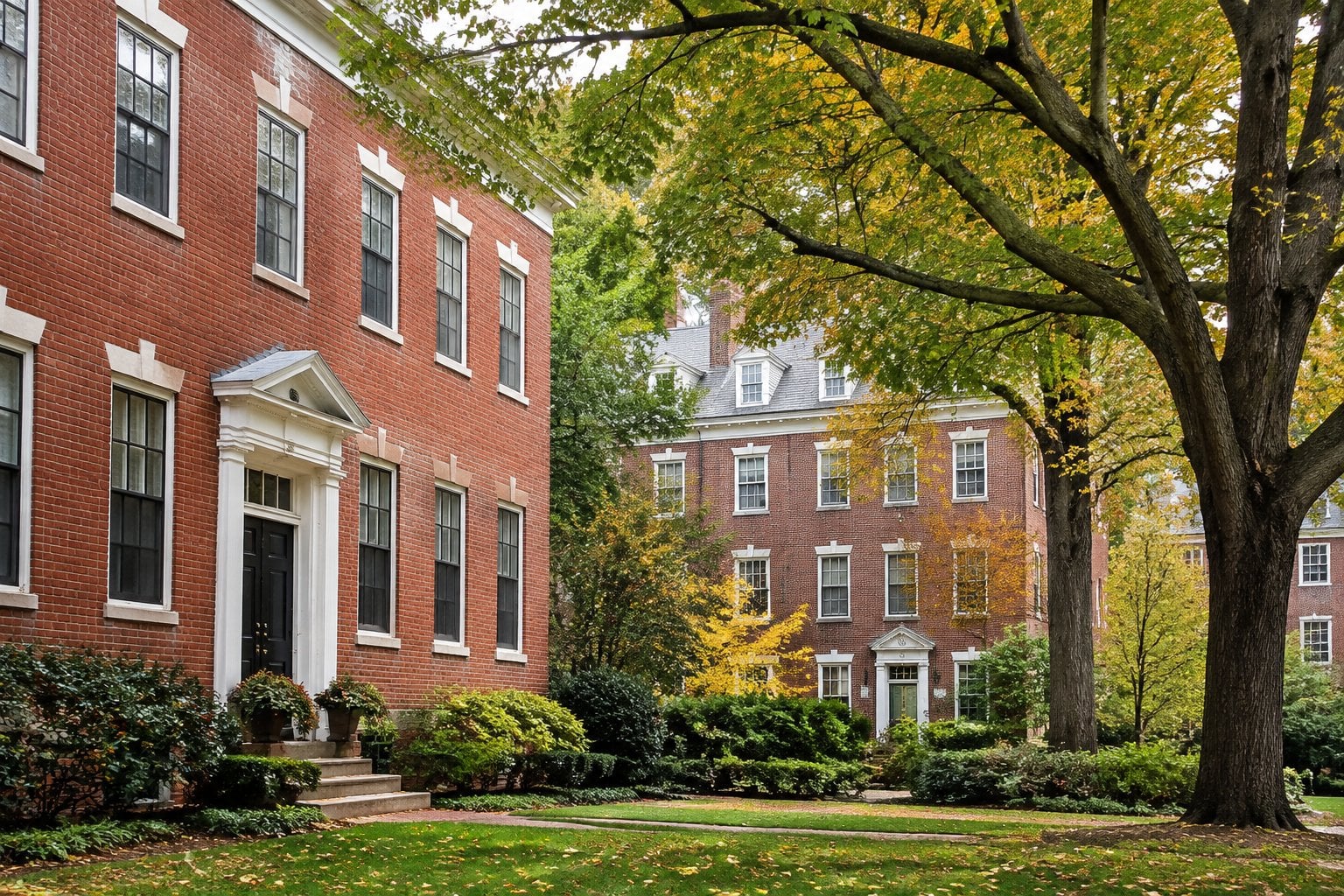
Harvard is far bigger than the schools ranked above it, and its numbers show how much demand it draws. For fall 2025 it received 8,872 applications and made 816 offers, an acceptance rate of 9.2%.
Of the 816 students Harvard admitted, 483 enrolled, a rate of 59%, second only to Yale on this list. Harvard also had 96 other first-year students, the most here, for an entering class of 579. The median LSAT score was 174, tied with Yale and Chicago for the highest on this list, with the middle half between 171 and 176. The median GPA was 3.96.
Tuition for 2025-26 is $80,760, plus $1,592 in fees, and the school estimates living costs at $38,690. Only 38% of students received a school grant in 2024-25, the lowest share on this list, with a median full-time grant of $27,510.
Harvard’s graduates had the highest first-time bar passage rate on this list: of 608 takers from the class of 2024, 97.86% passed, against an ABA average of 83.44%. Total J.D. enrollment was 1,784, second only to Georgetown here.
7. University of Chicago Law School (Chicago, Illinois)
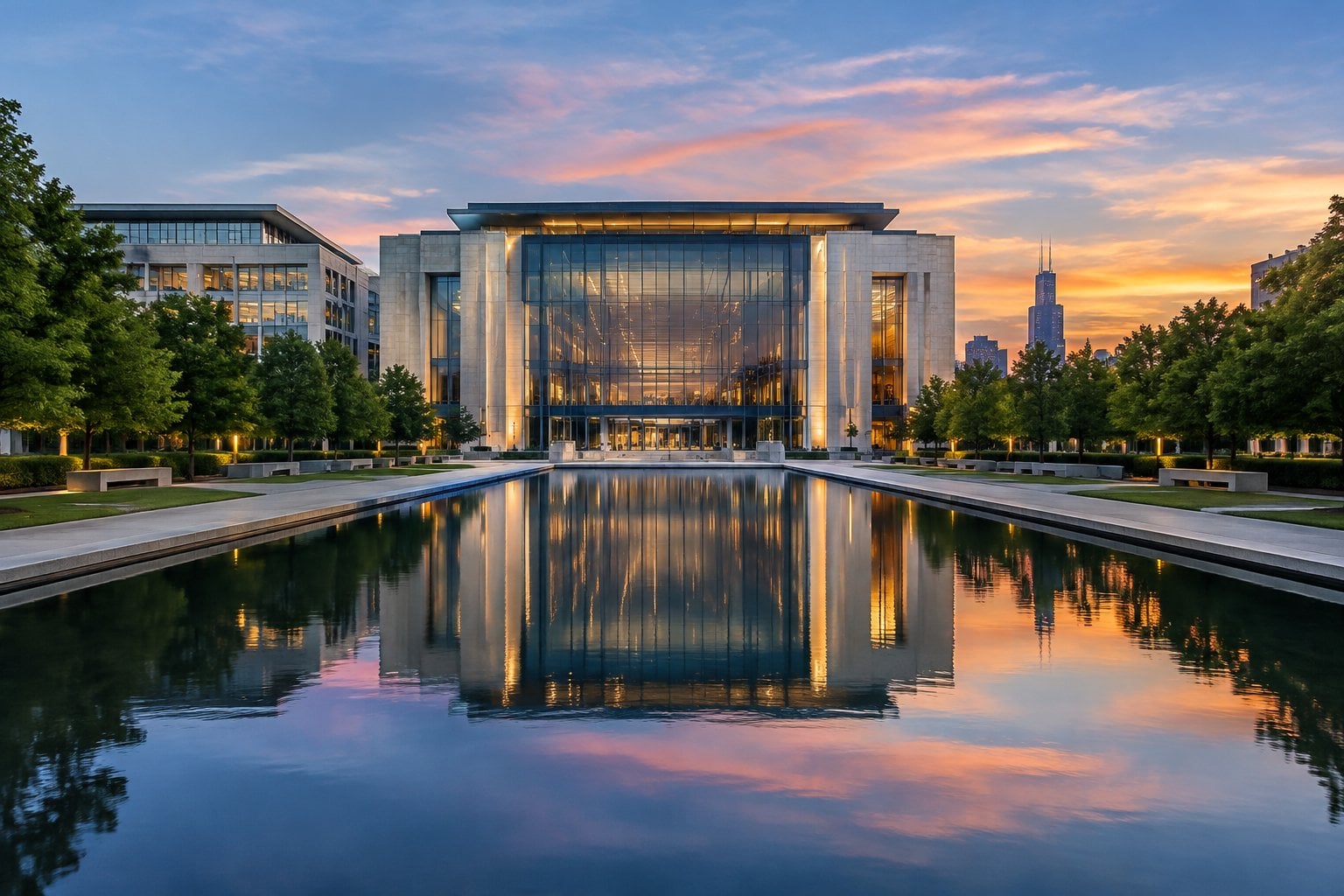
The University of Chicago received 6,581 applications and made 641 offers, an acceptance rate of 9.74%. It is the seventh and last school in the country to accept fewer than one in ten applications.
Chicago’s entering class was small and had some of the highest scores on this list. Of the students it admitted, 191 enrolled, plus 12 others, for a class of 203. The median LSAT score was 174, tied for the highest on this list, with the middle half between 171 and 176, and the median GPA was 3.97.
Tuition for 2025-26 is $83,316, plus $1,590 in fees, and living costs are estimated at $35,418 a year. In 2024-25, 78% of students received a school grant, but the median full-time grant was $15,000, the second-smallest on this list.
Of Chicago’s 194 first-time bar takers from the class of 2024, 97.42% passed, compared with an ABA average of 81.49% in the same states. Total J.D. enrollment was 615, all full-time.
8. University of Virginia School of Law (Charlottesville, Virginia)
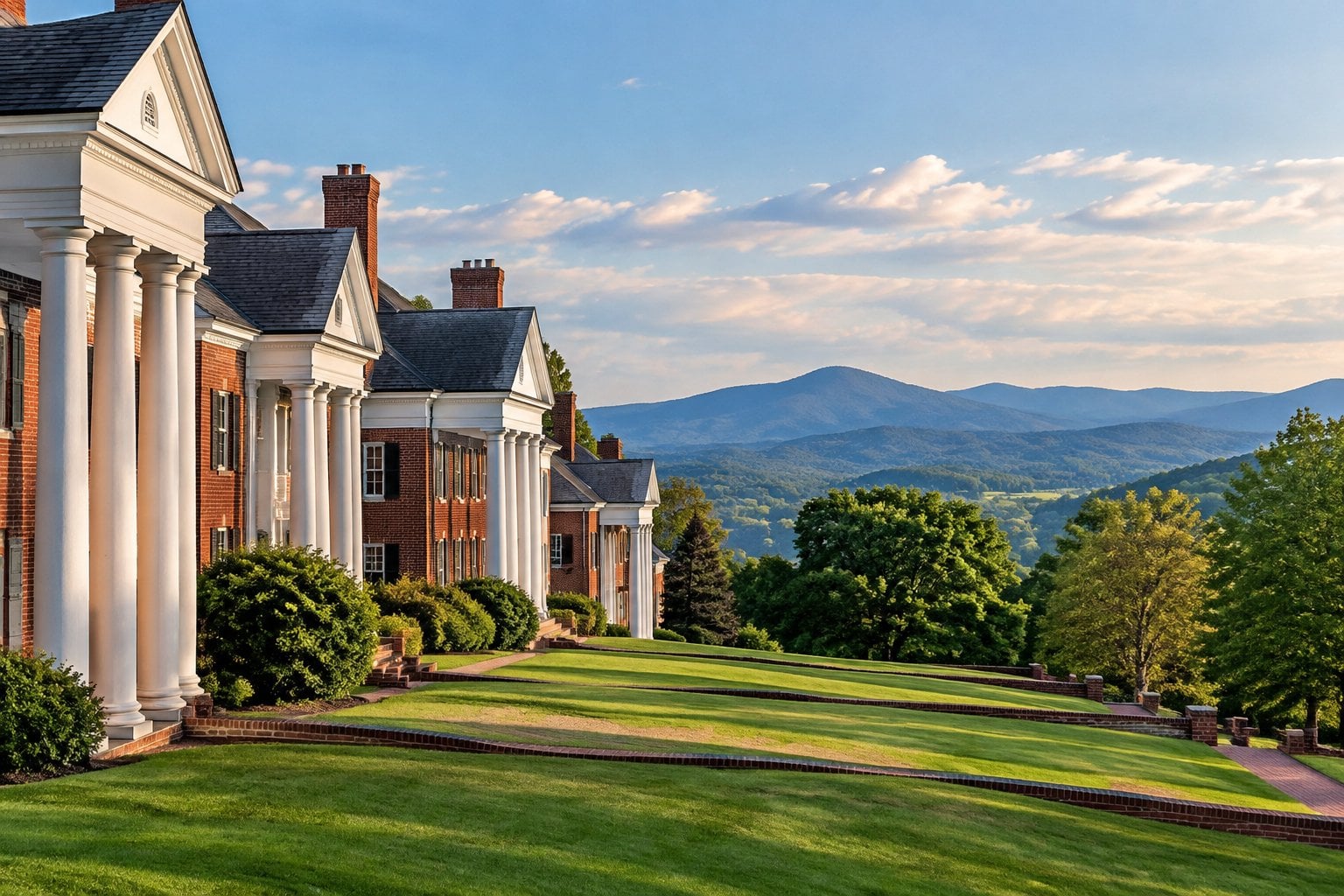
The University of Virginia received 6,734 applications and made 685 offers, an acceptance rate of 10.17%. It is the second public school on this list, after Michigan.
Virginia’s entering class had remarkable grades. Its median undergraduate GPA was 3.99, second only to Texas A&M here, and its 75th-percentile GPA was 4.04, the only one on this list above 4.0. That is possible because some colleges give A-plus grades worth more than 4.0. The class of 309 had a median LSAT score of 173, with the middle half between 168 and 175. Of the students it admitted, 302 enrolled, about 44%.
Tuition for 2025-26 is $74,078 for Virginia residents, plus $3,822 in fees, and $76,396 for nonresidents, plus $4,504. In 2024-25, 66% of students received a school grant, with a median full-time grant of $35,000.
Of 299 first-time bar takers from the class of 2024, 94.98% passed, compared with an ABA average of 82.83%. Total J.D. enrollment was 919.
9. USC Gould School of Law (Los Angeles, California)
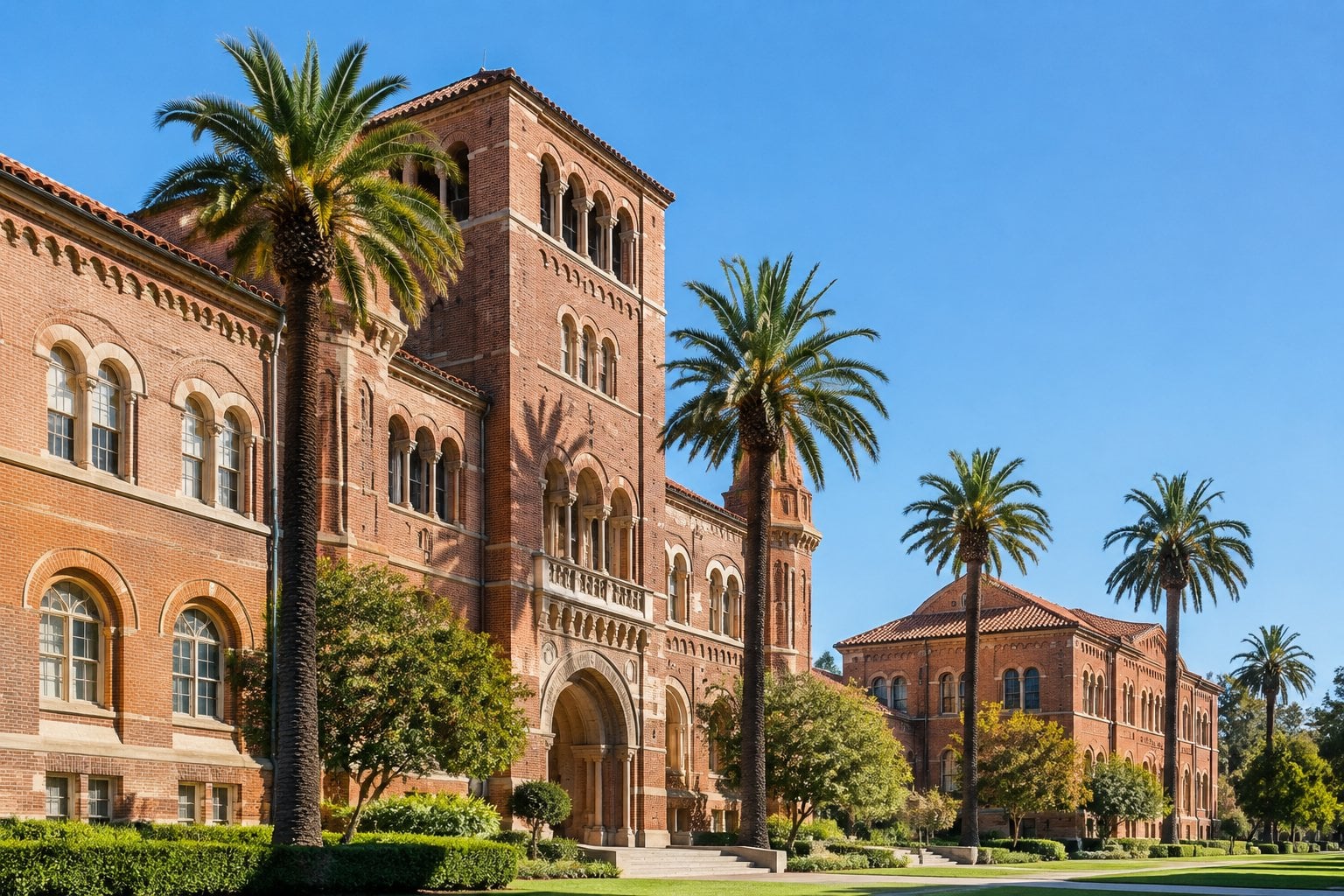
The University of Southern California received 7,204 applications and made 805 offers, an acceptance rate of 11.17%. It enrolled 227 of the students it admitted, plus one other, for an entering class of 228, all full-time.
The class had a median LSAT score of 169, with the middle half between 165 and 170, and a median GPA of 3.91.
USC is one of the most expensive schools on this list. Tuition for 2025-26 is $84,034, the third-highest here, plus $1,914 in fees, and living costs are estimated at $32,298 a year. It is also generous with aid: 95% of students received a grant from the school in 2024-25, tied for the highest share on this list, and the median full-time grant was $40,092, the third-largest.
Of USC’s 217 first-time bar takers from the class of 2024, 94.01% passed, compared with an ABA average of 78.74% in the same states. Total J.D. enrollment was 650.
10. University of North Carolina School of Law (Chapel Hill, North Carolina)
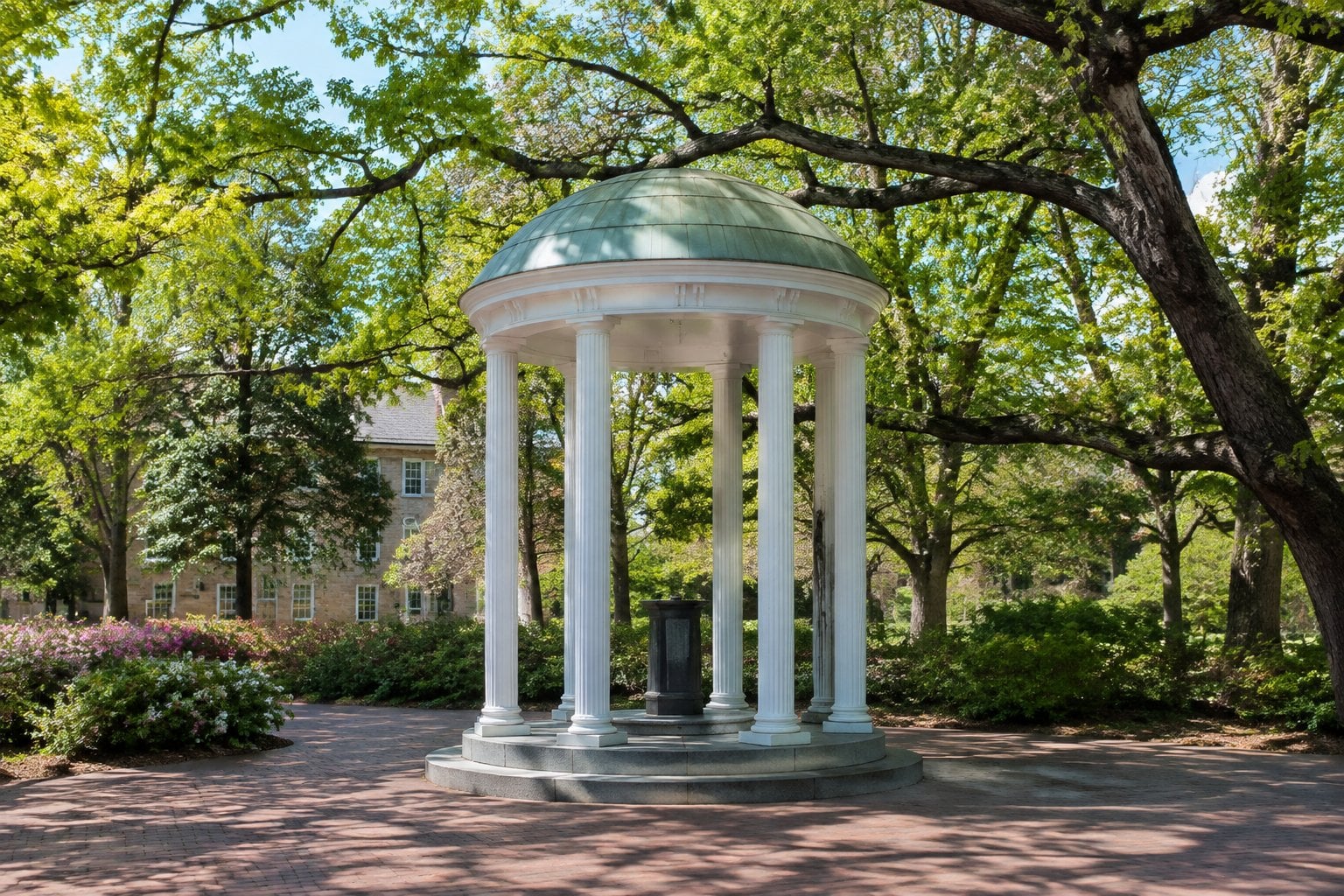
UNC received 3,459 applications, the fewest of any school in the top ten, and made 387 offers, an acceptance rate of 11.19%. Only Yale and Stanford made fewer offers among the schools on this list.
Of the students it admitted, 176 enrolled, about 45%, plus five others, for a class of 181. The median LSAT score was 168, with the middle half between 165 and 169, and the median GPA was 3.89.
UNC is by far the least expensive school in the top ten for state residents. North Carolina residents pay $28,082 in tuition for 2025-26 and nonresidents pay $51,320, each plus $3,480 in fees. In 2024-25, 95% of students received a grant from the school, tied for the highest share on this list, with a median full-time grant of $17,000.
Of UNC’s 207 first-time bar takers from the class of 2024, 92.27% passed, compared with an ABA average of 79.6% in the same states. Total J.D. enrollment was 543.
11. Columbia Law School (New York, New York)
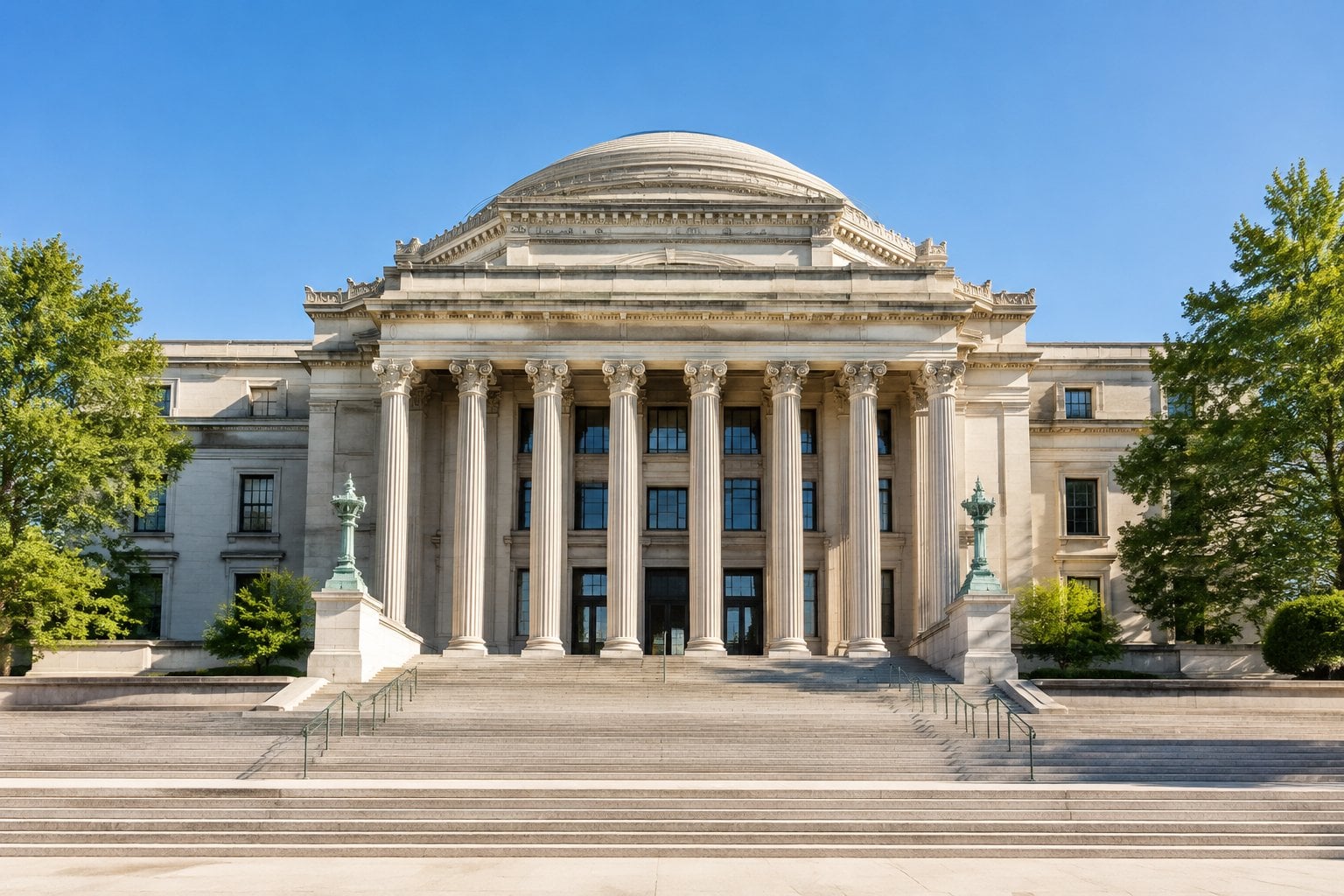
Columbia received 9,463 applications and made 1,120 offers, an acceptance rate of 11.84%. It enrolled 412 of the students it admitted, plus 32 others, for an entering class of 444, all full-time.
The class had a median LSAT score of 173, with the middle half between 169 and 175, and a median GPA of 3.92.
Columbia has the highest tuition on this list: $85,368 for 2025-26, plus $3,022 in fees, for a total of $88,390 a year. The school estimates living costs at $31,554 on top of that. In 2024-25, 54% of students received a school grant, with a median full-time grant of $32,000.
Of Columbia’s 506 first-time bar takers from the class of 2024, 95.85% passed. That is about 11 points above the ABA average of 84.98% for the same states, one of the highest benchmarks on this list. Total J.D. enrollment was 1,377.
12. UCLA School of Law (Los Angeles, California)
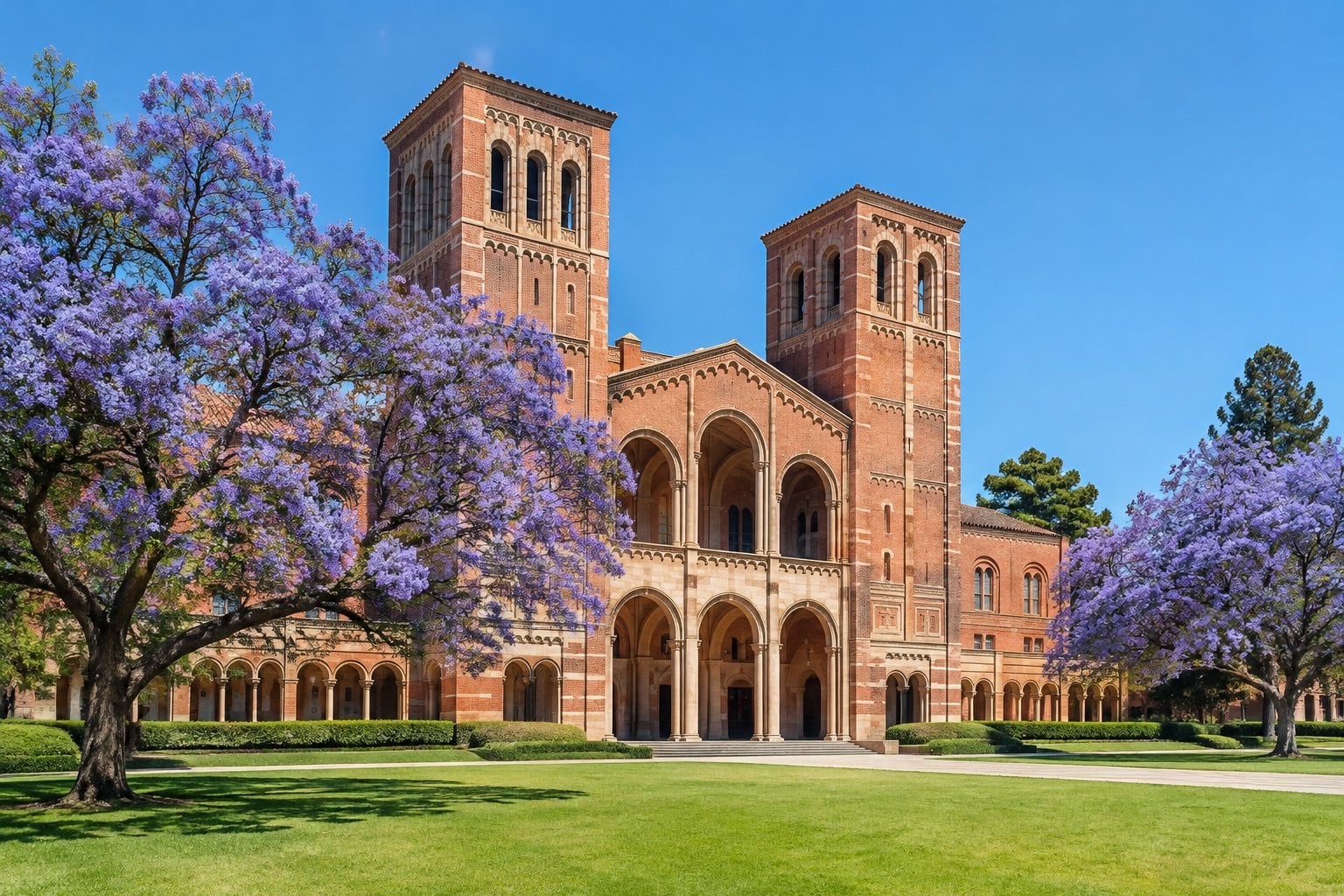
UCLA received 8,623 applications and made 1,039 offers, an acceptance rate of 12.05%. It is the hardest public law school in California to get into by this measure.
UCLA enrolled 322 of the students it admitted, plus six others, for an entering class of 328, all full-time. The class had a median LSAT score of 171, with the middle half between 166 and 172, and a median GPA of 3.95.
Tuition for 2025-26 is $59,084 for California residents and $71,329 for nonresidents, each plus $2,778 in fees. Living in Los Angeles is costly: the school estimates living costs at $40,046 a year. In 2024-25, 83% of students received a school grant, with a median full-time grant of $24,456.
Of UCLA’s 364 first-time bar takers from the class of 2024, 94.23% passed, compared with an ABA average of 78.85% in the same states, a gap of more than 15 points. Total J.D. enrollment was 1,020.
13. Boston University School of Law (Boston, Massachusetts)
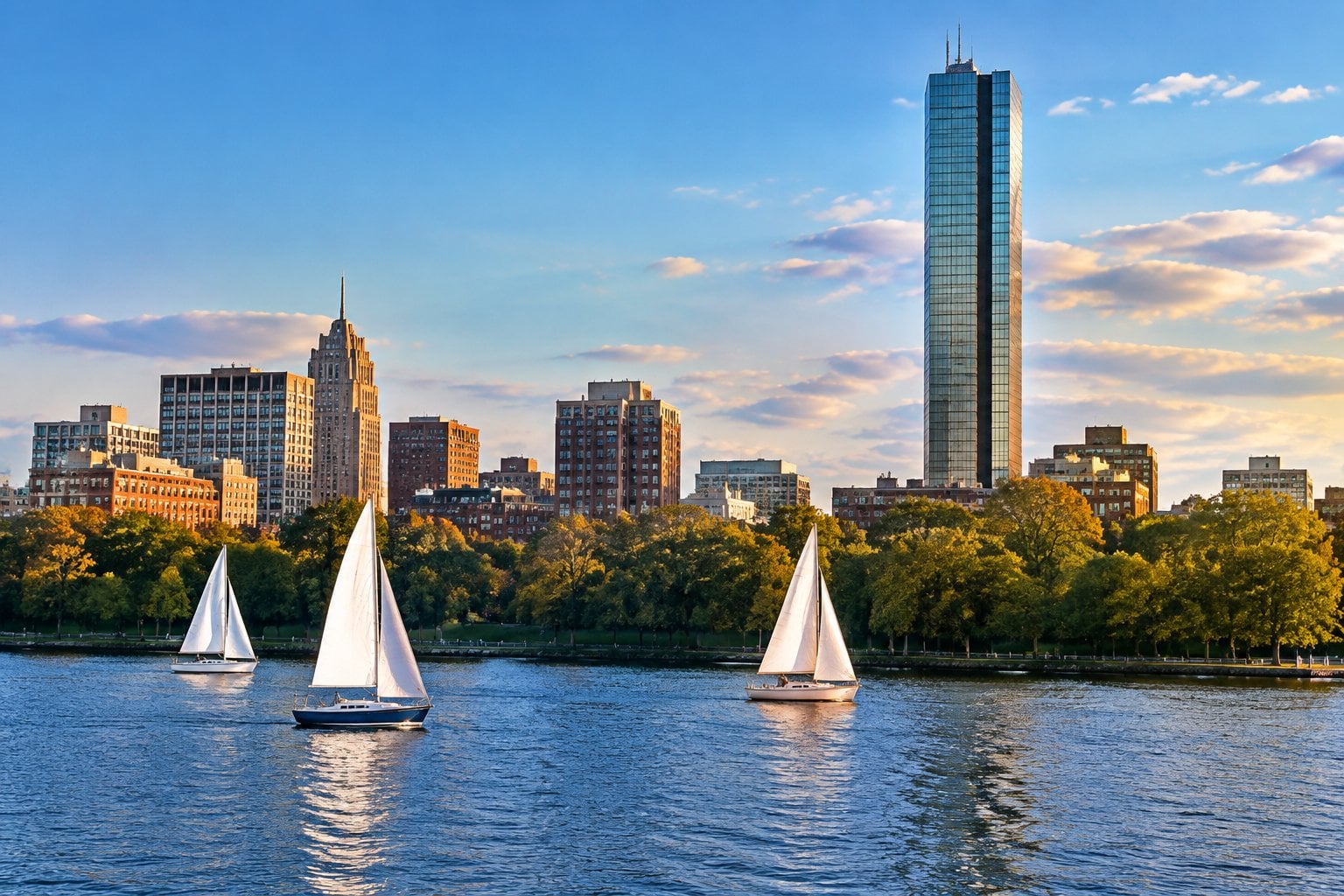
Boston University received 7,892 applications and made 953 offers, an acceptance rate of 12.08%, just three hundredths of a point behind UCLA.
BU enrolled 234 of its admitted students, about a quarter, plus four others, for a class of 238. The median LSAT score was 170, with the middle half between 164 and 171, and the median GPA was 3.88.
Tuition for 2025-26 is $69,870, plus $1,512 in fees. BU’s estimate of living costs, $21,532 a year, is the lowest on this list. In 2024-25, 91% of students received a grant from the school, with a median full-time grant of $29,000.
Of BU’s 298 first-time bar takers from the class of 2024, 92.28% passed, compared with an ABA average of 83.3% in the same states. Total J.D. enrollment was 691. BU is one of three Massachusetts schools on this list, with Harvard and Boston College.
14. Texas A&M University School of Law (Fort Worth, Texas)

Texas A&M’s law school, in downtown Fort Worth, received 5,240 applications and made 634 offers, an acceptance rate of 12.1%.
It has the smallest entering class on this list. Only 121 of the 634 admitted students enrolled, a rate of 19%, the lowest here, and with seven others the class numbered 128. Those who came had the highest grades on this list: a median undergraduate GPA of 4.00, with the 75th percentile also at 4.00. The median LSAT score was 169, with the middle half between 161 and 170.
Tuition for 2025-26 is $32,634 for Texas residents and $48,522 for nonresidents, with no separate fees reported. In 2024-25, 95% of students received a grant from the school, tied for the highest share on this list, with a median full-time grant of $26,048.
Of the school’s 174 first-time bar takers from the class of 2024, 95.98% passed, compared with an ABA average of 81.39%. Total J.D. enrollment was 396, the smallest on this list.
15. Northwestern Pritzker School of Law (Chicago, Illinois)
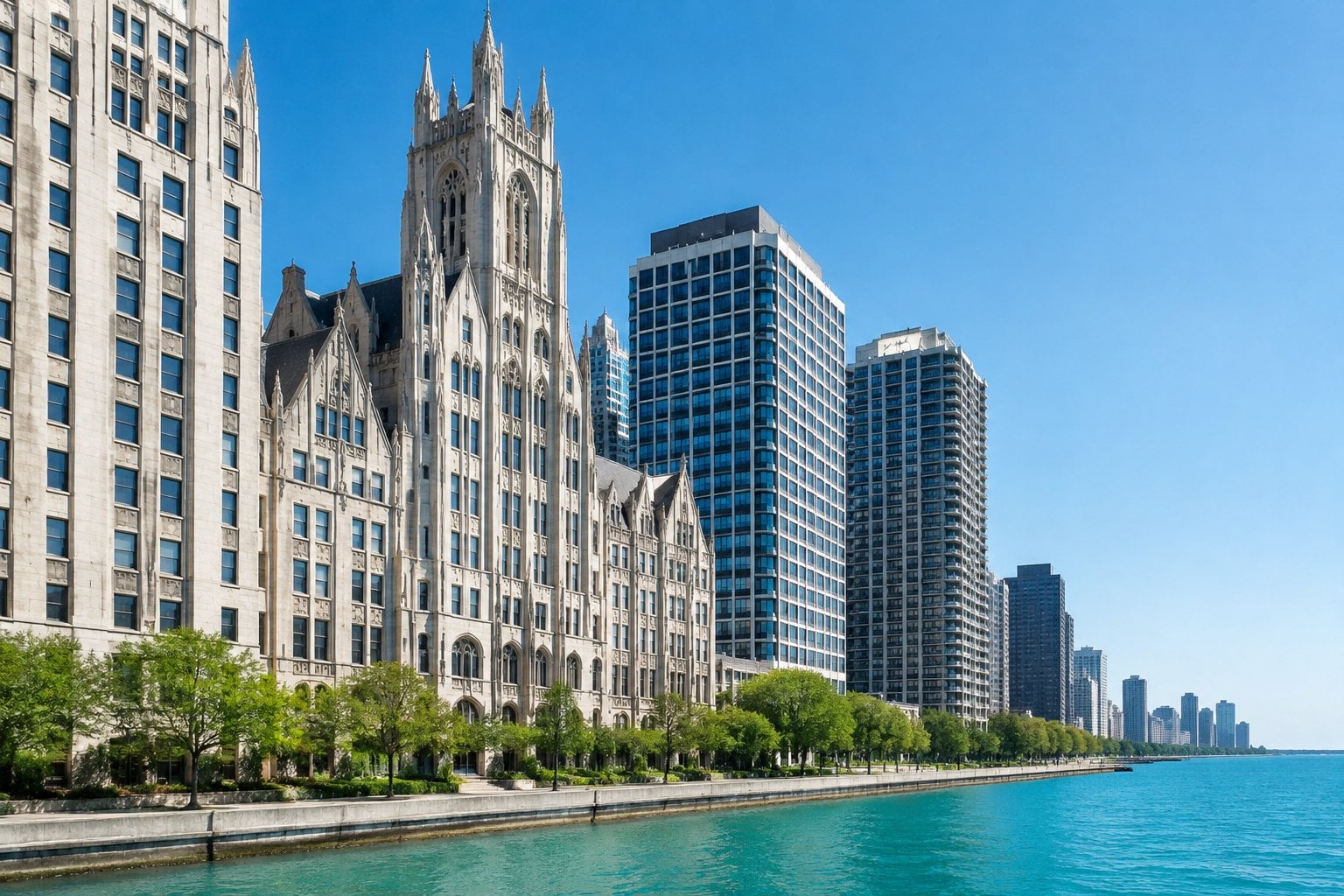
Northwestern’s law school, on the university’s downtown Chicago campus, received 7,976 applications and made 981 offers, an acceptance rate of 12.3%.
It enrolled 245 of the students it admitted, about a quarter, plus five others, for an entering class of 250, all full-time. The class had a median LSAT score of 173, with the middle half between 167 and 175, and a median GPA of 3.96.
Tuition for 2025-26 is $79,772, plus $861 in fees, and the school estimates living costs at $28,220 a year. In 2024-25, 76% of students received a grant from the school, and the median full-time grant was $40,000, one of the largest on this list.
Of Northwestern’s 256 first-time bar takers from the class of 2024, 91.8% passed, compared with an ABA average of 81% in the same states. Total J.D. enrollment was 776. Northwestern and the University of Chicago are the two Illinois schools on this list.
16. University of Georgia School of Law (Athens, Georgia)
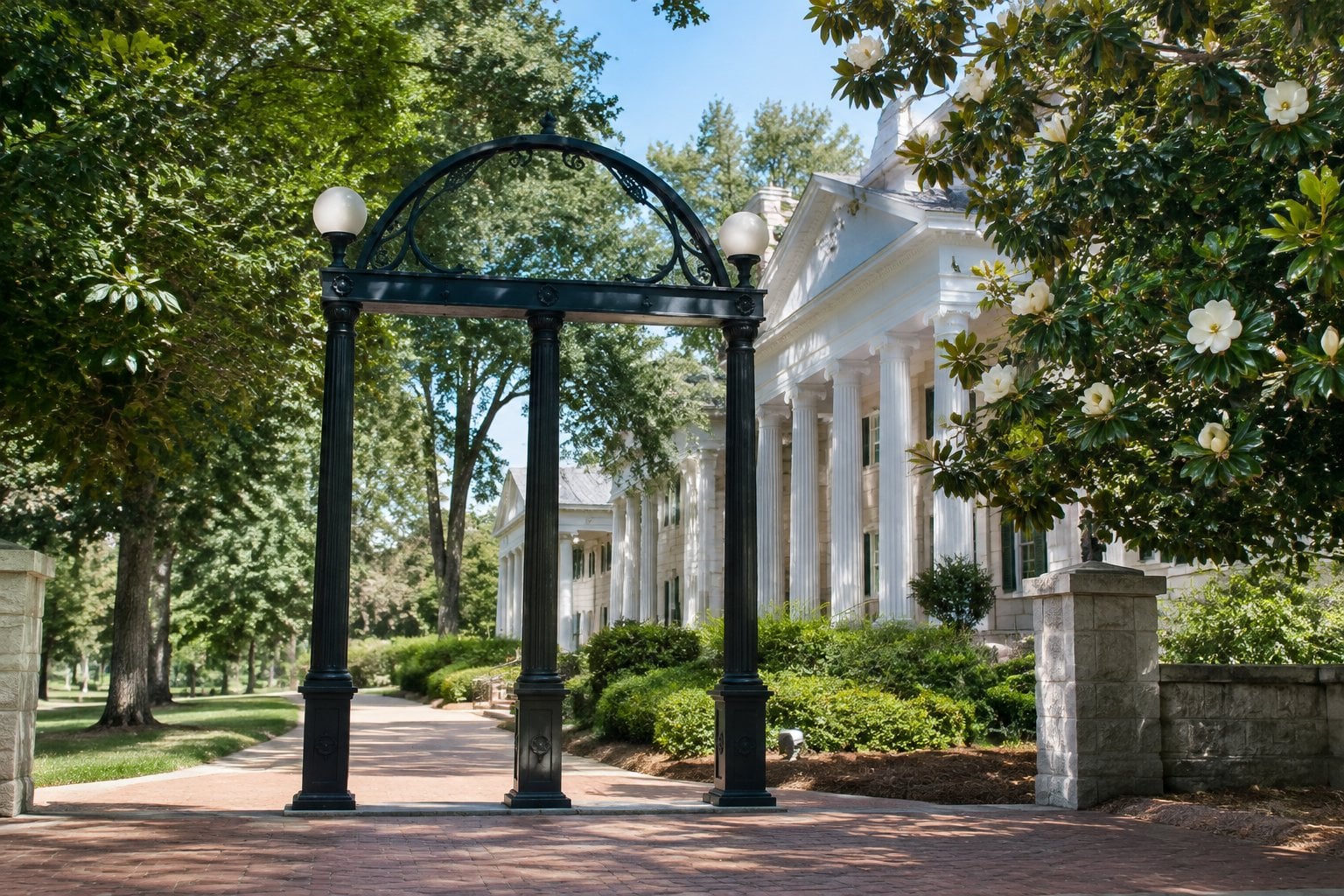
The University of Georgia received 4,695 applications and made 597 offers, an acceptance rate of 12.72%. It enrolled 186 students, all of them admitted in this cycle and all full-time.
The class had a median LSAT score of 169 and a median GPA of 3.92. Its LSAT range was wide: the middle half of the class scored between 159 and 171.
Georgia charges state residents the lowest flat yearly tuition on this list: $18,044 for 2025-26, plus $1,458 in fees. Nonresidents pay $38,944. The school estimates living costs at $25,978 a year, and in 2024-25, 84% of students received a grant from the school, with a median full-time grant of $19,460.
Of Georgia’s 187 first-time bar takers from the class of 2024, 90.37% passed, compared with an ABA average of 79.72% in the same states. Total J.D. enrollment was 540.
17. Duke University School of Law (Durham, North Carolina)
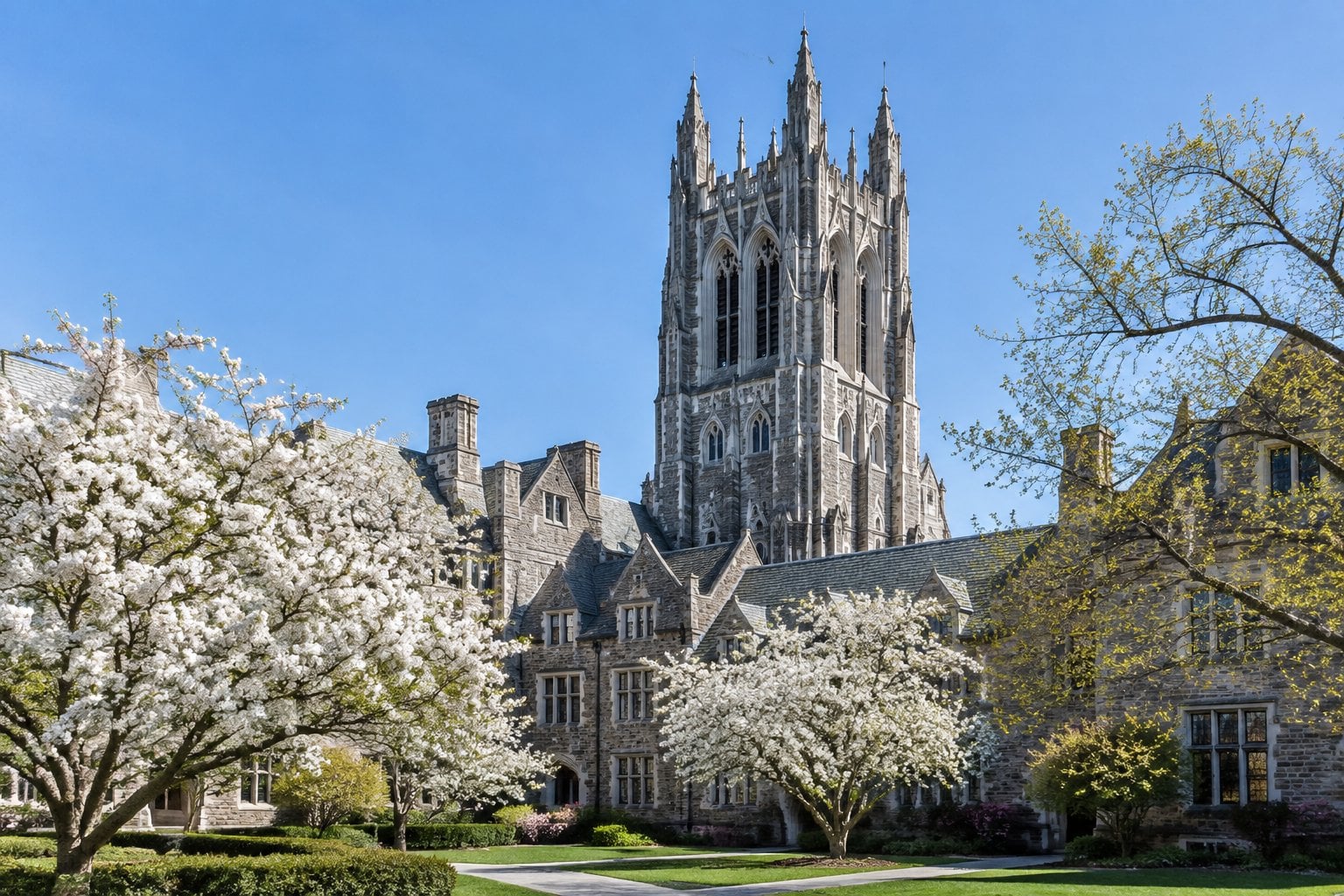
Duke received 6,240 applications and made 804 offers, an acceptance rate of 12.88%. It enrolled 222 of the students it admitted, plus five others, for an entering class of 227, all full-time.
The class had a median LSAT score of 171, with the middle half between 169 and 172, and a median GPA of 3.91.
Tuition for 2025-26 is $80,100, plus $1,729 in fees, and the school estimates living costs at $26,116 a year. In 2024-25, 94% of students received a grant from the school, with a median full-time grant of $35,000.
Duke’s graduates had the second-highest first-time bar passage rate on this list, after Harvard’s. Of 278 first-time takers from the class of 2024, 97.48% passed, compared with an ABA average of 82.94% in the same states. Total J.D. enrollment was 723. Duke and UNC are the two North Carolina schools on this list.
18. Vanderbilt Law School (Nashville, Tennessee)
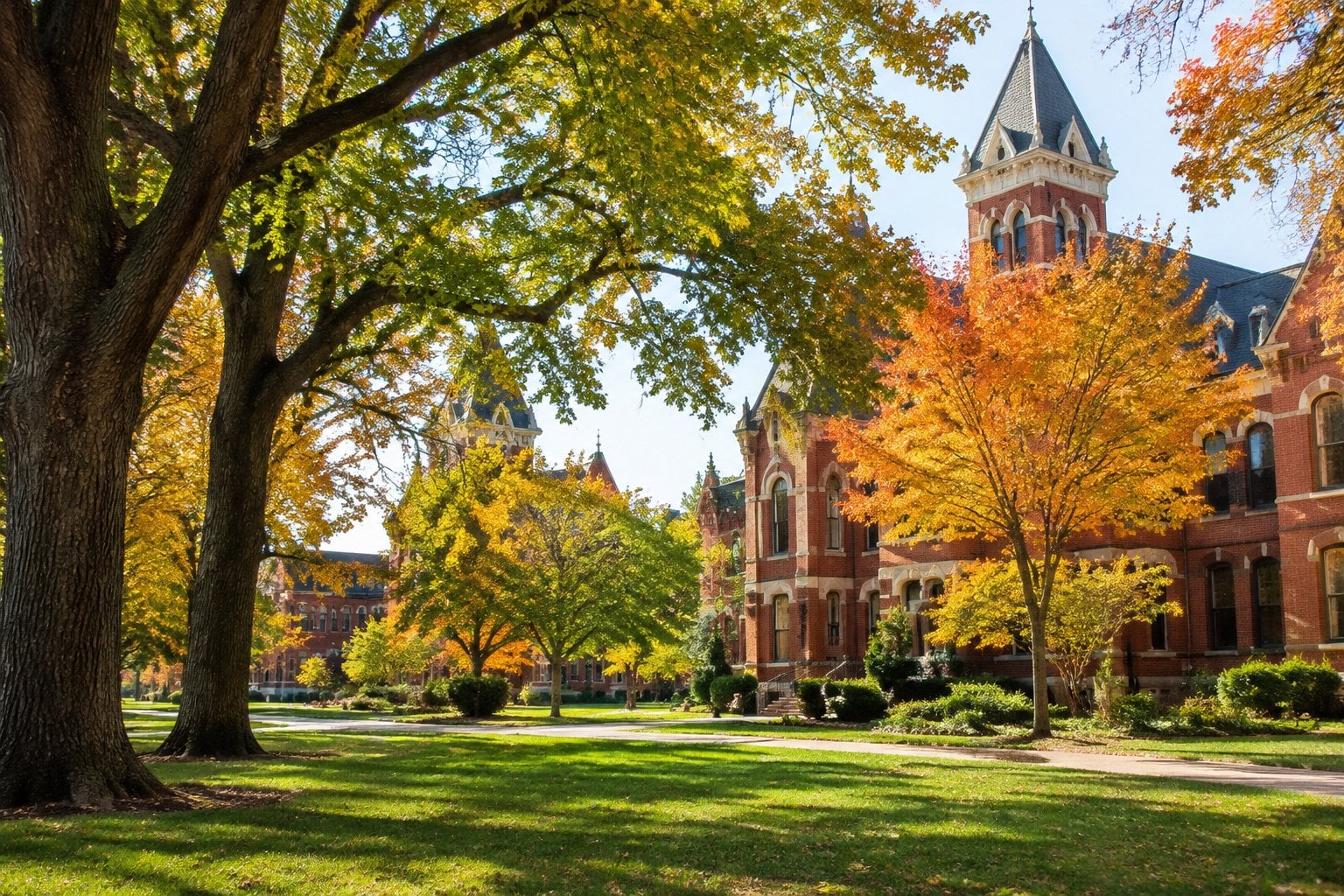
Vanderbilt received 6,124 applications and made 812 offers, an acceptance rate of 13.26%.
Only 170 of the students it admitted enrolled, about 21%, the second-lowest rate on this list after Texas A&M. With two others, the entering class numbered 172. Its median LSAT score was 170, with the middle half between 167 and 171, and its median GPA was 3.91.
Tuition for 2025-26 is $76,440, plus $2,359 in fees, and the school estimates living costs at $34,934 a year. In 2024-25, 90% of students received a grant from the school, with a median full-time grant of $32,792.
Of Vanderbilt’s 164 first-time bar takers from the class of 2024, 94.51% passed, compared with an ABA average of 81.05% in the same states. Total J.D. enrollment was 525. Vanderbilt is the only Tennessee school on this list.
19. New York University School of Law (New York, New York)
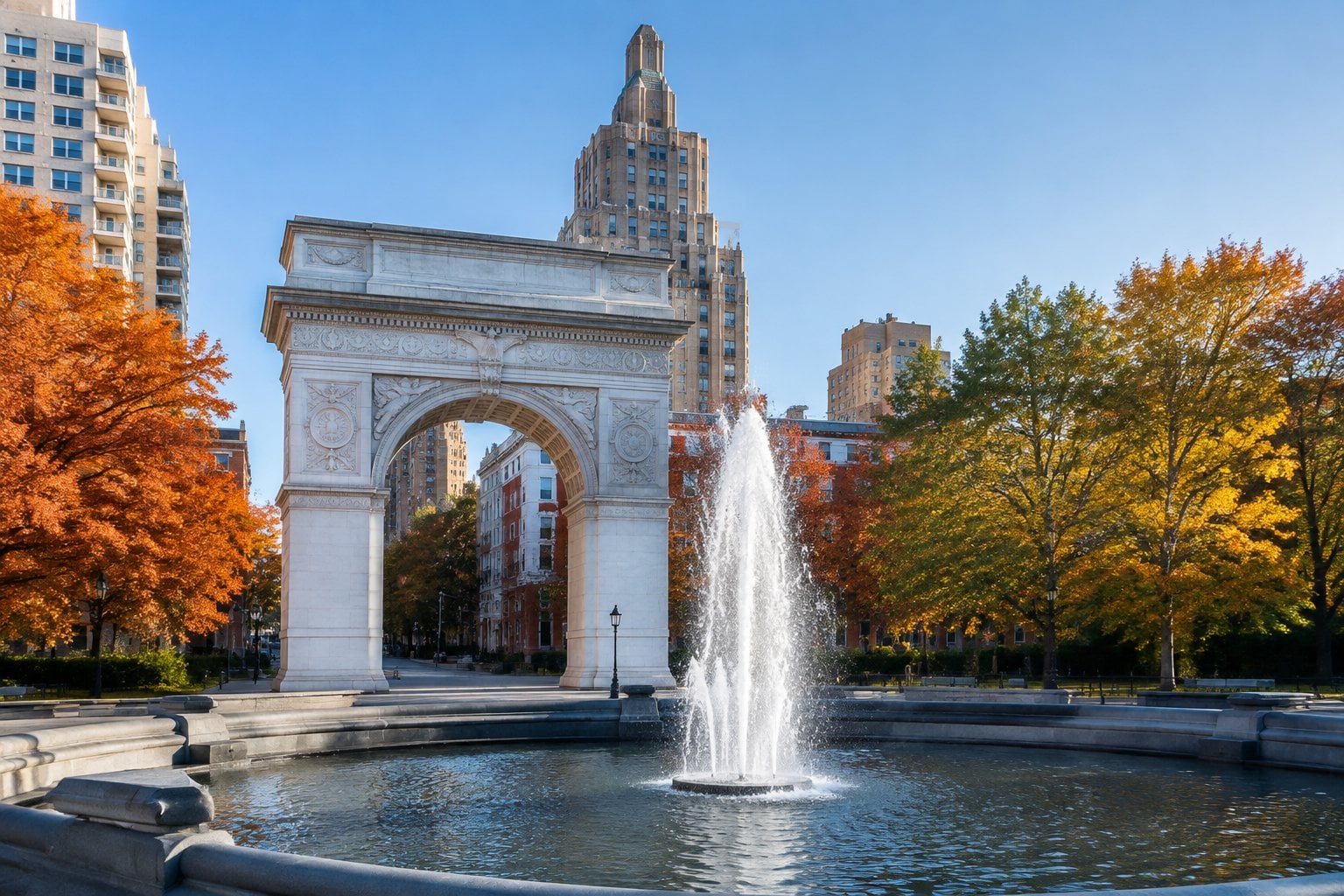
NYU received 10,546 applications, the second-most of any law school in the country after Georgetown, and made 1,412 offers, an acceptance rate of 13.39%.
It enrolled 430 of the students it admitted, plus 22 others, for an entering class of 452, all full-time. The class had a median LSAT score of 172, with the middle half between 169 and 174, and a median GPA of 3.92.
Tuition for 2025-26 is $83,952, plus $3,262 in fees, and the school estimates living costs in New York City at $36,094 a year. In 2024-25, 66% of students received a grant from the school, with a median full-time grant of $20,000.
Of NYU’s 519 first-time bar takers from the class of 2024, 96.72% passed, compared with an ABA average of 85.02% in the same states. Total J.D. enrollment was 1,405.
20. University of Texas School of Law (Austin, Texas)
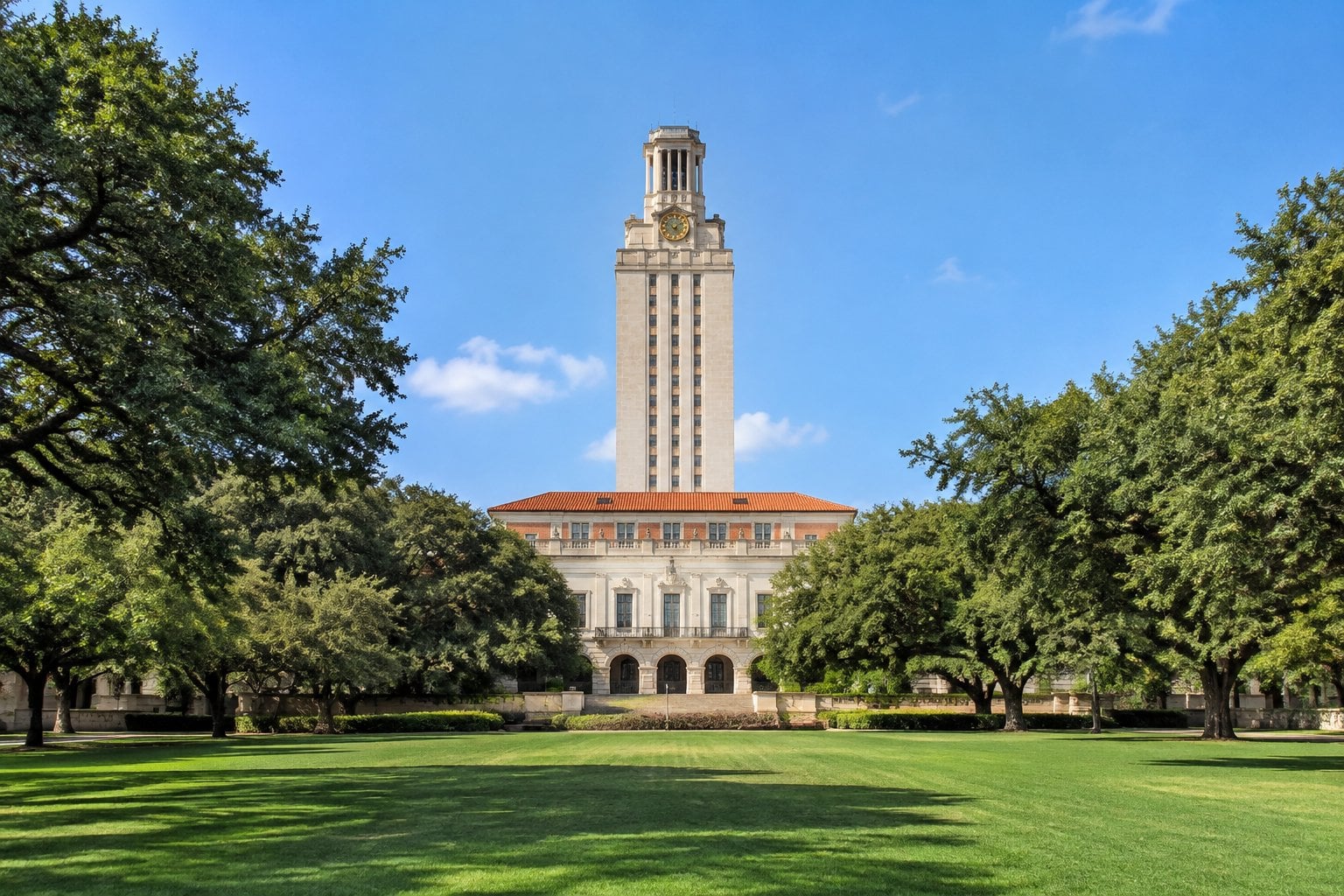
The University of Texas received 6,297 applications and made 881 offers, an acceptance rate of 13.99%. It enrolled 361 of the students it admitted, about 41%, plus 12 others, for an entering class of 373, all full-time.
The class had a median LSAT score of 172, with the middle half between 166 and 173, and a median GPA of 3.89.
Tuition for 2025-26 is $38,236 for Texas residents and $56,822 for nonresidents, with no separate fees reported, and the school estimates living costs at $25,398 a year. In 2024-25, 94% of students received a grant from the school, with a median full-time grant of $23,375.
Of UT’s 411 first-time bar takers from the class of 2024, 95.86% passed, compared with an ABA average of 81.57% in the same states. Total J.D. enrollment was 928. Texas and Texas A&M are the two Texas schools on this list.
21. UC Berkeley School of Law (Berkeley, California)
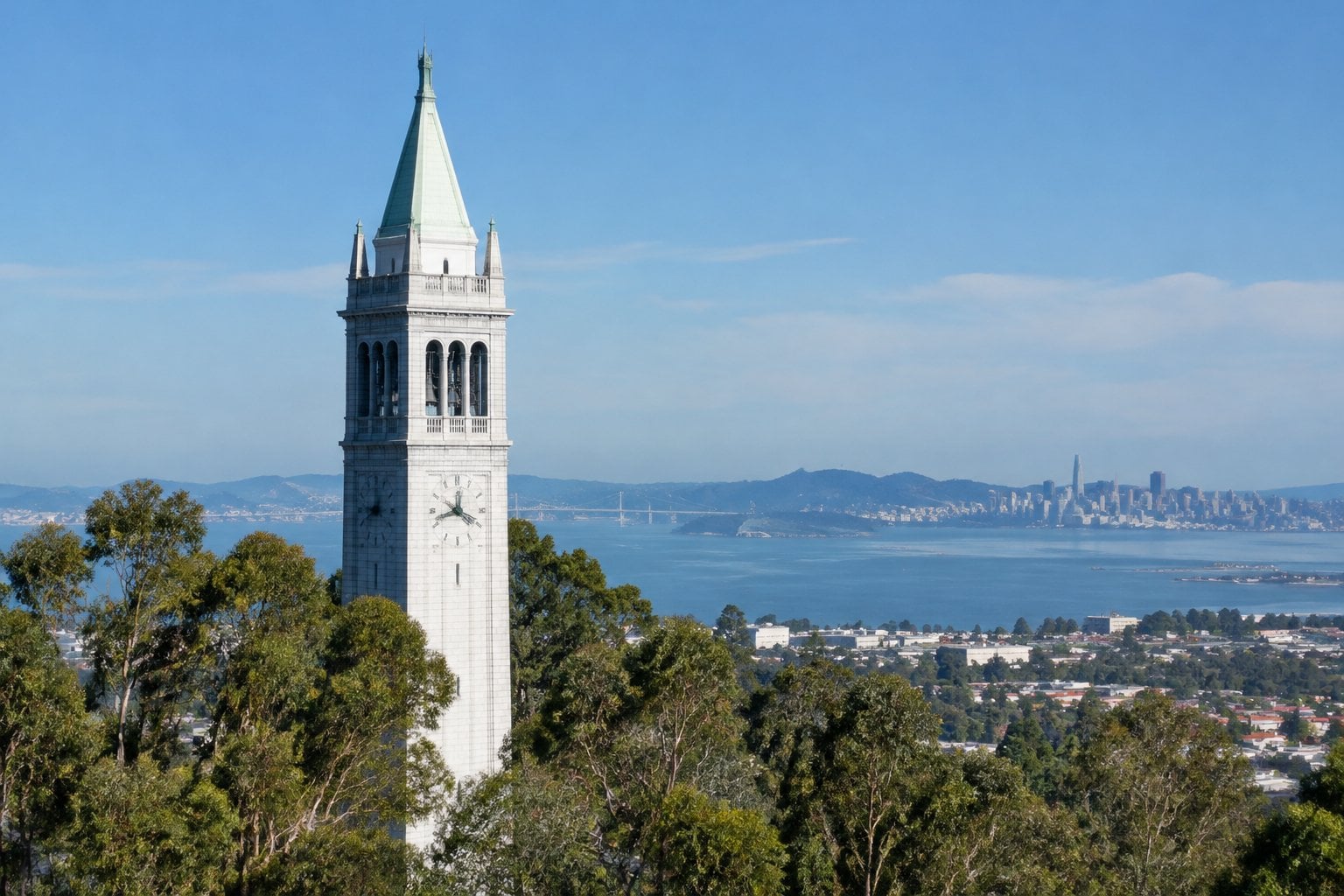
Berkeley Law received 6,562 applications and made 974 offers, an acceptance rate of 14.84%. It enrolled 348 of the students it admitted, plus 26 others, for an entering class of 374, all full-time.
The class had a median LSAT score of 170, with the middle half between 167 and 172, and a median GPA of 3.92.
Tuition for 2025-26 is $62,532 for California residents and $76,149 for nonresidents, each plus $3,842 in fees. Berkeley’s estimate of living costs, $45,866 a year, is the second-highest on this list after Stanford’s, another sign of how expensive the San Francisco Bay Area is. In 2024-25, 86% of students received a grant from the school, with a median full-time grant of $31,158.
Of Berkeley’s 396 first-time bar takers from the class of 2024, 91.16% passed, compared with an ABA average of 79.91% in the same states. Total J.D. enrollment was 1,128.
22. UC Irvine School of Law (Irvine, California)
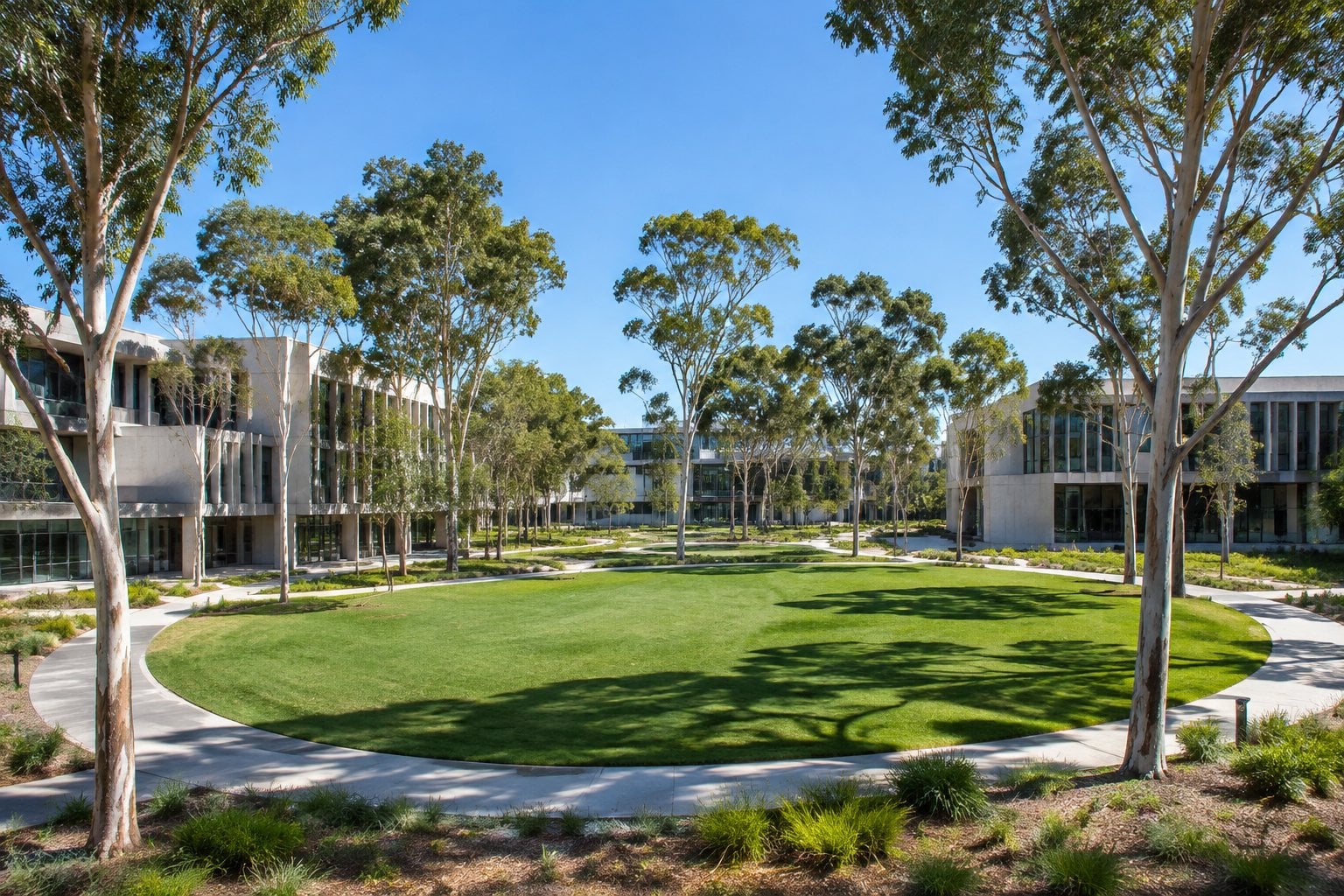
UC Irvine received 3,720 applications and made 555 offers, an acceptance rate of 14.92%, less than a tenth of a point behind Berkeley.
It enrolled 188 of the students it admitted, plus one other, for an entering class of 189, all full-time. The class had a median LSAT score of 169, with the middle half between 166 and 170, and a median GPA of 3.80.
Tuition for 2025-26 is $59,080 for California residents and $71,325 for nonresidents, each plus $2,208 in fees, and the school estimates living costs at $37,293 a year. In 2024-25, 95% of students received a grant from the school, tied for the highest share on this list, with a median full-time grant of $25,000.
Of Irvine’s 159 first-time bar takers from the class of 2024, 85.53% passed, compared with an ABA average of 77.98% in the same states. Total J.D. enrollment was 493. Irvine is the fifth California school on this list, more than any other state.
23. Georgetown University Law Center (Washington, D.C.)
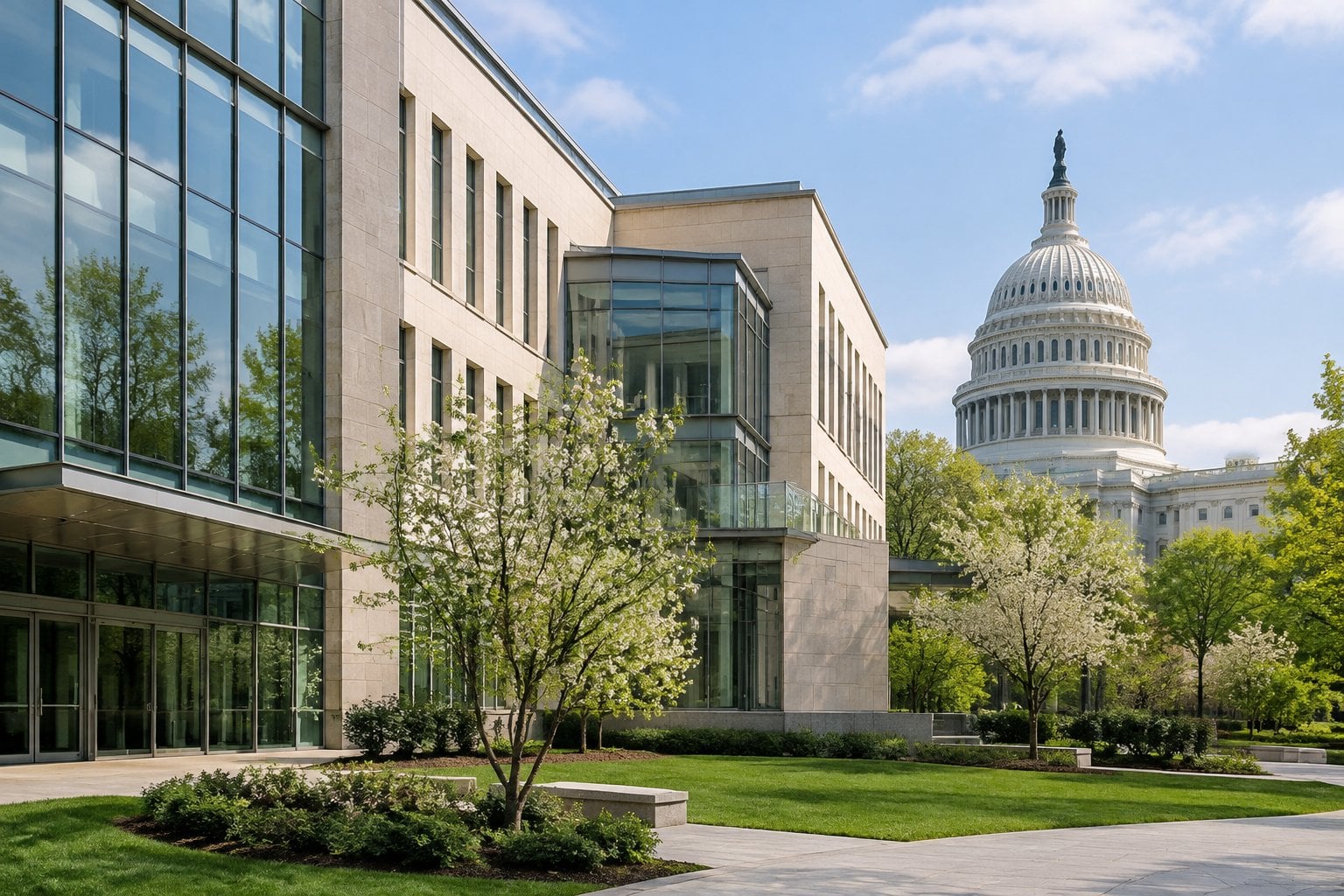
Georgetown received 13,924 applications, the most of any law school in the country, and made 2,193 offers, also the most on this list. That works out to an acceptance rate of 15.75%.
It has by far the largest entering class here: 629 admitted students enrolled, plus 43 others, for a class of 672. Of those, 594 study full-time and 78 part-time. The median LSAT score was 171, with the middle half between 166 and 173, and the median GPA was 3.93.
Tuition for 2025-26 is $83,576, with no separate fees reported, and the school estimates living costs at $33,905 a year. In 2024-25, 61% of students received a grant from the school, with a median full-time grant of $35,000.
Of Georgetown’s 633 first-time bar takers from the class of 2024, 93.05% passed, compared with an ABA average of 83.29% in the same states. Total J.D. enrollment was 2,266, the largest on this list.
24. Antonin Scalia Law School at George Mason University (Arlington, Virginia)
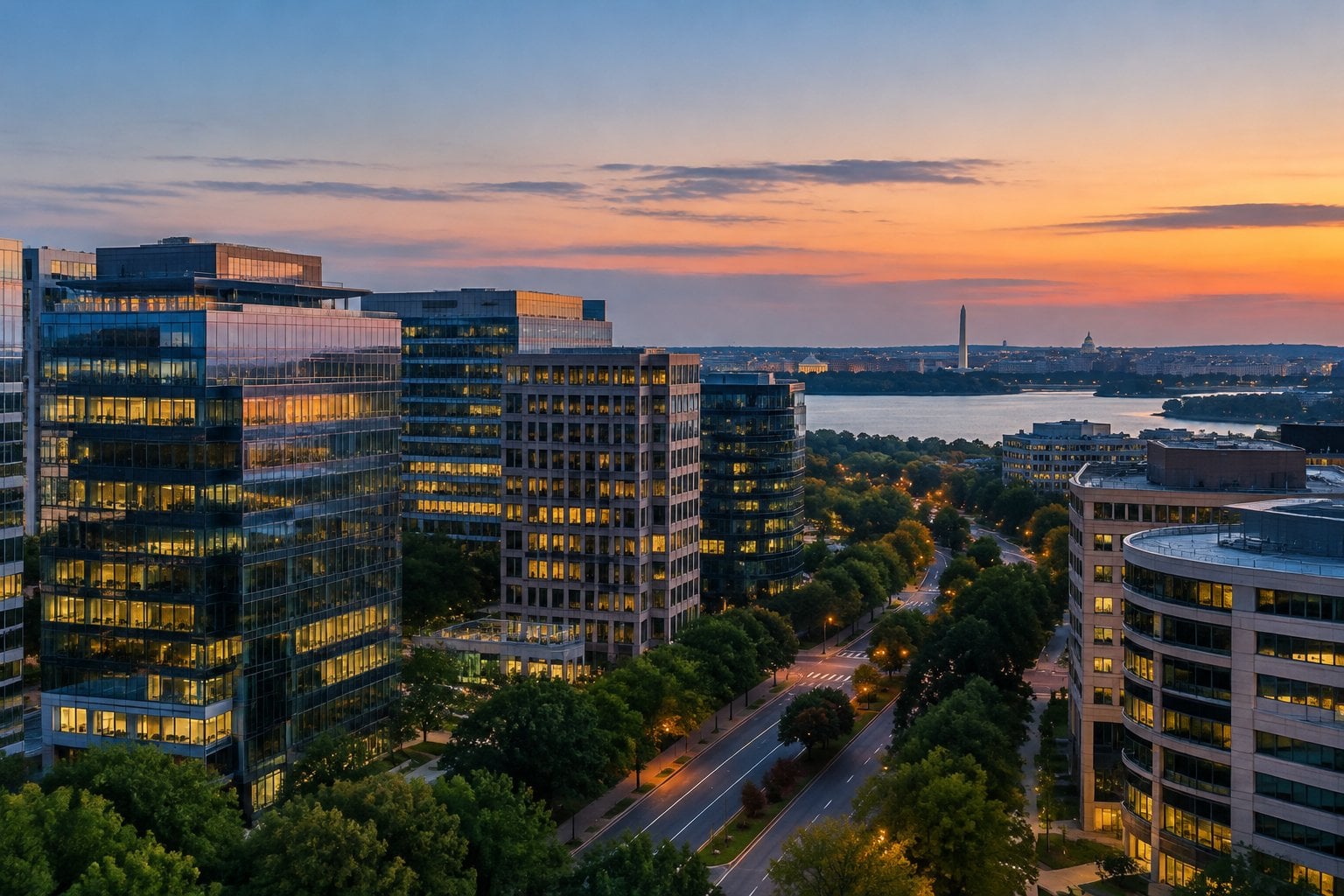
George Mason’s law school, in Arlington just outside Washington, received 2,792 applications and made 443 offers, an acceptance rate of 15.87%.
All 159 students in its entering class were admitted in this cycle: 132 full-time and 27 part-time. The median LSAT score was 169, with the middle half between 162 and 171. The median GPA was 3.93, but the 25th-percentile GPA of 3.55 was the lowest on this list, so the class’s grades varied more than at most schools here.
Tuition for 2025-26 is $24,864 for Virginia residents and $40,978 for nonresidents, each plus $2,968 in fees. The school estimates living costs at $38,342 a year. In 2024-25, 84% of students received a grant from the school, with a median full-time grant of $21,000.
Of its 235 first-time bar takers from the class of 2024, 85.96% passed, compared with an ABA average of 80.68% in the same states. Total J.D. enrollment was 438.
25. Florida State University College of Law (Tallahassee, Florida)
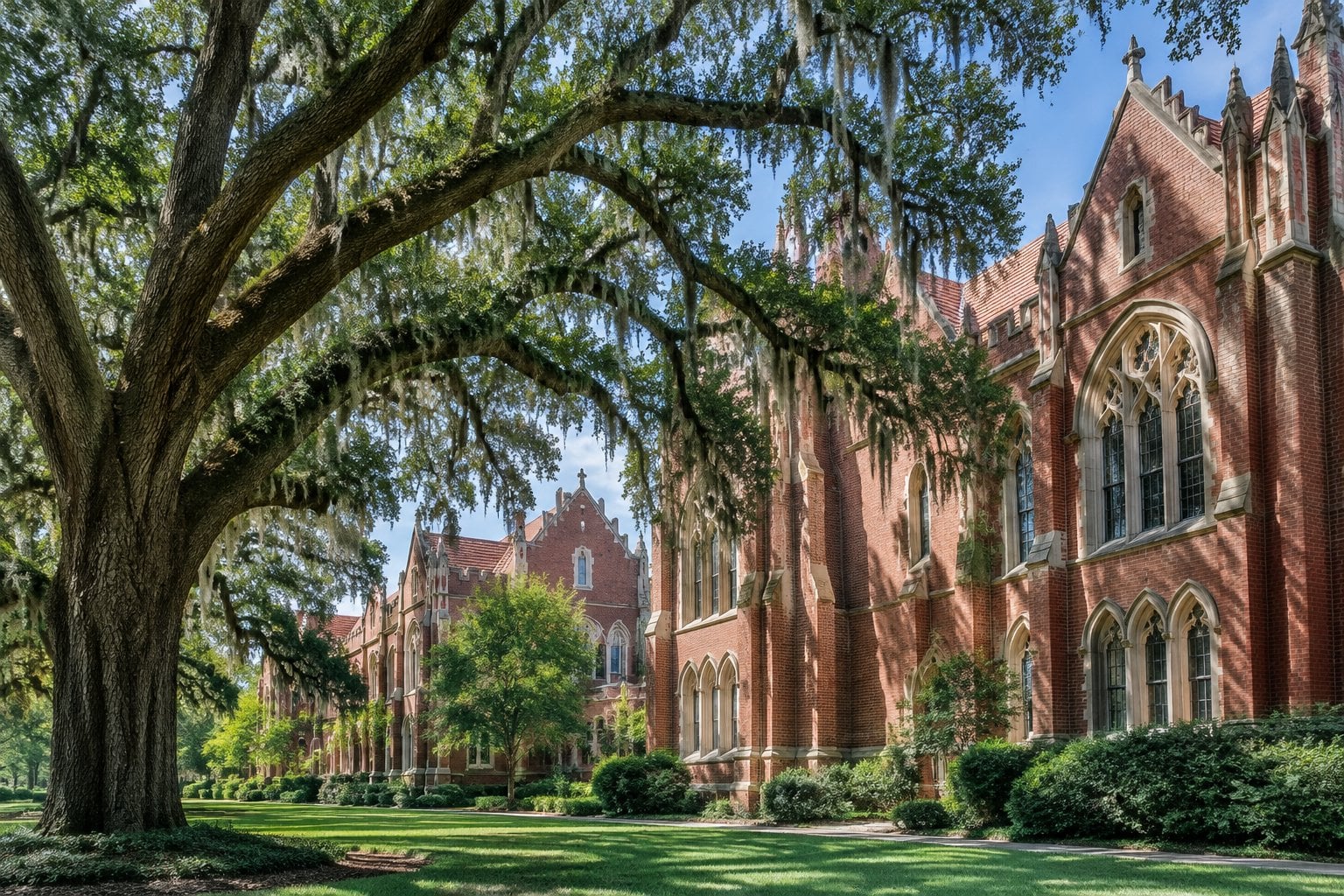
Florida State received 2,711 applications, the fewest of any school on this list, and made 433 offers, an acceptance rate of 15.97%.
All 153 students in its entering class were admitted in this cycle and study full-time. The median GPA was 3.93 and the median LSAT score was 166, with the middle half between 158 and 167. That 25th-percentile score of 158 is the lowest on this list.
FSU charges by the credit hour: $688 per credit for Florida residents and $1,422 for nonresidents, plus $3,600 in annual fees. The school estimates living costs at $23,180 a year. In 2024-25, 78% of students received a grant from the school, with a median full-time grant of $15,464.
Of FSU’s 180 first-time bar takers from the class of 2024, 87.22% passed. Florida’s average is low, and the ABA average for the same states was 73.35%, so FSU finished almost 14 points above it. Total J.D. enrollment was 455.
26. Notre Dame Law School (Notre Dame, Indiana)
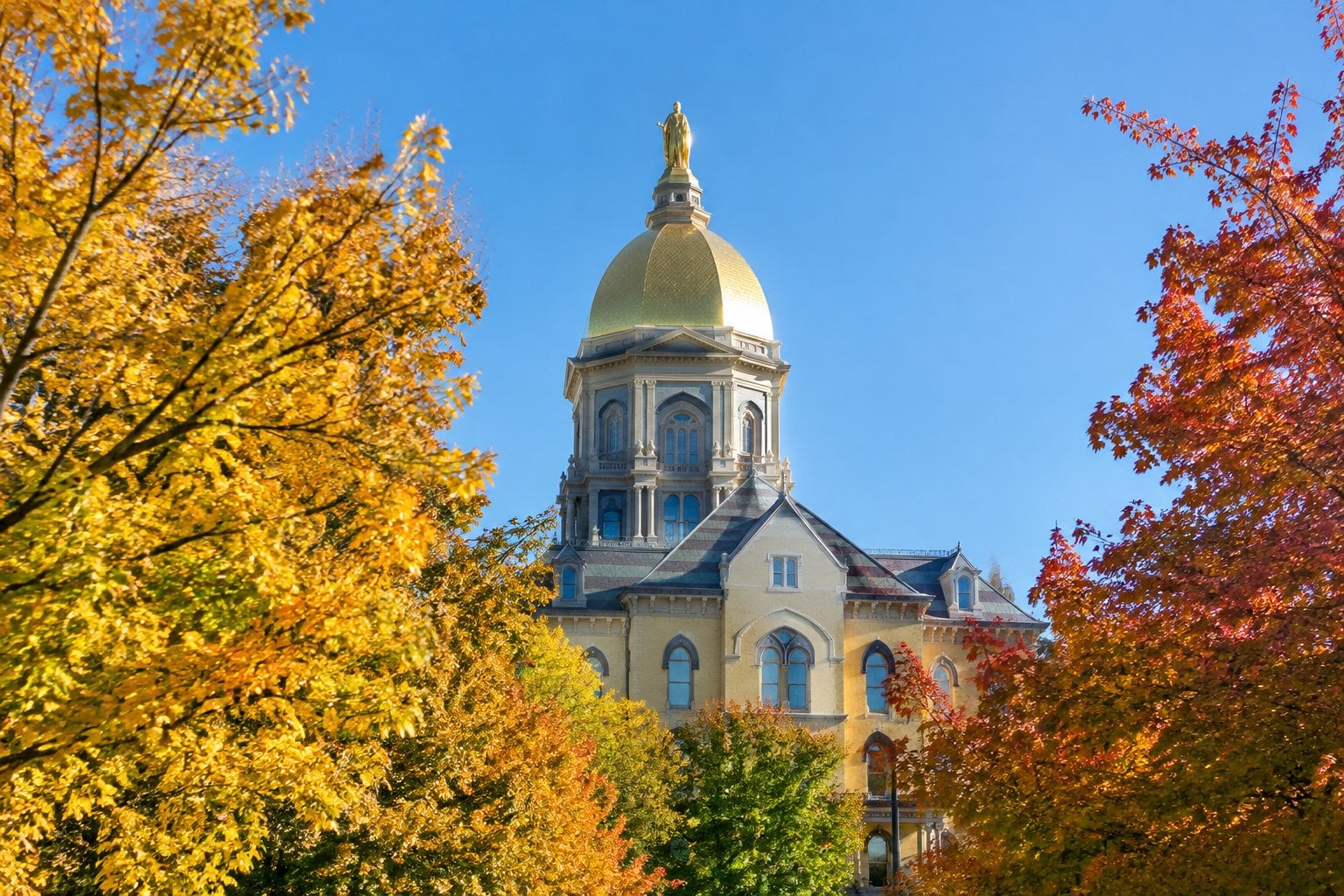
Notre Dame received 3,579 applications and made 575 offers, an acceptance rate of 16.07%. It enrolled 182 of the students it admitted, plus three others, for an entering class of 185, all full-time.
The class had a median LSAT score of 170, with the middle half between 166 and 171, and a median GPA of 3.89.
Tuition for 2025-26 is $73,430, plus $520 in fees, and the school estimates living costs at $25,990 a year. In 2024-25, 92% of students received a grant from the school, with a median full-time grant of $30,000.
Of Notre Dame’s 191 first-time bar takers from the class of 2024, 92.15% passed, compared with an ABA average of 79.83% in the same states. Total J.D. enrollment was 572. Notre Dame is the only Indiana school on this list and one of four in the Midwest, with Michigan, Chicago and Northwestern.
27. Fordham University School of Law (New York, New York)
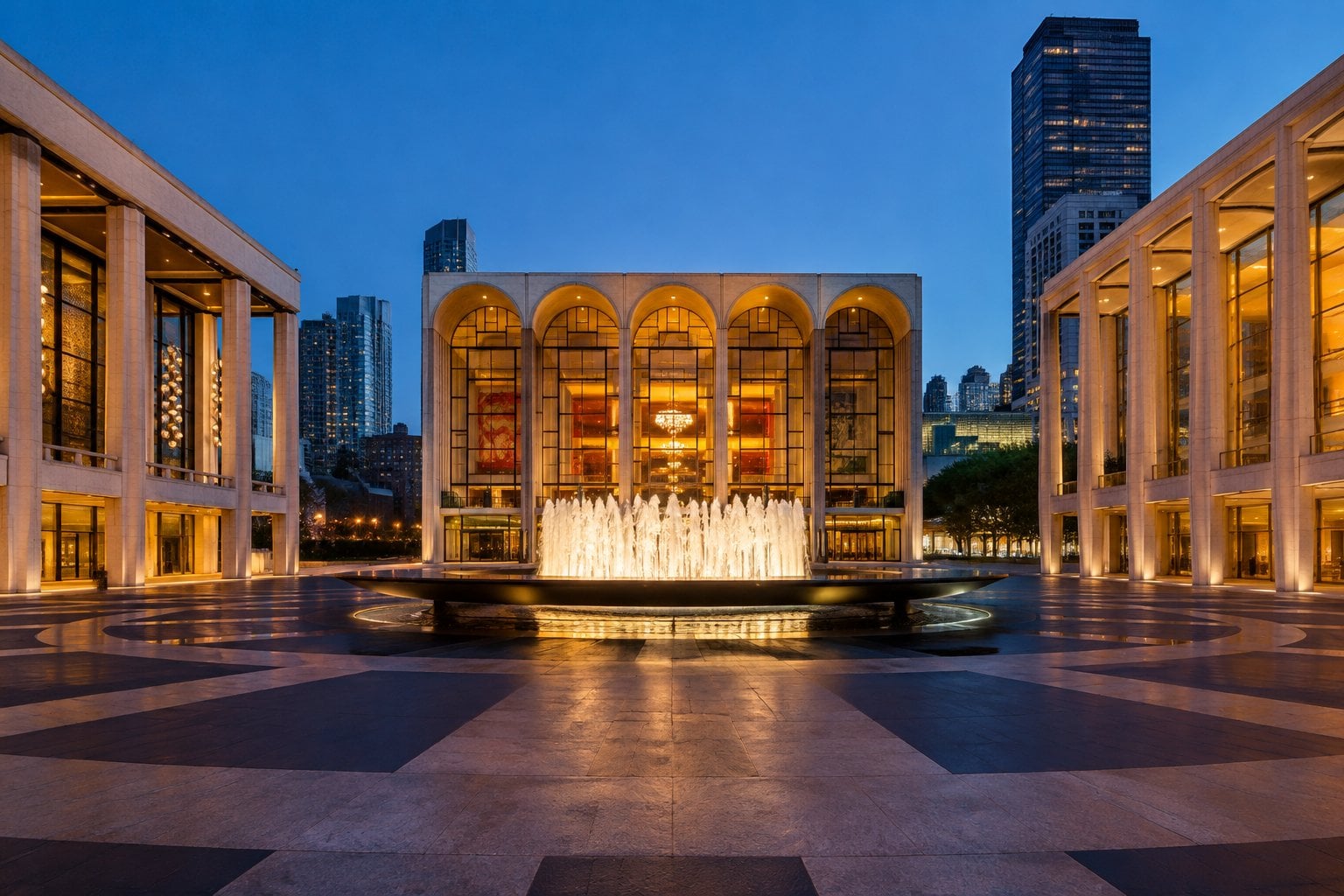
Fordham received 8,811 applications and made 1,429 offers, an acceptance rate of 16.22%. Only Georgetown made more offers among the schools on this list.
It enrolled 433 of the students it admitted, plus 11 others, for an entering class of 444: 374 full-time and 70 part-time. The median LSAT score was 168, with the middle half between 165 and 170. Its median GPA of 3.79 is the lowest on this list.
Tuition for 2025-26 is $78,078, plus $1,170 in fees, and the school estimates living costs at $37,354 a year. In 2024-25, 87% of students received a grant from the school, with a median full-time grant of $35,000.
Of Fordham’s 456 first-time bar takers from the class of 2024, 92.98% passed. The ABA average for the same states was 85.77%, the highest benchmark on this list. Total J.D. enrollment was 1,352.
28. University of Florida Levin College of Law (Gainesville, Florida)
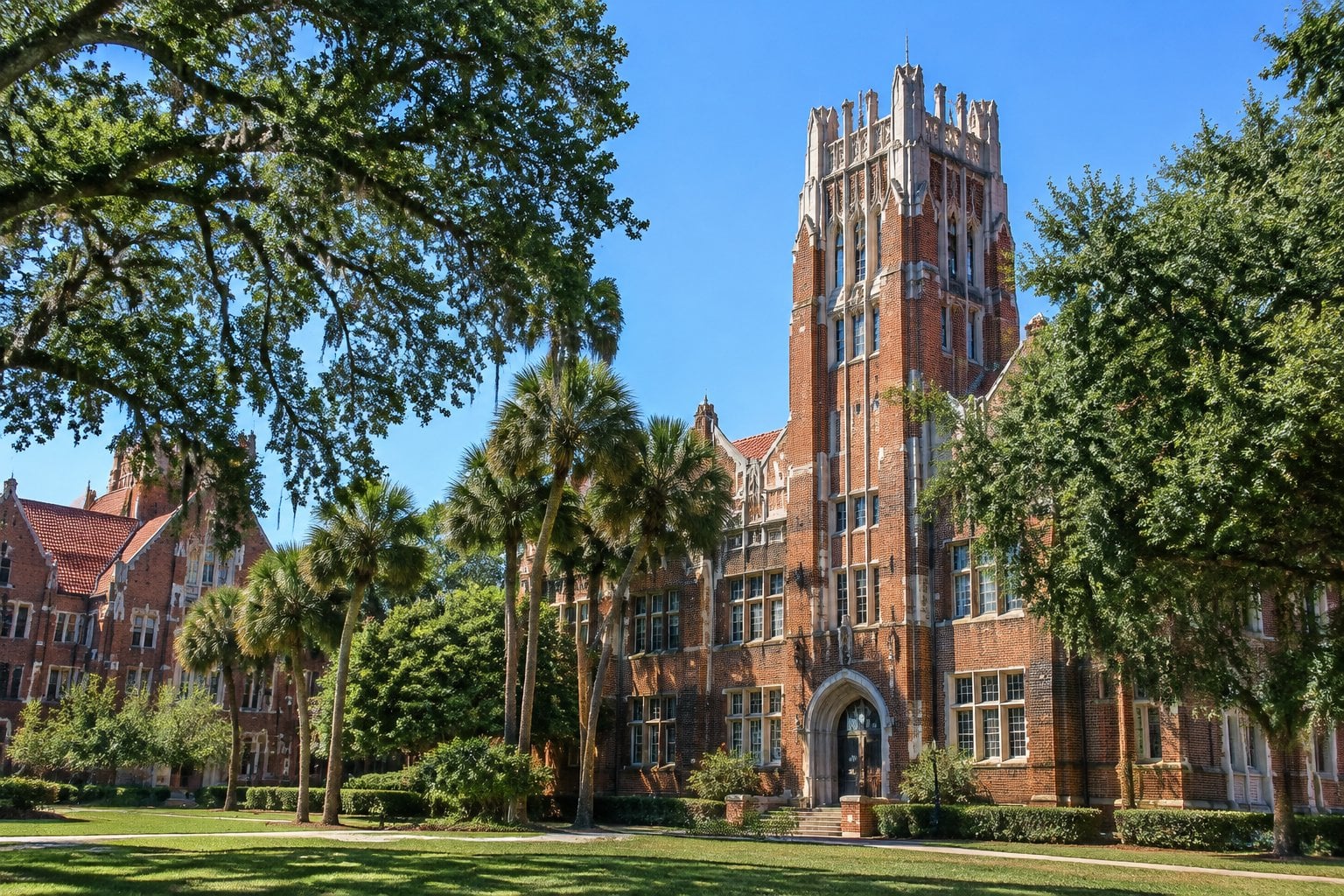
The University of Florida received 3,887 applications and made 642 offers, an acceptance rate of 16.52%. It enrolled 228 of the students it admitted, plus one other, for an entering class of 229, all full-time.
The class had a median LSAT score of 169, with the middle half between 165 and 170, and a median GPA of 3.91.
Florida is one of the least expensive schools on this list for state residents. Tuition for 2025-26 is $19,139 for Florida residents, plus $2,665 in fees, and $36,148 for nonresidents, plus $3,514. The school estimates living costs at $26,646 a year. In 2024-25, 88% of students received a grant from the school, with a median full-time grant of $19,000.
Of UF’s 262 first-time bar takers from the class of 2024, 88.55% passed, compared with an ABA average of 75.2% in the same states. Total J.D. enrollment was 658.
29. Cornell Law School (Ithaca, New York)
Cornell received 4,608 applications and made 838 offers, an acceptance rate of 18.19%. It enrolled 210 of the students it admitted, plus seven others, for an entering class of 217, all full-time.
Its entering students’ scores are higher than its rank suggests. The class had a median LSAT score of 173, the same as Stanford, Penn, Virginia, Columbia and Northwestern, with the middle half between 168 and 175, and a median GPA of 3.92.
Cornell is also one of the most expensive schools on this list. Tuition for 2025-26 is $84,722, second only to Columbia’s, plus $690 in fees, and the school estimates living costs at $32,952 a year. In 2024-25, 91% of students received a grant from the school, with a median full-time grant of $30,000.
Of Cornell’s 195 first-time bar takers from the class of 2024, 96.41% passed, compared with an ABA average of 84.73% in the same states. Total J.D. enrollment was 611. Cornell is one of four New York schools on this list.
30. Florida International University College of Law (Miami, Florida)
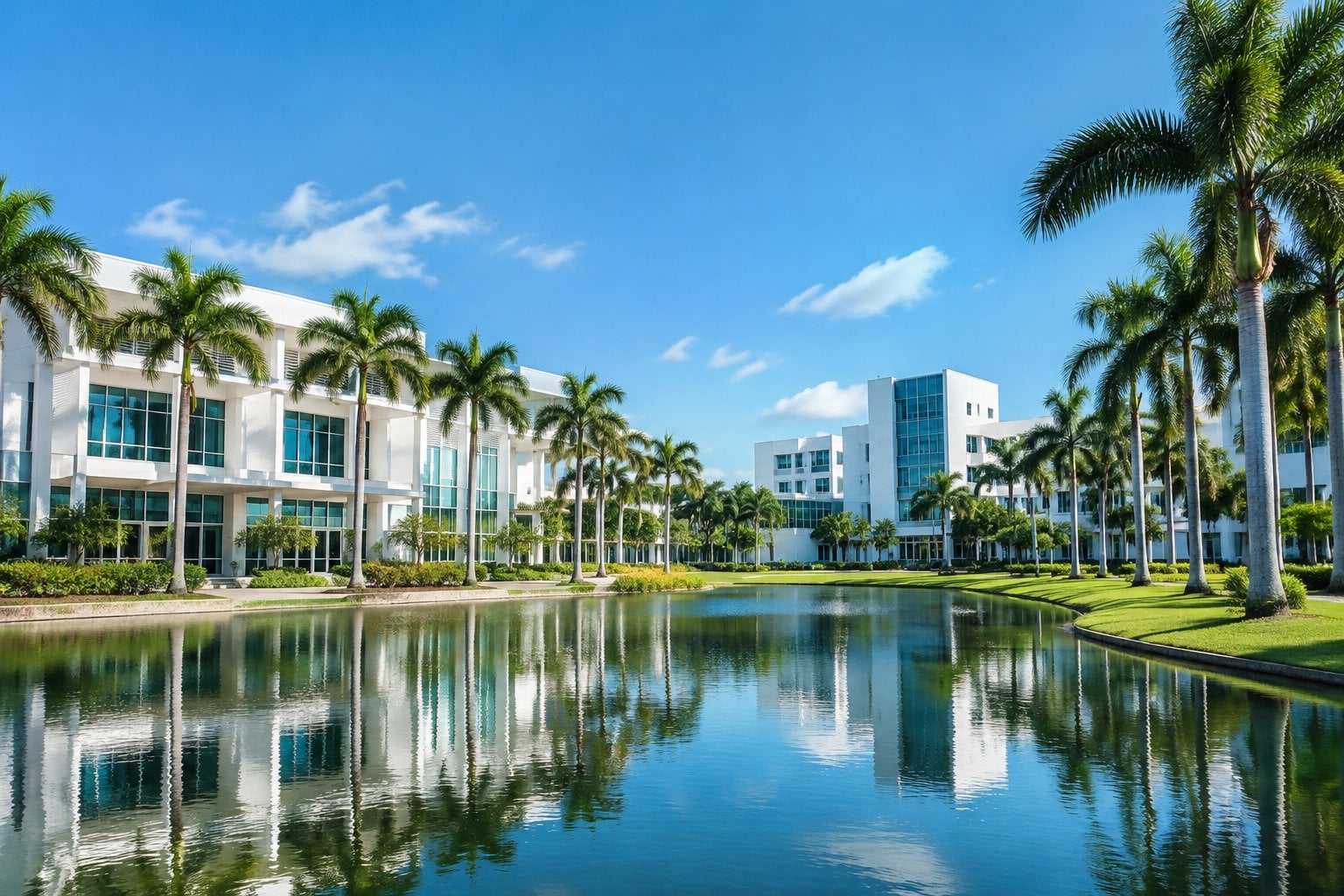
FIU, a public university in Miami, completes the list. It received 3,100 applications and made 582 offers, an acceptance rate of 18.77%.
All 175 students in its entering class were admitted in this cycle: 143 full-time and 32 part-time. FIU’s class had the lowest median LSAT score on this list, 161, with the middle half between 159 and 162, and a median GPA of 3.80. It shows that a school can be hard to get into because of how many people apply for a limited number of seats, even when its test scores are not the highest.
FIU charges by the credit hour: $691 per credit for Florida residents and $1,196 for nonresidents, plus $399 in annual fees. In 2024-25, 55% of students received a grant from the school, and the median full-time grant was $10,365, the smallest on this list.
Of FIU’s 163 first-time bar takers from the class of 2024, 88.34% passed, compared with an ABA average of 72.91% in the same states, the lowest benchmark here. Total J.D. enrollment was 581.
The next school in the ABA data, Washington University in St. Louis, accepted 18.96% of its applications and just missed the list. Its entering class had a median LSAT score of 175, the highest in the country.
What the Numbers Show
The list has 17 private schools and 13 public ones. California has five schools on it, New York four, and Massachusetts and Florida three each. Seven schools accepted fewer than 10% of their applications, and every school on the list accepted fewer than 19%.
A low acceptance rate is not the same as the highest test scores. Boston College ranked fourth with a median LSAT score of 168, while Washington University, with the highest median score in the country, missed the list. FIU made it with a median of 161. Acceptance rates depend on how many people apply and how many seats a school has to fill, as well as on how strong the applicants are.
Price doesn’t follow selectivity either. Columbia, Cornell and USC charge more than $84,000 a year in tuition, while Georgia and Florida charge state residents less than $20,000. Students who are admitted to several schools often compare grants as well: at 21 of the 30 schools on this list, more than three-quarters of students received a grant from the school.
For more on law school costs and results, see our lists of the 30 best law schools in the U.S., the 30 worst law schools in the U.S. and the 30 most expensive law schools in the U.S. Each school’s full report is on the ABA’s required disclosures site, and the Law School Admission Council publishes national data on applicants.
This article is general information, not legal advice or a recommendation for or against any school. Figures are from the ABA’s 2025 Standard 509 and bar passage reports and may change in later reports.


