
The 30 Biggest Lawsuit Settlements in U.S. History
Most lawsuits end quietly, with a payment that never makes the news. A few end with numbers so large that they change whole industries. Tobacco companies, oil giants, drug makers, utilities and tech companies have all agreed to pay billions of dollars to settle claims brought by states, the federal government and large groups of people.
This list ranks the 30 biggest lawsuit settlements in U.S. history by the dollar amount announced at the time, with the year of each. The amounts are not adjusted for inflation. Some are maximums (“up to”), some are estimates, and many are paid over years or even decades; each entry says which. Criminal fines and guilty pleas are left out unless they were part of one combined settlement, and the list does not include cases against banks and other financial companies.
The figures come from Department of Justice and Federal Trade Commission releases, state attorneys general, official settlement websites, company announcements and major news reports from the time.
1. The Tobacco Master Settlement Agreement: $206 Billion (1998)
In November 1998, 46 states, the District of Columbia and five U.S. territories signed the Master Settlement Agreement with the four largest tobacco companies in the country: Philip Morris, R.J. Reynolds, Brown & Williamson and Lorillard. The states had sued the companies to recover the public health costs of smoking.
The Colorado Attorney General’s office describes the deal as requiring payments of a projected $206 billion over its first 25 years. That makes it the biggest settlement on this list by a wide margin. The payments don’t stop after 25 years, and the National Association of Attorneys General reports that more than $126 billion had been paid through 2018.
The agreement also restricts how tobacco is marketed. According to the California Attorney General, the companies agreed to fund a $1.5 billion anti-smoking campaign, open previously secret industry documents and break up industry trade groups. Four states, Florida, Minnesota, Mississippi and Texas, were not part of it, because they had already settled on their own. Their deals appear further down this list.
2. The National Opioid Settlement With Three Drug Distributors and Johnson & Johnson: $26 Billion (2021)
In 2021, states and local governments reached nationwide settlements of their opioid lawsuits against the three largest drug distributors in the country, McKesson, Cardinal Health and AmerisourceBergen, and against Johnson & Johnson’s drug unit, Janssen Pharmaceuticals.
According to the official National Opioid Settlement website, the distributors will pay up to $21 billion over 18 years, and Johnson & Johnson will pay up to $5 billion over no more than nine years, for a total of up to $26 billion. The final amount depends on how many cities and counties signed on: the more that joined, the more money is paid. The figures include earlier state settlements and attorney fees.
At least 85% of the money going to states and local governments must be spent on fighting the opioid epidemic, such as treatment and prevention. The distributors also had to create a clearinghouse that tracks shipments from all three companies to spot and report suspicious opioid orders. Johnson & Johnson, which stopped selling opioids in 2020, agreed not to sell or market them for 10 years.
3. BP and the Deepwater Horizon Oil Spill: $20.8 Billion (2015)
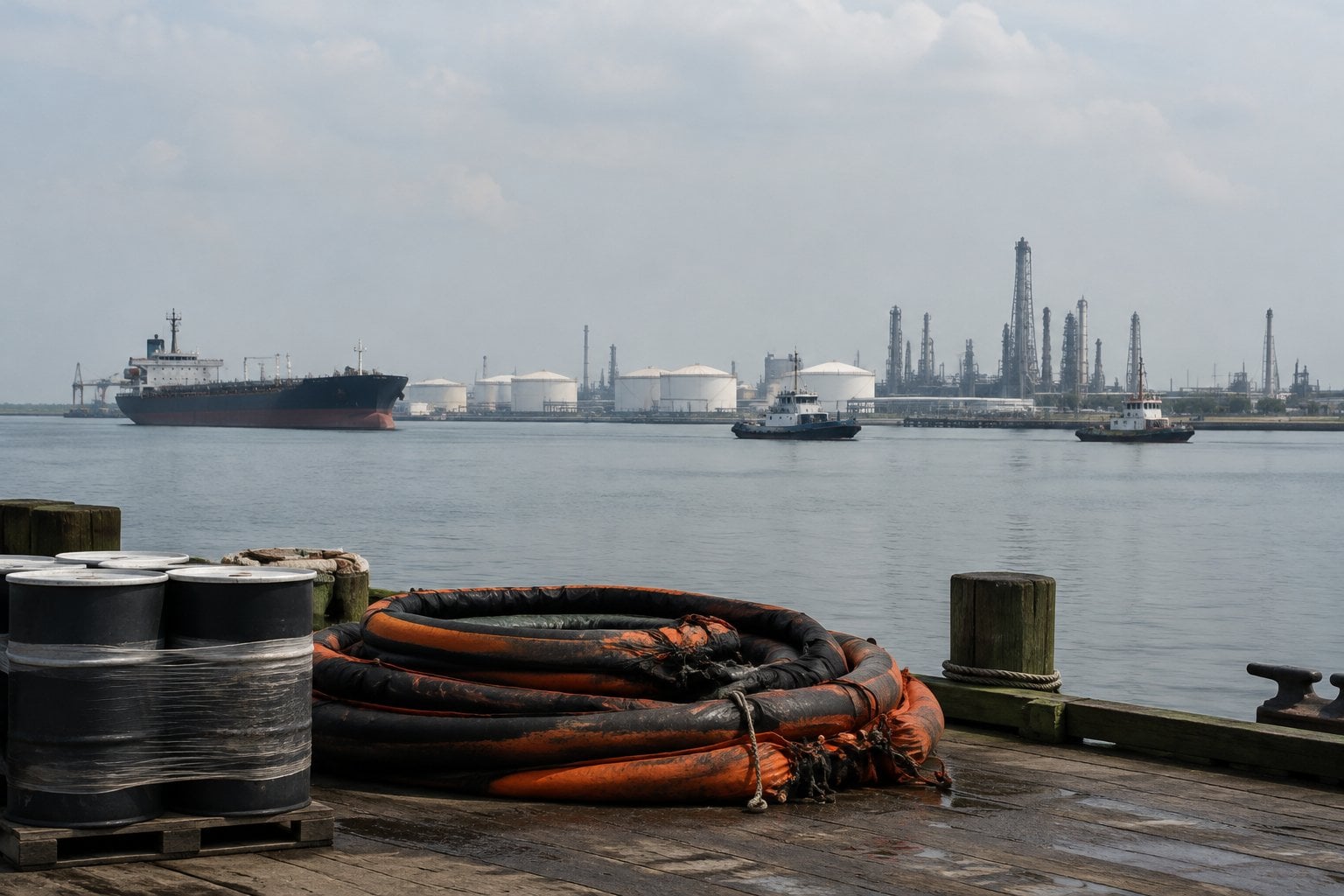
On April 20, 2010, BP’s Macondo well blew out less than 50 miles off the coast of Louisiana. The explosion and fire destroyed the Deepwater Horizon drilling rig and killed 11 men, and more than three million barrels of oil flowed into the Gulf of Mexico over nearly three months. Oil washed up on more than 1,300 miles of shoreline from Texas to Florida.
On October 5, 2015, the U.S. government and the five Gulf states, Alabama, Florida, Louisiana, Mississippi and Texas, announced a settlement with BP worth $20.8 billion. The Justice Department called it the largest settlement with a single entity in its history.
It includes a $5.5 billion Clean Water Act penalty, the largest civil penalty in the history of environmental law, with 80% going to Gulf restoration. BP also agreed to $8.1 billion in natural resource damages, $600 million for other claims, $4.9 billion to the five states for economic losses and up to $1 billion to local governments, paid over time.
4. The Texas Tobacco Settlement: $17.3 Billion (1998)
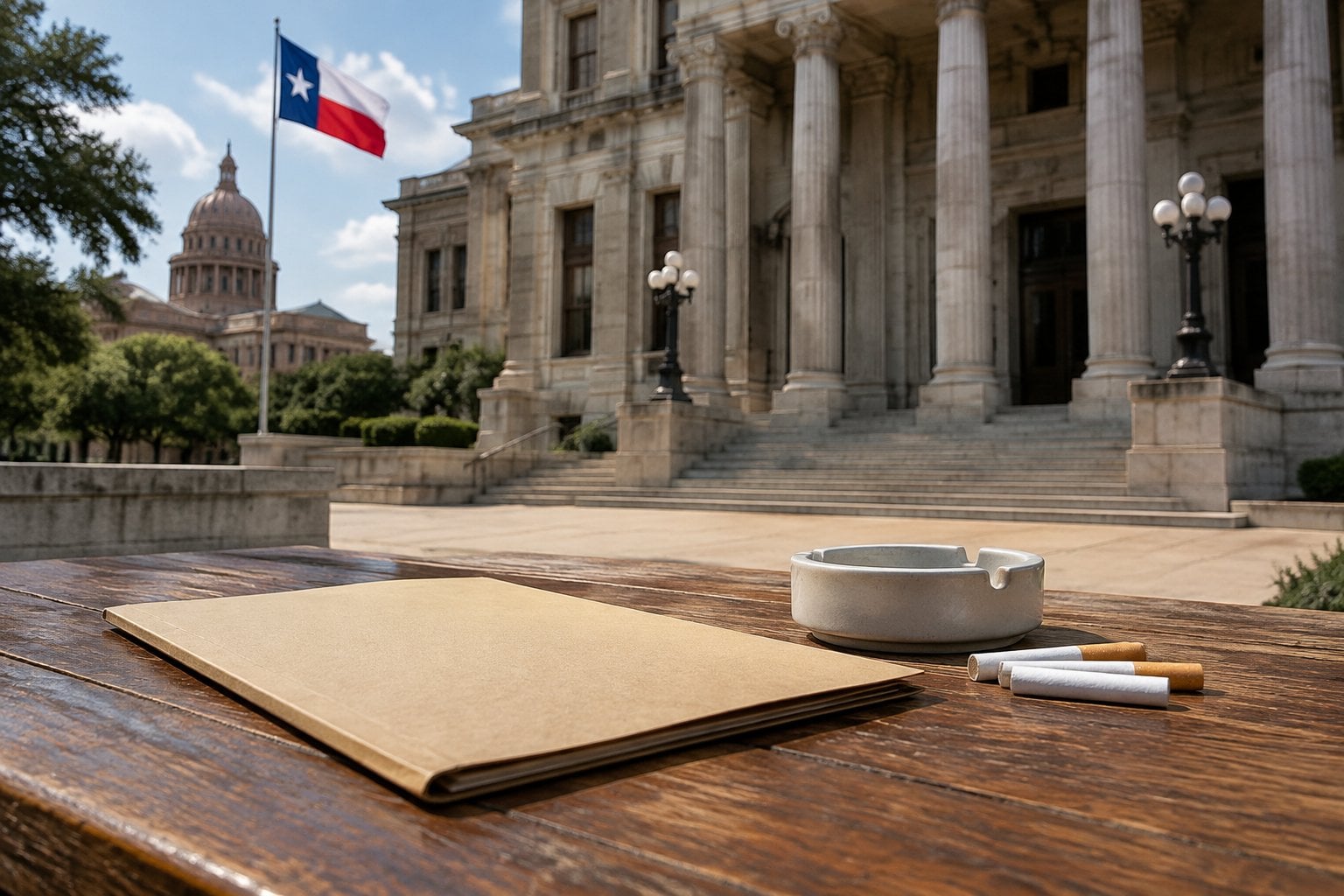
Texas was one of four states that sued the tobacco industry and settled on its own, before the national Master Settlement Agreement. The state sued to recover the health care costs of treating smoking-related illnesses.
The Texas attorney general announced the deal at the federal courthouse in Texarkana in January 1998. It was first reported at about $15.3 billion over 25 years. By the time a federal judge approved it later that year, its value had risen to $17.3 billion, because of a “most favored nation” clause that raised Texas’s payments to match better terms that other states won later.
The settlement had a famous side story: the outside lawyers who handled the case for the state were awarded about $3.3 billion in fees, which led to years of controversy. The Texas Legislature later created a Tobacco Settlement Permanent Trust Account to share part of the money with local governments for health care. Texas has also had to go back to court to enforce the deal; a federal court ruled that it still binds R.J. Reynolds after the company said in 2015 it would stop some payments.
5. Volkswagen’s Diesel Emissions Cheating: $14.7 Billion (2016)
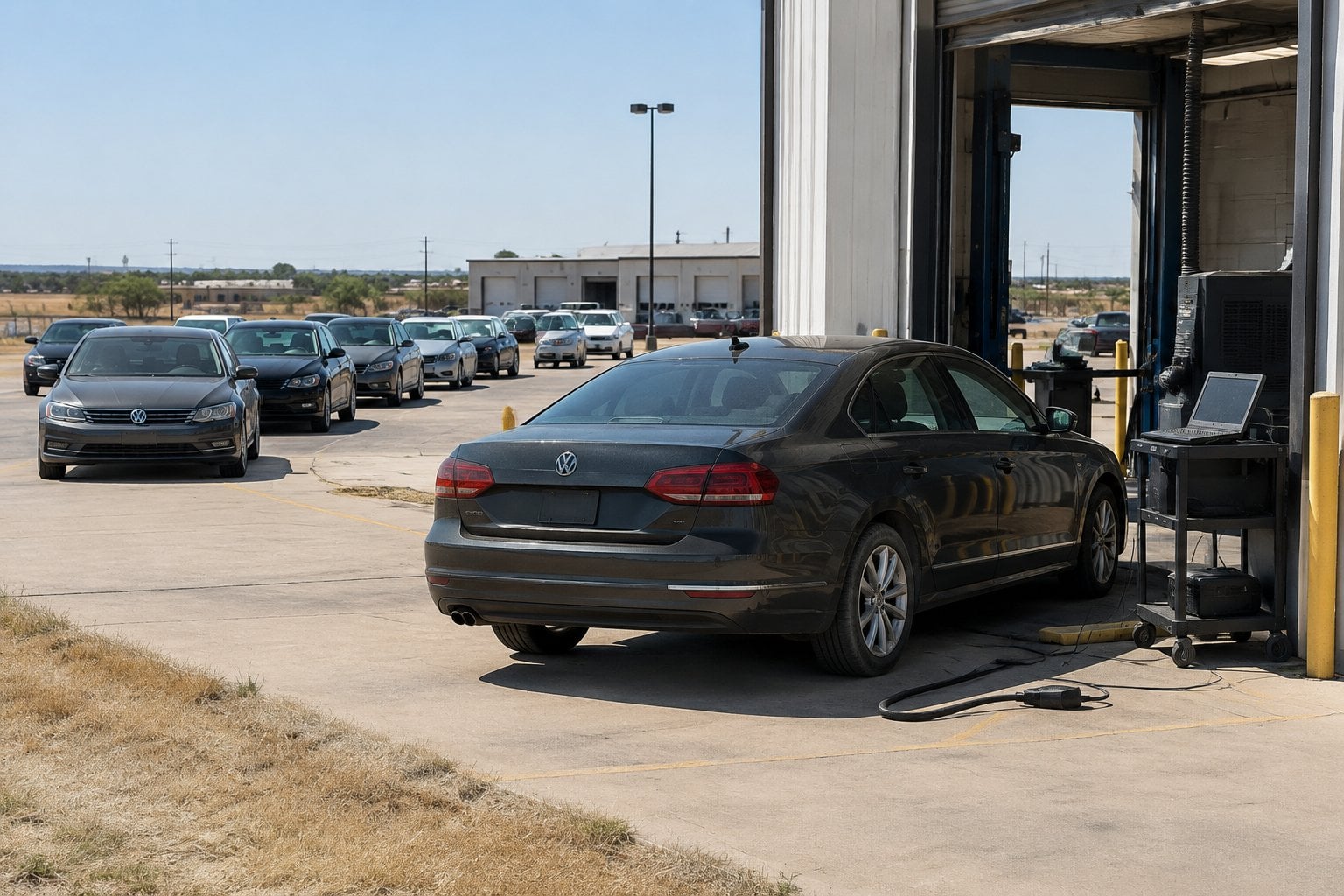
Volkswagen marketed its diesel cars as “clean diesel.” In fact, about 500,000 of its 2.0-liter diesel cars sold in the U.S. from model years 2009 to 2015, including Jetta, Passat, Golf and Beetle models and the Audi A3, contained “defeat device” software. The software switched on full emissions controls only during lab tests. On the road, the cars gave off nitrogen oxides at up to 40 times the level the EPA allows.
On June 28, 2016, the Justice Department, the EPA, California and the Federal Trade Commission announced settlements in which Volkswagen agreed to spend up to $14.7 billion.
Up to $10.03 billion was set aside to buy back cars, end leases at no cost or fix the cars and pay owners; buyback offers ran from $12,500 to $44,000 depending on the car. VW also had to pay $2.7 billion into a trust for projects that cut nitrogen oxide pollution and invest $2 billion over 10 years in zero-emission vehicle technology. Larger 3.0-liter diesels, civil penalties and criminal charges were handled in separate cases.
6. PG&E and the California Wildfire Victims: $13.5 Billion (2019)
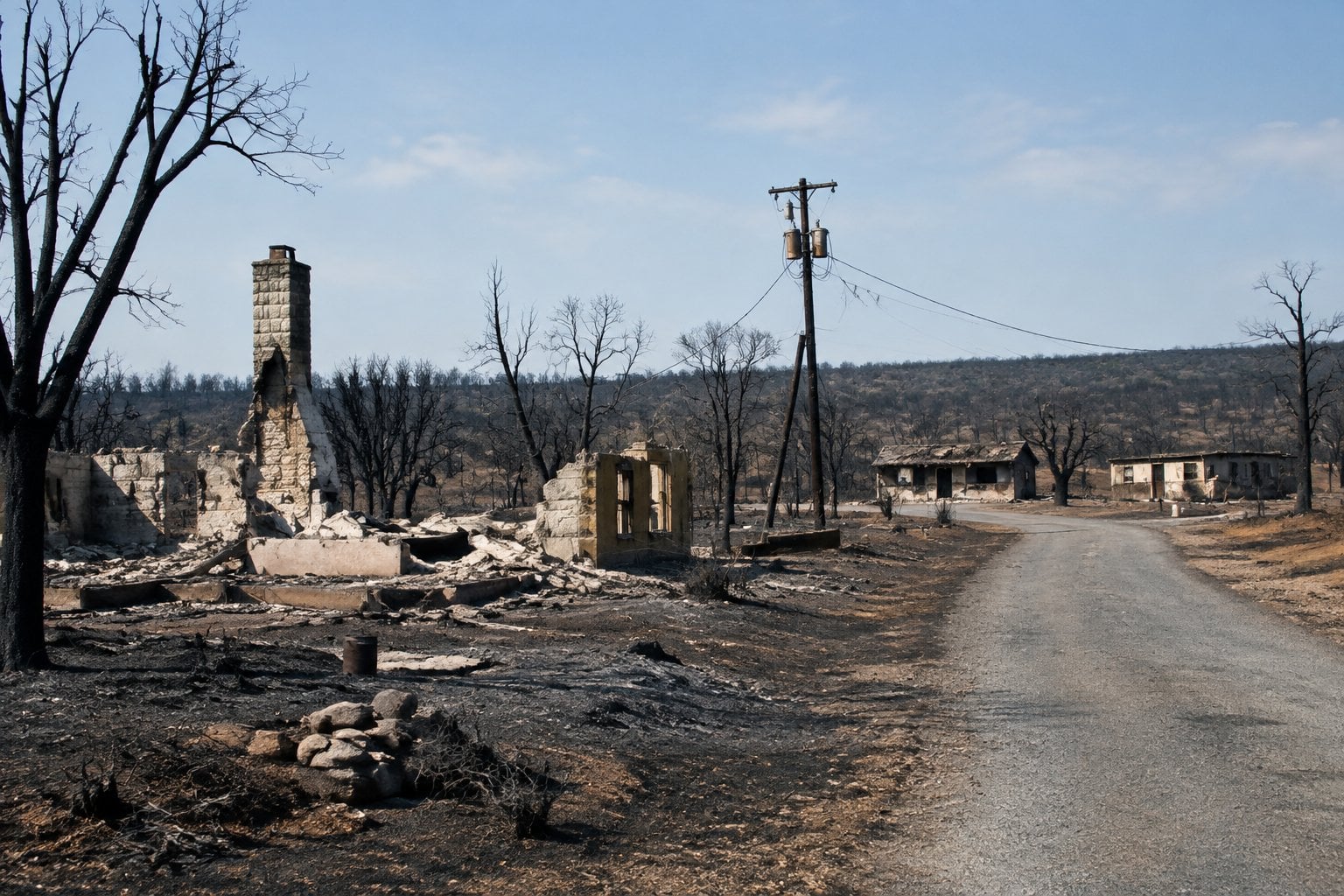
The utility Pacific Gas and Electric faced thousands of claims from people who lost homes, businesses and family members in wildfires. The fires included the 2015 Butte Fire, the October 2017 North Bay wildfires, which involved 22 major fires, and the Camp Fire of November 8, 2018.
PG&E filed for bankruptcy protection on January 29, 2019. On December 1, 2019, it reached a $13.5 billion settlement with the committee representing the individual fire victims in its bankruptcy case. The bankruptcy court confirmed PG&E’s reorganization plan on June 20, 2020.
The money went into the Fire Victim Trust, which was set up and funded on July 1, 2020 with $5.4 billion in cash plus PG&E stock. About half of the $13.5 billion was paid in stock rather than cash, so what victims actually received depended in part on PG&E’s share price. According to the trust, it pays fire victims for destroyed or damaged homes and property, extra living expenses, business losses, emotional distress, personal injury and death.
7. The Florida Tobacco Settlement: $11.3 Billion (1997)
Florida sued the tobacco industry to recover what the state’s Medicaid program had spent treating smoking-related illnesses. In August 1997, the companies settled before the case went to trial, more than a year before the national Master Settlement Agreement.
The deal was reported at about $11.3 billion over 25 years. That figure is an estimate rather than a fixed total. The settlement itself ties each year’s payment to national cigarette sales and inflation, so the amount Florida receives rises or falls from year to year.
The first installment was $750 million, paid in 1997, according to the Florida Legislature’s Office of Economic and Demographic Research. That office still publishes regular forecasts of the tobacco payments, because they remain part of the state budget. In 2022, state economists lowered their forecast of future payments for a simple reason: fewer people are smoking. Florida continues to receive yearly payments under the deal today.
8. Bayer and the Roundup Weed Killer Lawsuits: Up to $10.9 Billion (2020)
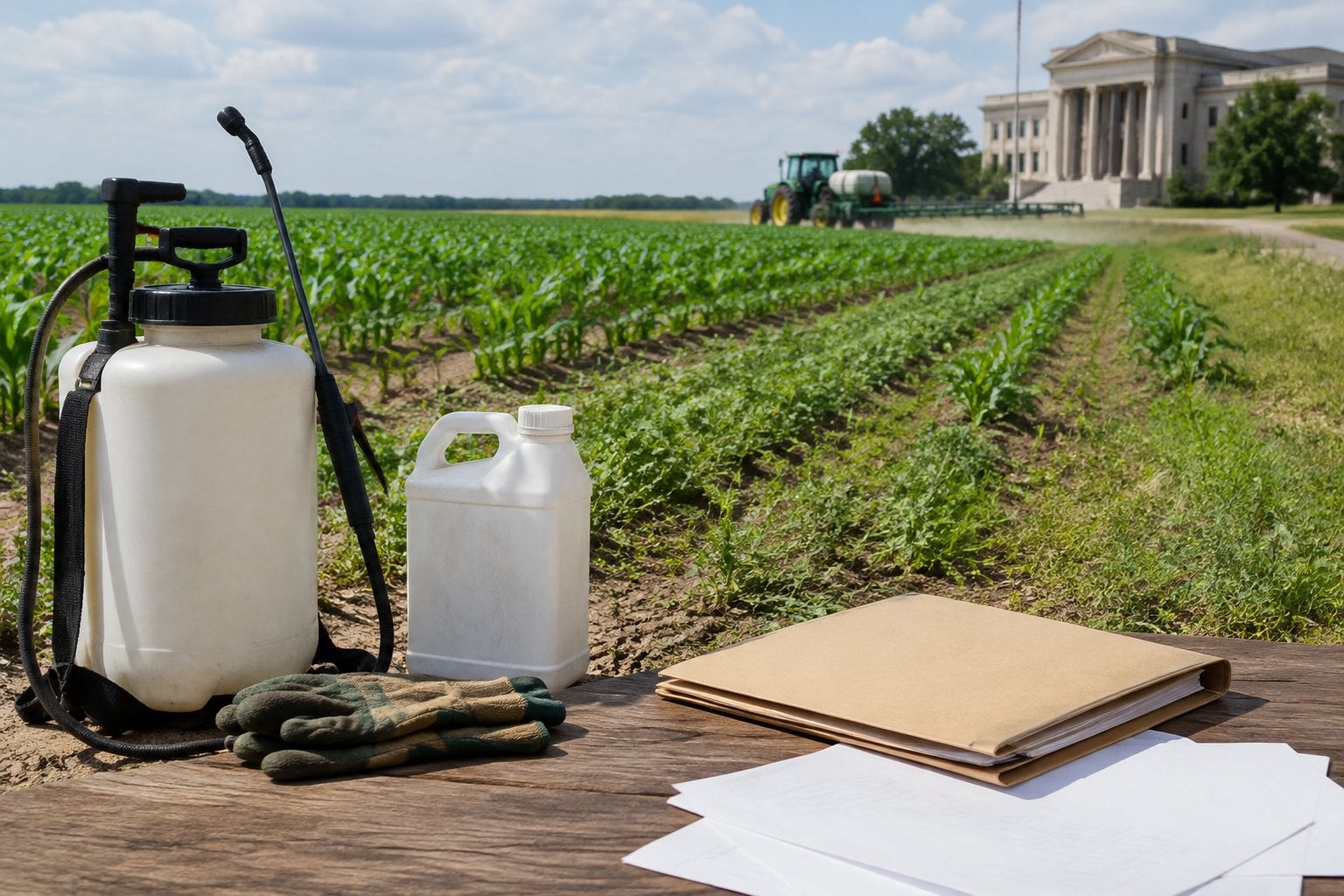
Bayer owns Monsanto, the company that made the Roundup weed killer. Many people sued, claiming that Roundup caused non-Hodgkin lymphoma, a type of cancer.
On June 24, 2020, Bayer announced agreements to resolve most of the Roundup lawsuits for a total of $10.1 billion to $10.9 billion. Of that, $8.8 billion to $9.6 billion was for the lawsuits already filed, including an allowance for claims not yet resolved, and $1.25 billion was for a separate class agreement covering possible future claims. That money was set aside for an independent science panel, research and diagnosis programs, and assistance payments. Bayer did not admit liability.
The same day, Bayer settled two other Monsanto disputes that are not counted in this total: up to $400 million over damage to crops from drifting dicamba weed killer, and about $820 million over PCB water pollution claims. Roundup lawsuits did not end there. In 2026, a Missouri court was still considering whether to approve a separate class settlement of up to $7.25 billion over 21 years.
9. 3M and “Forever Chemicals” in Public Drinking Water: $10.3 Billion (2023)
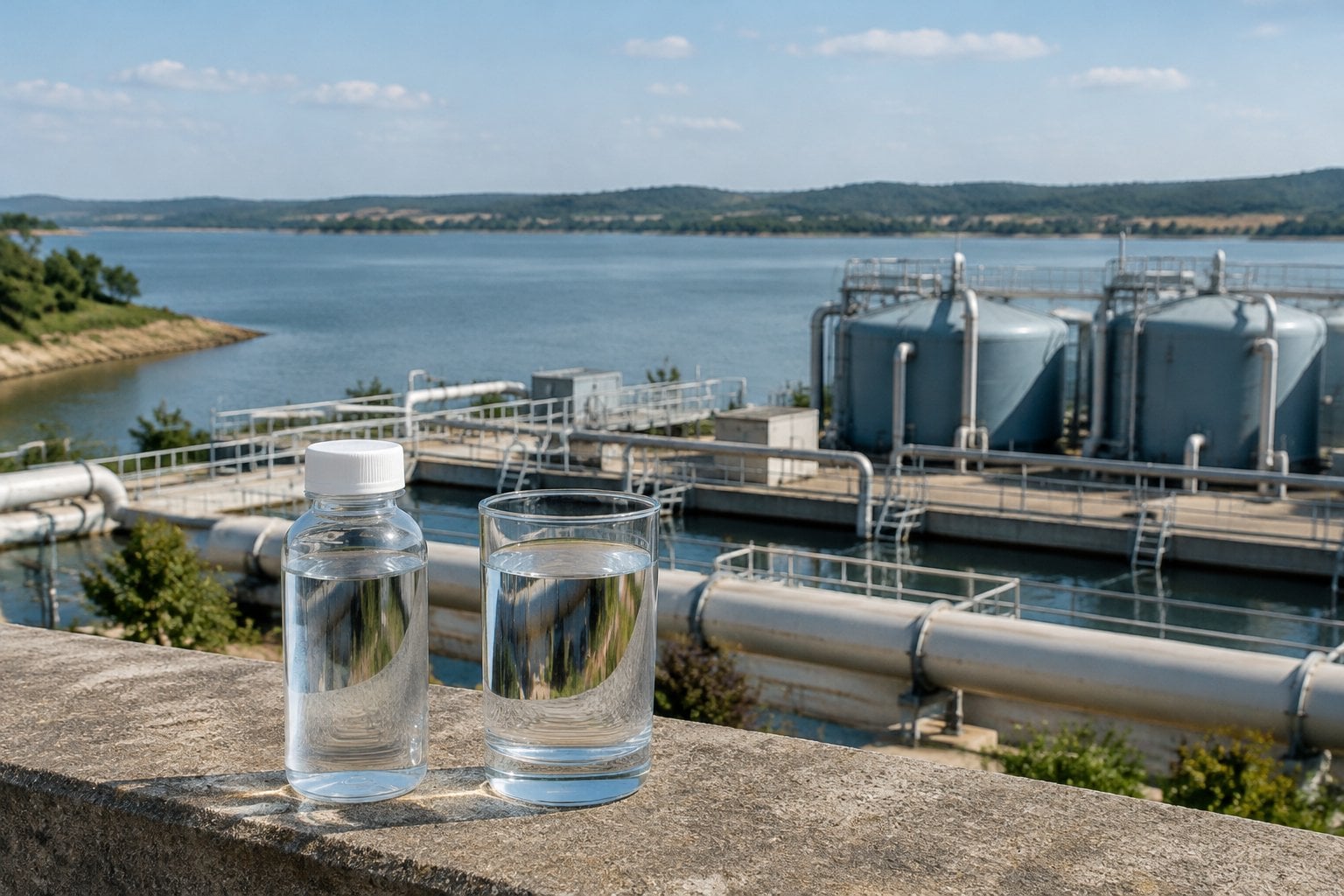
PFAS are a family of man-made chemicals, often called “forever chemicals,” that were used in many products, including firefighting foam. Public water systems across the U.S. sued 3M over PFAS in their drinking water supplies.
On June 22, 2023, 3M announced a settlement worth up to $10.3 billion in present value. Paid over 13 years, the total payments could reach $12.5 billion. The final figure depends on how many water systems find PFAS during testing required by the EPA.
The cases were part of a large federal litigation in Charleston, South Carolina, before U.S. District Judge Richard Gergel, and the deal replaced a trial. The money goes to cities, towns and other public water providers to test for PFAS and treat their water. 3M said that settling was not an admission of liability. In the same year, DuPont, Chemours and Corteva settled similar claims from water systems for $1.185 billion.
10. BP’s Deepwater Horizon Settlement With Gulf Businesses and Residents: $7.8 Billion (2012)
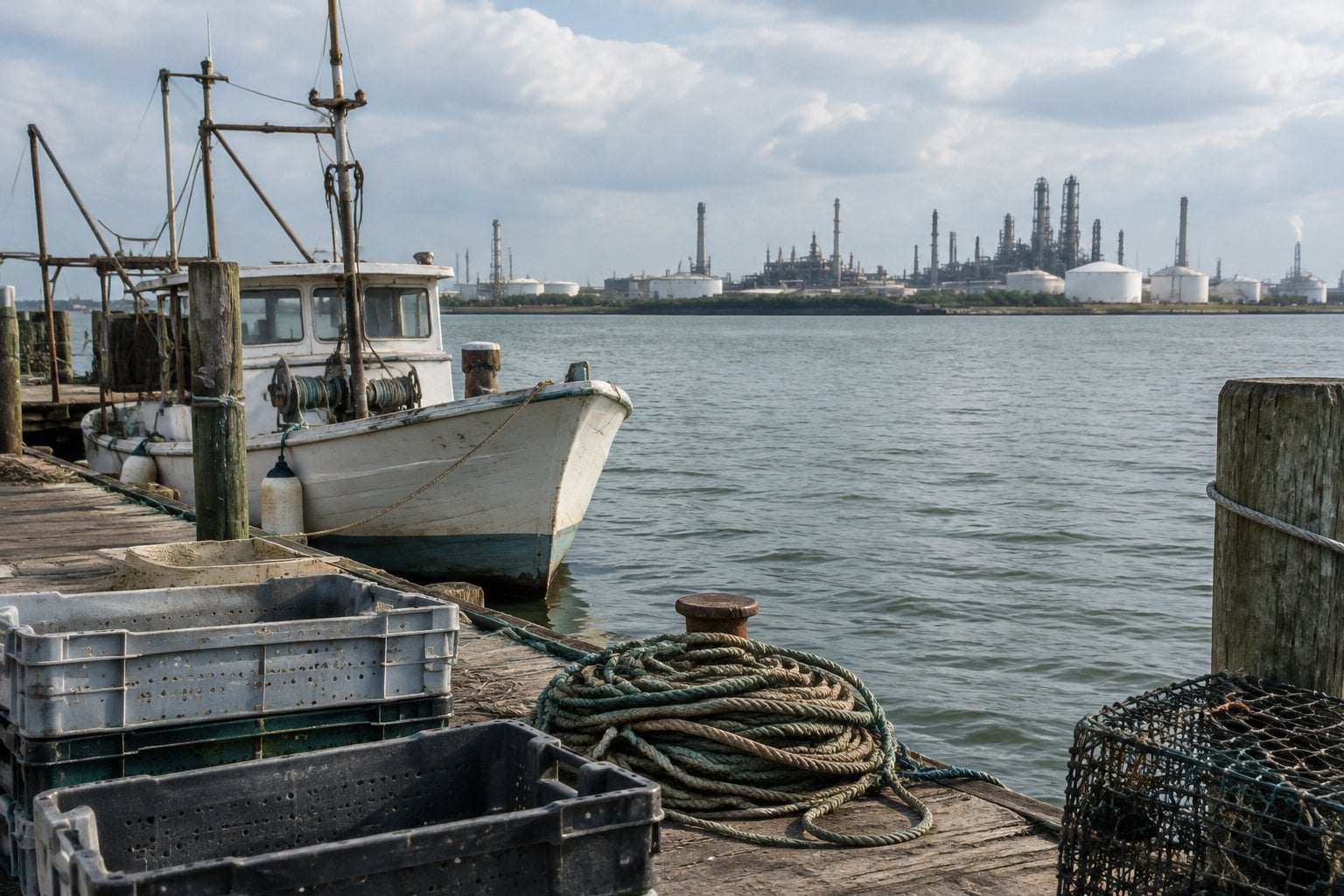
Before BP settled with the government, it settled with the businesses and people along the Gulf Coast who lost money because of the 2010 oil spill.
On December 21, 2012, U.S. District Judge Carl Barbier in New Orleans gave final approval to BP’s class settlement of economic loss and property damage claims. It covered hotel and resort owners, restaurant owners, shrimpers, fishermen, condominium owners and many others. More than 100,000 claims had been filed.
BP estimated the settlement would cost about $7.8 billion, but that was only an estimate: the deal had no cap on total payments, except for a fixed $2.3 billion for seafood claims by commercial fishermen. Judge Barbier called the deal “fair, reasonable and adequate,” pointing to how few class members objected or opted out. The settlement did not cover a separate medical settlement for cleanup workers and others who said the oil made them sick, or the claims of the federal government and the states, which came later.
11. Purdue Pharma and the Sackler Family’s Opioid Settlement: $7.4 Billion (2025)
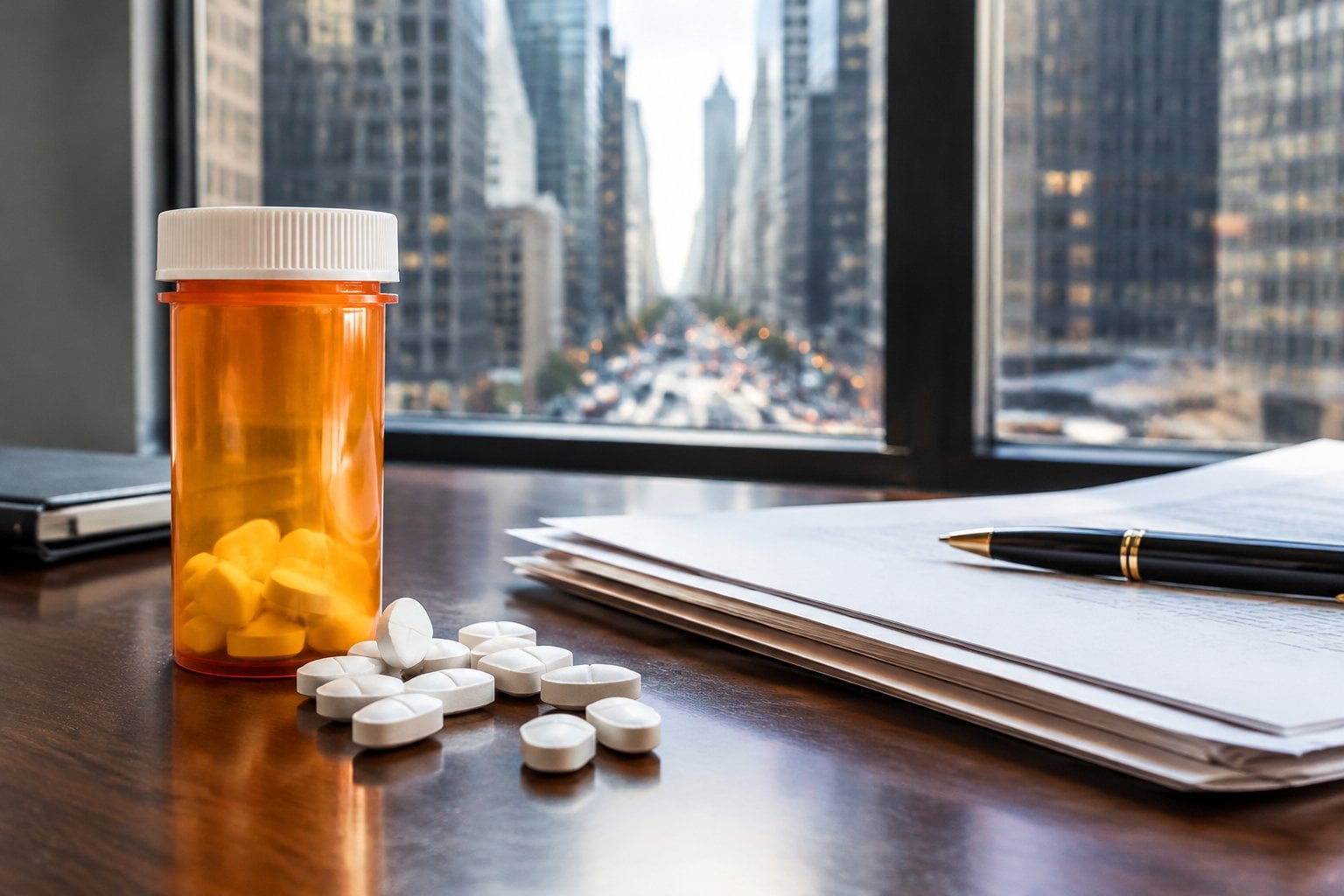
Purdue Pharma made prescription opioid painkillers. States, cities, counties and individuals sued the company and its owners, the Sackler family, over their role in the opioid crisis.
In January 2025, state attorneys general announced a $7.4 billion settlement with Purdue and the Sacklers. Purdue’s bankruptcy plan, which includes the settlement, was approved by a U.S. bankruptcy judge in November 2025, according to the New York Attorney General’s office.
The money is paid in stages. The first payment, expected in early 2026, was $1.5 billion from the Sacklers and about $900 million from Purdue. After that come $500 million after one year, another $500 million after two years and $400 million after three years, with the rest paid over a longer period. New York alone is set to receive up to $250 million.
12. 3M and “Forever Chemicals” Personal Injury Claims: $7.35 Billion (2026)
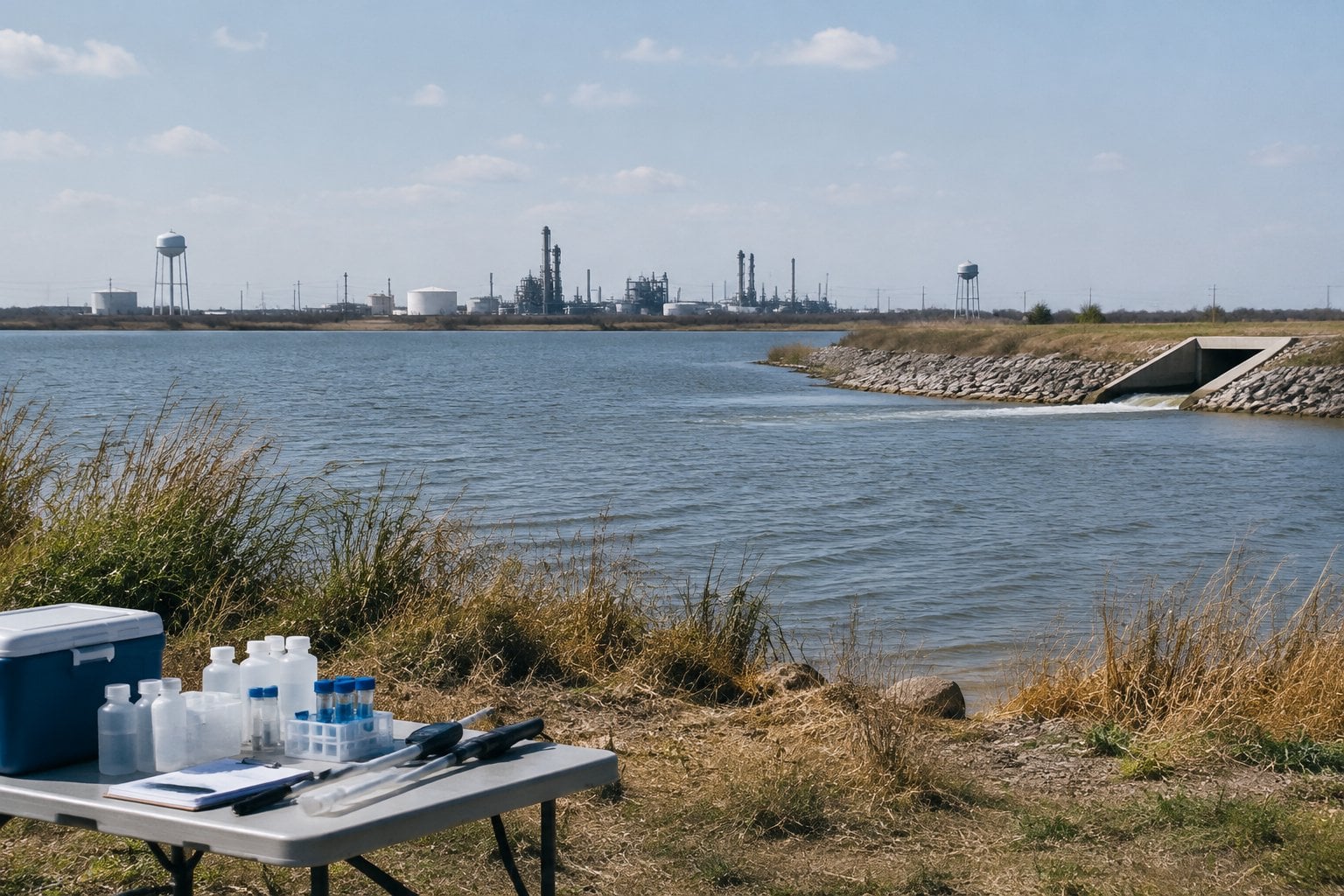
3M’s 2023 deal with water systems didn’t end its PFAS lawsuits. Tens of thousands of people had also sued, claiming they were harmed by PFAS from firefighting foam known as AFFF.
On November 3, 2026, 3M announced an agreement to resolve about 99% of the current personal injury claims, both inside and outside the federal litigation in South Carolina. Roughly 115,000 to 120,000 plaintiffs are eligible. The deal calls for $7.35 billion in total payments over about nine years, which 3M valued at $5.8 billion in present value.
The schedule starts slowly: $50 million in 2026 for administrative costs, nothing in 2027, then yearly payments from 2028 through 2033 that add up to $6.3 billion, plus a $680 million reserve fund. Claims against other foam and chemical makers, including DuPont, Chemours, Corteva, Tyco Fire Products and BASF, are not included. 3M did not admit wrongdoing and said it would keep defending itself in court if the agreed terms are not met.
13. The Minnesota Tobacco Settlement: $6.1 Billion (1998)

Minnesota was another state that took on the tobacco industry by itself, and it went further than most: its case went all the way to trial. The state sued to recover the health care costs of treating smoking-related illnesses.
The trial ran for weeks. On May 8, 1998, just as the jury was about to begin deliberating, the two sides reached a settlement. The tobacco companies agreed to pay Minnesota about $6.1 billion over 25 years. The state’s attorney general said the companies had “surrendered” on the state’s terms.
The case is also remembered for something besides the money. It brought a huge collection of internal tobacco industry documents into the open, giving the public a look at papers the companies had kept private. Minnesota’s settlement came about six months before the 46-state Master Settlement Agreement, which Minnesota did not join because it already had its own deal.
14. 3M and the Military Combat Arms Earplugs: $6 Billion (2023)
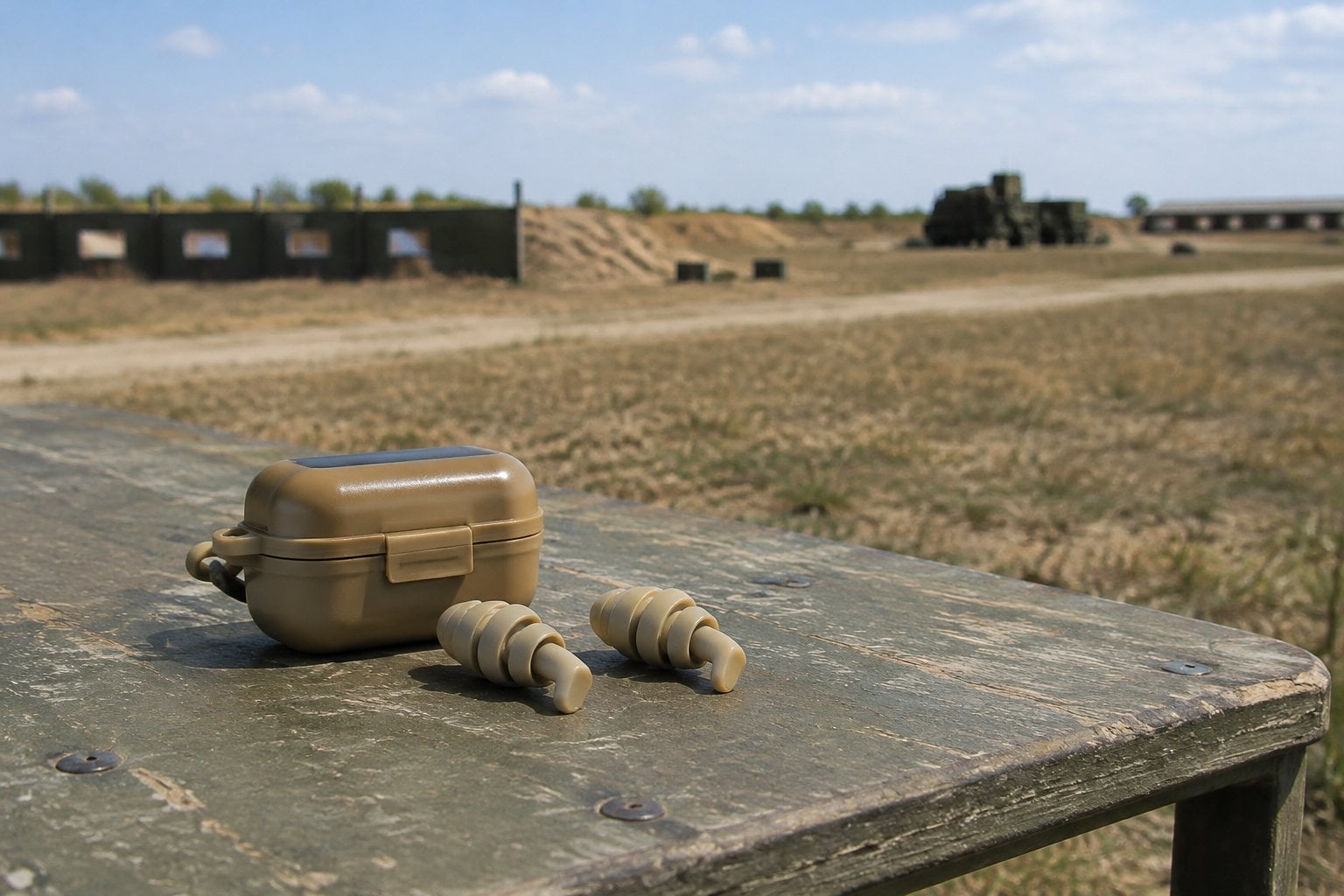
For years, U.S. troops used dual-ended Combat Arms Earplugs, Version 2, made by Aearo Technologies, a company 3M bought in 2008. Service members used them from roughly 2003 to 2015, including in Iraq and Afghanistan. More than 250,000 current and former service members later sued, claiming the earplugs didn’t protect their hearing and led to hearing loss or tinnitus.
Nearly 260,000 lawsuits were combined in federal court in Pensacola, in the Northern District of Florida. On August 29, 2023, 3M announced a $6 billion settlement, paid from 2023 through 2029: $5 billion in cash and $1 billion in 3M stock.
The deal only went forward if at least 98% of eligible claimants signed on. In March 2024, 3M said more than 99% had joined, and payments began in early 2024. 3M did not admit wrongdoing as part of the settlement.
15. Walgreens’ National Opioid Settlement: $5.52 Billion (2022)
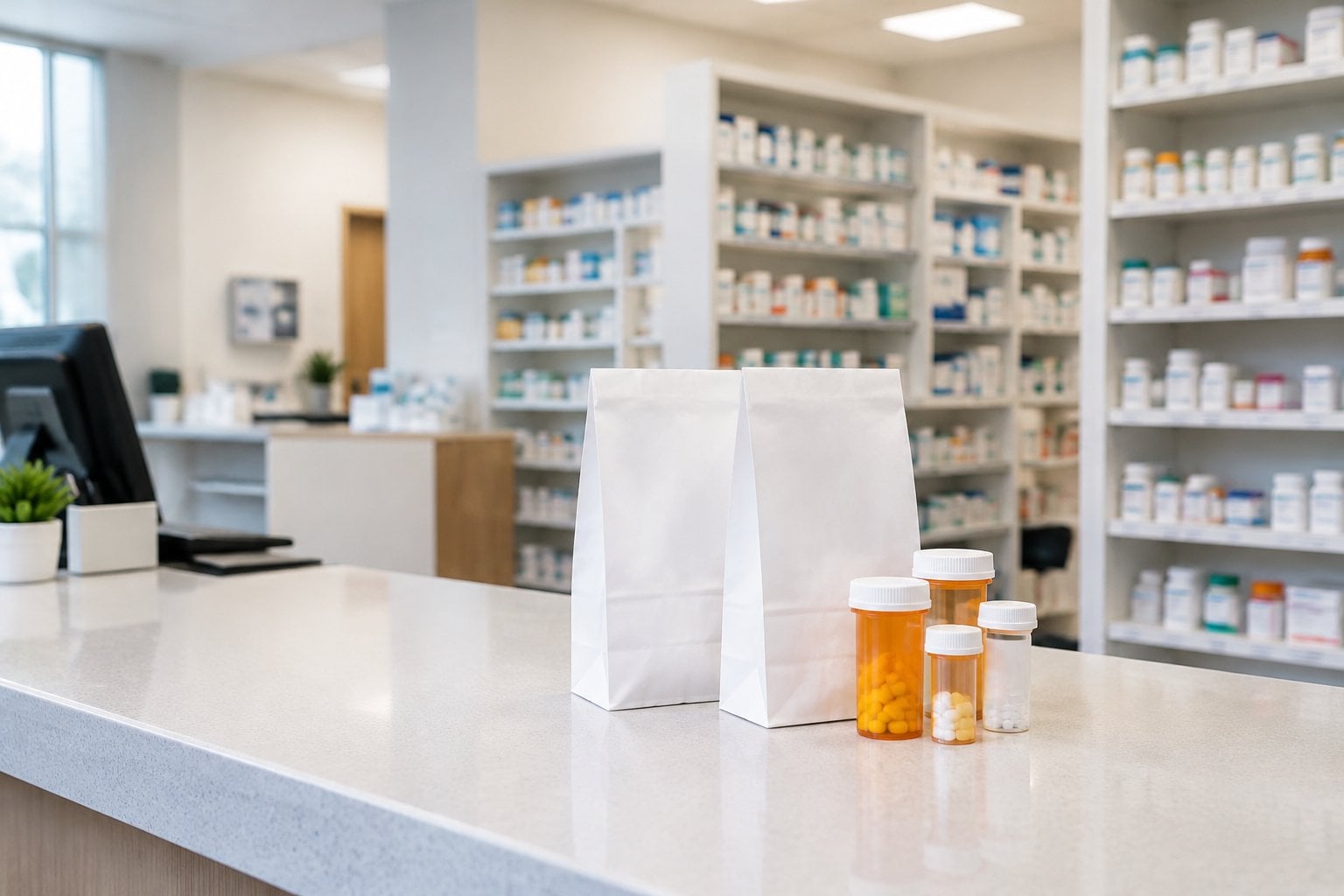
After settling with drug distributors, states and local governments turned to the pharmacy chains that filled opioid prescriptions. Their lawsuits claimed the pharmacies failed to properly control the opioid prescriptions they dispensed.
In early November 2022, states announced national agreements with three chains: CVS, Walgreens and Walmart. Walgreens’ share is the largest: up to $5.52 billion over 15 years, according to the official National Opioid Settlement website. Some state releases put the figure at about $5.7 billion when earlier deals are included. In January 2023, Walgreens confirmed that enough states had signed on for the settlement to move forward, and the 2022 national settlements have since been finalized.
At least 85% of the money going to states and local governments must be used to fight the opioid epidemic. Walgreens also agreed to change how it handles opioids, including its compliance systems, support for pharmacist judgment, monitoring of suspicious orders and procedures for red flags, such as problematic prescribers.
16. Facebook’s Privacy Penalty From the FTC: $5 Billion (2019)
In 2012, Facebook agreed to an order from the Federal Trade Commission about how it handled users’ privacy. Seven years later, the FTC said the company had broken that order.
On July 24, 2019, the FTC announced a $5 billion civil penalty against Facebook, now called Meta. The agency said Facebook deceived users about their ability to control the privacy of their personal information, including by sharing data about users’ friends with outside app developers. The FTC called it the largest penalty ever imposed on any company for violating consumers’ privacy.
The settlement went beyond money. The order runs for 20 years and created an independent privacy committee on Facebook’s board of directors, whose members can only be removed by a supermajority of the board. Outside assessors report to that committee, top executives must certify every quarter that the company is complying, and every new or changed product needs a privacy review before it launches. The order also covers Instagram and WhatsApp.
17. CVS’s National Opioid Settlement: $4.9 Billion (2022)
CVS was the second of the three pharmacy chains on this list to settle the opioid lawsuits brought by states and local governments. Like Walgreens and Walmart, it was accused of failing to properly control the opioid prescriptions its pharmacies filled.
The national deal was announced in early November 2022. CVS agreed to pay up to $4.90 billion over 10 years, according to the official National Opioid Settlement website; states announced it as a roughly $5 billion settlement. In January 2023, CVS confirmed that enough states had signed on to move forward, and the deal has since been finalized. The amount includes earlier state settlements and attorney fees.
At least 85% of the money that reaches states and local governments must go toward fighting the opioid epidemic, such as treatment and prevention programs. CVS also had to change how it handles opioid prescriptions, including its compliance systems, pharmacist judgment, prevention of diversion, monitoring of suspicious orders and reporting on red-flag procedures.
18. Merck and the Vioxx Painkiller: $4.85 Billion (2007)
Vioxx was a prescription painkiller sold by Merck. Thousands of people who took it sued, claiming the drug caused their heart attacks and strokes.
On November 9, 2007, Merck announced a $4.85 billion settlement. It created two funds: $4 billion for heart attack claims and $850 million for ischemic stroke claims. Reports at the time counted about 27,000 lawsuits involving roughly 47,000 plaintiffs.
It was not a class action. Each claim was reviewed on its own, and to qualify, claimants needed medical proof of a heart attack or stroke and proof that they had taken at least 30 Vioxx pills, including within 14 days before the injury. The deal only took effect if at least 85% of eligible claimants in several groups signed on. Merck did not admit fault and recorded a $4.85 billion charge in the fourth quarter of 2007. Reports estimated an average payment of about $100,000 per plaintiff before legal fees.
19. The Maui Wildfire Settlement: $4.04 Billion (2024)
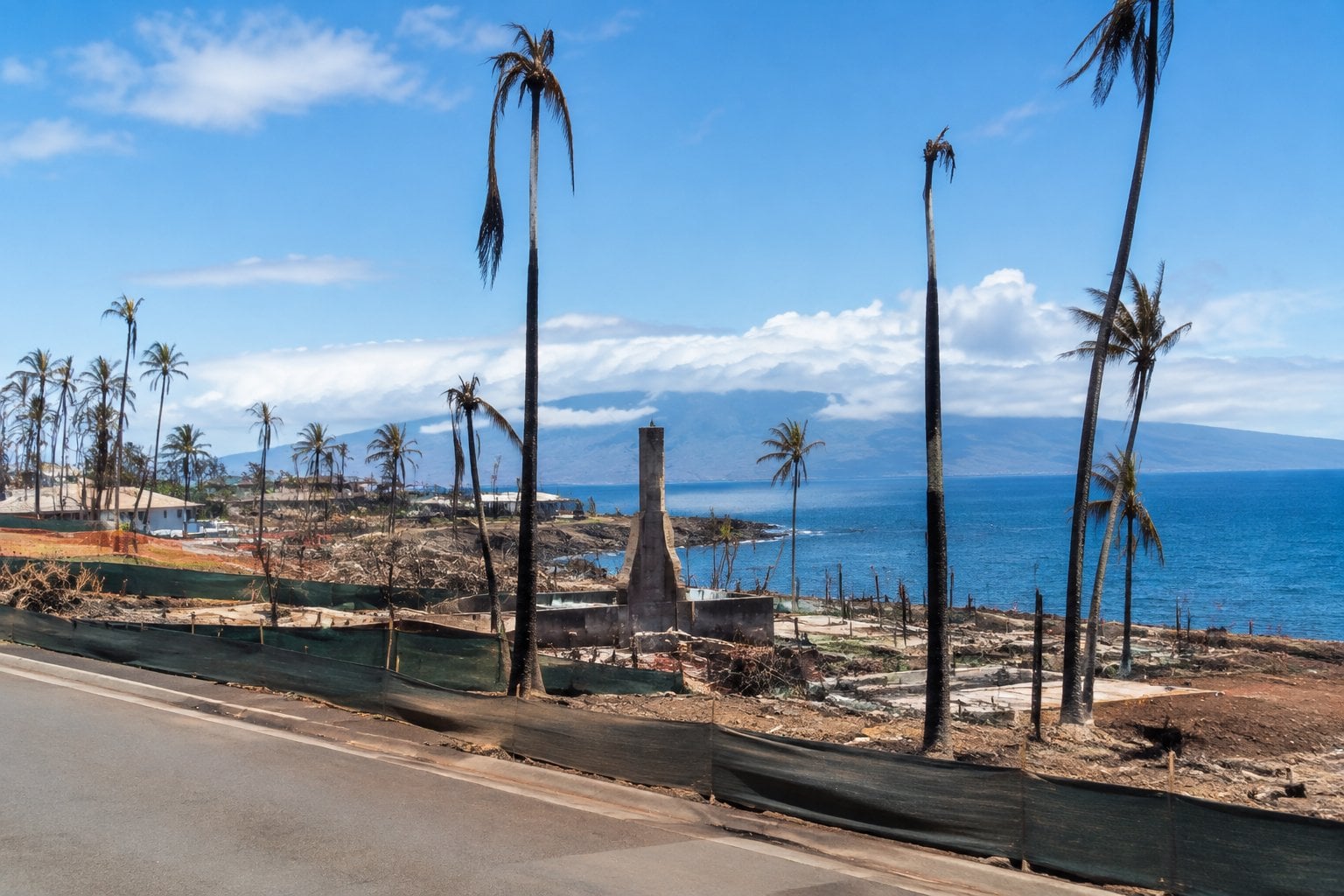
In August 2023, wildfires swept across parts of Maui, including the fire that burned through Lahaina. About 450 lawsuits followed, filed by people who lost family members, homes and businesses.
In August 2024, about a year after the fires, seven defendants agreed to a global settlement of about $4.04 billion, or $4.037 billion exactly. Hawaiian Electric, the island’s power company, agreed to pay the largest share, about $1.99 billion. The other defendants were the State of Hawaii, Maui County, Kamehameha Schools, West Maui Land Company, Hawaiian Telcom and Spectrum/Charter Communications. The parties did not admit fault.
The settlement faced legal challenges after it was announced. The Hawaii Supreme Court issued rulings in 2025 and 2026 that cleared the way for it to move forward and kept it from being derailed.
20. The Mississippi Tobacco Settlement: $3.6 Billion (1997)

The state tobacco lawsuits that led to the deals on this list started in Mississippi. The state’s attorney general led the first state lawsuit seeking to make tobacco companies repay the cost of treating smoking-related illnesses under Medicaid, an approach that drew many other states into suing.
In early July 1997, days before the case was set to go to trial, the companies settled. The Associated Press reported the deal at about $3.6 billion over 25 years, plus about $136 million a year after that. Some reports gave a total of $3.4 billion.
Mississippi’s deal also guaranteed the state a share of a proposed national tobacco agreement that had been announced in June 1997, even if Congress didn’t approve it. A final multistate agreement, the Master Settlement Agreement, followed in November 1998 without Mississippi, which kept its own settlement. Along with Florida, Minnesota and Texas, it is one of the four states that settled separately.
21. Teva’s National Opioid Settlement: $3.34 Billion (2022)
Drug manufacturers that made opioid medicines faced the same lawsuits from states and local governments as the distributors and pharmacies. Teva, a drug maker, was one of two manufacturers that reached national settlements in late 2022, along with Allergan.
Teva agreed to pay up to $3.34 billion in cash over 13 years, according to the official National Opioid Settlement website. Each state could also choose to receive either $1.2 billion worth of Teva’s generic version of the overdose-reversal drug Narcan over 10 years, or $240 million in cash instead. Counting the Narcan, some state attorneys general announced the deal as worth about $4.25 billion. Enough states signed on by January 2023, and the settlement has been finalized.
Teva also agreed to strict limits on how it markets and sells opioids, including bans on promoting them, lobbying about them, rewarding or disciplining employees based on how many opioids they sell, and funding outside groups.
22. GlaxoSmithKline’s Drug Marketing Fraud Case: $3 Billion (2012)
On July 2, 2012, the Justice Department announced that GlaxoSmithKline would pay $3 billion to resolve criminal and civil claims. At the time, the department called it the largest health care fraud settlement in U.S. history and the largest payment ever by a drug company.
GSK agreed to plead guilty to three criminal counts: promoting the antidepressant Paxil for patients under 18, even though it was never approved for them; promoting the antidepressant Wellbutrin for unapproved uses such as weight loss; and failing to report safety data about the diabetes drug Avandia to the FDA. The criminal part came to $1 billion.
The other $2 billion settled civil claims by the federal government and the states. That included $1.043 billion over off-label promotion and kickbacks to doctors involving Paxil, Wellbutrin, Advair, Lamictal, Zofran and other drugs; $657 million over misleading claims about Avandia’s safety; and $300 million over false price reports that underpaid Medicaid rebates. The government said GSK had paid doctors to speak at meetings, sometimes at lavish resorts.
23. Texaco’s Settlement With Pennzoil: $3 Billion (1987)
Not every giant settlement involves the public. This one was a fight between two oil companies over a business deal.
In 1984, Pennzoil had a merger agreement with Getty Oil, but Texaco bought Getty instead. Pennzoil sued, claiming Texaco had interfered with its deal. In November 1985, a jury in Houston agreed and awarded Pennzoil about $10.53 billion, the largest jury verdict in U.S. history at the time.
After appeals, Texaco filed for Chapter 11 bankruptcy in April 1987. In December 1987, after days of negotiations in Houston, the two companies reached a deal: Texaco would pay Pennzoil $3 billion in cash, and Pennzoil would drop its judgment, according to the Christian Science Monitor’s report at the time. That was less than a third of the jury’s award. Texaco came out of bankruptcy and later became part of Chevron.
24. Walmart’s National Opioid Settlement: $2.74 Billion (2022)
Walmart runs pharmacies inside its stores, and like CVS and Walgreens, it was sued by states and local governments claiming it failed to properly control the opioid prescriptions it filled.
On November 15, 2022, several state attorneys general, including those of California and Tennessee, announced a settlement with Walmart that they described as worth $3.1 billion. The official National Opioid Settlement website lists the national deal itself at up to $2.74 billion, with most of it paid in 2023 and all payments made within six years. This list uses that official figure, which is why Walmart ranks below the two $3 billion settlements above it.
Enough states signed on by January 2023, and the settlement is final. Walmart also agreed to changes in how its pharmacies handle opioids, such as monitoring suspicious orders, supporting pharmacists’ judgment and reporting red flags. At least 85% of the money that goes to states and local governments must be used to fight the opioid epidemic.
25. Amazon’s Prime Membership Settlement With the FTC: $2.5 Billion (2025)
In 2023, the Federal Trade Commission sued Amazon, claiming the company signed shoppers up for its Prime subscription without their clear consent and made Prime hard to cancel.
The case went to trial in federal court in 2025, and it didn’t last long. On September 25, 2025, three days after a jury was picked, Amazon settled for $2.5 billion. The total is made up of a $1 billion civil penalty and $1.5 billion in refunds to customers.
The FTC estimated that about 35 million customers were affected, and refunds were capped at up to $51 per person. The agency said the $1 billion penalty was the largest ever in a case over a violation of an FTC rule. As part of the deal, Amazon must give customers a clear button to decline Prime. Amazon did not admit wrongdoing.
26. DePuy’s Recalled ASR Hip Implants: $2.47 Billion (2013)
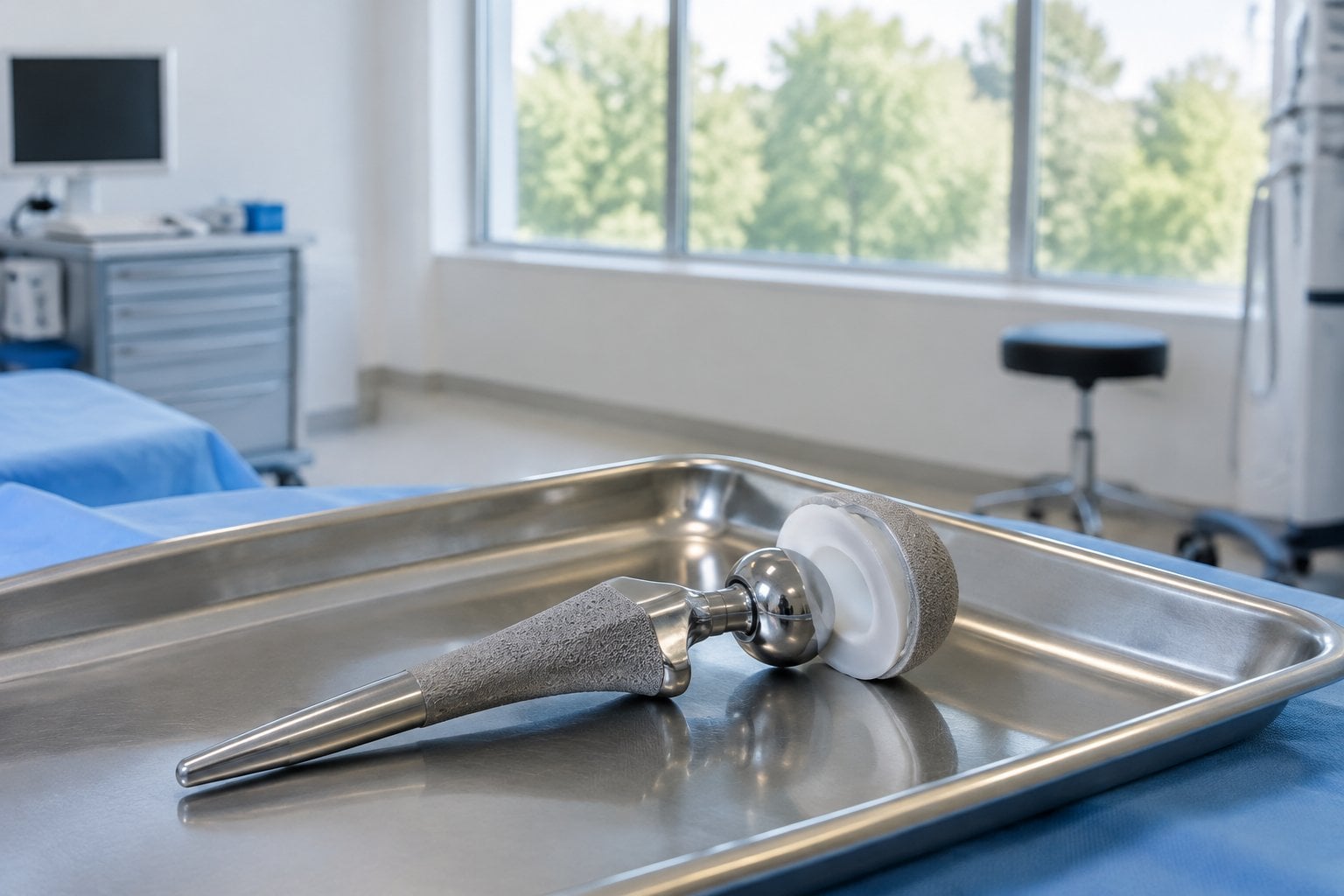
DePuy Orthopaedics, a Johnson & Johnson company, made the ASR hip implant. In 2010, it recalled about 93,000 of the implants after reports that about 12% failed within five years. Thousands of patients sued.
On November 19, 2013, at a hearing before U.S. District Judge David Katz in Toledo, Ohio, the company announced a settlement worth at least $2.47 billion. It resolved about 8,000 U.S. lawsuits from patients who had already had surgery to remove and replace the faulty implant, known as revision surgery.
Under the deal, the company would pay an average of about $250,000 for each surgery and cover the related medical costs. Patients with more serious complications could receive more. Reports at the time said the final cost could top $4 billion as more patients qualified. That is why the “at least” matters: $2.47 billion was the starting figure, and this list ranks it by that announced amount.
27. Takeda and the Actos Diabetes Drug: $2.4 Billion (2015)
Actos is a prescription drug for type 2 diabetes made by Takeda Pharmaceutical, a Japanese drug company. About 9,000 lawsuits and claims said that patients who took Actos developed bladder cancer.
On April 28, 2015, Takeda and its U.S. unit announced a settlement. The deal would take effect only if 95% of the people suing opted in. Once that happened, Takeda would pay $2.37 billion into a settlement fund, and the amount would rise to $2.4 billion if 97% or more joined. Takeda also took a $2.7 billion charge against its earnings to cover the settlement and the cost of defending the remaining cases.
Takeda said the claims were without merit and did not admit liability. It kept selling Actos, saying the drug had a positive balance of benefits and risks. According to the company, the drug’s active ingredient, pioglitazone, has been approved for use in 95 countries, including the U.S. and Japan.
28. Pfizer’s Bextra Marketing Case: $2.3 Billion (2009)
On September 2, 2009, the Justice Department announced that Pfizer would pay $2.3 billion, which it called the largest health care fraud settlement in its history up to that time. GlaxoSmithKline’s settlement three years later passed it.
Pfizer’s subsidiary Pharmacia & Upjohn pleaded guilty to a felony for misbranding Bextra, an anti-inflammatory painkiller. The government said the company promoted Bextra for uses and doses that the FDA had declined to approve because of safety concerns. Bextra was pulled from the market in 2005.
The criminal fine was $1.195 billion, then the largest criminal fine ever imposed in the U.S. for any matter, plus $105 million in forfeiture. Pfizer also paid $1 billion to settle civil claims under the False Claims Act over illegal promotion of Bextra and three other drugs, Geodon, Zyvox and Lyrica, and over kickbacks to health care providers. Six whistleblowers who brought the original cases received a total of about $102 million.
29. Johnson & Johnson’s Risperdal Marketing Case: $2.2 Billion (2013)
On November 4, 2013, the Justice Department announced that Johnson & Johnson and its subsidiaries would pay more than $2.2 billion to resolve criminal and civil cases over three drugs: Risperdal, Invega and the heart drug Natrecor.
The government said J&J promoted the drugs for uses the FDA had not approved and paid kickbacks to doctors and to the pharmacy company Omnicare. The total included $485 million in criminal fines and forfeiture and $1.72 billion in civil settlements with the federal government and the states. J&J’s unit Janssen pleaded guilty to a misdemeanor for promoting Risperdal for unapproved uses.
Within the civil settlements, J&J paid $149 million to resolve claims that its kickbacks caused Omnicare to submit false claims, and $184 million over off-label promotion of Natrecor by its unit Scios. Johnson & Johnson appears on this list three times: in this case, in the DePuy hip implant settlement and as part of the 2021 national opioid settlement.
30. GSK and the Zantac Heartburn Drug Lawsuits: $2.2 Billion (2024)
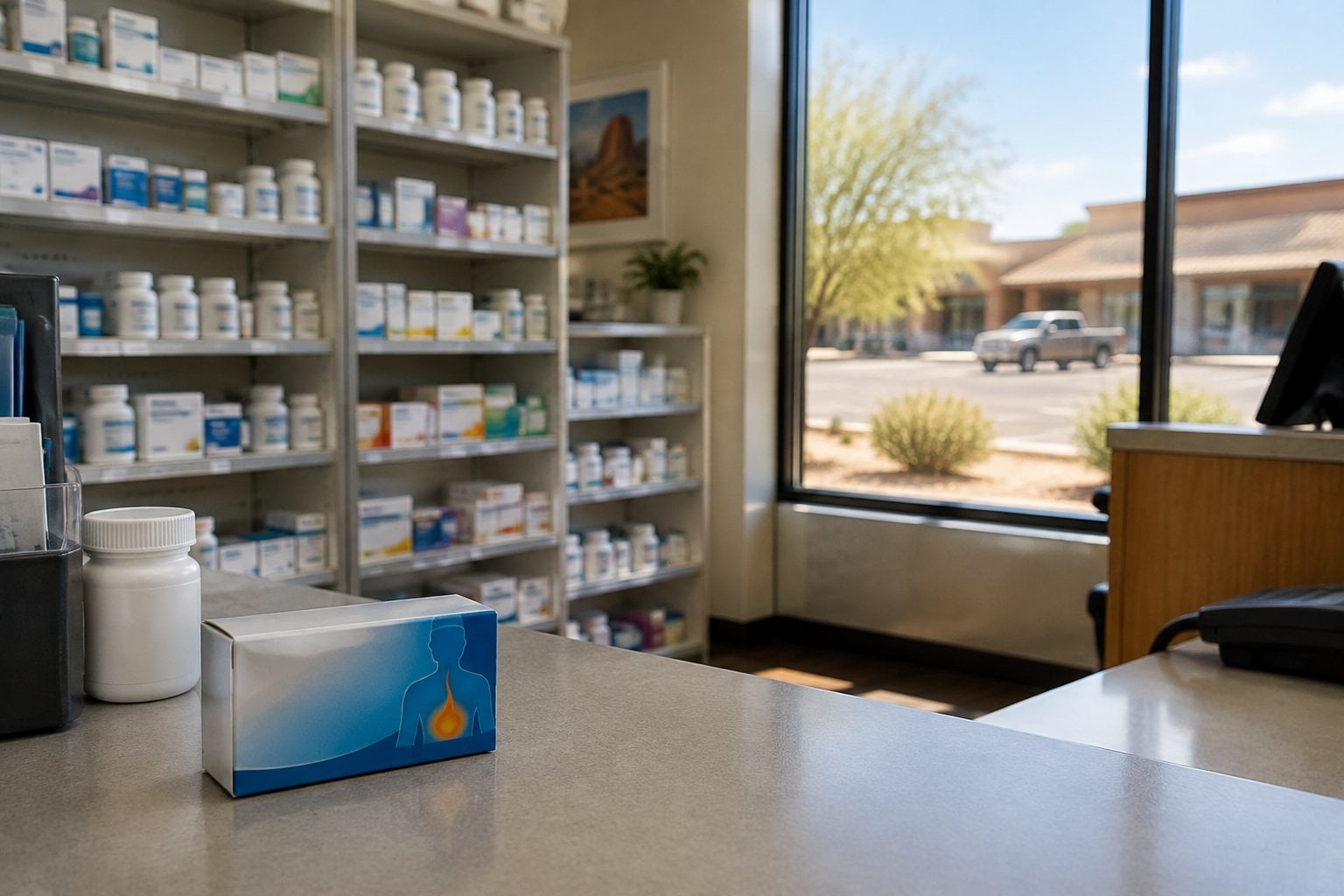
Zantac was a popular heartburn drug. Tens of thousands of people sued, claiming it caused cancer, and most of the cases were filed in state courts, the largest group of them in Delaware.
On October 9, 2024, GSK announced agreements with 10 plaintiffs’ law firms to settle about 80,000 cases for up to $2.2 billion. Those cases made up 93% of the Zantac lawsuits pending against GSK in U.S. state courts. The individual terms are confidential, and GSK did not admit liability.
GSK also agreed to pay $70 million to settle a separate whistleblower case. The company expected the deal to be completed in the first half of 2025, and it recorded a charge of about $2.3 billion (1.8 billion pounds) in its third-quarter 2024 results. It is GSK’s second appearance on this list, after its $3 billion fraud settlement with the Justice Department in 2012.
What the Biggest Settlements Have in Common
Six of the 30 settlements on this list come from the opioid crisis, and five from the tobacco cases of 1997 and 1998. Cases brought by states and the federal government, and cases that combine thousands of lawsuits into one, tend to produce the biggest numbers, because they settle many claims at once. Several amounts on this list are maximums or estimates that depend on how many people sign on, and many are paid over years.
For more unusual cases, see our list of the 30 weirdest lawsuits ever filed, and for more on the opioid cases, see the biggest opioid lawsuits in U.S. history.
This article is general information, not legal advice. Settlement amounts are as announced and may change as payments are made.


