
The 17 Worst Law Schools in the Northeast

The Northeast has some of the best-known law schools in the country, and many of them post excellent bar exam results. But not every school in the region keeps up. Every ABA-accredited law school has to publish how its graduates did on the bar exam, and those reports show which Northeastern schools trail the average for the states where their graduates tested.
This list ranks the worst law schools in the Northeast by one public measure: how far each school’s first-time bar passage rate for 2024 graduates fell below the average for the same states. The figures come from the American Bar Association’s Standard 509 and bar passage disclosures, released in the ABA’s 2025 report.
For each school, the ABA compares its graduates’ first-time pass rate with the weighted average for graduates of all ABA-accredited schools who took the exam in the same states. That keeps the comparison fair, because some states have much harder exams than others. “The Northeast” here means the U.S. Census Bureau’s Northeast region: Connecticut, Maine, Massachusetts, New Hampshire, New Jersey, New York, Pennsylvania, Rhode Island and Vermont. All 40 ABA-accredited schools in the region had at least 30 first-time takers, and 23 of them beat their state average. Only 17 fell below it, so this list has 17 schools, not 30.
The other numbers in each entry come from the ABA’s 2025 reports as well: the fall 2025 entering class, 2025-26 tuition and fees, first-year attrition, the previous year’s bar results (2023 graduates), and jobs for the class of 2025. “Bar-passage jobs” means full-time, long-term jobs that require a law license, not counting jobs funded by the school. A bar passage rate is one measure, not a full picture of any school, and many graduates of every school on this list pass the exam and go on to practice law.
1. Widener University Commonwealth Law School (Harrisburg, Pennsylvania)
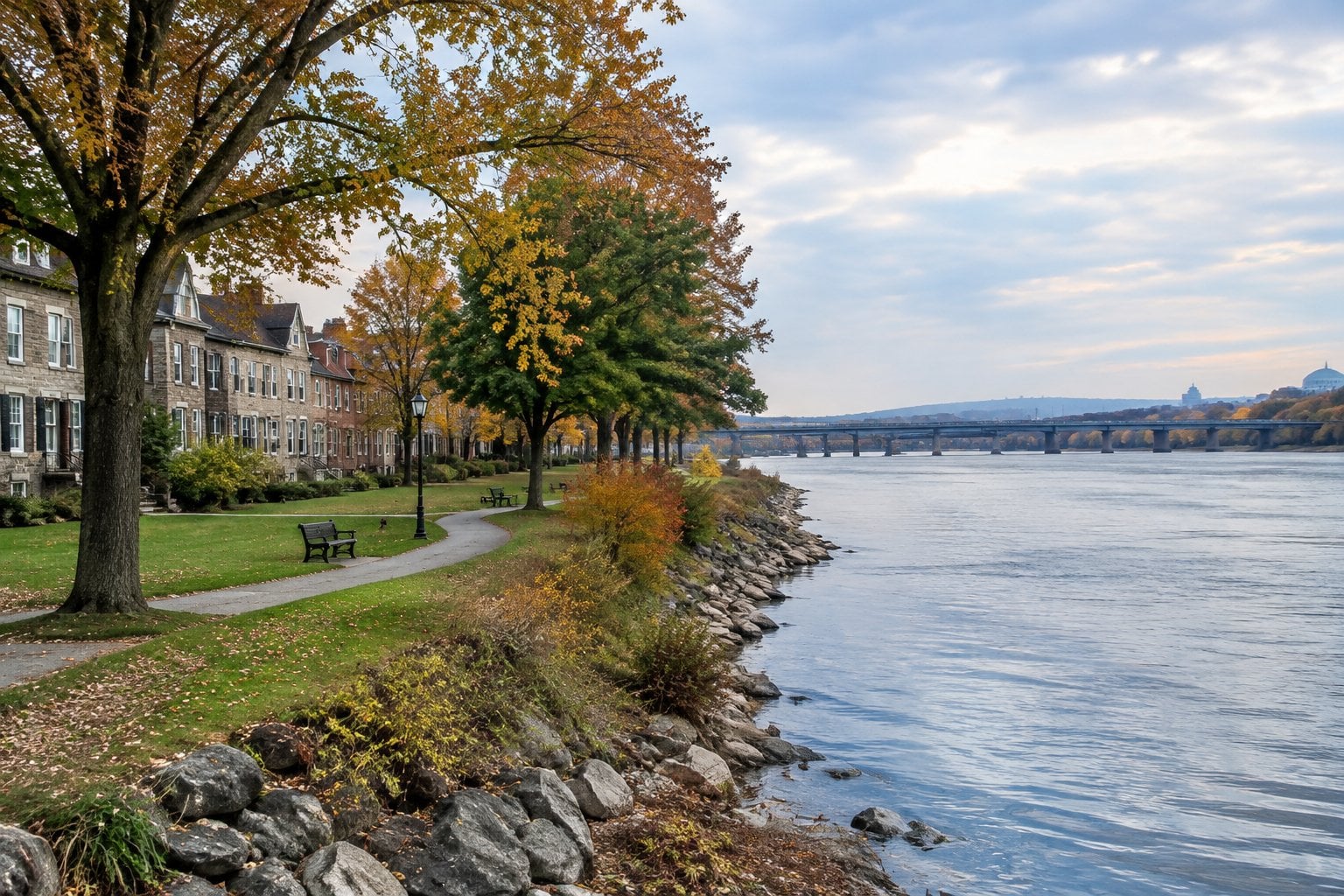
Widener University’s Commonwealth Law School in Harrisburg, Pennsylvania’s capital, had the largest gap in the Northeast, and the largest of any ABA-accredited school in the country in the 2025 report. Of its 100 first-time bar takers, 54 passed, a rate of 54%, the lowest raw pass rate on this list. The ABA weighted average for the same states was 80.07%, a gap of 26.07 percentage points. A year earlier, 43 of its 80 first-time takers from the class of 2023 passed, a rate of 53.75%, so the result barely moved.
Commonwealth charges by the credit hour: $1,875 per credit for 2025-26, plus $650 in annual fees, the same for residents and nonresidents. It estimates living costs off campus at $32,862 a year.
For fall 2025, it received 909 applications and made 549 offers, an acceptance rate of 60.4%. It enrolled 159 new students, 125 full-time and 34 part-time, with a median LSAT score of 150 and a median undergraduate GPA of 3.33. Twenty-nine first-year students, about 17%, left for academic reasons, the highest share on this list. Total J.D. enrollment was 411.
Of 105 graduates in the class of 2025, 81, or 77.1%, had bar-passage jobs, and 13 were unemployed and looking for work.
2. Touro University Jacob D. Fuchsberg Law Center (Central Islip, New York)
Touro’s law school is on Long Island, in Central Islip, and it is the first of eight New York schools on this list. Of its 154 first-time bar takers, 95 passed, a rate of 61.69%. The ABA weighted average for the same states was 85.78%, a gap of 24.09 percentage points, the second-largest in the country.
There is some progress in the numbers. A year earlier, only 88 of 159 first-time takers passed, a rate of 55.35%, so Touro’s raw pass rate rose by more than six points.
Full-time tuition and fees come to $62,150 for 2025-26 ($61,000 in tuition plus $1,150 in fees). The school estimates living costs off campus at $52,602 a year, the highest estimate on this list.
For fall 2025, Touro received 1,462 applications and made 667 offers, an acceptance rate of 45.62%. It enrolled 223 new students, 153 full-time and 70 part-time, with a median LSAT score of 153 and a median undergraduate GPA of 3.35. Sixteen first-year students, about 7%, left for academic reasons. Total J.D. enrollment was 604. Of 145 graduates in the class of 2025, 109, or 75.2%, had bar-passage jobs.
3. University of Massachusetts School of Law (Dartmouth, Massachusetts)
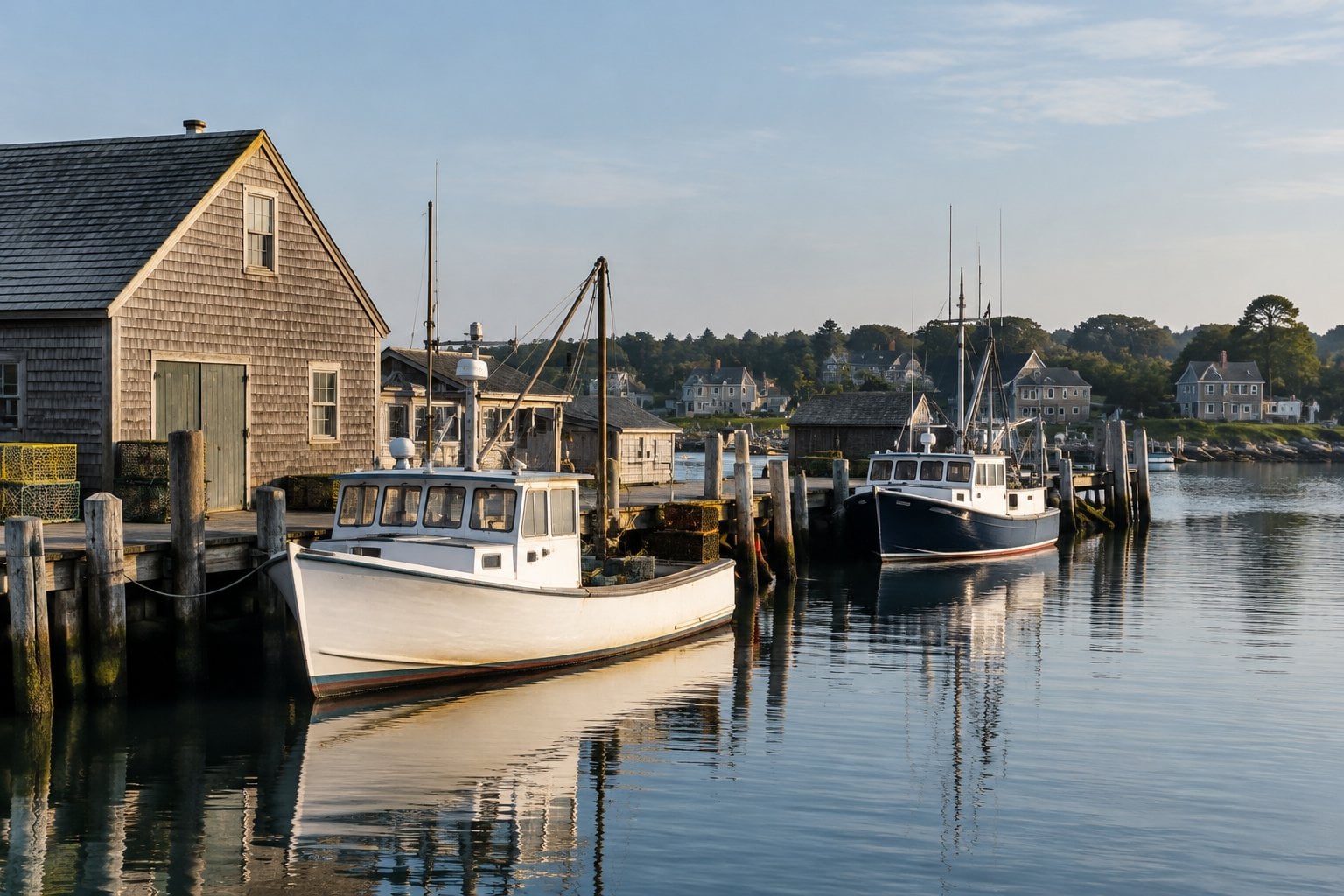
UMass Law in Dartmouth, on the state’s South Coast, is the public law school of the University of Massachusetts system. Of its 108 first-time bar takers, 63 passed, a rate of 58.33%, the second-lowest raw pass rate on this list. The ABA weighted average for the same states was 78.83%, a gap of 20.50 percentage points.
It is one of three schools on this list whose raw pass rate fell from the year before: 63 of 106 first-time takers from the class of 2023 passed, a rate of 59.43%.
Massachusetts residents pay $33,456 a year in full-time tuition and fees for 2025-26 ($31,766 in tuition plus $1,690 in fees), and nonresidents pay $43,255. The school estimates living costs off campus at $34,626.
For fall 2025, it received 1,311 applications and made 684 offers, an acceptance rate of 52.17%. It enrolled 141 new students, 120 full-time and 21 part-time, with a median LSAT score of 152 and a median undergraduate GPA of 3.36. Sixteen first-year students, about 10%, left for academic reasons. Total J.D. enrollment was 389. Of 98 graduates in the class of 2025, 67, or 68.4%, had bar-passage jobs.
4. City University of New York School of Law (Long Island City, New York)
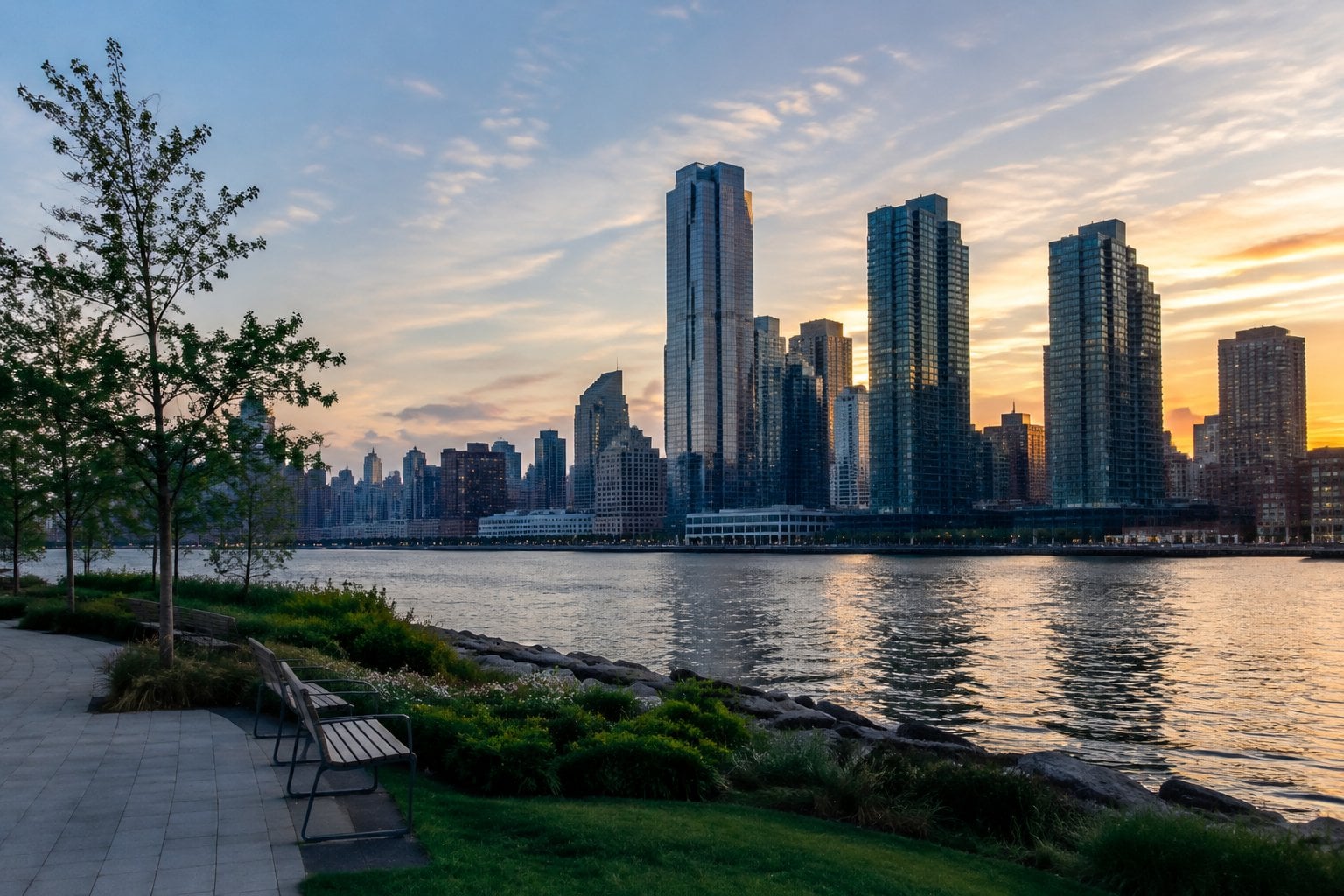
CUNY School of Law in Queens is the public law school of New York City’s university system. Of its 201 first-time bar takers, 132 passed, a rate of 65.67%. Its graduates were measured against one of the toughest benchmarks on this list: the ABA weighted average for the same states was 86%, a gap of 20.33 percentage points.
CUNY improved sharply from the year before, when 114 of 204 first-time takers passed, a rate of 55.88%. Its raw pass rate rose by almost ten points.
It is also the least expensive school on this list. New York residents pay $16,013 a year in full-time tuition and fees for 2025-26 ($15,450 in tuition plus $563 in fees), and nonresidents pay $26,203. The school estimates living costs off campus at $30,805.
CUNY was the hardest school on this list to get into. For fall 2025, it received 2,300 applications and made 659 offers, an acceptance rate of 28.65%. It enrolled 219 new students, 161 full-time and 58 part-time, with a median LSAT score of 155 and a median undergraduate GPA of 3.54. Two first-year students left for academic reasons. Total J.D. enrollment was 695. Of 192 graduates in the class of 2025, 141, or 73.4%, had bar-passage jobs.
5. Roger Williams University School of Law (Bristol, Rhode Island)
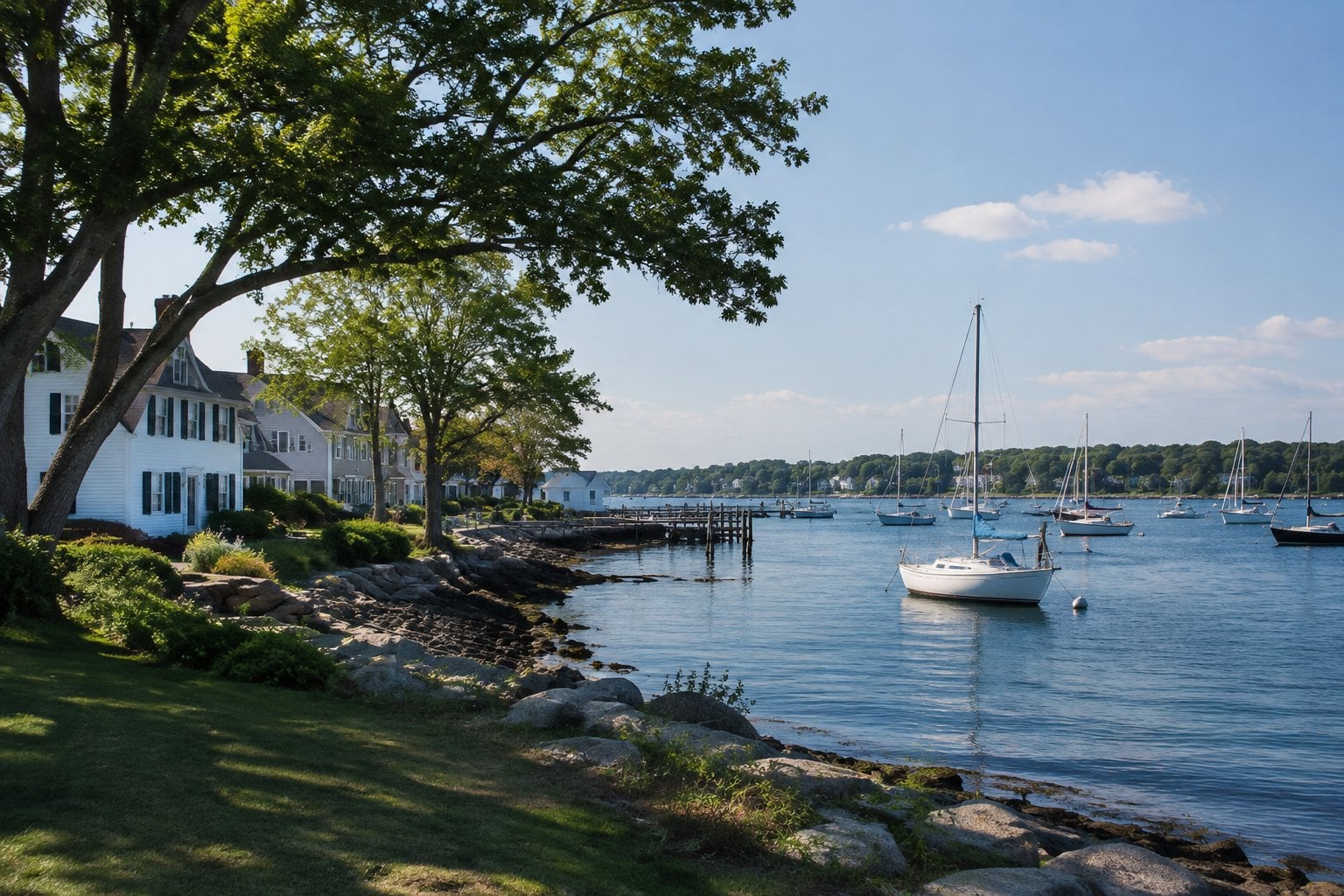
Roger Williams University School of Law in Bristol is the only law school in Rhode Island. Of its 177 first-time bar takers, 101 passed, a rate of 57.06%. The ABA weighted average for the same states was 76.37%, a gap of 19.31 percentage points. The year before, 99 of 171 first-time takers passed, a rate of 57.89%, so the result was nearly the same.
Full-time tuition and fees come to $49,090 for 2025-26 ($47,400 in tuition plus $1,690 in fees), the same for residents and nonresidents. The school estimates living costs off campus at $25,616 a year.
For fall 2025, Roger Williams received 1,003 applications and made 615 offers, an acceptance rate of 61.32%. All 189 new students enrolled full-time. The entering class had a median LSAT score of 150, tied for the lowest on this list, and a median undergraduate GPA of 3.43.
Attrition was low: four first-year students, about 2%, left for academic reasons, and two left for other reasons. Total J.D. enrollment was 486. Of 169 graduates in the class of 2025, 117, or 69.2%, had bar-passage jobs.
6. Pace University Elisabeth Haub School of Law (White Plains, New York)
Pace University’s Elisabeth Haub School of Law is in White Plains, in Westchester County north of New York City. Of its 248 first-time bar takers, 170 passed, a rate of 68.55%. The ABA weighted average for the same states was 84.39%, a gap of 15.84 percentage points. A year earlier, 157 of 241 first-time takers passed, a rate of 65.15%, so its raw rate rose, but so did the average it is measured against.
Full-time tuition and fees come to $57,756 for 2025-26 ($56,648 in tuition plus $1,108 in fees). Part-time tuition is $42,508 a year plus fees. The school estimates living costs off campus at $33,422.
For fall 2025, Pace received 2,293 applications and made 1,012 offers, an acceptance rate of 44.13%. It enrolled 324 new students, 247 full-time and 77 part-time, with a median LSAT score of 154 and a median undergraduate GPA of 3.54.
Sixteen first-year students, about 5%, left for academic reasons. Total J.D. enrollment was 873. Of 261 graduates in the class of 2025, 211, or 80.8%, had bar-passage jobs.
7. Vermont Law and Graduate School (South Royalton, Vermont)
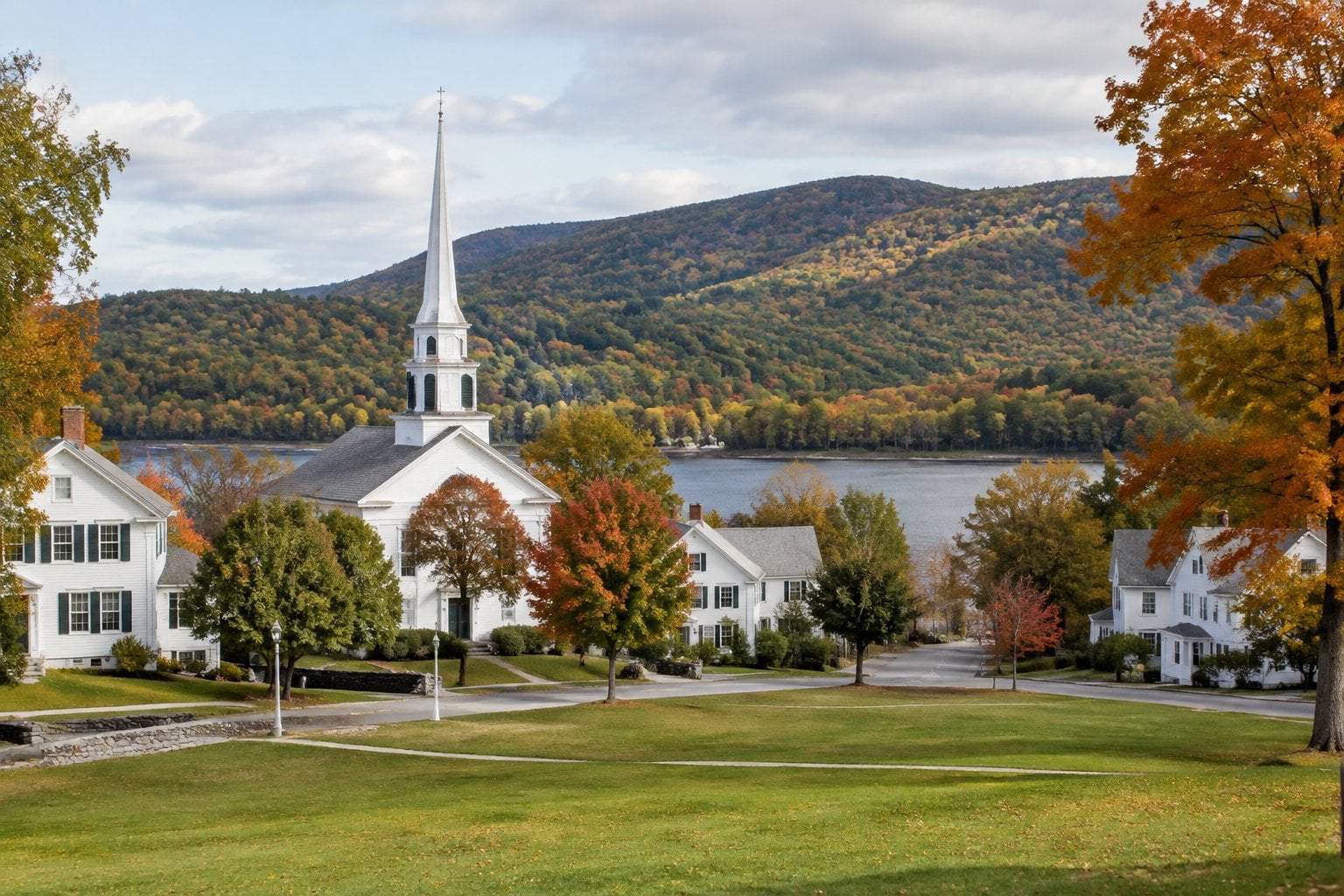
Vermont’s only law school sits in the small village of South Royalton, along the White River. Of its 134 first-time bar takers, 87 passed, a rate of 64.93%. The ABA weighted average for the same states was 76.45%, a gap of 11.52 percentage points. The year before, 73 of 115 first-time takers passed, a rate of 63.48%.
Full-time tuition and fees come to $56,457 for 2025-26 ($55,382 in tuition plus $1,075 in fees). Part-time tuition is $41,538 a year. The school estimates living costs off campus at $23,952.
Vermont’s entering class looks different from every other school here. For fall 2025, it received 1,553 applications and made 909 offers, an acceptance rate of 58.53%. Of 290 new students, 158 enrolled part-time and 132 full-time: the only school on this list with more part-time than full-time students in its entering class. The median LSAT score was 152 and the median undergraduate GPA was 3.25, the lowest on this list.
Nine first-year students, about 4%, left for academic reasons. Total J.D. enrollment was 704. Of 130 graduates in the class of 2025, 89, or 68.5%, had bar-passage jobs.
8. Albany Law School (Albany, New York)
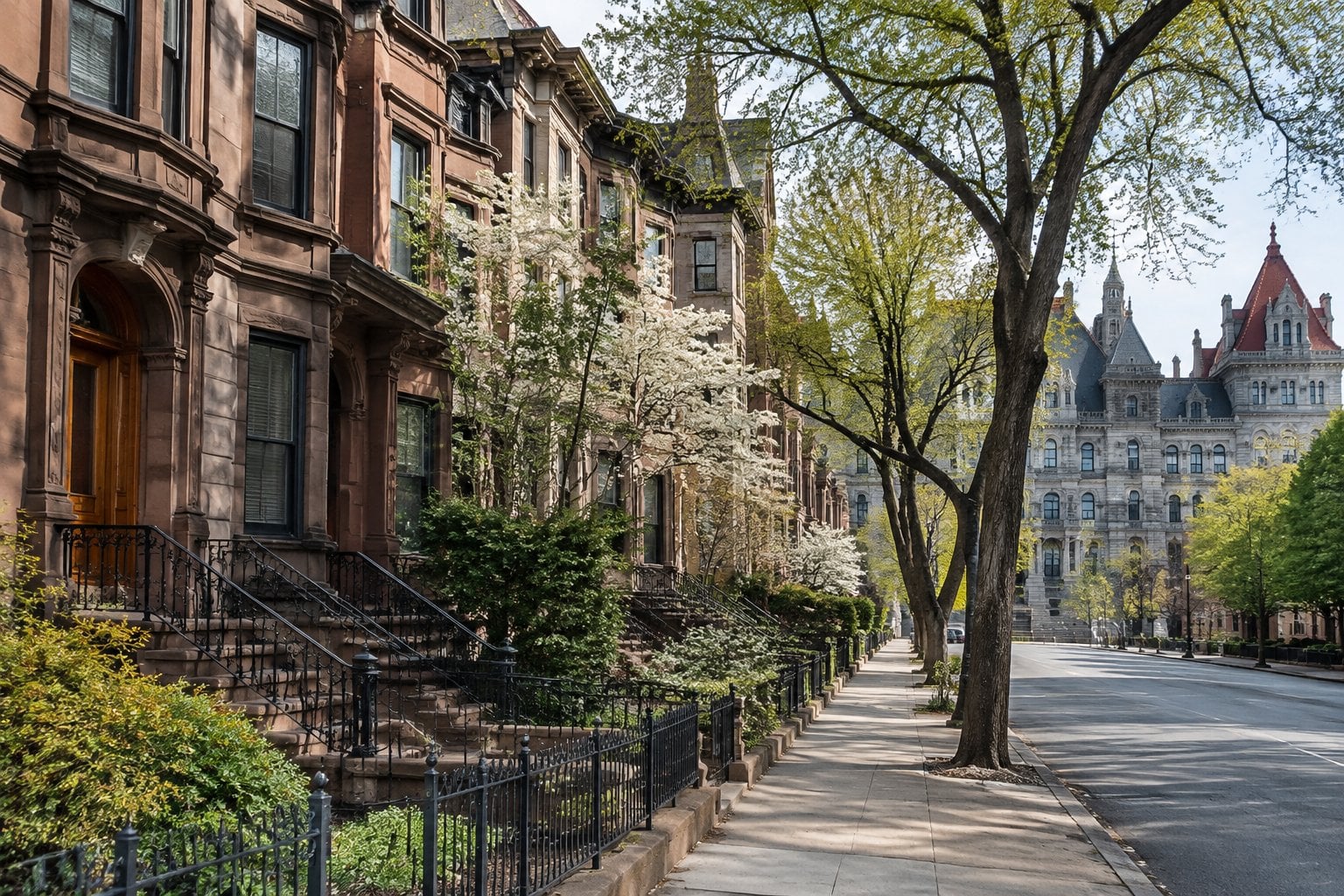
Albany Law School, founded in 1851, is in New York’s capital city. It had the biggest one-year drop on this list. Of its 206 first-time bar takers from the class of 2024, 153 passed, a rate of 74.27%. The ABA weighted average for the same states was 85.75%, a gap of 11.48 percentage points. A year earlier, 128 of 156 takers passed, a rate of 82.05%, essentially level with the average.
Full-time tuition and fees come to $64,234 for 2025-26 ($63,994 in tuition plus $240 in fees), the lowest fees on this list. The school estimates living costs off campus at $21,844 a year.
For fall 2025, Albany received 2,638 applications and made 988 offers, an acceptance rate of 37.45%. It enrolled 237 new students, 233 full-time and 4 part-time, with a median LSAT score of 158 and a median undergraduate GPA of 3.54.
Five first-year students, about 2%, left for academic reasons, and seven left for other reasons. Total J.D. enrollment was 615. Of 191 graduates in the class of 2025, 169, or 88.5%, had bar-passage jobs.
9. Hofstra University Maurice A. Deane School of Law (Hempstead, New York)
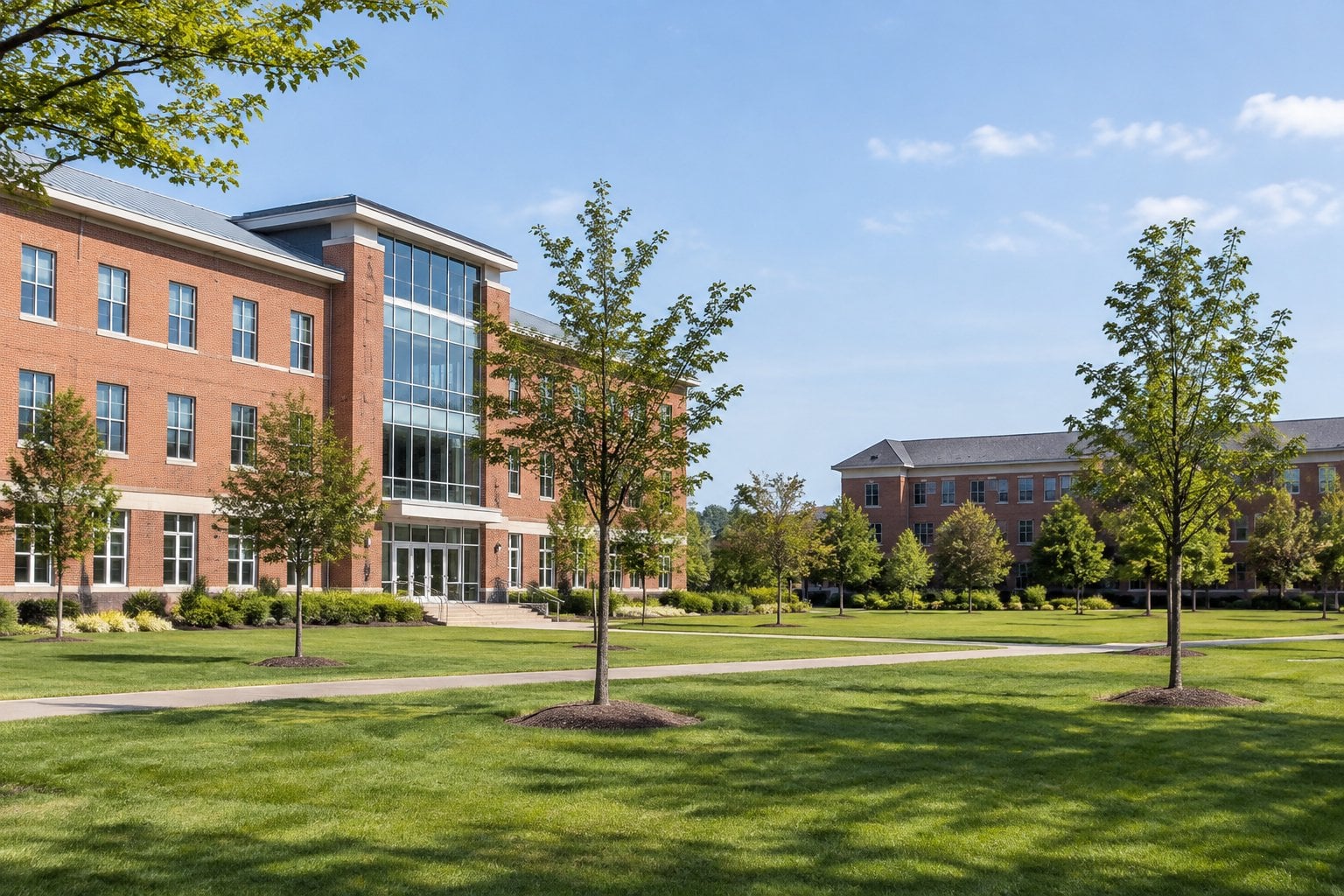
Hofstra’s law school, founded in 1970, is on the university’s Long Island campus in Hempstead. Of its 275 first-time bar takers, 217 passed, a rate of 78.91%. The ABA weighted average for the same states was 85.69%, a gap of 6.78 percentage points. A year earlier, 200 of 262 first-time takers passed, a rate of 76.34%.
Hofstra is one of the more expensive schools on this list. Full-time tuition and fees come to $74,860 for 2025-26 ($73,344 in tuition plus $1,516 in fees), and the school estimates living costs off campus at $36,009, so a full-time year costs about $110,900 before any scholarship. Part-time tuition is $55,006 a year.
For fall 2025, Hofstra received 2,448 applications and made 993 offers, an acceptance rate of 40.56%. It enrolled 263 new students, 256 full-time and 7 part-time, with a median LSAT score of 157 and a median undergraduate GPA of 3.65.
Two first-year students left for academic reasons, and three left for other reasons. Total J.D. enrollment was 800. Of 263 graduates in the class of 2025, 227, or 86.3%, had bar-passage jobs.
10. Suffolk University Law School (Boston, Massachusetts)
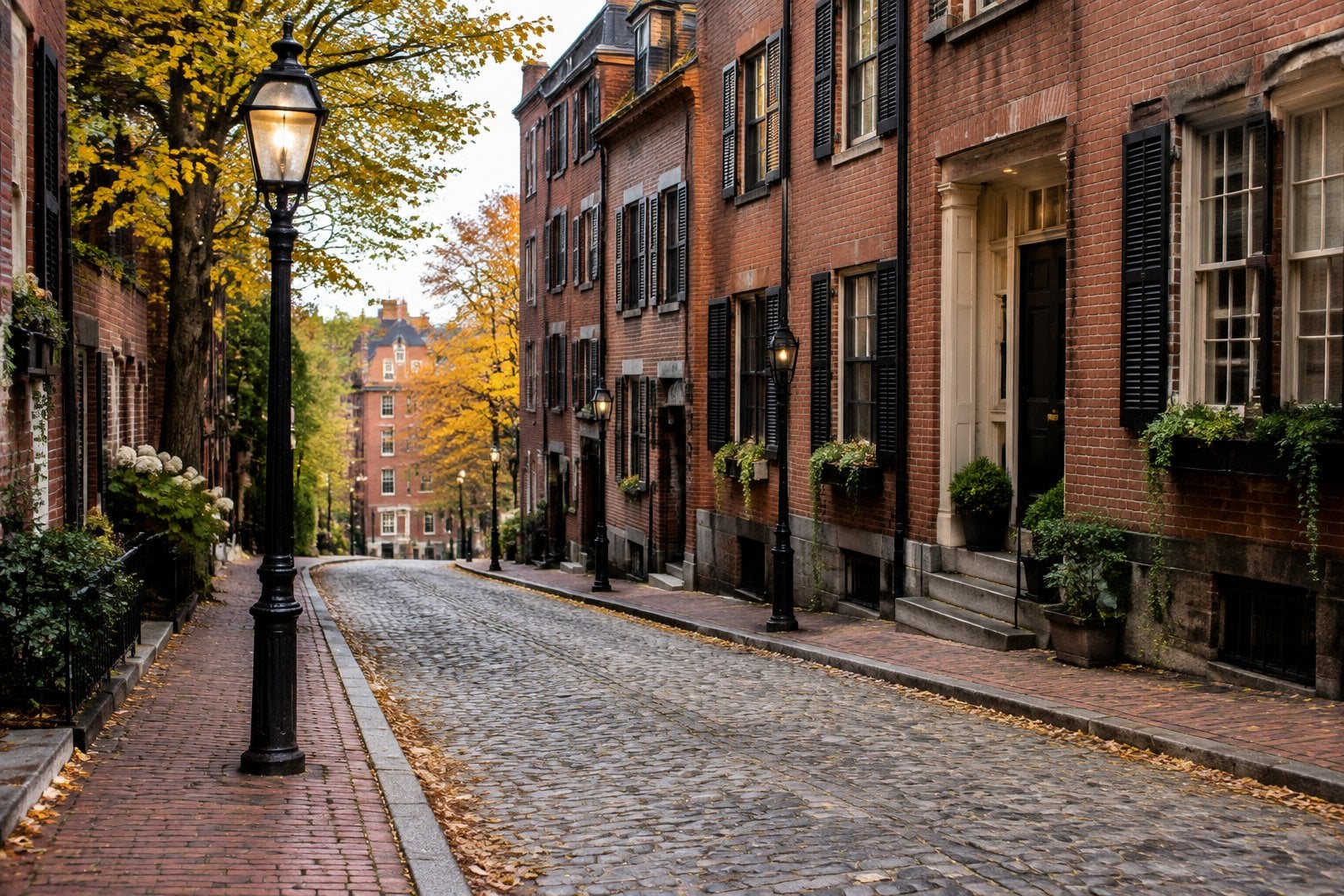
Suffolk University Law School in downtown Boston is the second-largest school on this list, with 1,337 J.D. students. Of its 383 first-time bar takers, 304 passed, a rate of 79.37%. The ABA weighted average for the same states was 83.51%, a gap of 4.14 percentage points. Suffolk’s raw rate barely changed from the year before (79.33%), but the average it is measured against rose from 79.99%, which widened the gap.
Full-time tuition and fees come to $64,046 for 2025-26 ($62,610 in tuition plus $1,436 in fees). Part-time tuition is $46,958 a year. The school estimates living costs off campus at $34,706.
Suffolk had the highest acceptance rate on this list. For fall 2025 it received 3,481 applications and made 2,153 offers, an acceptance rate of 61.85%. It enrolled 544 new students, the largest entering class here, 458 full-time and 86 part-time. The median LSAT score was 155 and the median undergraduate GPA was 3.58.
Three first-year students left for academic reasons and 16, about 4%, left for other reasons, the most on this list. Of 358 graduates in the class of 2025, 273, or 76.3%, had bar-passage jobs.
11. New England Law | Boston (Boston, Massachusetts)
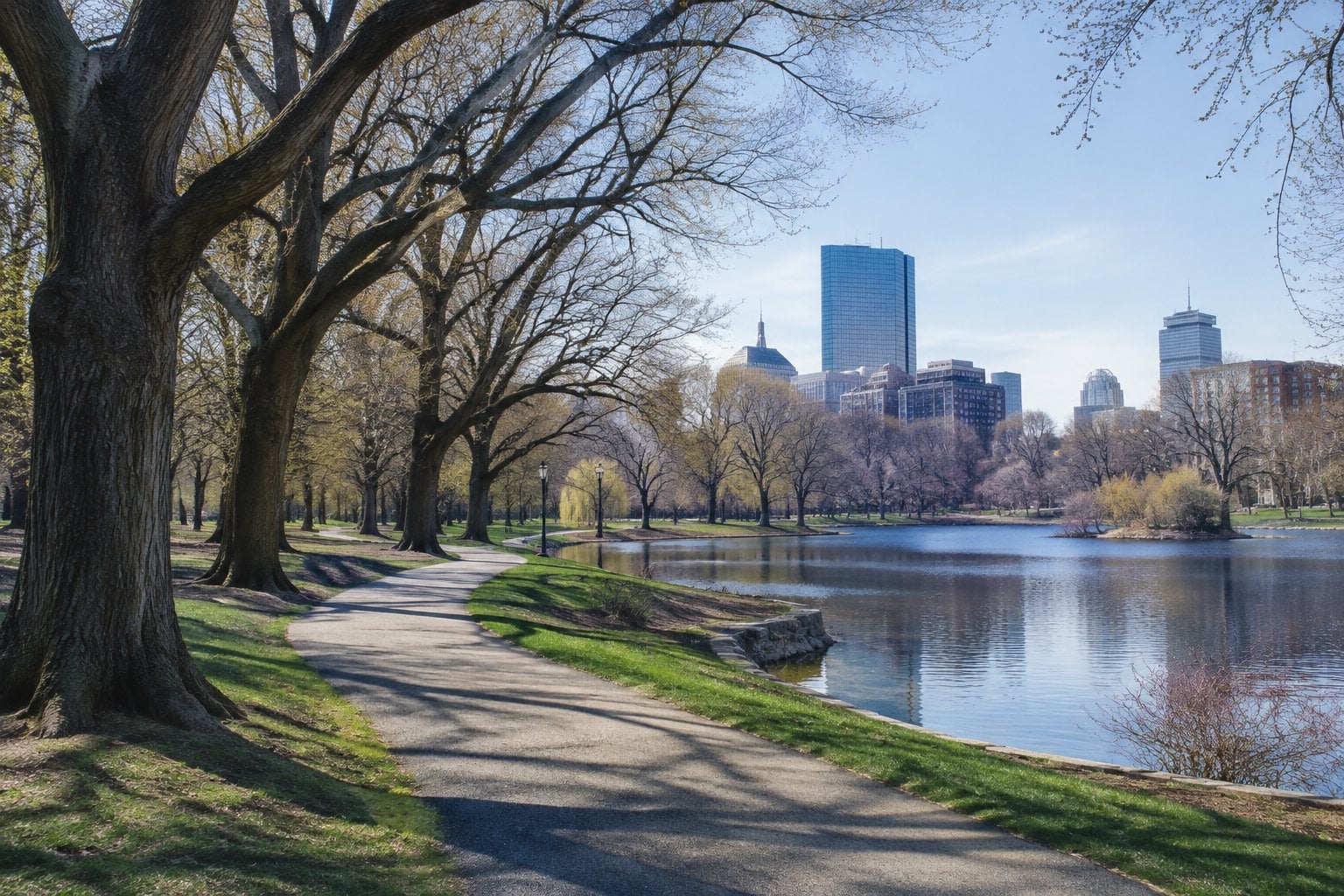
New England Law | Boston finished just behind its neighbor Suffolk, with a gap only 0.03 points smaller. Of its 269 first-time bar takers, 213 passed, a rate of 79.18%. The ABA weighted average for the same states was 83.29%, a gap of 4.11 percentage points. That was a real improvement: a year earlier, 211 of 295 takers passed, a rate of 71.53%.
Full-time tuition and fees come to $63,216 for 2025-26 ($62,896 in tuition plus $320 in fees). Part-time tuition is $47,164 a year. The school estimates living costs off campus at $48,437, the second-highest estimate here.
For fall 2025, it received 3,997 applications and made 2,450 offers, the most of any school on this list, an acceptance rate of 61.3%. It enrolled 451 new students, 354 full-time and 97 part-time, with a median LSAT score of 153 and a median undergraduate GPA of 3.37. Thirty-seven first-year students, about 9%, left for academic reasons, the most on this list. Total J.D. enrollment was 1,189.
Jobs were the weakest number here: of 327 graduates in the class of 2025, 168, or 51.4%, had bar-passage jobs, while 45 more had full-time, long-term jobs where a law degree is an advantage. Sixty-six were unemployed and looking for work.
12. Western New England University School of Law (Springfield, Massachusetts)
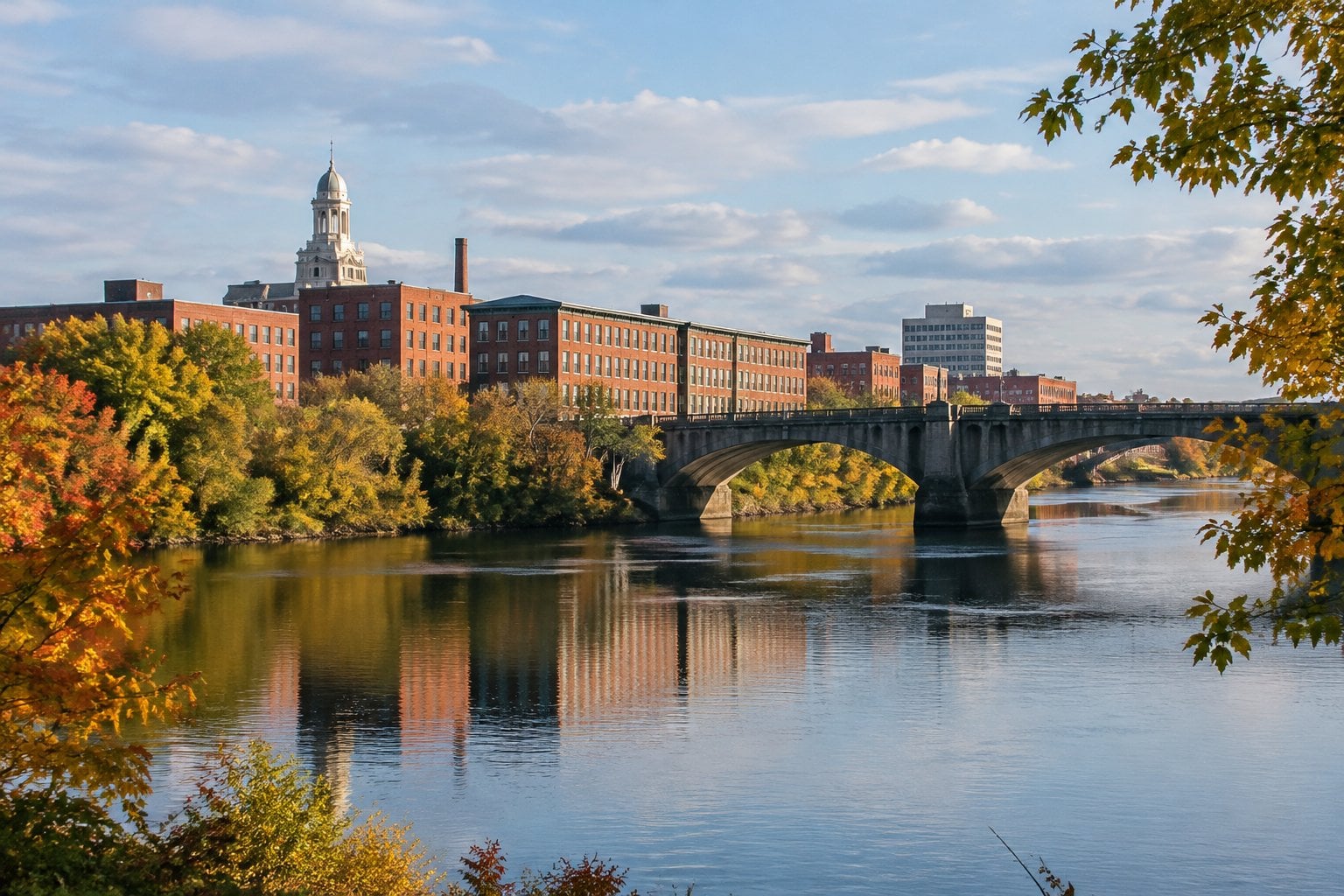
Western New England University’s law school in Springfield is the smallest school on this list. Of its 101 first-time bar takers, 78 passed, a rate of 77.23%. The ABA weighted average for the same states was 80.82%, a gap of 3.59 percentage points. A year earlier, 59 of 86 takers passed, a rate of 68.6%, so the school’s raw rate rose by more than eight points.
Full-time tuition and fees come to $53,020 for 2025-26 ($50,320 in tuition plus $2,700 in fees). Part-time tuition is $37,740 a year. Its living-cost estimate of $20,731 a year off campus is the lowest on this list.
For fall 2025, it received 871 applications, the fewest of any school here, and made 452 offers, an acceptance rate of 51.89%. It enrolled 115 new students, 78 full-time and 37 part-time, with a median LSAT score of 153 and a median undergraduate GPA of 3.27.
Two first-year students left for academic reasons and four for other reasons. Total J.D. enrollment was 324. Of 84 graduates in the class of 2025, 47, or 56%, had bar-passage jobs.
13. New York Law School (New York, New York)
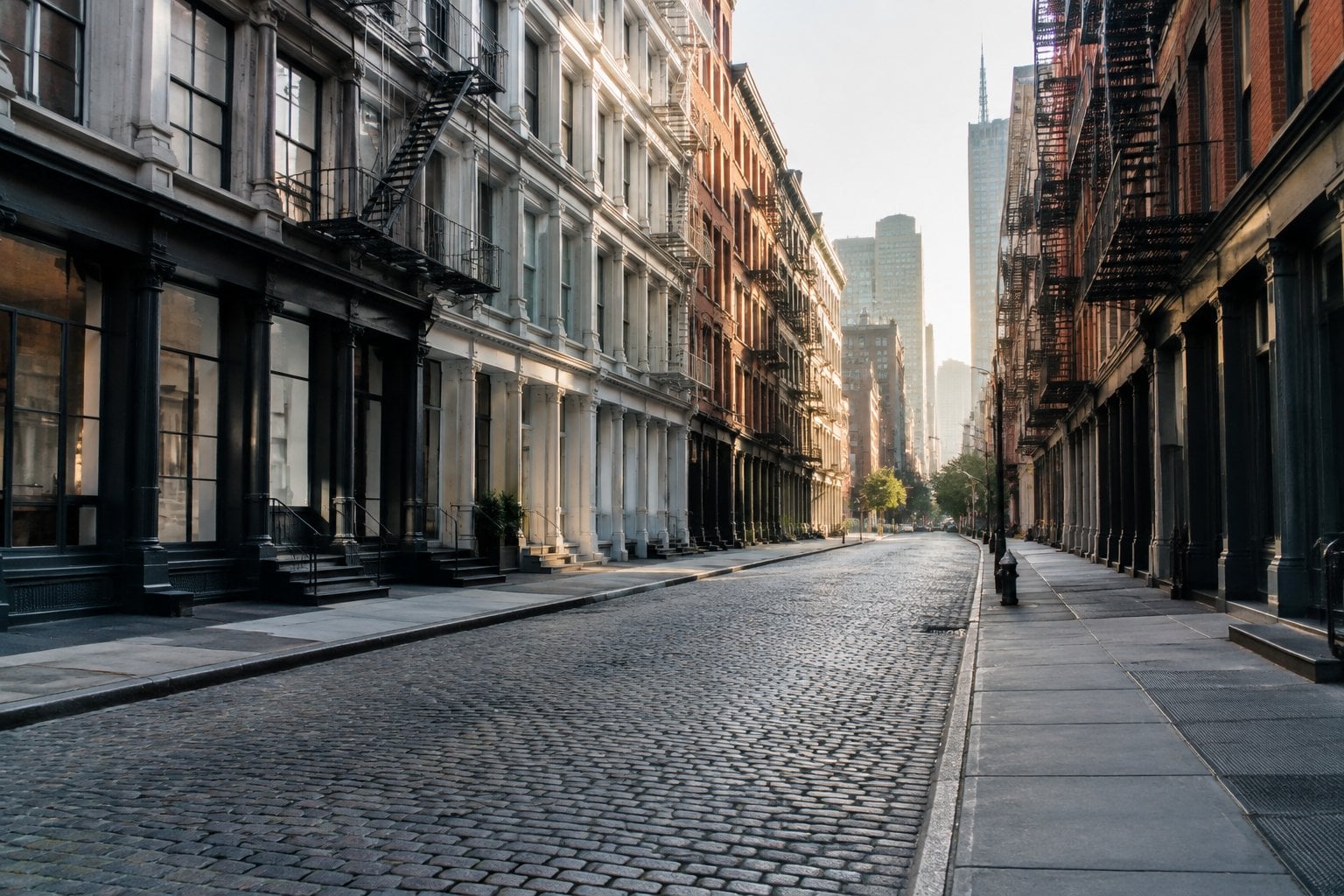
New York Law School in Lower Manhattan’s Tribeca neighborhood posted the biggest one-year improvement on this list. Of its 337 first-time bar takers from the class of 2024, 276 passed, a rate of 81.9%. A year earlier, only 210 of 297 passed, a rate of 70.71%, so the raw rate rose by more than 11 points. The ABA weighted average for the same states was 84.68%, leaving a gap of 2.78 percentage points, down from 10.9 the year before.
Full-time tuition and fees come to $73,524 for 2025-26 ($71,052 in tuition plus $2,472 in fees). Part-time tuition is $54,710 a year. The school estimates living costs off campus at $23,759.
For fall 2025, it received 4,114 applications and made 1,632 offers, an acceptance rate of 39.67%. It enrolled 409 new students, 356 full-time and 53 part-time, with a median LSAT score of 157 and a median undergraduate GPA of 3.63.
Twenty-four first-year students, about 6%, left for academic reasons. Total J.D. enrollment was 1,107. Of 313 graduates in the class of 2025, 233, or 74.4%, had bar-passage jobs.
14. Rutgers Law School (Newark and Camden, New Jersey)
Rutgers Law School, New Jersey’s public law school, teaches on two campuses, in Newark and Camden. It is the largest school on this list, with 1,339 J.D. students, and had the most first-time bar takers: 434, of whom 316 passed, a rate of 72.81%. The ABA weighted average for the same states was 75.12%, a gap of 2.31 percentage points. A year earlier, 262 of 391 takers passed, a rate of 67.01%.
New Jersey residents pay $35,607 a year in full-time tuition and fees for 2025-26 ($31,577 in tuition plus $4,030 in fees, the highest fees on this list), and nonresidents pay $51,893. The school estimates living costs off campus at $33,190.
For fall 2025, Rutgers received 4,305 applications and made 1,444 offers, an acceptance rate of 33.54%, second-lowest on this list. It enrolled 489 new students, 404 full-time and 85 part-time, with a median LSAT score of 158 and a median undergraduate GPA of 3.66.
One first-year student left for academic reasons and eight for other reasons. Of 368 graduates in the class of 2025, 313, or 85.1%, had bar-passage jobs.
15. Brooklyn Law School (Brooklyn, New York)

Brooklyn Law School in Downtown Brooklyn finished 1.25 percentage points below the average. Of its 393 first-time bar takers, 332 passed, a rate of 84.48%, against an ABA weighted average of 85.73% for the same states. A year earlier, 294 of 373 takers passed, a rate of 78.82%.
Brooklyn is the most expensive school on this list. Full-time tuition and fees come to $76,946 for 2025-26 ($75,496 in tuition plus $1,450 in fees). The school estimates living costs off campus at $36,528 a year, bringing a full-time year past $113,000 before any scholarship.
It also drew the most interest. For fall 2025, Brooklyn received 4,600 applications, more than any other school here, and made 2,024 offers, an acceptance rate of 44%. It enrolled 414 new students, 380 full-time and 34 part-time. Its median LSAT score of 161 was the highest on this list, with a median undergraduate GPA of 3.59.
Seventeen first-year students, about 4%, left for academic reasons. Total J.D. enrollment was 1,126. Of 356 graduates in the class of 2025, 301, or 84.6%, had bar-passage jobs.
16. University at Buffalo School of Law (Buffalo, New York)
The University at Buffalo School of Law is the only law school in the State University of New York system. Its graduates had the highest raw pass rate on this list: of 154 first-time bar takers, 132 passed, a rate of 85.71%. But the ABA weighted average for the same states was 86.24%, so Buffalo still finished 0.53 percentage points below it. A year earlier, 124 of 153 takers passed, a rate of 81.05%.
New York residents pay $29,750 a year in full-time tuition and fees for 2025-26 ($26,430 in tuition plus $3,320 in fees), and nonresidents pay $35,420. The school estimates living costs off campus at $24,814.
For fall 2025, Buffalo received 977 applications and made 414 offers, an acceptance rate of 42.37%. All 167 new students enrolled full-time, with a median LSAT score of 157 and a median undergraduate GPA of 3.71, the highest on this list.
Twelve first-year students, about 8%, left for academic reasons. Total J.D. enrollment was 430. Buffalo had the best job results here: of 137 graduates in the class of 2025, 124, or 90.5%, had bar-passage jobs.
17. Quinnipiac University School of Law (North Haven, Connecticut)
Quinnipiac University School of Law in North Haven, Connecticut, rounds out the list with the smallest gap of all. Of its 114 first-time bar takers, 84 passed, a rate of 73.68%. The ABA weighted average for the same states was 73.89%, the lowest benchmark on this list, so Quinnipiac finished just 0.21 percentage points below it. A year earlier, 76 of 115 takers passed, a rate of 66.09%, and the gap was 3.15 points.
Full-time tuition and fees come to $57,760 for 2025-26 ($56,610 in tuition plus $1,150 in fees). The school estimates living costs off campus at $29,274 a year.
For fall 2025, Quinnipiac received 1,485 applications and made 640 offers, an acceptance rate of 43.1%. It enrolled 135 new students, 115 full-time and 20 part-time, with a median LSAT score of 155 and a median undergraduate GPA of 3.65.
Four first-year students, about 3%, left for academic reasons, and four more left for other reasons. Total J.D. enrollment was 392. Of 123 graduates in the class of 2025, 94, or 76.4%, had bar-passage jobs.
What the Numbers Show
New York has eight schools on this list and Massachusetts has four. Pennsylvania, New Jersey, Connecticut, Rhode Island and Vermont have one each, while Maine and New Hampshire have none. The gaps shrink quickly: the top eight schools were all more than 11 points below their state averages, while the last eight were within about four points.
Most of these schools are moving in the right direction. Raw pass rates rose at 14 of the 17 schools compared with the year before, though at Suffolk only by 0.04 points, and New York Law School, CUNY, Western New England and New England Law each gained more than seven points. The rate fell at UMass Law, Roger Williams and Albany. Four of the 17 schools are public, and two of them, CUNY and Buffalo, charge New York residents less than $30,000 a year.
For the other side of the region, see our list of the 30 best law schools in the Northeast. For the national picture, see the 30 worst law schools in the U.S. and the 30 law schools with the lowest bar passage rates. Widener’s other campus appears on our list of the 30 worst law schools in the South, and our older list of the worst law schools in New England covers that part of the region. Each school’s full report is on the ABA’s required disclosures site, and the National Conference of Bar Examiners publishes pass rates by state.
This article is general information, not legal advice or a recommendation for or against any school. Figures are from the ABA’s 2025 Standard 509, bar passage and employment reports and may change in later reports.


