
The 30 Worst Law Schools in the Midwest
The bar exam is the last big hurdle between a law degree and a law license, and every ABA-accredited law school has to publish how its graduates did on it. Across the Midwest, the results range widely: at a few schools more than nine in ten first-time takers pass, while at others close to half do not.
This list ranks the 30 worst law schools in the Midwest by one public measure: how each school’s first-time bar passage rate for 2024 graduates compared with the average for the same states. The figures come from the American Bar Association’s Standard 509 and bar passage disclosures, released in the ABA’s 2025 report.
For each school, the ABA compares its graduates’ first-time pass rate with the weighted average for graduates of all ABA-accredited schools who took the exam in the same states. That keeps the comparison fair, because some states have much harder exams than others. “The Midwest” here means the U.S. Census Bureau’s Midwest region: Illinois, Indiana, Iowa, Kansas, Michigan, Minnesota, Missouri, Nebraska, North Dakota, Ohio, South Dakota and Wisconsin. Only schools with at least 30 first-time takers were ranked, which leaves out Wisconsin’s two law schools, whose graduates can be admitted in Wisconsin without taking the bar exam.
That leaves 41 Midwest law schools, and the region does well overall: only 18 of them fell below their state average. Those 18 fill the top of this list. The other 12 schools below beat their state average, some by a wide margin, but still finished in the bottom 30 of the 41 by this measure, so their entries say so plainly.
The other numbers in each entry come from the same ABA report: the fall 2025 entering class (applications, offers, median LSAT score and undergraduate GPA), 2025-26 tuition and fees, and first-year students who left for academic reasons. A bar passage rate is one measure, not a full picture of any school, and many graduates of every school on this list pass the exam and go on to practice law.
1. Cooley Law School (Lansing, Michigan)
Cooley Law School, based in Lansing, Michigan, had the largest gap in the Midwest and the fourth-largest of any school in the country. Of its 130 first-time bar takers, 67 passed, a rate of 51.54%, the lowest raw pass rate on this list. The ABA weighted average for the same states was 74.12%, which puts the school 22.58 percentage points below the average.
Cooley charges by the credit hour rather than a flat yearly price: $1,580 per credit for 2025-26, plus $640 in annual fees, the same for residents and nonresidents. It estimates living costs off campus at $29,972 a year.
For fall 2025, Cooley received 1,323 applications and made 700 offers, an acceptance rate of 52.91%. It enrolled 237 new students, 147 full-time and 90 part-time. The entering class had a median LSAT score of 147 and a median undergraduate GPA of 3.09, both the lowest on this list.
Eighteen first-year students, about 9%, left for academic reasons, and seven more, about 3%, left for other reasons. Total J.D. enrollment was 476.
2. Northern Illinois University College of Law (DeKalb, Illinois)
Northern Illinois University’s law school in DeKalb, west of Chicago, is the first of six Illinois schools on this list. Of its 91 first-time bar takers, 52 passed, a rate of 57.14%, the second-lowest raw pass rate here. The ABA weighted average for the same states was 78.65%, a gap of 21.51 percentage points, the fifth-largest in the country.
As a public school, it charges a flat $24,067 a year in full-time tuition and fees for 2025-26 ($23,667 in tuition plus $400 in fees), and the ABA report lists the same price for nonresidents. The school estimates living costs off campus at $22,742.
For fall 2025, it received 951 applications and made 421 offers, an acceptance rate of 44.27%. All 134 new students enrolled full-time, with a median LSAT score of 150 and a median undergraduate GPA of 3.41.
Eight first-year students, about 7%, left for academic reasons, and none left for other reasons. Total J.D. enrollment was 352.
3. Southern Illinois University School of Law (Carbondale, Illinois)
Southern Illinois University’s law school in Carbondale, in the far south of the state, is the second public Illinois school near the top of this list. Of its 79 first-time bar takers, 47 passed, a rate of 59.49%. The ABA weighted average for the same states was 79.22%, a gap of 19.73 percentage points.
It is one of the least expensive schools here. SIU charges $547 per credit hour for 2025-26, the same for residents and nonresidents, plus $5,678 in annual fees. Its estimate for living costs off campus is $18,608 a year, one of the lowest on this list.
For fall 2025, the school received 724 applications and made 407 offers, an acceptance rate of 56.22%. All 133 new students enrolled full-time. The median LSAT score was 149 and the median undergraduate GPA was 3.38.
Seven first-year students, about 7%, left for academic reasons, and six more, about 6%, left for other reasons. Total J.D. enrollment was 313.
4. University of Illinois Chicago School of Law (Chicago, Illinois)
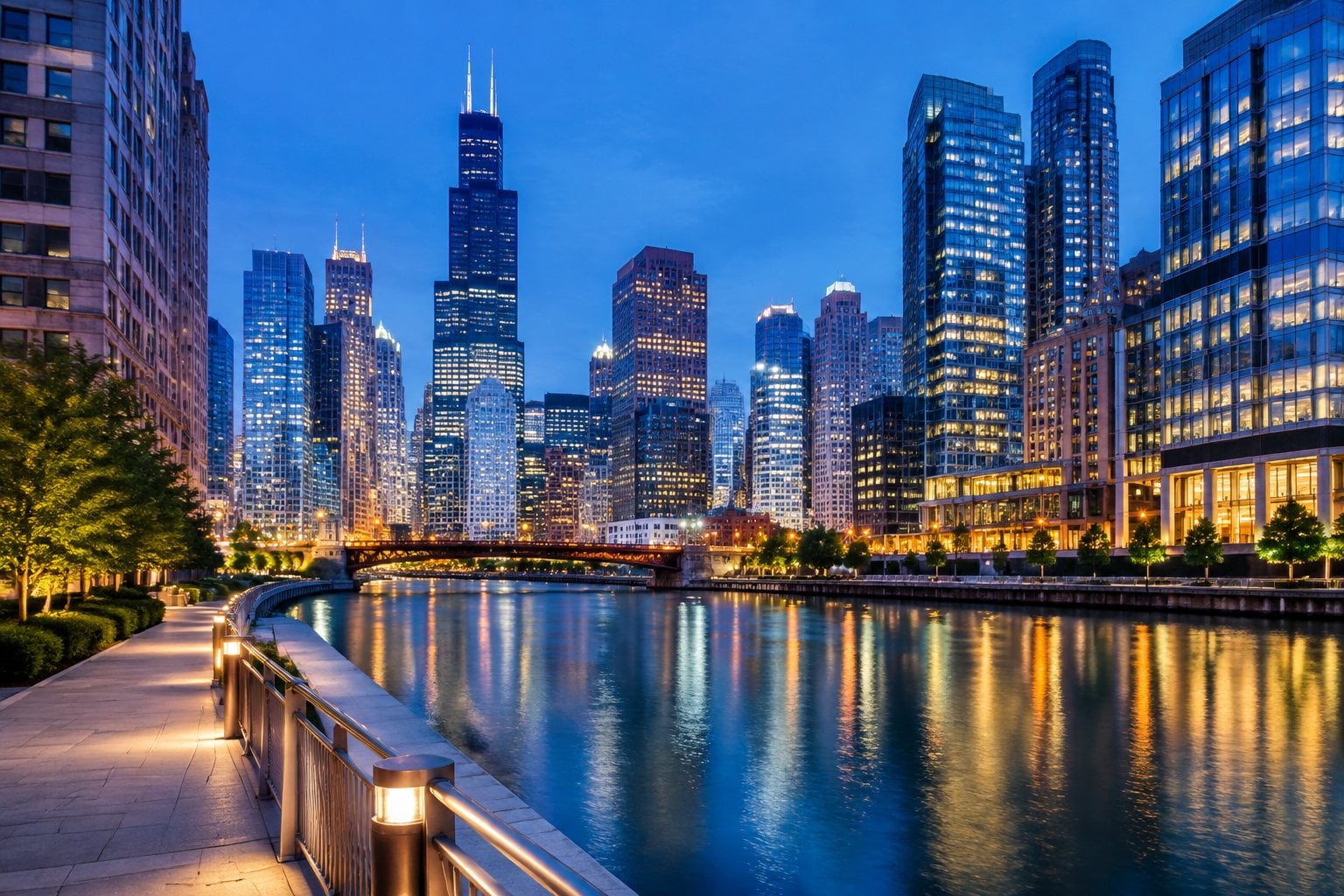
The University of Illinois Chicago’s law school, formerly The John Marshall Law School, joined UIC in 2019 and is now a public law school in downtown Chicago. Of its 296 first-time bar takers, 178 passed, a rate of 60.14%. The ABA weighted average for the same states was 78.83%, a gap of 18.69 percentage points.
UIC charges by the credit hour: $1,248 per credit for Illinois residents and $1,560 for nonresidents in 2025-26, plus $4,640 in annual fees. The school estimates living costs off campus at $24,976 a year.
UIC is one of the largest schools in the region. For fall 2025 it received 2,488 applications and made 1,308 offers, the most offers of any school on this list, for an acceptance rate of 52.57%. It enrolled 379 new students, 302 full-time and 77 part-time, the largest entering class here. The median LSAT score was 153 and the median undergraduate GPA was 3.40.
Eighteen first-year students, about 4%, left for academic reasons, and four left for other reasons. Total J.D. enrollment was 1,015.
5. Ohio Northern University Pettit College of Law (Ada, Ohio)
Ohio Northern University’s Pettit College of Law is in Ada, a small village in northwest Ohio, and it is the first of eight Ohio schools on this list. It is also the smallest by bar takers: of its 57 first-time takers, 39 passed, a rate of 68.42%. The ABA weighted average for the same states was 79.73%, a gap of 11.31 percentage points.
Tuition is $33,900 a year for 2025-26, with no separate fees listed, the same for residents and nonresidents. The school estimates living costs off campus at $22,022.
For fall 2025, Ohio Northern received 1,355 applications and made 433 offers, an acceptance rate of 31.96%. It enrolled 129 new students, 85 full-time and 44 part-time. The median LSAT score was 149 and the median undergraduate GPA was 3.34.
Seven first-year students, about 6%, left for academic reasons, and 11 more, about 9%, left for other reasons. Total J.D. enrollment was 319, and the school reported 67 graduates in 2024, the fewest on this list.
6. Mitchell Hamline School of Law (St. Paul, Minnesota)
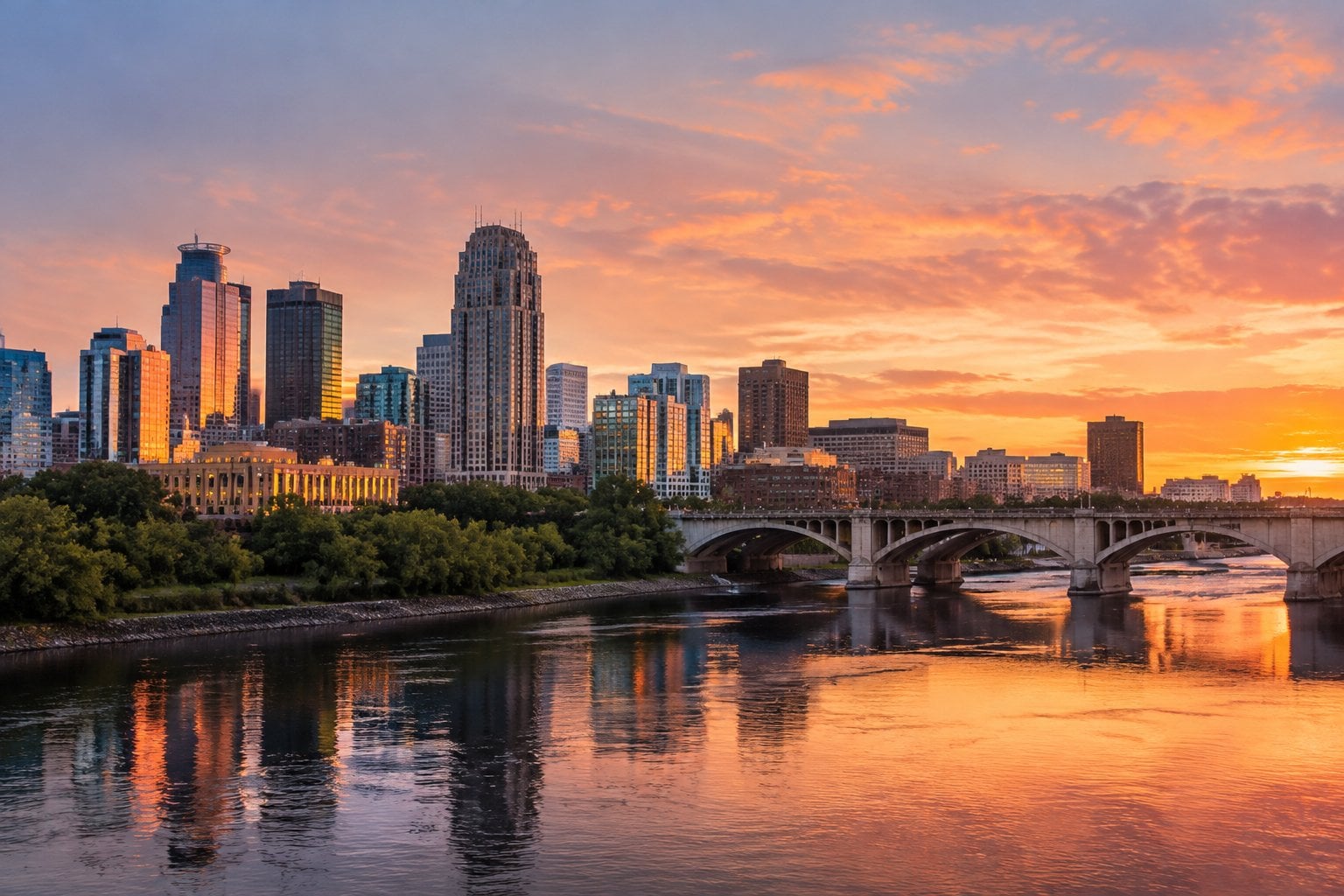
Mitchell Hamline School of Law in St. Paul was formed in 2015 by the merger of William Mitchell College of Law and Hamline University School of Law. It is the largest school on this list: of its 379 first-time bar takers, the most of any school here, 269 passed, a rate of 70.98%. The ABA weighted average for the same states was 81.61%, a gap of 10.63 percentage points.
Full-time tuition and fees come to $56,300 for 2025-26 ($55,300 in tuition plus $1,000 in fees), the same for residents and nonresidents. Part-time tuition is $39,930. The school’s estimate for living costs off campus is $16,848 a year, one of the lowest on this list.
For fall 2025, it received 1,603 applications and made 824 offers, an acceptance rate of 51.4%. It enrolled 364 new students, and most of them, 227, enrolled part-time, with 137 full-time. No other school here has more part-time students than full-time ones. The median LSAT score was 154 and the median undergraduate GPA was 3.29.
Five first-year students, about 1%, left for academic reasons, and 18, about 5%, left for other reasons, the most on this list. Total J.D. enrollment was 1,144, also the largest here.
7. Creighton University School of Law (Omaha, Nebraska)
Creighton University’s law school in Omaha is the first of two Nebraska schools on this list. Of its 146 first-time bar takers, 106 passed, a rate of 72.6%. The ABA weighted average for the same states was 82.74%, a gap of 10.14 percentage points. That benchmark is one of the highest on this list, so Creighton’s raw rate looks better than its gap.
Creighton charges by the credit hour: $1,542 per credit for 2025-26, the same for residents and nonresidents, plus $2,086 in annual fees for full-time students. It estimates living costs at $23,400 a year.
For fall 2025, the school received 815 applications and made 526 offers, an acceptance rate of 64.54%. All 162 new students enrolled full-time. The median LSAT score was 153 and the median undergraduate GPA was 3.51.
Attrition was low: one first-year student left for academic reasons and four, about 3%, left for other reasons. Total J.D. enrollment was 427.
8. University of St. Thomas School of Law (Minneapolis, Minnesota)
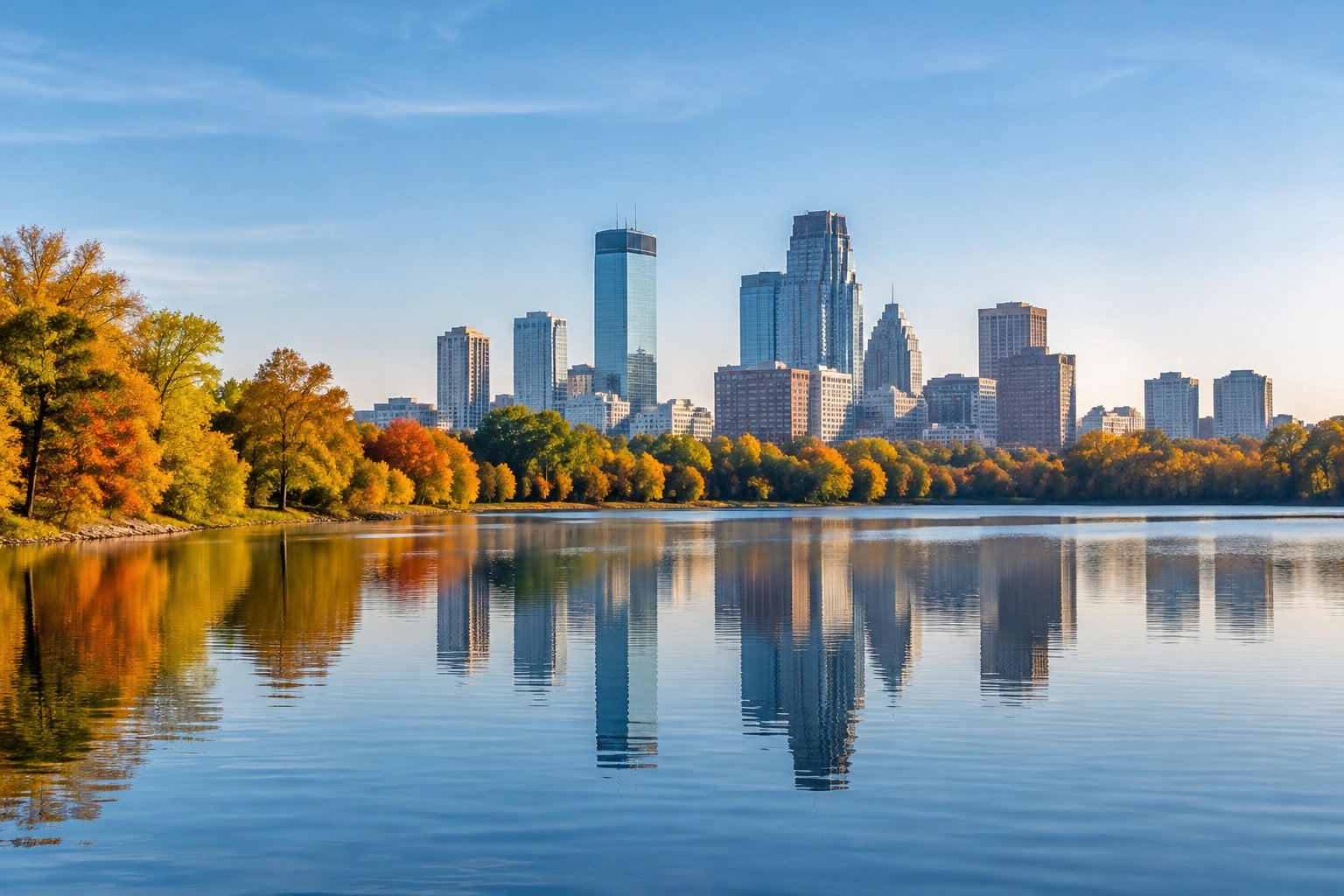
The University of St. Thomas School of Law in downtown Minneapolis is the second Minnesota school on this list. Its graduates passed at a higher rate than most schools near the top: of 166 first-time bar takers, 124 passed, a rate of 74.7%. But the ABA weighted average for the states where they tested was 84.41%, the highest benchmark on this list, leaving a gap of 9.71 percentage points.
Full-time tuition and fees come to $51,632 for 2025-26 ($50,998 in tuition plus $634 in fees), the same for residents and nonresidents. The school estimates living costs off campus at $27,408 a year.
For fall 2025, it received 847 applications and made 488 offers, an acceptance rate of 57.62%. All 166 new students enrolled full-time, with a median LSAT score of 159 and a median undergraduate GPA of 3.72, among the strongest entering credentials in the top half of this list.
Three first-year students, about 2%, left for academic reasons, and none left for other reasons. Total J.D. enrollment was 486.
9. Washburn University School of Law (Topeka, Kansas)
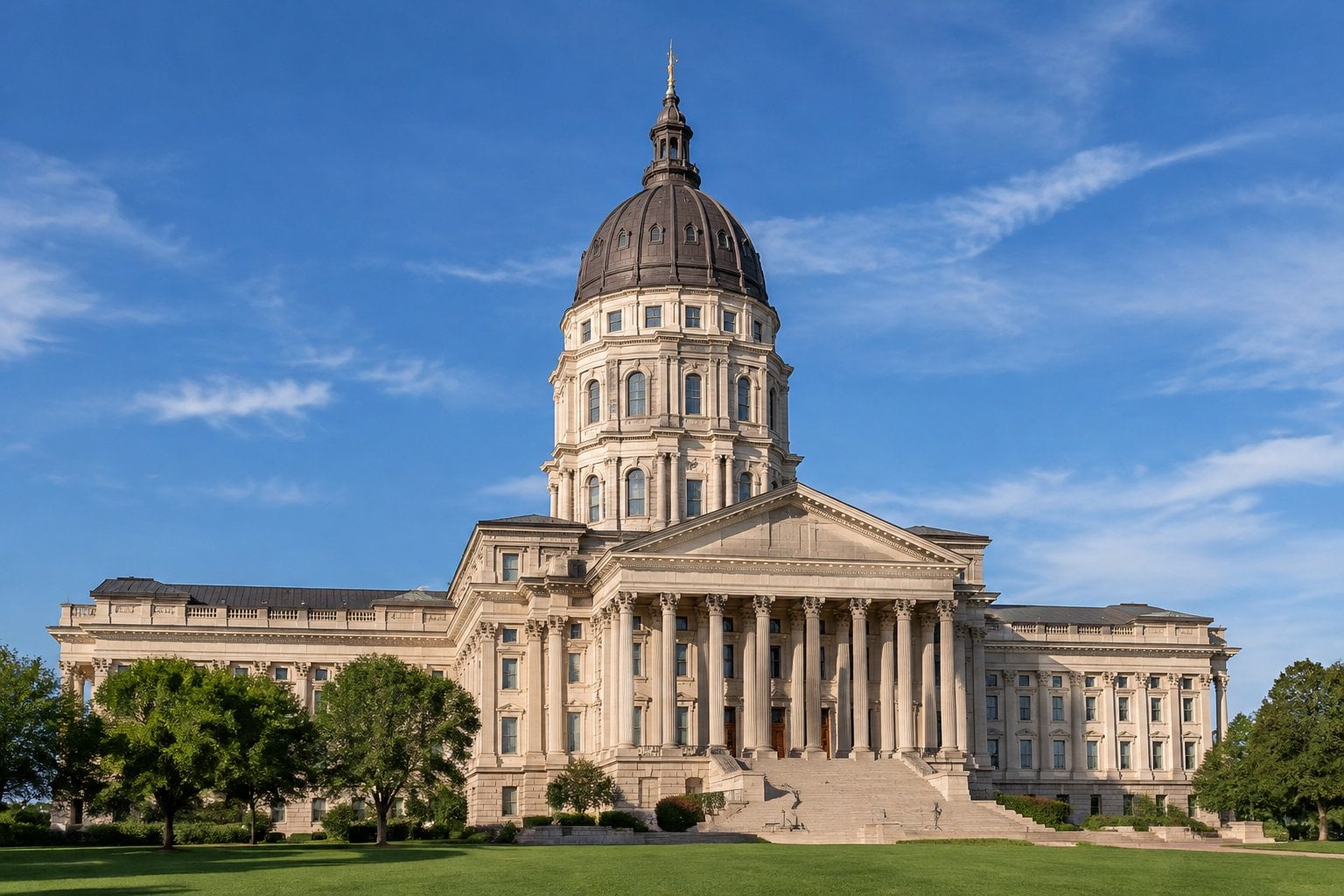
Washburn University’s law school is in Topeka, the Kansas capital, and it is the only Kansas school on this list. Of its 90 first-time bar takers, 64 passed, a rate of 71.11%. The ABA weighted average for the same states was 79.97%, a gap of 8.86 percentage points.
Washburn charges by the credit hour: $932 per credit for Kansas residents and $1,393 for nonresidents in 2025-26, plus $1,020 in annual fees. Its estimate for living costs off campus is $17,018 a year, one of the lowest on this list.
For fall 2025, it received 549 applications and made 255 offers, an acceptance rate of 46.45%. All 137 new students enrolled full-time. The median LSAT score was 155, and the median undergraduate GPA was 3.68, high for a school this close to the top of the ranking.
Three first-year students, about 2%, left for academic reasons, and one left for other reasons. Total J.D. enrollment was 347.
10. University of Akron School of Law (Akron, Ohio)
The University of Akron’s law school is the second Ohio school on this list, and one of five Ohio public law schools in the ranking. Of its 129 first-time bar takers, 93 passed, a rate of 72.09%. The ABA weighted average for the same states was 80.46%, a gap of 8.37 percentage points.
Ohio residents pay $26,649 a year in full-time tuition and fees for 2025-26 ($22,359 in tuition plus $4,290 in fees), and nonresidents pay $26,749, only $100 more. Part-time students pay $14,906 in tuition plus $3,370 in fees.
For fall 2025, Akron received 762 applications and made 446 offers, an acceptance rate of 58.53%. It enrolled 203 new students, 167 full-time and 36 part-time. The median LSAT score was 154 and the median undergraduate GPA was 3.51.
Nine first-year students, about 5%, left for academic reasons, and six more, about 3%, left for other reasons. Total J.D. enrollment was 473.
11. Capital University Law School (Columbus, Ohio)
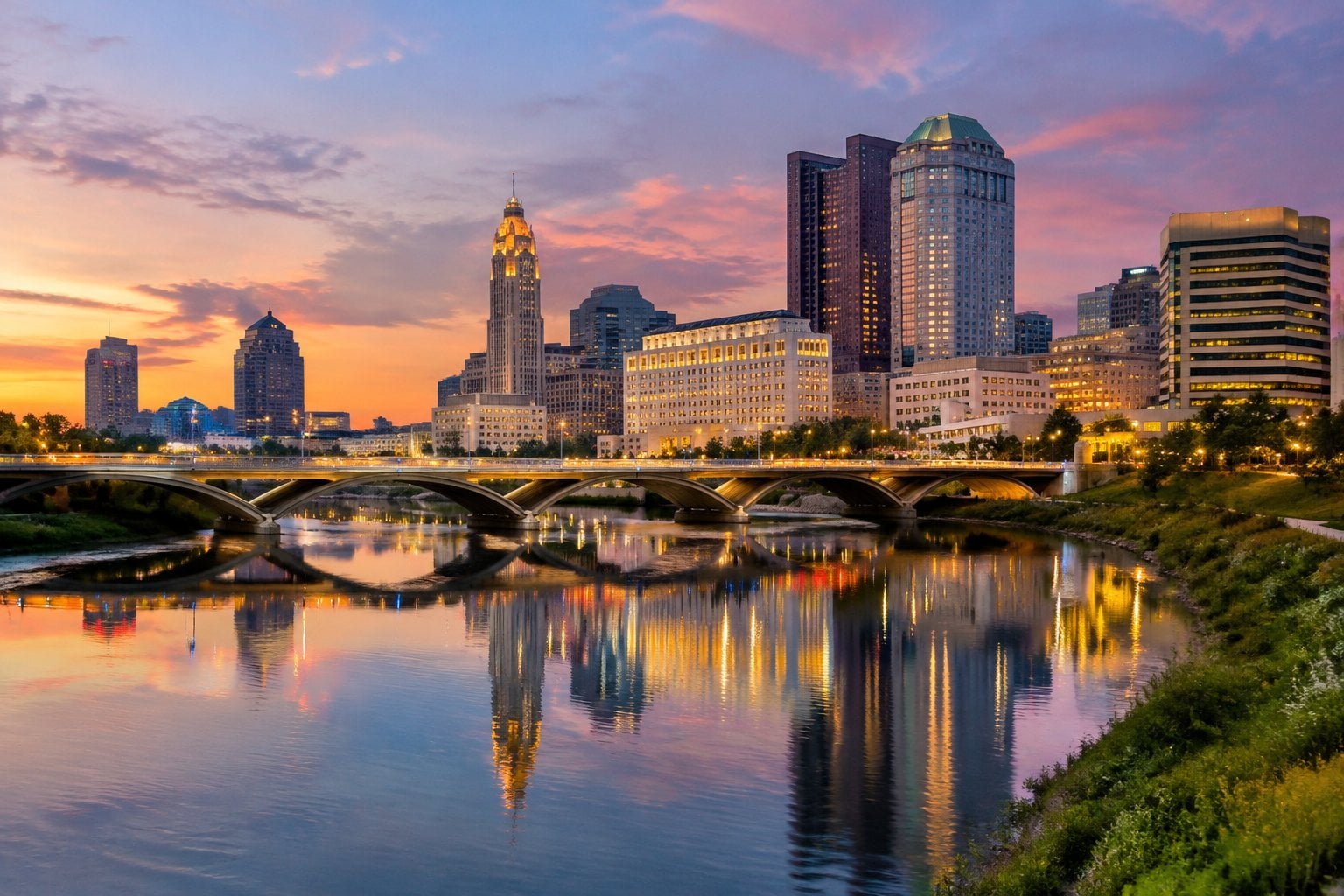
Capital University Law School is a private law school in downtown Columbus, Ohio’s capital. Of its 144 first-time bar takers, 104 passed, a rate of 72.22%. The ABA weighted average for the same states was 80.4%, a gap of 8.18 percentage points, just 0.19 points behind Akron.
Full-time tuition and fees come to $45,456 for 2025-26 ($45,066 in tuition plus $390 in fees), the same for residents and nonresidents. Part-time tuition is $40,404. The school estimates living costs at $21,112 a year.
Capital was the easiest school on this list to get into. For fall 2025 it received 874 applications and made 576 offers, an acceptance rate of 65.9%, the highest of these 30 schools. It enrolled 180 new students, 143 full-time and 37 part-time, with a median LSAT score of 151 and a median undergraduate GPA of 3.44.
Seventeen first-year students, about 9%, left for academic reasons, and three more, about 2%, left for other reasons. Total J.D. enrollment was 483.
12. University of South Dakota Knudson School of Law (Vermillion, South Dakota)

The University of South Dakota’s Knudson School of Law in Vermillion is the state’s only law school. Of its 73 first-time bar takers, 53 passed, a rate of 72.6%. The ABA weighted average for the same states was 78.62%, a gap of 6.02 percentage points.
It is the least expensive school on this list with a yearly price. South Dakota residents pay $17,113 in full-time tuition and fees for 2025-26 ($12,076 in tuition plus $5,037 in fees), while nonresidents pay $37,221. The school estimates living costs off campus at $18,034.
USD is also small. For fall 2025, it received 405 applications and made 253 offers, an acceptance rate of 62.47%. All 88 new students enrolled full-time, the smallest entering class on this list. The median LSAT score was 152 and the median undergraduate GPA was 3.47.
No first-year students left for academic reasons, and five, about 6%, left for other reasons. Total J.D. enrollment was 252.
13. Cleveland State University College of Law (Cleveland, Ohio)
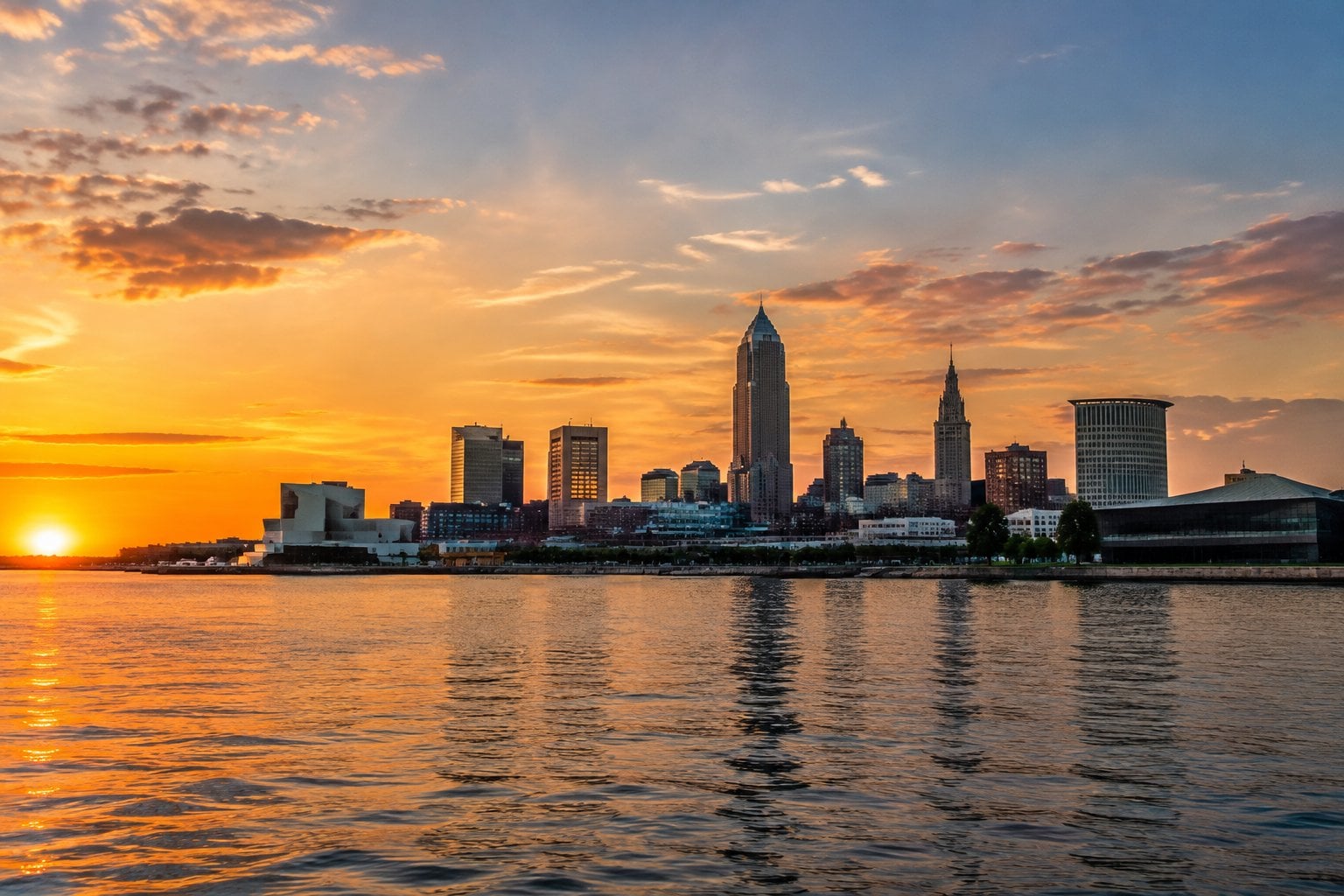
Cleveland State University’s law school is the first of two Cleveland schools on this list, and the fourth from Ohio. Of its 110 first-time bar takers, 83 passed, a rate of 75.45%. The ABA weighted average for the same states was 80.52%, a gap of 5.07 percentage points.
Ohio residents pay $31,566 a year in full-time tuition and fees for 2025-26 ($29,766 in tuition plus $1,800 in fees), and nonresidents pay $31,666. The school estimates living costs off campus at $21,870.
For fall 2025, it received 1,733 applications and made 597 offers, an acceptance rate of 34.45%. It enrolled 195 new students, 120 full-time and 75 part-time. The median LSAT score was 155 and the median undergraduate GPA was 3.50.
The ABA report shows the most first-year academic attrition on this list: 24 first-year students, about 13%, left for academic reasons, the highest number and rate of these 30 schools. Three more, about 2%, left for other reasons. Total J.D. enrollment was 495.
14. University of North Dakota School of Law (Grand Forks, North Dakota)

The University of North Dakota’s law school in Grand Forks is the state’s only law school. Of its 79 first-time bar takers, 54 passed, a rate of 68.35%. The ABA weighted average for the same states was 73.32%, one of the lowest benchmarks on this list, which leaves a gap of 4.97 percentage points.
UND charges by the credit hour: $591 per credit for North Dakota residents and $1,181 for nonresidents in 2025-26, plus $1,855 in annual fees. The school estimates living costs at $20,616 a year.
UND drew the fewest applications of any school on this list. For fall 2025 it received 401 applications and made 253 offers, an acceptance rate of 63.09%. All 97 new students enrolled full-time, with a median LSAT score of 151 and a median undergraduate GPA of 3.48.
One first-year student left for academic reasons and two, about 2%, left for other reasons. Total J.D. enrollment was 246, the smallest on this list.
15. University of Toledo College of Law (Toledo, Ohio)
The University of Toledo’s law school ranked right after North Dakota, separated by one-hundredth of a point. Of its 119 first-time bar takers, 86 passed, a rate of 72.27%. The ABA weighted average for the same states was 77.23%, a gap of 4.96 percentage points.
Ohio residents pay $29,598 a year in full-time tuition and fees for 2025-26 ($26,446 in tuition plus $3,152 in fees). Nonresidents pay the same tuition with $4,152 in fees, for $30,598. The school estimates living costs off campus at $24,247.
For fall 2025, Toledo received 732 applications and made 384 offers, an acceptance rate of 52.46%. It enrolled 125 new students, 114 full-time and 11 part-time. The median LSAT score was 153 and the median undergraduate GPA was 3.53.
Eight first-year students, about 5%, left for academic reasons, and one left for other reasons. Total J.D. enrollment was 368.
16. Indiana University Robert H. McKinney School of Law (Indianapolis, Indiana)

Indiana University’s McKinney School of Law in downtown Indianapolis is the first of two Indiana University law schools on this list. Of its 222 first-time bar takers, 164 passed, a rate of 73.87%. The ABA weighted average for the same states was 77.95%, a gap of 4.08 percentage points.
McKinney charges by the credit hour: $1,028 per credit for Indiana residents and $1,655 for nonresidents in 2025-26, plus $1,243 in annual fees. The school estimates living costs at $23,512 a year.
For fall 2025, it received 904 applications and made 505 offers, an acceptance rate of 55.86%. It enrolled 280 new students, 201 full-time and 79 part-time, one of the larger entering classes here. The median LSAT score was 155 and the median undergraduate GPA was 3.58.
Three first-year students, about 1%, left for academic reasons, and seven, about 2%, left for other reasons. Total J.D. enrollment was 829.
17. DePaul University College of Law (Chicago, Illinois)
DePaul University’s law school in Chicago’s Loop is the first of three private Chicago schools on this list. Of its 171 first-time bar takers, 130 passed, a rate of 76.02%. The ABA weighted average for the same states was 78.56%, a gap of 2.54 percentage points.
Full-time tuition and fees come to $55,628 for 2025-26 ($55,328 in tuition plus $300 in fees), the same for residents and nonresidents. Part-time tuition is $35,946. The school estimates living costs off campus at $29,110 a year.
DePaul drew a lot of interest. For fall 2025 it received 2,643 applications and made 920 offers, an acceptance rate of 34.81%. It enrolled 186 new students, 157 full-time and 29 part-time, with a median LSAT score of 158 and a median undergraduate GPA of 3.61.
Nine first-year students, about 5%, left for academic reasons, and two left for other reasons. Total J.D. enrollment was 510.
18. University of Detroit Mercy School of Law (Detroit, Michigan)
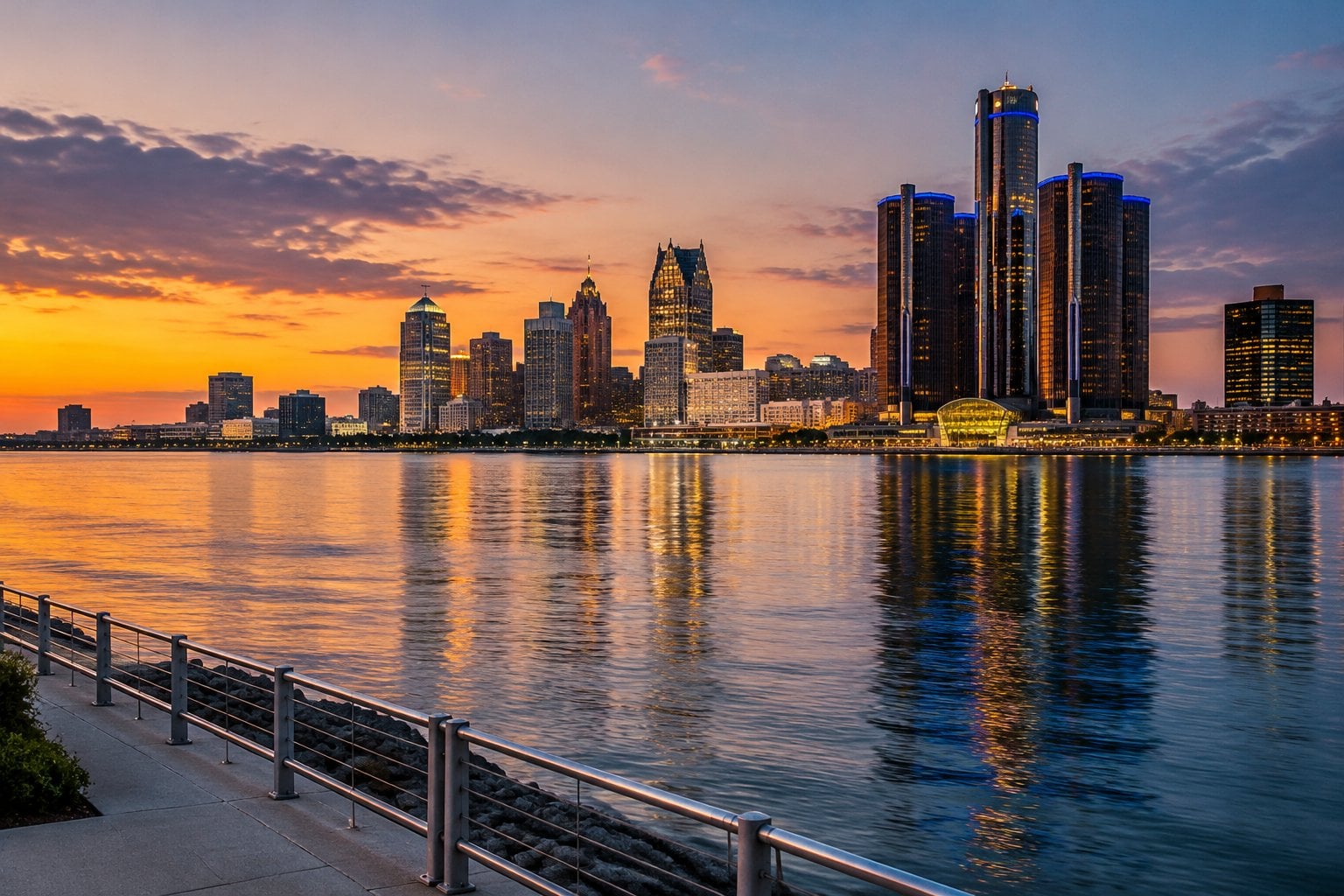
The University of Detroit Mercy’s law school in downtown Detroit is the last school on this list that fell below its state average. Of its 144 first-time bar takers, 102 passed, a rate of 70.83%. The ABA weighted average for the same states was 73.25%, the lowest benchmark on this list, for a gap of 2.42 percentage points.
The school reported 201 graduates in 2024, noticeably more than its 144 first-time bar takers. Detroit Mercy charges by the credit hour: $1,616 per credit for 2025-26, the same for residents and nonresidents, plus $327 in annual fees. It estimates living costs off campus at $23,983 a year.
For fall 2025, it received 1,478 applications and made 612 offers, an acceptance rate of 41.41%. It enrolled 247 new students, 239 full-time and 8 part-time. The median LSAT score was 156 and the median undergraduate GPA was 3.52.
No first-year students left for academic reasons, and five, about 2%, left for other reasons. Total J.D. enrollment was 664.
19. Chicago-Kent College of Law, Illinois Institute of Technology (Chicago, Illinois)
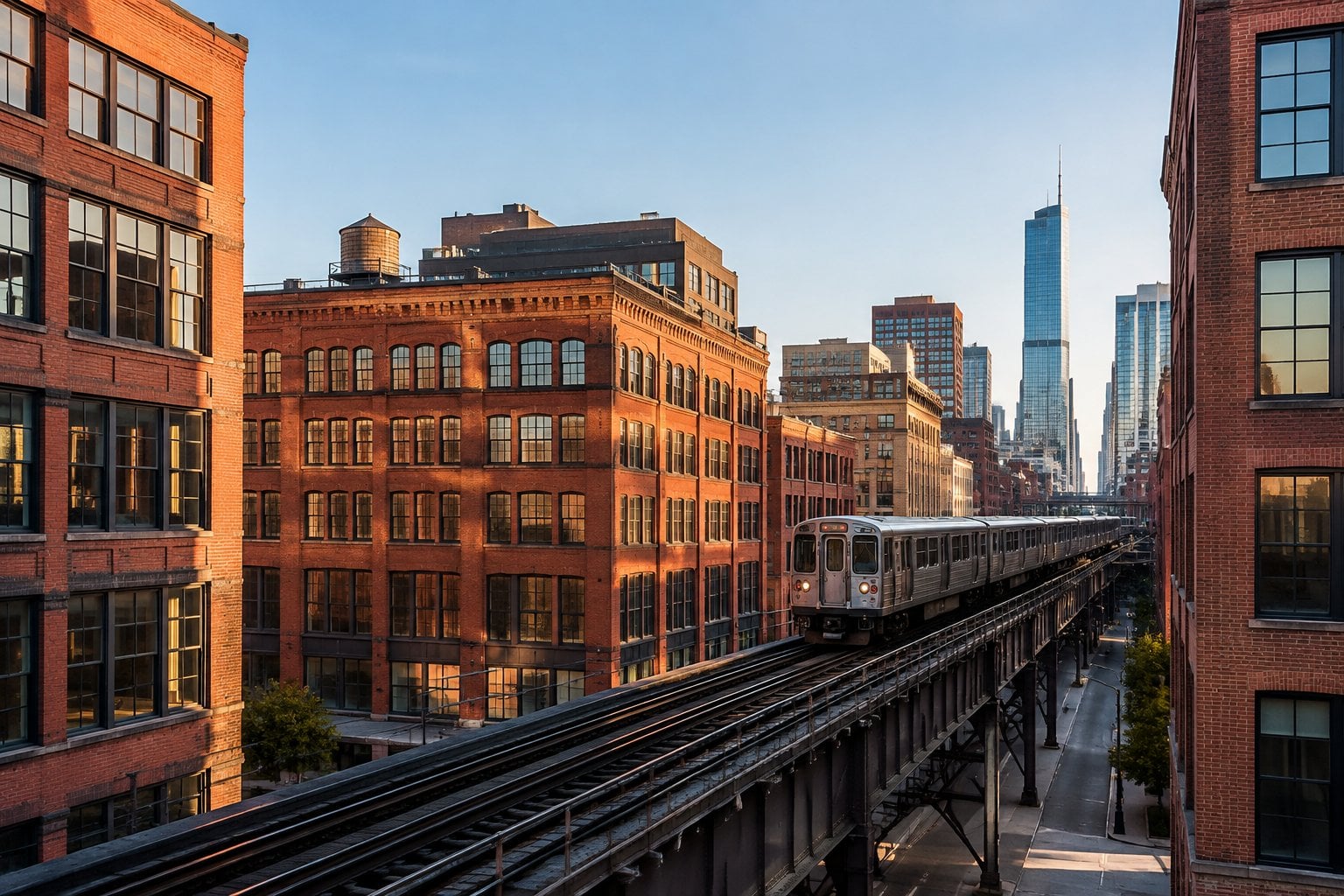
Chicago-Kent College of Law in Chicago’s West Loop is the first school on this list that did better than its state average, if only barely. Of its 205 first-time bar takers, 162 passed, a rate of 79.02%. The ABA weighted average for the same states was 78.68%, so Chicago-Kent finished 0.34 percentage points above the average.
Chicago-Kent charges by the credit hour: $1,830 per credit for 2025-26, the same for residents and nonresidents, plus $1,010 in annual fees. The school estimates living costs off campus at $27,964 a year.
For fall 2025, it received 2,212 applications and made 854 offers, an acceptance rate of 38.61%. It enrolled 245 new students, 216 full-time and 29 part-time, with a median LSAT score of 161 and a median undergraduate GPA of 3.72.
Attrition was very low: one first-year student left for academic reasons and none left for other reasons. Total J.D. enrollment was 720.
20. Case Western Reserve University School of Law (Cleveland, Ohio)
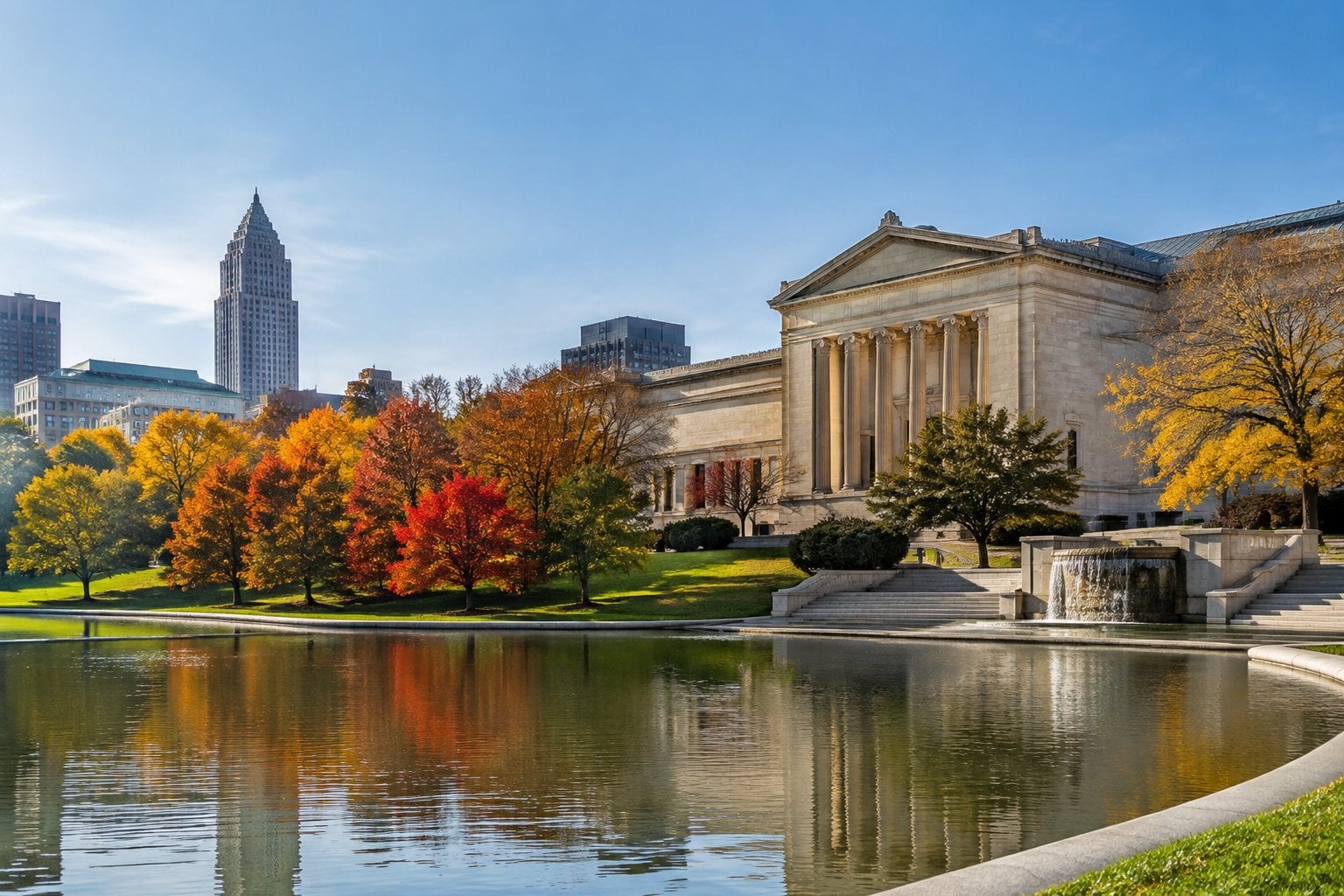
Case Western Reserve University’s law school in Cleveland’s University Circle is the second Cleveland school here. Its graduates beat their state average by just under a point: of 161 first-time bar takers, 132 passed, a rate of 81.99%, against an ABA weighted average of 81%, a margin of 0.99 percentage points above the average.
Case Western is the most expensive school on this list: full-time tuition and fees come to $65,552 for 2025-26 ($64,600 in tuition plus $952 in fees). The school estimates living costs off campus at $32,008, bringing a full year to about $97,500 before any scholarship.
For fall 2025, it received 2,267 applications and made 789 offers, an acceptance rate of 34.8%. It enrolled 180 new students, 145 full-time and 35 part-time. The median LSAT score was 162 and the median undergraduate GPA was 3.76.
One first-year student left for academic reasons, and three, about 2%, left for other reasons. Total J.D. enrollment was 531.
21. Loyola University Chicago School of Law (Chicago, Illinois)
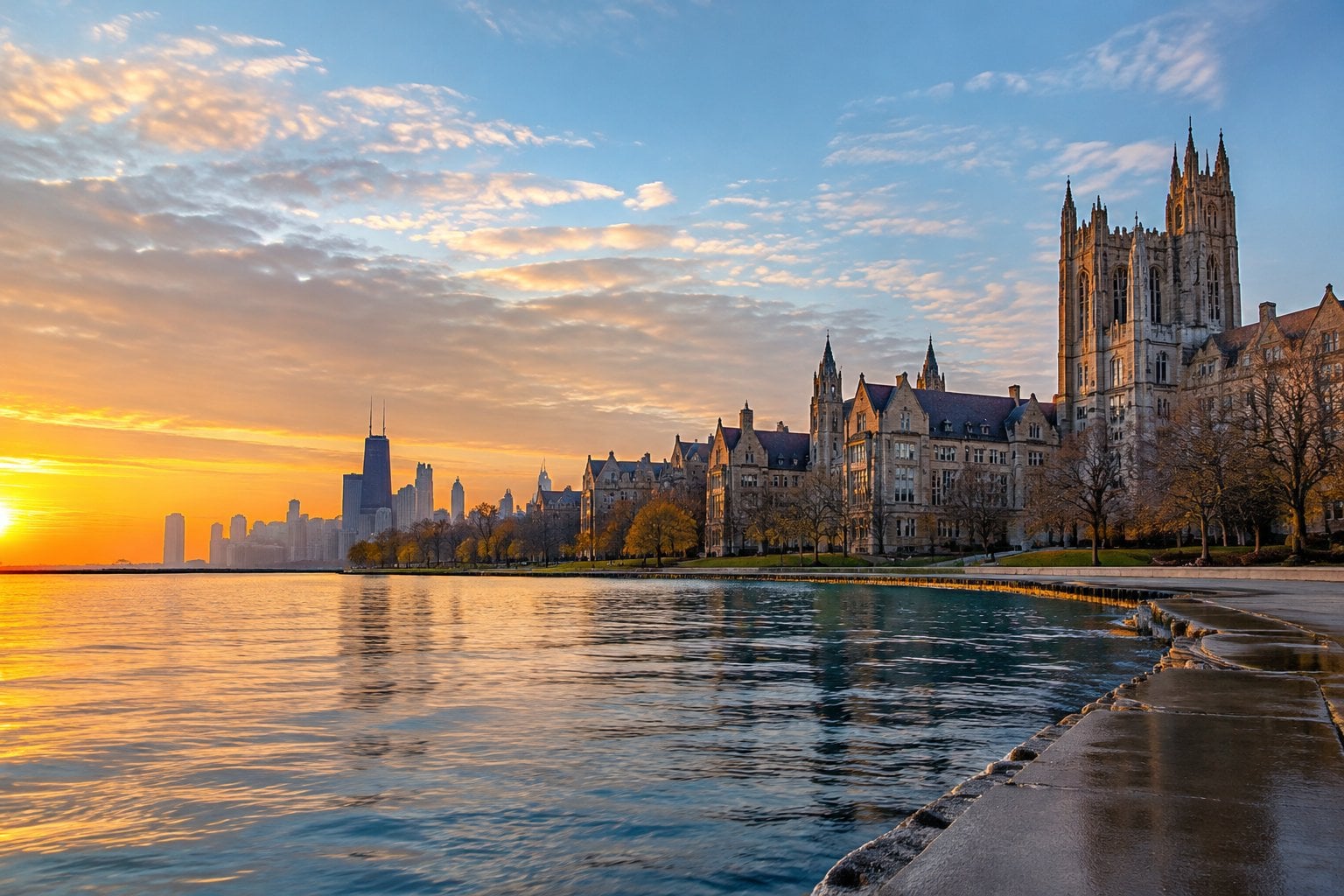
Loyola University Chicago’s law school sits near the Magnificent Mile in downtown Chicago, and it is the third private Chicago school on this list. Of its 345 first-time bar takers, 276 passed, a rate of 80%. The ABA weighted average for the same states was 78.82%, putting Loyola 1.18 percentage points above the average.
Full-time tuition and fees come to $59,666 for 2025-26 ($58,670 in tuition plus $996 in fees), the second-highest price on this list. Part-time tuition is $44,030. The school’s estimate for living costs off campus is $32,658, the highest on this list.
Loyola drew the most applications of any school here. For fall 2025 it received 4,244 applications and made 1,196 offers, an acceptance rate of 28.18%. It enrolled 296 new students, 256 full-time and 40 part-time, with a median LSAT score of 161 and a median undergraduate GPA of 3.70.
One first-year student left for academic reasons and one left for other reasons. Total J.D. enrollment was 848.
22. University of Missouri School of Law (Columbia, Missouri)
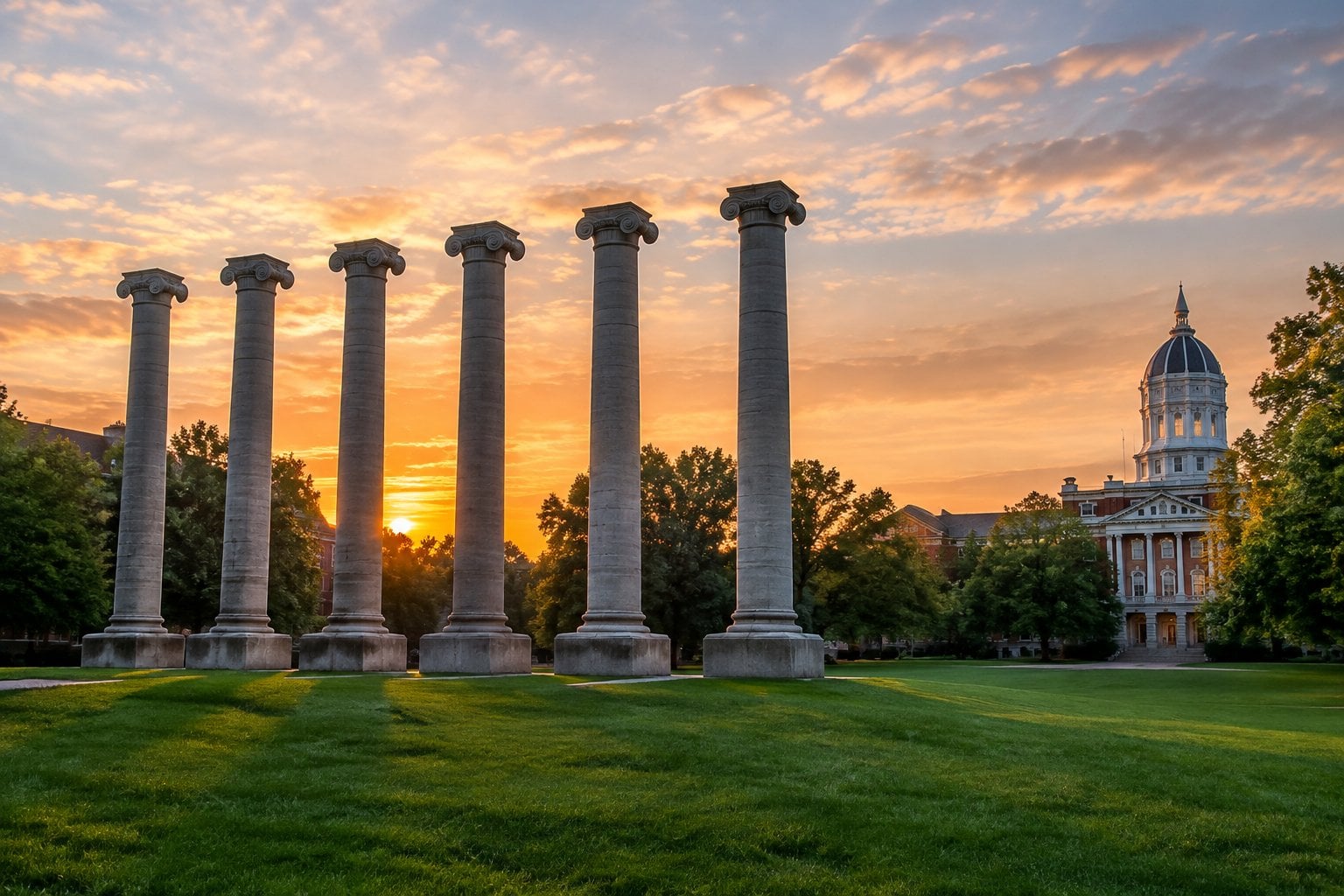
The University of Missouri’s law school in Columbia is the first of three Missouri schools on this list. Of its 132 first-time bar takers, 110 passed, a rate of 83.33%. The ABA weighted average for the same states was 82.12%, putting Mizzou 1.21 percentage points above the average.
Missouri charges by the credit hour: $812 per credit for Missouri residents and $1,028 for nonresidents in 2025-26, plus $1,414 in annual fees. The school estimates living costs at $22,002 a year.
For fall 2025, it received 798 applications and made 335 offers, an acceptance rate of 41.98%. All 129 new students enrolled full-time. The median LSAT score was 161, and the median undergraduate GPA was 3.72.
One first-year student left for academic reasons, and three, about 3%, left for other reasons. Total J.D. enrollment was 373.
23. University of Missouri-Kansas City School of Law (Kansas City, Missouri)
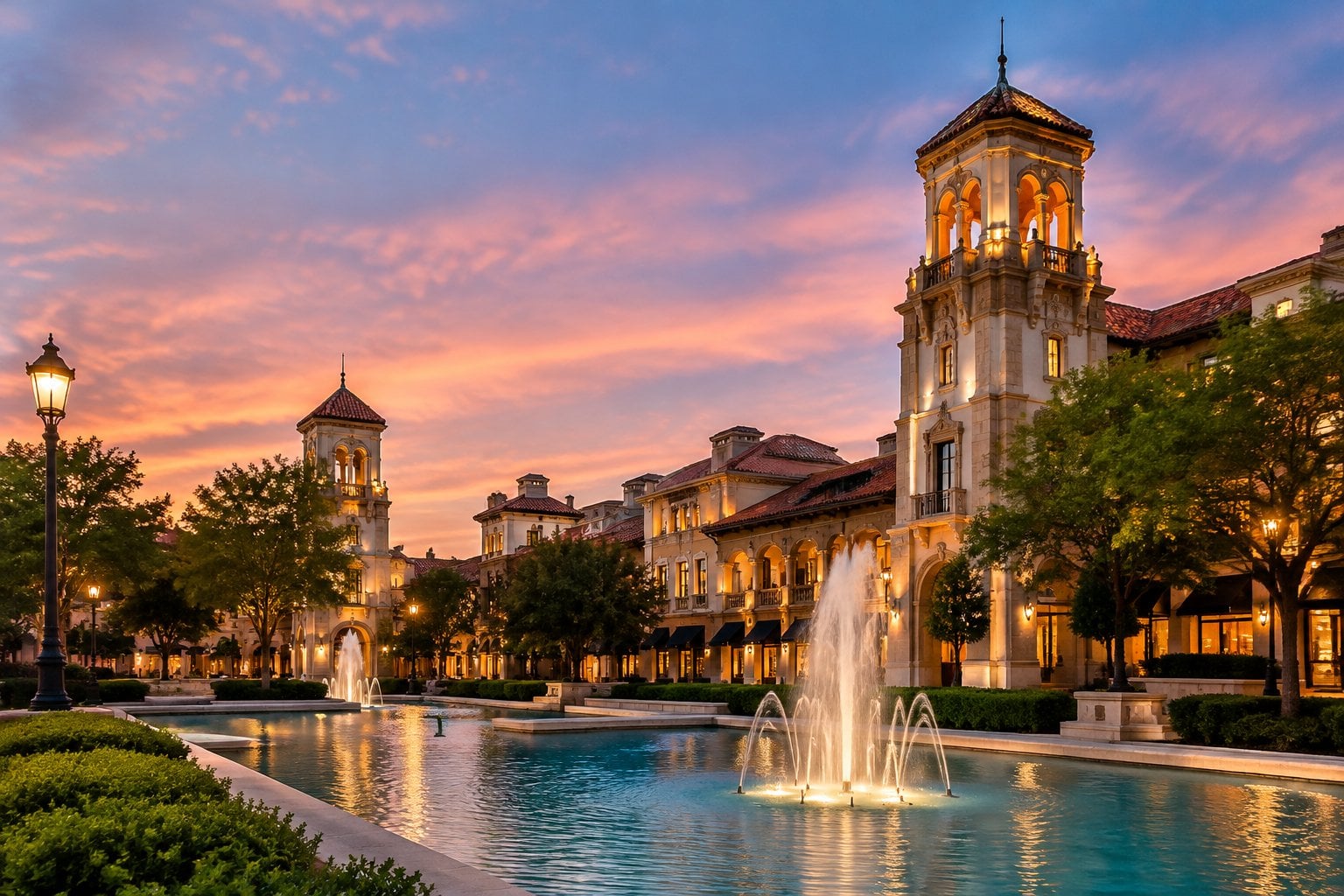
The University of Missouri-Kansas City’s law school is the second Missouri public law school on this list. Of its 126 first-time bar takers, 106 passed, a rate of 84.13%. The ABA weighted average for the same states was 82.17%, putting UMKC 1.96 percentage points above the average.
UMKC charges by the credit hour: $786 per credit for Missouri residents and $986 for nonresidents in 2025-26, plus $2,350 in annual fees. Its per-credit prices are among the lowest on this list. The school estimates living costs off campus at $23,924 a year.
For fall 2025, it received 714 applications and made 328 offers, an acceptance rate of 45.94%. All 143 new students enrolled full-time, with a median LSAT score of 156 and a median undergraduate GPA of 3.65.
Two first-year students left for academic reasons, and two left for other reasons. Total J.D. enrollment was 405.
24. Drake University Law School (Des Moines, Iowa)
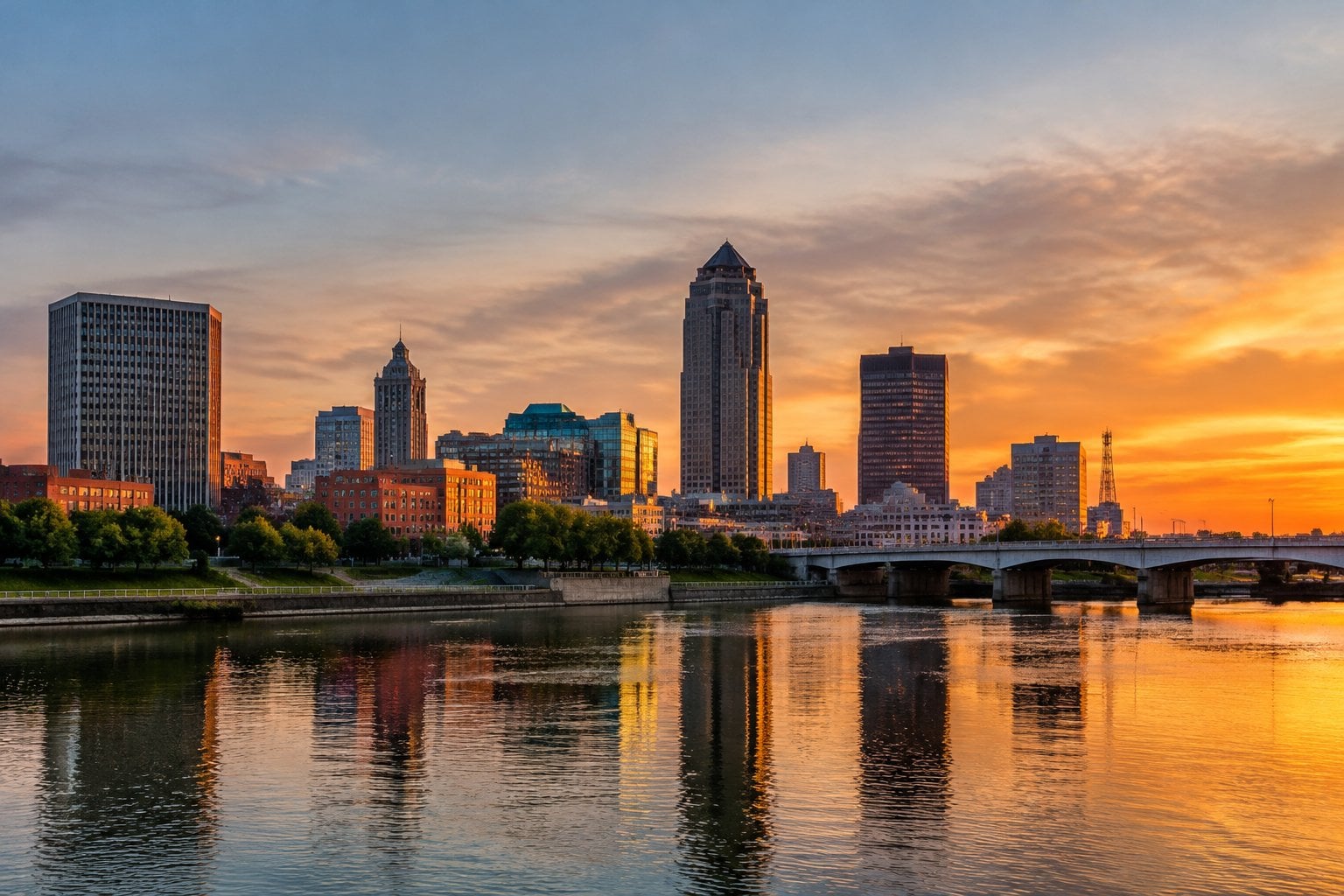
Drake University Law School in Des Moines is the only Iowa school on this list. Its graduates beat their state average by almost two points: of 105 first-time bar takers, 90 passed, a rate of 85.71%. The ABA weighted average for the same states was 83.73%, one of the highest benchmarks here, a margin of 1.98 percentage points above the average.
Full-time tuition and fees come to $51,390 for 2025-26 ($50,920 in tuition plus $470 in fees), the same for residents and nonresidents. Drake’s living-cost estimate is $20,923 a year off campus.
For fall 2025, Drake received 788 applications and made 432 offers, an acceptance rate of 54.82%. All 141 new students enrolled full-time. The median LSAT score was 156 and the median undergraduate GPA was 3.67.
Three first-year students, about 2%, left for academic reasons, and four, about 3%, left for other reasons. Total J.D. enrollment was 369.
25. Saint Louis University School of Law (St. Louis, Missouri)

Saint Louis University’s law school in downtown St. Louis is the third Missouri school on this list, and the only private one. Of its 181 first-time bar takers, 152 passed, a rate of 83.98%. The ABA weighted average for the same states was 81.88%, putting SLU 2.1 percentage points above the average.
Full-time tuition and fees come to $56,190 for 2025-26 ($55,260 in tuition plus $930 in fees), the same for residents and nonresidents. Part-time tuition is $40,320. The school estimates living costs off campus at $26,112 a year.
For fall 2025, SLU received 941 applications and made 531 offers, an acceptance rate of 56.43%. It enrolled 222 new students, 199 full-time and 23 part-time. The median LSAT score was 157 and the median undergraduate GPA was 3.61.
Two first-year students left for academic reasons, and three, about 2%, left for other reasons. Total J.D. enrollment was 594.
26. Michigan State University College of Law (East Lansing, Michigan)
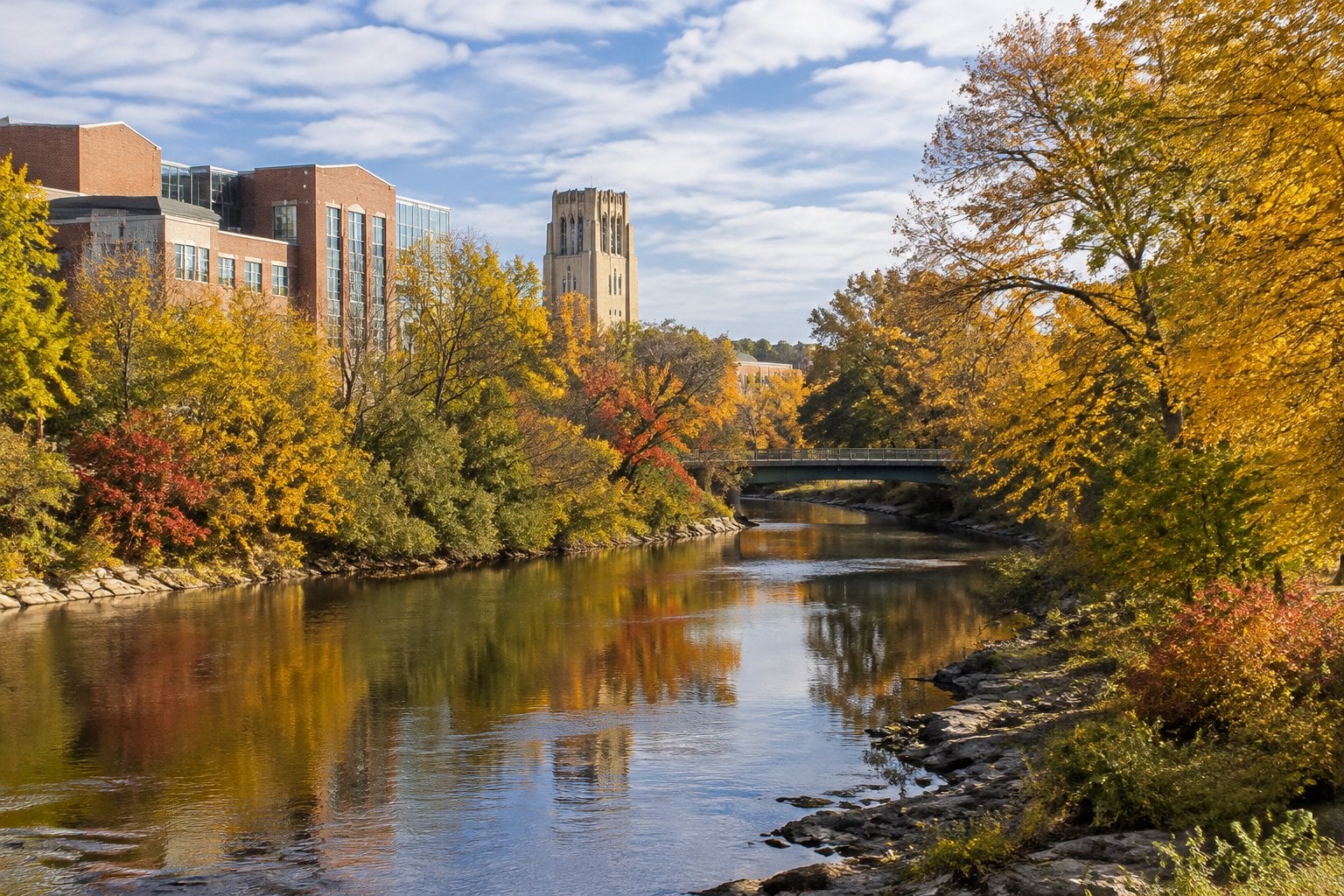
Michigan State University’s law school in East Lansing is the third Michigan school on this list. Its raw pass rate is lower than several schools ranked above it, but it was measured against a low benchmark: of 217 first-time bar takers, 170 passed, a rate of 78.34%, while the ABA weighted average for the same states was 74.39%. That put MSU 3.95 percentage points above the average.
Michigan residents pay $43,868 a year in full-time tuition and fees for 2025-26 ($43,480 in tuition plus $388 in fees), and nonresidents pay $48,610. The school estimates living costs off campus at $27,152.
MSU was the hardest school on this list to get into. For fall 2025 it received 1,526 applications and made 397 offers, an acceptance rate of 26.02%, the lowest of these 30 schools. All 150 new students enrolled full-time, with a median LSAT score of 162 and a median undergraduate GPA of 3.73.
Five first-year students, about 4%, left for academic reasons, and one left for other reasons. Total J.D. enrollment was 500, and the school awarded 197 J.D. degrees in the ABA report.
27. University of Cincinnati College of Law (Cincinnati, Ohio)
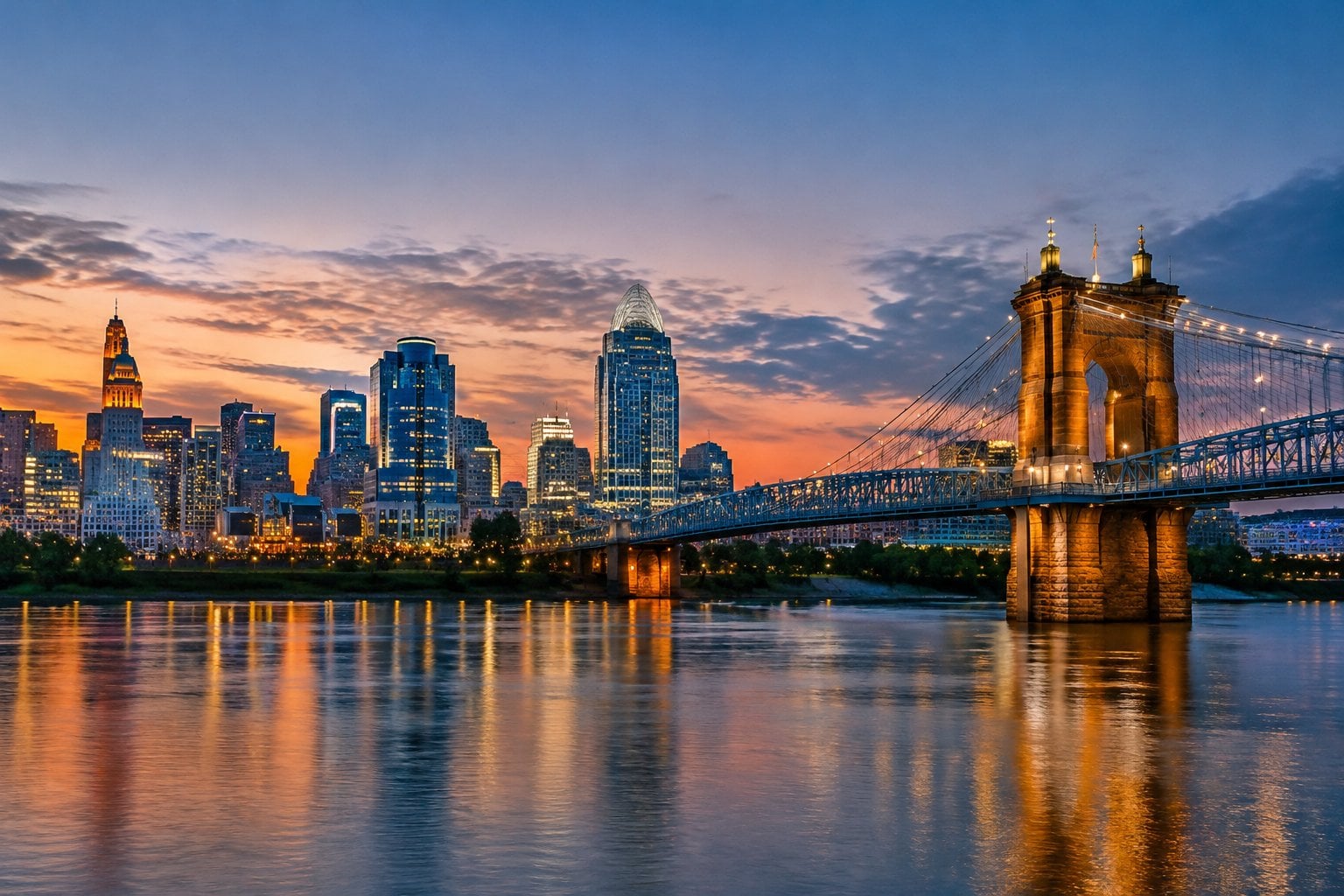
The University of Cincinnati’s law school is the seventh Ohio school on this list. Of its 118 first-time bar takers, 101 passed, a rate of 85.59%. The ABA weighted average for the same states was 80.62%, putting Cincinnati 4.97 percentage points above the average.
Ohio residents pay $24,810 a year in full-time tuition and fees for 2025-26 ($24,010 in tuition plus $800 in fees), and nonresidents pay $29,810. The school estimates living costs off campus at $25,956.
For fall 2025, Cincinnati received 1,353 applications and made 443 offers, an acceptance rate of 32.74%. All 139 new students enrolled full-time, with a median LSAT score of 159 and a median undergraduate GPA of 3.80.
No first-year students left for academic reasons, and three, about 3%, left for other reasons. Total J.D. enrollment was 398.
28. University of Nebraska College of Law (Lincoln, Nebraska)
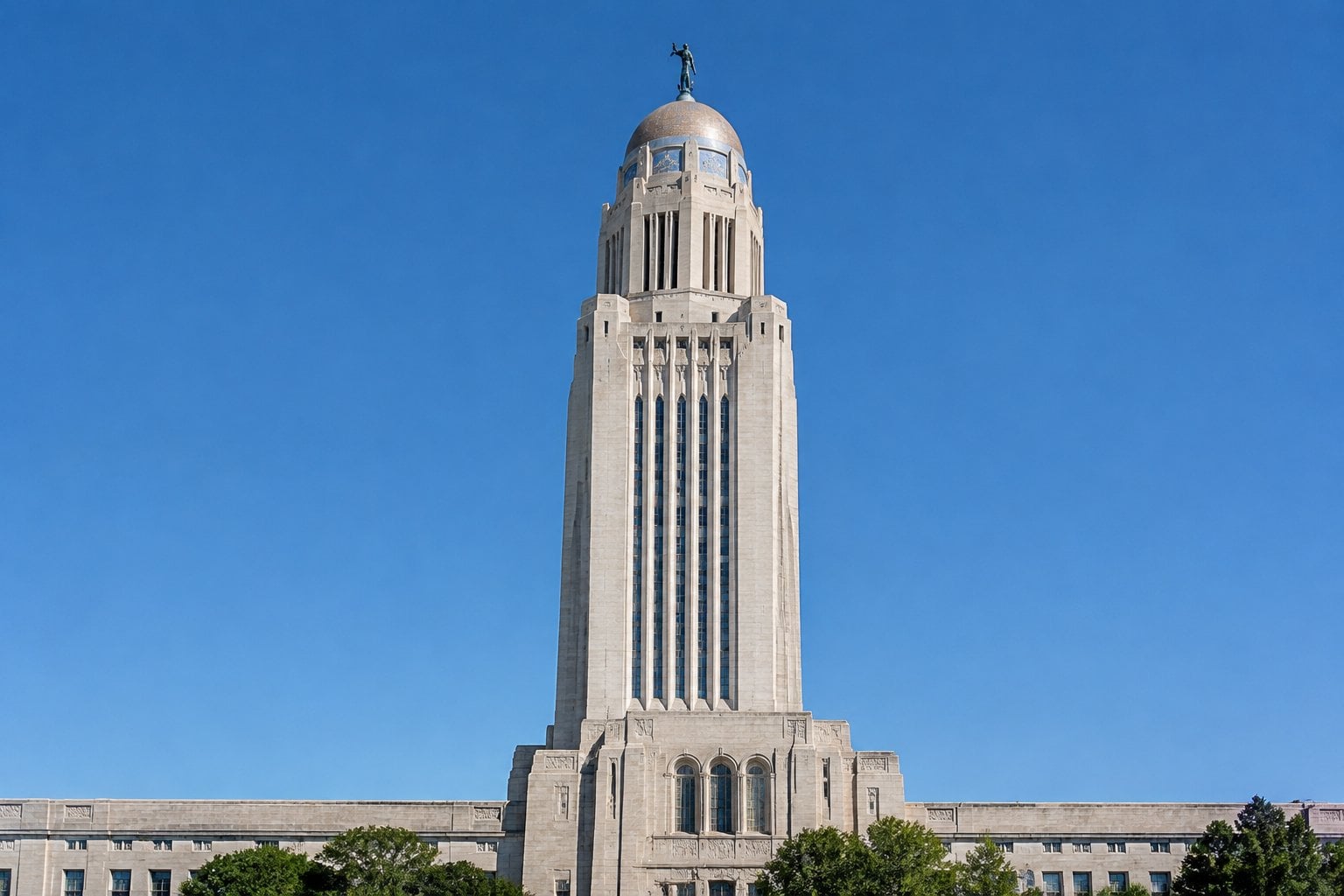
The University of Nebraska’s law school in Lincoln, the state capital, is the second Nebraska school on this list, and its graduates had the highest raw pass rate here. Of its 148 first-time bar takers, 134 passed, a rate of 90.54%. The ABA weighted average for the same states was 83.11%, putting Nebraska 7.43 percentage points above the average.
Nebraska charges by the credit hour, and its resident rate is the lowest per-credit price on this list: $456 per credit for Nebraska residents and $1,229 for nonresidents in 2025-26, plus $3,966 in annual fees. The school estimates living costs at $22,092 a year.
For fall 2025, it received 1,096 applications and made 440 offers, an acceptance rate of 40.15%. All 154 new students enrolled full-time, with a median LSAT score of 160 and a median undergraduate GPA of 3.81.
Four first-year students, about 3%, left for academic reasons, and one left for other reasons. Total J.D. enrollment was 447.
29. University of Dayton School of Law (Dayton, Ohio)
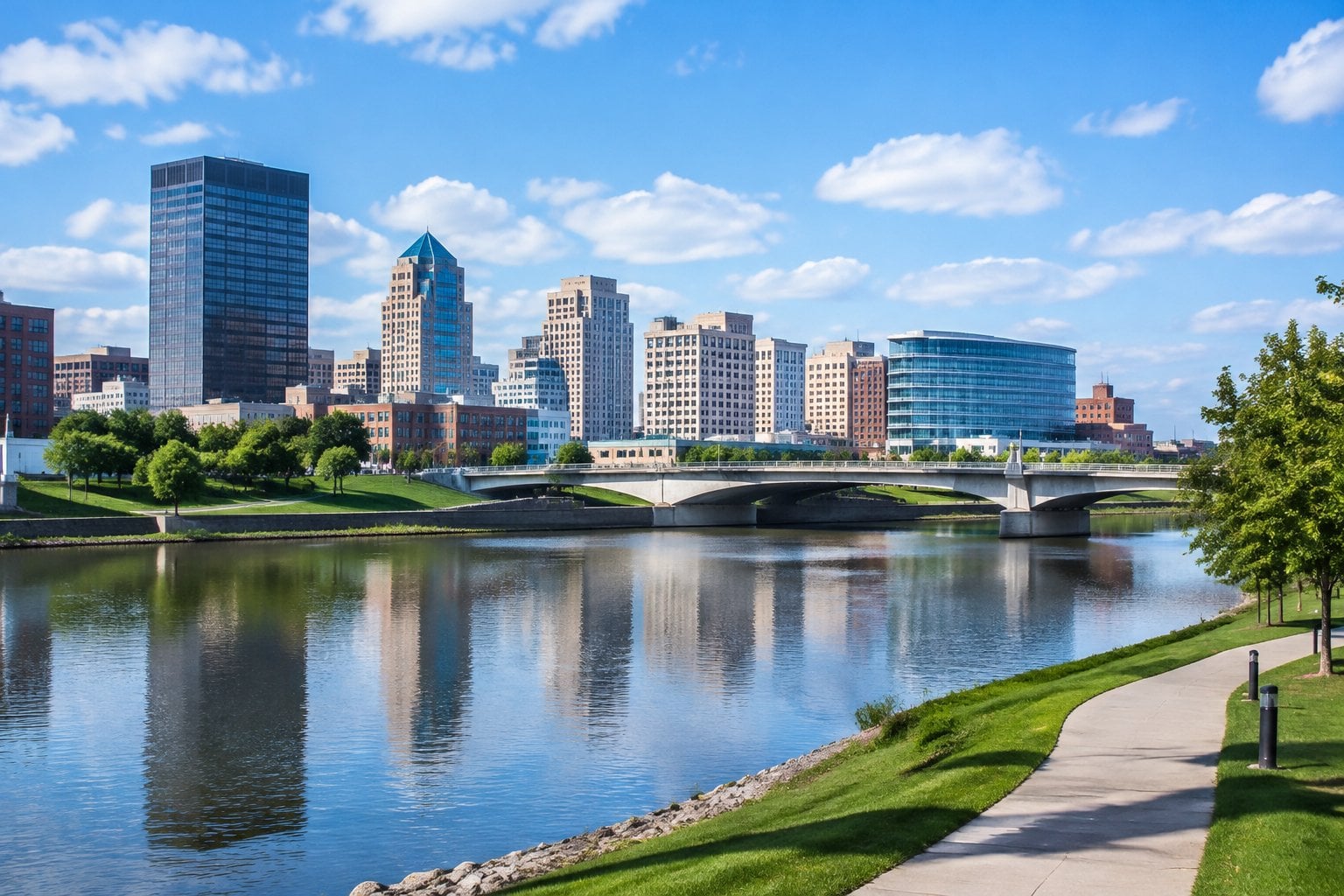
The University of Dayton’s law school is the eighth and last Ohio school on this list. Of its 108 first-time bar takers, 95 passed, a rate of 87.96%. The ABA weighted average for the same states was 80.1%, putting Dayton 7.86 percentage points above the average.
Dayton charges by the credit hour: $1,380 per credit for full-time students in 2025-26, the same for residents and nonresidents, plus $514 in annual fees. Its living-cost estimate is $19,395 a year.
For fall 2025, it received 1,611 applications and made 494 offers, an acceptance rate of 30.66%. It enrolled 168 new students, almost evenly split: 89 full-time and 79 part-time. The median LSAT score was 157 and the median undergraduate GPA was 3.60.
Three first-year students, about 2%, left for academic reasons, and one left for other reasons. Total J.D. enrollment was 442.
30. Indiana University Maurer School of Law (Bloomington, Indiana)
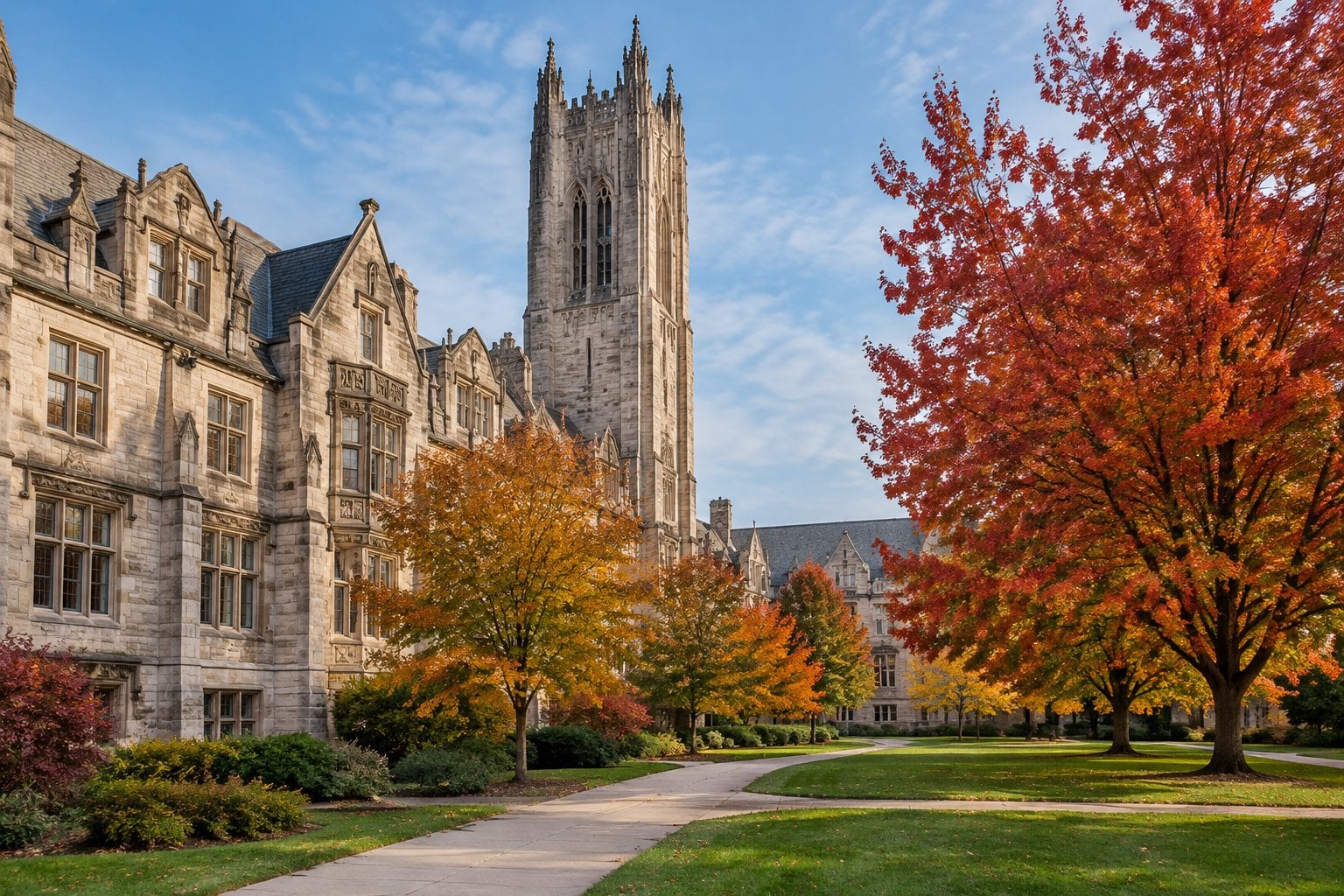
Indiana University’s Maurer School of Law in Bloomington rounds out the list, and it did well by this measure: of its 190 first-time bar takers, 166 passed, a rate of 87.37%. The ABA weighted average for the same states was 79.1%, putting Maurer 8.27 percentage points above the average. It lands on this list only because 11 Midwest schools beat their averages by even more.
Indiana residents pay $38,472 a year in full-time tuition and fees for 2025-26 ($36,950 in tuition plus $1,522 in fees), while nonresidents pay $59,522. The school estimates living costs off campus at $25,822.
Its entering class had the strongest numbers on this list. For fall 2025, it received 1,831 applications and made 655 offers, an acceptance rate of 35.77%. All 186 new students enrolled full-time, with a median LSAT score of 164 and a median undergraduate GPA of 3.91, both the highest of these 30 schools.
No first-year students left for academic reasons, and six, about 4%, left for other reasons. Total J.D. enrollment was 502.
What the Numbers Show
Ohio dominates this list: eight of its nine ranked law schools appear here, and Illinois has six. The first 18 schools fell below their state averages, with the four at the top more than 18 points behind, while the last 12 all beat their averages. Sixteen of the 30 schools are public, and several charge residents less than $30,000 a year, so a weak bar passage rate does not always come with a high price.
The biggest dividing line is entering credentials. The first five schools on this list admitted classes with median LSAT scores of 153 or lower, while the last 12 all had medians of 156 or higher. The benchmark matters too: Detroit Mercy and Michigan State were both measured against averages of about 73% to 74%. Michigan State’s 78.34% beat that easily, while Detroit Mercy’s 70.83% fell short.
For the national picture, see our list of the 30 worst law schools in the U.S., the 30 best law schools in the U.S. and the 30 most expensive law schools. Each school’s full report is on the ABA’s required disclosures site, and the National Conference of Bar Examiners publishes pass rates by state.
This article is general information, not legal advice or a recommendation for or against any school. Figures are from the ABA’s 2025 Standard 509 and bar passage reports and may change in later reports.


