
The 30 Worst Law Schools in the South
The bar exam is the last big hurdle between a law degree and a law license, and every ABA-accredited law school has to publish how its graduates did on it. Across the South, the results range widely: at some schools almost everyone passes on the first try, while at others close to half of first-time takers do not.
This list ranks the 30 worst law schools in the South by one public measure: how far each school’s first-time bar passage rate for 2024 graduates fell below the average for the same states. The figures come from the American Bar Association’s Standard 509 and bar passage disclosures, released in the ABA’s 2025 report.
For each school, the ABA compares its graduates’ first-time pass rate with the weighted average for graduates of all ABA-accredited schools who took the exam in the same states. That keeps the comparison fair, because some states have much harder exams than others. “The South” here means the U.S. Census Bureau’s South region: Alabama, Arkansas, Delaware, Florida, Georgia, Kentucky, Louisiana, Maryland, Mississippi, North Carolina, Oklahoma, South Carolina, Tennessee, Texas, Virginia, West Virginia and Washington, D.C. Only schools with at least 30 first-time takers were ranked. Twenty-nine of the 30 schools below fell short of their state average; the 30th finished almost exactly level with it.
The other numbers in each entry come from the same ABA report: the fall 2025 entering class (applications, offers, median LSAT score and undergraduate GPA), 2025-26 tuition and fees, and first-year students who left for academic reasons. A bar passage rate is one measure, not a full picture of any school, and many graduates of every school on this list pass the exam and go on to practice law.
1. North Carolina Central University School of Law (Durham, North Carolina)
North Carolina Central University’s law school in Durham had the largest gap in the South, and the third-largest of any school in the country. Of its 143 first-time bar takers, 80 passed, a rate of 55.94%, the lowest raw pass rate on this list. The ABA weighted average for the same states was 79.92%, which puts the school 23.98 percentage points below the average. No other Southern school was more than 17 points behind.
As a public university, it is also one of the least expensive schools here. North Carolina residents pay $19,190 a year in full-time tuition and fees for 2025-26 ($13,444 in tuition plus $5,746 in fees), while nonresidents pay $41,862. The school estimates living costs off campus at $28,292.
For fall 2025, it received 1,303 applications and made 509 offers, an acceptance rate of 39.06%. It enrolled 133 new students, 110 full-time and 23 part-time, with a median LSAT score of 151 and a median undergraduate GPA of 3.31. Twenty first-year students, about 15%, left for academic reasons. Total J.D. enrollment was 361.
2. Mississippi Christian University School of Law (Jackson, Mississippi)
This downtown Jackson law school was long known as Mississippi College School of Law. Its parent school took the name Mississippi Christian University in 2026, and the ABA’s 2025 report lists it under the new name. Of its 123 first-time bar takers, 78 passed, a rate of 63.41%. The ABA weighted average for the same states was 79.66%, a gap of 16.25 percentage points.
Full-time tuition and fees come to $39,642 for 2025-26 ($37,980 in tuition plus $1,662 in fees), the same for residents and nonresidents. The school estimates living costs off campus at $26,100 a year.
For fall 2025, it received 806 applications and made 482 offers, an acceptance rate of 59.8%. All 179 new students enrolled full-time. The median LSAT score was 152 and the median undergraduate GPA was 3.37.
The ABA report shows 15 first-year students, about 11%, left for academic reasons, and another 9, about 6%, left for other reasons. Total J.D. enrollment was 401.
3. St. Mary’s University School of Law (San Antonio, Texas)
St. Mary’s University School of Law in San Antonio is the first of three Texas schools on this list. Of its 243 first-time bar takers, 160 passed, a rate of 65.84%. The ABA weighted average for the same states was 81.51%, a gap of 15.67 percentage points.
Full-time tuition and fees are $46,310 for 2025-26 ($44,910 in tuition plus $1,400 in fees). The school’s estimate for living off campus is $23,878 a year, one of the lower estimates on this list.
St. Mary’s is a large school and drew a lot of interest. For fall 2025 it received 2,906 applications and made 755 offers, an acceptance rate of 25.98%. It enrolled 282 new students, 254 full-time and 28 part-time, with a median LSAT score of 153 and a median undergraduate GPA of 3.49.
Thirty-nine first-year students, about 12%, left for academic reasons, the highest number of any school on this list. Total J.D. enrollment was 800.
4. Southern University Law Center (Baton Rouge, Louisiana)
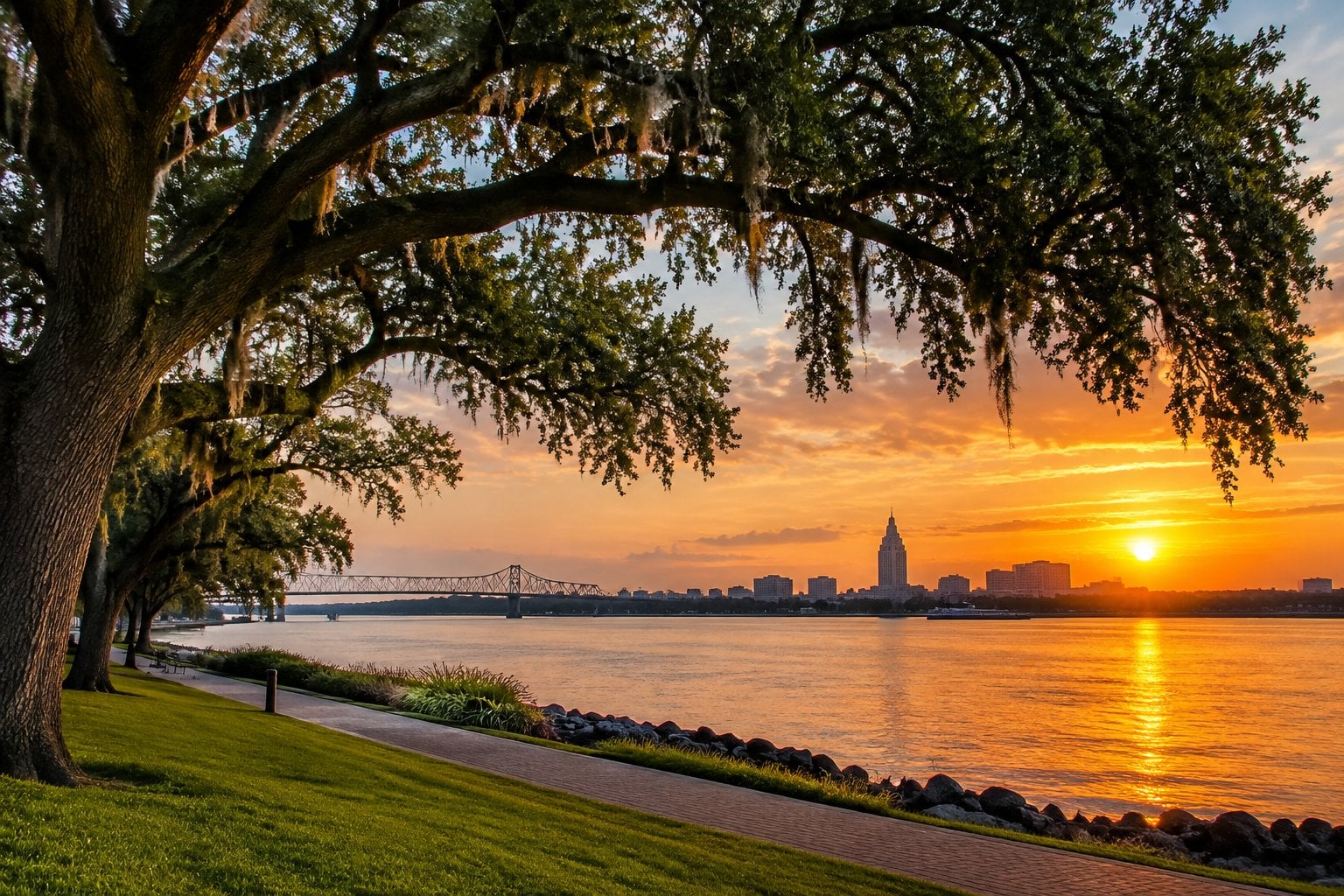
Southern University Law Center in Baton Rouge is a public law school and one of three Louisiana schools in this ranking. Of its 121 first-time bar takers, 73 passed, a rate of 60.33%, the second-lowest raw pass rate on this list. The ABA average for the same states was 75.91%, a gap of 15.58 percentage points.
Louisiana residents pay $18,832 a year in full-time tuition and fees for 2025-26 ($11,338 in tuition plus $7,494 in fees). For nonresidents, the total is $34,332. The school estimates living costs off campus at $32,262.
For fall 2025, Southern received 1,153 applications and made 652 offers, an acceptance rate of 56.55%. It enrolled 300 new students, 239 full-time and 61 part-time, one of the largest entering classes here. The median LSAT score was 147 and the median undergraduate GPA was 3.15. Thirty first-year students, about 10%, left for academic reasons. Total J.D. enrollment was 809.
5. University of the District of Columbia David A. Clarke School of Law (Washington, D.C.)
The University of the District of Columbia’s law school is the public law school of the nation’s capital. Of its 61 first-time bar takers, 40 passed, a rate of 65.57%. The ABA weighted average for the same states was 80.64%, a gap of 15.07 percentage points.
It is the least expensive school on this list with a yearly price. D.C. residents pay $13,438 in full-time tuition and fees for 2025-26 ($12,438 in tuition plus $1,000 in fees), and nonresidents pay $25,874. Living costs are another matter: the school estimates $34,035 a year off campus.
UDC is also small. For fall 2025, it received 749 applications and made 277 offers, an acceptance rate of 36.98%. It enrolled 83 new students, 51 full-time and 32 part-time, the smallest entering class on this list. The median LSAT score was 151 and the median undergraduate GPA was 3.28. Four first-year students, about 5%, left for academic reasons. Total J.D. enrollment was 236.
6. Lincoln Memorial University Duncan School of Law (Knoxville, Tennessee)
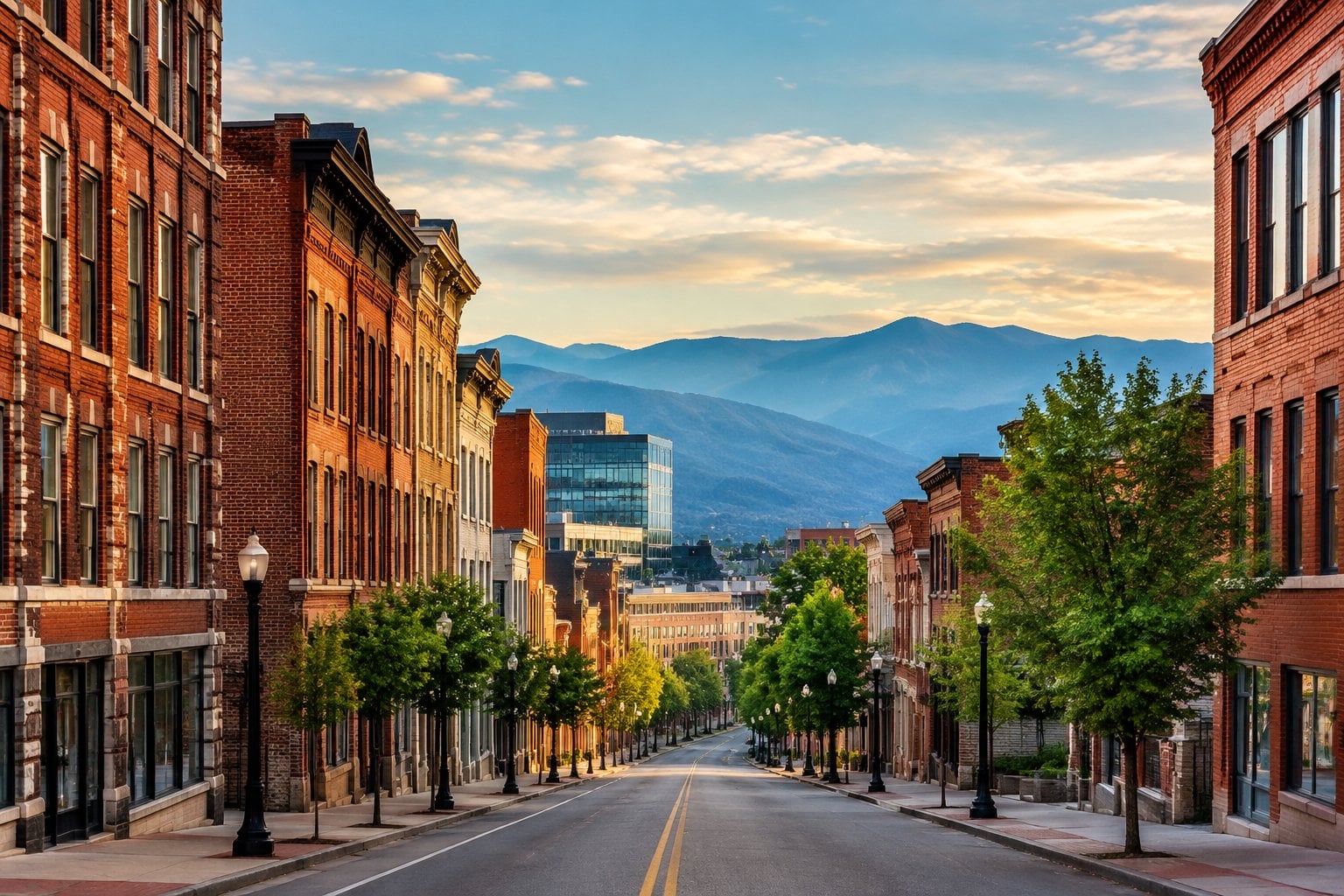
Lincoln Memorial University’s Duncan School of Law is based in downtown Knoxville, in the city’s historic Old City Hall building. Of its 102 first-time bar takers, 65 passed, a rate of 63.73%. The ABA weighted average for the same states was 78.36%, a gap of 14.63 percentage points.
The school charges by the credit hour rather than a flat yearly price: $1,490 per credit for 2025-26, plus $4,161 in annual fees, the same for residents and nonresidents. It estimates living costs at $28,325 a year.
For fall 2025, it received 828 applications and made 432 offers, an acceptance rate of 52.17%. It enrolled 163 new students, 109 full-time and 54 part-time, so about a third of the class studies part-time. The median LSAT score was 153 and the median undergraduate GPA was 3.44.
Nineteen first-year students, about 13%, left for academic reasons, according to the ABA report. Total J.D. enrollment was 429.
7. Appalachian School of Law (Grundy, Virginia)
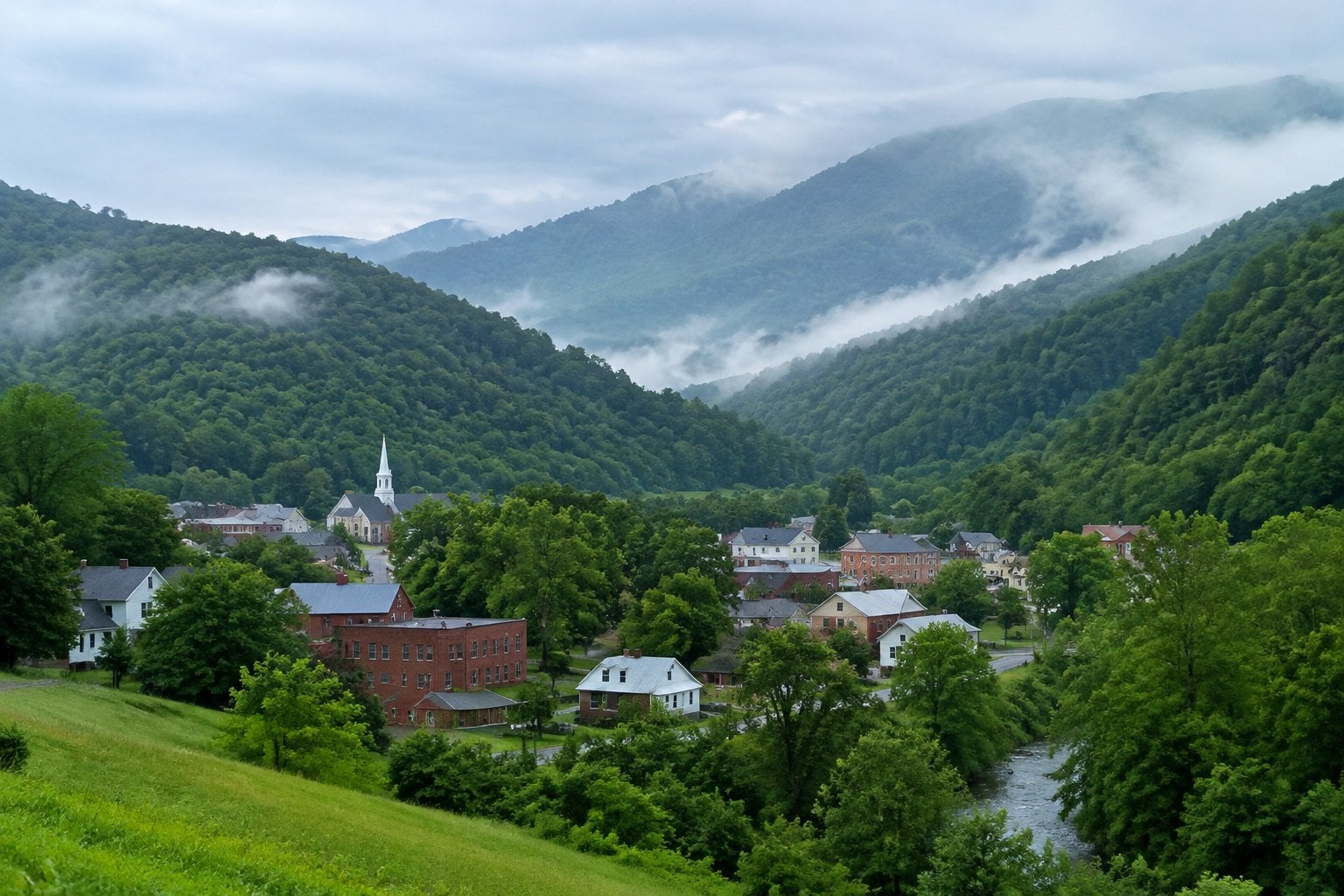
Appalachian School of Law sits in the small mountain town of Grundy, in far southwest Virginia. It is the smallest school on this list: it reported 39 graduates in 2024 and 38 first-time bar takers, of whom 24 passed, a rate of 63.16%. The ABA weighted average for the same states was 77.16%, a gap of 14.00 percentage points.
Tuition is $41,000 a year for 2025-26, with no separate fees listed. The school’s estimate for living costs off campus is $41,800, the highest living-cost estimate on this list.
For fall 2025, Appalachian received 732 applications and made 446 offers, an acceptance rate of 60.93%. All 92 new students enrolled full-time. The entering class had a median LSAT score of 146, the lowest on this list, and a median undergraduate GPA of 3.20.
Eight first-year students, about 11%, left for academic reasons. Total J.D. enrollment was 182, also the smallest here.
8. Atlanta’s John Marshall Law School (Atlanta, Georgia)

Atlanta’s John Marshall Law School is the only Georgia school on this list. Of its 76 first-time bar takers, 52 passed, a rate of 68.42%. The ABA weighted average for the same states was 80.24%, a gap of 11.82 percentage points.
Full-time tuition and fees come to $53,586 for 2025-26 ($52,536 in tuition plus $1,050 in fees). The school estimates living costs off campus at $35,426 a year, so a full-time year costs close to $89,000 before any scholarship.
For fall 2025, it received 1,274 applications and made 416 offers, an acceptance rate of 32.65%. It enrolled 138 new students, 93 full-time and 45 part-time. The median LSAT score was 152, and the median undergraduate GPA was 3.13, the lowest on this list.
The ABA report also shows the highest first-year academic attrition rate among these 30 schools: 27 first-year students, about 20%, left for academic reasons. Total J.D. enrollment was 379.
9. Widener University Delaware Law School (Wilmington, Delaware)
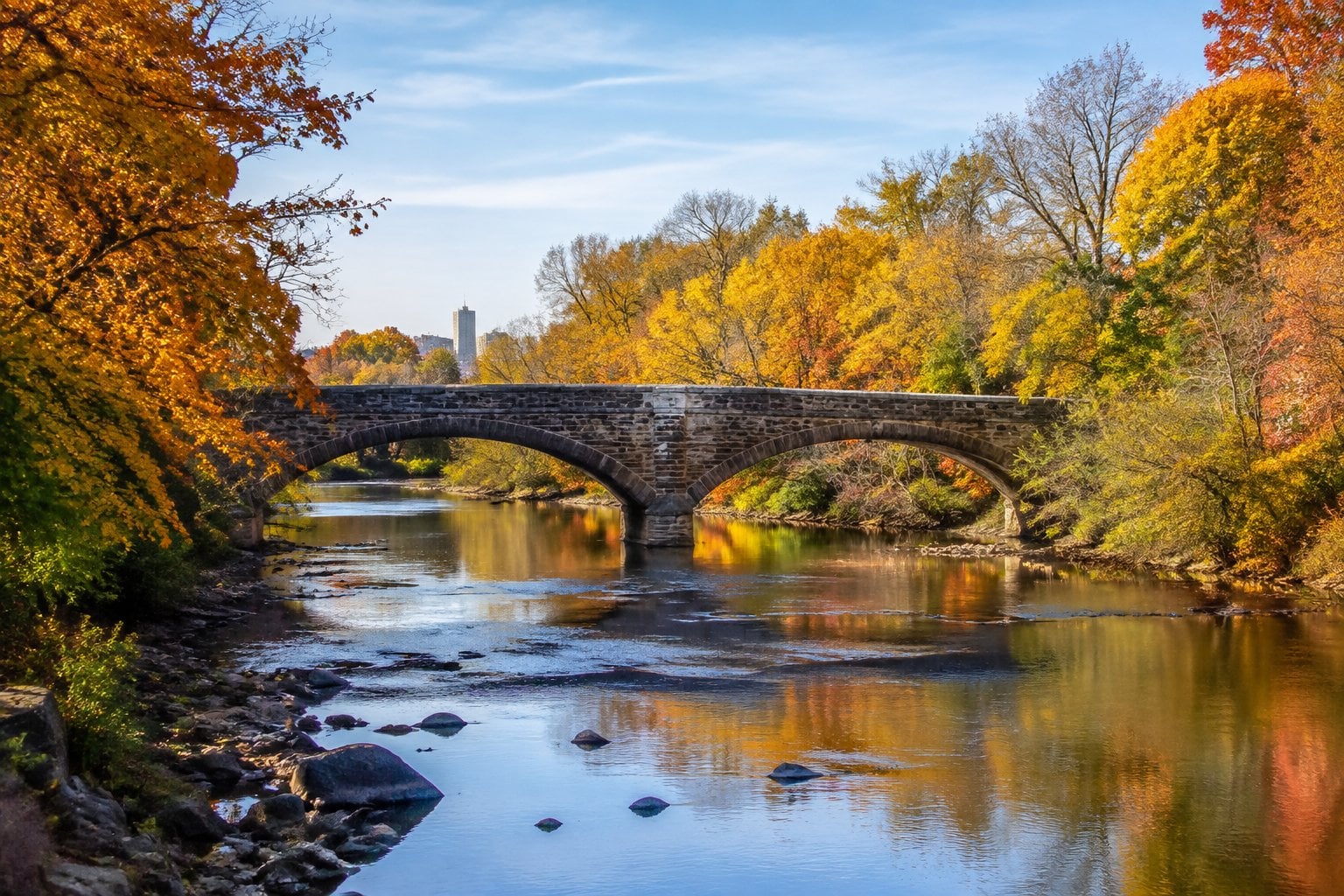
Widener’s Delaware Law School in Wilmington is the only Delaware school in this ranking. Of its 181 first-time bar takers, 120 passed, a rate of 66.30%. The ABA weighted average for the same states was 76.55%, a gap of 10.25 percentage points.
Delaware Law School charges by the credit hour: $1,950 per credit for 2025-26, plus $650 in annual fees, the same for residents and nonresidents. It estimates living costs off campus at $25,720 a year.
For fall 2025, the school received 1,317 applications and made 786 offers, an acceptance rate of 59.68%. It enrolled 277 new students, 232 full-time and 45 part-time. The median LSAT score was 152 and the median undergraduate GPA was 3.33.
Eleven first-year students, about 4%, left for academic reasons. Total J.D. enrollment was 807, and the school awarded 289 J.D. degrees in the ABA report, more than any other school in the top ten here.
10. Faulkner University Thomas Goode Jones School of Law (Montgomery, Alabama)
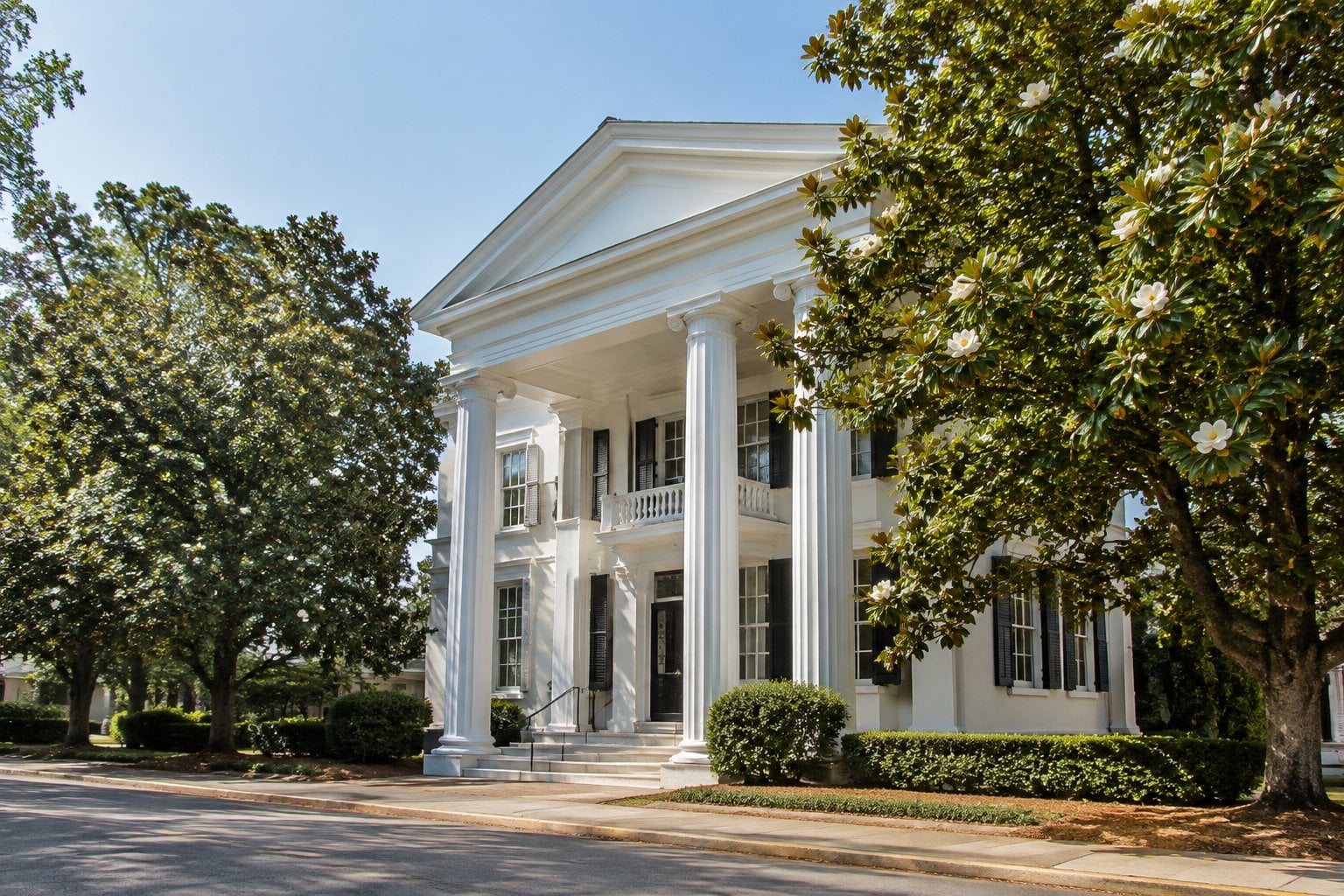
Faulkner University’s Jones School of Law is in Montgomery, Alabama’s capital, and is one of two Alabama schools on this list. Of its 70 first-time bar takers, 50 passed, a rate of 71.43%. The ABA weighted average for the same states was 80.60%, a gap of 9.17 percentage points.
Full-time tuition and fees come to $40,400 for 2025-26 ($39,900 in tuition plus $500 in fees). The school estimates living costs off campus at $32,600 a year.
For fall 2025, Faulkner received 620 applications and made 334 offers, an acceptance rate of 53.87%. All 167 new students enrolled full-time. The median LSAT score was 150 and the median undergraduate GPA was 3.33.
Attrition was low compared with the schools above it: four first-year students, about 3%, left for academic reasons, and one left for other reasons. Total J.D. enrollment was 411.
11. UNT Dallas College of Law (Dallas, Texas)
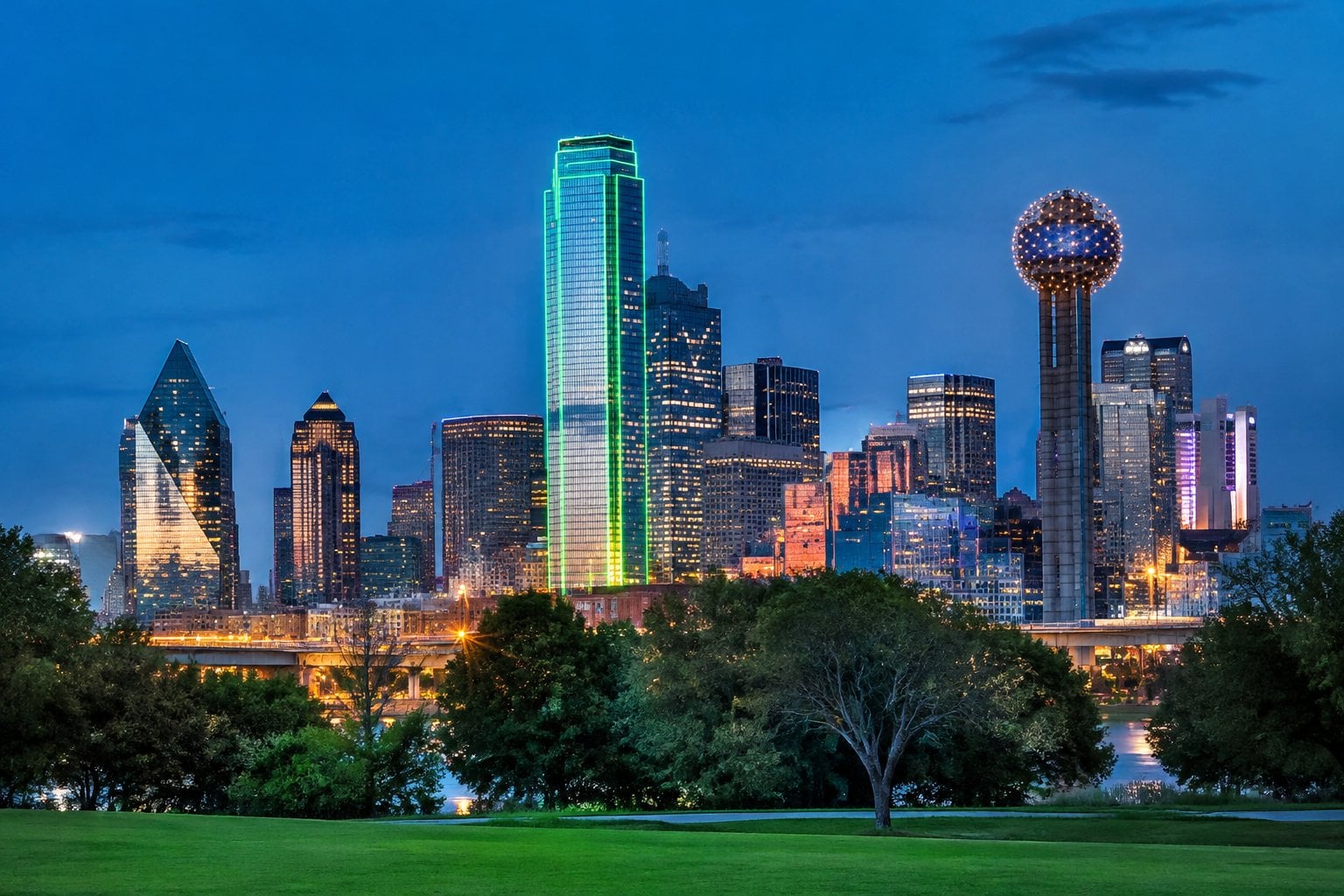
The University of North Texas at Dallas College of Law is a public law school in downtown Dallas. Of its 91 first-time bar takers, 66 passed, a rate of 72.53%. The ABA weighted average for the same states was 81.48%, a gap of 8.95 percentage points.
UNT Dallas charges by the credit hour, and its prices are among the lowest on this list: $562 per credit for Texas residents and $977 per credit for nonresidents in 2025-26, plus $1,901 in annual fees. The school estimates living costs off campus at $24,638 a year.
It was also one of the harder schools to get into on this list. For fall 2025 it received 1,883 applications and made 456 offers, an acceptance rate of 24.22%. It enrolled 130 new students, 86 full-time and 44 part-time, with a median LSAT score of 153 and a median undergraduate GPA of 3.41. Five first-year students, about 4%, left for academic reasons. Total J.D. enrollment was 431.
12. Thurgood Marshall School of Law, Texas Southern University (Houston, Texas)

Texas Southern University’s Thurgood Marshall School of Law in Houston ranked right after UNT Dallas, separated by one-hundredth of a point. Of its 199 first-time bar takers, 144 passed, a rate of 72.36%. The ABA weighted average for the same states was 81.30%, a gap of 8.94 percentage points.
As a public school, it charges Texas residents $21,038 a year in full-time tuition and fees for 2025-26 ($19,202 in tuition plus $1,836 in fees). Nonresidents pay $28,167. The school estimates living costs off campus at $27,784.
For fall 2025, it received 2,032 applications and made 673 offers, an acceptance rate of 33.12%. All 221 new students enrolled full-time. The median LSAT score was 150 and the median undergraduate GPA was 3.33.
Twenty-five first-year students, about 12%, left for academic reasons, and 12 more, about 6%, left for other reasons. Total J.D. enrollment was 556.
13. Ave Maria School of Law (Naples, Florida)

Ave Maria School of Law in Naples, on Florida’s Gulf Coast, is the first of three Florida schools on this list. Of its 85 first-time bar takers, 56 passed, a rate of 65.88%. The ABA weighted average for the same states was 73.82%, a gap of 7.94 percentage points. Florida’s averages are among the lowest in the region, so its gap is smaller than its raw pass rate alone might suggest.
Full-time tuition and fees come to $52,350 for 2025-26 ($49,500 in tuition plus $2,850 in fees). The school estimates living costs off campus at $32,765 a year.
For fall 2025, Ave Maria received 1,212 applications and made 569 offers, an acceptance rate of 46.95%. All 165 new students enrolled full-time, with a median LSAT score of 155 and a median undergraduate GPA of 3.36.
Nineteen first-year students, about 11%, left for academic reasons, and 10 more, about 6%, left for other reasons. Total J.D. enrollment was 334.
14. Loyola University New Orleans College of Law (New Orleans, Louisiana)
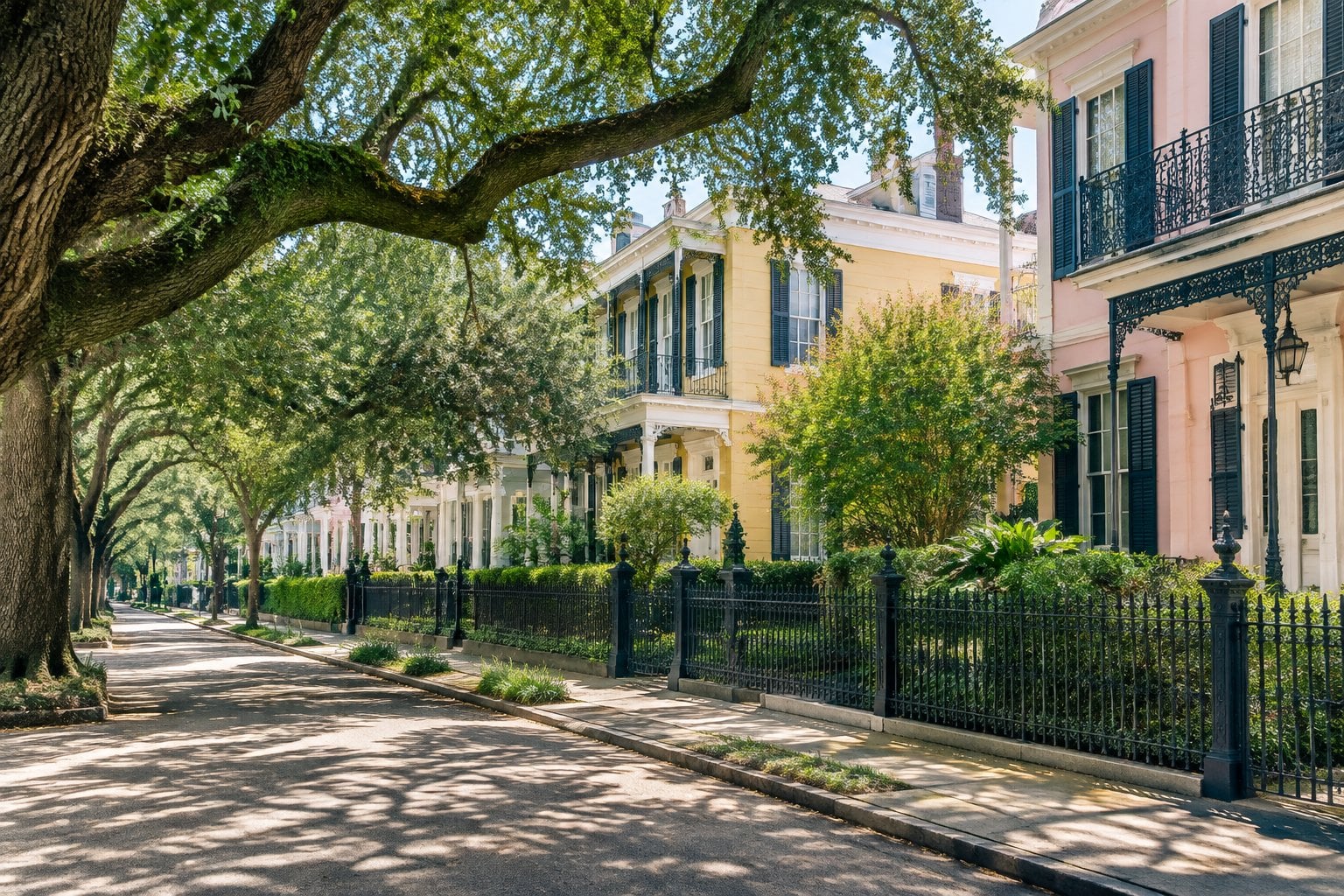
Loyola University New Orleans is the first of two New Orleans schools on this list. Of its 187 first-time bar takers, 129 passed, a rate of 68.98%. The ABA weighted average for the same states was 76.04%, a gap of 7.06 percentage points.
Full-time tuition and fees come to $56,894 for 2025-26 ($55,024 in tuition plus $1,870 in fees), one of the higher prices on this list. Part-time students pay $41,278 in tuition plus the same fees. The school estimates living costs off campus at $29,205 a year.
For fall 2025, Loyola received 1,241 applications and made 632 offers, an acceptance rate of 50.93%. It enrolled 223 new students, 188 full-time and 35 part-time. The median LSAT score was 154 and the median undergraduate GPA was 3.47.
The ABA report shows no first-year students leaving for academic reasons, and five leaving for other reasons. Total J.D. enrollment was 649.
15. University of Mississippi School of Law (Oxford, Mississippi)
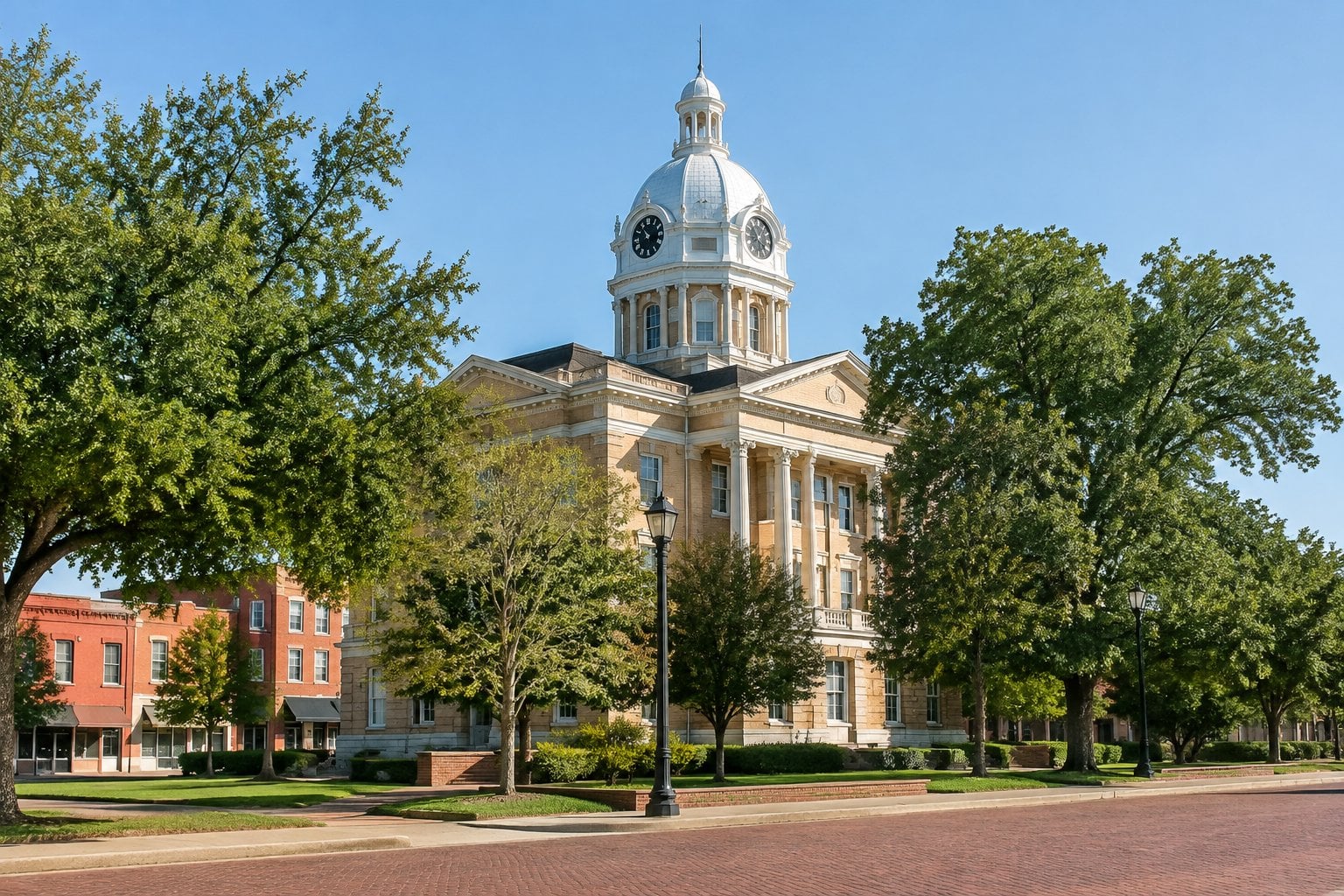
The University of Mississippi’s law school in Oxford is the state’s flagship public law school, and the second Mississippi school on this list. Of its 164 first-time bar takers, 120 passed, a rate of 73.17%. The ABA weighted average for the same states was 79.74%, a gap of 6.57 percentage points.
Mississippi residents pay $19,957 a year in full-time tuition and fees for 2025-26 ($19,797 in tuition plus $160 in fees). Nonresidents pay $26,957. The school estimates living costs off campus at $27,192.
Its entering class had the strongest grades on this list. For fall 2025, it received 958 applications and made 402 offers, an acceptance rate of 41.96%. All 160 new students enrolled full-time, with a median LSAT score of 157 and a median undergraduate GPA of 3.68, the highest of these 30 schools. That is a reminder that entering credentials alone don’t predict bar results. Five first-year students, about 3%, left for academic reasons. Total J.D. enrollment was 468.
16. Northern Kentucky University Salmon P. Chase College of Law (Highland Heights, Kentucky)

Northern Kentucky University’s Chase College of Law is in Highland Heights, across the Ohio River from Cincinnati. Of its 130 first-time bar takers, 96 passed, a rate of 73.85%. The ABA weighted average for the same states was 79.50%, a gap of 5.65 percentage points.
Kentucky residents pay $25,392 a year in full-time tuition and fees for 2025-26 ($24,388 in tuition plus $1,004 in fees), and nonresidents pay $39,458. The school’s living-cost estimate of $20,932 a year off campus is the lowest on this list.
For fall 2025, it received 661 applications and made 388 offers, an acceptance rate of 58.7%. It enrolled 155 new students, 128 full-time and 27 part-time. The median LSAT score was 154 and the median undergraduate GPA was 3.41.
Ten first-year students, about 6%, left for academic reasons. Total J.D. enrollment was 412.
17. Howard University School of Law (Washington, D.C.)
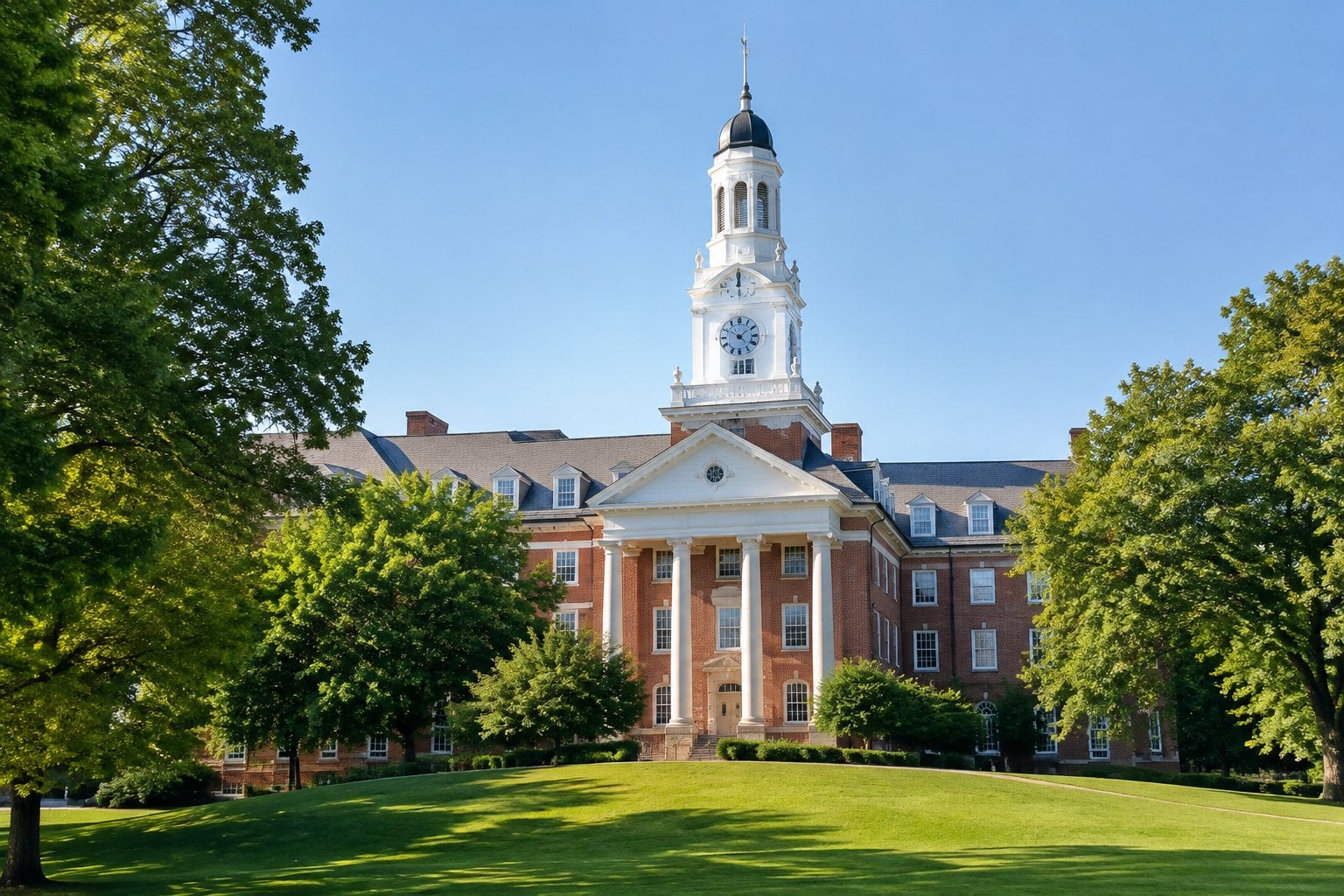
Howard University’s law school is the second of three Washington, D.C., schools on this list. Its graduates passed at a higher rate than most schools here: of 155 first-time bar takers, 119 passed, a rate of 76.77%. But the ABA weighted average for the states where they tested was 82.24%, the highest benchmark on this list, leaving a gap of 5.47 percentage points.
Full-time tuition and fees come to $41,412 for 2025-26 ($39,780 in tuition plus $1,632 in fees). The school estimates living costs off campus at $38,251 a year, one of the higher estimates here.
Howard was the hardest school on this list to get into. For fall 2025 it received 2,428 applications and made 584 offers, an acceptance rate of 24.05%, the lowest of these 30 schools. All 176 new students enrolled full-time, with a median LSAT score of 156 and a median undergraduate GPA of 3.63. Five first-year students, about 2%, left for academic reasons. Total J.D. enrollment was 555.
18. Nova Southeastern University Shepard Broad College of Law (Fort Lauderdale area, Florida)
Nova Southeastern University’s law school is in the Fort Lauderdale area of South Florida. Of its 190 first-time bar takers, 128 passed, a rate of 67.37%. The ABA weighted average for the same states was 72.78%, a gap of 5.41 percentage points. Like the other Florida schools here, it is measured against one of the lowest benchmarks in the South.
Full-time tuition and fees come to $50,710 for 2025-26 ($49,350 in tuition plus $1,360 in fees). Part-time tuition is $37,000 a year plus fees. The school estimates living costs off campus at $40,413, the second-highest estimate on this list.
For fall 2025, Nova received 1,458 applications and made 690 offers, an acceptance rate of 47.33%. It enrolled 225 new students, 200 full-time and 25 part-time. The median LSAT score was 155 and the median undergraduate GPA was 3.52.
Eight first-year students, about 4%, left for academic reasons. Total J.D. enrollment was 634.
19. University of Memphis Cecil C. Humphreys School of Law (Memphis, Tennessee)

The University of Memphis law school is the second Tennessee school on this list, and the only public one. Of its 94 first-time bar takers, 69 passed, a rate of 73.40%. The ABA weighted average for the same states was 78.52%, a gap of 5.12 percentage points.
Tennessee residents pay $21,228 a year in full-time tuition and fees for 2025-26 ($18,634 in tuition plus $2,594 in fees). Nonresidents pay $26,948. The school estimates living costs off campus at $28,729.
Memphis is one of the smaller schools here. For fall 2025, it received 582 applications and made 239 offers, an acceptance rate of 41.07%. All 96 new students enrolled full-time, with a median LSAT score of 155 and a median undergraduate GPA of 3.53.
Five first-year students, about 7%, left for academic reasons, and none left for other reasons. Total J.D. enrollment was 239.
20. Oklahoma City University School of Law (Oklahoma City, Oklahoma)
Oklahoma City University’s law school is the first of two Oklahoma schools on this list. Of its 125 first-time bar takers, 94 passed, a rate of 75.20%. The ABA weighted average for the same states was 80.27%, a gap of 5.07 percentage points, just 0.05 points smaller than Memphis.
The school charges by the credit hour: $1,107 per credit for 2025-26, the same for residents and nonresidents, plus $5,963 in annual fees. It estimates living costs off campus at $28,305 a year.
For fall 2025, it received 715 applications and made 369 offers, an acceptance rate of 51.61%. All 160 new students enrolled full-time. The median LSAT score was 151, and the median undergraduate GPA was 3.56.
Six first-year students, about 4%, left for academic reasons, and six more left for other reasons. Total J.D. enrollment was 433.
21. Barry University Dwayne O. Andreas School of Law (Orlando, Florida)
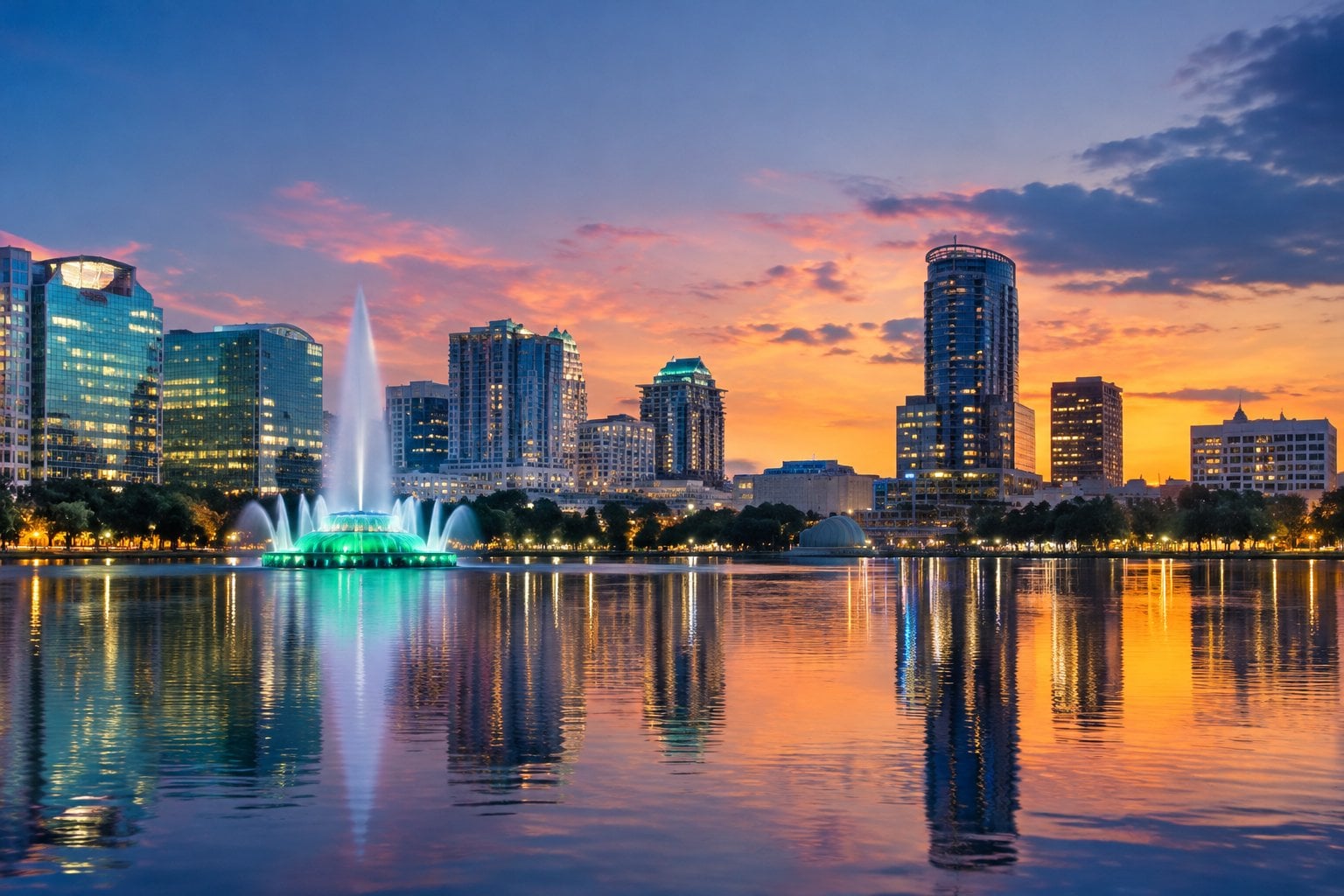
Barry University’s law school in Orlando is the third Florida school on this list, and one of the larger ones. Of its 239 first-time takers, 164 passed, a rate of 68.62%. The ABA weighted average for the same states was 73.45%, a gap of 4.83 percentage points.
Full-time tuition and fees come to $43,150 for 2025-26 ($42,000 in tuition plus $1,150 in fees). The school estimates living costs off campus at $32,008 a year.
For fall 2025, Barry received 1,582 applications and made 885 offers, an acceptance rate of 55.94%. It enrolled 258 new students, 232 full-time and 26 part-time. The median LSAT score was 150 and the median undergraduate GPA was 3.23.
Fifteen first-year students, about 5%, left for academic reasons, and seven left for other reasons. Total J.D. enrollment was 723.
22. University of Arkansas at Little Rock William H. Bowen School of Law (Little Rock, Arkansas)
The University of Arkansas at Little Rock’s Bowen School of Law is the only Arkansas school on this list. Of its 136 first-time bar takers, 100 passed, a rate of 73.53%. The ABA weighted average for the same states was 76.51%, a gap of 2.98 percentage points, less than a third of the gaps near the top of this list.
Arkansas residents pay $17,474 a year in full-time tuition and fees for 2025-26 ($13,770 in tuition plus $3,704 in fees). Nonresidents are charged by the credit hour, at $1,006 per credit. The school estimates living costs off campus at $25,459.
For fall 2025, it received 603 applications and made 331 offers, an acceptance rate of 54.89%. It enrolled 154 new students, 117 full-time and 37 part-time, with a median LSAT score of 153 and a median undergraduate GPA of 3.41.
Five first-year students, about 4%, left for academic reasons. Total J.D. enrollment was 429.
23. University of Louisville Louis D. Brandeis School of Law (Louisville, Kentucky)
The University of Louisville’s Brandeis School of Law is the second Kentucky school on this list. Of its 123 first-time bar takers, 93 passed, a rate of 75.61%. The ABA weighted average for the same states was 78.52%, a gap of 2.91 percentage points.
Kentucky residents pay $28,396 a year in full-time tuition and fees for 2025-26 ($27,000 in tuition plus $1,396 in fees). Nonresidents pay $33,396. The school estimates living costs off campus at $26,966.
For fall 2025, Louisville received 579 applications and made 367 offers, an acceptance rate of 63.39%, the highest on this list. All 145 new students enrolled full-time. The entering class was among the strongest here on paper, with a median LSAT score of 157 and a median undergraduate GPA of 3.67.
The ABA report shows no first-year students leaving for academic reasons, and two leaving for other reasons. Total J.D. enrollment was 377.
24. Charleston School of Law (Charleston, South Carolina)
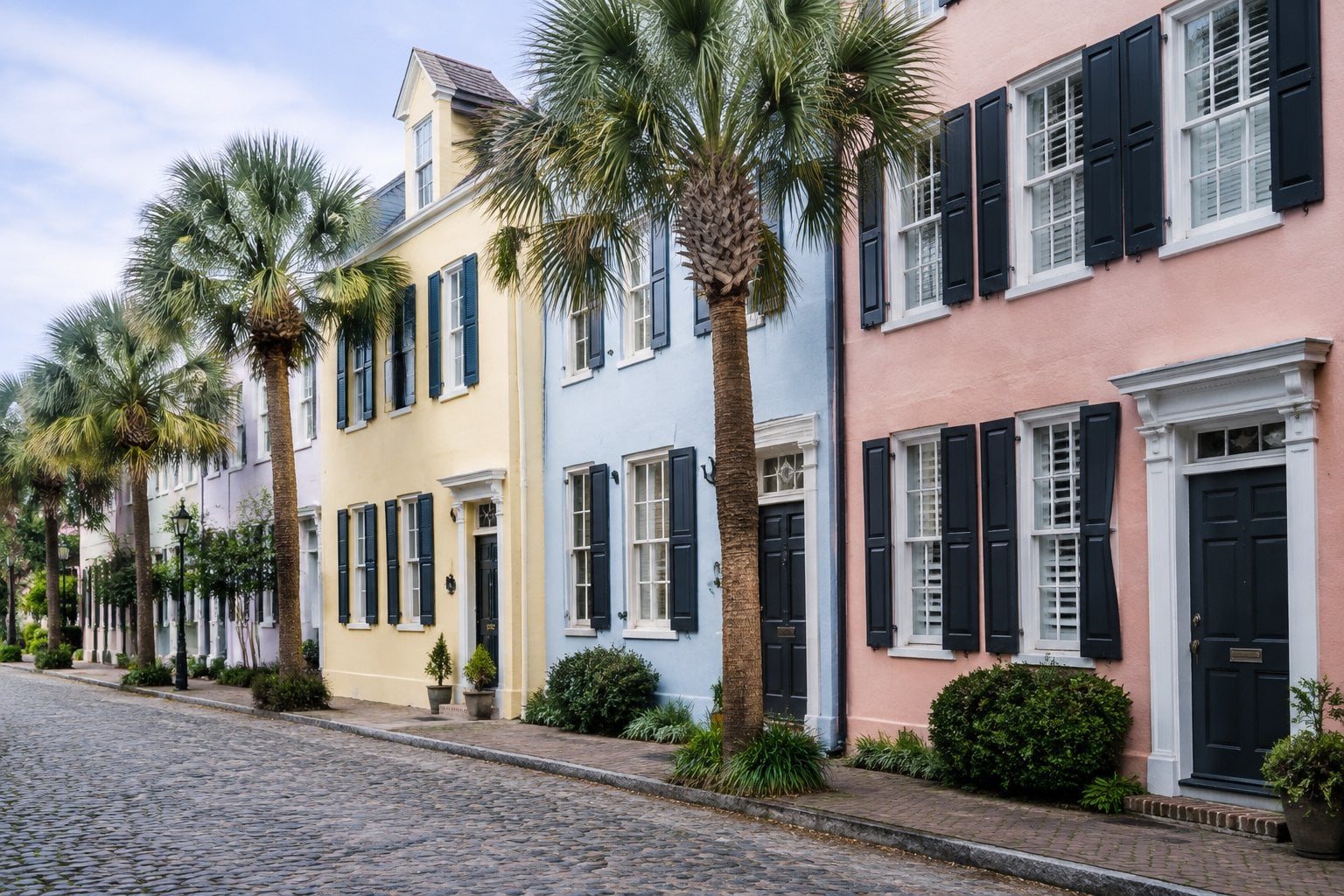
Charleston School of Law is the only South Carolina school on this list. Of its 216 first-time bar takers, 160 passed, a rate of 74.07%. The ABA weighted average for the same states was 76.83%, a gap of 2.76 percentage points.
Full-time tuition and fees come to $49,684 for 2025-26 ($48,600 in tuition plus $1,084 in fees). The school estimates living costs off campus at $27,752 a year.
Charleston drew a large applicant pool. For fall 2025 it received 2,215 applications and made 1,112 offers, an acceptance rate of 50.2%, and it made more offers than any school on this list except American University. All 241 new students enrolled full-time, with a median LSAT score of 154 and a median undergraduate GPA of 3.51.
Eleven first-year students, about 4%, left for academic reasons, and ten more left for other reasons. Total J.D. enrollment was 707.
25. Elon University School of Law (Greensboro, North Carolina)
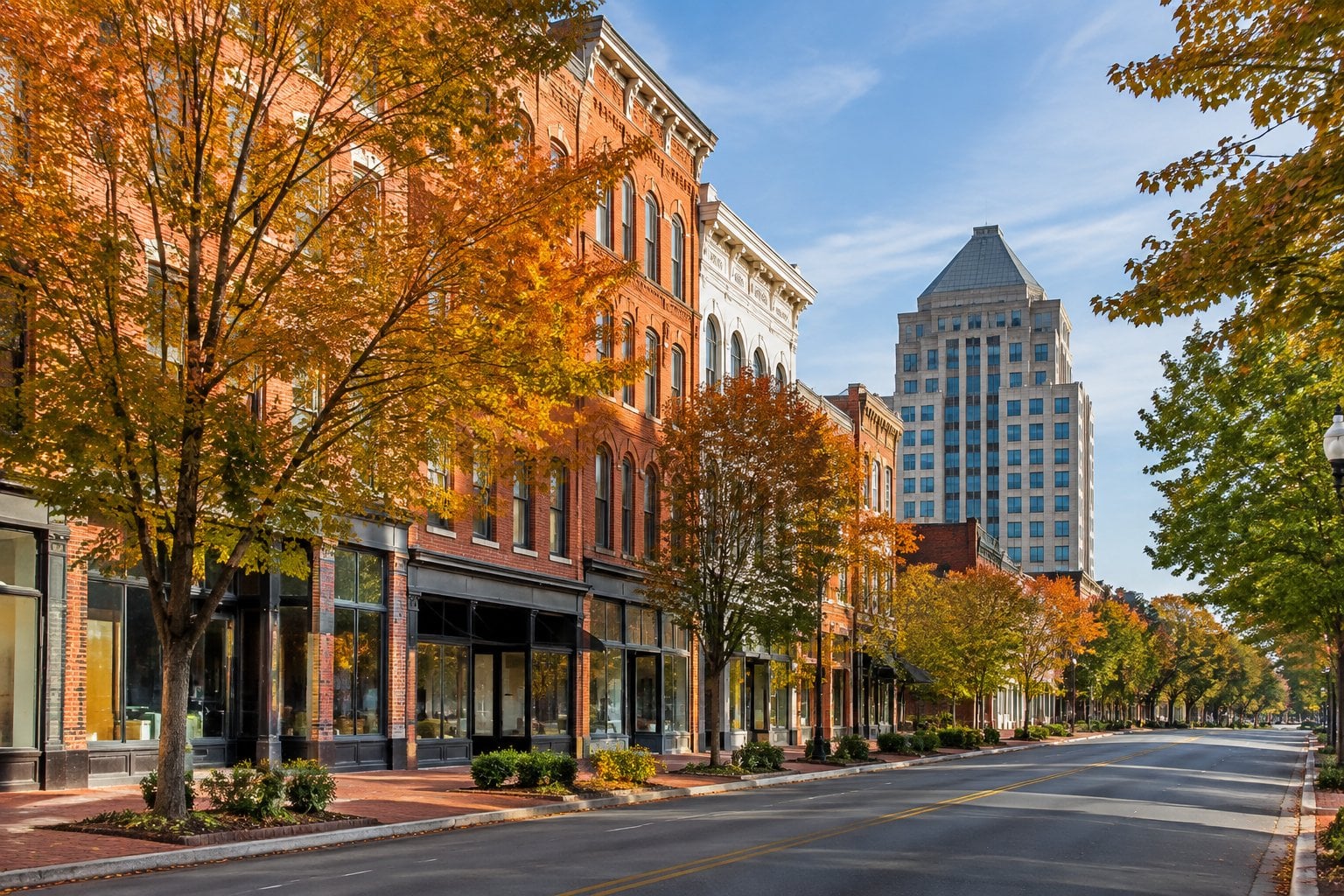
Elon University’s law school is in downtown Greensboro, and it is the second North Carolina school on this list. Of its 138 first-time bar takers, 106 passed, a rate of 76.81%. The ABA weighted average for the same states was 78.83%, a gap of 2.02 percentage points.
Tuition is $45,333 for 2025-26, with no separate fees listed, the same for residents and nonresidents. The school estimates living costs off campus at $31,000 a year.
For fall 2025, Elon received 1,107 applications and made 589 offers, an acceptance rate of 53.21%. It enrolled 228 new students, 182 full-time and 46 part-time. The median LSAT score was 154 and the median undergraduate GPA was 3.40.
Fifteen first-year students, about 7%, left for academic reasons, and five left for other reasons. Total J.D. enrollment was 540, and the school awarded 135 J.D. degrees in the ABA report.
26. Tulane University Law School (New Orleans, Louisiana)
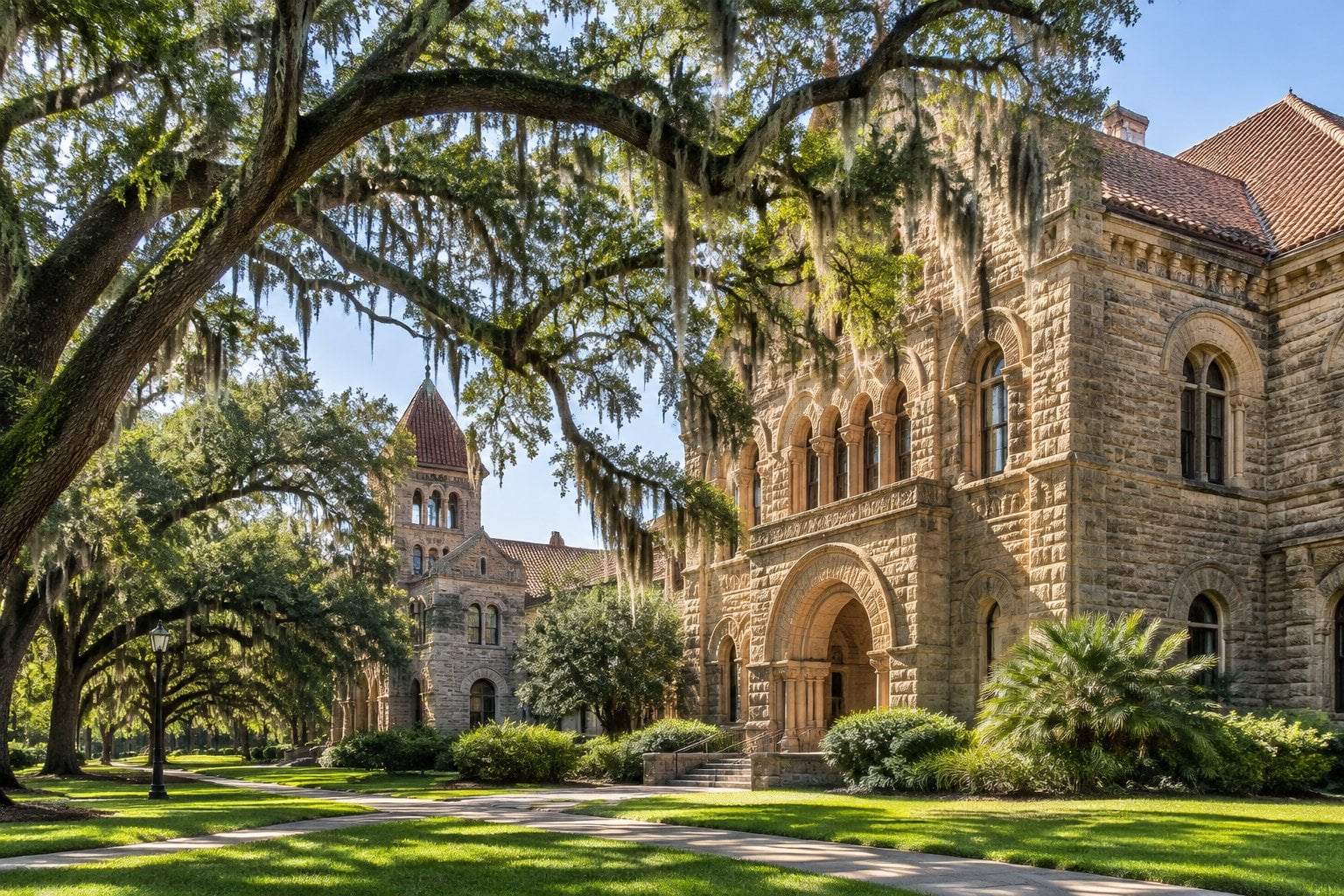
Tulane University Law School in New Orleans is the third Louisiana school on this list, and its gap is small. Of its 211 first-time bar takers, 164 passed, a rate of 77.73%. The ABA weighted average for the same states was 79.22%, putting Tulane 1.49 percentage points below the average.
Tulane is the most expensive school on this list: full-time tuition and fees come to $74,756 for 2025-26 ($69,578 in tuition plus $5,178 in fees). The school estimates living costs off campus at $29,670, bringing a full year past $104,000 before any scholarship.
For fall 2025, Tulane received 2,069 applications and made 827 offers, an acceptance rate of 39.97%. All 241 new students enrolled full-time, with a median LSAT score of 161 and a median undergraduate GPA of 3.67.
The ABA report shows no first-year students leaving for academic reasons, and one leaving for other reasons. Total J.D. enrollment was 628.
27. Samford University Cumberland School of Law (Birmingham, Alabama)
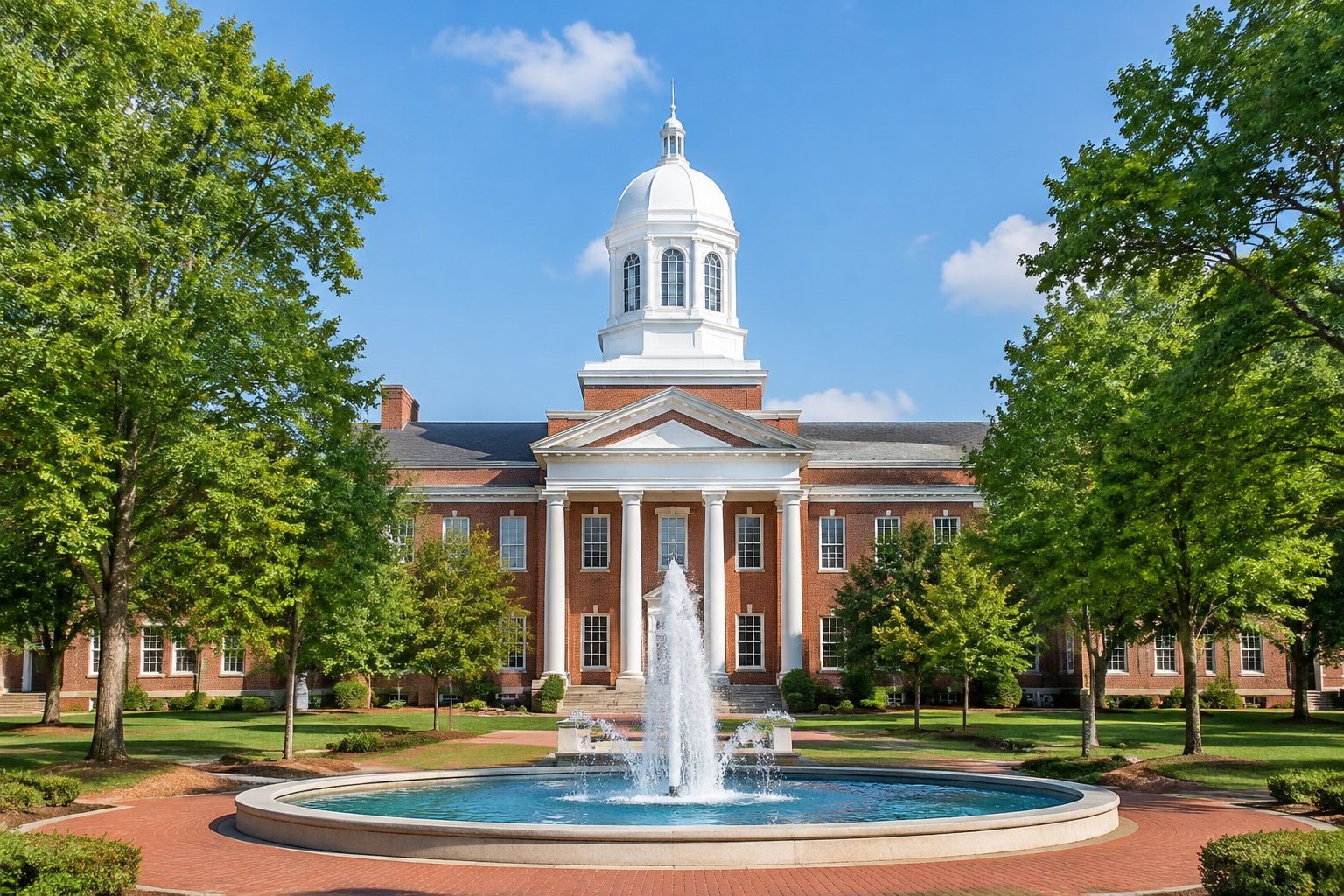
Samford University’s Cumberland School of Law in the Birmingham area is the second Alabama school on this list. Of its 151 first-time bar takers, 119 passed, a rate of 78.81%. The ABA weighted average for the same states was 80.15%, a gap of 1.34 percentage points.
Full-time tuition and fees come to $47,334 for 2025-26 ($46,334 in tuition plus $1,000 in fees), the same for residents and nonresidents. The school estimates living costs off campus at $31,226 a year.
For fall 2025, Cumberland received 925 applications and made 453 offers, an acceptance rate of 48.97%. All 170 new students enrolled full-time. The median LSAT score was 156 and the median undergraduate GPA was 3.63.
Attrition was low: two first-year students, about 1%, left for academic reasons, and three left for other reasons. Total J.D. enrollment was 471, and the school awarded 139 J.D. degrees in the ABA report.
28. University of Tulsa College of Law (Tulsa, Oklahoma)
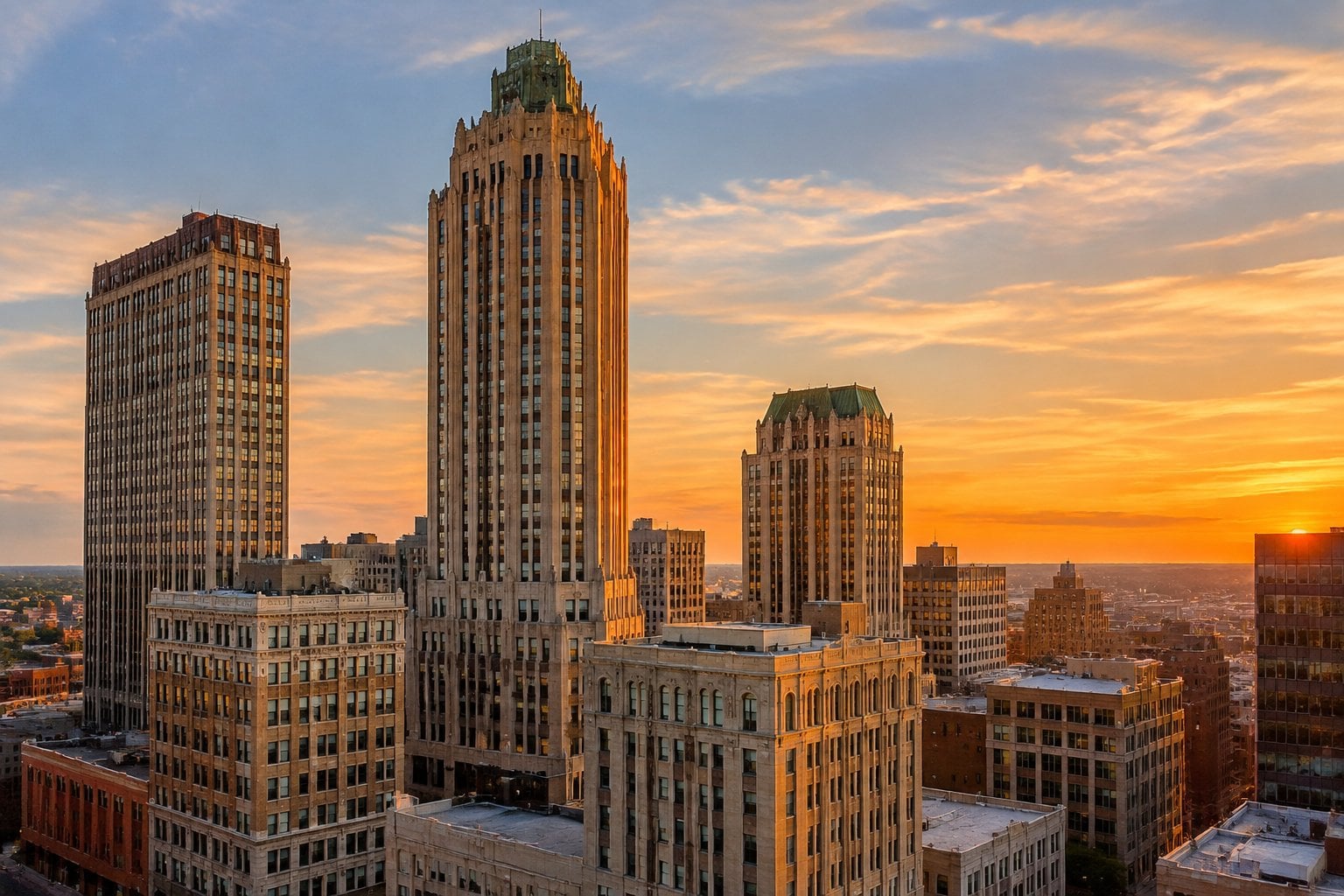
The University of Tulsa College of Law is the second Oklahoma school on this list. Of its 119 first-time bar takers, 94 passed, a rate of 78.99%. The ABA weighted average for the same states was 80.12%, a gap of 1.13 percentage points.
Full-time tuition and fees come to $32,300 for 2025-26 ($30,840 in tuition plus $1,460 in fees), well below most private schools on this list. The school estimates living costs off campus at $29,488 a year.
Tulsa is one of the smaller schools here. For fall 2025, it received 509 applications, the fewest of any school on this list, and made 288 offers, an acceptance rate of 56.58%. All 118 new students enrolled full-time, with a median LSAT score of 157 and a median undergraduate GPA of 3.45.
The ABA report shows no first-year students leaving for academic reasons, and two leaving for other reasons. Total J.D. enrollment was 282.
29. American University Washington College of Law (Washington, D.C.)
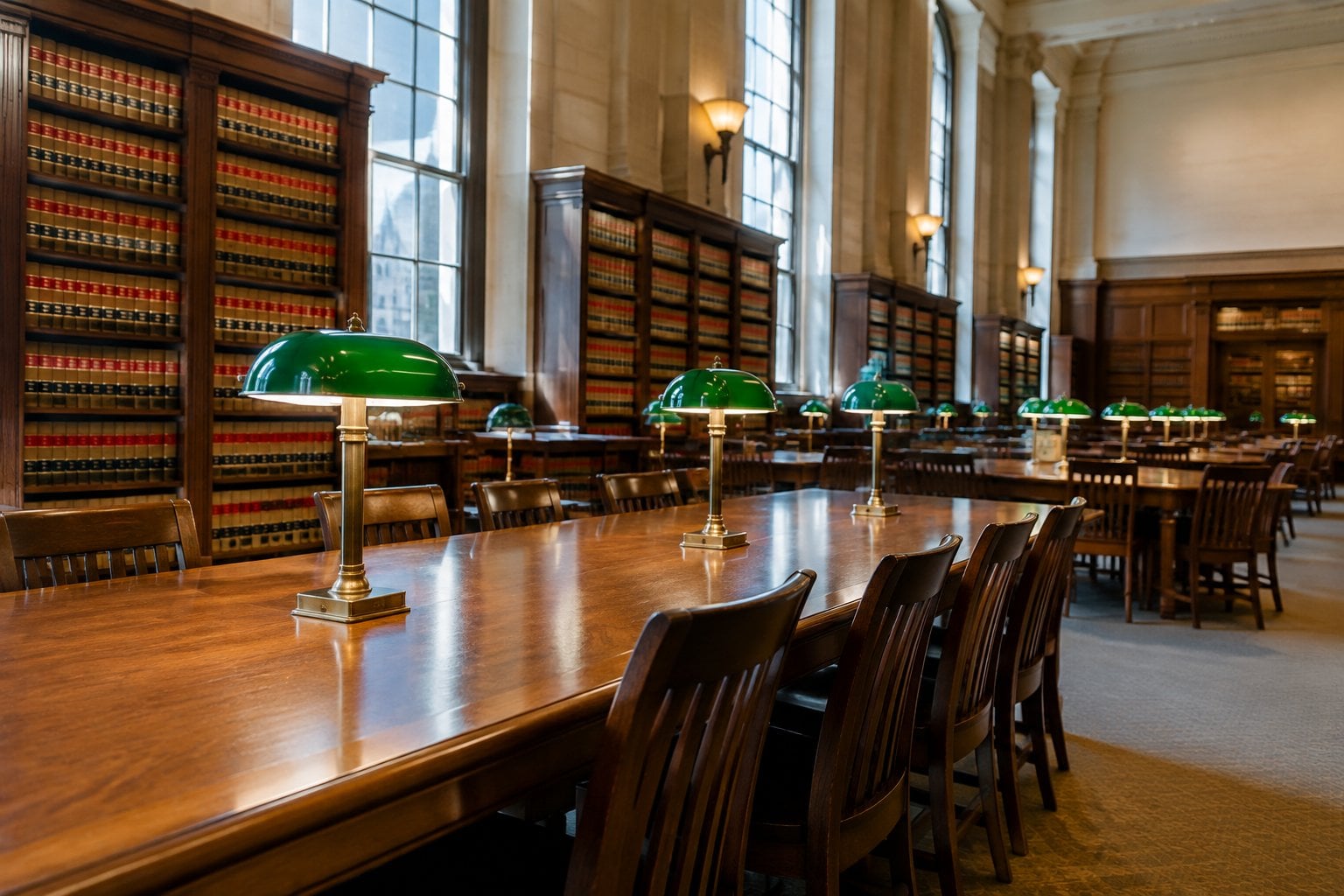
American University’s Washington College of Law is the largest school on this list by far, and its gap is less than a single point. Of its 374 first-time bar takers, the most on this list, 304 passed, a rate of 81.28%, the highest raw pass rate here. The ABA weighted average for the same states was 81.98%, a gap of 0.70 percentage points.
Full-time tuition and fees come to $69,172 for 2025-26 ($66,990 in tuition plus $2,182 in fees), second only to Tulane on this list. The school estimates living costs off campus at $33,832 a year.
For fall 2025, it received 5,952 applications and made 1,981 offers, an acceptance rate of 33.28%. It enrolled 405 new students, 354 full-time and 51 part-time. Its median LSAT score of 162 was the highest on this list, with a median undergraduate GPA of 3.63.
Two first-year students left for academic reasons, and five left for other reasons. Total J.D. enrollment was 1,199.
30. University of Baltimore School of Law (Baltimore, Maryland)

The University of Baltimore’s law school rounds out the list, and it is the one school here that did not fall below its state average. Of its 198 first-time bar takers, 140 passed, a rate of 70.71%. The ABA weighted average for the same states was 70.64%, the lowest benchmark on this list, so Baltimore finished 0.07 percentage points above the average, essentially level with it.
Maryland residents pay $36,418 a year in full-time tuition and fees for 2025-26 ($33,944 in tuition plus $2,474 in fees). Nonresidents pay $53,172. The school estimates living costs off campus at $25,024.
For fall 2025, Baltimore received 1,299 applications and made 643 offers, an acceptance rate of 49.5%. It enrolled 248 new students, 186 full-time and 62 part-time, the most part-time students on this list. The median LSAT score was 155 and the median undergraduate GPA was 3.45.
One first-year student left for academic reasons. Total J.D. enrollment was 726.
What the Numbers Show
Texas, Louisiana, Florida and Washington, D.C., each have three schools on this list. The gaps shrink quickly after the top of the ranking: the first eight schools were all more than 11 points below their state averages, while the last nine were within three points. Eleven of the 30 schools are public, and several charge residents less than $22,000 a year, so a low bar passage rate does not always come with a high price.
Entering credentials don’t tell the whole story either. Ole Miss and Louisville admitted classes with median GPAs of 3.68 and 3.67 and still trailed their state averages, while Florida’s three schools had raw pass rates in the 60s but were measured against benchmarks below 74%.
For the national picture, see our list of the 30 worst law schools in the U.S., the 30 best law schools in the U.S. and the 30 most expensive law schools. Each school’s full report is on the ABA’s required disclosures site, and the National Conference of Bar Examiners publishes pass rates by state.
This article is general information, not legal advice or a recommendation for or against any school. Figures are from the ABA’s 2025 Standard 509 and bar passage reports and may change in later reports.


