
The 30 Weirdest Laws in Florida That Are Still on the Books
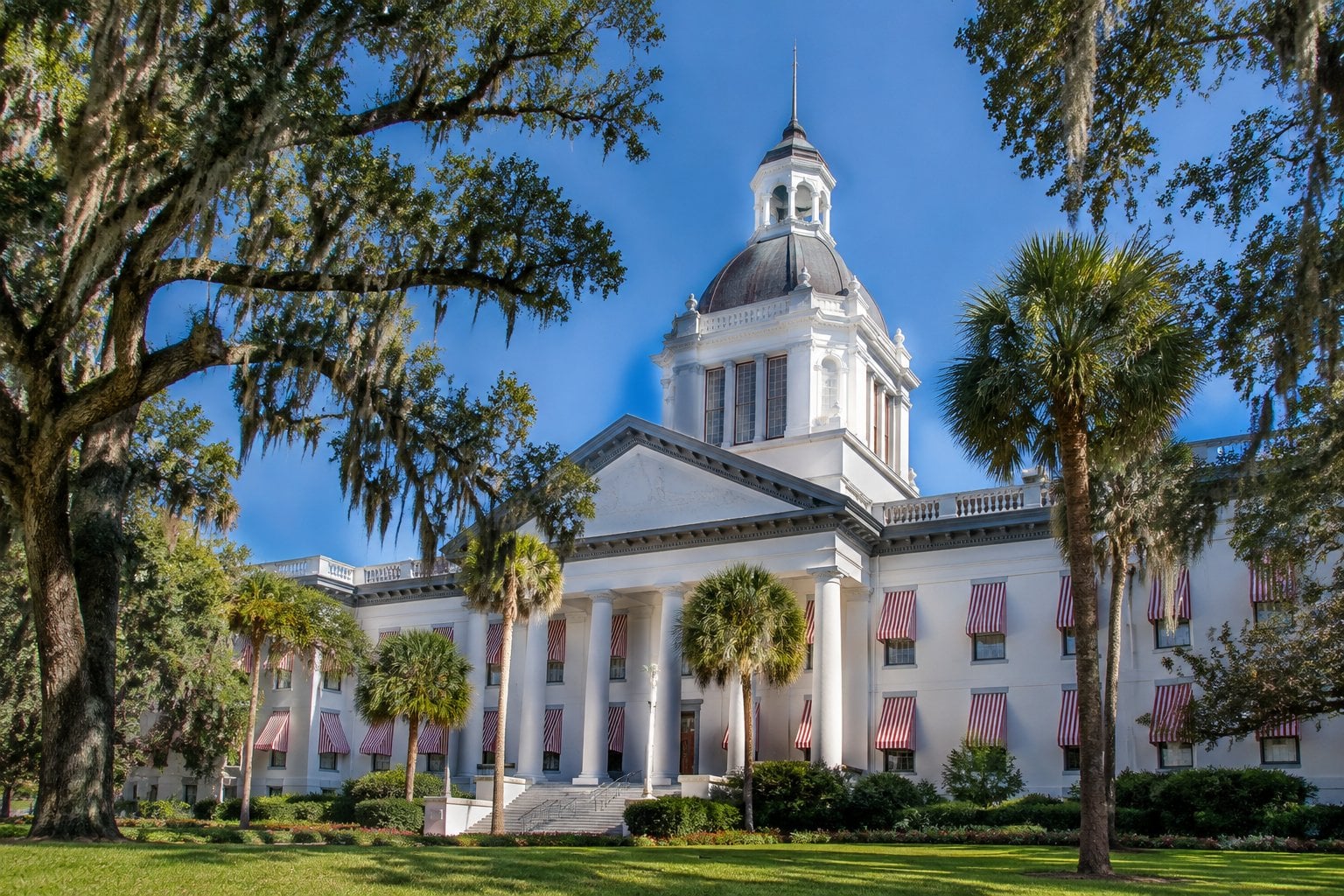
Florida has passed a lot of laws over the years, and not all of them have aged the same way. Some were practical fixes for problems that mostly faded away, some protect beaches, wildlife, and homeowners in ways that surprise newcomers, and a few were written straight into the state constitution by voters. Many of them are still in the Florida Statutes today, even if they are rarely enforced.
Plenty of “weird Florida laws” lists online repeat myths that can’t be found in any statute. Every law below is real and can be looked up in the current Florida Statutes or the Florida Constitution, with the section number listed next to each one. Here are 30 of the strangest ones still on the books.
1. Pregnant Pigs Are Protected by the Florida Constitution (Art. X, § 21)

You might not expect pig welfare to show up in a state constitution, but in Florida, it does. Voters added this provision in 2002, so it sits in Article X of the Florida Constitution rather than in an ordinary statute.
The rule is straightforward. No one may confine or tether a pregnant pig on a farm in a way that keeps her from turning around freely. It targets what’s commonly called a gestation crate, a narrow enclosure used in large-scale pig farming.
There are limits. The provision allows exceptions for veterinary exams or treatment, as long as the confinement lasts no longer than necessary, and for the period right before the pig gives birth.
It applies to farms raising animals for food or fiber, not to pet pigs. What makes it stand out is where it lives: most farm-animal rules sit in agricultural statutes, but Floridians put this one in the constitution, which means only another constitutional amendment can take it out.
2. The State Constitution Bans Gill Nets (Art. X, § 16)
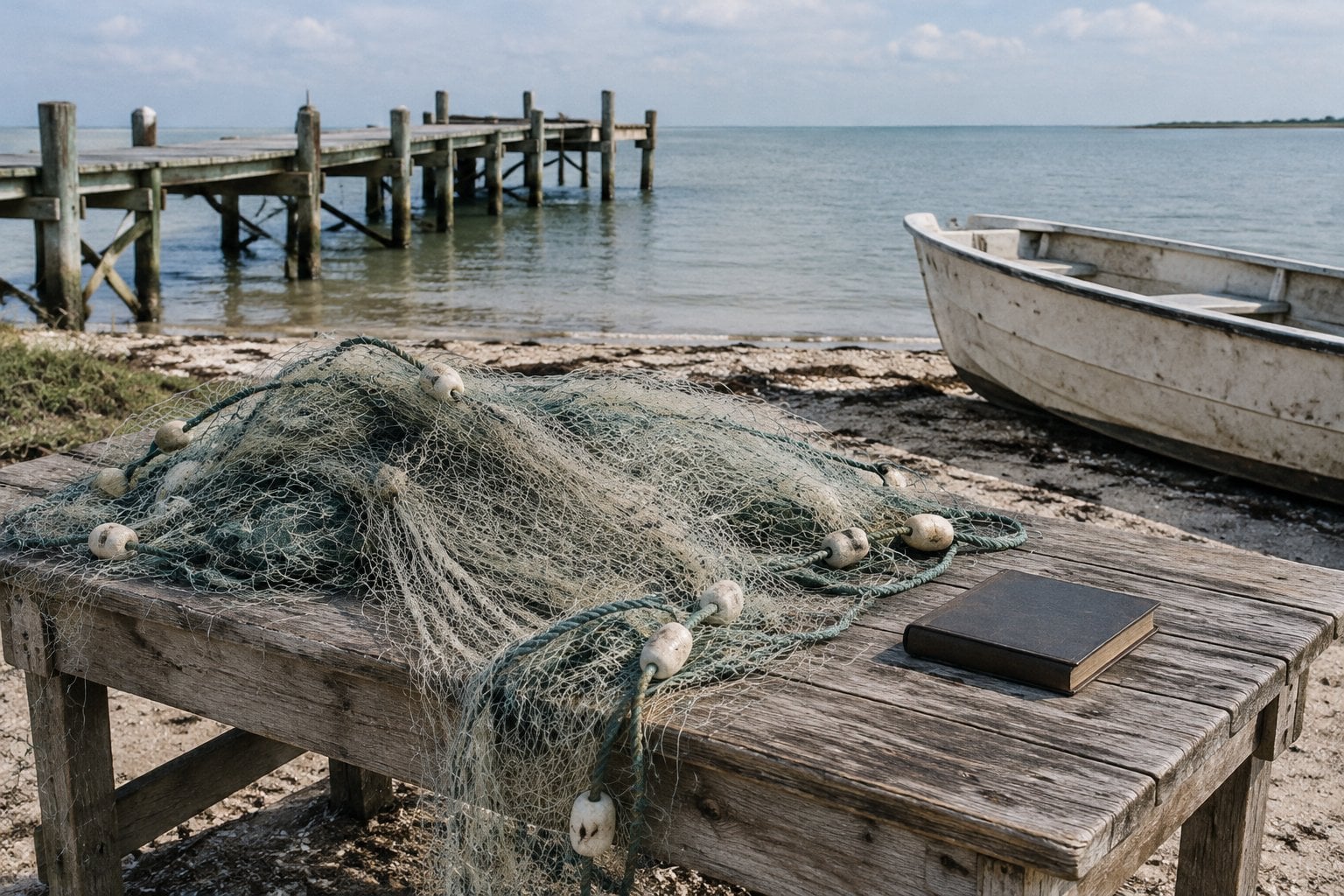
You might not expect to find fishing gear rules written into a state constitution, but that is exactly what Florida voters did in 1994. The amendment bans gill nets and other entangling nets in all Florida waters.
It also limits other types of nets. In nearshore and inshore waters, no net may be larger than 500 square feet of mesh. A single boat may use no more than two such nets, and they can’t be connected to each other. Someone fishing without a boat is limited to one net.
What makes this unusual is the placement. Most states regulate net sizes and gear types through wildlife agency rules, not their constitutions. In Florida, changing these limits would take a constitutional amendment rather than a simple vote of the Legislature.
3. Home Poker Pots Are Capped at $10 a Hand (§ 849.085)

If you host a poker night in Florida, state law limits how much any single player can win in one hand, round, or game. Under the state’s 1989 penny-ante law, § 849.085, that figure is capped at $10. Go over it, and the game no longer fits the law’s exception for friendly games.
The rule covers more than poker. Pinochle, bridge, rummy, canasta, hearts, dominoes, and mah-jongg all fall under the same cap.
The game also has to be played in the right place. The law covers homes, condo common areas, dorm rooms, city or county community centers, and certain private social clubs. No one can charge a fee or take a cut for hosting, the game can’t be advertised, and no one under 18 can play.
Any debts run up during the game are not legally enforceable, so you can’t sue a friend over an unpaid poker IOU.
The $10 cap was set in 1989 and hasn’t been raised, which is why it surprises people who play casual games today.
4. Joining a Chain Letter Is a Crime (§ 849.091)

If you sign up for a chain letter in Florida, you may be committing a crime. Under this law, on the books since 1949, chain letter clubs and pyramid clubs are classified as a form of lottery.
The statute doesn’t just target the people who start these schemes. Joining, affiliating with, or recruiting someone else into one is also an offense, which makes the law broader than most people assume.
It’s a first-degree misdemeanor. The law also covers pyramid sales schemes, where someone pays more than $100 for a chance at a payoff that depends mainly on recruiting new people rather than selling real products to customers.
This seems unusual today because chain letters and “pass it on” money schemes often circulate casually among friends or online, and few people realize Florida treats them as an illegal lottery.
5. Charity Bingo Is Limited to Two Days a Week (§ 849.0931)
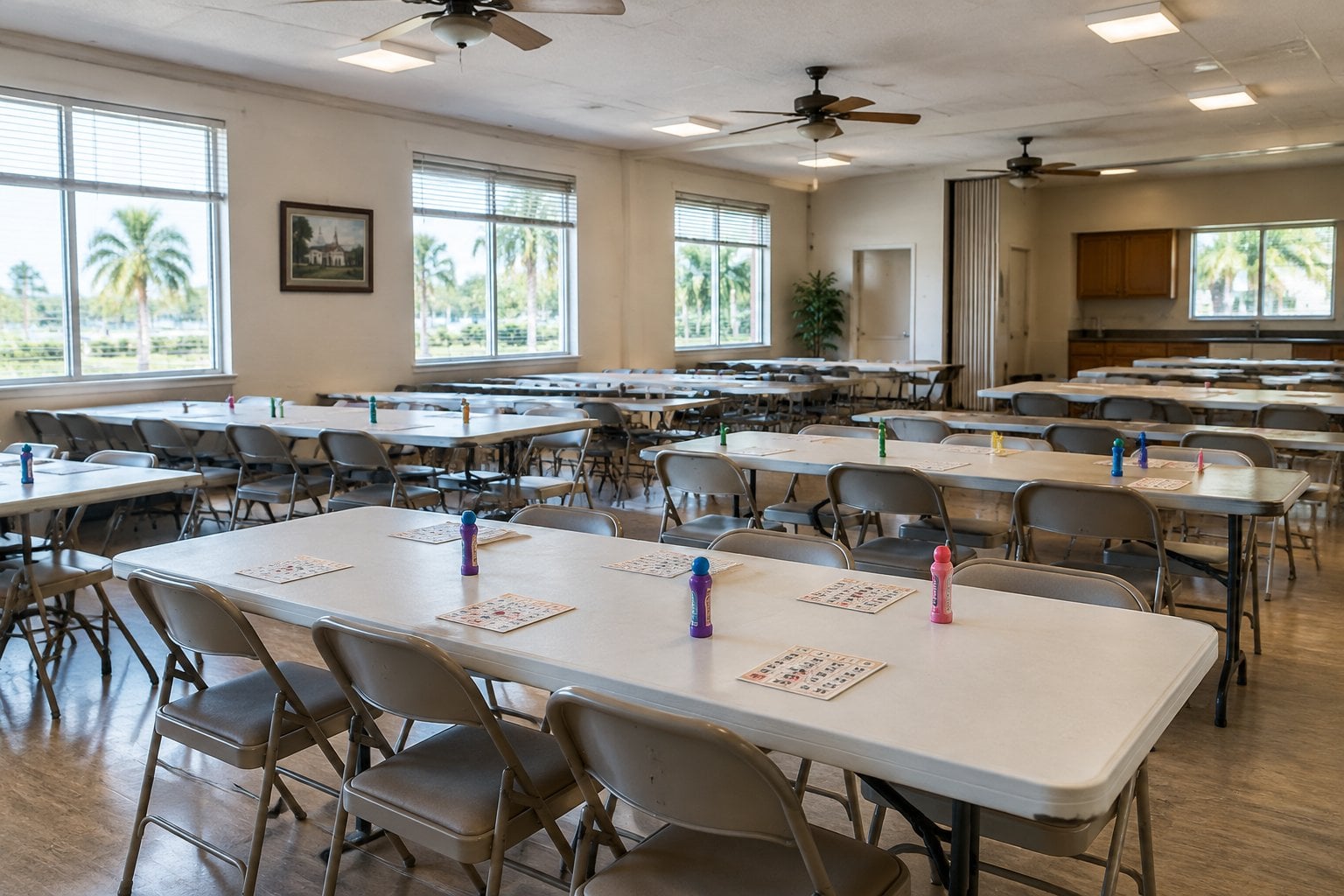
If you volunteer with a charity or nonprofit in Florida, your group can’t run bingo whenever it wants. State law caps regular bingo at two days per week per organization. The rule dates to 1992 and still applies today. The statute also sets out who can run a game: only a charitable, nonprofit, or veterans’ organization that has been in existence and active for three years or more, with its proceeds going to charitable, civic, community, benevolent, religious, or scholastic work.
Instant bingo, the pull-tab style tickets, isn’t subject to the two-day limit. The same statute adds other limits: no more than three jackpots on any one day of play, and every other bingo prize is capped at $50.
The scheduling cap and the small prize limits keep charity bingo a fundraising tool rather than a commercial gambling business. Even so, a church or veterans’ hall that wanted to hold bingo every night of the week would be breaking state law.
6. Some Resold Tickets Can Cost Only $1 Over Face Value (§ 817.36)

Florida’s ticket resale law dates back to 1945, and parts of it still cap the resale price at just $1 over the original price.
That $1 limit applies to three kinds of tickets: travel on common carriers such as buses or trains (travel agencies are exempt), multiday or multievent passes to a park or entertainment complex, such as a theme park, and event tickets from a 501(c)(3) charity that carry a printed notice saying they can’t be resold for more than $1 over face value.
Other tickets, like most concert and sports tickets, can be resold online at any price, but only through a website the original seller has authorized or one that posts specific buyer guarantees, such as refunds if the event is canceled. Breaking the law can cost a reseller a civil penalty of three times the resale price.
In an age of resale apps, a $1 markup limit on certain theme park passes is one of the more surprising rules on the books.
7. A Store’s Shopping Cart or Milk Crate Is Presumed Stolen (§ 506.509)
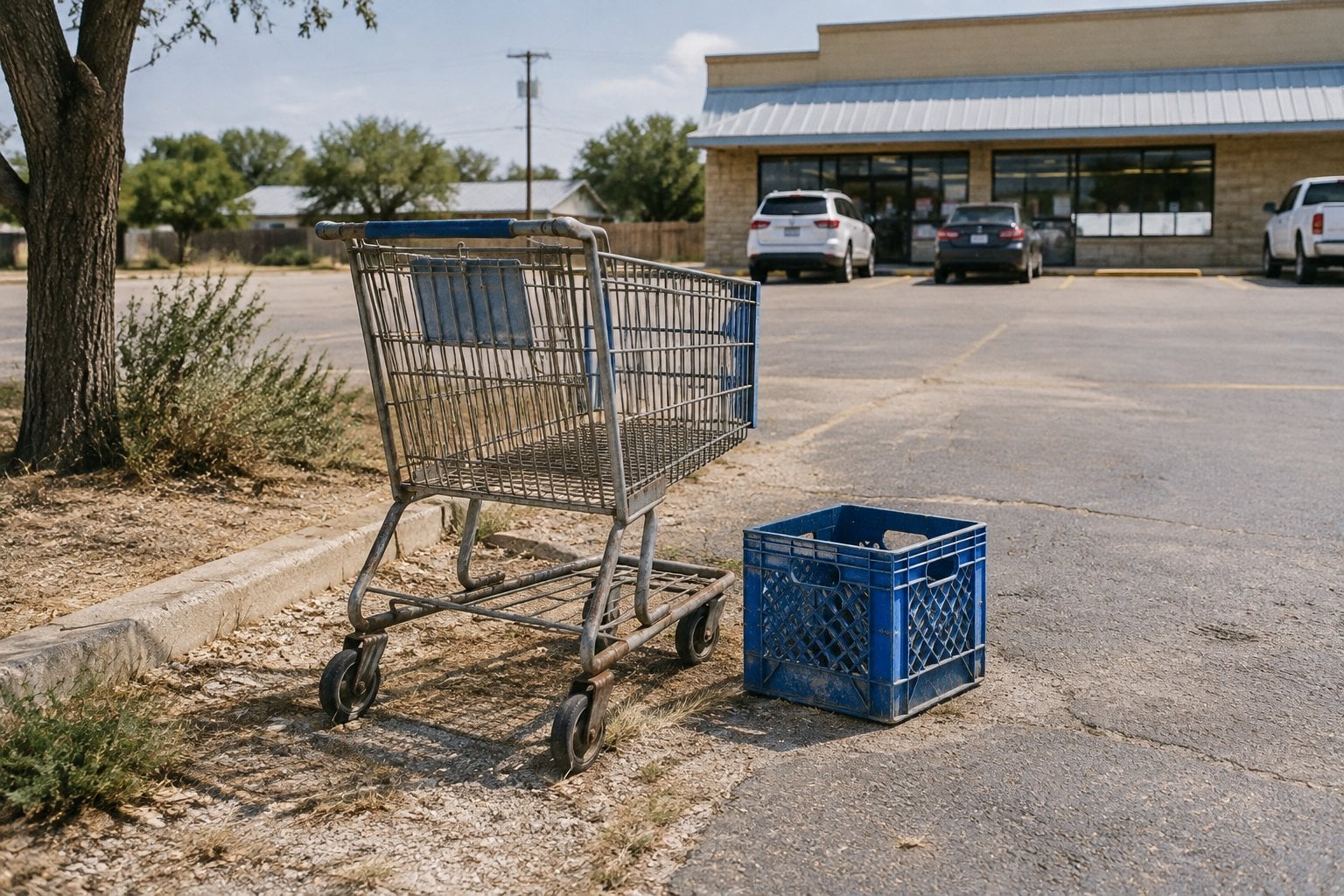
If you’re found with a shopping cart, laundry cart, or milk crate that carries a store’s or dairy’s registered name or mark, Florida law presumes you’re holding stolen property. This rule, on the books since 1983, also covers egg baskets, poultry boxes, and bakery containers. Milk crates count if they hold 16 quarts or more.
Possession alone creates the presumption. You don’t need to be caught wheeling the cart out of the store. A related section, § 506.508, goes further: only the registered owner may use these marked containers for any purpose at all.
A violation is a first-degree misdemeanor, a real criminal charge rather than a simple fine.
What makes the law stand out is how broadly it’s written. A store-marked milk crate used as a dorm-room shelf technically falls within its reach, even though charges for that kind of everyday use are uncommon.
8. Selling Unlabeled Horse Meat Is a Felony (§ 500.451)

If anyone sells horse meat for people to eat in Florida, it has to be clearly labeled. State law requires that horse meat sold for human consumption be stamped, marked, and described as horse meat. It can’t be passed off as beef or anything else.
The law also covers transporting, distributing, buying, and possessing it. It’s illegal to knowingly handle horse meat meant for people to eat if it isn’t properly labeled or didn’t come from a licensed slaughterhouse.
What makes this law stand out is the penalty. A violation is a third-degree felony, the same level as many far more serious crimes. The statute dates back to 1943, and lawmakers strengthened it in 2010.
You might assume a food labeling problem would bring a regulatory fine. In Florida, mislabeled horse meat can bring a felony charge.
9. It’s Illegal to Dye a Chick or a Bunny (§ 828.1615)

You can’t legally dye a chick, duckling, or bunny in Florida, even around Easter, when the practice was once common. Since 2013, state law has banned coloring any animal under 12 weeks old, along with fowl or rabbits of any age.
You also can’t bring an already-dyed animal into the state, so buying colored chicks somewhere else isn’t a workaround.
The law also bars selling or giving away chicks, ducklings, or other young fowl under four weeks old, or rabbits under two months old, as pets, toys, or prizes. That targets impulse purchases where young animals get treated as novelty gifts.
There are exceptions for animals raised for agricultural purposes by someone with proper facilities and for poultry or livestock exhibitions. A violation is a second-degree misdemeanor.
10. Feeding a Wild Alligator Can Get You Fined (§ 379.412 and FWC Rules)
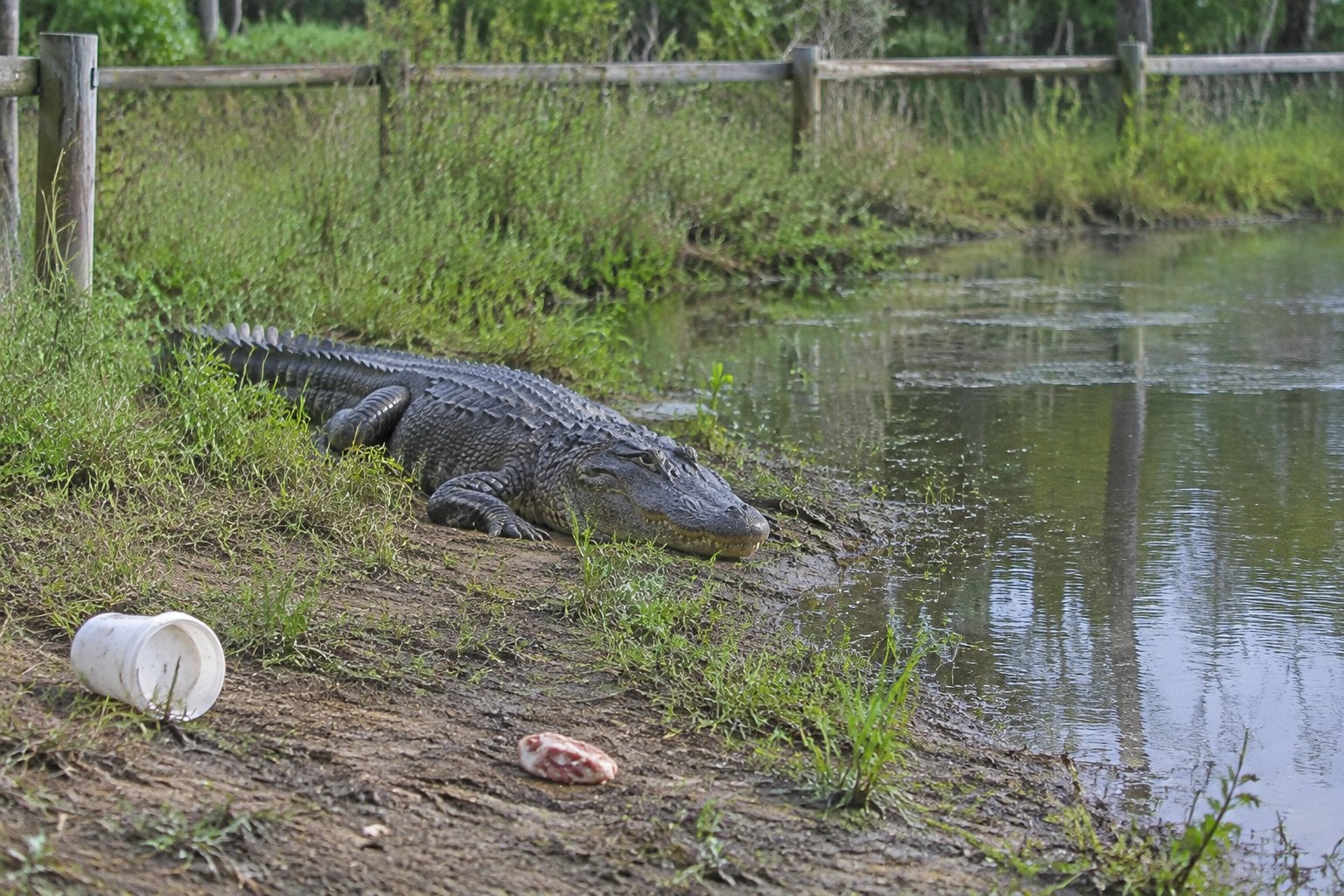
If you toss food to an alligator in Florida, you’re breaking a real rule, not just ignoring good sense. Rules of the Florida Fish and Wildlife Conservation Commission prohibit feeding or enticing wild alligators and crocodiles, and § 379.412 sets out the penalties.
A first offense is a noncriminal infraction with a $100 civil penalty, much like a traffic ticket.
Repeat violations involving alligators, crocodiles, or bears become misdemeanors. Refusing the citation or failing to pay it is a second-degree misdemeanor on its own.
The reason is safety: alligators that get fed can learn to link people with food. The FWC’s living with alligators page puts it simply: never feed an alligator. It may seem odd that the law has to spell out something so obviously risky, but the penalties grow with each repeat offense.
11. Letting Go of a Helium Balloon Outdoors Is Littering (§ 379.233)
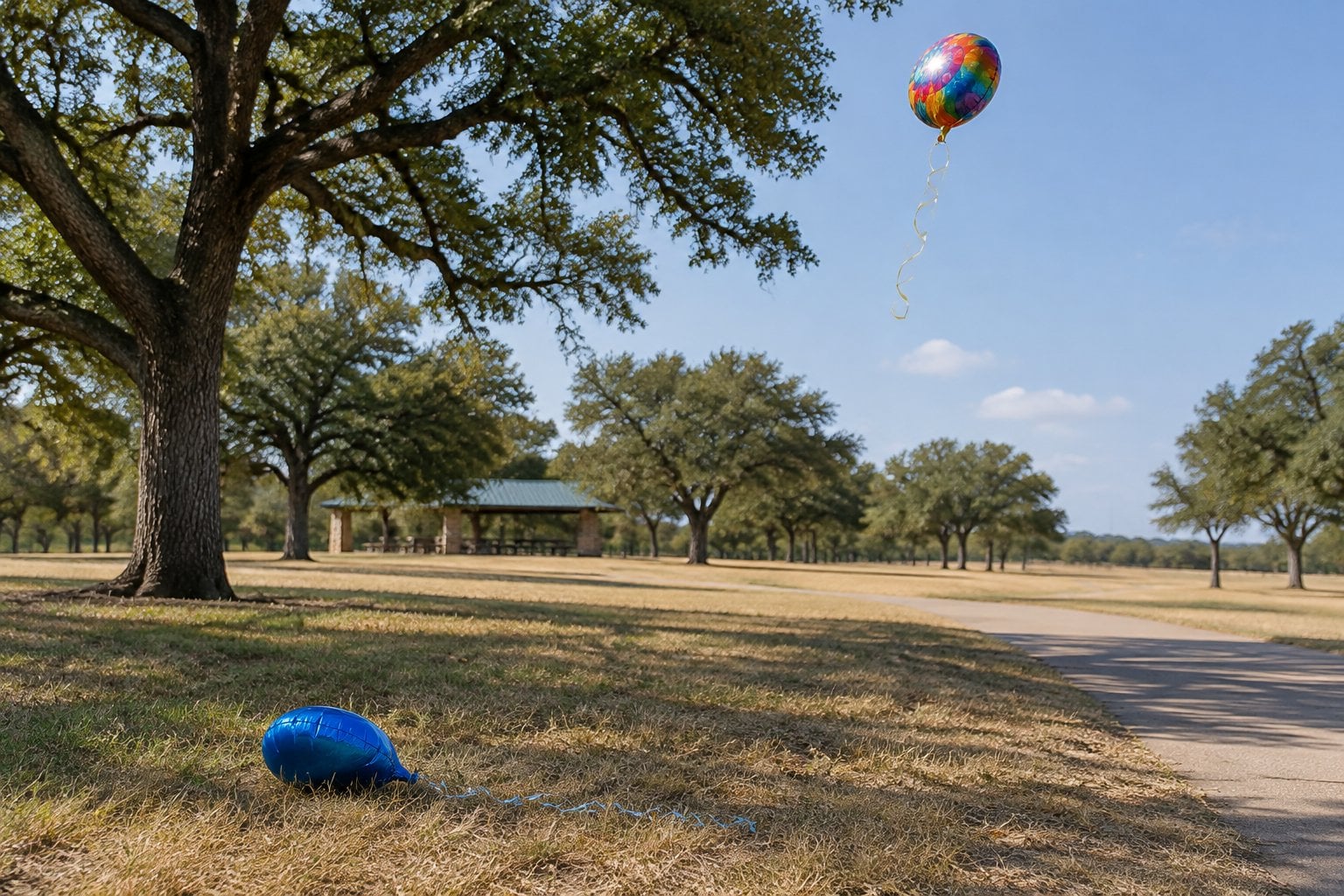
If you release a helium balloon outside in Florida, you’re breaking state law. Section 379.233 makes it illegal to intentionally let go of any balloon filled with a lighter-than-air gas, or to organize a balloon release.
The rule has been in effect since July 1, 2024. Before that, the law applied only when 10 or more balloons were released within 24 hours, so a single balloon at a backyard party wasn’t a violation.
There are exceptions. Government agencies can release balloons for scientific or weather purposes, hot air balloons are fine as long as they’re recovered, and balloons released indoors don’t count. Children 6 and under are exempt.
A violation is a noncriminal littering infraction, not a crime. The Legislature passed the law because of the danger balloons pose to wildlife and marine animals when they come back down, which is why a balloon release at a wedding or memorial is now off-limits.
12. Picking Sea Oats on the Beach Is Illegal (§ 161.242)
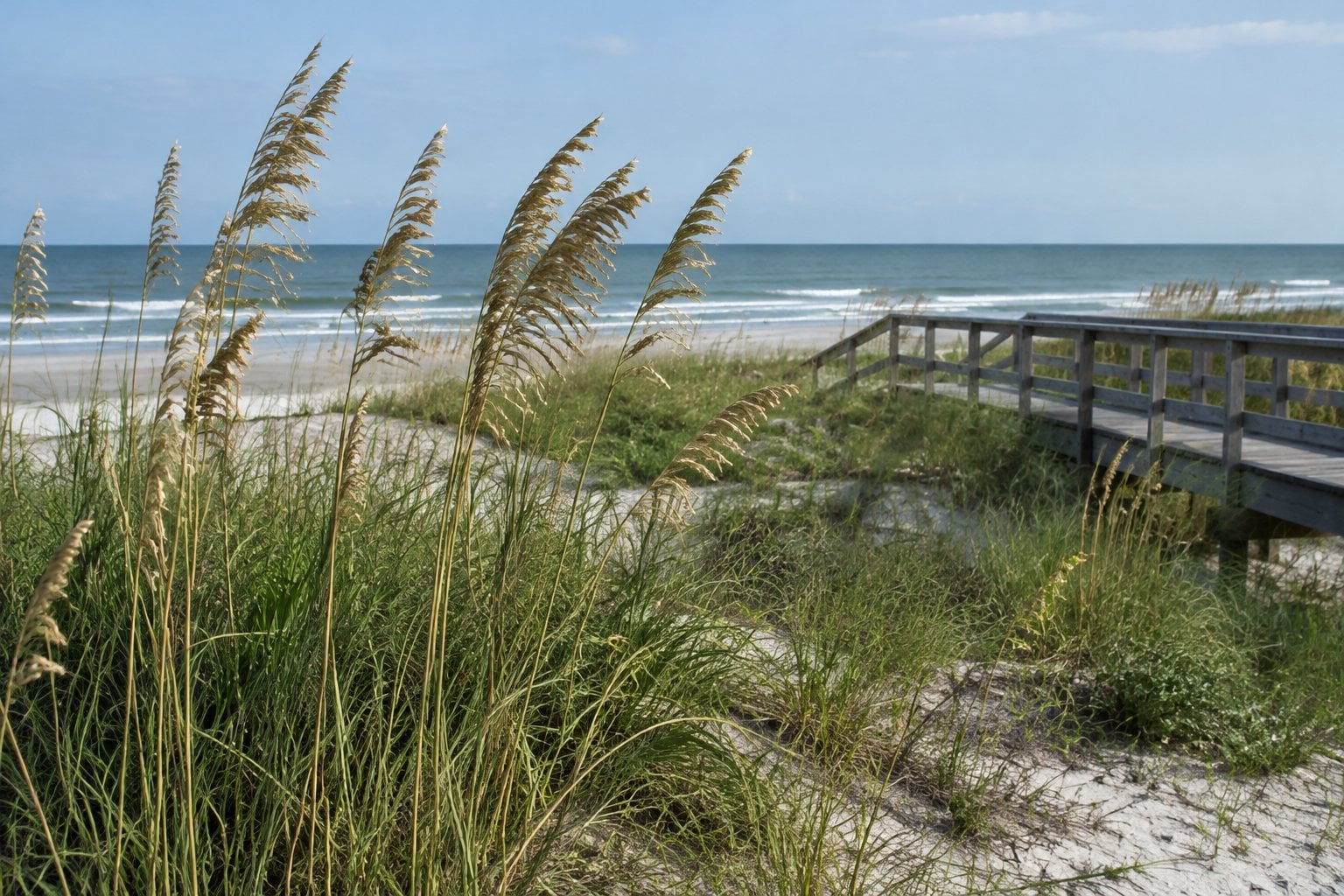
Walk along a Florida beach and you’ll likely see tall, feathery dune grass swaying near the shoreline. That plant is called sea oats, and under Florida law you can’t cut, dig up, or remove it from public land. The same rule protects sea grapes, another common dune plant.
You also can’t take these plants from private land without the owner’s permission. If you’re found holding sea oats or sea grapes and you aren’t the landowner, the statute treats that alone as evidence of a violation.
The reason has nothing to do with looks. The law’s stated purpose is to protect beaches from erosion, because these plants help hold the sand in place. Without them, dunes wear away faster and protect the coast less.
You can still buy the plants legally. Licensed nurseries may grow and sell them, so you can landscape with sea oats without breaking the law. This statute has been in place since 1965.
13. Fireworks Were Legal for Scaring Birds Away From Farms (§ 791.07 and § 791.08)
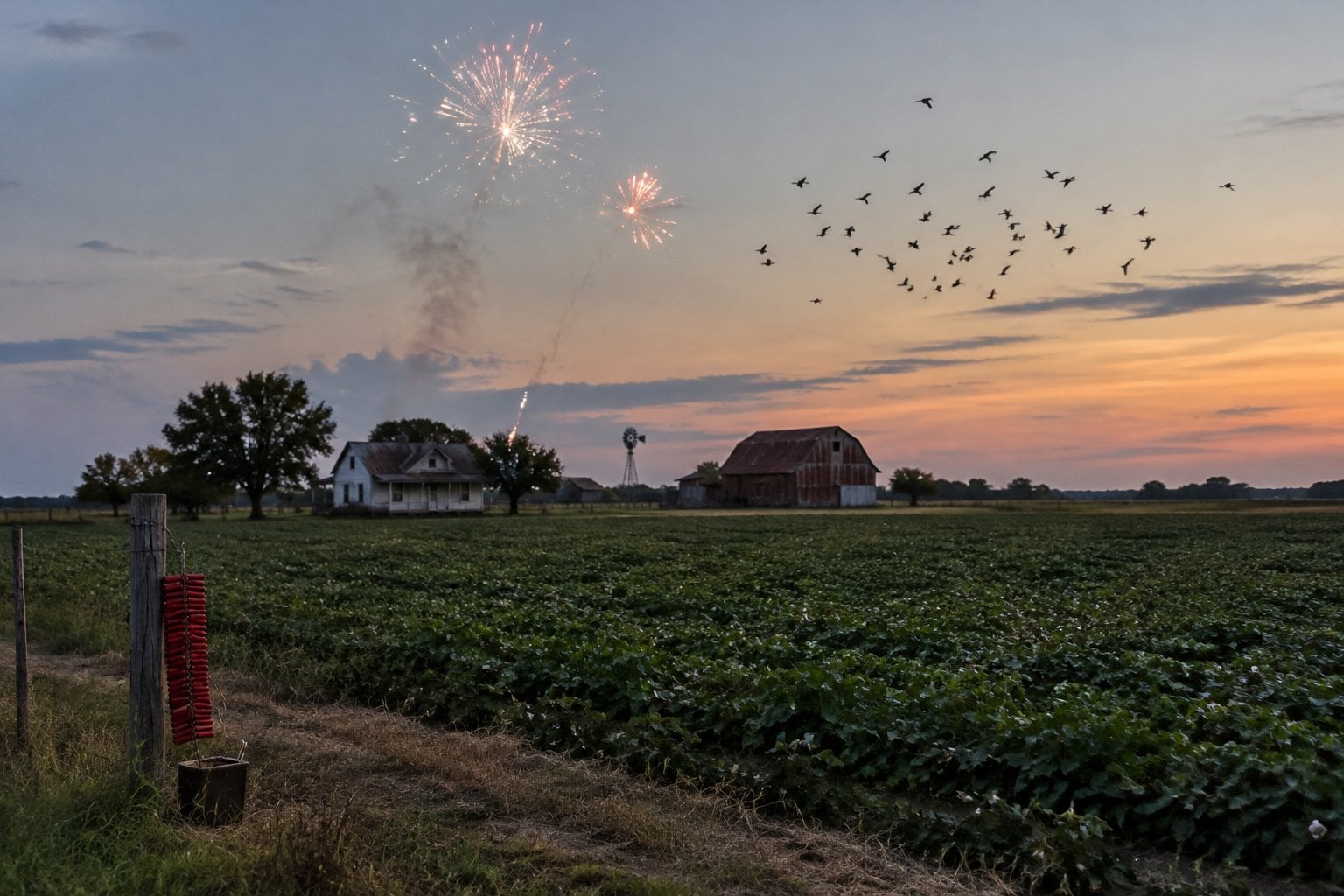
Since 1955, Florida law has allowed people to buy, sell, and use fireworks for one specific agricultural purpose: scaring birds away from farms and fish hatcheries. Section 791.07 carves this out of the state’s general fireworks restrictions.
For decades, buyers at roadside fireworks stands signed a form saying their fireworks were for that purpose, which let them buy fireworks that were otherwise off-limits to the public. The paperwork became a well-known workaround.
That changed in 2020, when § 791.08 took effect. Now anyone can use consumer fireworks on New Year’s Eve, New Year’s Day, and the Fourth of July, with no agricultural claim needed. An HOA board can’t take that away through its rules, though recorded deed covenants still can.
On other days, the old rules still apply, including the bird-scaring exemption, which is still in the statute.
14. Orange Paint on a Tree Can Mean “No Trespassing” (§ 810.011)
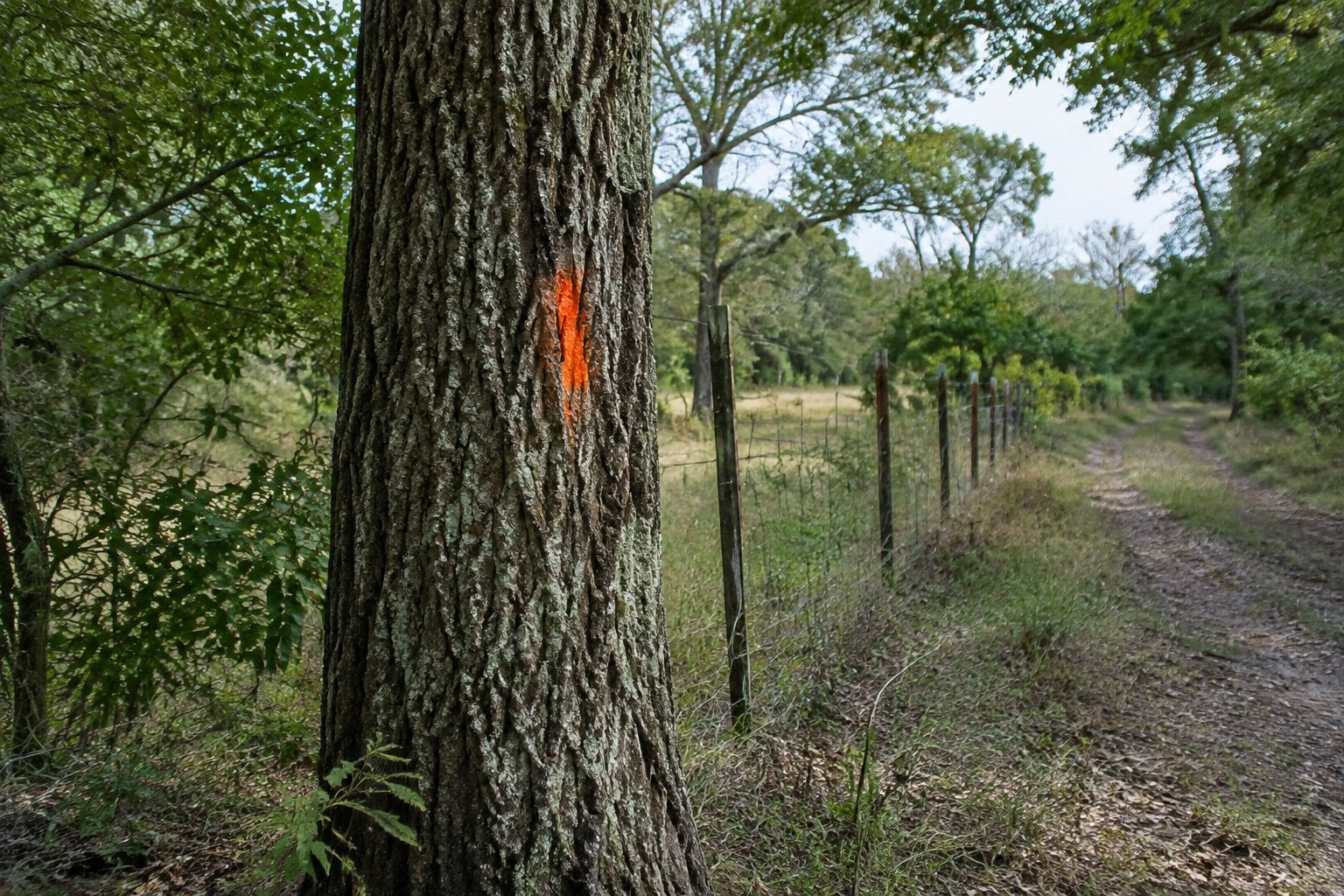
You might assume signs are the only way to warn people off your land, but Florida law also recognizes a painted mark. Under this statute, landowners can post their property by painting trees or posts with international orange paint.
The paint has specific requirements. The words “No Trespassing” must be stenciled in letters at least 2 inches high, and the bottom of the mark must sit between 3 and 5 feet off the ground. On agricultural land, the painted marks can be no more than 500 feet apart. Landowners who use paint must also put up signs where people normally enter the property.
This rule surprises people who expect only written signs to carry legal weight, but a properly painted tree is part of how Florida land counts as “posted” for trespass purposes.
15. Boats Must Stay 300 Feet From a Diver-Down Flag (§ 327.331)
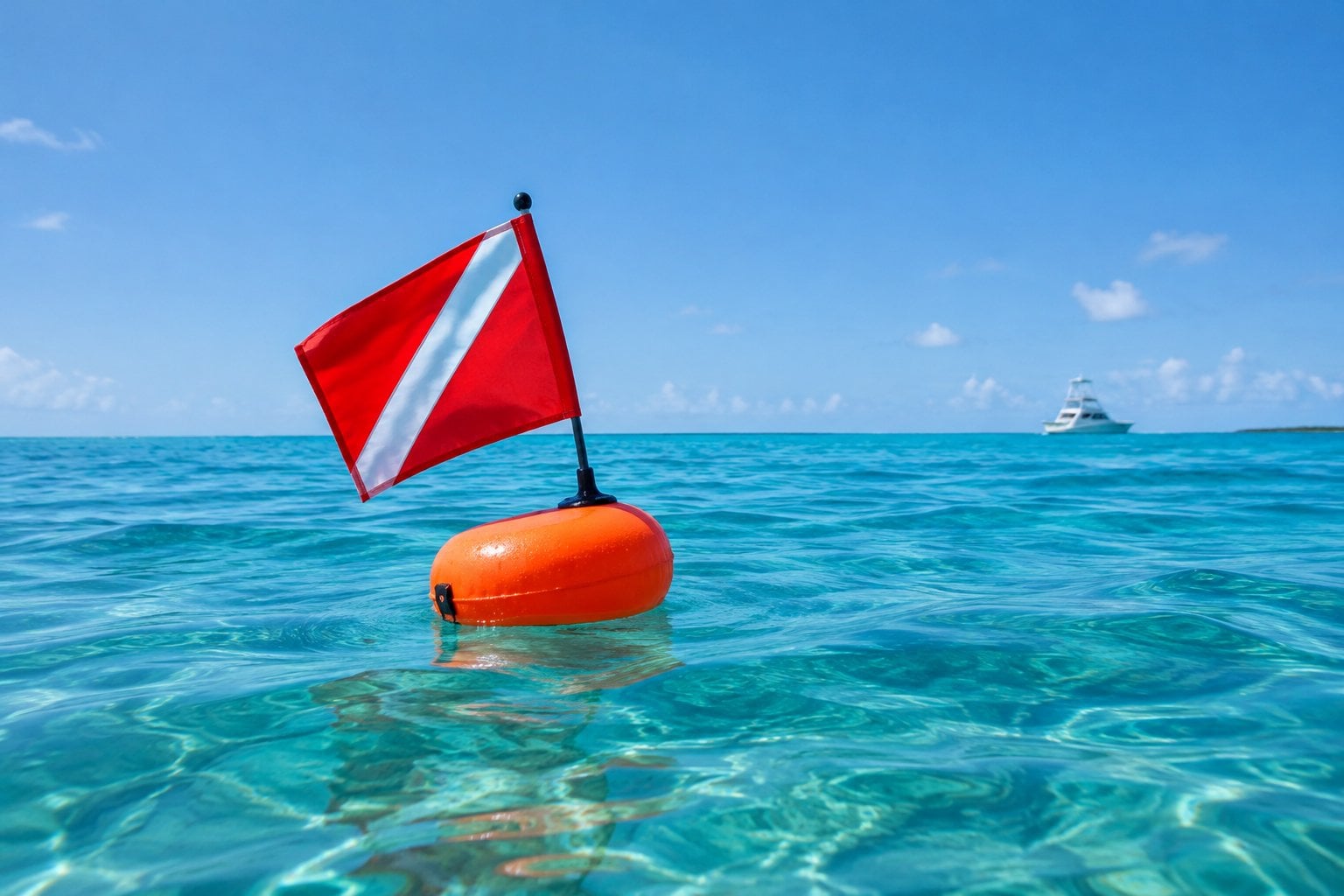
Florida law requires boaters to keep their distance from divers marked by a divers-down flag. In open water, boaters must make a reasonable effort to stay at least 300 feet away. On rivers, inlets, and navigation channels, the distance is 100 feet.
A boat that comes inside those distances can’t just power through. It must slow to the speed needed to keep moving and steer, which in practice means idle speed. Divers, for their part, must make a reasonable effort to stay within those same distances of their own flag rather than wandering far from it.
The rule puts duties on both sides of the water: boaters must watch for flags and slow down, and divers must stay near their marker. Law enforcement and rescue boats are exempt.
16. Tied Elections Are Settled by Drawing Lots (§ 100.181)

If two candidates end up in a dead-even race for office in Florida, the final decision may come down to luck. Under this law, when two or more candidates receive the same highest number of votes in a general or special election, they draw lots to decide who is elected.
The statute doesn’t say how the drawing should work. There’s no mention of cards, coins, or numbered slips, just the requirement that the tied candidates draw lots. The rule has been part of Florida’s election code since 1941. It applies in the ordinary case, too: the same section says the person who receives the highest number of votes in a general or special election is elected, and the drawing happens only when two or more people share that top number.
This approach feels old-fashioned because modern elections rely on precise vote counts and recounts. But once the count is final and the tie stands, the law leaves the outcome to chance rather than a new election.
17. You Can Photograph Your Own Ballot, but Nothing Else at the Polls (§ 102.031(5))
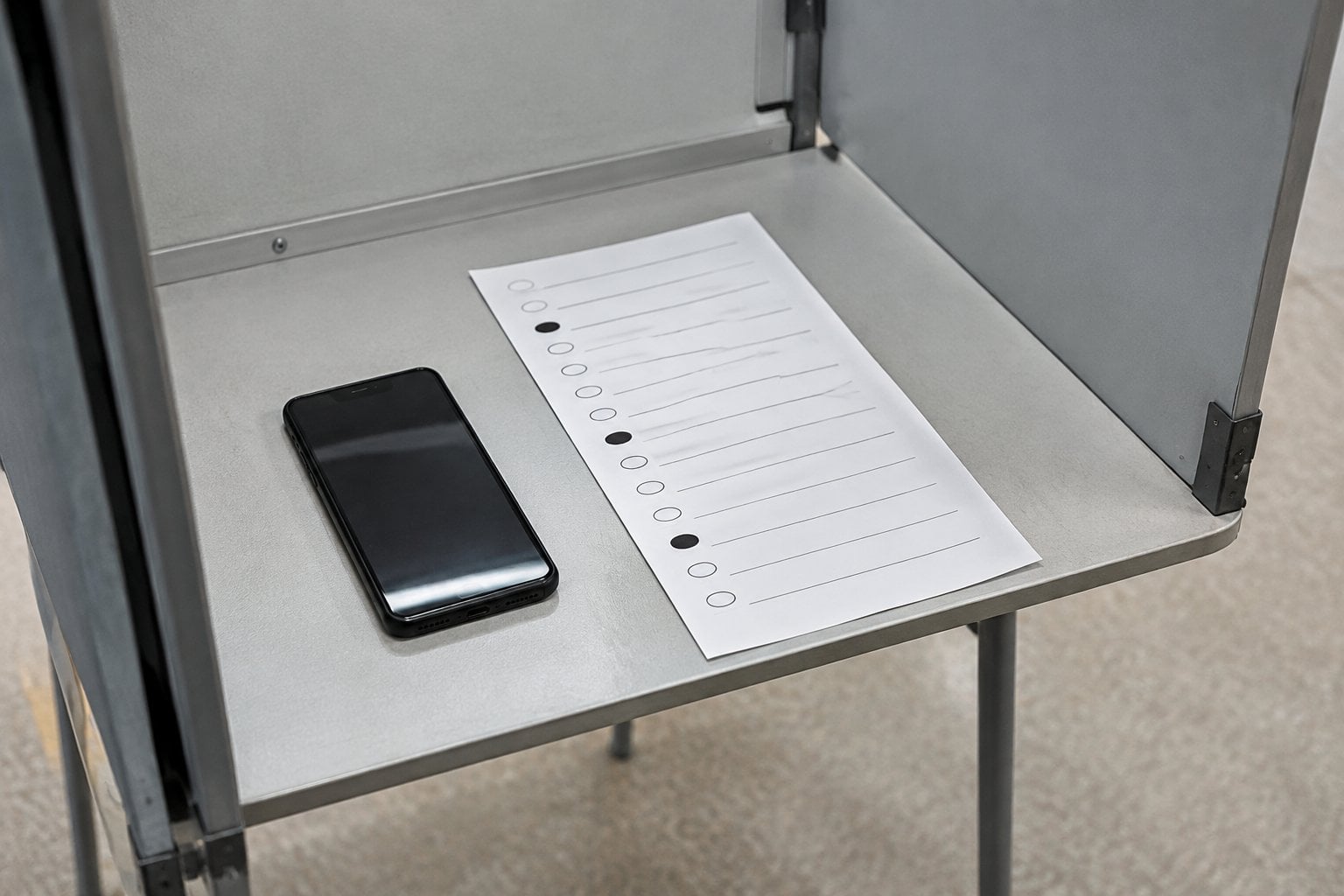
Under Florida law, you can’t take photographs inside a polling room or early voting area, with one exception: you’re allowed to photograph your own ballot.
That exception was added in 2017, as smartphone “ballot selfies” became popular. Before then, the statute simply said no photography was permitted in the polling room. The same section also bars most people from entering a polling room during voting hours, with exceptions such as poll watchers, inspectors, election clerks, the supervisor of elections, and voters and the people caring for them, and it bans soliciting voters within 150 feet of a polling place entrance.
The restriction protects other voters. Unrestricted photography could capture other people’s ballots or voter information. Limiting the exception to your own ballot keeps the choice to share your vote yours alone.
It’s an unusual rule because it singles out one narrow activity as the only photography allowed in an otherwise camera-free zone, a sign of how election law has had to adapt to phones.
18. Big Lottery Winners’ Names Become Public After 90 Days (§ 24.1051)
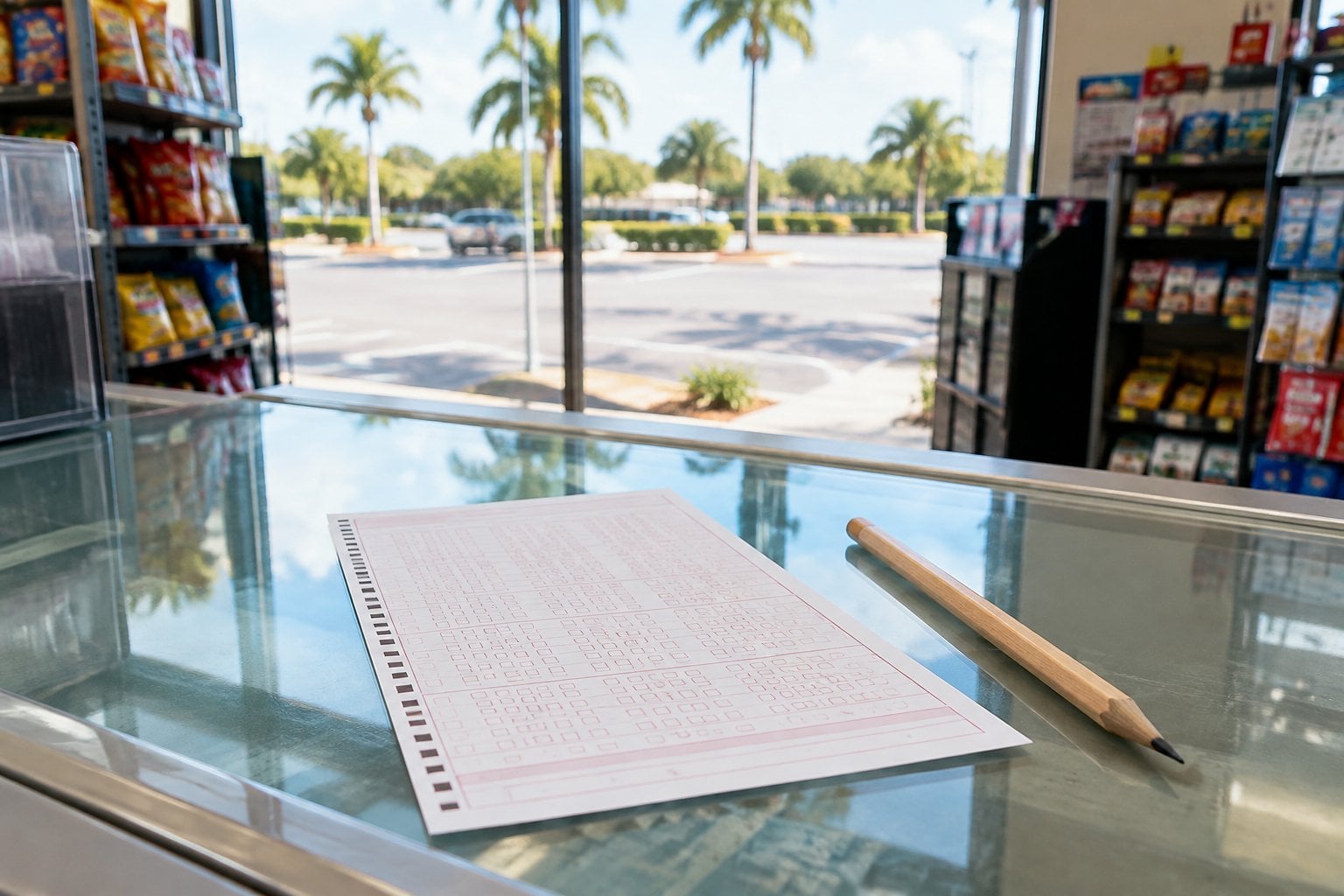
If you win $250,000 or more in the Florida Lottery, your name stays confidential for 90 days from the date you claim your prize.
You can end that window yourself. If you agree to have your name released, the confidentiality ends, since the protection exists for the winner’s benefit.
Once the 90 days pass, your name becomes a public record like any other. Your street address and telephone number get separate treatment: the statute makes them confidential unless you consent to their release. The name exemption is also temporary by design. It is scheduled to be repealed on October 2, 2027, unless the Legislature reviews it and saves it through reenactment.
The law feels strange because it treats privacy as a temporary courtesy rather than a lasting right. Winners get a short buffer to make security, legal, or financial arrangements before the news can spread.
The 90-day exemption was added in 2022. Under the current statute, it is set to expire on October 2, 2027, unless the Legislature votes to keep it.
19. Sunday Is Still a Legal Holiday in Florida (§ 683.01)
Under Florida’s list of legal holidays, Sunday comes first, described as “the first day of each week,” before New Year’s Day and Christmas.
That doesn’t mean much in daily life. Businesses open on Sundays across the state, and being on the list doesn’t mean offices or stores have to close.
The rest of the list has surprises too. It includes Pascua Florida Day on April 2, Susan B. Anthony’s Birthday, Lincoln’s Birthday, Flag Day, Farmers’ Day (shared with Columbus Day), General Election Day, and several Confederate commemorations. Mardi Gras is a legal holiday too, but only in counties where carnival associations are organized to celebrate it.
Counting every Sunday, that’s roughly 70 legal holidays a year on paper, most of which pass without anyone noticing.
20. Common-Law Marriage Has Been Void Since 1968 (§ 741.211)
Many people assume that living together for years creates a common-law marriage in Florida. It doesn’t. Under § 741.211, no common-law marriage entered into after January 1, 1968, is valid in the state.
There’s a narrow exception for marriages entered into in good faith that substantially followed the state’s marriage requirements, even if something about them was technically defective.
The cutoff date also matters for older couples. The law applies only to marriages entered into after January 1, 1968, so a common-law marriage formed in Florida before that date wasn’t wiped out. The section is short, a single sentence long, and its history note traces it to a 1967 law, chapter 67-571, and the cutoff it sets is January 1, 1968.
The common-law marriage myth is persistent, and many people still believe that years together or shared finances create marital rights. In Florida, they don’t.
21. There’s a 3-Day Wait for a Marriage License, Unless You Take a Class (§ 741.04)
Florida puts a 3-day delay on a marriage license before it takes effect, but couples can skip the wait by completing a premarital preparation course first. If they don’t bring proof of the course to the clerk, the delay kicks in automatically.
The rule doesn’t apply to everyone. Couples who aren’t Florida residents are exempt from the wait, couples who show hardship can get an exception, and a judge can waive the delay for good cause.
The same statute sets age limits. No one under 17 can get a license, and a 17-year-old needs written parental consent, and the other person can’t be more than two years older.
What makes this unusual is that the state links a waiting period to whether a couple has taken a relationship class, which in effect lets an approved course buy a faster wedding date.
22. HOAs Can’t Ban Clotheslines (§ 163.04)
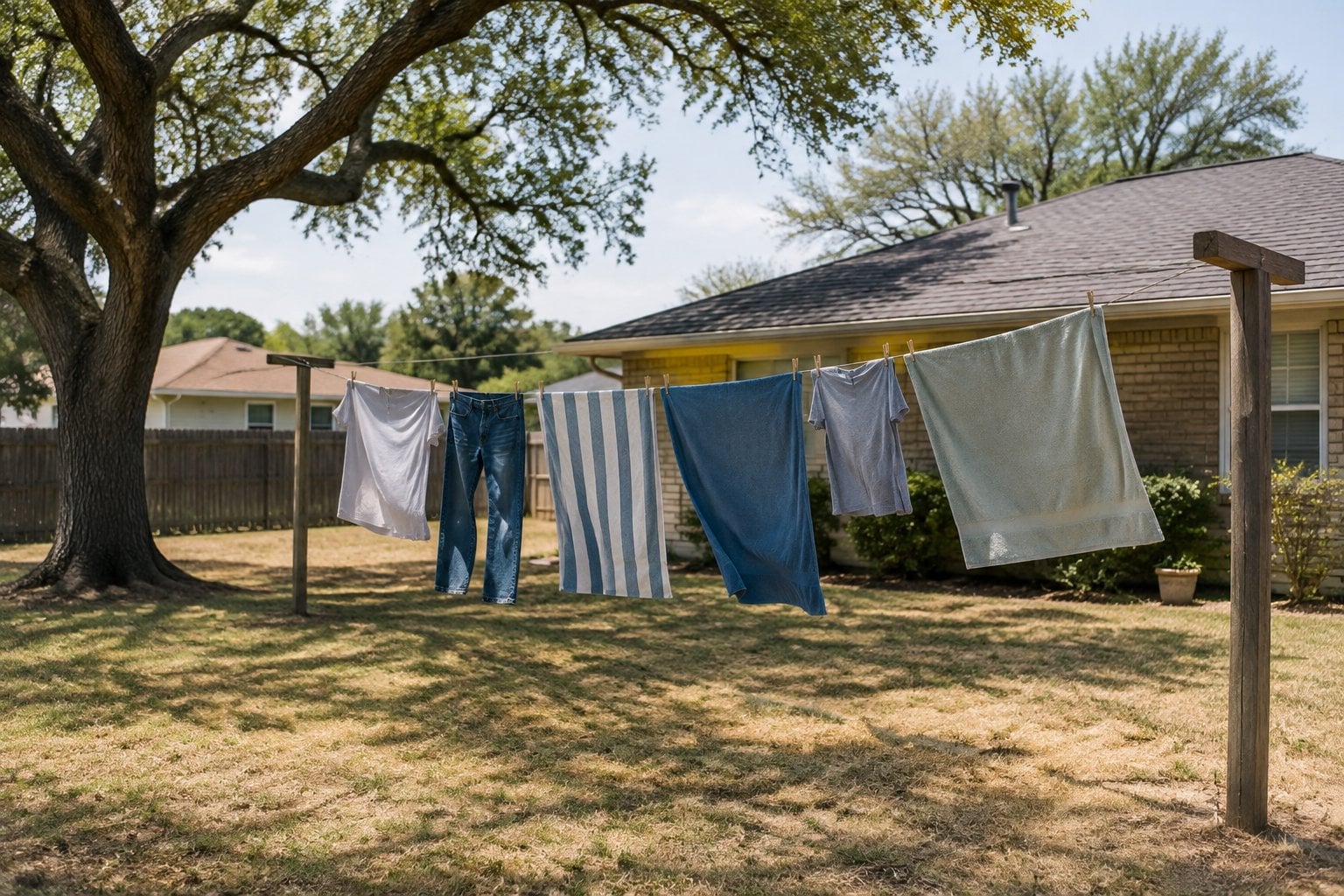
You might expect your homeowners’ association to have the final say on what goes in your backyard. When it comes to clotheslines, Florida law says otherwise.
Since 1980, state law has barred deed restrictions, covenants, and local ordinances from prohibiting clotheslines, solar collectors, or other renewable energy devices. The law was updated in 2008.
HOAs aren’t completely powerless. An association can decide where solar panels go on the roof, as long as they face south or within 45 degrees east or west of south and still work properly.
If a dispute under this law goes to court, the winning side gets its attorney’s fees paid, which gives homeowners real leverage if an association tries to enforce a ban.
A clothesline seems like a minor, old-fashioned issue, but Florida decided it was worth protecting by state law.
23. Cities Can’t Regulate Your Vegetable Garden (§ 604.71)

You might assume your city can tell you what to plant in your front yard. Under Florida law, it can’t, at least when it comes to vegetable gardens at homes.
Section 604.71 bars counties, cities, and other local governments from regulating vegetable gardens on residential property. Any local rule that tries is void and unenforceable. The law defines a vegetable garden broadly, covering herbs, fruits, flowers, and vegetables grown to eat.
The statute grew out of a real dispute. A Miami Shores couple had grown vegetables in their front yard for 17 years before a village ordinance forced them to remove the garden. The Legislature responded in 2019 by taking that power away from local governments.
The law has limits. General rules on watering during droughts, fertilizer use, and invasive species still apply. What’s off-limits is a city or county singling out vegetable gardens to ban or restrict them.
24. Driving With Headphones On Is Illegal (§ 316.304)
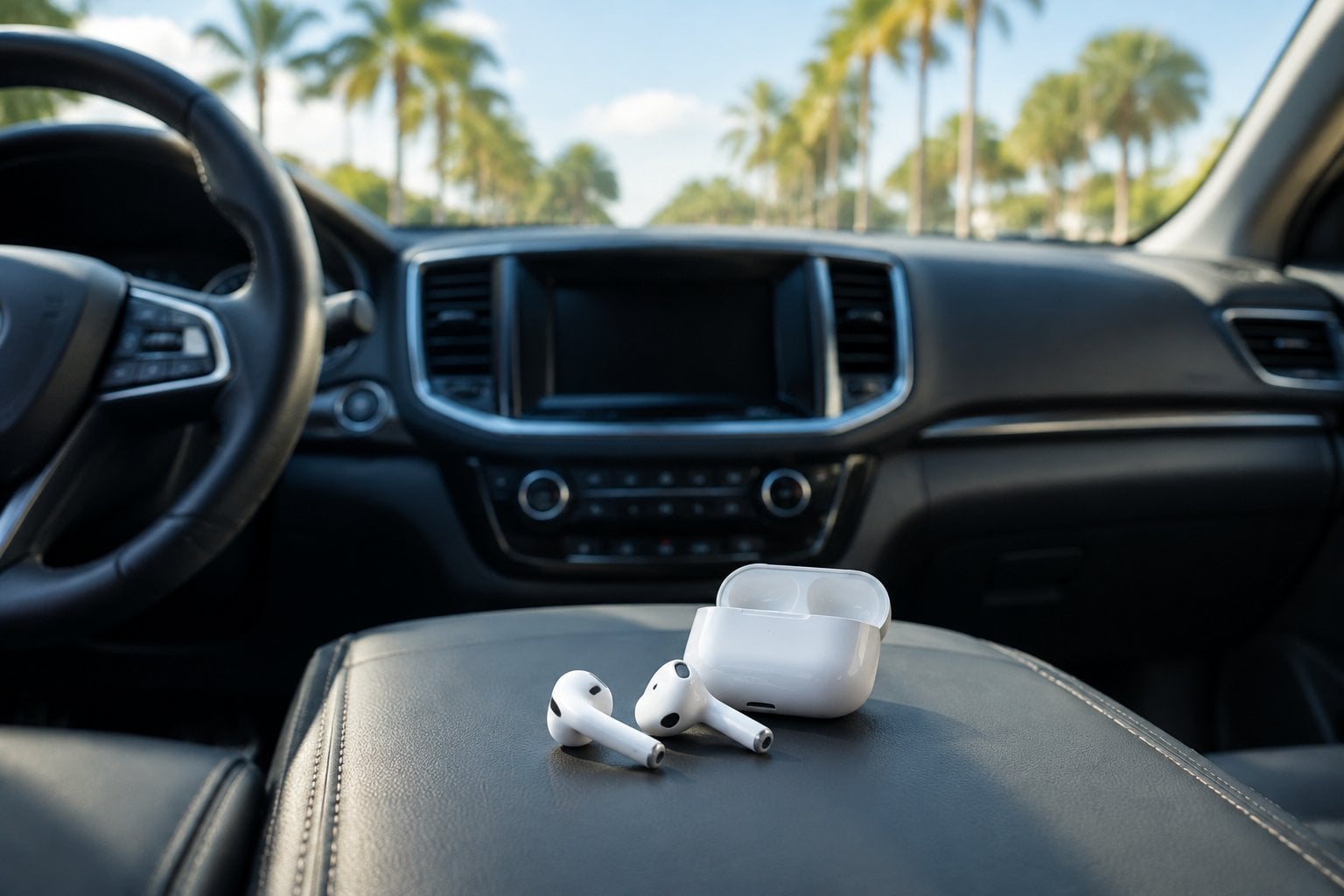
Under § 316.304, you can’t drive a vehicle while wearing a headset, headphones, or another listening device. Hearing aids are exempt.
You can use a cell phone headset that plays sound in only one ear, as long as your other ear can hear what’s around you. Motorcycle riders may use speakers built into a helmet, as long as they don’t touch the ears and the rider can still hear surrounding sounds. Police officers and emergency vehicle drivers are also exempt.
A violation is a noncriminal, nonmoving traffic infraction.
The law surprises many drivers because wireless earbuds are so common for calls, directions, and music. Many people assume anything hands-free is legal, but Florida’s rule is about your ears, not your hands: earbuds in both ears while driving break the law.
25. Leaving Your Car Running While You Step Away Is a Ticket (§ 316.1975)

If you step out of your car and leave it running, you could be breaking Florida law. Under this statute, a driver must stop the engine, lock the ignition, and remove the key before leaving a vehicle unattended. On a hill, the driver must also set the brake and turn the front wheels to the curb.
There are exceptions. A car started by remote control can keep running as long as the ignition, transmission, and doors are locked. Delivery trucks making deliveries, garbage trucks, and emergency vehicles with antitheft devices are also exempt.
Plenty of drivers leave a car running to warm it up or cool it down without a second thought, especially in the Florida heat. It’s a nonmoving violation, so it carries less weight than speeding, but it can still lead to a ticket.
26. Parking a Car on the Street to Sell It Is Banned (§ 316.1951)
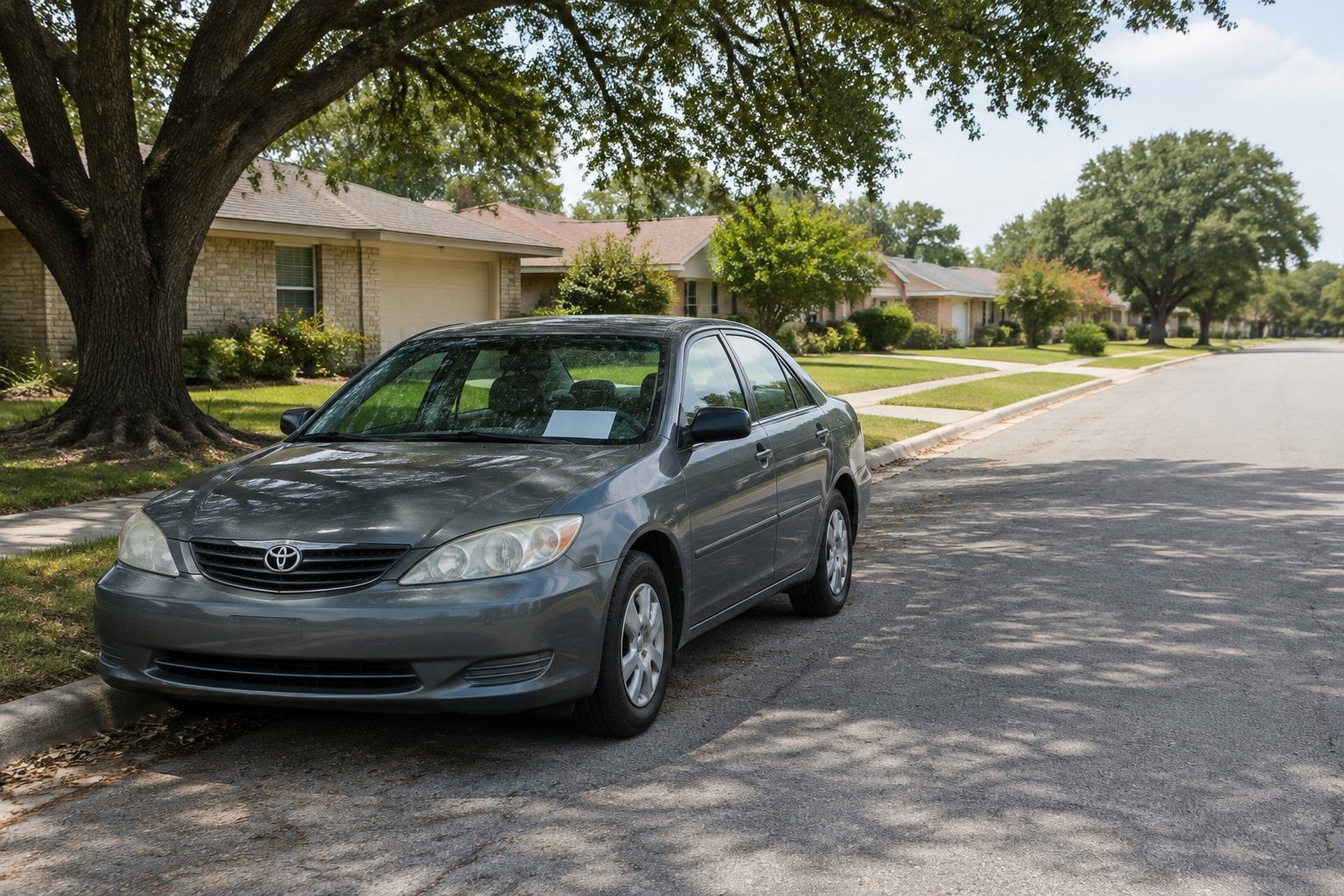
If you’ve ever thought about parking your car on a public street with a “For Sale” sign in the window, Florida law says no. Under § 316.1951, you can’t park a vehicle on a public street, highway, or other public property mainly to display it for sale, hire, or rental, unless local rules specifically allow it.
The same restriction covers private property where the public drives, such as a shopping center lot. The law targets the reason for parking there, not parking itself.
You do have options. You can park your own car for sale on private property you own or lease, such as your driveway, or on someone else’s private property with their permission.
The law helps keep informal used-car lots from popping up on public streets and shared lots, and local governments can allow cars parked in violation to be towed.
27. Camping in the Left Lane Can Get You Ticketed (§ 316.081(3))
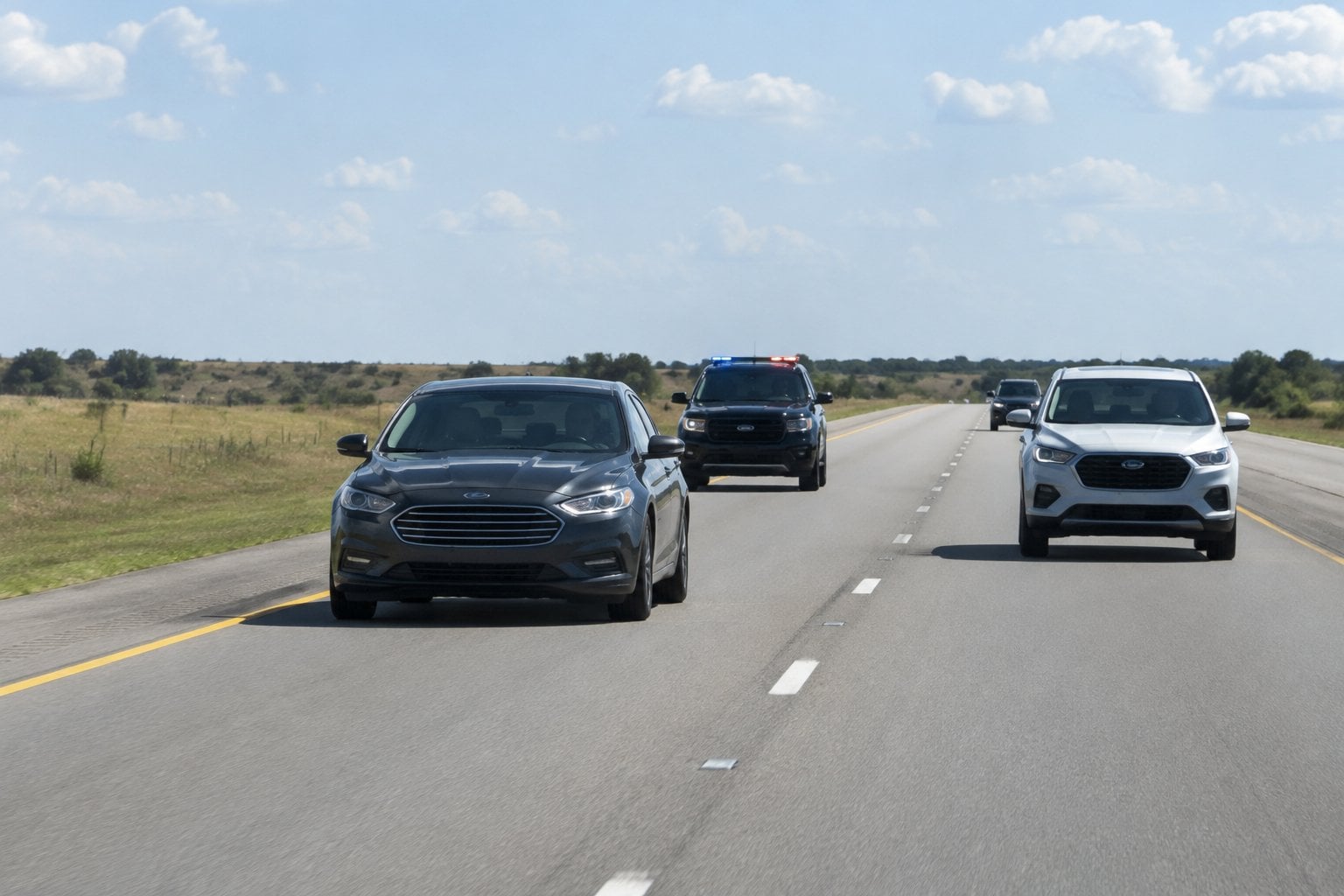
You might think the left lane is yours to cruise in, but Florida law says otherwise. Under § 316.081(3), on a road with two or more lanes in the same direction, a driver may not keep driving in the far-left lane when they know, or should know, that a faster vehicle is coming up behind them.
It doesn’t ban left-lane driving outright. You can use that lane to pass another vehicle or to get ready for a left turn.
The rule builds on § 316.081(2), which says slower traffic belongs in the right-hand lane. The left-lane provision was added in 2014 to deal with drivers lingering in the passing lane.
It feels unusual because many drivers think lane choice is a matter of preference. In Florida, holding up faster traffic in the left lane can be a violation even if you’re driving at the speed limit.
28. Hazard Lights While Driving Are Allowed Only in Rare Cases (§ 316.2397(7))
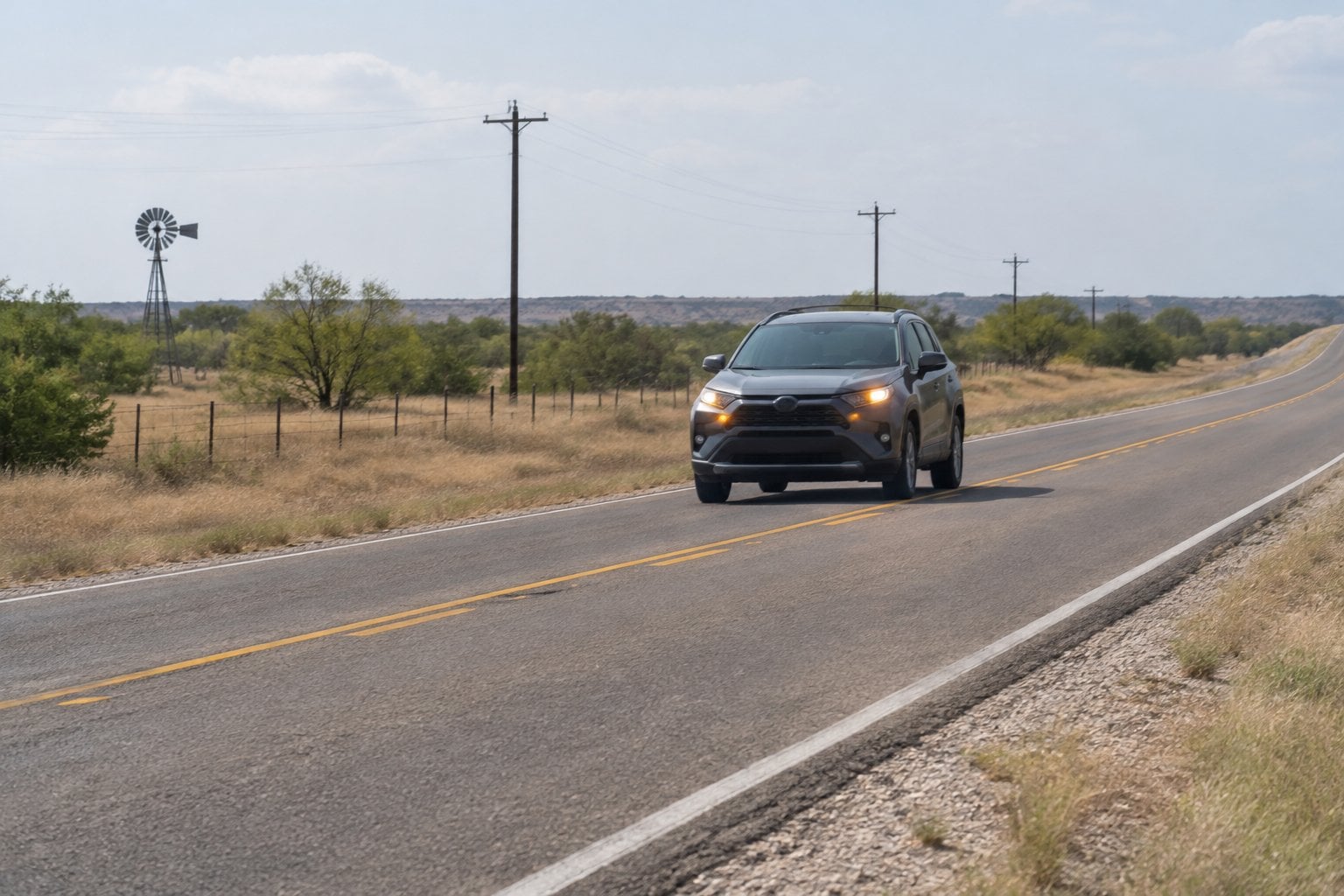
Many drivers flip on their hazard lights in any tricky situation. Florida law generally doesn’t allow flashing lights on a vehicle, with a short list of exceptions.
Turn signals are allowed, of course, and so is flashing your headlights at an oncoming car. Flashing lights are also fine when a vehicle is lawfully stopped or disabled on the highway.
A newer exception, added in 2024, allows flashing lights while driving during periods of extremely low visibility, but only on roads with a posted speed limit of 55 mph or higher. On a slower street in heavy fog or rain, that exception doesn’t apply.
The rule surprises people because using hazards in bad weather is so common that many drivers don’t realize the law limits it.
29. Funeral Processions Can Go Through Red Lights (§ 316.1974)
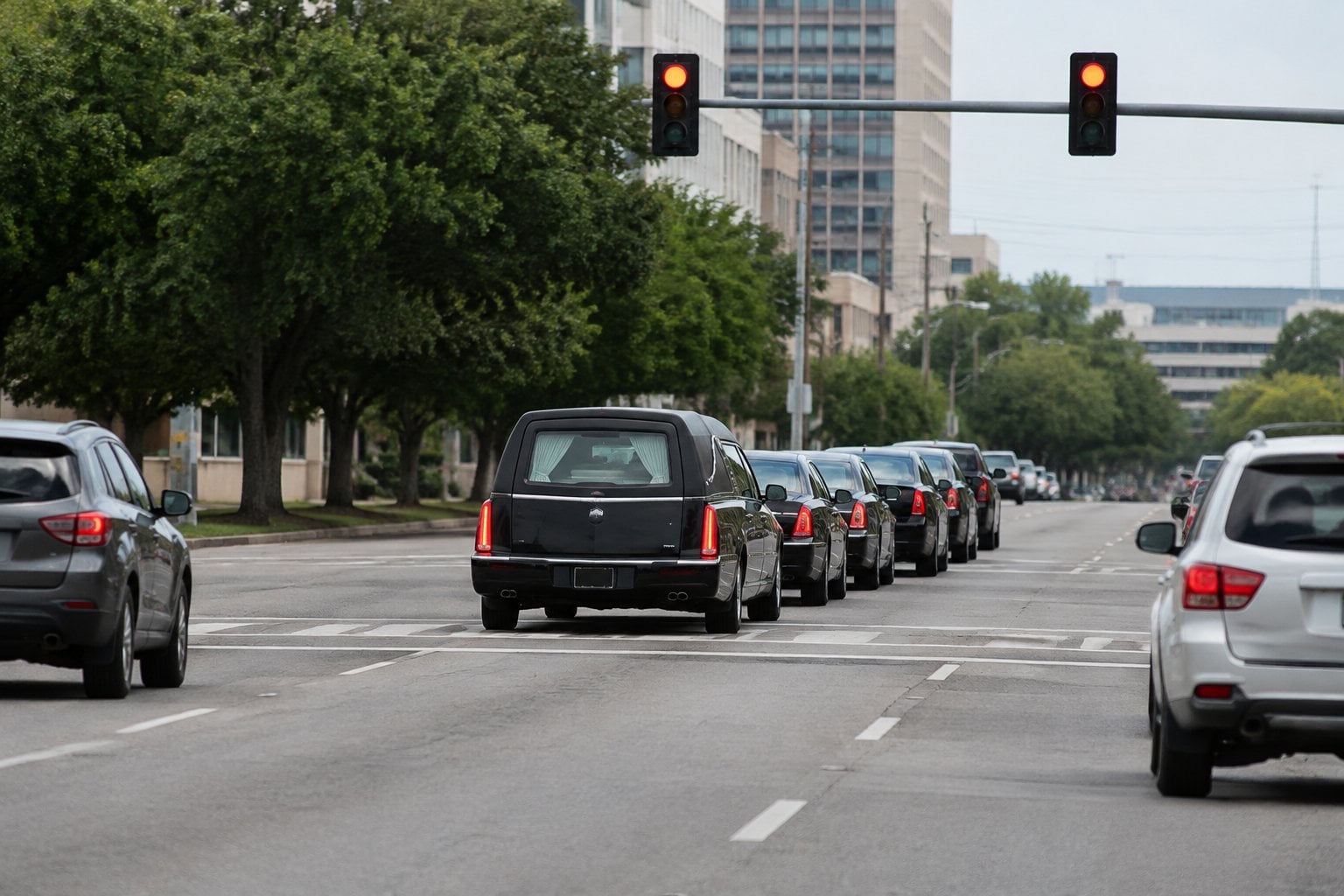
Under Florida law, drivers and pedestrians must yield to a funeral procession led by a funeral escort or lead vehicle, no matter what the traffic signal shows.
The law treats the group as a single unit. Once the lead vehicle lawfully enters an intersection, the rest of the procession can follow it through, even if the light turns red before they clear it.
A procession means two or more vehicles accompanying the body of the deceased or traveling to the funeral service, during daylight hours, including a lead or escort vehicle. Processions still must yield to emergency vehicles using their lights or sirens.
The rule surprises people used to the idea that red lights apply to everyone equally. The reason is practical: it keeps a procession together instead of letting signal timing split mourners apart.
30. The Pickup-Bed Ban for Kids Only Names Interstates, and Counties Can Opt Out (§ 316.2015)
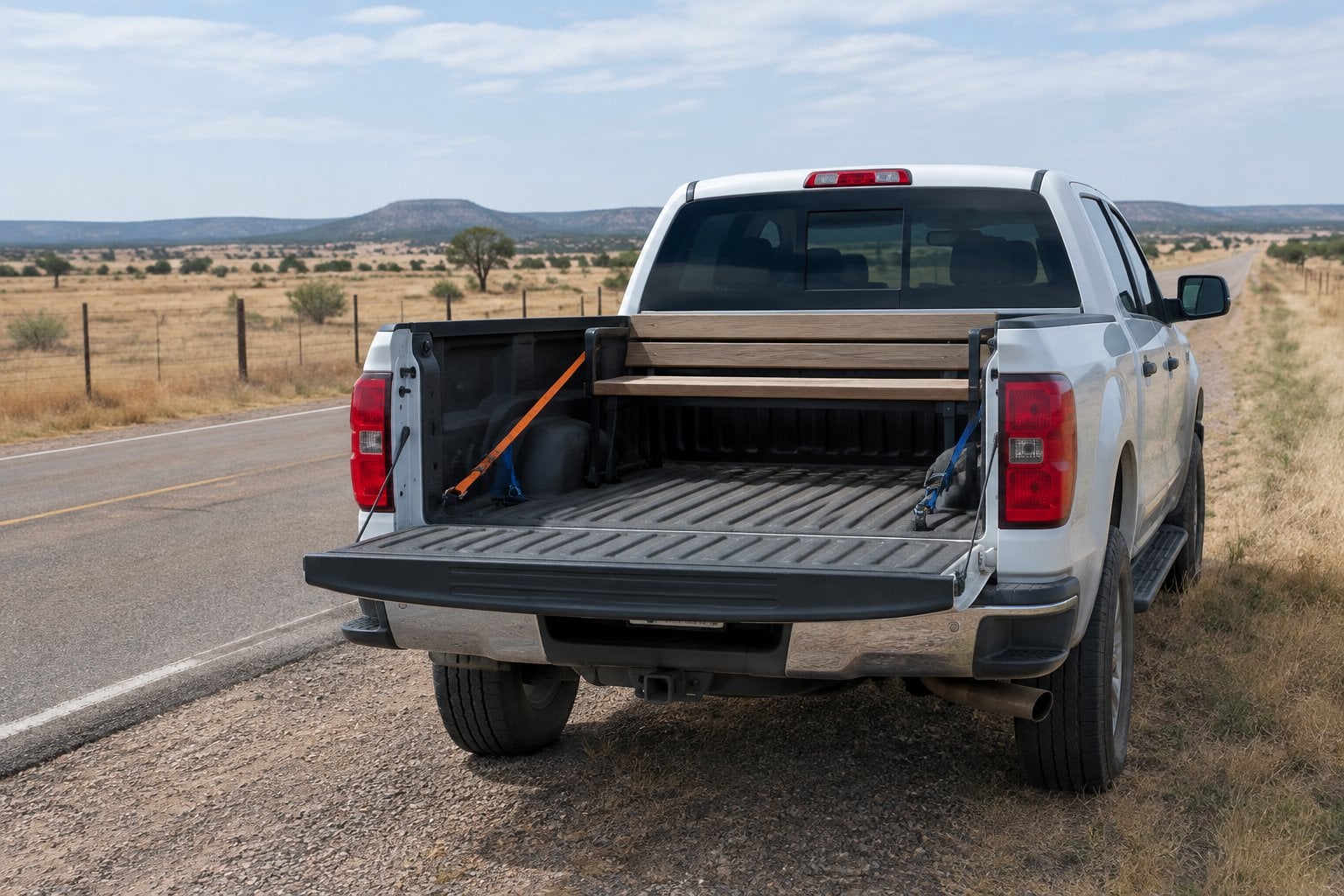
Florida has a specific law about children riding in the open bed of a pickup truck, and it’s narrower than many people expect. It makes it illegal for the driver of a pickup or flatbed to let anyone under 18 ride in the open bed on limited-access highways, such as interstates and expressways.
The only ways around it are a truck bed fitted with secure seating and safety restraints, or a medical emergency with an adult riding along.
Counties also get a say. Any county can vote, after a public hearing, to exempt itself from this rule, so it doesn’t apply the same way everywhere in the state.
The statute itself doesn’t mention other roads, but that doesn’t make the open bed a safe or clearly legal place for kids elsewhere: Florida’s separate seat belt law (§ 316.614) requires passengers under 18 to be buckled in. What makes this law odd is how it singles out interstates and then lets each county decide whether to follow it. A violation is a nonmoving traffic infraction.
Some of these laws protect beaches, wildlife, and homeowners in ways that make sense once you know the story behind them, while others are relics that nobody has gotten around to changing. If you’re interested in where Florida’s future lawyers learn the law, see our ranking of the best law schools in Florida.
This article is for general information only and is not legal advice. Laws change, so check the current statute or talk with a licensed Florida attorney about your own situation.


