
The 30 Most Spectacular Jewel Heists of All Time
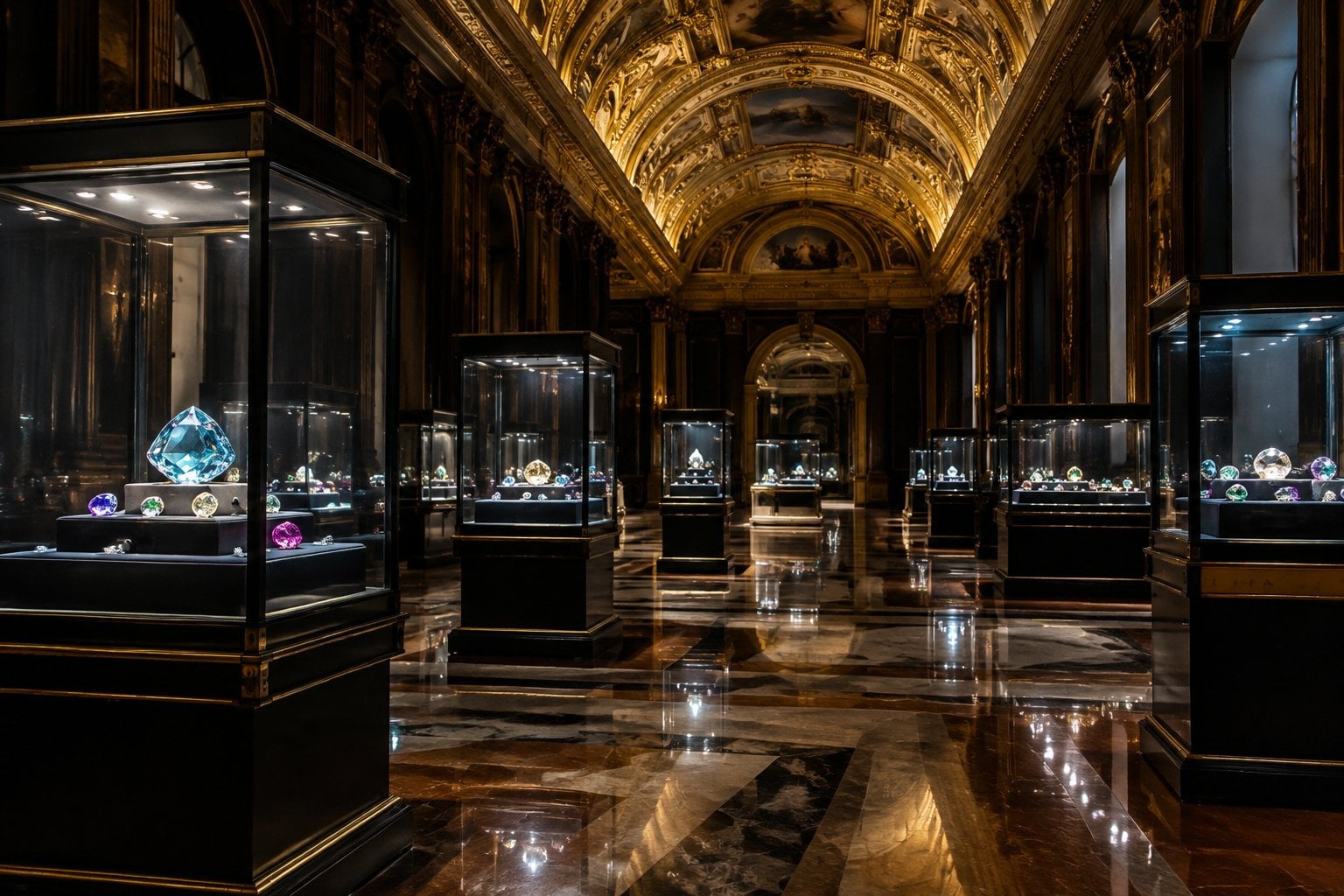
Some thefts are quick and forgotten. Others are planned for months, take a few minutes, and end up in courtrooms, documentaries and history books. This list covers 30 of the most spectacular jewel heists on record, from a 17th-century attempt on England’s crown jewels to the 2025 theft of French crown jewels from the Louvre.
The heists are listed from newest to oldest. Each entry says when and where it happened, what was taken, what it was reported to be worth, and what happened afterward in the courts. Values are as reported at the time by police, prosecutors, museums or the owners, in the original currency with a rough U.S. dollar figure, and they are not adjusted for inflation. Many of these figures were disputed, and where sources disagree, the entry says so.
Only cases that could be checked against court records, official statements or major news reports made the list. People who were convicted are described by their role rather than by name.
1. The Louvre Crown Jewels (Paris, 2025)

On the morning of Sunday, October 19, 2025, four thieves reached the Apollo Gallery of the Louvre, the room that holds what remains of the French crown jewels. Using a truck-mounted lift parked outside, they got in, took nine pieces and were gone in about seven minutes, shortly after the museum had opened for the day.
One piece, a crown that belonged to Empress Eugénie, was dropped during the escape and recovered. The other eight are still missing, including an emerald-and-diamond necklace that Napoleon I gave to Empress Marie-Louise. The Paris prosecutor put their value at 88 million euros, about $102 million, based on a Louvre curator’s estimate. She also warned that the thieves would get nowhere near that amount if they broke the pieces up.
Police arrested the first suspects within a week, using DNA and fingerprints, and more people were charged in the following weeks. A year after the theft, four main suspects were in jail awaiting trial, and the jewels had still not been found.
2. The Golden Helmet of Coțofenești (Assen, Netherlands, 2025)
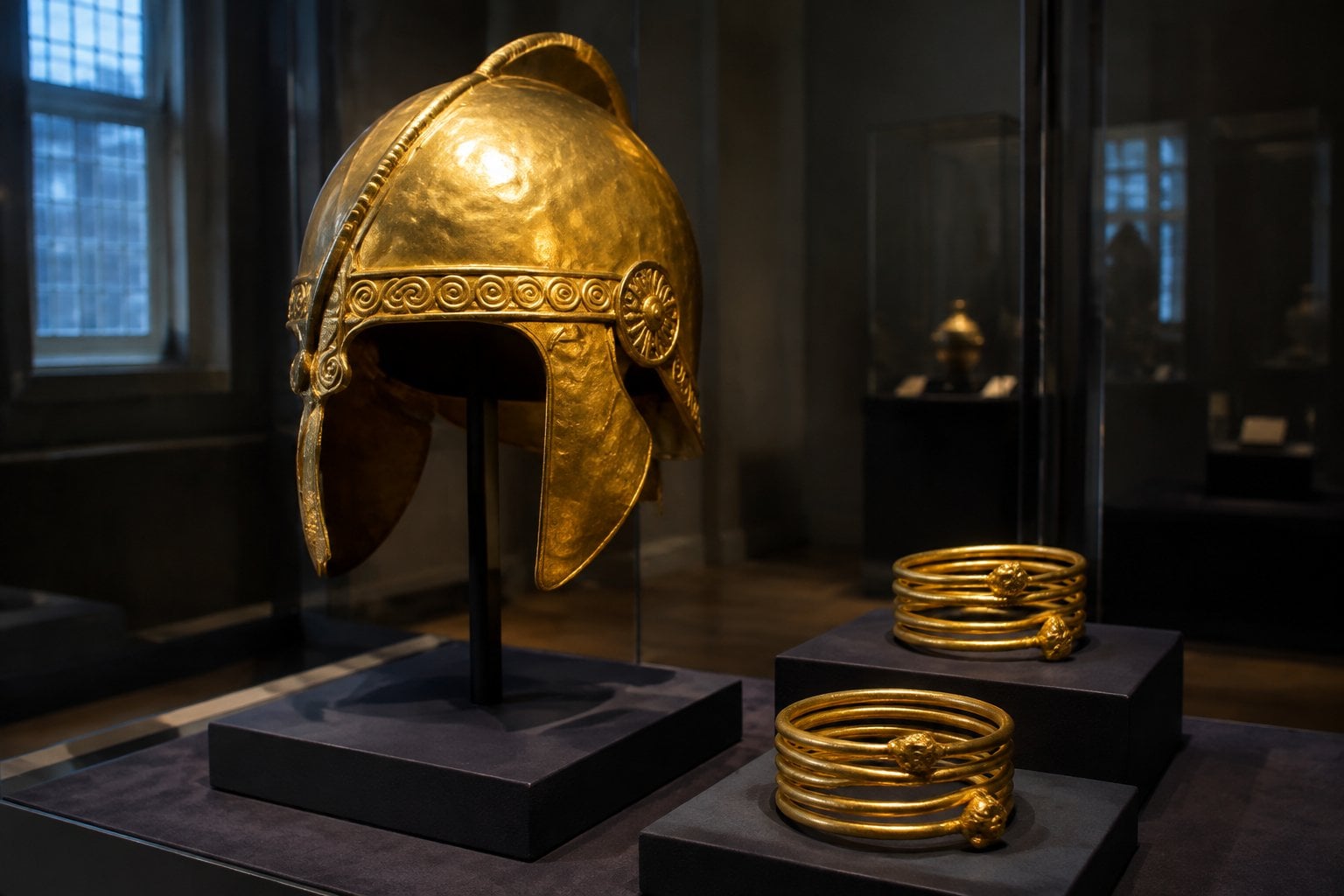
During the night of January 24 to 25, 2025, thieves forced their way into the Drents Museum in Assen, a small city in the northern Netherlands. They took four of the most important objects in an exhibition on loan from Romania’s National History Museum: the golden helmet of Coțofenești, made around 450 B.C., and three gold Dacian bracelets.
The objects were insured for about $6.6 million, but the court later called them priceless. The helmet, more than 2,400 years old, was the star of the exhibition and is one of the treasures of Romania’s national collection.
Three men were charged over the theft. In April 2026, the helmet and two of the bracelets were recovered after prosecutors reached a deal with two of the suspects. On June 5, 2026, the court in the northern Netherlands sentenced all three men to 47 months in prison each. The court said it reduced the sentences because most of the objects had been returned. The third bracelet is still missing.
3. The Piaget Boutique (Paris, 2023)
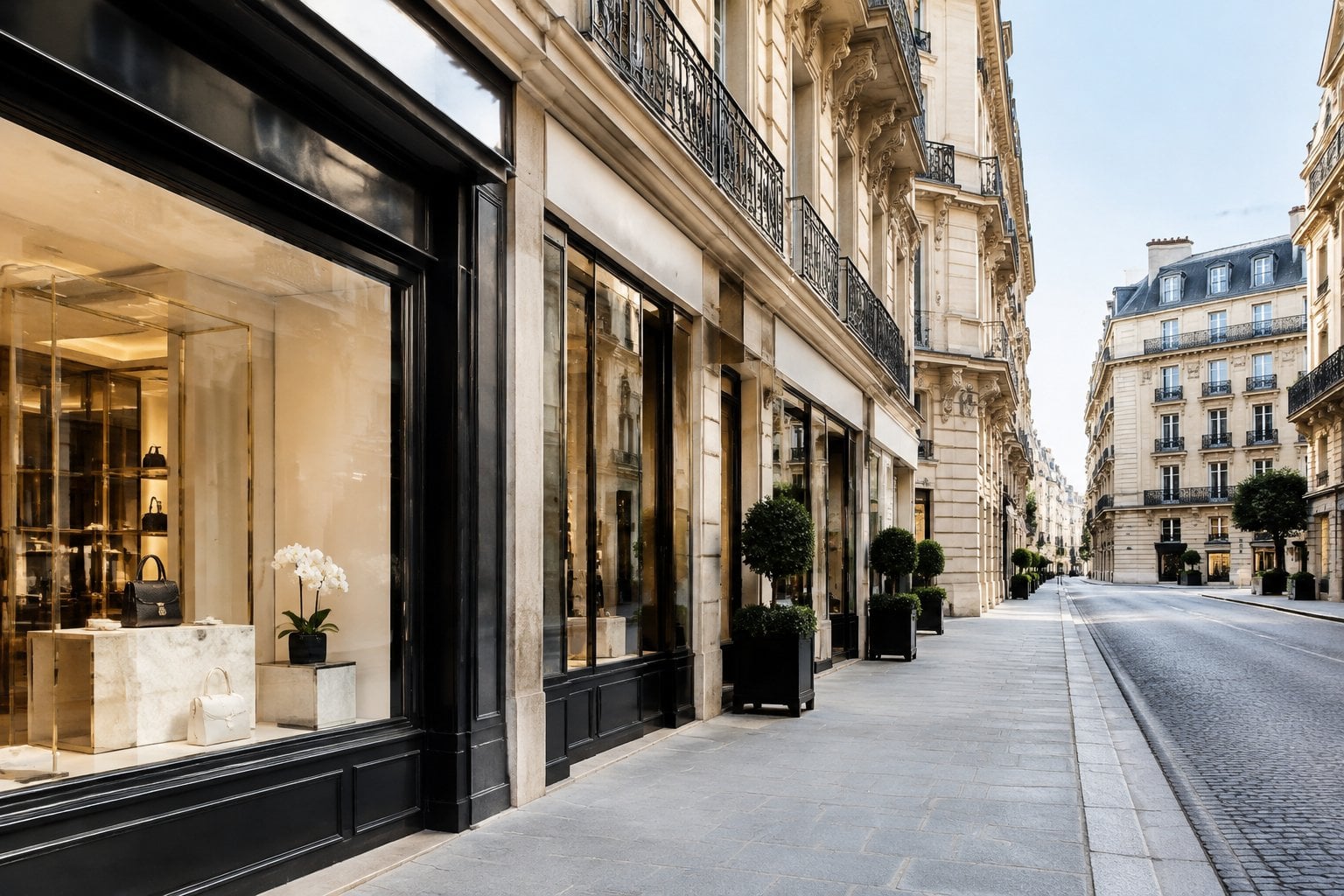
Around lunchtime on Tuesday, August 1, 2023, three people, one of them a woman, walked into the Piaget boutique on the rue de la Paix, steps from the Place Vendôme in Paris. They forced an employee to open the display cases and the safe, then left with jewelry and watches. Nobody was hurt.
The Paris prosecutor’s office estimated the haul at between 10 million and 15 million euros, roughly $11 million to $16.5 million. The Place Vendôme area, home to many of the world’s best-known jewelers, has been the scene of several robberies, including the 2021 Bulgari raid that is also on this list.
French media reported in late September 2023 that police had arrested suspects in the case, and one of them was reported to have a past conviction over a 2016 robbery of a Chopard store. As of the last reports found, no trial outcome had been published.
4. The Brink’s Truck Heist (Lebec, California, 2022)

In the early hours of July 11, 2022, a Brink’s truck carrying jewelry from the International Gem & Jewelry Show in San Mateo, California, stopped at a Flying J truck stop in Lebec, about 80 miles north of Los Angeles. Prosecutors say a crew had followed the truck for about 300 miles. During a stop of roughly 27 minutes, the thieves took 24 of the 73 bags in the trailer.
The jewelers who owned the goods valued them at about $100 million. Brink’s disputed that figure, saying the value the jewelers had declared for shipping was about $8.7 million, and the two sides went to court over it.
In June 2025, federal prosecutors in Los Angeles indicted seven men and called it the largest jewelry heist in U.S. history. Searches recovered part of the jewelry. In November 2026, one defendant agreed to plead guilty to a federal robbery charge that carries up to 20 years. Three others were set for trial, two had not been arrested, and one had been deported.
5. The Bulgari Boutique (Paris, 2021)
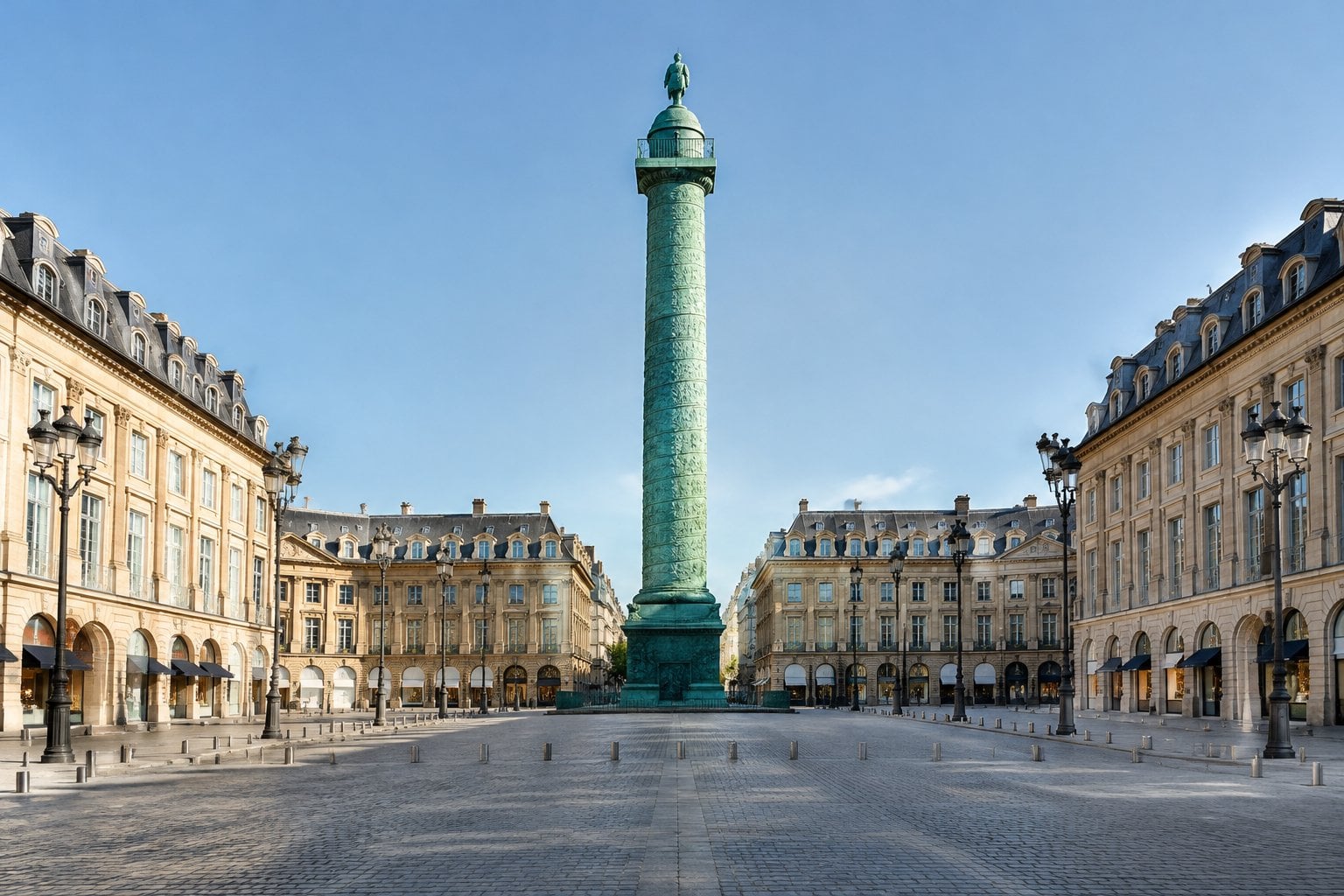
At about noon on Tuesday, September 7, 2021, three armed men in suits robbed the Bulgari boutique on the Place Vendôme in Paris. They fled in a car and on two scooters, and police gave chase through the streets nearby.
During the chase, an officer shot one of the suspects in the leg. The getaway car was abandoned, and some of the stolen jewelry was dropped along the way. A source close to the investigation put the haul at about 10 million euros, around $11.8 million, and Reuters reported a figure of up to $12 million, though neither the police nor Bulgari confirmed it.
Police detained suspects the same day, and two more people were jailed in July 2022 as the investigation continued. When those arrests were reported, most of the stolen jewelry had not been recovered. The case is one of several armed robberies of jewelers on and around the Place Vendôme in recent years, including the Piaget robbery two years later.
6. The Green Vault (Dresden, Germany, 2019)
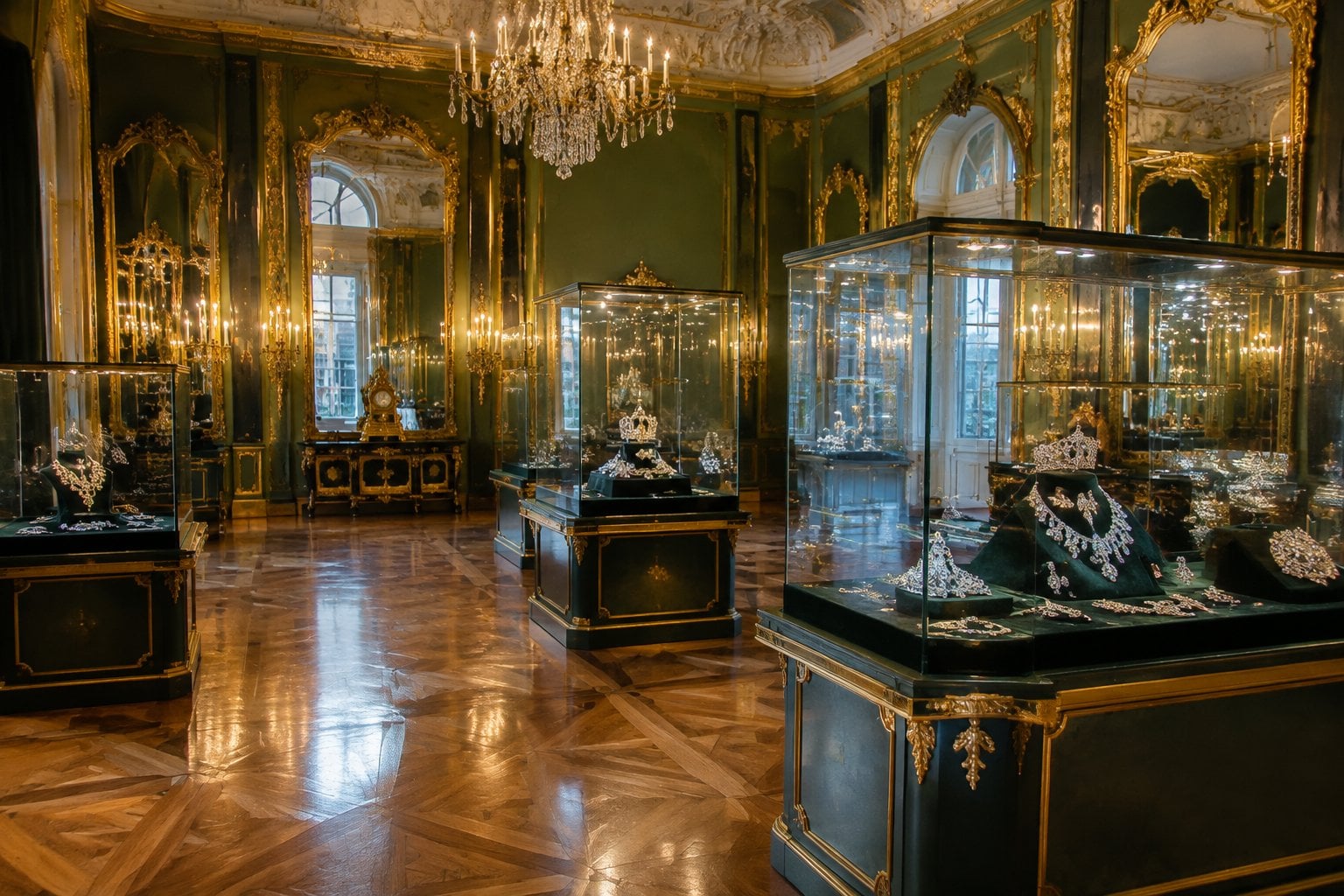
Before dawn on November 25, 2019, thieves broke into the Green Vault, a treasure museum inside the Royal Palace in Dresden that holds the collection of Augustus the Strong, an 18th-century ruler of Saxony. In a few minutes, they smashed a display case and took 21 pieces from three sets of 18th-century court jewelry, set with thousands of diamonds.
The pieces were valued at at least 113.8 million euros, about $126 million. In 2019, the state of Saxony’s finance ministry said the collection was not insured. German media called it the biggest art theft in Germany since the Second World War.
In 2022, most of the jewelry was returned as part of a deal with the defendants. On May 16, 2023, a court in Dresden sentenced five men aged 24 to 29, members of a Berlin family crime network, to between four years and four months and six years and three months in prison. A sixth man was acquitted. Several pieces were never found, including a shoulder ornament set with a large diamond known as the Dresden White.
7. The Swedish Funeral Crowns (Strängnäs, Sweden, 2018)

Around midday on Tuesday, July 31, 2018, two thieves walked into Strängnäs Cathedral, about an hour west of Stockholm, smashed a glass case and took two crowns and an orb. The 17th-century pieces, made of gold and set with gems and pearls, were the funeral regalia of King Karl IX and Queen Kristina. They had been buried with the royal couple and later taken out to be put on display.
About 20 people were in the cathedral at the time. The thieves escaped on a speedboat across Lake Mälaren, which made the theft headline news around the world. The regalia were widely described as priceless.
A suspect was arrested in September 2018. In February 2019, the crowns and orb were found in a trash bin in a Stockholm suburb. The same month, a district court sentenced the main thief, then 22, to four and a half years. In June 2019, a second man got three years, reduced because he had helped with the recovery. The regalia went back to the cathedral.
8. Treasure Jewellery (Hong Kong, 2018)
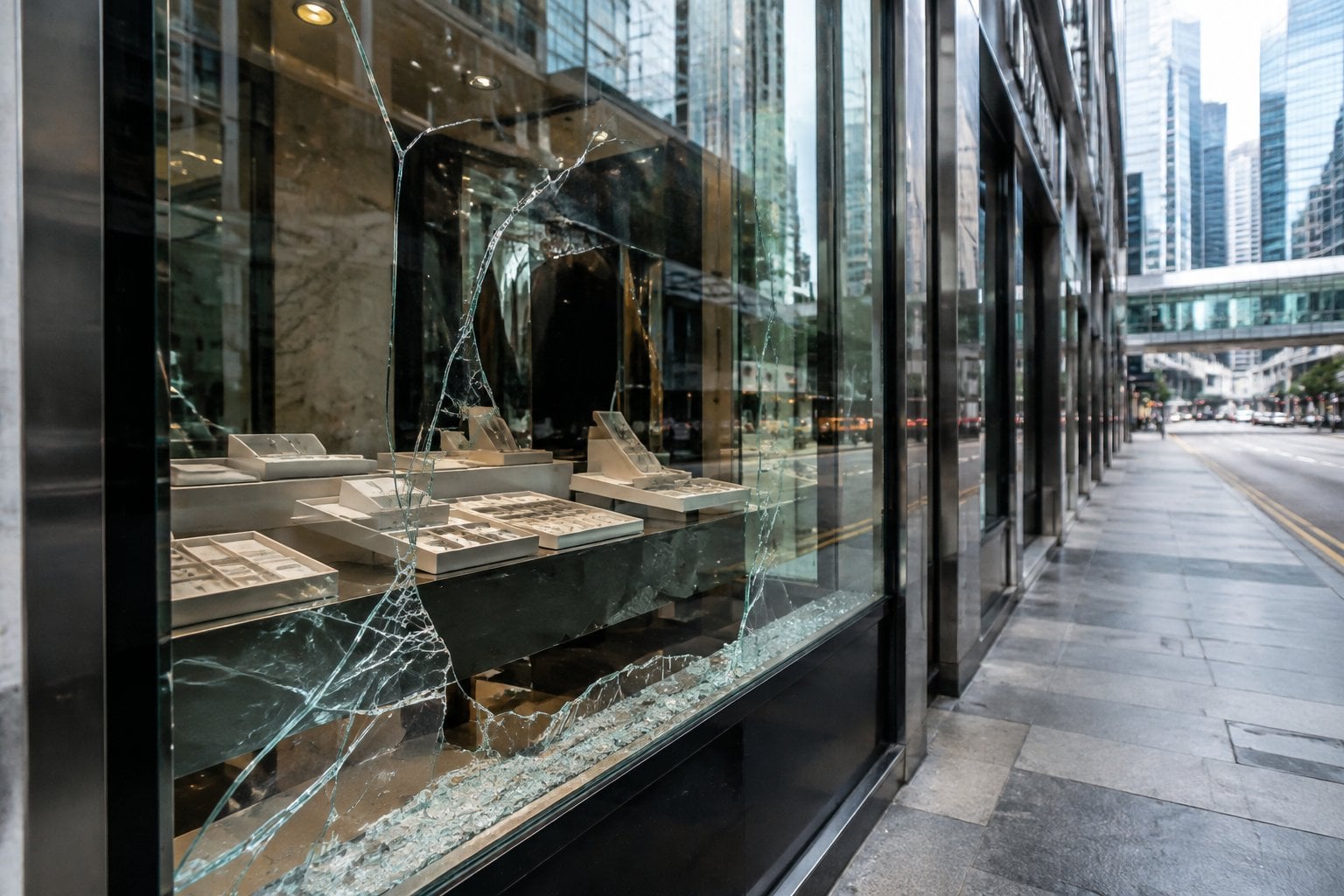
At about 11 a.m. on Monday, March 26, 2018, thieves shattered the front glass of the Treasure Jewellery shop in Duke Wellington House, in Hong Kong’s Central business district. They grabbed jewelry from the window displays and were gone in under a minute.
The loss was put at more than 40 million Hong Kong dollars, about $5.1 million, according to China Daily. It was the seventh smash-and-grab robbery of a Hong Kong jeweler since January 2017. In an earlier case that September, thieves had taken about HK$24 million from a shop in Tsim Sha Tsui.
This case ended much faster than most on this list. Three suspects, all visitors to Hong Kong, were arrested the same day, two of them at the Shenzhen Bay border crossing to mainland China. Most of the stolen goods were recovered. It shows how a raid that takes less than a minute can be undone within hours when police can close the exits quickly.
9. The Cartier Boutique (Monaco, 2017)

On Saturday, March 25, 2017, three armed men entered the Cartier boutique on the Place du Casino in Monte Carlo, Monaco, while a driver and another accomplice waited outside. They left with jewelry, and no one was hurt.
Early reports said the jewelry was worth several million euros. A later AFP report put the haul at 17.5 million euros, about $18.9 million, while a Monaco outlet cited 15 million euros. Monaco, a small principality with heavy police coverage, went into lockdown as officers searched for the robbers.
One suspect was caught at the scene and four more within seven hours, with help from French police. All the jewelry was recovered, the last bag just across the French border. In December 2019, two of the robbers were sentenced to 10 and 7 years in prison. French police later linked the same network to the Harry Winston robbery in Cannes two months earlier, the next entry on this list.
10. Harry Winston on La Croisette (Cannes, 2017)

On January 18, 2017, a lone, unmasked man wearing sunglasses walked into the Harry Winston boutique on La Croisette, the seafront boulevard in Cannes. Armed with a pistol and a grenade, he made two employees open a display case and left with a 15-piece set of diamond jewelry. The robbery took about eight minutes.
The Associated Press reported the haul at 15 million euros, about $16 million. The mayor of Cannes said the robbery could and should have been prevented, and it raised fresh questions about security along a street lined with luxury boutiques.
The robber was later arrested in Italy and extradited to France. In July 2017, police intercepted eight members of the gang believed to be behind the job, and four were jailed. Five more were picked up in February 2018, and two suspected organizers were sent to court. Investigators linked the group to the Cartier robbery in Monaco. As of March 2018, the diamonds had not been recovered.
11. The Cartier Boutique on La Croisette (Cannes, 2015)
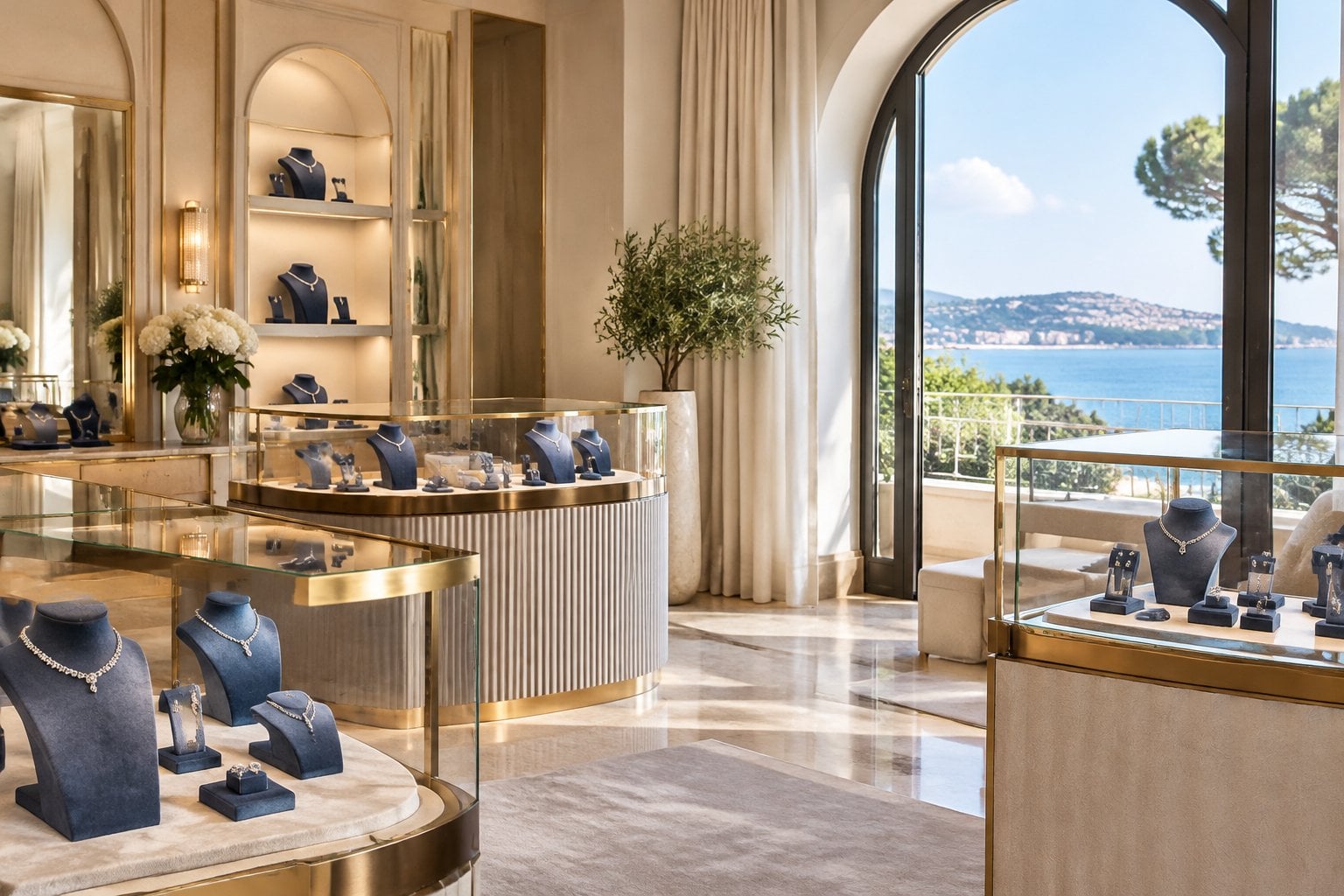
At about 11 a.m. on Tuesday, May 5, 2015, four men robbed the Cartier boutique on La Croisette in Cannes. One of them wore a mask of an old man’s face and carried a pistol. Staff and a customer were inside at the time, and one of the four waited outside.
AFP reported the haul at 17.5 million euros, roughly $19.5 million. Some watches were dropped during the escape and recovered, and French media reported that the getaway car was later found burned out.
The robbery came a week before the Cannes Film Festival, when the town fills with visitors and police. It was one of several large raids on luxury jewelers along the French Riviera in the 2000s and 2010s, including the 2013 Carlton hotel theft and the 2017 Harry Winston robbery on the same boulevard. No reports of arrests or a trial for this robbery were found, and the jewelry that was not dropped has not been reported recovered.
12. The Hatton Garden Vault (London, 2015)
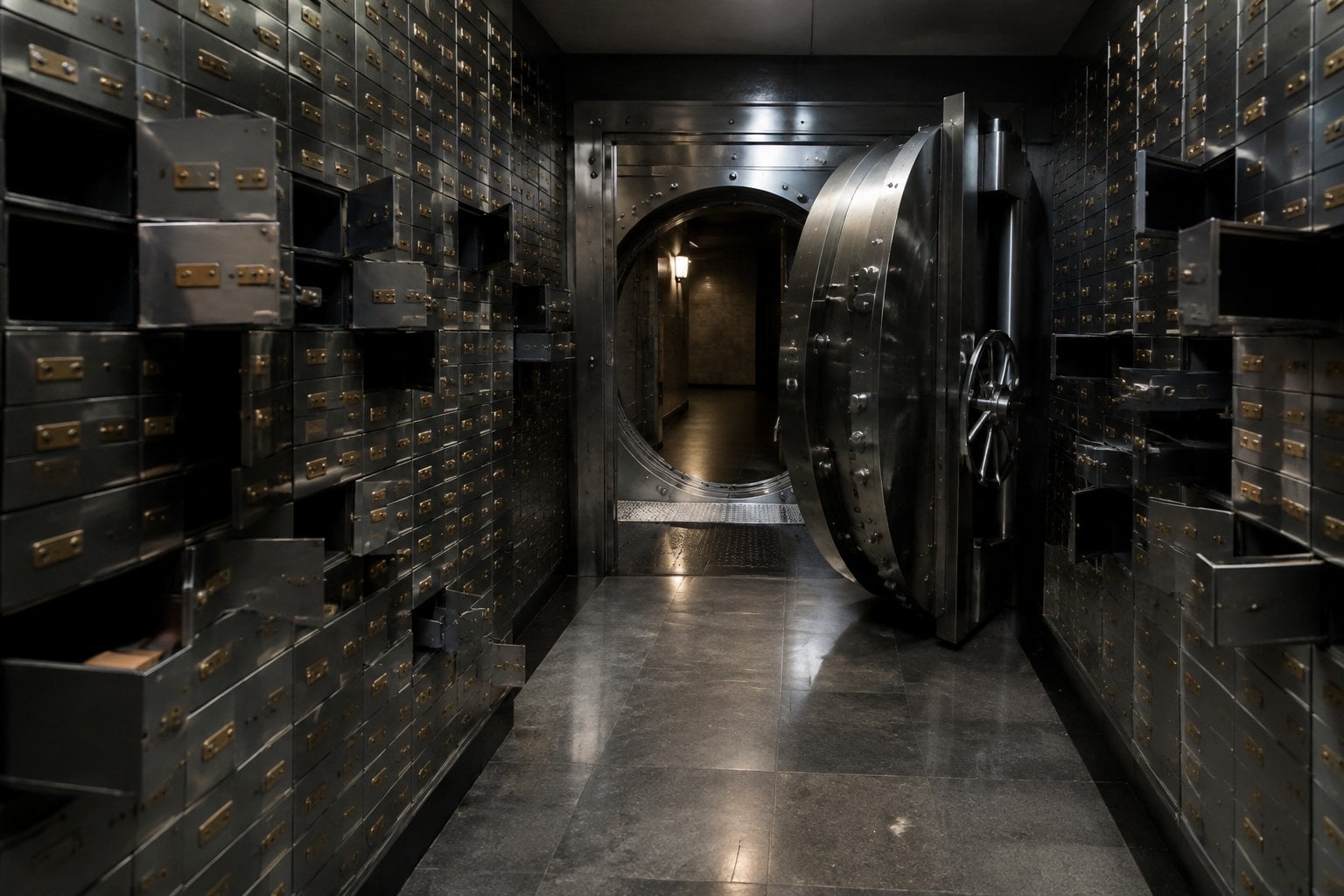
Over the Easter weekend of 2015, a gang broke into the underground vault of Hatton Garden Safe Deposit Ltd in London’s jewelry district. The business closed on Thursday, April 2, and the break-in was discovered after the holiday, on Tuesday, April 7. The thieves had opened dozens of safe-deposit boxes holding jewelry, gems and cash.
The value was put at up to £14 million, about $21 million. Prosecutors called it the largest burglary in English legal history. What made it famous was the gang: a group of older, experienced criminals, the oldest of them 76 at the time of his arrest. Police traced them through camera footage and phone and vehicle records.
In March 2016, a court at Woolwich jailed the main members for up to seven years, and a seventh man was convicted in 2019 and sentenced to 10 years. Only about £4.3 million of the loot was recovered. In 2018, a court ordered the men to pay back £27.5 million or face extra prison time. The case inspired a 2018 film.
13. The Carlton Hotel Exhibition (Cannes, 2013)
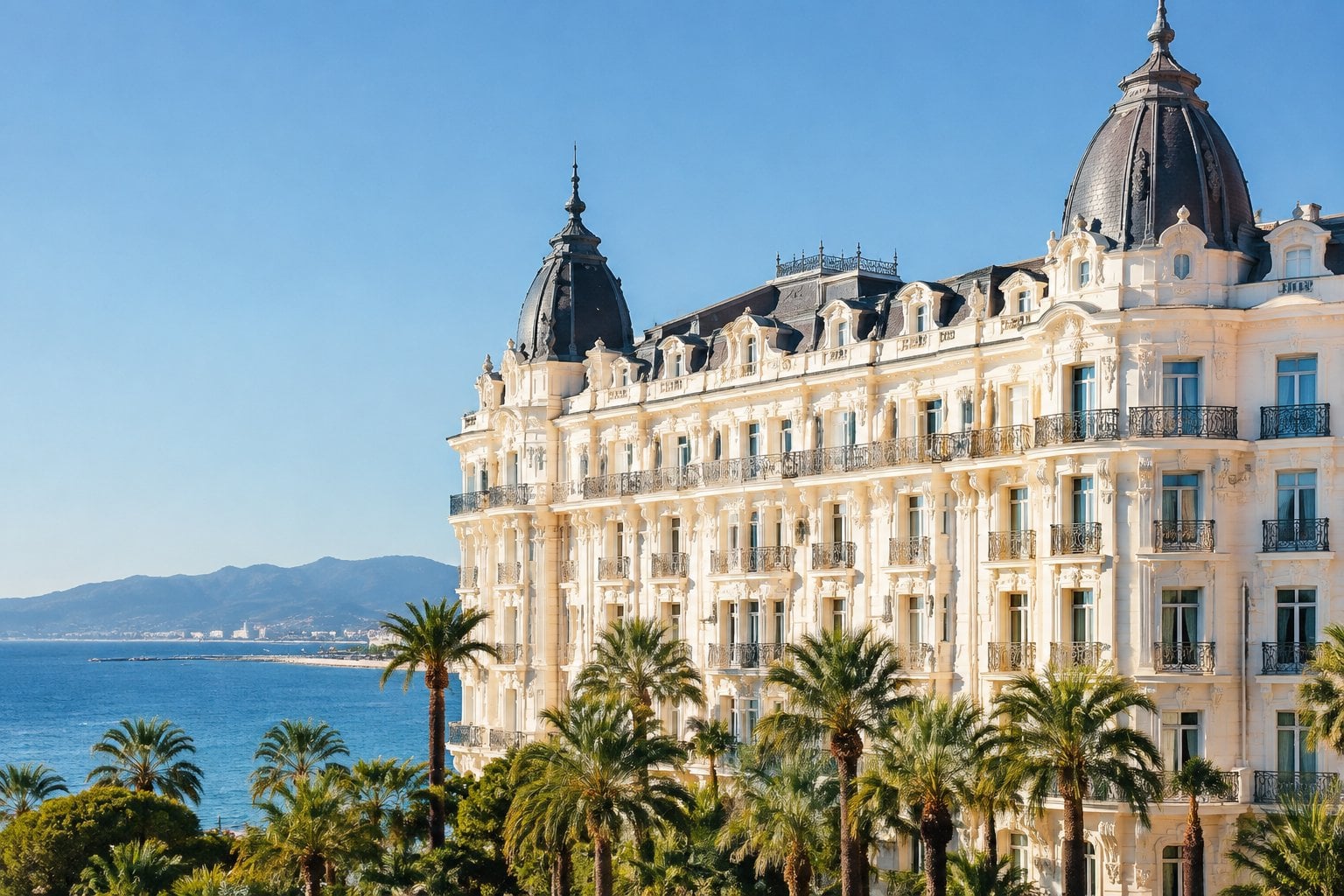
On Sunday, July 28, 2013, a lone armed man walked into a private salon at the Carlton Intercontinental Hotel in Cannes, where a diamond house was holding a jewelry exhibition. He took 72 pieces, put them in bags and fled through a door onto the seafront. Some pieces fell as he ran.
The first estimate was about 40 million euros. Days later, a deputy prosecutor raised it to 103 million euros, about $136 million, after another room was counted. That made it one of the largest jewel thefts ever recorded. Police said the security at the exhibition was out of date and that the hotel had not told them about the show.
The insurers offered a reward of 1 million euros, but no one is known to have been convicted. The hotel is famous in its own right as a setting of the 1955 jewel-thief film To Catch a Thief. The theft was the third on the Riviera in a matter of weeks.
14. The Brussels Airport Diamond Heist (Belgium, 2013)

At about 8 p.m. on Monday, February 18, 2013, eight masked, armed men in two vehicles made to look like police cars drove onto the tarmac at Brussels Airport. A Swiss-bound passenger plane was being loaded with diamonds. In about three minutes, without firing a shot, the men took around 120 packages from the hold and drove away.
The diamonds were valued at about 38 million euros, roughly $50 million. The passengers on board did not know anything had happened until their flight was cancelled. The speed of the raid led to suspicion of inside help.
In May 2013, police arrested 31 people and recovered some diamonds. A Swiss man was caught after wiretapped calls about selling stones in Geneva. Nineteen people went on trial, but in 2018 a Brussels court acquitted 18 of them for lack of evidence. In 2019, one man was sentenced to five years for his role, though the court rejected the claim that he was the mastermind. Most of the diamonds were never found.
15. The Baselworld Diamonds (Basel, Switzerland, 2011)
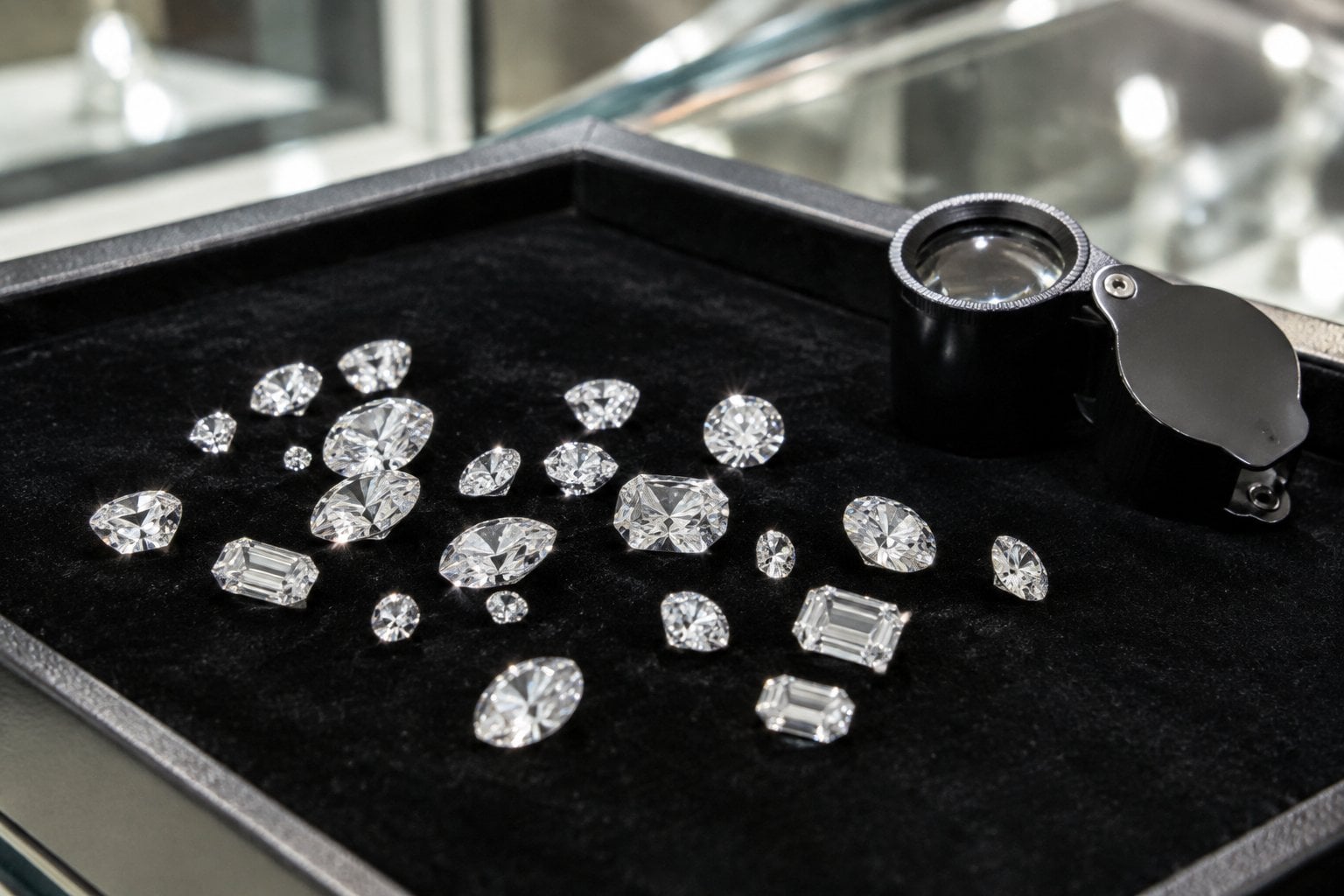
Not every big jewel theft involves guns or tunnels. On March 30, 2011, at Baselworld, the big annual watch and jewelry fair in Basel, four diamonds disappeared from a dealer’s showcase while the dealer’s staff were distracted by a group of at least eight people.
According to the Basel authorities, the stones were worth about 8 million Swiss francs. A later court report put the figure at 8.3 million francs, around $8.7 million. Investigators described the theft as carefully planned and linked the group to Eastern European gangs that specialize in high-value gems.
In February 2014, a Swiss court sentenced a 42-year-old Montenegrin man to seven years in prison for his part in the theft. The man police believe organized it, a 54-year-old Croatian, was placed on an international wanted list. The four diamonds were never recovered. The case is a reminder that a busy trade show can be as tempting a target as a guarded boutique, since millions in stones change hands on open stands every day.
16. Graff on New Bond Street (London, 2009)
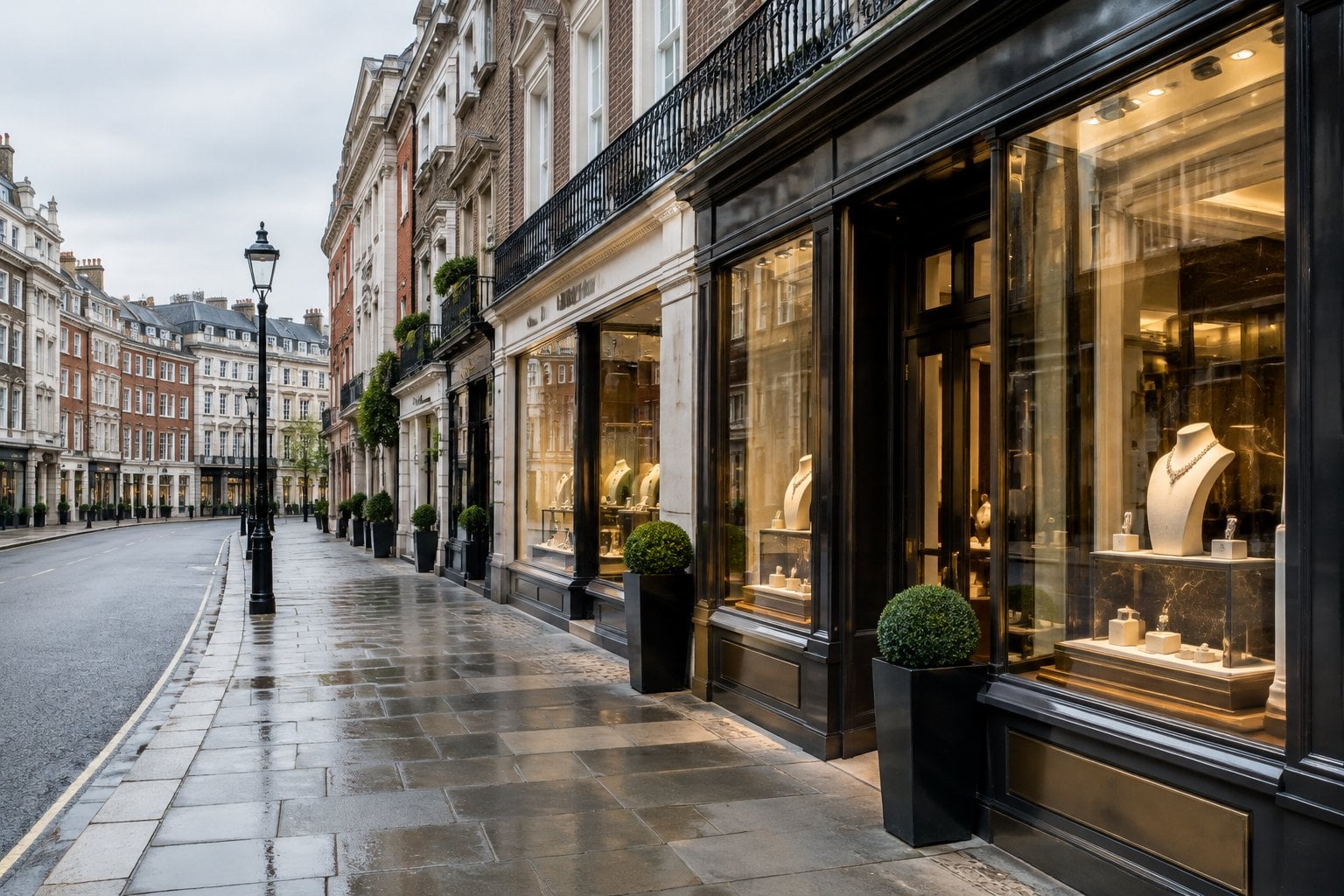
On August 6, 2009, two well-dressed men posing as customers walked into Graff Diamonds on New Bond Street, one of London’s most exclusive shopping streets. They pulled out handguns, took 43 pieces of jewelry, briefly held a shop assistant and escaped by car, switching vehicles twice.
The haul was reported at nearly £40 million, about $65 million, and was described as the largest gem robbery in British history at the time. One necklace alone was valued at more than £3.5 million. Reports said the robbers had used professional make-up to change their appearance.
Police had arrested ten suspects by October 2009. At Woolwich Crown Court, the gunman was sentenced to 23 years in August 2010, three accomplices got 16 years each, and another man received 21 years in March 2011. None of the jewelry had been recovered by then, and experts believed the stones were recut and sold. It was the second big robbery at the same Graff store in six years (see No. 21).
17. Harry Winston on Avenue Montaigne (Paris, 2008)
In early December 2008, three or four armed robbers, some of them disguised in wigs and women’s clothing, walked into the Harry Winston boutique on Avenue Montaigne in Paris. Threatening staff with handguns, they emptied the display cases of rings, necklaces and watches in less than 20 minutes.
The shop declared losses of 85 million euros, about $108 million, to its insurers, according to a Paris judicial official, and the insurer later set the loss at 78.9 million euros. It was the second time the boutique had been robbed in just over a year: in October 2007, thieves posing as painters had raided it too, though reported values for that first theft conflict.
Police suspected inside help because the robbers knew the layout. In June 2009, police arrested 25 people. In February 2015, a Paris court convicted eight people over the two heists, with sentences from nine months to 15 years. A former security guard was among those convicted. Many of the jewels were never found.
18. Graff at Wafi Mall (Dubai, 2007)
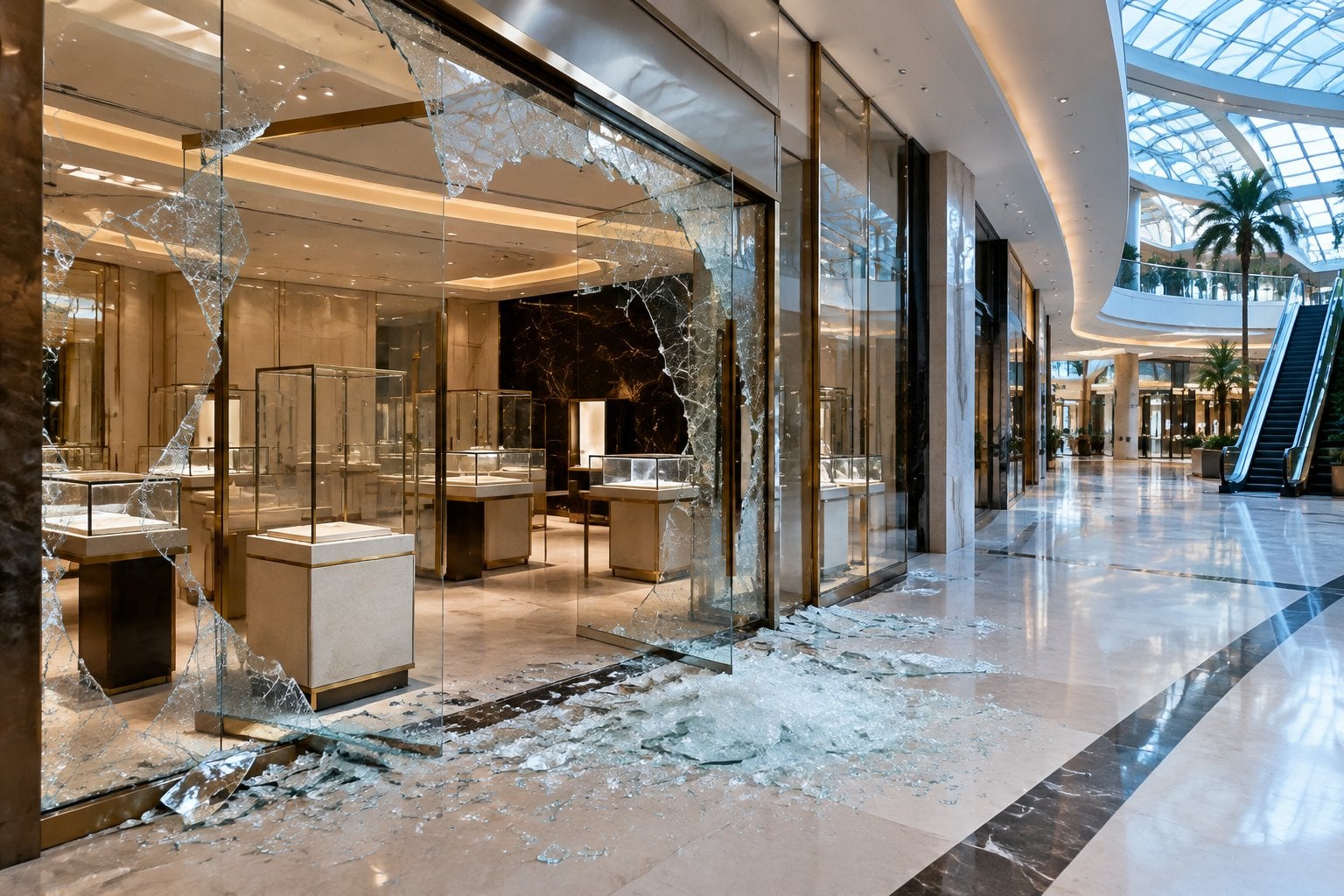
On April 15, 2007, two Audi A8 sedans drove through the glass front of the Wafi Mall in Dubai and stopped near the House of Graff jewelry store. Seven men got out, grabbed diamonds and jewelry and were gone in under two minutes. Their guns turned out to be plastic replicas.
Dubai police put the loss at 14.7 million dirhams, about $4 million. The thieves set the cars on fire, but DNA found at the scene was matched through Interpol. The same year, Interpol set up a special project to track the loose network of Balkan robbers that the press calls the Pink Panthers.
Arrests came within two weeks. In November 2008, the Dubai Court of Appeal upheld a 10-year sentence for one of the robbers, and others later received 10-year terms too, the last of them years afterward. The raid became one of the best-known jobs linked to the network and was featured in a documentary about it.
19. The Schiphol Airport Diamond Robbery (Amsterdam, 2005)

On February 25, 2005, two men dressed in uniforms that looked like those of KLM staff drove a stolen KLM vehicle into a secure cargo area at Amsterdam’s Schiphol Airport. There, they took a shipment of diamonds from an armored transport and drove off.
The Dutch prosecution service has put the value at nearly 75 million euros, and some reports give 65 million euros, so about $85 million to $95 million. Investigators later found that two KLM employees had helped the robbers from the inside.
The case took years to come to court. In January 2019, nearly 14 years after the robbery, a Dutch court convicted three men of armed robbery and sentenced them to up to seven years. On appeal in December 2021, the sentences were raised to as much as nine and a half years, and the Dutch Supreme Court upheld them in October 2023. In February 2024, one of the men, who had fled to avoid prison, was arrested on Ibiza. Much of the loot is still missing.
20. The Ginza Jewelry Boutique (Tokyo, 2004)

On March 5, 2004, two men posing as customers walked into a luxury jewelry boutique in Ginza, Tokyo’s most famous shopping district. They sprayed a liquid at the staff and escaped with jewelry that Tokyo police valued at 3.5 billion yen, about $33 million at the time.
The robbery has been linked to the Pink Panthers, a loose network of robbers mostly from the former Yugoslavia. The case shows how far the network traveled: by July 2004, a suspect in the Tokyo theft was being held in France.
In June 2005, police in Serbia and Montenegro arrested two citizens of that country suspected of the Ginza robbery, at the request of the Tokyo police. Members of the group were later sentenced by a court in Belgrade. The store’s name is reported differently in different sources, so it isn’t named here.
21. Graff on New Bond Street (London, 2003)
On May 20, 2003, two men walked into Graff on London’s New Bond Street, one of them wearing a wig, and asked to see diamonds. They then drew a handgun and grabbed 47 pieces of jewelry worth £23 million, about $37 million at the time.
As they left, a security guard chased one of the robbers and held him. A gun went off during the struggle, slightly injuring a passer-by. The other man escaped with most of the jewelry.
In July 2004, a court at the Old Bailey sentenced the gunman to 15 years. A second man got five and a half years for conspiracy and handling stolen goods after police found a blue diamond hidden in a jar of face cream at his home. According to press reports, the hiding place echoed a scene from a 1970s Pink Panther comedy, and the nickname was later applied to the Balkan network police linked to the case. Only about £3 million of the jewelry was recovered.
22. The Antwerp Diamond Centre Vault (Belgium, 2003)
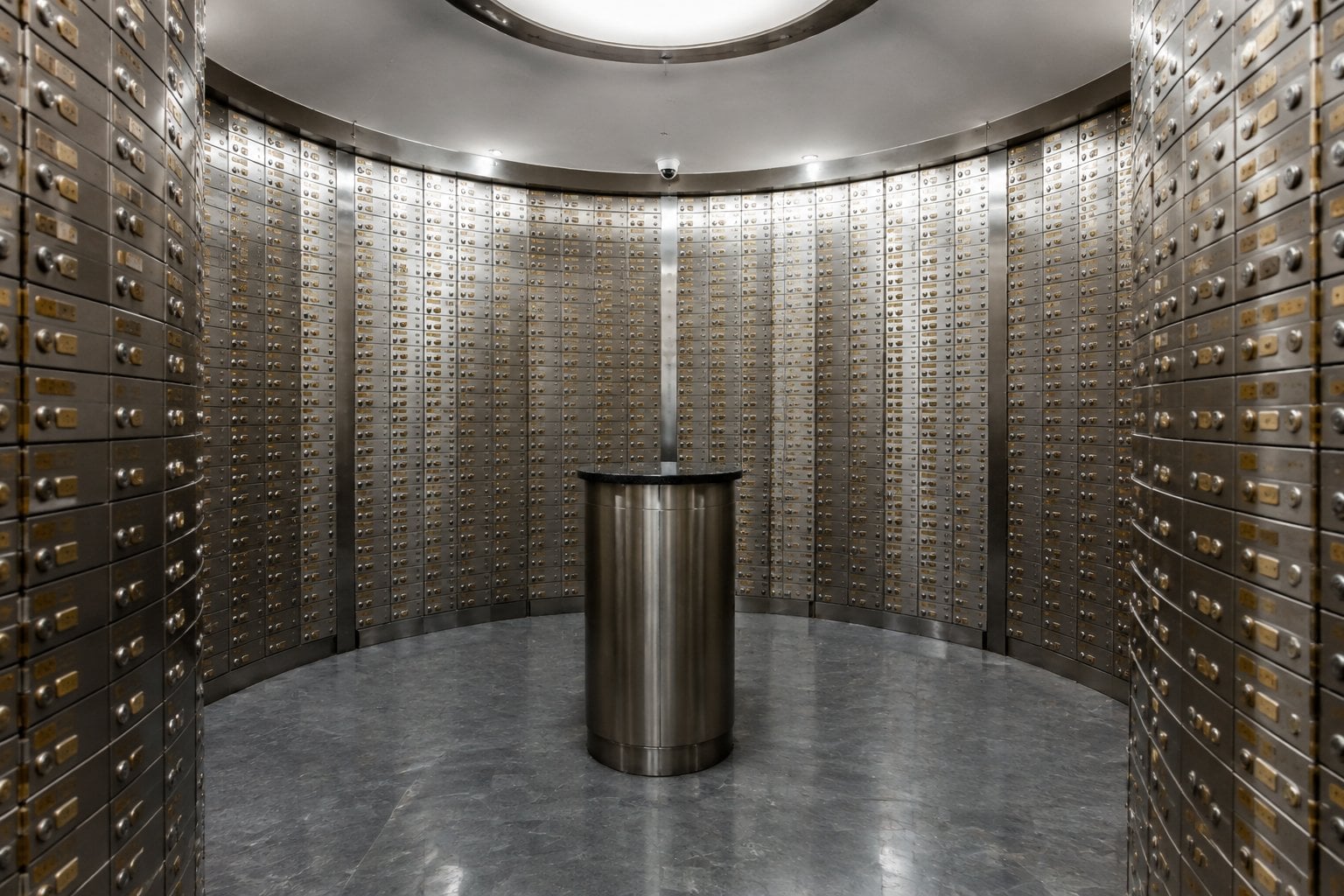
Over the weekend of February 15 and 16, 2003, thieves got into the vault two floors below the Antwerp Diamond Centre, in the heart of the world’s busiest diamond district. They opened 109 of the vault’s 189 safe-deposit boxes and took loose diamonds, gold, jewelry and cash. The theft was found on Monday morning.
The loss was reported at more than $100 million, and Guinness World Records lists it as the largest diamond heist. The value is disputed: the gang’s leader later claimed the haul was only about 18 million euros, a claim experts doubt.
Evidence the gang left behind led police to them, and the leader was arrested days later. In 2005, an appeals court in Antwerp sentenced him to 10 years and three accomplices to five years each. Most of the diamonds were never recovered. The case, often called the heist of the century, has been the subject of books and a 2025 documentary series.
23. The Millennium Dome Raid (London, 2000)

Not every heist on this list succeeded. On November 7, 2000, a gang crashed a digger into the Millennium Dome in Greenwich, London, aiming for a De Beers diamond exhibition. Their target was the Millennium Star, a flawless 203-carat diamond, along with a set of rare blue diamonds, together estimated at about £200 million. A speedboat waited on the River Thames for the getaway.
The gang did not know that the police had been tipped off. In an operation involving about 200 officers, police had swapped the real diamonds for replicas and hidden armed officers inside the exhibit. The robbers were arrested on the spot.
In 2002, a jury at the Old Bailey convicted the gang. Two men were sentenced to 18 years, later cut to 15 on appeal, and others received shorter terms. The judge called the scheme a wicked, professional plan. Had it worked, it would have been by far the most valuable jewel theft in history. One of the replica diamonds is now kept in a police museum.
24. The Knightsbridge Safe Deposit Robbery (London, 1987)
On Sunday, July 12, 1987, armed men posing as customers walked into the Knightsbridge Safe Deposit Centre in west London. They overpowered the manager and the guards, put a “closed” sign on the door and spent hours emptying safe-deposit boxes of cash, jewelry and other valuables.
The total has never been confirmed, because many box holders did not say what they had stored. Figures of £40 million to £60 million were reported, about $65 million to $98 million, which would make it one of the largest robberies in British history.
The robbers left one important clue: a fingerprint. It led police to the leader, an Italian living in London, and his accomplices were arrested in a coordinated sweep on August 12, 1987. The leader was sentenced to 22 years in prison, and others were convicted as well. He was later deported to Italy. How much of the loot was ever recovered was not reported.
25. The Baker Street Bank Vault (London, 1971)
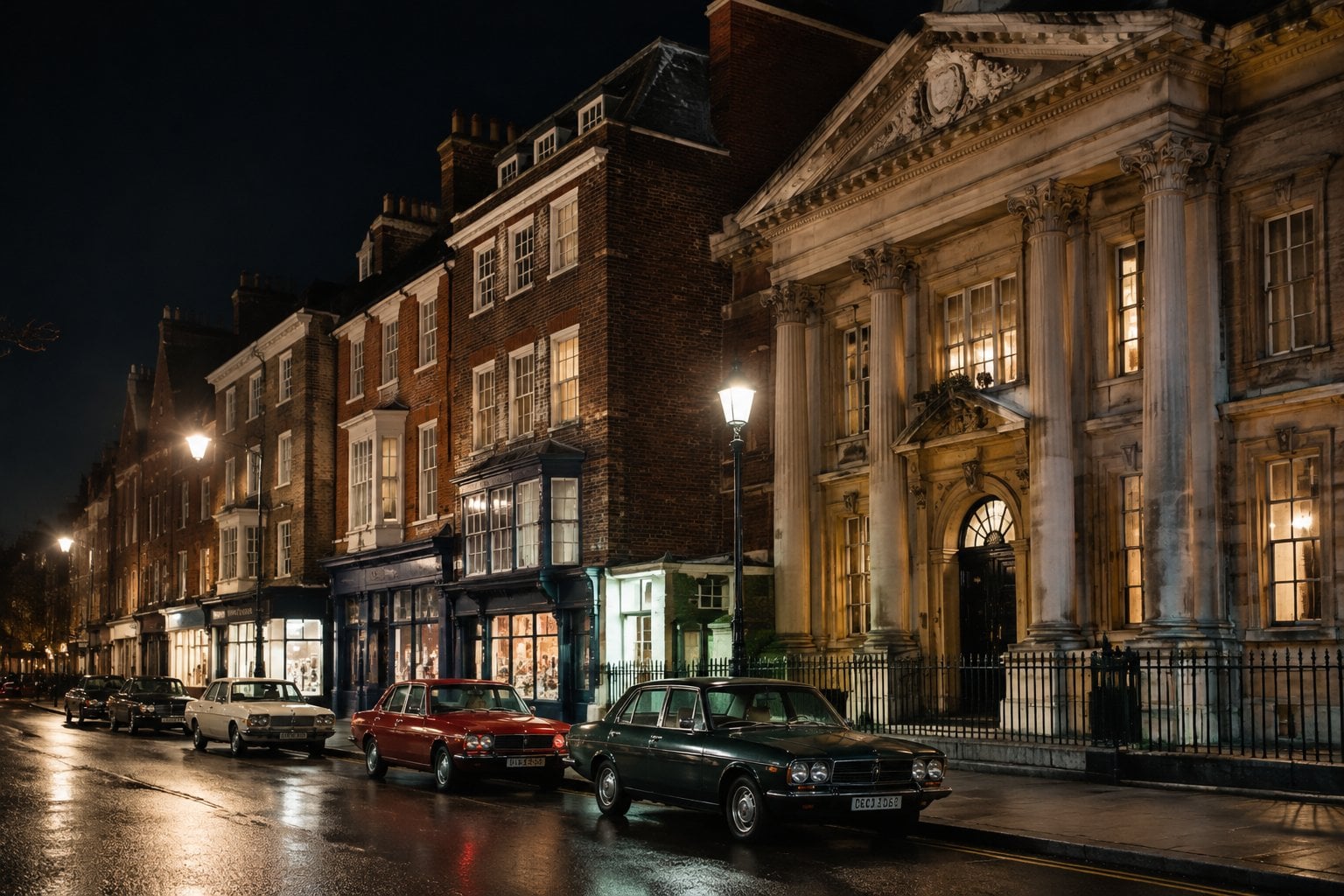
Over a holiday weekend in September 1971, a gang tunneled from a shop they had rented two doors away into the vault of a Lloyds Bank branch at 185 Baker Street, London. They opened 268 safe-deposit boxes holding cash and jewelry.
As the job went on, a radio amateur picked up the gang’s walkie-talkie conversations and called the police. Officers searched banks across the area but did not find the right one in time. The press called it the walkie-talkie robbery.
Nobody knows exactly how much was taken. Estimates range from £1.25 million to nearly £4 million, or roughly $3 million to $10 million, and £1.5 million was the minimum figure cited in court. Only £231,000 was recovered. Arrests came within weeks, and three men were sentenced to 12 years each and a fourth to eight years. The bank stood a short walk from the fictional home of Sherlock Holmes, and the case later inspired the 2008 film The Bank Job.
26. The Star of India (New York, 1964)

On the night of October 29, 1964, thieves climbed into the American Museum of Natural History in New York through an open bathroom window and entered the J.P. Morgan Hall of Gems. They left with about two dozen gems, including the Star of India, a 563-carat star sapphire, the DeLong Star Ruby and the Midnight Star, a black star sapphire.
The battery in the museum’s alarm was dead. The gems were valued at about $410,000 at the time, and none of them were insured, because the museum thought the premiums were too high.
Police arrested three men within two days. In January 1965, the Star of India and several other gems were recovered from a bus-station locker in Miami. The DeLong Star Ruby came back in September 1965 after a $25,000 ransom was paid. The three men were each sentenced to three years. Some of the smaller stones were never found.
27. The Great Pearl Robbery (London, 1913)
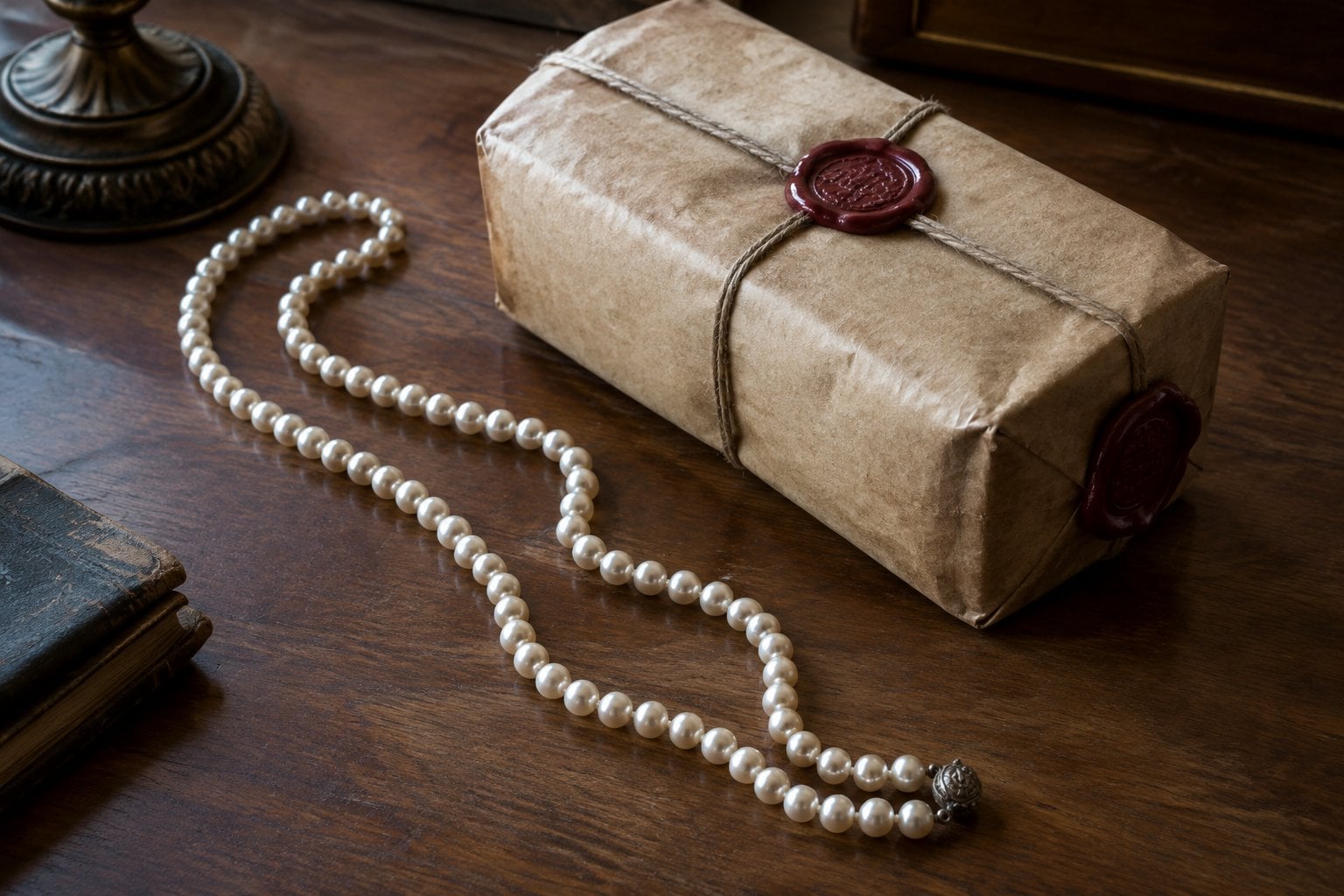
In July 1913, a pearl necklace of 61 matched pearls, sometimes called the Mona Lisa of pearls, owned by a London dealer, was sent by registered post between Paris and London. When the package was opened, the seals were intact, but the pearls had been replaced with lumps of sugar.
The necklace had been bought for £123,000 and was insured at Lloyd’s of London for £135,000, about $660,000 at the time, an enormous sum for 1913. Lloyd’s underwriters worked with Scotland Yard, offered a reward and set up a meeting that led to the arrest of a ring of thieves in September 1913.
Four men were convicted that month and sentenced to terms ranging from 18 months to seven years. Soon after the arrests, a passer-by found most of the pearls in a gutter in north London. The case is still remembered as one of the cleverest thefts of the early 20th century, carried out without force or a single threat.
28. The Irish Crown Jewels (Dublin, 1907)
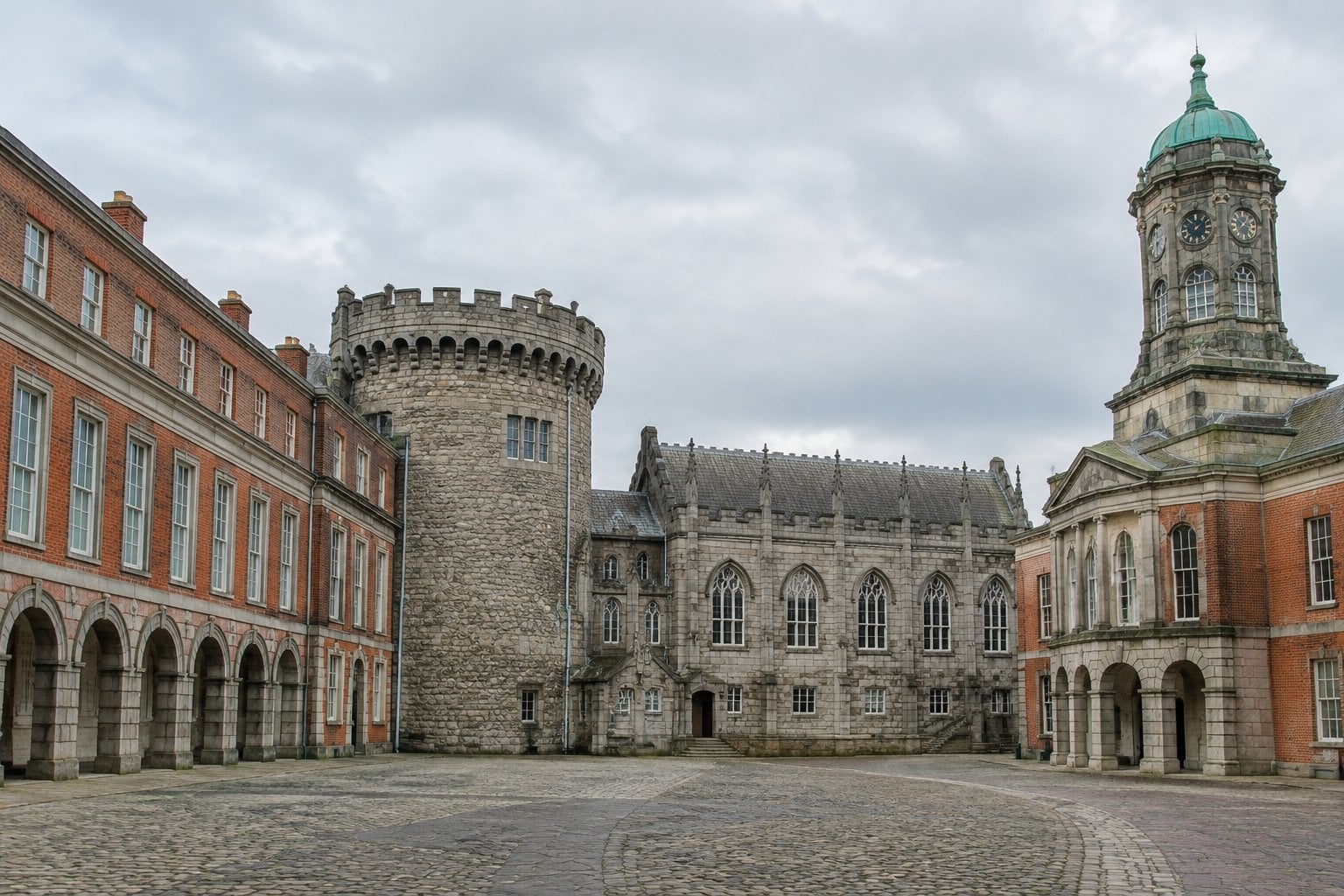
On July 6, 1907, staff at Dublin Castle discovered that the so-called Irish Crown Jewels were missing from a safe in the Office of Arms. They were not crowns, but the jeweled insignia of the Order of St. Patrick: a star and a badge set with 394 diamonds, emeralds and rubies. Five gold collars belonging to knights of the order and some family jewels were also gone.
At the time, the star was valued at £14,000 and the badge at £16,000. In total, the missing items were worth about £32,550, or about $160,000 at the time. The theft was found just days before a royal visit to Dublin, which caused a scandal.
There was no sign of a break-in, and the keys appeared to be in order. Dublin police and Scotland Yard investigated, and a commission in 1908 blamed the official in charge for lack of care. No one was ever charged, the jewels have never been found, and the case remains one of the most famous unsolved thefts in Irish history.
29. The French Crown Jewels (Paris, 1792)

Over several nights between September 11 and 17, 1792, during the chaos of the French Revolution, thieves broke into the Garde-Meuble, the royal storehouse on what is now the Place de la Concorde in Paris. The building, now the Hôtel de la Marine, was poorly guarded, and the thieves returned again and again.
They took a large part of the French crown jewels, including the Regent diamond, the French Blue diamond and a famous red spinel known as the Côte de Bretagne. No reliable value for the haul was ever recorded.
Some of the thieves were caught, and according to the City of Paris, about two-thirds of the jewels were found over the next two years. The Regent was recovered and is now on display in the Louvre. The French Blue was never recovered. A large blue diamond surfaced in London in 1812, and research published in the 2000s concluded that it had been cut from the French Blue. Today that stone is known as the Hope Diamond.
30. The Attempt on England’s Crown Jewels (London, 1671)
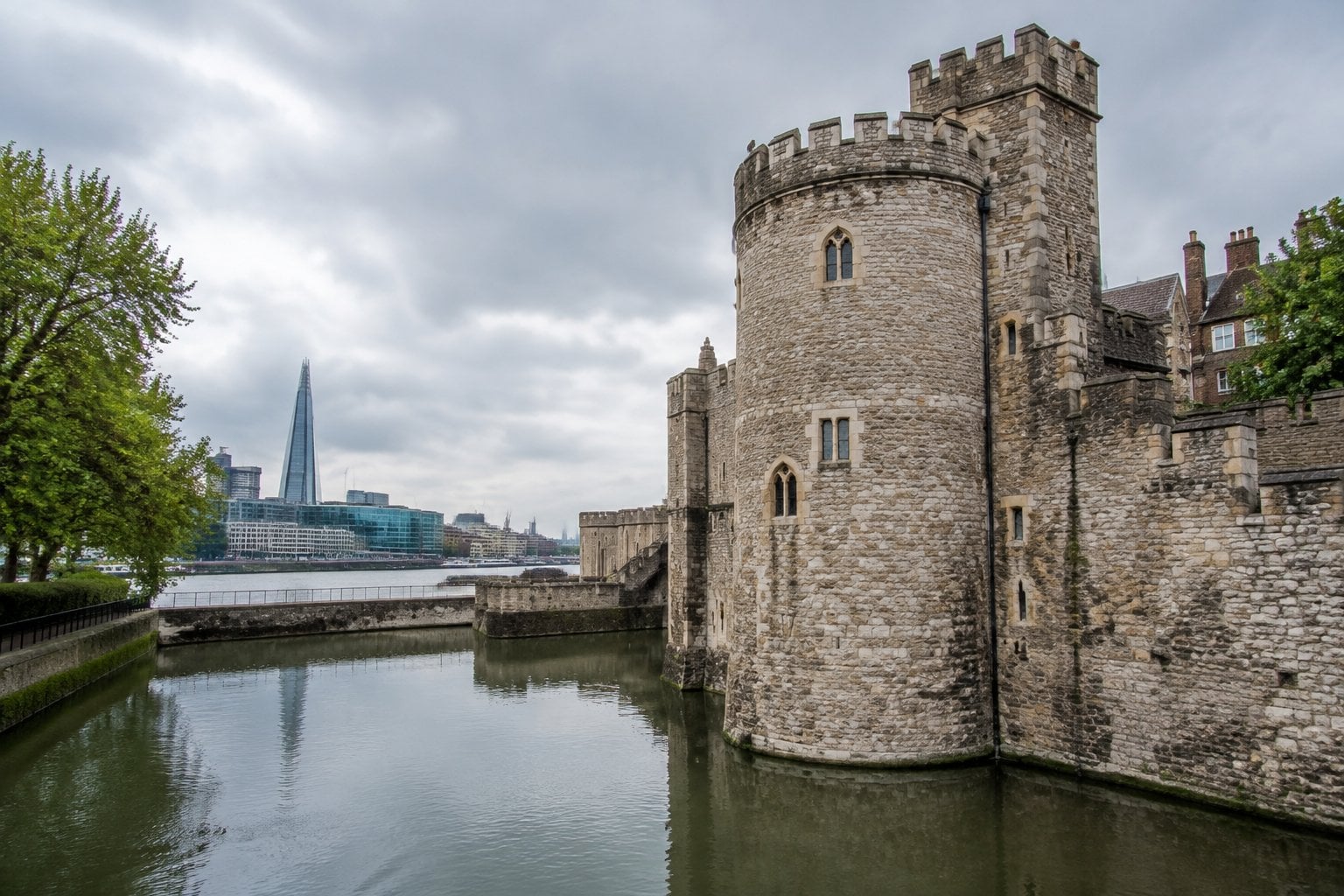
The oldest case on this list is also one of the boldest. On May 9, 1671, a man calling himself Colonel Thomas Blood tried to steal the English crown jewels from the Jewel House at the Tower of London.
Over several weeks, Blood visited the elderly keeper of the jewels in disguise and won his trust. On the day of the theft, he and a small team overpowered the keeper, who was in his 70s, and seized the crown, the orb and the scepter. The crown was flattened and the scepter sawed in two so the pieces would be easier to hide. The keeper was badly hurt but survived.
The thieves were chased and caught before they could get away, and all the regalia were recovered, though damaged. What happened next is the strangest part: instead of being executed, Blood was pardoned by King Charles II and given land in Ireland worth £500 a year. Historians still debate why.
What These Cases Have in Common
The biggest reported values on this list come from recent decades: the Carlton hotel theft in Cannes (103 million euros), the Green Vault in Dresden (113.8 million euros), the Louvre (88 million euros), Harry Winston in Paris (85 million euros) and the claimed $100 million from the Brink’s truck. In several of these cases, owners, insurers and prosecutors gave very different figures, so the true values may never be known.
Arrests are common, but recoveries are not. Courts convicted people in most of these cases, yet much of the loot from Antwerp, Schiphol, Graff and Harry Winston was never found, and the Irish Crown Jewels and most of the Louvre jewels are still missing.
For more strange and costly cases, see our lists of the 30 weirdest lawsuits ever filed and the 30 biggest lawsuit settlements in U.S. history. The Dutch prosecution service has a case page on the Schiphol diamond robbery, and the Basel police published an official release on the Baselworld theft.
This article is general information, not legal advice. Values are as reported at the time, and the status of open cases may have changed since publication.


